Enclosed vs Open Transport Cartersville — Which Trailer Your Bike Belongs On
Two trailers, one honest recommendation — and the reason pickup and delivery is the whole point out here.
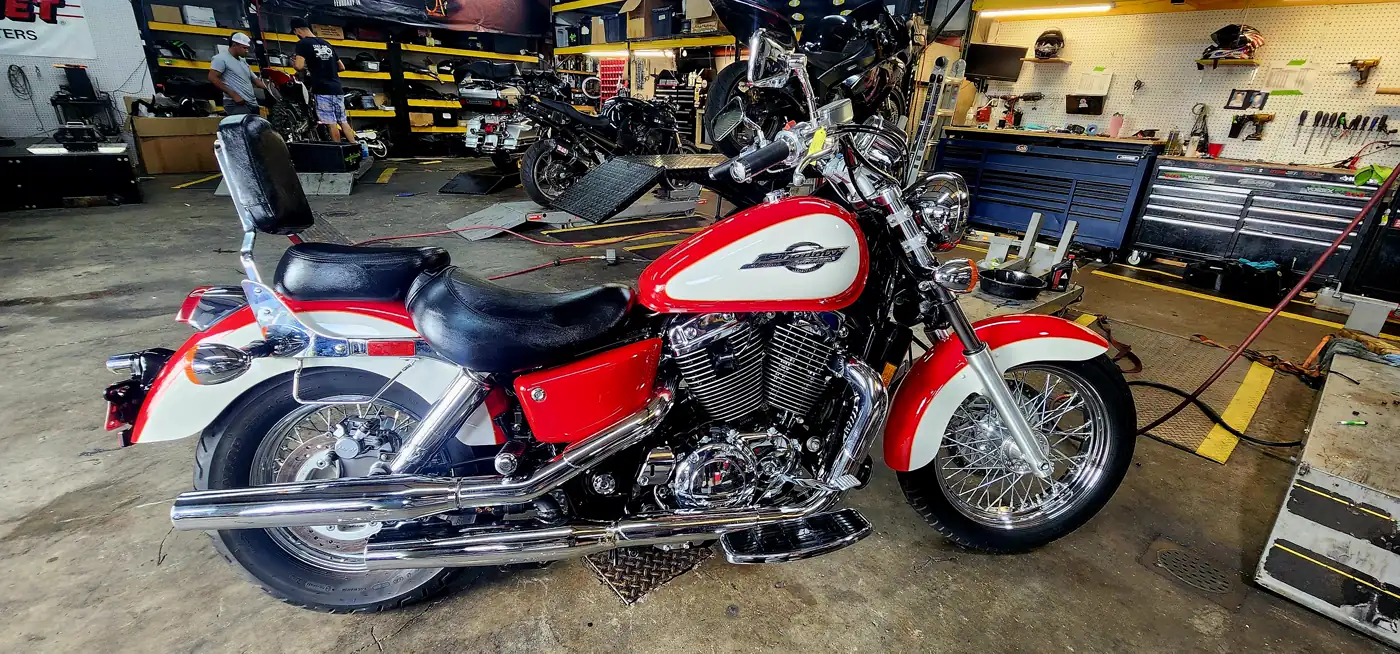
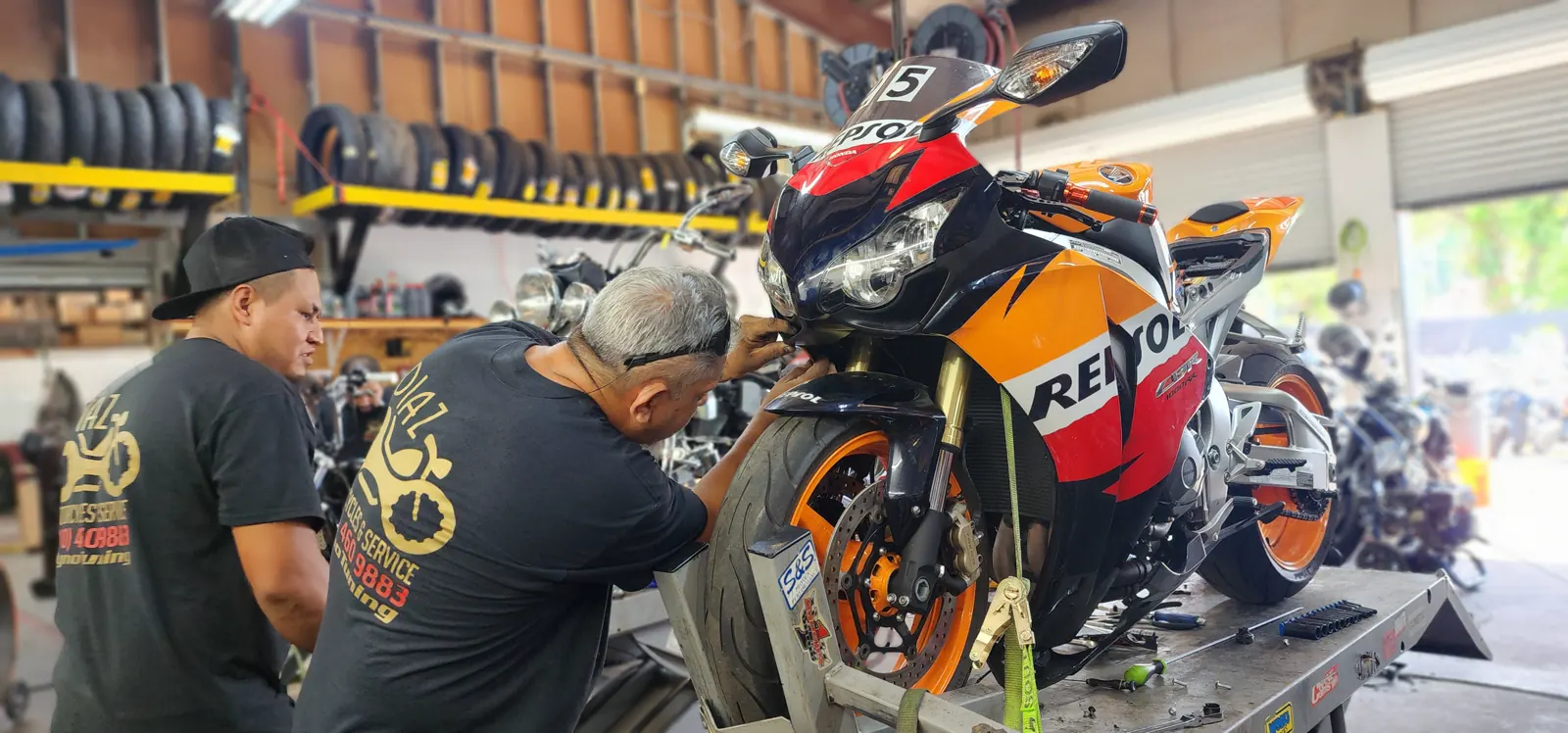
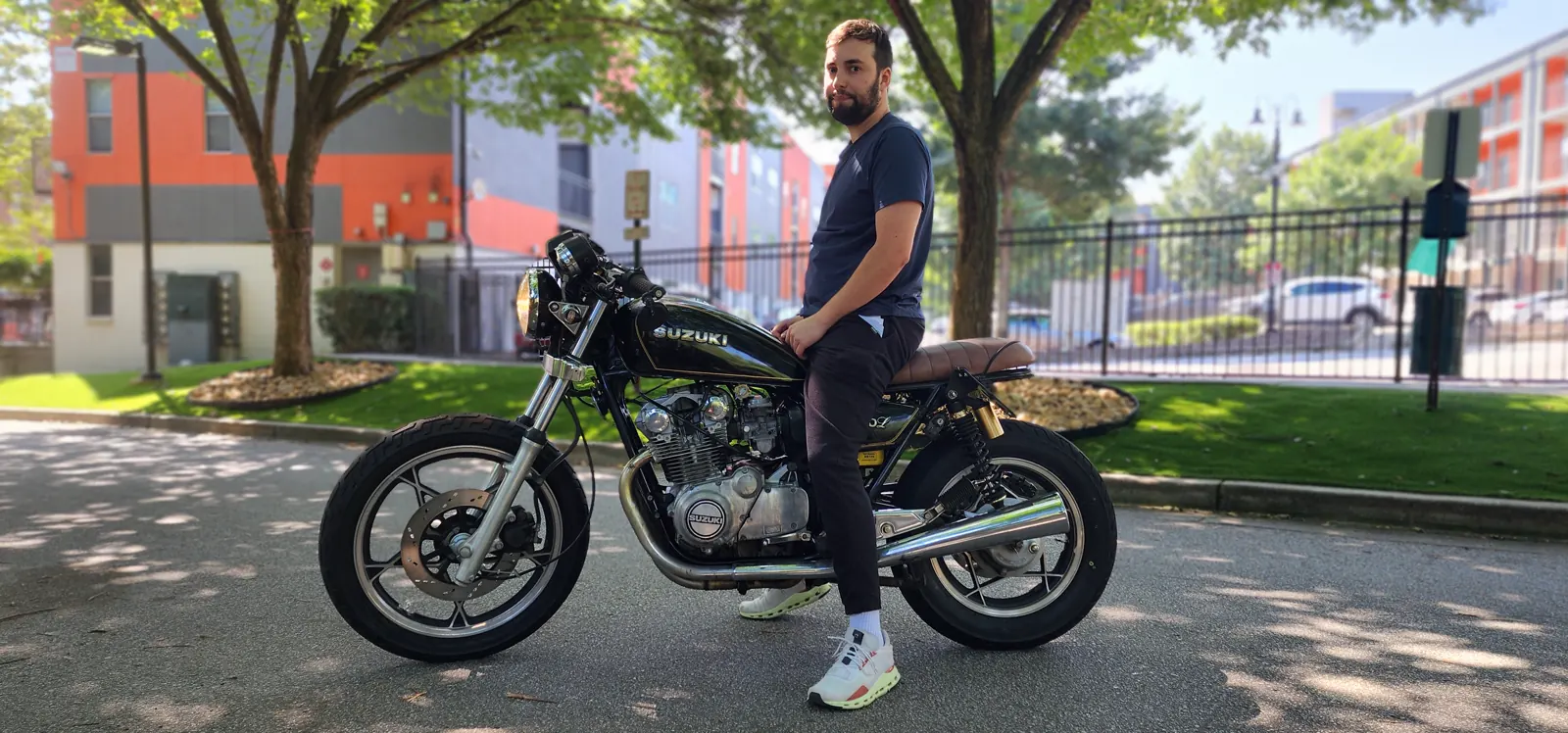
Look around your garage for a second. There’s the bagger that goes to the dealer for tires. The barn-find Sportster has been a winter project for three years running. And maybe a sportbike sits in the corner that nobody in town seems to want to touch. Three bikes, three shops, three drives. So the day one of them needs to move, and you start weighing enclosed vs open transport Cartersville hands you a real question: which trailer does your bike actually belong on?
Here’s the good news before we go deep. Both trailers work. Both get your bike from one driveway to another without drama, and both can do it without leaving a mark. The real difference isn’t whether they do the job — it’s what each one guards against, and how much of that guarding your particular bike actually needs. We haul bikes out of Bartow every week, and no two calls are quite the same. So let’s walk through it like we would if you were standing at the shop counter with us.
What you're really asking
When folks ask us about a trailer, they think the choice is enclosed or open. Underneath, it’s a different question. You’re really asking how much you want your bike shielded from the outside world during the ride over. An open trailer carries your bike in the fresh air. It’s strapped down on a flat deck, out where you can see it, riding along in the wind and weather. An enclosed trailer carries your bike inside a sealed box, walled off from rain, sun, road spray and anything a passing truck kicks up.
That matters more around here than it does in a lot of places. The US-411 battery-campus corridor west of town is a construction zone right now, with mud tracking across the lanes and road work that flings grit everywhere. Ride I-75 south and you’re behind heavy trucks dropping blown retread and gravel. On an open trailer, your bike shares that air for the whole run. On an enclosed one, it never knows the difference.
The honest answer
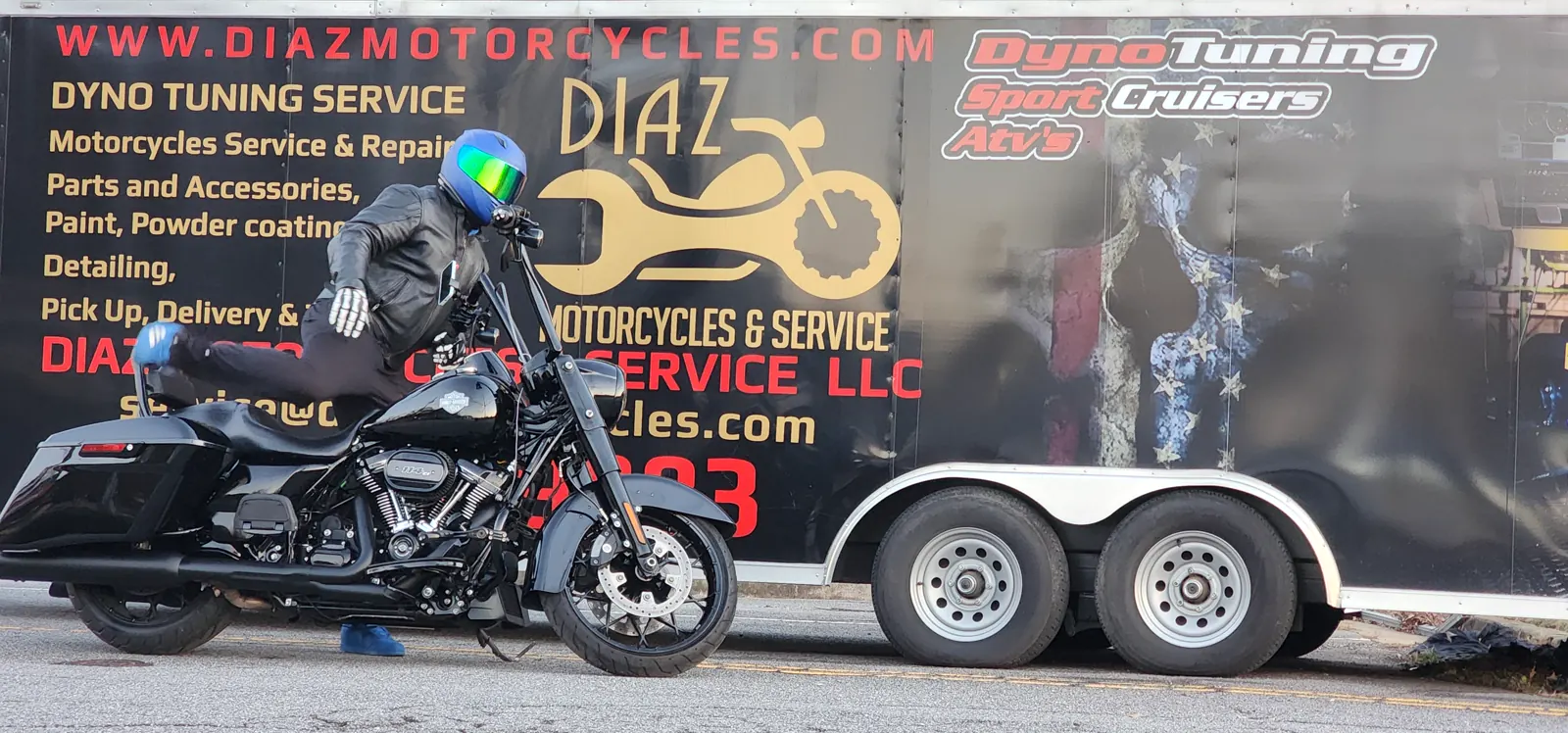
So which one do we recommend? For most bikes, most of the time, open is the right call. It’s simpler, it loads faster, and a clean, well-strapped open haul over an hour of highway does your bike no harm at all. The vast majority of the cruisers, baggers and project bikes we move around Bartow ride open, and they arrive exactly the way they left. If your bike is a rider — something you take out, put miles on and don’t baby — open transport is honest, solid, and it’s what we’d pick for our own machines.
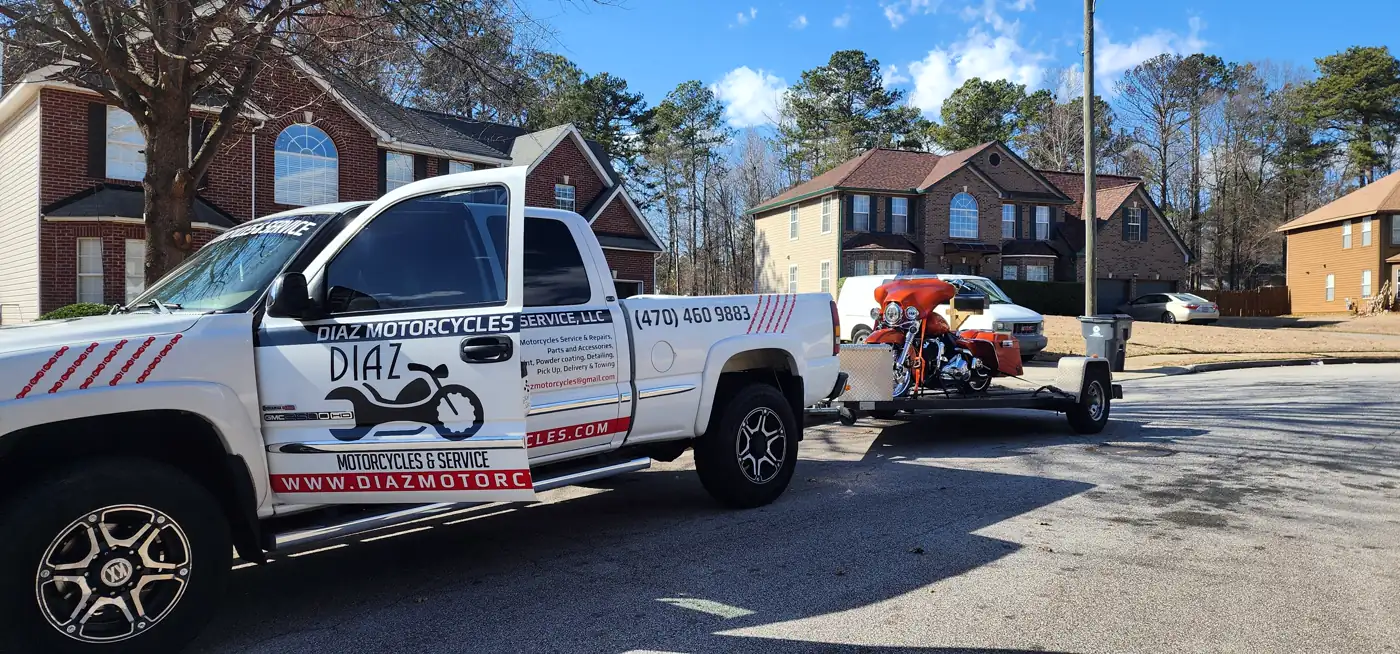
Open works because the job is done right, not because the trailer is fancy. Every bike gets soft loops around the bars so the straps never bite the finish. The suspension gets loaded evenly so nothing bounces loose. Tie-down points get checked twice before the wheels roll. That care is the real protection, and it’s the same on either trailer — you can see the full list of what we take care of here. The trailer is just the shell around good work.
Now here’s when the other choice wins, because it truly does. Enclosed earns its keep the moment the bike is more than a rider. Fresh custom paint that can’t take a single rock chip. A frame-off restoration heading to a show. A rare vintage machine, or a bike so clean it belongs in a living room. For those, the sealed box isn’t a luxury — it’s cheap insurance. If losing one chip would break your heart, you already know your answer.
Here’s the question we’d ask if you were standing in the shop. Forget the trailers for a minute. If this bike picked up a small scratch on the ride over, would it ruin your week, or would you shrug and wipe it down? Your gut answer tells us everything. A shrug means open is fine and you’ll save yourself the fuss. A knot in your stomach means enclosed, and you’ll sleep better the whole way there. We’ve never once regretted matching the trailer to how much the bike means to you.
What changes the answer
A few things can tip a bike from one trailer to the other, and they’re worth knowing before you decide. When you weigh enclosed vs open transport Cartersville, weather is the detail that decides it most often. A haul in the middle of a clear, dry stretch is easy on an open deck. Move that same bike through a week of hard rain, though, and enclosed starts making more sense, especially if it’s going to sit loaded for a while. Season matters too — February and March around Bartow bring freeze-thaw and grit on the roads, and a sealed trailer keeps all of it off the bike.
Distance changes it as well. A short pull across the county is one thing. A long-distance move — a bike bought out of state, or an estate bike coming home from far away — spends more hours exposed, so the math leans toward enclosed the farther it goes. We handle those long runs the same careful way, and if you want to see how it plays out on a longer route, here’s the Peachtree City side of things. Same care, different miles.
Condition is the last piece. A bike that won’t start — one that’s been sitting since last summer near Allatoona with a dead battery and gummy fuel — doesn’t ride itself onto anything. That’s fine, because we’re set up to load a bike that can’t roll under its own power. Once it’s back at the shop and needs waking up, here’s how we handle that job. And once it’s rolling again, good rubber matters — Dunlop’s technical resources are a solid read on what your bike should be wearing.
How we handle it
Whichever trailer your bike rides on, the paperwork is the same, and it’s the part that actually protects you. Before we load, we walk the bike with you and write down its condition — every existing scratch, ding and scuff, with photos. You get that record. When we unload, we check it against the same list. That way there’s never a question about how the bike showed up versus how it left. Good transport isn’t just straps and a truck. It’s a clear record on both ends, so you’re covered no matter what.
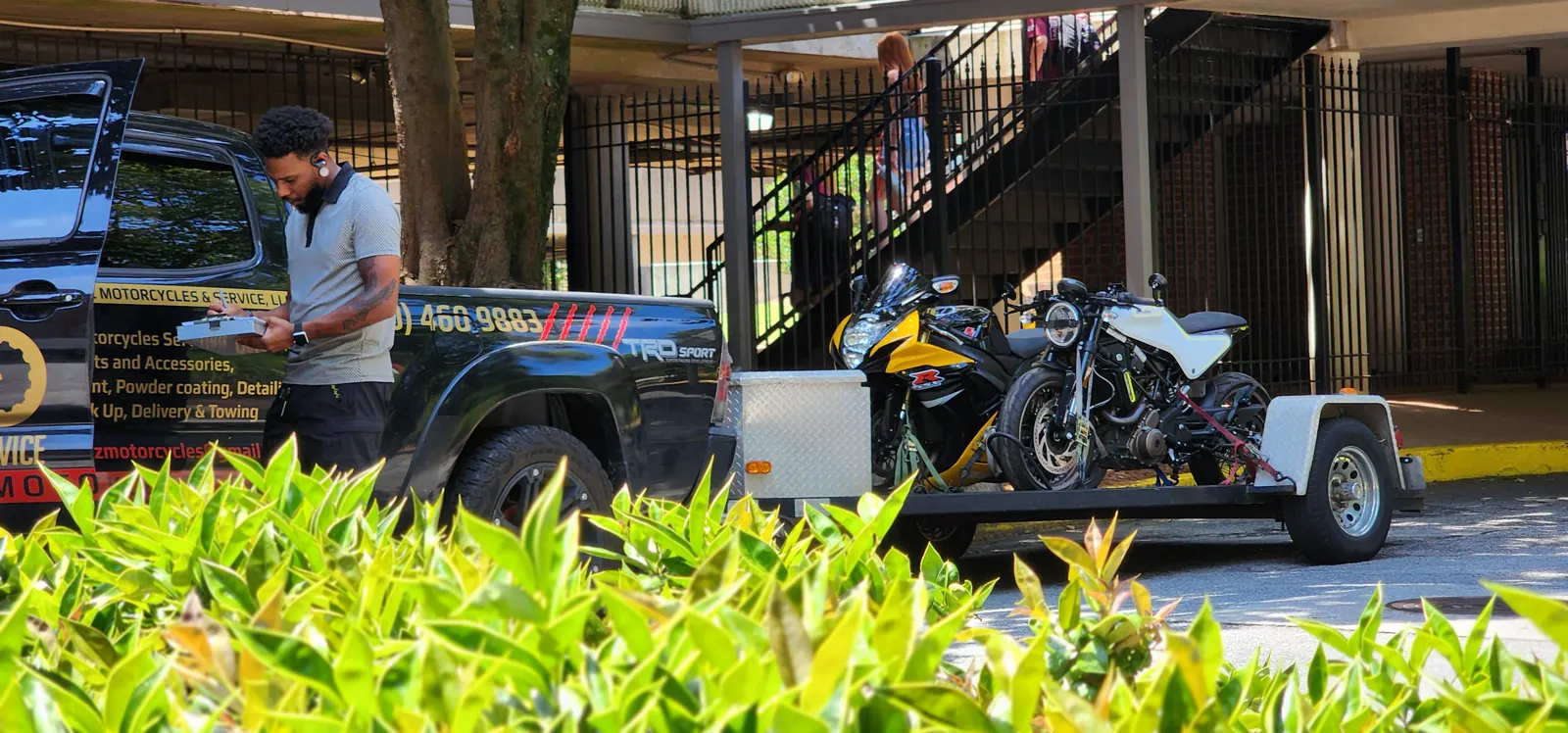
Loading a bike right is its own small craft. Soft loops go around the bars first, so the ratchet straps pull on webbing and never on your paint or your switchgear. The front end gets compressed just enough to keep the bike planted, not so much that it strains the fork seals. A wheel chock locks the front tire dead straight. Then we roll it a foot and check every strap again before we ever touch the road. It’s slow on purpose, and that’s exactly why bikes ride quiet the whole way over.
That habit is a big part of what separates a good shop from a guy with a trailer and a phone. Anybody can strap a bike down. Not everybody documents it, uses soft loops, checks tie-downs twice, and shows up when they said they would. When you’re handing over a bike that matters, those small things are the whole game. We’d rather over-communicate and have you relaxed than leave you guessing in your driveway.
The trailer protects the bike. The paperwork protects you.
And let’s be straight about the drive. We’re over in East Cobb, and Cartersville is the better part of an hour away depending on how I-75 is moving. That distance is exactly why pickup and delivery is the whole point for you. You don’t ride an hour, drop the bike off, and then figure out a ride home. You don’t borrow a truck and a buddy for a Saturday. We come get it, right in your driveway, and bring it back the same way.
We also get called for the hard days — an inherited bike that needs to come home, a machine that needs moving after a rider’s accident, a seasonal move north or south. Those aren’t shopping trips, and we treat them gently. You point us to the bike, and we handle the lift, the straps and the miles so you don’t have to think about any of it.
Can you switch later?
People ask if they’re locked in once they pick. You’re not. If you go open this time and later buy something you’d never dream of hauling in the open air, we switch you to enclosed for that bike, no problem. Plenty of our friends run open for the everyday bikes and enclosed for the one special machine. The choice is per bike and per trip, not a lifetime contract. You tell us what’s riding and where it’s going, and we bring the right trailer to the curb.
| Open trailer | Enclosed trailer | |
|---|---|---|
| Best for | Riders, project bikes, everyday cruisers | Show bikes, fresh paint, rare or restored |
| Weather | Great in dry, clear runs | Sealed against rain, sun and grit |
| Long distance | Solid for most moves | Leans this way the farther it goes |
| Loading | Fast and simple | A little more time, fully closed in |
So the decision itself is simple once you know your own bike. What’s not the same everywhere is the town it’s happening in, and that part is worth a word.
Cartersville riders, specifically
This is where Cartersville is genuinely different from other towns. Bartow has the most organized motorcycle culture in the northwest metro. It’s a real Harley town, built around Southern Devil Harley-Davidson up on 411 and the Cartersville Georgia H.O.G. Chapter #1593, with poker runs, toy runs and charity rides that keep everybody connected. It’s also the staging city for the best riding up north, so folks from Cobb, Paulding and Cherokee roll through on their way to the mountains. That mix means a lot of bikes, a lot of loyalty, and high standards all around.
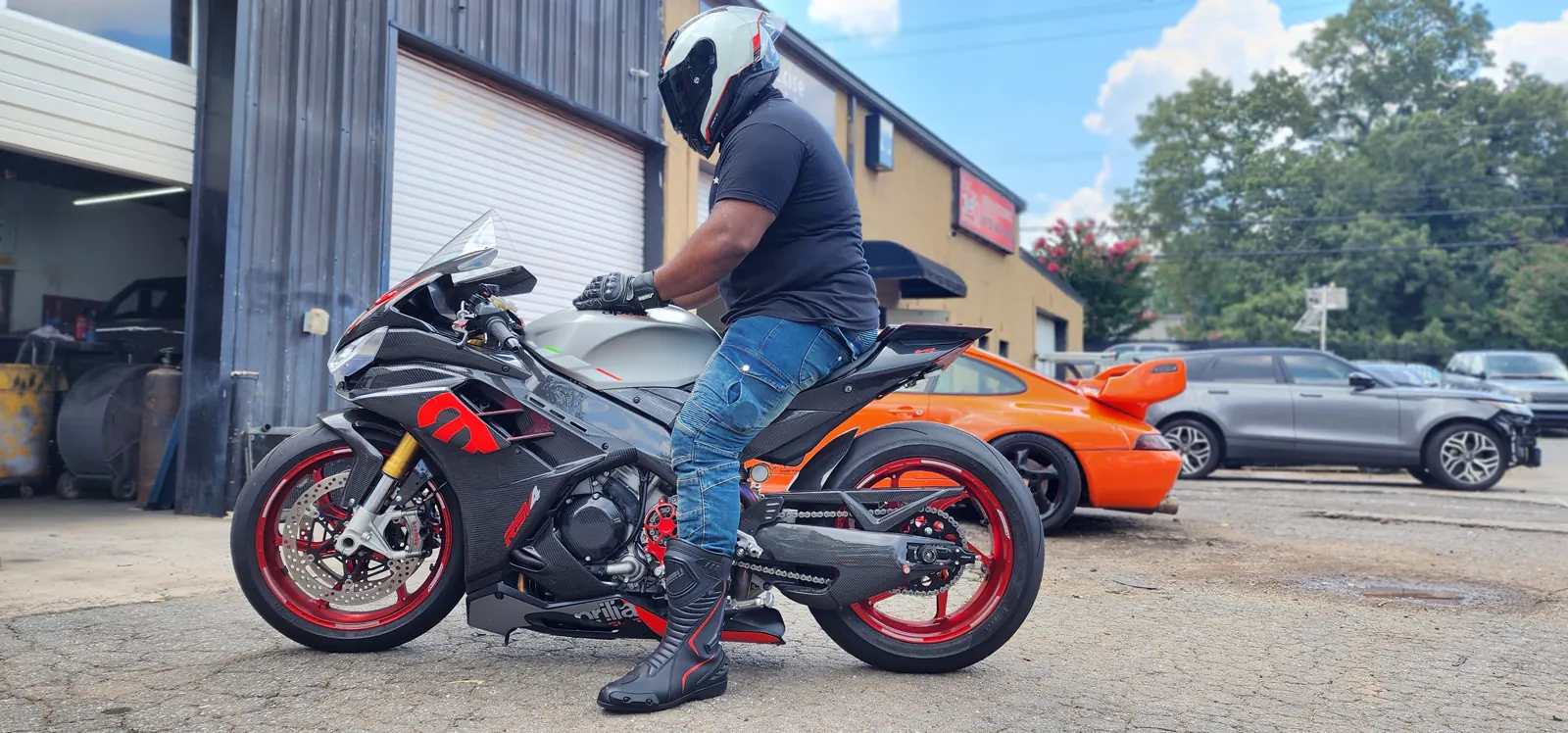
Here’s the catch, though. The in-town shops are brand dealers — Harley and Suzuki. That’s great if that’s what you ride. But a Japanese sportbike, a European bike, or a one-off custom doesn’t have a real home in the county. For those riders, moving the bike to a shop that speaks its language is just part of owning it. That’s a big reason we haul so many bikes out of Bartow, and why we made the trip our problem instead of yours.
Pickup here also means knowing the streets. The narrow, pre-1940 lanes of the West End take a careful hand with a trailer, and the North Erwin Street Historic District is the same — tight, historic, no room for a rushed job. Out in a place like Carter Grove, meanwhile, it’s long driveways and big garages, an easy load once you know where you’re going. We do. Whether your bike’s tucked behind a century-old house or parked at the end of a Carter Grove drive, we’ve backed a trailer up to it before.
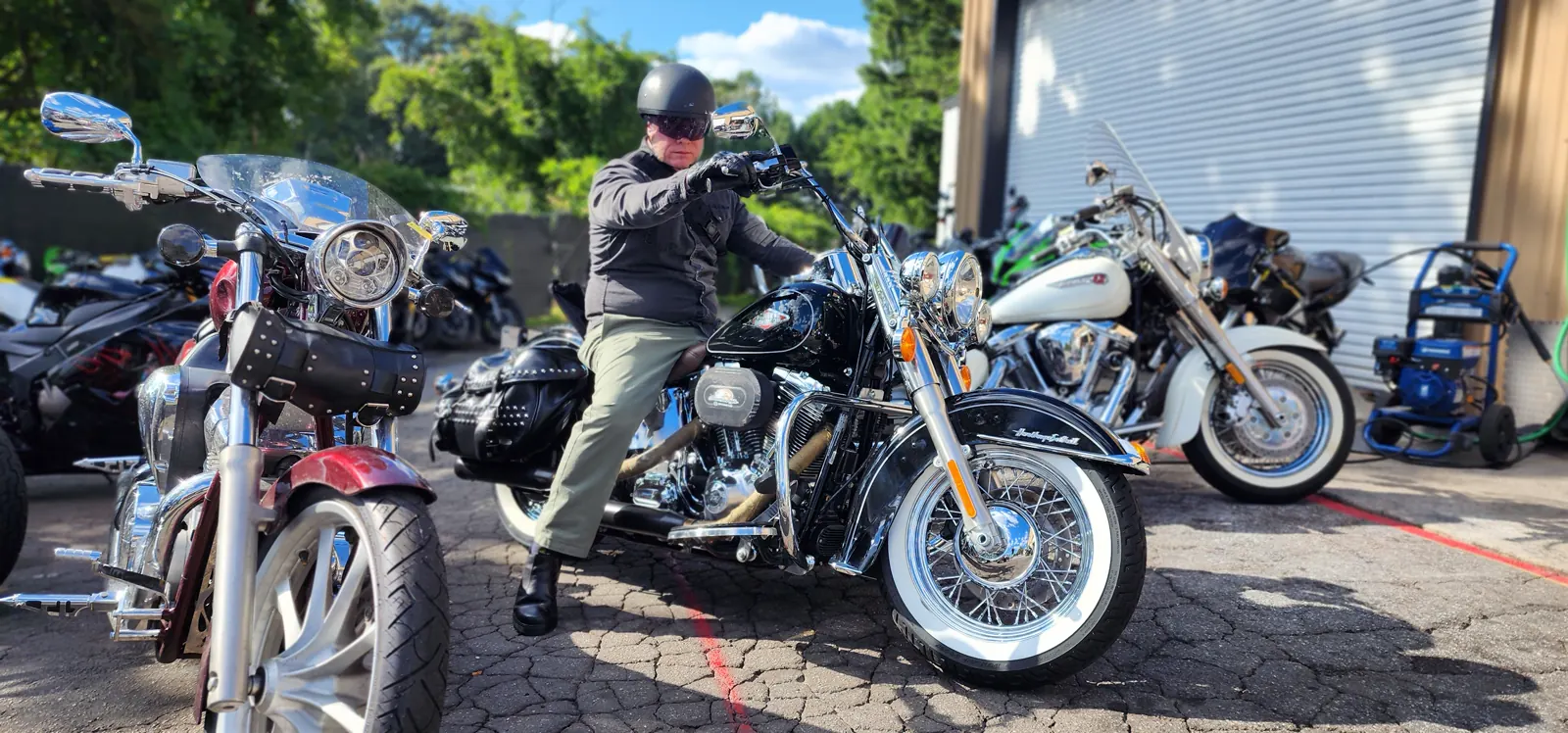
And we get why the bike matters so much. A Saturday that starts at a garage near Red Top Mountain State Park and rolls down Red Top Mountain Road toward Allatoona is the whole reason you own the thing. Our job is to keep that bike ready for those days, and to move it safely whenever it can’t ride itself. If you’re newer to two wheels or just want a refresher before those mountain runs, the Georgia Motorcycle Safety Program is well worth a look.
The bottom line
So, the recommendation, plainly. That’s the whole of enclosed vs open transport Cartersville, minus the noise: go open for your riders and your projects, because it’s cheaper on your nerves and just as safe when the straps are right. Go enclosed for the bike you’d hate to see take a single chip. Not sure which one your bike is? Just tell us what it is and where it’s going, and we’ll tell you straight, the same as we’d tell a friend. You’ll feel good about the call, because it’ll be the right one for that bike.
Questions Cartersville riders ask us
What's the real difference between enclosed and open?
An open trailer carries your bike in the fresh air, strapped to a flat deck where you can see it. An enclosed trailer carries it inside a sealed box, walled off from rain, sun, road spray and anything a truck kicks up. Both are safe when the bike is loaded right. The difference is only how much your bike is shielded on the drive.
Which one keeps a bike nicer over the long run?
Enclosed, if the bike gets hauled a lot. Each trip, it never touches weather or road grit, so paint and chrome stay cleaner over years of moves. For a bike that only ships now and then, a well-strapped open haul keeps it just as nice. The finish only pays a price if the bike rides open through a lot of bad weather.
Which is right for my kind of riding?
If your bike is a rider you put real miles on, open is a great fit and the easy choice. If it’s a show bike, a fresh restoration, or something with paint you’d never risk, go enclosed. Tell us what you ride and how you feel about it, and we’ll point you the right way. There’s no wrong answer, just a right one for your bike.
Can I switch from one to the other later?
Absolutely. The choice is per bike and per trip, never a lifetime contract. Plenty of our friends run open for the everyday bikes and enclosed for the one machine they baby. Buy something special down the road, and we bring the enclosed trailer for that one.
Which do you recommend for most bikes?
Open, for most bikes, most of the time. It’s simpler, it loads faster, and a clean, well-strapped haul does your bike no harm at all. We save enclosed for the bikes where a single chip would sting. When you’re unsure, we’ll tell you straight.
Will you move a bike that won't start?
Yes. A dead battery, gummy fuel, or seized brakes won’t stop us — we’re set up to load a bike that can’t roll under its own power. Getting it here is step one, and that part’s on us. Once it’s back at the shop, we can wake it up too.
We roll out to Cartersville and all around Bartow and its neighbors, so the drive never has to be yours. That includes Acworth, Emerson, Kennesaw and White, plus Adairsville, Euharlee, Kingston and Taylorsville up and around the county. We also swing over to Canton, Rydal, Woodstock and Dallas when a bike needs moving. Wherever it’s parked, we come get it and bring it back.
WE COME GET IT
You don’t have to ride an hour, drop the bike, and hunt down a way home. Text us what you’ve got and where it sits in Cartersville, and we’ll tell you which trailer it belongs on — open or enclosed — then bring it in and back the same careful way. First message, we’ll help you pick.
470-460-9883Diaz Motorcycles and Service, LLC · 847 Barnes Mill Road, Marietta, GA 30062