Service Shop Powder Springs — Rider's Guide
How to read what your bike is telling you, what a real service actually includes, and how to pick the shop that earns your keys.
Also that little tick from the chain didn’t go away over the weekend. If anything it got a hair louder. Instead Give it one more month of Saturday rides and that tick turns into a chain stretched past adjustment, a rear sprocket with hooked teeth, and a countershaft sprocket quietly grinding itself into a new shape. Besides one small part becomes three, and a job you could have watched over your coffee becomes a job that eats a day. Actually that’s usually the moment riders start hunting for a service shop Powder Springs folks actually recommend. That’s why the good news is that bikes are honest machines. Either way they tell you early, in plain language, and most of what they say is still easy to answer.
In short a bike almost never breaks all at once. At the same time it breaks in a chain of tiny handoffs. As a result a worn part leans on the part beside it, that part leans on the next one, and the work grows one link at a time. Catch it at step one and you’re looking at a swap and an afternoon. Catch it at step four and you’re looking at a teardown. So this post is about reading step one yourself, and about sizing up a shop that reads it with you instead of just handing you a ticket.
Start with what your bike is already telling you
Most riders out here in West Cobb ride weekends, not commutes. Georgia bans lane splitting, so nobody gains a thing riding through a jam on C.H. James Parkway. The bike lives in the garage next to the truck and puts on miles in bursts. That pattern hides symptoms. You notice a noise on Saturday, forget it by Wednesday, and by the next ride your ears have adjusted to it. Keep a note on your phone. Memory is a terrible mechanic.
- A chain that goes tight, then loose, then tight again as you roll the bike by hand
- A brake lever that pulls closer to the bar this month than last month
- A front end that pulses under braking, especially down from highway speed
- Oil gone dark and thin, or a level that keeps dropping between rides
- A flat strip worn down the center of the rear tire, or fine sidewall cracks
- A starter that turns slow on the first crank of the day, then fine after that
- Fuel that smells sour and varnishy after the bike sat through a cold stretch
- A cold start that suddenly wants more throttle than it used to
None of those mean your bike is dying. Each one is a normal wear signal with a fix that already exists. What they do mean is that a clock started. Your job is to notice, then hand it to someone who knows which clock ticks fast and which one waits until fall.
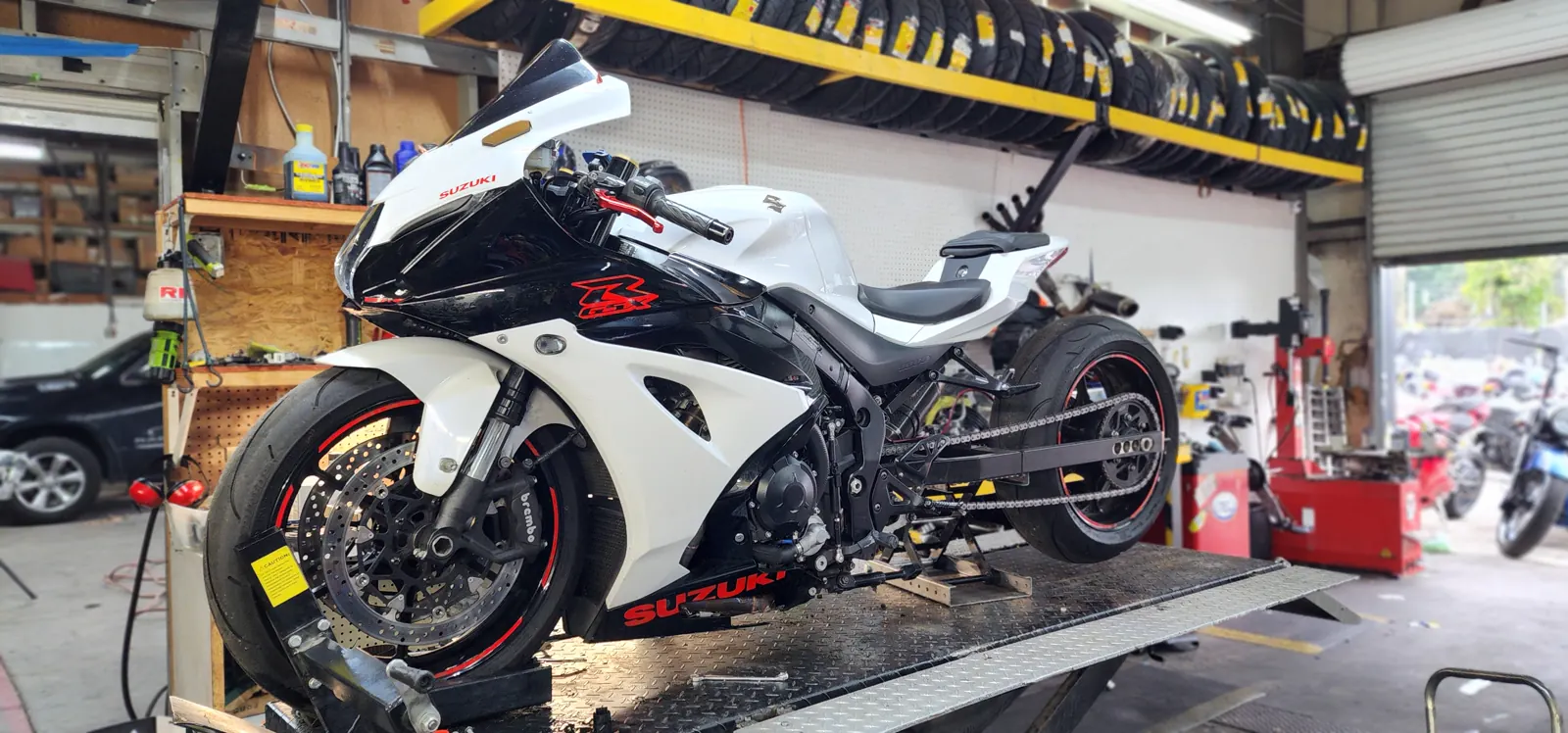
What each of those signs actually means
The tight-loose chain
A chain doesn’t stretch evenly. Some links wear faster than others, so when you roll the bike and the slack changes as the wheel turns, you’re feeling uneven wear. Adjusting it at the tight spot leaves the loose spots flopping, and adjusting at the loose spot binds everything. A shop measures the stretch across a run of links, then looks at the sprocket teeth for hooking. If the teeth are shark-finned, the sprockets go with the chain. That’s how we handle that job every time, because a fresh chain on worn sprockets wears out fast.
The lever that keeps getting closer
Brakes give plenty of warning if you’re paying attention. A lever creeping toward the bar usually means pad material is thinning, though it can also mean fluid that’s gone soft. Brake fluid is hygroscopic, a fancy way of saying it drinks water out of the air over time. Water boils sooner than fluid does, so a hard stop can feel spongy right when you want it firm. Pads and fluid are both quick work, and the difference in feel afterward is a little dramatic.
The flat strip down the middle of the tire
A squared-off rear tire is the mark of a bike that spends its time upright and straight. The center wears, the shoulders stay fresh, and the bike feels lazy turning in. Sidewall cracks come from sitting instead, and bikes stored indoors through winter still age their rubber. Date codes on the sidewall tell the real story, and a good tech points them out rather than just calling the tire old.
Here's what a good shop checks that a rushed one skips
This is the part that separates shops, and it has nothing to do with how nice the lobby looks. A rushed service is an oil change with a sticker on it. A real one is an inspection that happens to include an oil change. Same bike, same lift, very different outcome three months later. So when you weigh one service shop Powder Springs riders mention against another, ask what’s on the checklist and listen for whether the answer sounds memorized or lived-in.
- Steering head bearings, checked by feel with the wheel off the ground, hunting for a notch dead center
- Wheel bearings, spun and listened to instead of just eyeballed
- Fork seals and the dust behind them, since a weeping seal shows as grit before it shows as oil
- Brake pad thickness on both ends, plus the color of the fluid in both reservoirs
- Coolant strength and hose condition, not just the level in the tank
- Air filter pulled and looked at, because a filter can look clean up front and be packed on the back
- Battery load tested, not just voltage checked, which is the most common miss after a long sit
- Fasteners torqued on anything touched, especially axle and caliper hardware
None of that takes long once a tech has a rhythm. What it takes is a shop that budgets the minutes. If a place quotes a turnaround that sounds impossibly fast, that’s not efficiency, that’s a shorter list. Ask to see the old parts too. Any shop worth trusting will set your old pads on the counter, and most of us enjoy showing you, because the wear pattern is usually kind of interesting.
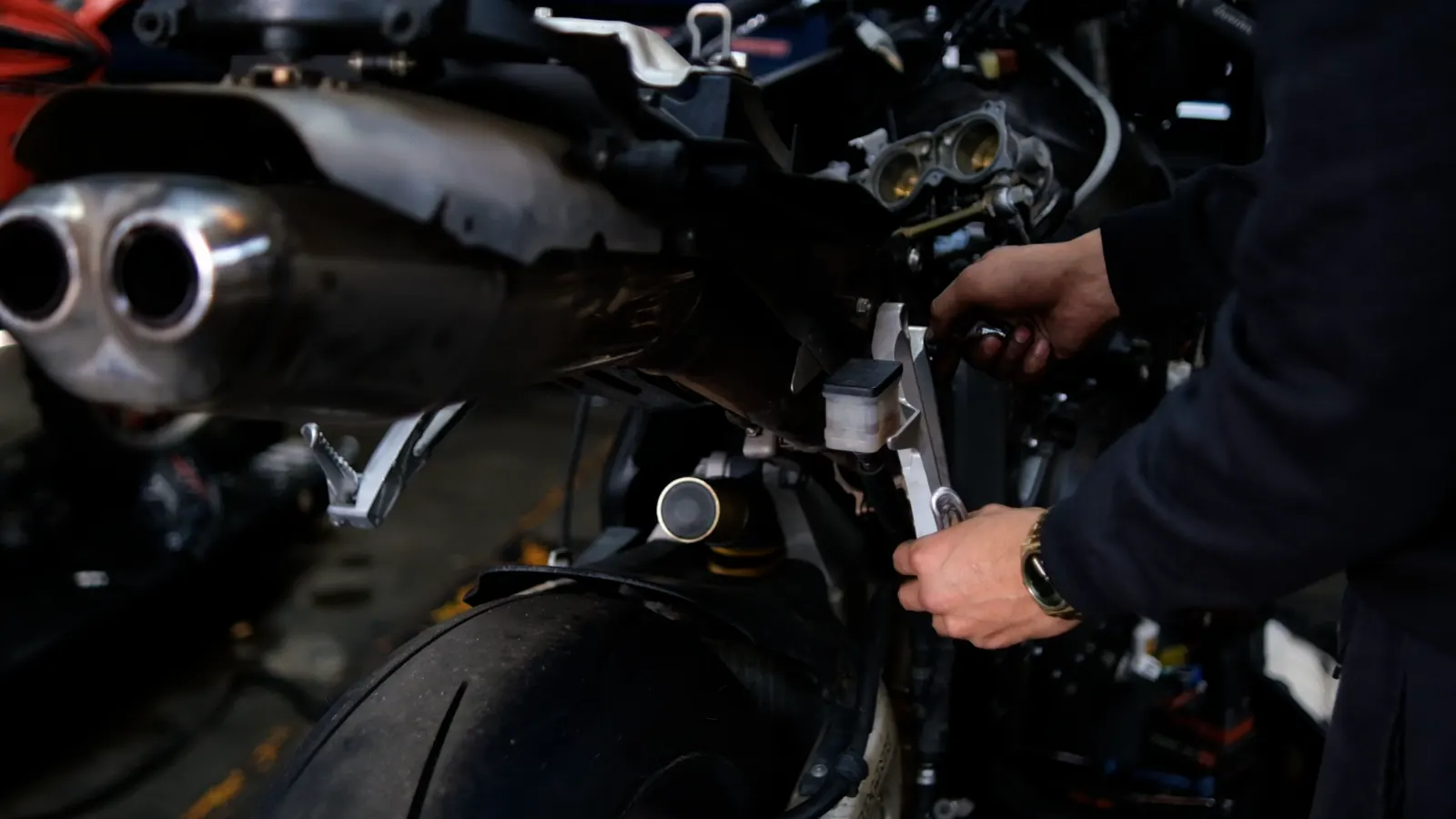
A rushed service is an oil change with a sticker on it. A real service is an inspection that happens to include an oil change.
What actually happens when you drop the bike off
Plenty of riders have never seen the back of a shop, so the process feels like a black box. It isn’t. Here’s the honest order of operations on a normal service day, and you can hold any shop to a version of this.
- We talk first. You describe the noise, the feel, when it happens and when it doesn’t. That saves more diagnostic time than any tool on the wall.
- The bike goes on the lift for a full walk-around before a bolt moves, so nothing already there gets blamed on us.
- The inspection runs top to bottom: fluids, filters, chain or belt, brakes, tires, bearings, electrical and lights.
- We call with findings sorted into needed now, coming soon, and can wait. Three buckets, plain words, no pressure.
- The work gets done, everything touched gets torqued, and the bike gets a road test before it goes back out.
That third bucket is the one riders remember. Knowing your tires have one more good season left is worth as much as knowing your pads are done today, because it lets you plan instead of react. If you want a sense of what tends to land in each bucket and how the work adds up across a riding season, we’ve written that out separately. And if you’d rather just see the full list of what we do in one place, that’s there too.
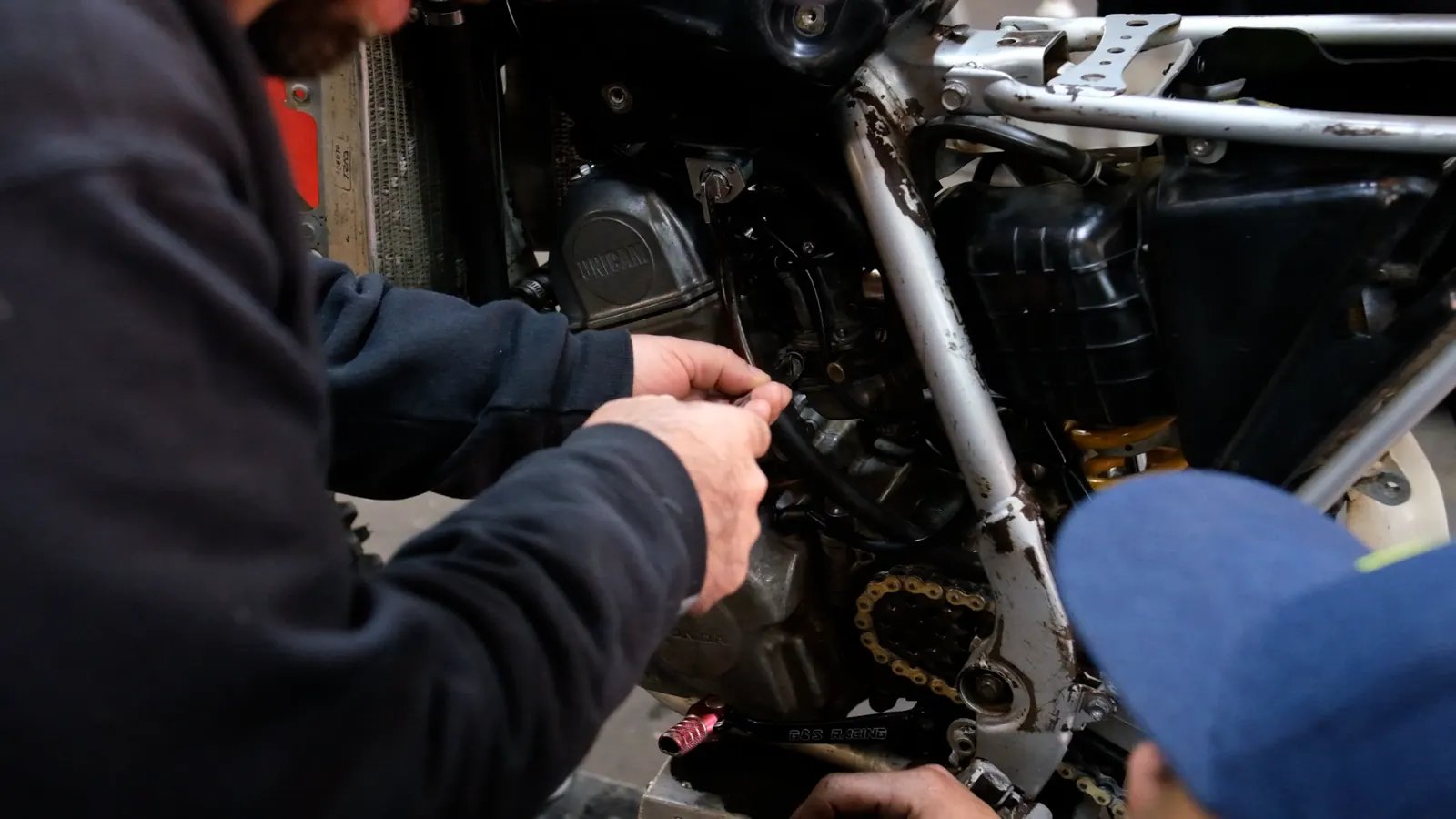
Timing: when to bring it in
Here’s the honest answer on intervals, and it’s the one some shops dodge. Your owner’s manual sets the schedule for your specific bike. Not us, not a chart on a wall, not a number somebody remembers from a different model. Valve checks, fluid changes and filter swaps all live in that manual, and the numbers vary enormously between a big twin cruiser and a high-revving sportbike. Bring the manual, or tell us the model and year, and we’ll work to what the manufacturer wrote.
Calendar time matters as much as mileage here, though, because of how West Cobb bikes live. They sit indoors in a two-car garage all winter, and sitting is its own kind of wear. Fuel goes stale, batteries drain, tires flat-spot and fork seals dry out. That’s why February through April is our busiest stretch by a mile. Everybody wakes up on the same warm Saturday and finds the same dead battery. It’s almost funny how synchronized it is.
SPRING WAKE-UP
If your bike sat through the cold months, get it looked at before the first good weekend, not after. Battery, fuel, brake fluid, chain and tires are the usual five. Booking in February or early March beats standing in the April line.
The Powder Springs part of this
There’s no motorcycle dealership inside city limits, and no large independent full-service shop either. What the city has is a thin layer of small operations and mobile mechanics, with bigger options sitting a dozen or more miles out. So a rider hunting for a service shop Powder Springs can call their own usually ends up driving northeast. Folks in Amberton, in the newer farmhouse-style streets of Springside Reserve, and in the older homes around Marietta Street and Pine View Drive all make the same run. Powder Springs Road, which becomes Marietta-Powder Springs Road, is the direct link toward Marietta Square, and Macland Road is the other common route.
Those arterials are worth a mention on their own. Macland, Florence, Hopkins and Brownsville carry heavy construction and school traffic, and they show it in edge break, patched utility cuts and gravel wash at the intersections. That surface is hard on tires and harder on wheel bearings. It’s the quiet reason so many west Cobb bikes need suspension attention sooner than the mileage suggests. State route conditions live with Georgia DOT, and Cobb County handles local pothole work through its own maintenance desk.
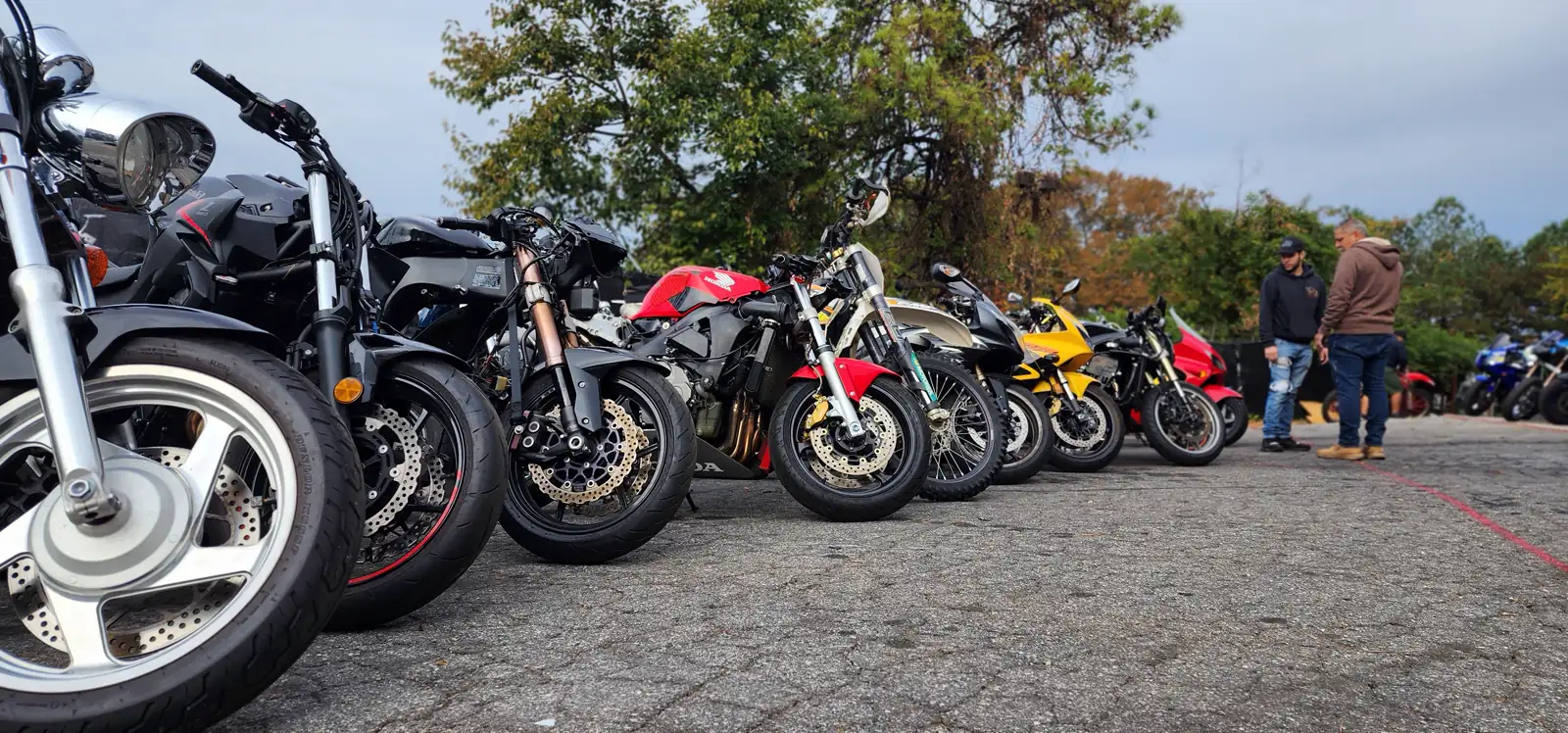
Here's how this played out for someone over by Thurman Springs Park
A friend we helped lives a few blocks off Pine View Drive, close enough to the fountain and splash pad at Thurman Springs Park that his kids walk down on summer evenings. His bagger had sat two winters in the garage. He came in expecting a battery and left with a battery, a brake fluid flush, and a heads-up that his rear tire had one season in it, not two. He rode the rest of that year without a surprise, then came back in the fall for the tire on his own schedule instead of on a shoulder somewhere. Nothing dramatic happened, which is the whole point. That’s what catching things early buys you: an ordinary year.
How to judge a shop before you hand over the keys
Dealerships and other independents do good work, and plenty of riders around here are perfectly happy at a big pre-owned powersports store like WOW Motorcycles up on Cobb Parkway. Different shops are built for different jobs, and that’s fine. What matters is matching the shop to the work. Use these questions to sort it out.
- Will you show me the worn parts you replaced, and walk me through why?
- Do you sort findings into now, soon and later, or is it one big list?
- What does your inspection actually cover beyond fluids and filters?
- Do you follow the manufacturer’s schedule from my manual for my exact model and year?
- Who does the work, and how long have they been turning wrenches on bikes like mine?
- Can you handle the deeper stuff in house, or does it get sent out?
That last one separates a service counter from a full shop. We do dyno tuning, ECU flashing and Power Commander installs, plus restoration and custom paint under our own roof, which means a bike that needs more than maintenance doesn’t get shipped around town. The same thinking shows up in how this plays out in Kennesaw, where riders face the same choice from a different direction. Riders who want a broader read on shop standards and rider advocacy can look through the American Motorcyclist Association as well.
What good maintenance actually gets you
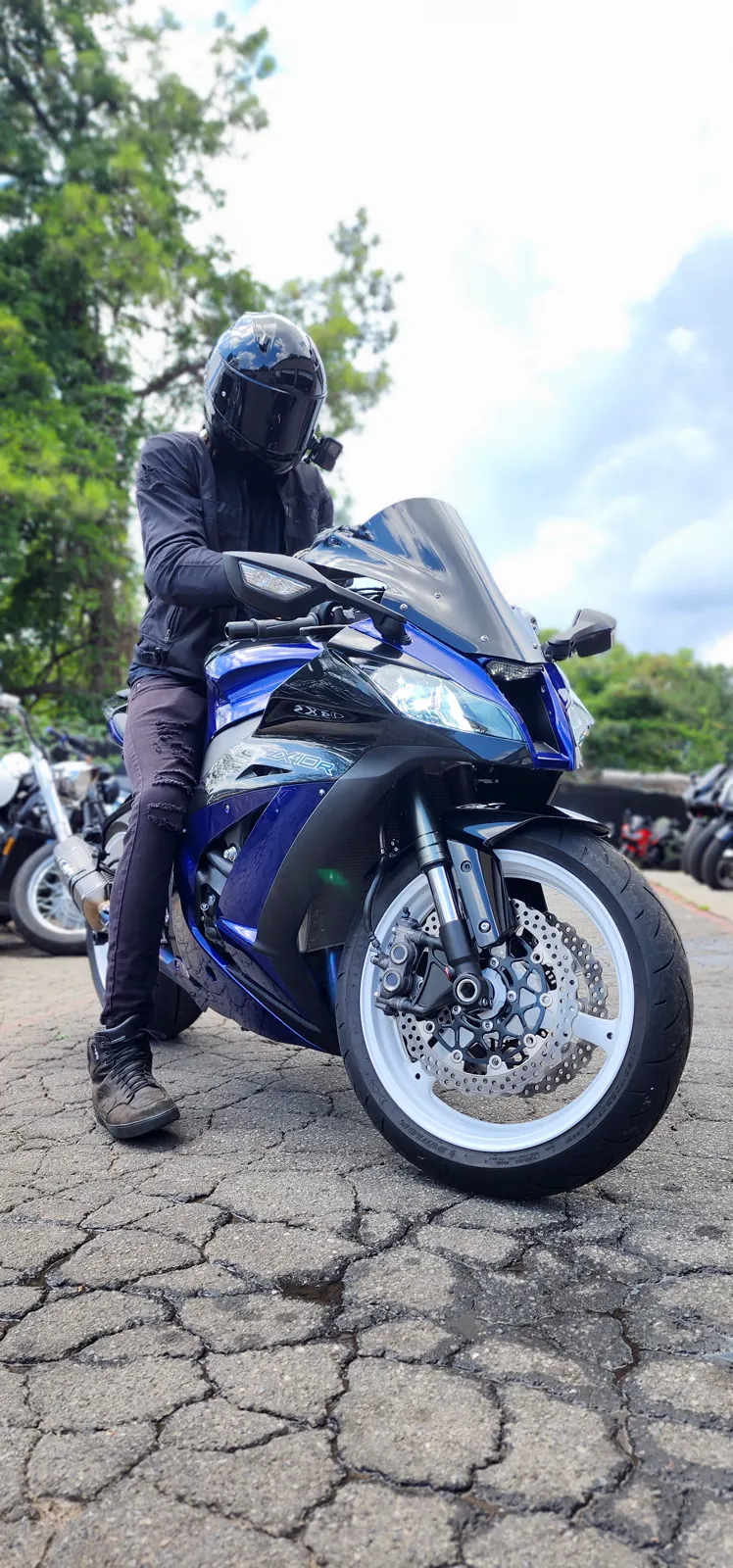
It gets you a bike you don’t think about. That sounds small until you’re two hours north on SR 60 heading toward Suches, then swinging onto Wolf Pen Gap Road and SR 180 for the run through the Georgia Triangle. That’s a full day out of Stonepile Gap, well past cell service in places, and it is not a ride you want to spend listening for a noise. Sorted chain, honest brakes, good rubber, fresh fluids, and your whole attention goes where it belongs.
Closer to home it’s the same deal. Whether you’re just running over to watch racing at Cobb County BMX inside Wild Horse Creek Park or heading out for a Saturday loop with friends, a maintained bike turns the key and goes. You already know how to spot step one now. Write down what you hear, hand it to a shop that inspects instead of guesses, and let the small stuff stay small.
Questions Powder Springs riders ask us
What should I ask a shop before I leave my bike?
Ask what the inspection covers, who is doing the work, and whether they’ll show you the parts they replace. Ask if they sort findings into what’s needed now versus what can wait. A shop that answers those clearly and without getting defensive is a shop worth trusting with your keys.
Do you work on all brands?
Yes. Harley, Indian, Honda, Yamaha, Kawasaki, Suzuki, Ducati, BMW, Triumph and the metric cruisers all come through here regularly. We also take on dirt bikes, dual-sports and older project bikes that have been sitting in a garage for years. If it has two wheels and an engine, bring it by.
How far do you serve?
We’re in Marietta and riders come to us from all over west Cobb, Paulding and Douglas counties. From most of Powder Springs it’s roughly fifteen to eighteen miles, generally around half an hour to forty minutes depending on traffic, running northeast on Powder Springs Road or Macland Road and then east toward Barnes Mill Road. Plenty of our regulars make that ride happily.
Can you pick up my bike?
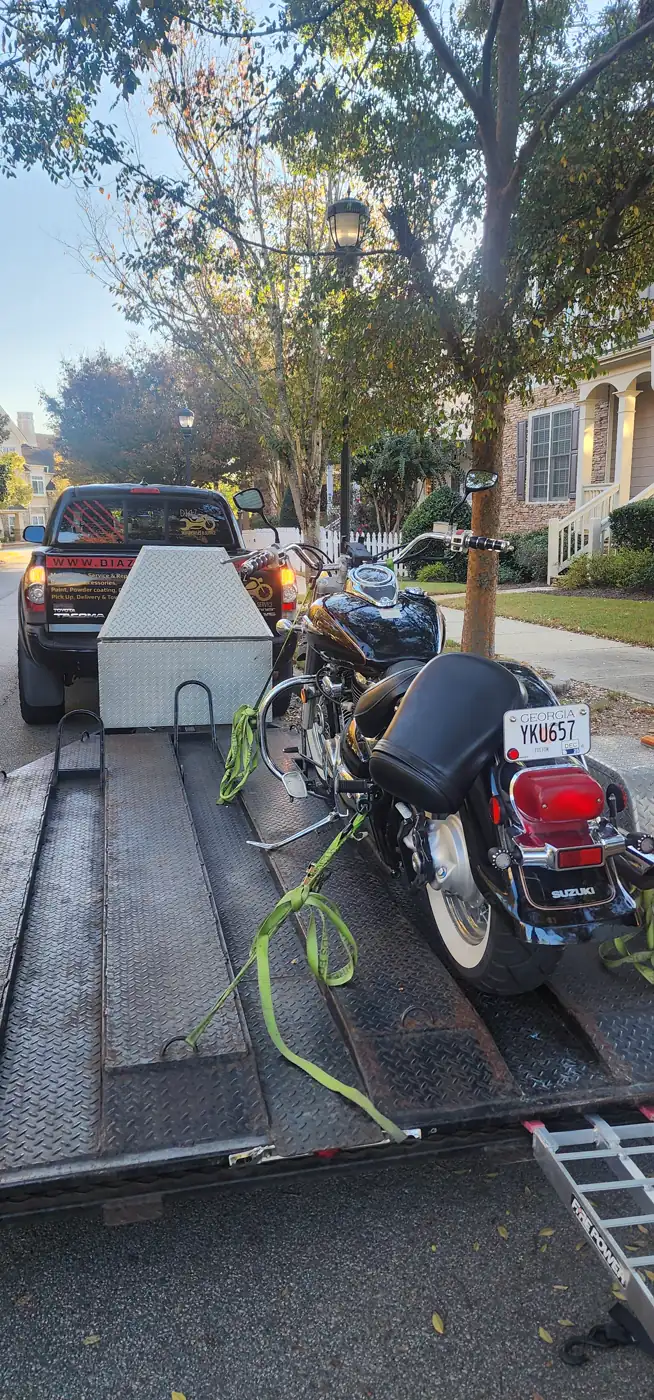
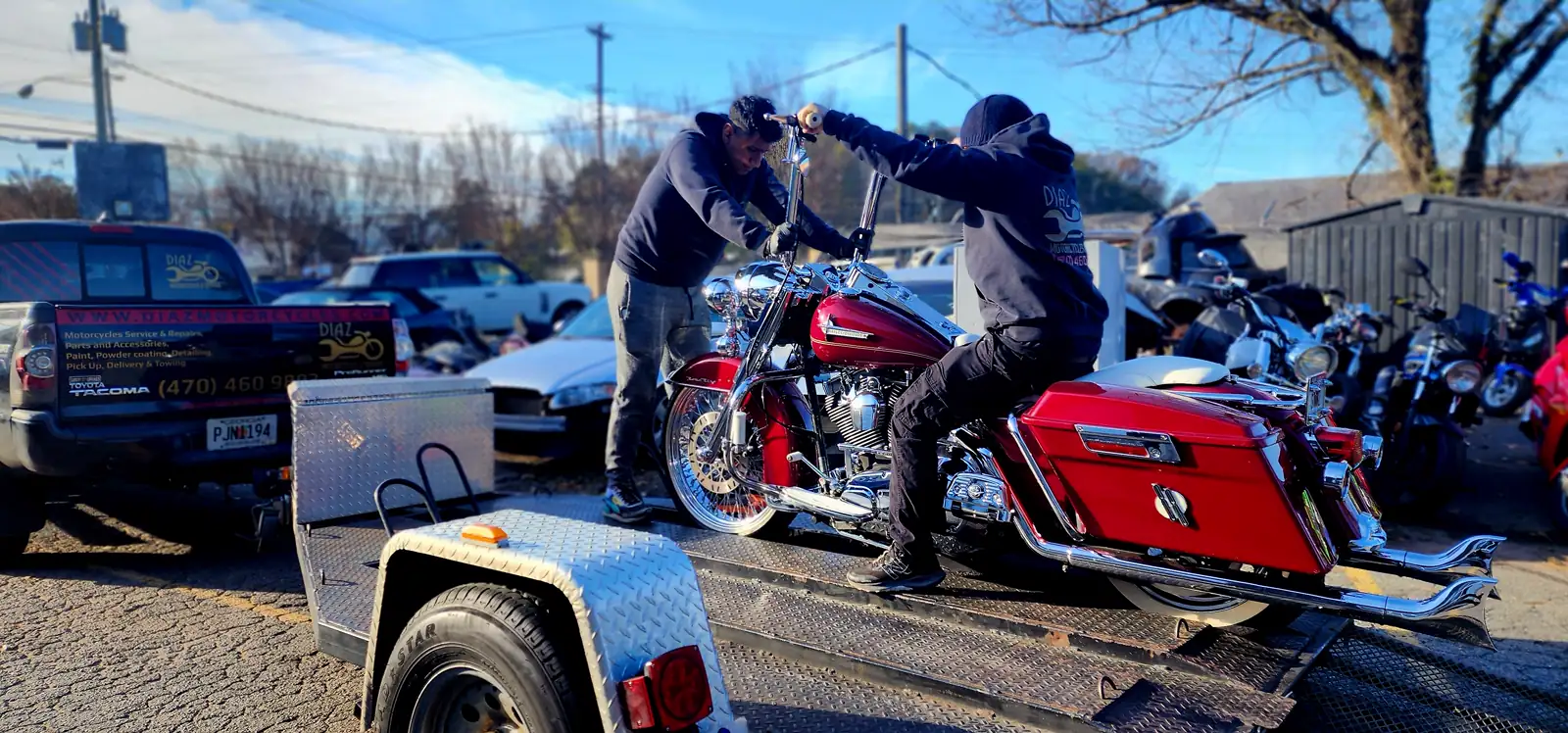
If your bike won’t start or isn’t safe to ride, don’t ride it. Give us a call and we’ll talk through transport options with you. Plenty of riders trailer their own bike over, and a bike that’s been sitting for a couple of winters is usually a trailer job rather than a ride-in.
How do I know the diagnosis is right?
You should never have to take a diagnosis on faith. We’ll show you the part, point out the wear, and explain what caused it in plain words. If a symptom could have two causes, we say so and tell you how we ruled one out. Getting a second opinion is always fair, and a confident shop won’t flinch at that.
My bike sat all winter. Where do I start?
Start with the battery, the fuel and the brake fluid, since those three take the biggest hit from sitting. After that, check tire condition and date codes and look for fork seal weeping. Bring it in before the first warm weekend rather than after, because everybody in west Cobb has the same idea on the same Saturday.
We take care of riders across west Cobb and the counties around it. That includes Powder Springs and neighboring Austell, Mableton, Clarkdale and Smyrna, plus Marietta and Fair Oaks closer to the shop and Kennesaw just north of there. Heading west and southwest, we regularly see bikes from Hiram, Dallas, Douglasville, Lithia Springs and Villa Rica. Most of those runs are a comfortable half-hour or so, and a fair number of our regulars turn the trip into the first leg of a Saturday ride.
TEXT US ABOUT YOUR BIKE
If something on your bike has started making a noise, changing feel, or just doesn’t seem right, tell us about it. Send a text with your year, make and model and what you’re noticing, and we’ll tell you straight whether it’s a now problem or a later one. Powder Springs riders make the run up to us every week, and we’ll have your bike sorted before the next good weekend.
470-460-9883Diaz Motorcycles and Service, LLC · 847 Barnes Mill Road, Marietta, GA 30062