Enclosed vs Open Transport Kennesaw — The Real Answer
How your bike really gets home, which trailer to pick, and the honest recommendation most sites won't give you.
Either way you found the bike on a listing at midnight. The photos looked clean, the seller lived three states away, and the price felt right, so you sent the deposit before you could talk yourself out of it. Now it sits in a stranger’s garage, and somehow you have to get it home in one piece. That’s usually the moment a rider starts searching enclosed vs open transport Kennesaw, and that’s exactly the moment the advice online turns to mush.
Let’s clear one thing up before we go further. Both ways work. An open trailer and an enclosed trailer will each get your motorcycle home without a scratch when the tie-down is done right. This isn’t a fight between safe and risky. The real difference comes down to exposure, privacy, and how precious the bike is to you — not in dollars, but in what it means. We sort this out with friends every week, so let’s walk through it the way we’d explain it standing in your driveway.
How open transport actually works
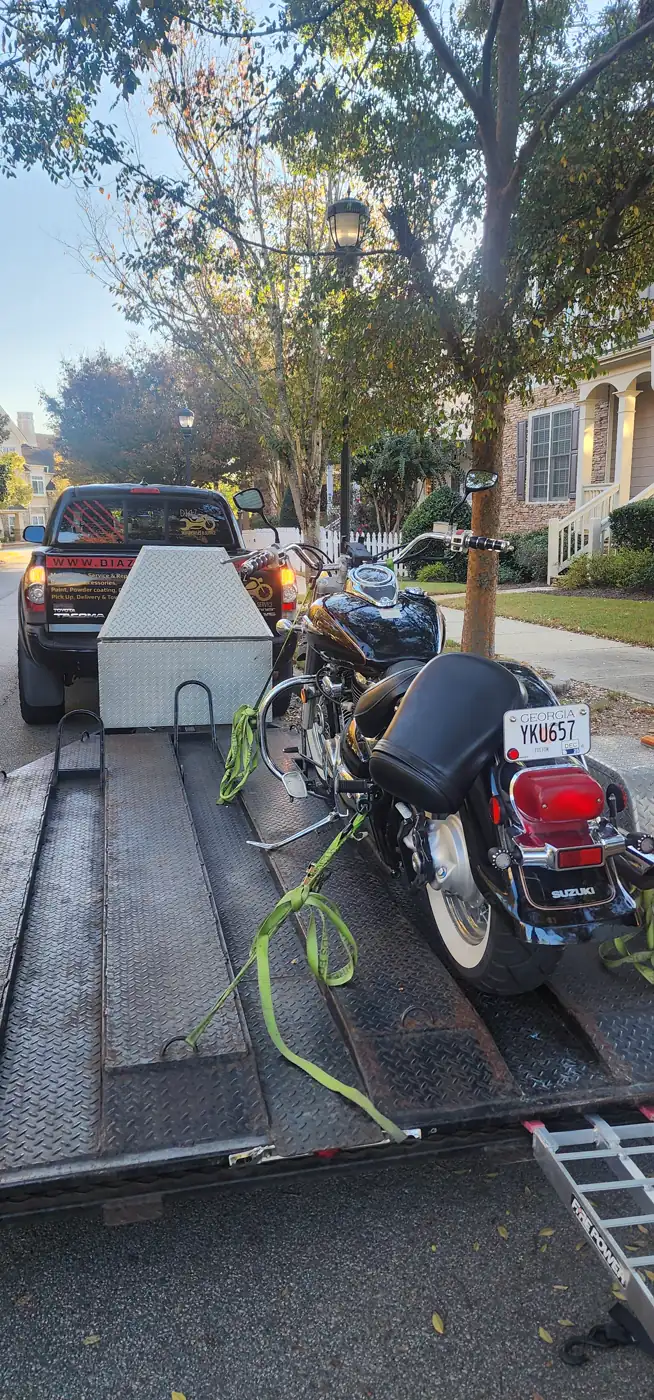
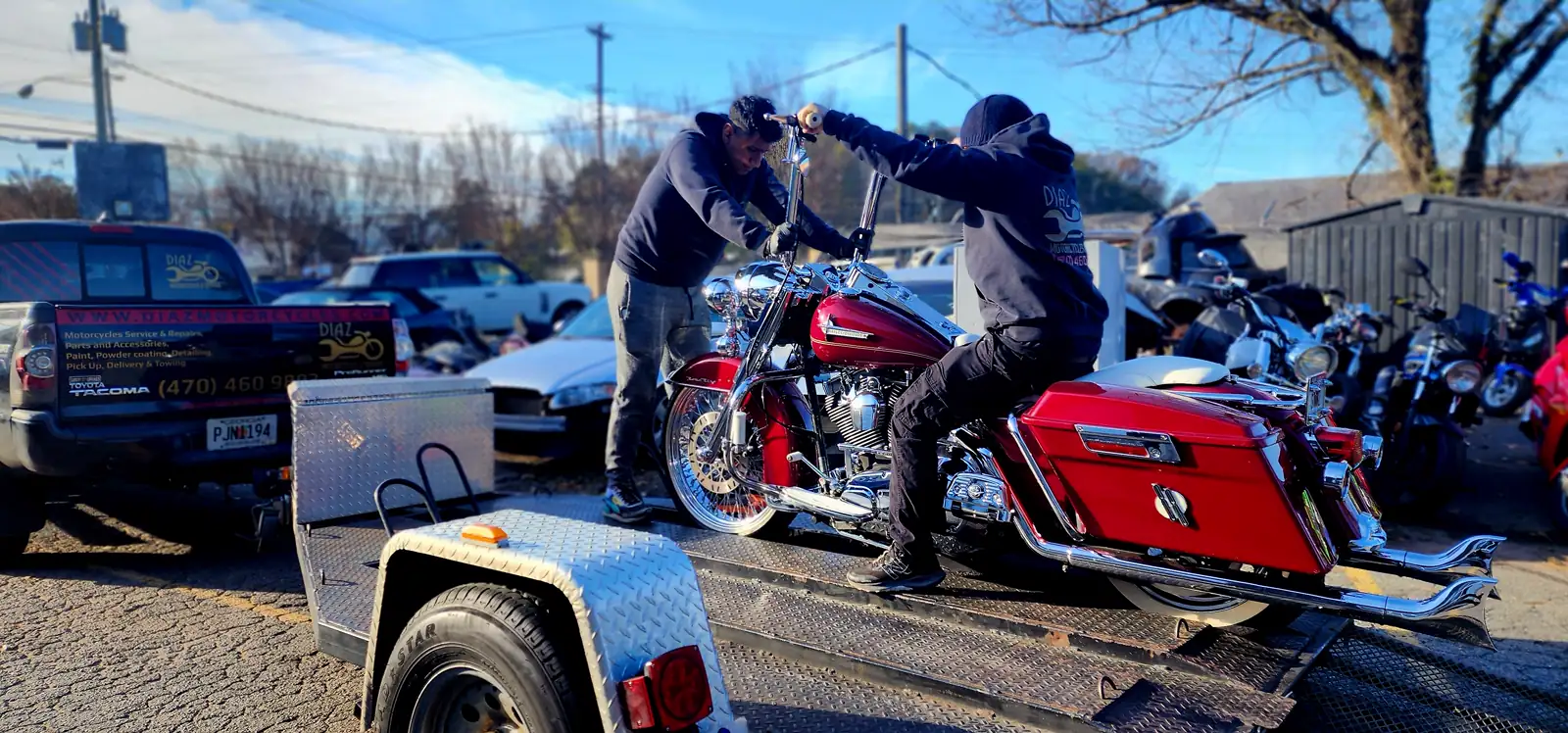
Open transport is the flatbed you see rolling down I-575 with bikes or cars riding right out in the wind. For a motorcycle, the job starts with a ramp. We roll the bike up, stand it dead upright, and lock the front wheel into a wheel chock so it can’t roll forward or flop to one side. That chock does half the work before a single strap goes on.
Then come the straps, and this is where the craft lives. We loop soft ties around the handlebars or the triple clamp so the metal hooks never bite the paint. From there we run ratchet straps down to the anchor points on the trailer, four points total, pulling from both sides so the bike is squeezed evenly. The trick is to compress the front forks just a little, which keeps the bike planted over bumps, without bottoming them out. A motorcycle tied down the right way doesn’t sway or shimmy. It rides like it’s welded to the deck. We check every strap twice before pulling away, then check them again at the first stop.
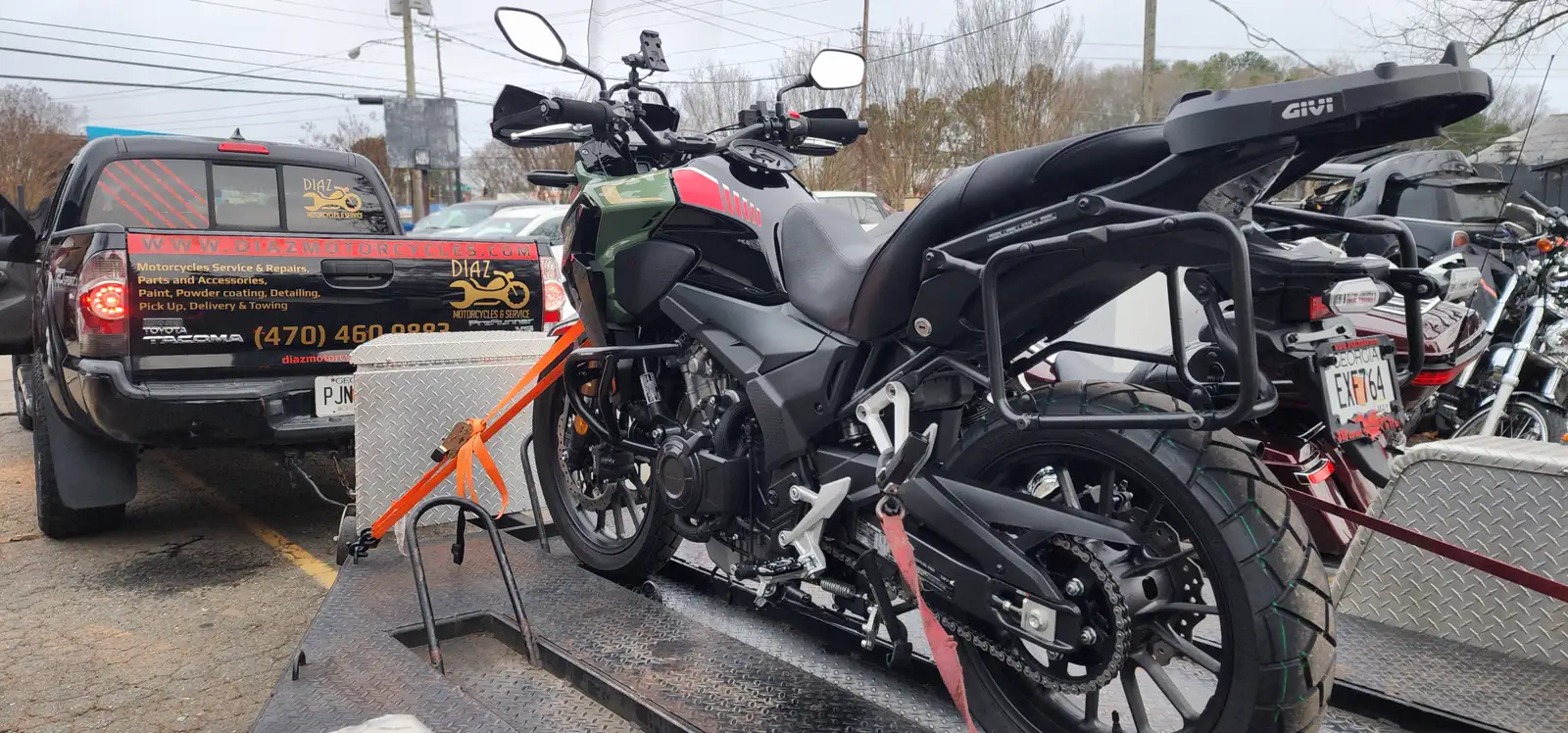
So why pick open? It’s the workhorse. Open trailers are easier to book on short notice, they load fast, and for a running bike making a normal trip, they’re the honest, no-nonsense choice. Most of the pickups we do around Cobb ride home exactly this way. Visibility helps too — on an open deck, we can eyeball every strap at a glance during a stop, which is one small reason the open trailer stays so popular for shorter runs. If you’re curious about the pieces that shape a quote, we broke down how the work adds up in plain terms, because surprise math is nobody’s idea of fun.
NON-RUNNER? NO PROBLEM
A bike doesn’t need to start to load. We winch or walk it up the ramp, lock the front wheel, and strap it down like any other machine. If it’s stuck around Cobb, we’ll often be there the same day — you fix nothing before we arrive.
How enclosed transport actually works
Enclosed transport is the same bike, the same chock, the same four straps — just tucked inside a box with walls and a roof. The tie-down science doesn’t change one bit. What changes is everything outside the bike. No road grime. That’s why No sudden rain. No rock kicked up by the truck three lanes over. And no strangers at every red light snapping photos of what you’re hauling.
That privacy matters more than people expect. A fresh restoration, a rare collectible, a bike with show-quality chrome, or anything crossing the country in February belongs in a box, plain and simple. Weather is undefeated on a long haul, and salt spray off a winter interstate is the kind of thing you only regret once. Dust and highway sand do quieter damage over hundreds of miles, settling into fresh paint and polished spokes where you’d never think to look. For those bikes, the walls earn their keep every mile, and the owner sleeps better knowing it.
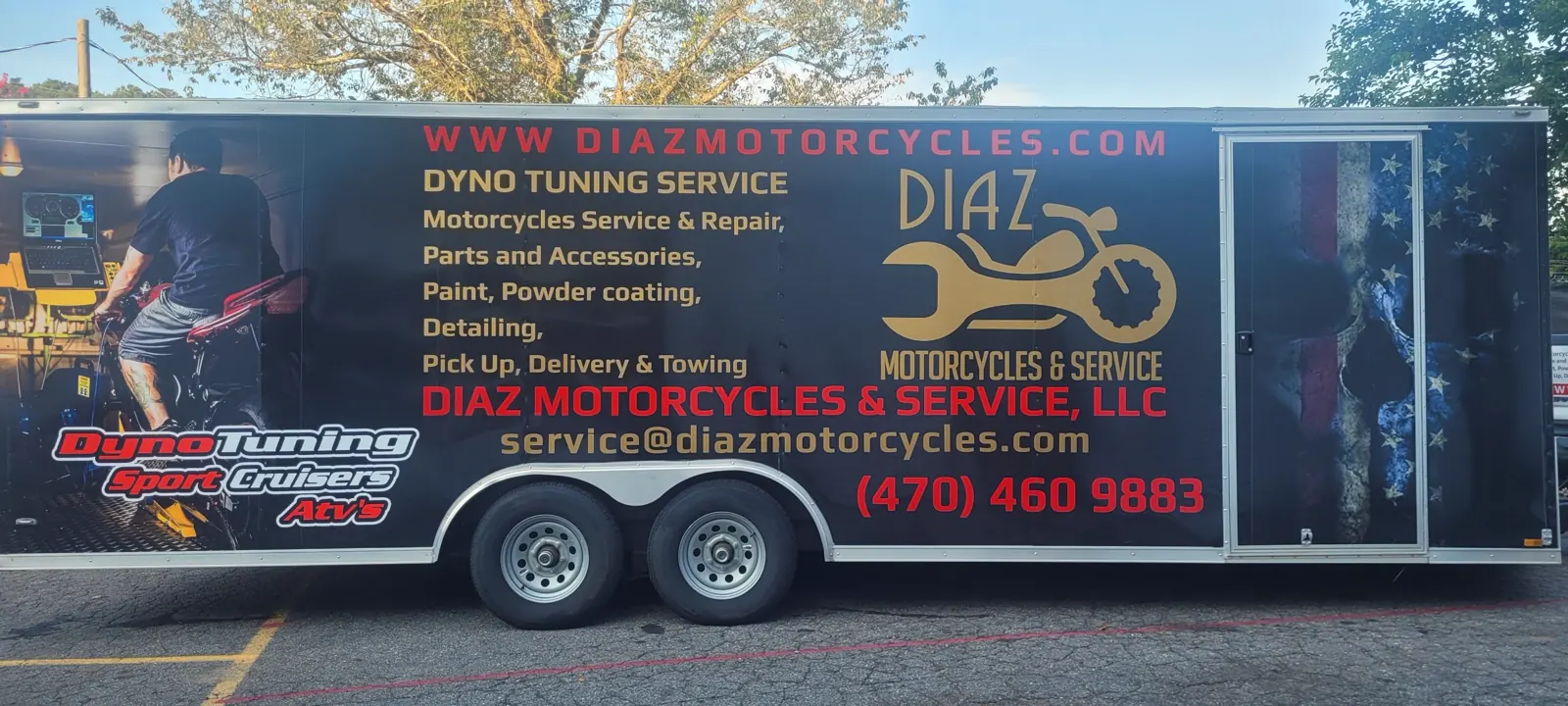
The trade-off is honest, too. Enclosed takes a little more planning to schedule, and it costs more than open because you’re paying for that protection. For the right bike, it’s worth every bit of it. For a daily-ridden commuter, it’s usually more armor than the job needs. We walked through how this plays out in Sandy Springs if you want to see the same decision from a different garage.
Here's where it gets interesting — and where most advice online falls apart.
So which one wins for most riders?
Most articles dodge this. We won’t. When riders weigh enclosed vs open transport Kennesaw, the truth is that for the majority of them, moving a running motorcycle a reasonable distance — say, a bike bought in the next state over or a machine coming home from a shop — open transport is the right call. It’s quicker to arrange, it’s easier on the wallet, and a bike strapped down properly is just as safe on an open deck as it is behind walls. That’s the recommendation, straight up, and we stand behind it.
But here’s the situation where enclosed clearly wins, because pretending it never does would be dishonest. If the bike is rare, freshly restored, headed cross-country, or rolling through real winter weather, the box is worth it. Enclosed also wins when the machine is worth more to you than any trailer fee — the bike you’ll never sell, the one your dad handed down. In those cases, don’t blink. Pick enclosed and sleep easy.
| Open transport fits | Enclosed transport fits |
|---|---|
| A running bike making a normal trip | A rare, collectible, or restored bike |
| Short-notice pickups around Cobb | Cross-country hauls in tough weather |
| Everyday cruisers and commuters | Show bikes and one-of-a-kind machines |
| Budget-minded, no-fuss moves | Bikes worth more to you than any fee |
The four situations that bring riders to us
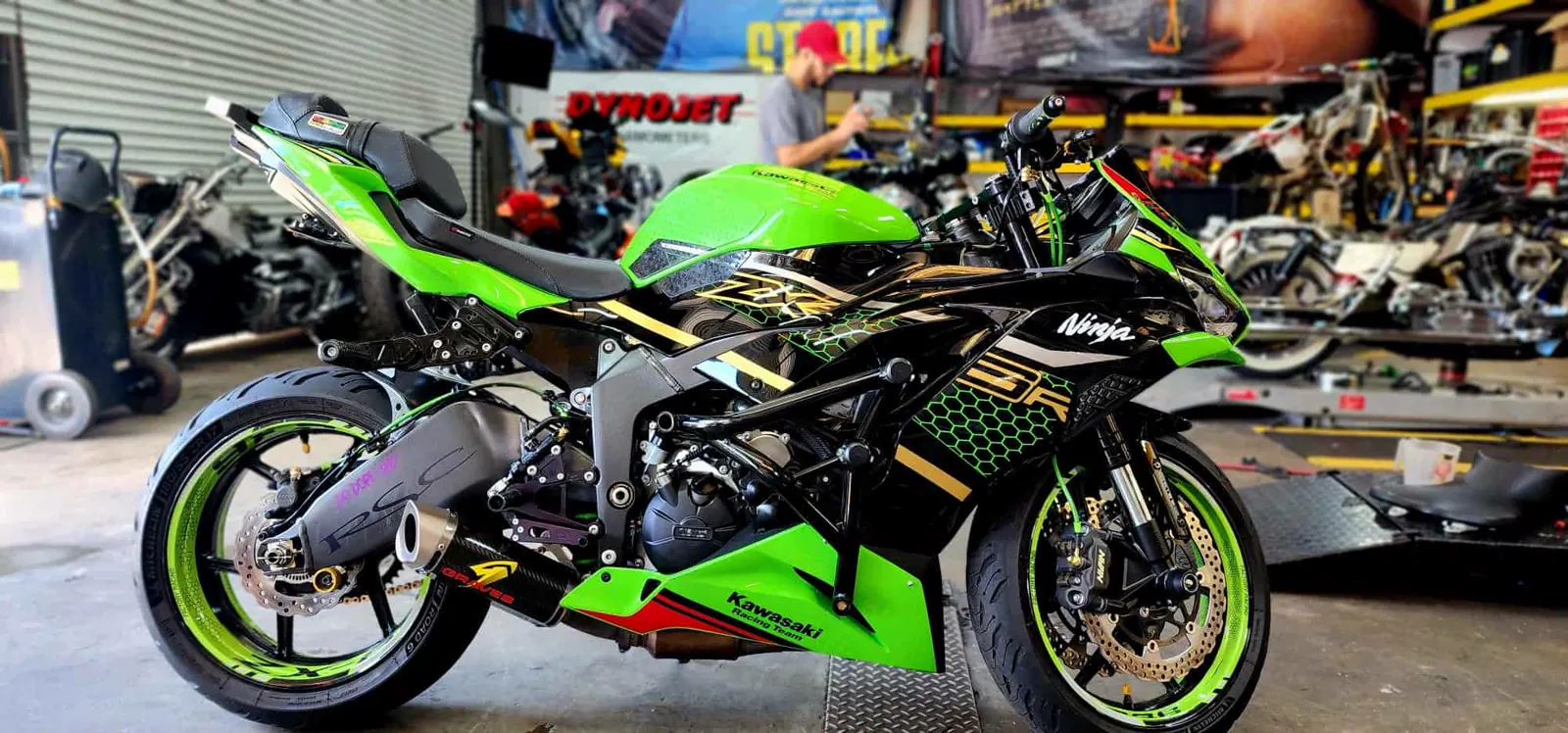
Almost every transport call we get falls into one of a few buckets, and knowing which one you’re in makes the trailer choice easier. First is the bike that simply won’t run — a dead battery, a seized engine, a project that never got finished. Second is the out-of-state buy, that midnight listing turned into a real machine sitting in a driveway hundreds of miles away. Third is the estate or inherited bike, often a garage-kept classic that hasn’t turned a wheel in years and deserves gentle handling. And fourth is the seasonal move, the snowbird who wants a bike waiting at the other end of a long drive.
Here’s the pattern we’ve noticed. The stuck bike and the seasonal commuter usually ride happiest on an open trailer, since they’re everyday machines built to shrug off the elements. The inherited classic and the long-distance collectible, on the other hand, are the ones that make us reach for the enclosed box. That’s the whole enclosed vs open transport Kennesaw question in a nutshell — match the trailer to the bike’s story, not to whichever one sounds fancier. If you tell us which bucket you’re in, we’ll tell you which door to open.
The paperwork that quietly protects you
Now back to that midnight listing. When you buy a used bike with an unknown history, documentation isn’t red tape — it’s your safety net. Before a wheel leaves the seller’s garage, we walk the bike and fill out a condition report, noting every existing scratch, ding, and scuff. Then we take photos, lots of them, from every angle. That report and those pictures ride along with your motorcycle, so if a question ever comes up, nobody’s guessing about what was there before pickup and what wasn’t.
For a bike you’ve never laid eyes on, that record is gold. You weren’t in the room when it was loaded, so the photos become your eyes. We also confirm the VIN matches the title and paperwork, because a mismatched number is a headache you want caught in the driveway, not in your name three weeks later. On a long-distance haul, this same paper trail is what keeps everyone honest end to end — pickup condition, drop-off condition, and every anchor point in between. This is the same care you’ll see in person — here’s what you get when you bring it in, no matter how the bike showed up.
How long it really takes
Local pickups move fast. If your bike is stranded somewhere around Cobb County, we can often grab it the same day or the next, load it, and have it on our floor before you’ve finished your coffee. Long-distance transport runs on a schedule instead, because we’re routing a truck across state lines and lining up the best window. For a stuck or non-running bike, this is the whole point: you don’t have to fix it, tow it yourself, or beg a buddy with a truck. We come get it, and honestly, that beats every other option when a bike won’t start.
Kennesaw, from the driver's seat
We haul all over Kennesaw, and the neighborhoods tell their own stories. Out in Legacy Park, the master-planned streets are full of big garages, and behind those doors sit cruisers and touring baggers waiting for a warm Saturday. Over by Pinetree Country Club, the older homes ring an eighteen-hole course right next to KSU, so the driveways there mix seasoned riders with students and their first sportbikes. Down in Downtown Historic Kennesaw, the single-family homes cluster around Main Street, where a big mixed-use plan got the green light for the core, and the parking gets tight on festival weekends.
The roads shape the work, too. Bells Ferry Road runs north-south through the east side and catches a lot of our pickups on the way in. When the riding itch hits, plenty of folks skip the Cobb Parkway crawl and take Old US-41 north toward Acworth and Cartersville, where the traffic thins and the throttle finally opens up. Landmarks give us our bearings — the Southern Museum of Civil War and Locomotive History downtown, home of The General from the 1862 Great Locomotive Chase, and the big green expanse of Kennesaw Mountain National Battlefield Park with its miles of trails and its high summit, a spot most riders know as a place to hike. If you’ve priced a job at Allatoona Cycle and ATV over in Acworth, about fifteen minutes out, it never hurts to compare notes before you commit.
Here's what changes once it's actually sorted.
Once the bike is home and off the trailer, the whole mood shifts. That mystery machine from the listing stops being a gamble and starts being yours. This is the natural moment to have us look it over — fresh fluids, a safety check, and if you want to know exactly what it’s making, a dyno pull. We covered what that service actually involves so there’s no mystery there either. New to a bigger bike, or just knocking rust off? A refresher through the MSF rider courses pairs perfectly with a freshly checked machine.
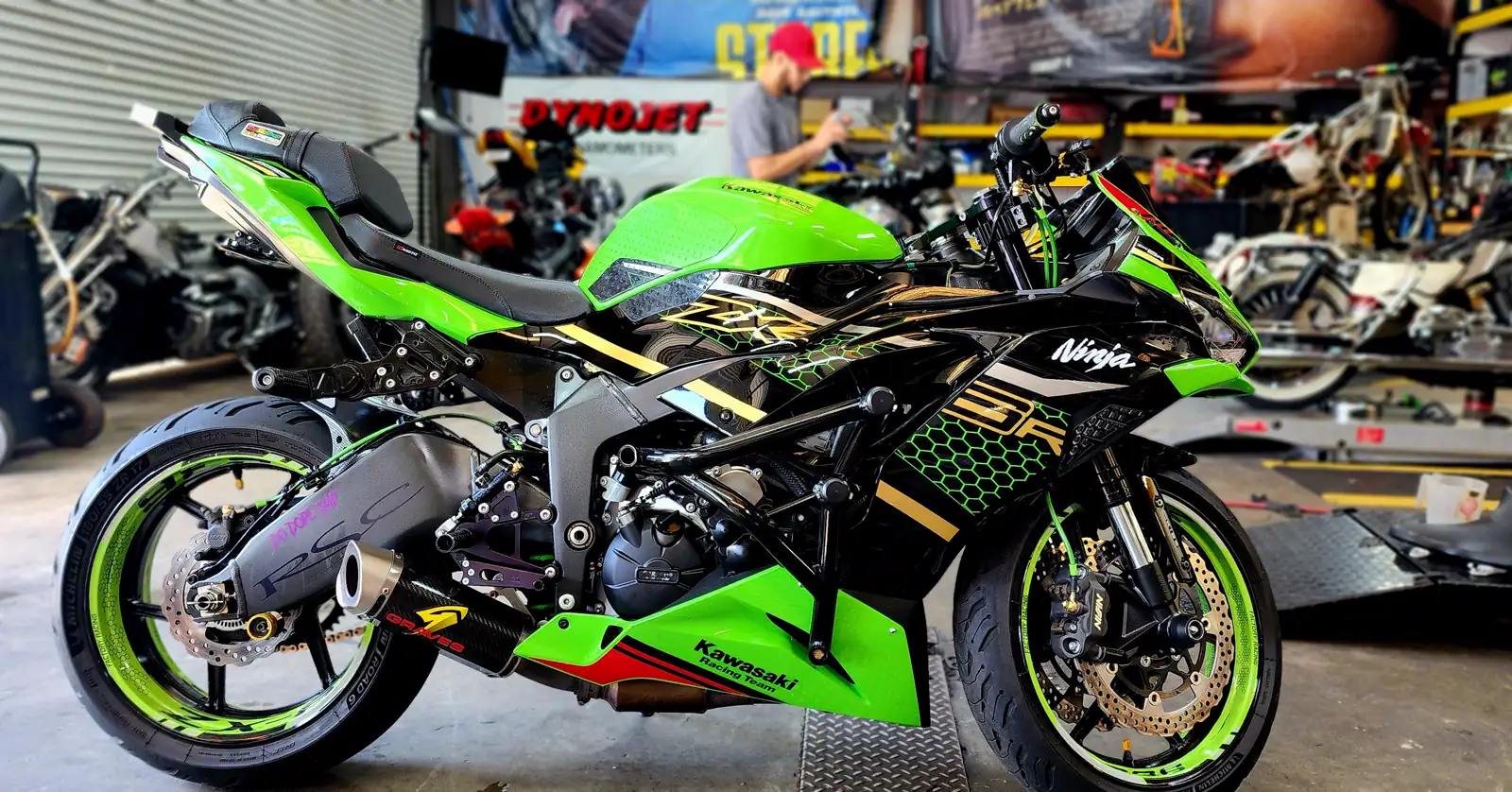
So the takeaway is simple, and we’ll say it one more time so it sticks. Open transport is the right, honest pick for most riders and most bikes, and enclosed is the clear winner when the machine is rare, precious, or facing a long, rough road across the country. Either way, a proper tie-down and solid paperwork are non-negotiable, and either way, we come to the bike so you never have to sweat a stranded start or a dead battery in a distant garage. If you want to double-check a torque spec or a service note on a Harley you just bought, the Harley-Davidson service information site is a handy backstop.
Questions Kennesaw riders ask us
Does the kind of bike I have change the answer?
It does, and it’s the biggest factor. A daily-ridden cruiser or commuter is a perfect fit for open transport, since it’s built to live outside anyway. A show bike, a fresh restoration, or a rare collectible leans toward enclosed, where the walls keep weather and prying eyes off it. Tell us the bike and the trip, and we’ll point you the right way.
Is enclosed transport really worth the upgrade?
For the right bike, absolutely. If the machine is rare, restored, or crossing the country through rough weather, the protection pays for itself in peace of mind. For an everyday bike making a normal hop, though, enclosed is usually more armor than the job needs, and open does the trick just fine.
Which one should I pick if I'm still on the fence?
Default to open. For most riders moving a running bike a reasonable distance, it’s quicker to book, easier on the wallet, and every bit as safe with a proper tie-down. Only step up to enclosed when the bike is rare, precious, or facing a long haul in tough conditions. When in doubt, just call and describe it to us.
What's the real difference between the two?
The bike, the chock, and the four straps are identical in both. The only real difference is what’s around the bike. Open leaves it in the open air, exposed to weather and road grime. Enclosed puts a roof and walls between your motorcycle and everything the road throws at it, plus a little extra privacy.
Which trailer keeps a bike in better shape over a long trip?
On a long, weather-exposed haul, enclosed edges it out because it blocks rain, road salt, and flying debris. On a short, dry trip, there’s no meaningful difference in condition — a well-strapped bike arrives the same on either trailer. Distance and weather are what tip the scale, not the trailer alone.
Can you pick up a bike that won't start?
Yes, and it’s one of our favorite calls to get. A non-running bike doesn’t need to move under its own power to load — we winch or push it up the ramp, lock the front wheel in the chock, and strap it down like any other. If it’s stuck around Cobb, we can often grab it the same day. You don’t fix a thing before we arrive.
We roll out from the shop to riders all across the northwest metro, and Kennesaw sits right in the middle of our regular route. Beyond it, we regularly pick up and deliver for friends in Marietta, Acworth, and Woodstock, along with Powder Springs, Dallas, and Hiram to the west. Head north and we’re running trailers up to Cartersville, Canton, and Emerson, while East Cobb, Smyrna, and Mableton keep us busy on the south side. Wherever your bike is parked, stranded, or freshly bought, we can get it home, and we treat every one of those runs like it’s our own bike on the trailer.
STUCK BIKE? WE'LL COME GET IT
Whether it’s a running cruiser or a non-starter you bought sight-unseen, we’ll bring the right trailer to Kennesaw and haul it home safe. Text us the bike, the pickup spot, and where it’s headed, and we’ll sort out open or enclosed with you — no guessing, no pressure. Your next ride is a whole lot closer than it feels right now.
470-460-9883Diaz Motorcycles and Service, LLC · 847 Barnes Mill Road, Marietta, GA 30062