Motorcycle Transport Cost Atlanta — What You Pay
What actually moves the number when we come get your bike — and why an honest quote starts with a look, not a phone number.
In fact, you bought that bike used, what, fifteen years back? It’s carried you through a lot. For example, it sits in the garage with a soft rear tire and a dead battery, and moving it feels bigger than it should. If you’ve been putting off a repair because you can’t ride it in, the real first question is motorcycle transport cost Atlanta riders keep asking us — and the honest answer starts with what the job actually involves, not a number over the phone.
The myth of one flat price
Somewhere along the way, folks started treating bike hauling like a bus fare — one flat price, same for everyone. It’s an easy thing to believe, and we get why. Two bikes can sit on the same block and look identical in a photo. But one rolls and steers, and the other is seized solid on flat tires. Those are two very different jobs, and pretending they’re the same is how people get surprised later.
The trailer doesn’t care how pretty the bike is. It cares whether we can reach it, whether the front wheel turns, and how far it’s going. So when a shop rattles off a single number before asking a single question, that isn’t confidence. That’s a guess, and a guess always rounds up to protect the guesser.
The reality: what actually moves the number
When people ask about motorcycle transport cost Atlanta, three things do most of the work. The first is distance. A bike waiting in Tuxedo Park — Buckhead’s estate district up near the Georgia Governor’s Mansion — sits about thirteen miles from our shop. One parked out toward East Atlanta Village is closer to twenty-one. Same city, different drive, different fuel and time. Nobody’s getting rich on eight miles, but honest math starts with real miles.
Access is the second, and it’s the one people forget. Can we back a truck and trailer up close to the bike, or is it three floors up on an apartment deck behind a security gate and a tight ramp turn? A lot of in-town riders park exactly like that. Rolling a bike down a narrow ramp, around a corner, past a dumpster is real labor. A detached garage on a flat lot is easy. A condo deck is not.
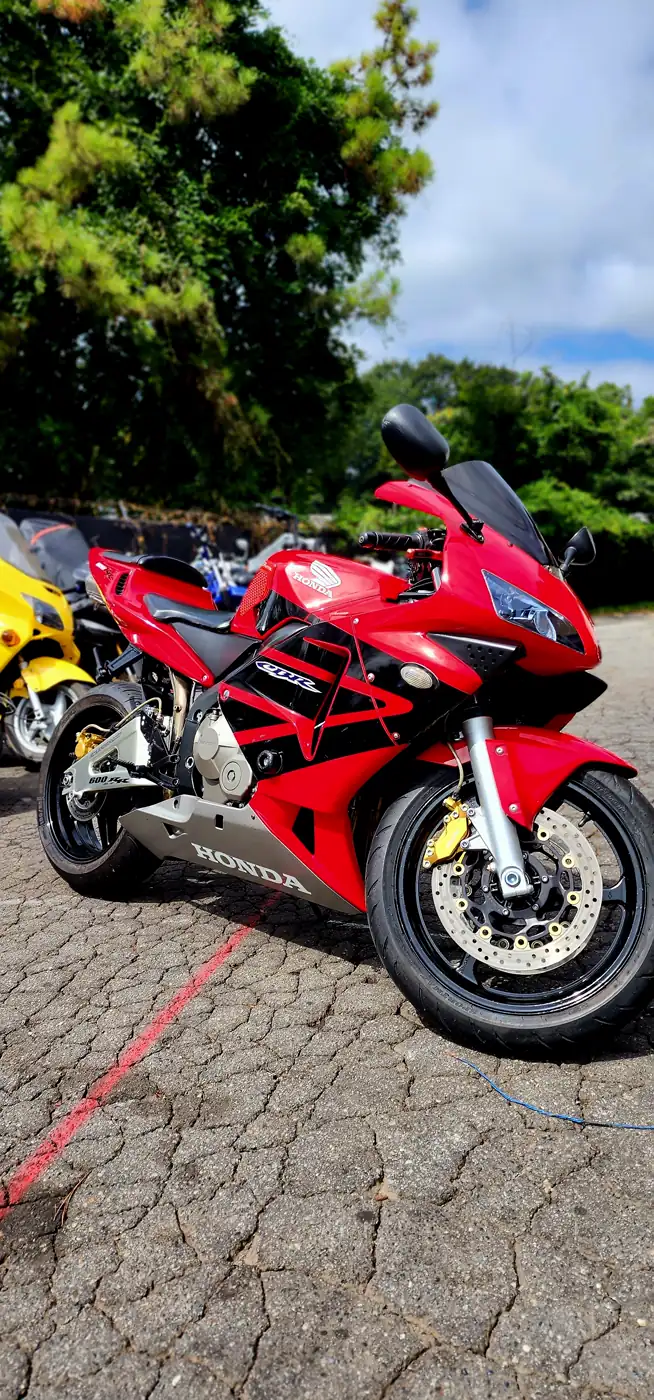
The third piece is the bike itself — not the brand, the condition. A machine that rolls and steers goes up the ramp under gentle control. A bike with a seized engine, a flat tire, or a snapped cable has to be muscled or winched, and that takes more hands and more time. That’s the labor part of the job. The straps, the ramp, the chocks — those are just tools we already own, and they don’t wear out on your trip. So most of what you’re paying for is access and effort, not parts, which is a much easier thing to see and understand once someone spells it out.
THE SHORT VERSION
Transport is a labor-and-access job, not a parts job. Distance, whether the bike rolls, and how easily we can reach it move the number far more than the badge on the tank ever will.
Open or enclosed matters too. Most bikes ride just fine on an open trailer, strapped down tight and out in the air — it’s how the vast majority of bikes move, and it’s the friendly option for a short hop across town. An enclosed trailer keeps road grime, weather, and curious eyes off a bike, which is why a fresh custom paint job or a collector piece often earns the closed box. Neither one is ‘better.’ They’re different tools for different bikes.
One more thing moves the number: how many bikes, and whether they go in one trip. An estate with three bikes in a garage is a very different afternoon than one dead battery in a driveway. Same with timing — a scheduled pickup on a normal Tuesday is smoother than a drop-everything rescue in the rain. None of this is complicated. It’s just honest, and honest needs a few facts first.
Here’s the question we’d ask if you were standing in the shop. Does the bike roll, and can we get a truck within a few feet of it? Answer those two, and we can talk honestly about everything else. That’s also why we ask for a couple of photos — the bike itself, and the path it has to travel to reach the street.
How a pickup actually goes, start to finish
None of this is a mystery once you’ve watched it happen. The job runs the same way every time, whether it’s a stranded commuter bike or an inherited cruiser that hasn’t turned a wheel in years. Here’s the whole thing, step by step.
- You call or text and tell us the bike, where it sits, and whether it rolls. We ask a few questions and set a pickup window that works for you.
- Meanwhile, we show up with the truck and trailer, walk around the bike, and photograph it exactly as it sits — every scratch, every dent, before we lay a finger on it.
- We roll it up the ramp slow and steady, or winch it if the wheels won’t turn, and settle the front tire into a wheel chock so it stands on its own.
- Of course, we strap it down with soft ties over the bars, compress the front forks just enough to load the suspension, and add points at the rear so nothing shifts on the road.
- We haul it — open trailer for most, enclosed when the bike calls for it — and we drive like your bike is riding on the back, because it is.
- We unload at the shop or your door, document the bike again, and you sign off knowing it arrived exactly the way it left.
That paperwork step is the quiet hero. Photos before and after, a condition note, a signature — that’s the record that protects you if anything’s ever in question. A shop that skips it is asking you to trust memory. We’d rather trust the pictures. Groups like the American Motorcyclist Association make the same point about keeping records anytime your bike changes hands or moves.
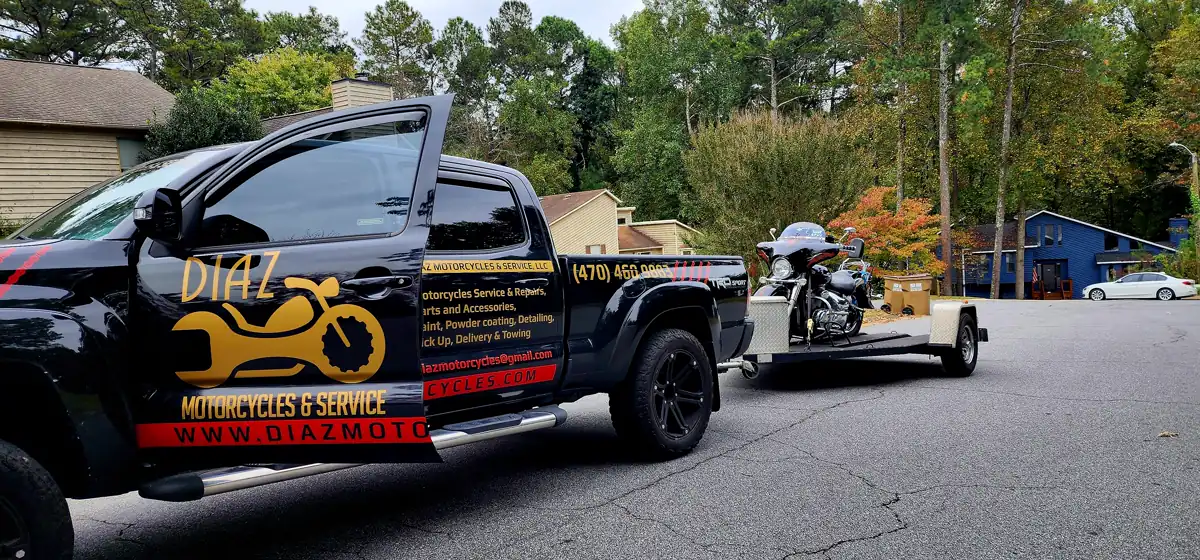
A guess always rounds up to protect the guesser. A real look protects you.
How to tell a good shop from a guess
The tie-downs are the easy part. The trust is the real work. If you want the long version, we wrote a whole piece on what separates a good shop, but the short version fits in a breath: a good hauler asks questions before quoting, documents the bike, and texts you back. In a town where in-town riders find shops by search and referral rather than by driving past, that last one matters more than you’d think.
This is also why an honest shop won’t hand you a firm price sight-unseen. We don’t yet know if the bike rolls. We don’t know if the truck can reach it. And we don’t know the exact door-to-door miles. Quoting hard numbers without those answers isn’t bold — it’s just a setup for a surprise, for you or for us. So we ask first. Then the number holds.
When you strip it down, transport is a labor-and-access job with almost no parts to it. That’s actually good news: no waiting on a back-ordered gasket, no mystery invoice. You can watch everything you’re paying for happen right in your driveway. And if your project bike lives north of here, we broke down the Kennesaw side of things separately, because the miles and the drive change the math.
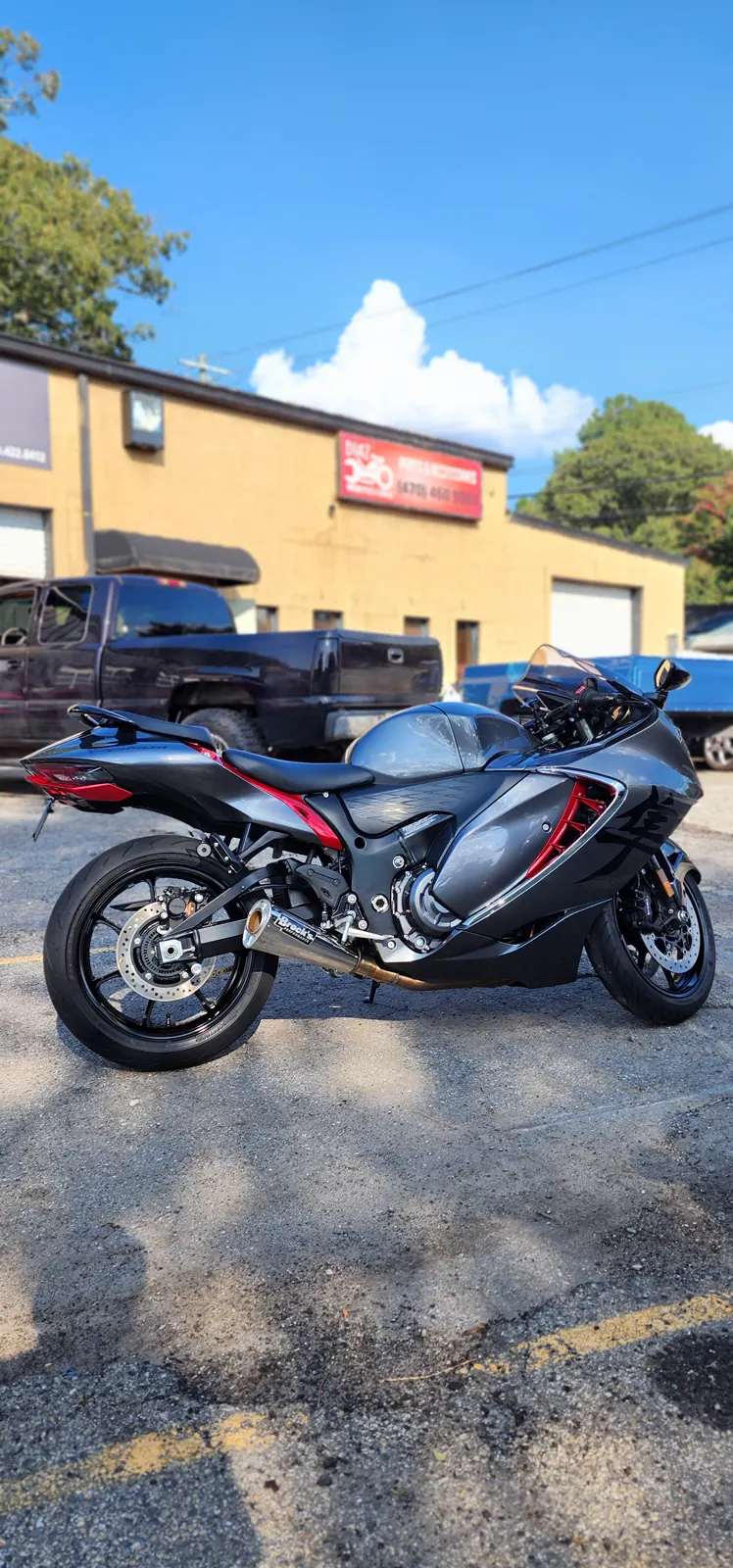
A stranded bike on the side of the road is its own kind of job, and we handle those all the time — if that’s your situation, here’s exactly how we handle that job from the first call to the drop-off.
And if you’d rather see the full menu — local pickup, delivery, and long-distance hauling for a bike you bought out of state — everything we cover lives on one page. Buying a bike from another state adds a title and registration step, and the Georgia Department of Revenue walks through what you’ll need once it lands in your garage.
Why Atlanta changes the job
This is where Atlanta is genuinely different from other towns. The bike population here is small next to the cars, but it clusters hard by neighborhood, and each pocket rides differently — which quietly changes how a pickup goes, street by street. Where the bike lives tells us almost as much as what kind of bike it is.
Take the east side. Around Reynoldstown — a historic neighborhood settled after the Civil War by freed people who worked the railroad, barely two miles from Downtown — and along Moreland Avenue and the east-side grid, the trips are short and the bikes are small. Supermotos, sportbikes, little Grom-class minis. Loading one of those is quick. Getting the truck to it, though, on tight streets near DeKalb Avenue with its reversible center lane that turns into a real head-on hazard at the wrong hour, takes more care than the loading ever does.
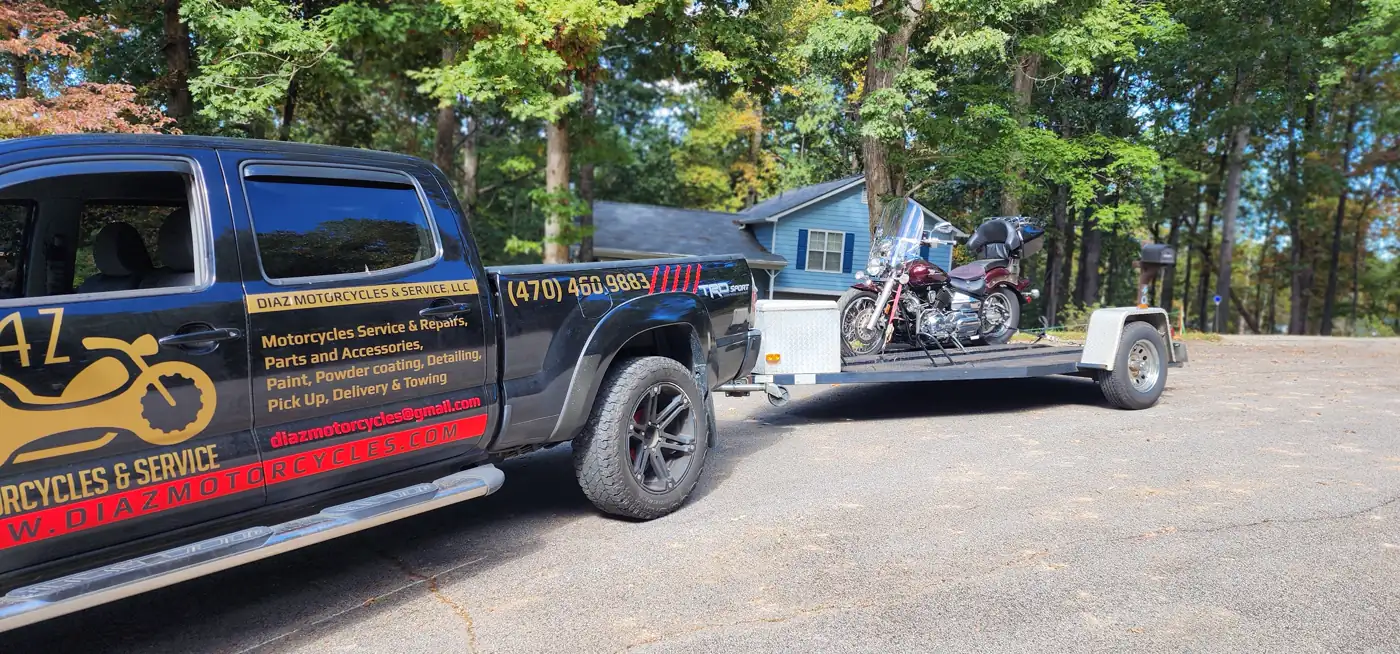
Up in Buckhead and Tuxedo Park it’s a different world — cruisers, big touring bikes, and the city’s thickest crowd of expensive European machines. Riders there decide on convenience and confidence, not on shaving a few miles. A clean pickup, a text update, and a bike returned spotless simply read as normal. Enclosed hauling shows up more often up here, too, because a bike that cost a lot deserves the closed box.
In Midtown and Old Fourth Ward, storage is the whole story. Many of these riders live in condos and apartments with deck parking — no room to work, no outlet for a battery tender, tight ramp turns. A rider near the Fox Theatre, that 1929 Moorish and Egyptian-revival landmark on Peachtree Street, or over by Historic Fourth Ward Park, the leafy seventeen-acre stretch with a retention pond along the BeltLine, often can’t wrench on the bike at home at all. That’s exactly when ‘we come get it’ stops being a convenience and becomes the only sane plan.
Over by Georgia Tech in Home Park, with its heavy student rental stock, it’s scooters and small bikes that need moving when a lease ends and the ride won’t start. Different bike, same job. And if you’re on a Vespa or a small Euro scooter, we know Vespa Marietta handles that world for sales and service — we’re simply the folks who’ll get the thing onto a trailer and where it needs to be, no matter what shape it’s in.
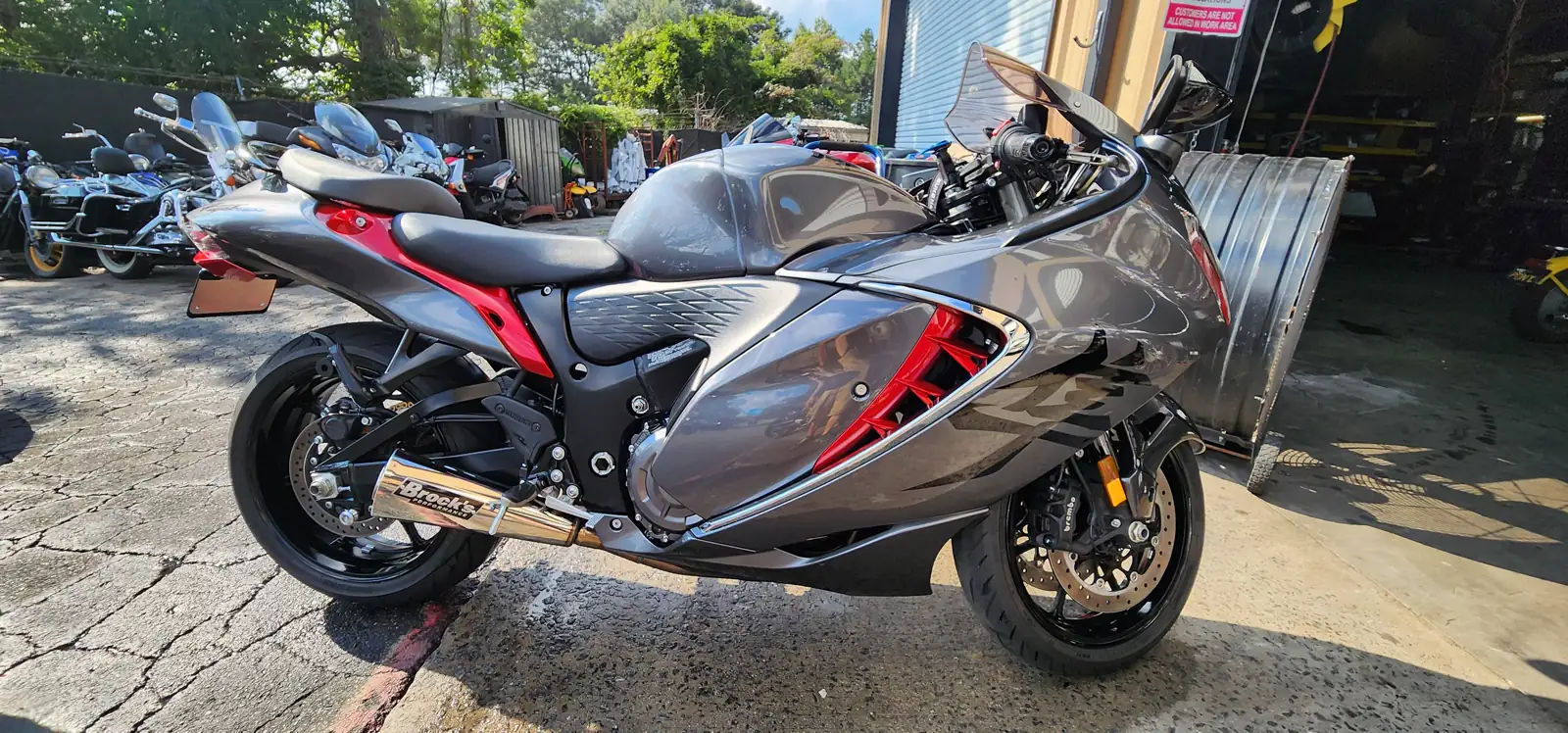
The outcome you're really after
Here’s what all of this adds up to. When you finally move that bike you’ve held onto for years, you shouldn’t feel like you rolled dice. You should feel like you handed it to someone who treated it like their own — asked the right questions, wrote down its condition, strapped it down like it mattered, and brought it back cared for better than it left.
That’s the honest way to think about motorcycle transport cost Atlanta owners can actually trust — a fair, sight-checked look instead of a phone-number guess. No rounding up to cover an unknown, no dollar attached to a bike we’ve never seen. Just a real look, a real number, and a bike that shows up when we say it will. That’s the confidence you’re paying for, and it costs nothing to ask.
Questions Atlanta riders ask us
Why can't you just quote it over the phone?
Because we don’t know the two things that move the number most: whether the bike rolls and steers, and whether we can get a truck close to it. A bike three floors up on a condo deck is a different job than one in a flat driveway. Send us a couple of photos and answer a few questions, and we’ll give you a number that actually holds.
What's included when you pick up my bike?
The truck and trailer, the soft straps and wheel chock, before-and-after photos, a written condition note, and careful loading and unloading at both ends. You get a record that protects you and a bike delivered the way it left. The tools are ours — you’re paying for the reach and the labor, not for parts.
How long does a transport job take?
A short cross-town pickup can be a same-day, in-and-out trip once it’s scheduled. Distance, access, and how many bikes are moving all stretch or shrink that. A stranded rescue in bad weather takes longer than a planned Tuesday pickup, so timing is part of the picture we sort out up front.
Is transport mostly parts or mostly labor?
It’s almost entirely labor and access. There are no parts to order and no gaskets to wait on. What you’re paying for is the drive, the effort of loading a bike that may not roll, and the care of securing and documenting it. That’s why you can watch every bit of it happen in your own driveway.
Does the type of bike change the work?
Condition changes it far more than brand. A rolling sportbike and a rolling cruiser load about the same. A seized engine, a flat tire, or a snapped cable is what adds hands and time. A pricey custom or a collector piece may earn an enclosed trailer, but that’s about protection, not difficulty.
Do you handle bikes I bought out of state?
We do. Long-distance hauling for a bike bought sight-unseen is one of the main reasons folks call. Once it lands, there’s a title and registration step through the Georgia Department of Revenue, and we can point you to what you’ll need so the paperwork’s as smooth as the pickup.
We come get bikes all over the metro from our Marietta shop, so distance is never a reason to leave a bike sitting. That includes Buckhead, Midtown, Decatur, and Sandy Springs on the north and east side, plus Smyrna, Vinings, and Mableton closer to home. We also run out to Brookhaven, Chamblee, and Tucker, and down to East Point when a bike needs a lift. Wherever you park it in Atlanta, we’ll bring the trailer to you.
LET US COME GET IT
That long-owned bike in the garage doesn’t have to stay stuck. Text or call Diaz Motorcycles, tell us the bike and where it sits in Atlanta, and we’ll bring the truck to you — questions asked, photos taken, and a fair number you can trust. No dice, no guessing, just a bike that shows up when we say it will.
470-460-9883Diaz Motorcycles and Service, LLC · 847 Barnes Mill Road, Marietta, GA 30062