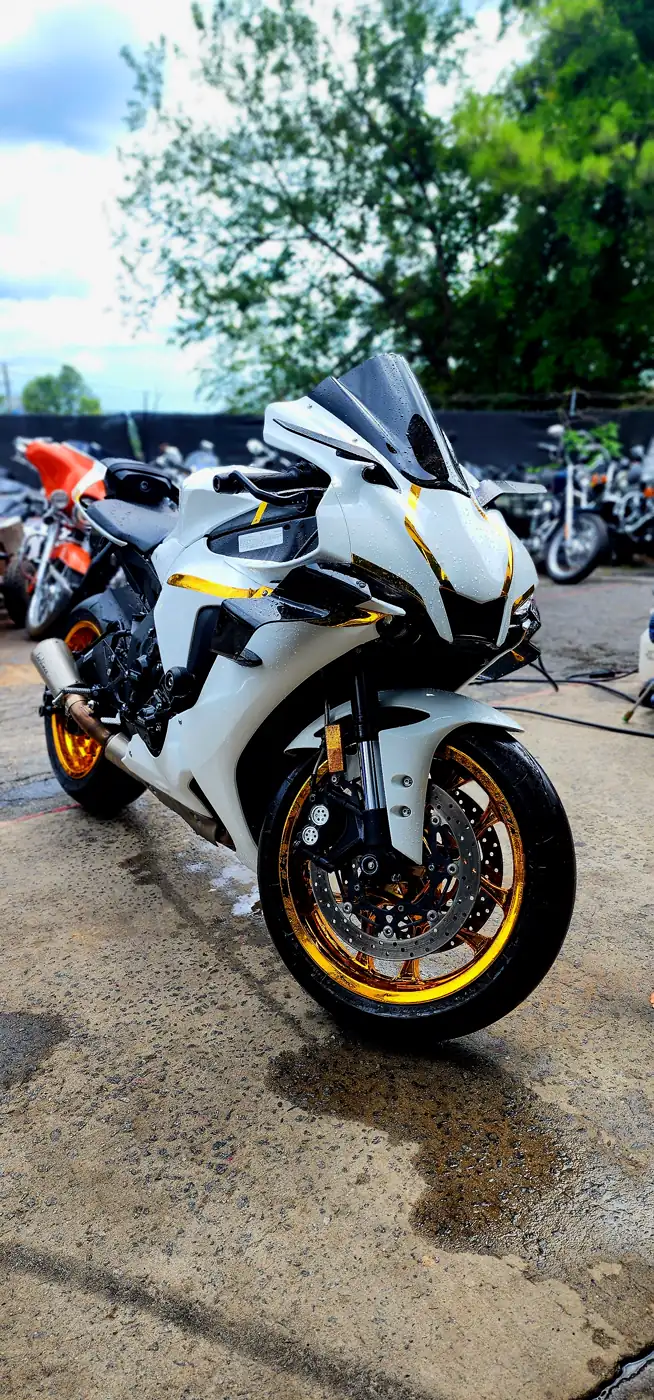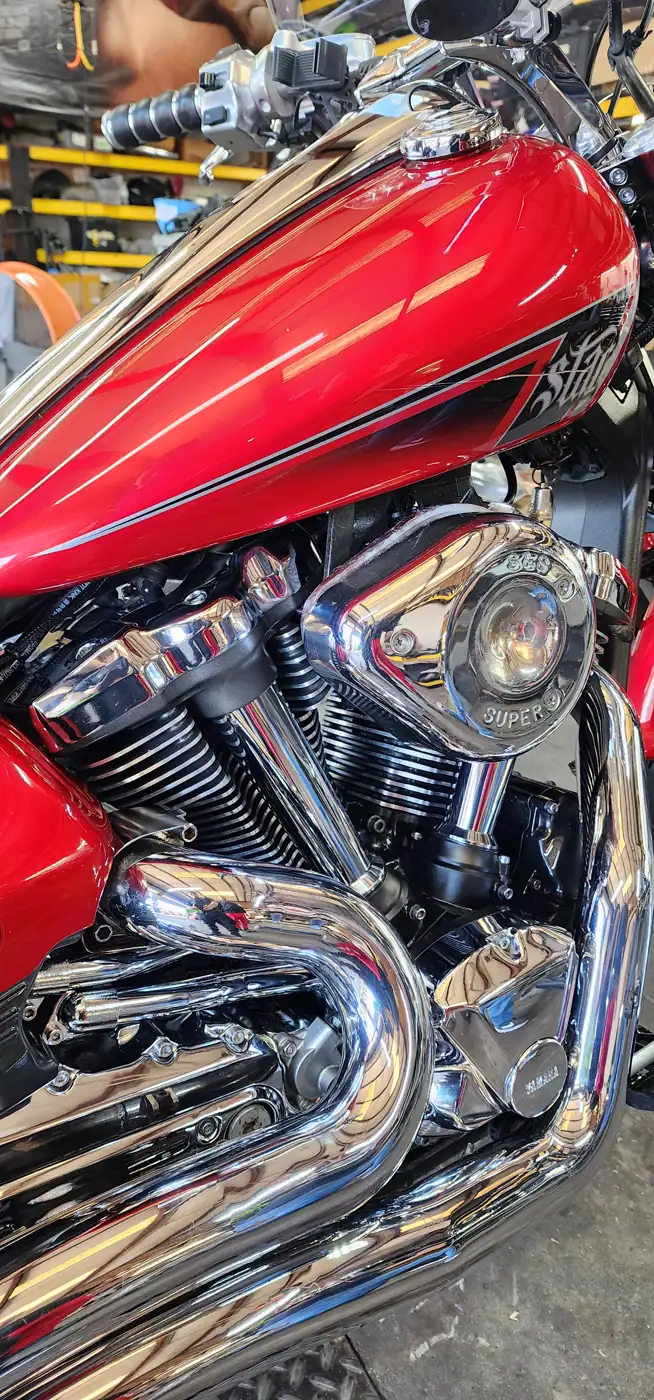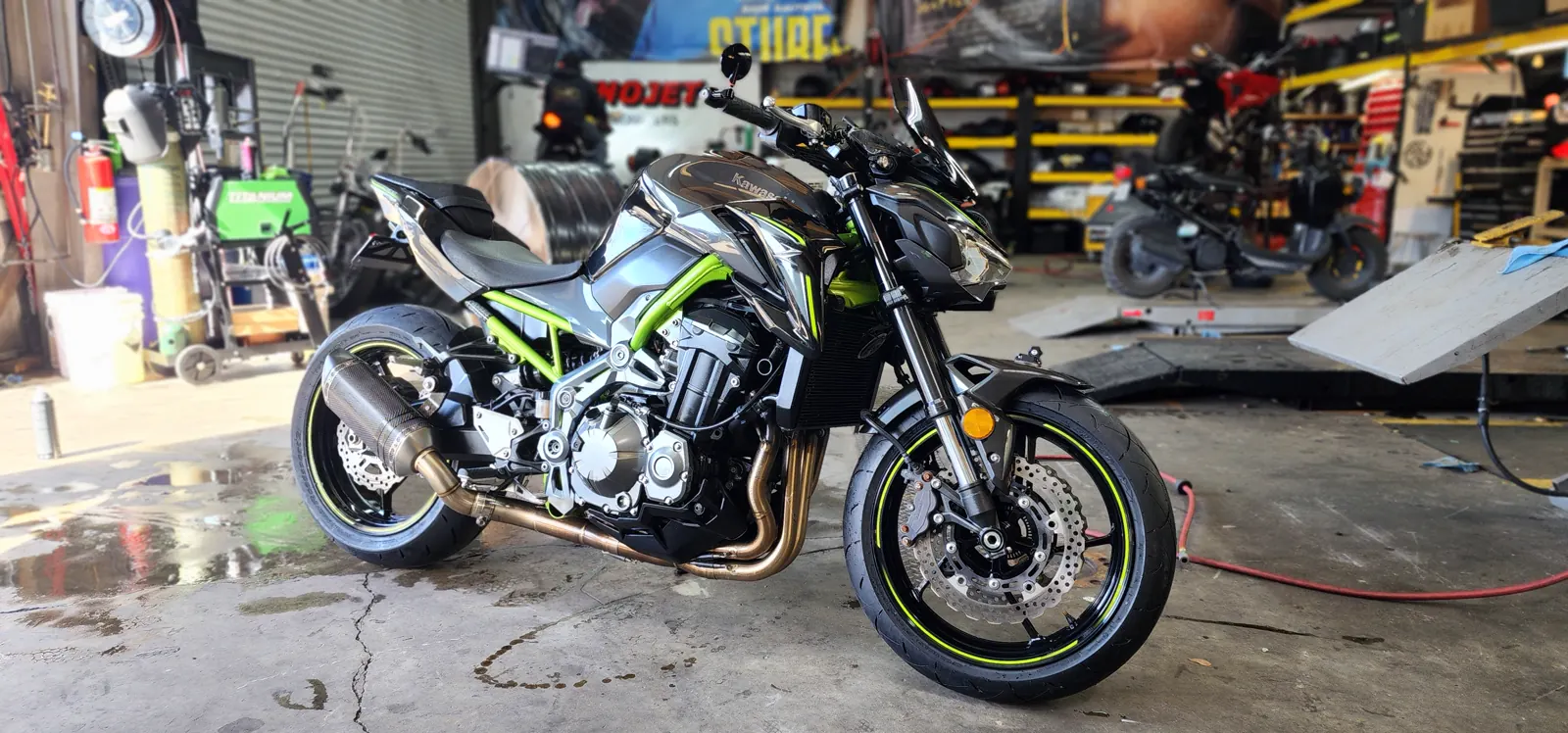
Ceramic Coating Sandy Springs Riders Ask About, Compared
Wax or coating? Here's the honest, no-sales-pitch breakdown for Sandy Springs bikes.
It’s late. The garage light is off, and there’s a browser tab open with one question sitting in it. Should you pay for the coating, or just keep waxing the bike yourself? That quiet 9 p.m. question is what sends most riders looking into ceramic coating Sandy Springs shops love to talk up, and you’re not after a slick pitch. You want a straight answer from someone who does this for a living. So let’s give you one.
What you're really asking
When you type that question, you’re not really asking about chemistry. You’re asking whether the extra step is worth it for your bike, your storage, and the way you ride. Wax and a coating both protect paint, yet they do it in very different ways. Because of that, the right pick depends on real facts about your life, not on which product sounds fancier.
Here’s the plain version. Wax is a soft layer you lay on top of the paint. It looks great, it’s cheap, and it washes away over a few weeks. A ceramic coating, on the other hand, is a liquid that bonds to the clear coat and cures into a thin, glass-like shell. That shell lasts far longer, sheds water, and makes cleaning easier. Neither one is magic, though, and that fact matters more than the marketing ever lets on.
Think of it like the difference between sunscreen and a rain jacket. Wax is the sunscreen you keep reapplying. A coating is closer to the jacket that stays on and does its job without asking. Both keep the weather off, so to speak, yet one wants constant attention and the other mostly leaves you alone. Just having that picture in your head already puts you ahead of half the folks arguing about it online at midnight.
The honest answer
So which one wins? For most riders who keep a bike they love, the case for ceramic coating Sandy Springs friends keep hearing about is the better long-term call. A coating holds gloss longer, it fights the stuff Georgia throws at your paint, and it turns wash day into a quick rinse. That’s our recommendation, and we’ll stand behind it without wobbling.
Still, a good answer names the exception. Say you flip bikes every season, ride mostly through rain and dirt, or genuinely enjoy the ritual of waxing on a lazy Sunday. In that case, wax is the smarter money. There’s no shame in it either. A well-waxed tank still looks sharp, and you keep full control of the upkeep. Simply put, the other choice wins when the bike is short-term or the labor itself is the fun part.
Picture two riders to make it real. One keeps a garage-kept bagger for a decade and washes it most weekends. The other buys, rides hard, and sells within the year. For the first rider, a coating pays for itself in saved time and held value. For the second, wax keeps cash free for the next machine. Same products, opposite winners, and honestly, that gap is the whole reason comparing beats guessing.
| Wax / sealant | Ceramic coating | |
|---|---|---|
| Cost up front | Low | Higher, one time |
| How long it lasts | Weeks | Far longer |
| Cleaning effort | Normal | Much easier, water beads off |
| Best for | Flippers, hobby waxers | Bikes you keep and store well |
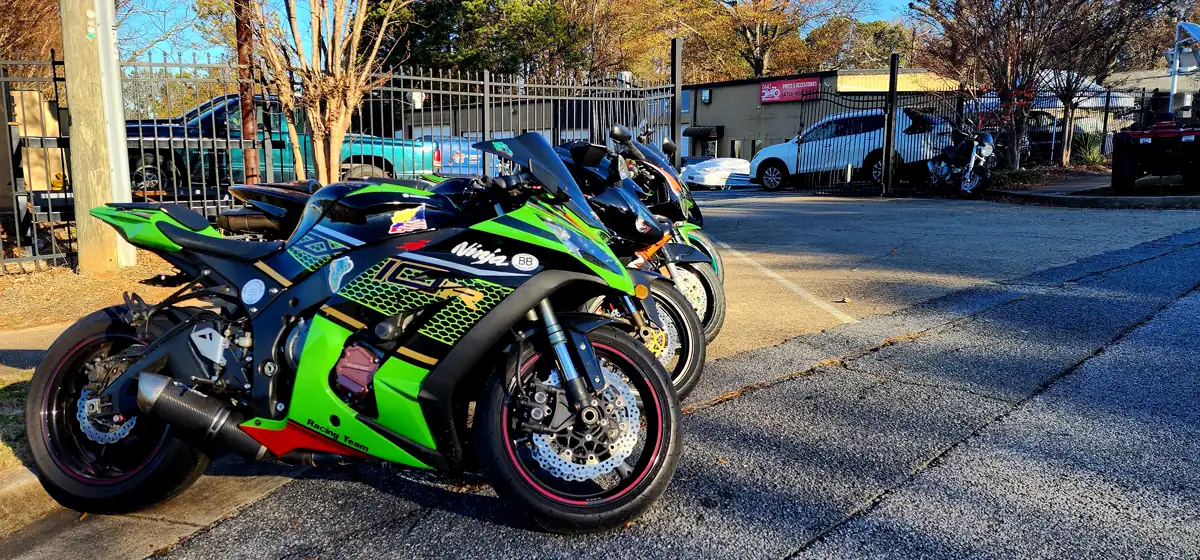
One thing we tell every friend who asks: a coating is not a force field. Yes, it protects and it makes cleaning simple, but it will not stop a rock chip or a careless key. Anybody promising a scratch-proof bike is selling you a story with a happy ending that doesn’t exist. What a coating actually does is real and worth having. It just isn’t armor, and honesty here saves you disappointment later.
Something changes once you know what to look for
Something changes once you know what to look for. Once you can spot swirl marks in direct sun, you can’t unsee them. Those faint spider-web lines across a tank come from wash towels, grit, and plain old time. A quick coat of wax hides them for a day. Paint correction, by contrast, actually removes them, and that single step is what turns an average finish into one with real depth you can feel.
Paint correction means machine-polishing the clear coat to level out tiny scratches and haze. Done right, the reflection gets sharper and the color reads deeper, almost wet-looking. A coating then locks that corrected finish in place. Skip the correction, though, and you’re only sealing the swirls under glass forever. That’s precisely why the order of operations matters, and it’s a big part of what separates a good shop from a booth that just sprays and prays.
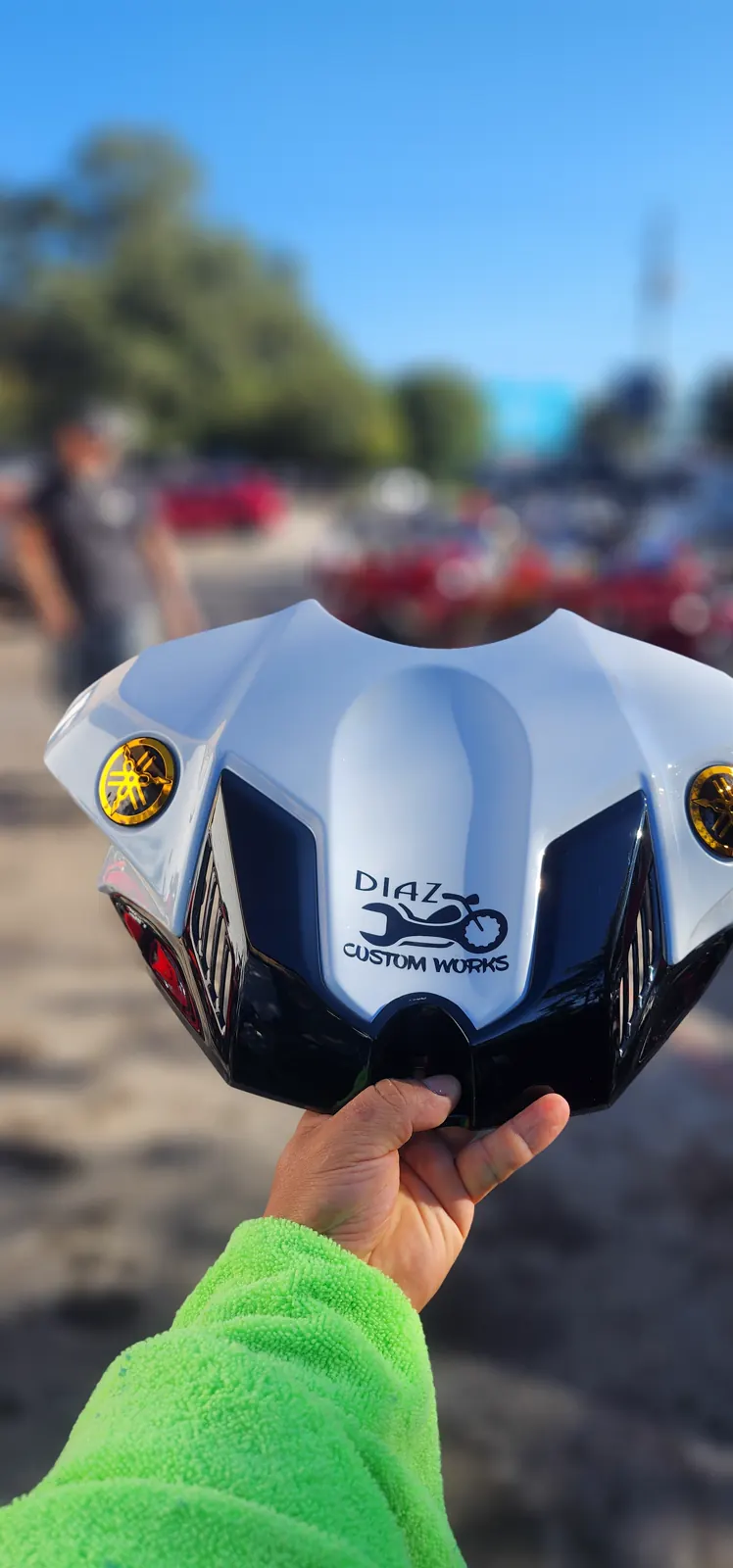
It also helps to know the difference between a wash and a real detail. A wash gets the dirt off, and that’s it. A detail goes deeper. Chrome gets polished until you can read a plate in it, wheels and the engine bay get cleaned, bugs and tar come off, water spots vanish, leather and vinyl get fed, and chalky gray trim comes back to life. When people see what we take care of here, the coating question suddenly makes more sense, since the coating is the final step that guards all of that work.
- Chrome polishing you can see your face in
- Paint correction to remove swirls and light scratches
- Wheel, brake, and engine-bay cleaning
- Bug, tar, and hard-water spot removal
- Leather, vinyl, and plastic trim restoration
- Ceramic coating or sealant to protect the finish
WHAT A COATING IS AND ISN'T
It protects paint and makes cleaning far easier. It does not make your bike scratch-proof or bulletproof. Anyone who claims otherwise is overselling.
How we handle it
Here’s our approach when a bike rolls in for coating. First, we get honest about the paint. If it’s already clean and swirl-free, wonderful, we prep and coat. If it carries swirls or water spots, we walk you through a correction so the coating has a flawless surface to grab. We won’t push correction you don’t need, and we’ll flat-out tell you when wax is the better fit for your world.
After that, we prep like it counts, because it does. A coating only bonds to a truly clean, decontaminated surface, so cutting corners here shows up months down the road. We take our time, coat in a controlled space, and let it cure the way it’s supposed to. Rushing the cure is how coatings fail early, and we’ve seen enough of those to never gamble with yours.
Once the coating cures, the payoff is easy to feel. Water beads up and rolls off in sheets. Dust wipes away with a light touch instead of a hard scrub. Best of all, the tank turns slick under your palm, almost like polished glass, and that slickness is exactly what makes cleaning so fast. You’ll notice it the first time it rains and the bike more or less dries itself in the driveway.
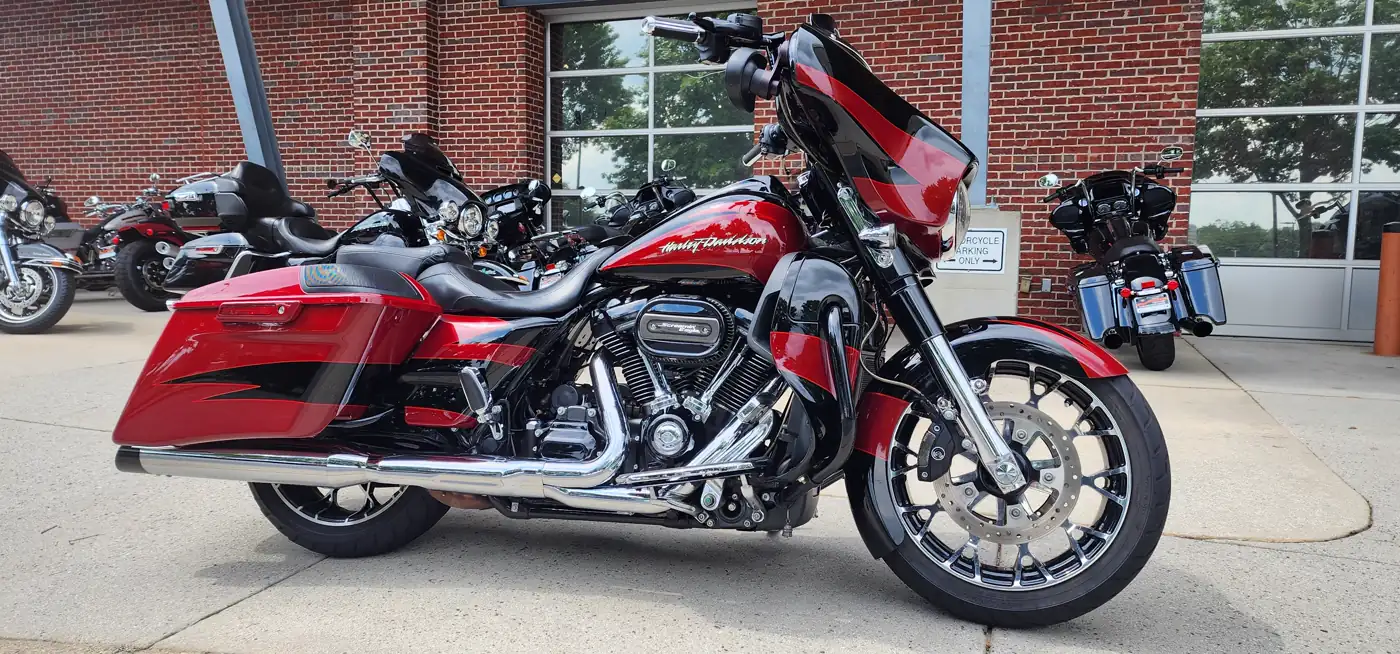
Some bikes show up with chips or fading that go well past what polish can fix, and that’s a different chat entirely. When the paint itself needs help, how we handle that job looks more like refinishing than detailing. Either way, we’ll be clear about which path your bike really needs before a single dime is spent.
Weighing the same decision from farther north? We broke down the identical trade-off on the Canton side of things too, so you can see how the math shifts by city. The bike guides the answer, not a zip code, but the local details do nudge it one way or the other more than you’d expect.
Now for the part that has nothing to do with parts at all
Now for the part that has nothing to do with parts at all. Where you keep your bike changes everything. Take the Dunwoody Panhandle, where luxury homes sit near the Chattahoochee by Island Ford and Dunwoody Country Club. Most riders there have a garage and a touring bike they plan to keep for years, which makes for a textbook coating candidate. Over in Glenridge Close, close to Pill Hill and the hospital cluster, and along the settled streets of Wembley Hall, storage is more of a mixed bag, so the right call shifts bike by bike.
Georgia, meanwhile, is brutal on a finish. Summer heat bakes it, the humidity never quits, spring pollen coats everything yellow, and hard water leaves spots that etch if they dry on. This is exactly why ceramic coating Sandy Springs discussions always circle back to storage and climate. A coating shrugs most of that off and rinses clean, while wax gives up fast in this weather, leaving you reapplying just to keep pace.
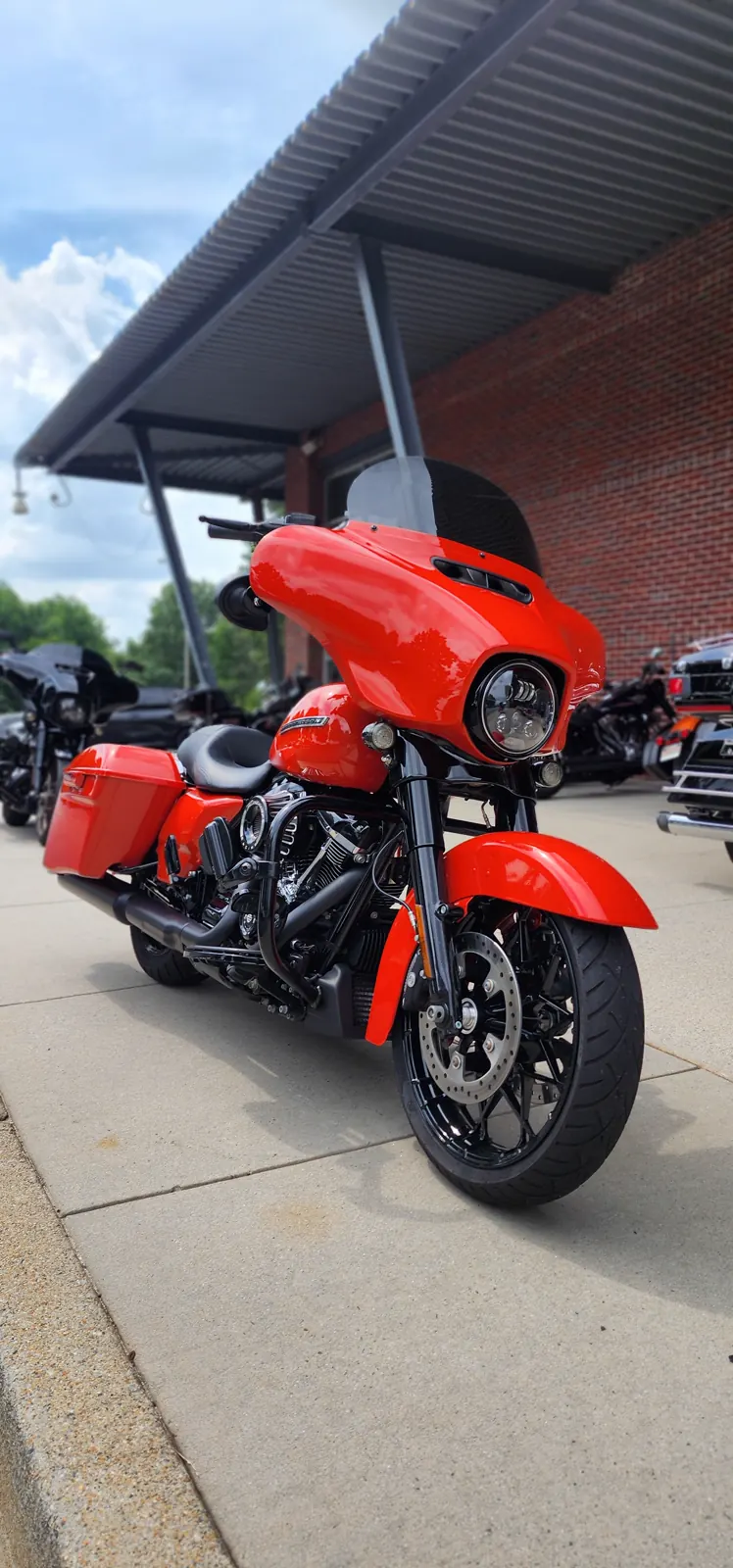
Plenty of riders here store outside, because that’s simply the reality of the neighborhood. If your bike lives under a carport or in a condo deck with full afternoon sun, UV becomes the real enemy. A coating buys your plastics and paint honest protection against it. As a bonus, outdoor bikes get dirtier, so the easy-clean upside pays off every single week rather than once a season.
Weekend rides out of Sandy Springs usually kick off on Johnson Ferry Road over the Chattahoochee, which happens to be the daily-ride road into East Cobb and, not by accident, the exact route to our shop. Errands run along Abernathy Road, the east-west connector that slides past Mercedes-Benz USA at Barfield Road. And when you want a spot to admire a freshly coated bike, the Abernathy Greenway Linear Park, that 6.6-acre Playable Art Park stuffed with sculpture, makes a fine photo stop before you head home.
Sandy Springs riders already drive somewhere for real service, since the city has almost no motorcycle infrastructure of its own. You might spot a name like Atlanta Motorcycle Works in area listings, and having options is a good thing. Our shop sits roughly 8 to 11 miles out, usually 18 to 28 minutes via Johnson Ferry Road across the river into East Cobb, with no interstate required. Better still, we’ll pick the bike up and bring it back, so that drive isn’t even yours to make.
That convenience isn’t a small thing around here either. With almost no local shop to lean on, riders in this city end up hauling bikes across town just to get basic work done. Pickup and delivery flips that whole hassle on its head. You keep your Saturday free, we keep the bike safe in a real workspace, and the finish comes back better than it left. For a machine you’re genuinely proud of, that’s an easy yes.
What you actually walk away with
Here’s what you truly get out of all this. A coated, corrected bike looks like it cost more, holds its shine straight through a Georgia summer, and cleans up in minutes instead of an afternoon. When it’s time to sell or trade, that finish speaks for itself, and buyers absolutely notice a machine that’s clearly been loved. In this market, pride and resale are two sides of the same coin.
So, feeling in control now? Good, because that was the whole goal. If you keep your bikes and store them halfway decently, get the coating and correct the paint first. If you flip often or love the Sunday wax ritual, stick with wax and put the savings toward gas. Whichever way you lean, you’re making the call for solid reasons rather than because a label told you to.
One last friendly note. A clean bike is a bike you look at closely, which means you catch loose bolts and worn tires early. If you’re newer to two wheels around here, the Georgia Motorcycle Safety Program is worth a look, and Dunlop’s technical resources make tire checks easy. A great finish and a safe bike tend to travel the same road.
The bike decides the answer. We just help you read what it's telling you.
Questions Sandy Springs riders ask us
Which do you actually recommend, wax or a coating?
For a bike you plan to keep and can store decently, we recommend the coating with paint correction first. It holds gloss longer and makes cleaning effortless. Wax stays the better pick only if you flip bikes or love doing it yourself.
Does my bike change the answer?
It can. A garage-kept touring bike or premium cruiser is a clear coating candidate. A short-term project bike or a rain-and-dirt commuter often does fine on wax. Tell us how you ride and store it, and we’ll steer you straight.
Is the coating upgrade worth it?
For most keepers, yes. You spend once and skip the endless reapplying, plus wash day shrinks to a rinse. If you’re the type who sells within a year, the value gets thinner and wax may make more sense.
Which one should I pick if I store my bike outside?
Lean toward the coating. UV, pollen, and hard water hit outdoor bikes hardest, and a coating fights all three while making the weekly clean much faster. It won’t stop chips, but it protects and eases everything else.
What's the real difference between a wash and a detail?
A wash removes dirt. A detail restores the bike: chrome polishing, paint correction, wheel and engine-bay cleaning, bug and tar removal, water-spot removal, and trim care. A coating is the last step that protects all of it.
Do I have to ride it over to you?
Nope. We offer pickup and delivery across Sandy Springs, so you never have to make the drive. We grab the bike, do the work in a controlled space, and bring it back looking better than the day you bought it.
We take care of riders all around the north metro, not just in Sandy Springs. Folks come to us from Roswell, Dunwoody, and Alpharetta up north, along with Buckhead, Brookhaven, and Atlanta to the south. Closer to the shop, we help friends in East Cobb, Vinings, Marietta, and Smyrna, plus Chamblee and Doraville over on the east side. Wherever you park it, our pickup and delivery brings the shop to your driveway.
LET'S PICK THE RIGHT ONE FOR YOUR BIKE
Still on the fence between wax and a coating? Text us a photo of your bike and how you store it, and we’ll give you the honest call for your Sandy Springs ride, no pressure. We’ll even handle pickup and delivery, so the whole thing takes zero drive time out of your week.
470-460-9883Diaz Motorcycles and Service, LLC · 847 Barnes Mill Road, Marietta, GA 30062