Best Dyno Tuning Canton — What to Look For
How to tell a real in-house tune from a sales pitch, and what your bike is actually asking for.
Plus, By the middle of July the pavement gives heat back through your boots at every light. Of course, storms stack up over the ridgeline around four in the afternoon. So riding gets pushed to early morning or after dinner, and the bike spends more time idling in hot, heavy air than it ever did in April. Then again, that’s the exact stretch of the year when a bike starts acting strange. It surges in traffic. Even so, it pops on the way down through the gears. Your right leg cooks. Then the searching starts, usually some version of best dyno tuning Canton, because a rider can feel that something is off and just wants an honest answer about it.
Meanwhile, here’s the good news, right up front. In fact, that said, a bike that surges, stumbles or bakes you at a red light is usually not broken. For example, Usually it’s just been told the wrong thing about how much fuel to add. After that, that’s fixable, and it’s often fixable in a single afternoon. You don’t need a new engine. So you need the bike’s little computer brain to match the parts bolted to it and the air it’s actually breathing.
What you're really asking
Nobody types that search because they want a lecture on fuel maps. They want two answers. Can this shop actually do the work in-house, and will they be straight with me about whether my bike even needs it? Both are fair. What’s more, Plenty of places will happily sell you a tune. So and Better yet, Far fewer own the machine, run the pulls themselves, and can hand you the before-and-after graph while you’re standing there.
So let’s answer both. Still, and let’s give you a short list of questions to ask any shop before you hand over your keys. Including us. Especially us.
The honest answer
Plus, not every bike needs a custom tune. Of course, that’s the part nobody in the tuning business loves saying out loud. A stock bike with the stock exhaust, a clean filter and no complaints is probably running just fine. If a shop says every bike on the road needs dyno time, ask them to explain why yours does, in words you understand. A good tuner will enjoy the question.
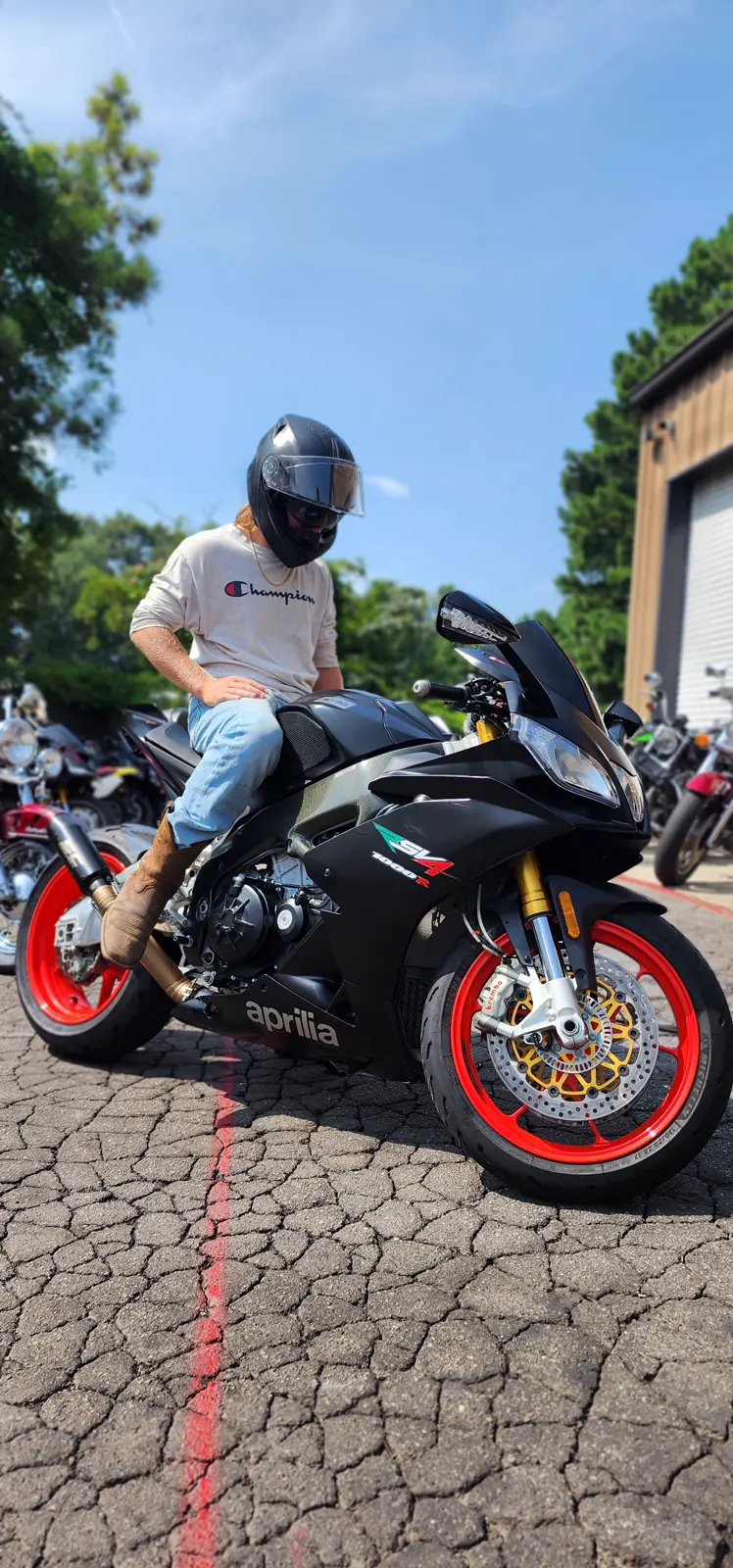
Now, who genuinely benefits? Bikes with a slip-on or full exhaust. Bikes with a high-flow filter or an intake change. Anything with cams, a big-bore kit or a different head. Older bikes never touched since the factory set them up for a different decade of fuel. And bikes that spend weekends climbing north, where thin air and long pulls expose a map that was only ever half right.
What a dyno actually measures
Strip away the mystery and a dyno is a heavy steel drum set in the floor. Your rear tire sits on it. The bike gets strapped down tight, a big fan blows air across the radiator or the fins, and then it’s run up through the gears while the drum fights back. The machine measures how hard your rear wheel spins that drum, which is torque. Horsepower is just torque and engine speed run through some math. For the manufacturer’s own plain-English version, Dynojet’s dyno center lays it out well.
But the number on the screen is honestly the least useful part. The part that matters is a probe in your exhaust reading how much leftover oxygen is coming out. That tells the tuner the air-fuel ratio at every throttle position and every engine speed. So instead of one score at the end, you get a map of how your engine is behaving everywhere you actually ride it. The shape of that line tells the story. The peak number is just bragging rights.
Lean and rich, in plain words
Lean means too much air and not enough fuel. Lean engines run hot, pop and crackle on deceleration, hesitate off idle and surge at steady cruise. That’s the summer complaint we hear most, and there’s a whole post on what usually causes it. Rich is the opposite: too much fuel for the air available. Rich bikes smell heavy, foul plugs, leave soot on the tailpipe and feel dull, like riding with a wet blanket over the airbox.
Factories often set bikes slightly lean from the crate for emissions reasons. Then a rider adds an exhaust that lets more air out, and the bike gets leaner still, and nobody ever told the computer about any of it. That’s not a defect. That’s just a conversation the bike never got to have.
There’s a second failure that hides behind the first one. A lean bike doesn’t only run hot. It also quietly teaches you to ride around it. You slip the clutch a little more leaving a stop. Still, you hold second longer than you need to. You skip the throttle opening where it stumbles, without ever deciding to. After a few months that becomes your normal, and you’d swear the bike has always been like this. Then the map gets sorted out and the thing feels like it grew a whole new gear. Friends we’ve helped tend to come back a week later saying some version of the same line: I forgot it was supposed to do that.
What actually changes a tune
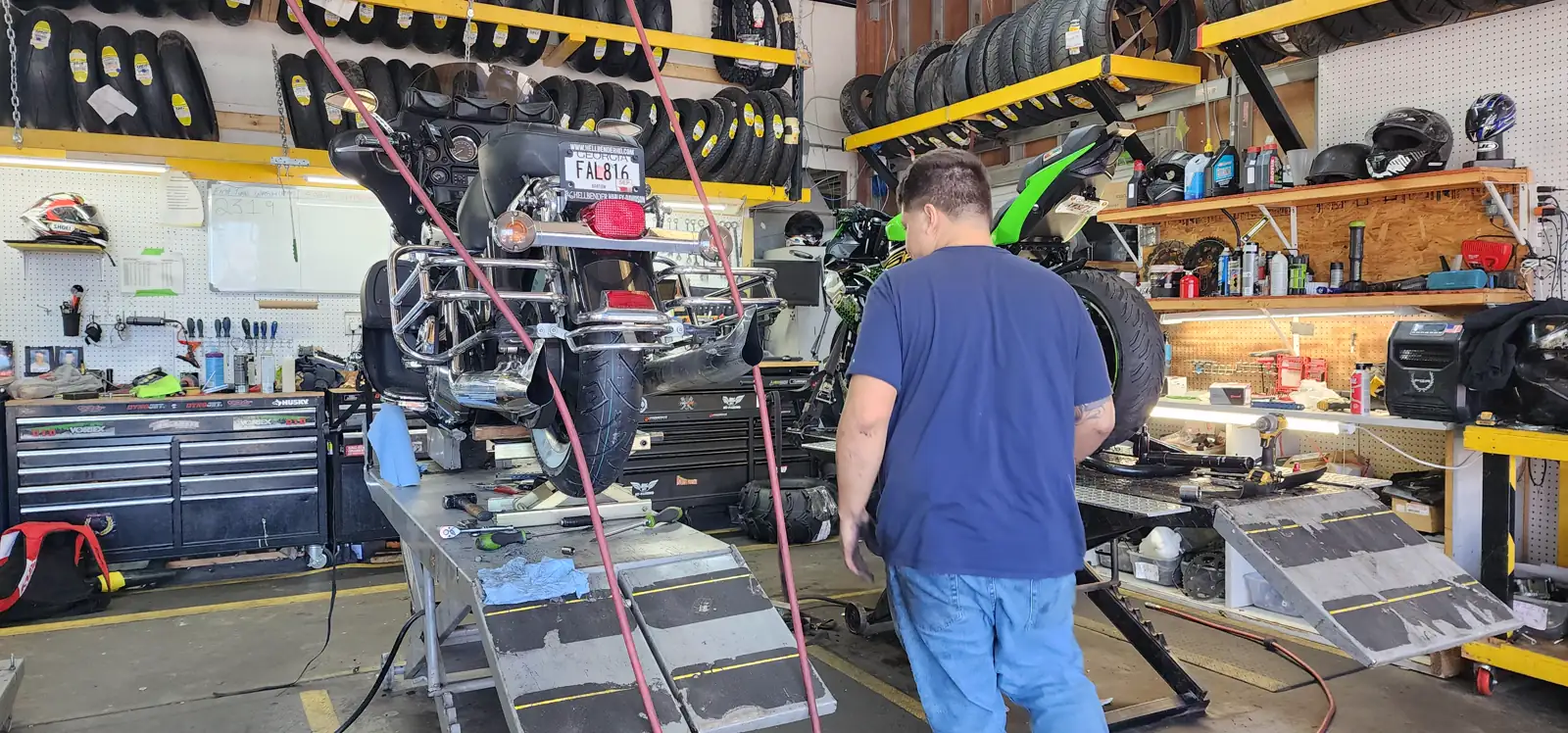
Three things move the needle. First, hardware — anything that changes how air gets in or out. Second, condition — a clogged filter, a tired plug, an intake leak or a lazy sensor will make any map wrong. Third, environment — hot humid air is thinner than cold dry air, and elevation changes it again. A bike mapped for a cool spring morning at the bottom of the hill is running a slightly different engine on a ninety-degree August afternoon halfway up a mountain.
So any tuner worth your time fixes the basics before touching a map. Tuning around a vacuum leak just bakes the leak into the file.
Flashing versus a piggyback
Two main ways to change the fueling. An ECU flash rewrites the factory computer directly, which is clean and keeps everything in one place. A Power Commander sits between the computer and the injectors and adjusts the signal on the way through, which is great for bikes whose factory computer is locked down tight. Neither one is automatically better. The right choice depends on your model, your parts and what you want out of the bike. Here’s what the work covers once we get into it.
Real criteria for judging any shop
Forget marketing. These are the questions that actually separate shops, and you can ask every one of them over the phone in about four minutes.
- Is the dyno on site, or does the bike get sent somewhere else? Sent-out work isn’t bad, but you deserve to know.
- Who runs the pulls — the person tuning it, or a helper?
- Will I get a before-and-after graph, and will somebody walk me through what the lines mean?
- What do you check before you tune? Plugs, filter, leaks and valve clearance should be on that list.
- Have you tuned my make and model before, and what did you use — a flash or a piggyback?
- Will you tell me if my bike doesn’t need this? Listen closely to how fast that answer comes.
That last one is the whole test. Any shop that can’t imagine turning down work is selling, not tuning.
The number at the top of the graph is bragging rights. The shape of the line is your ride.
And to be completely fair about the local landscape: RideNow Powersports Canton over on Riverstone Parkway is the big, well-run option up here, carrying just about every major brand and holding strong reviews across more than a thousand of them. For a routine service, a recall or a new bike, that’s a solid place to be. Big multi-line dealerships are built for volume and consistency, and they’re good at it. Custom mapping is simply a different animal — it ties up a machine and a technician for hours on one bike. That’s the gap in Cherokee County, and it’s why riders end up driving for it.
How we do it
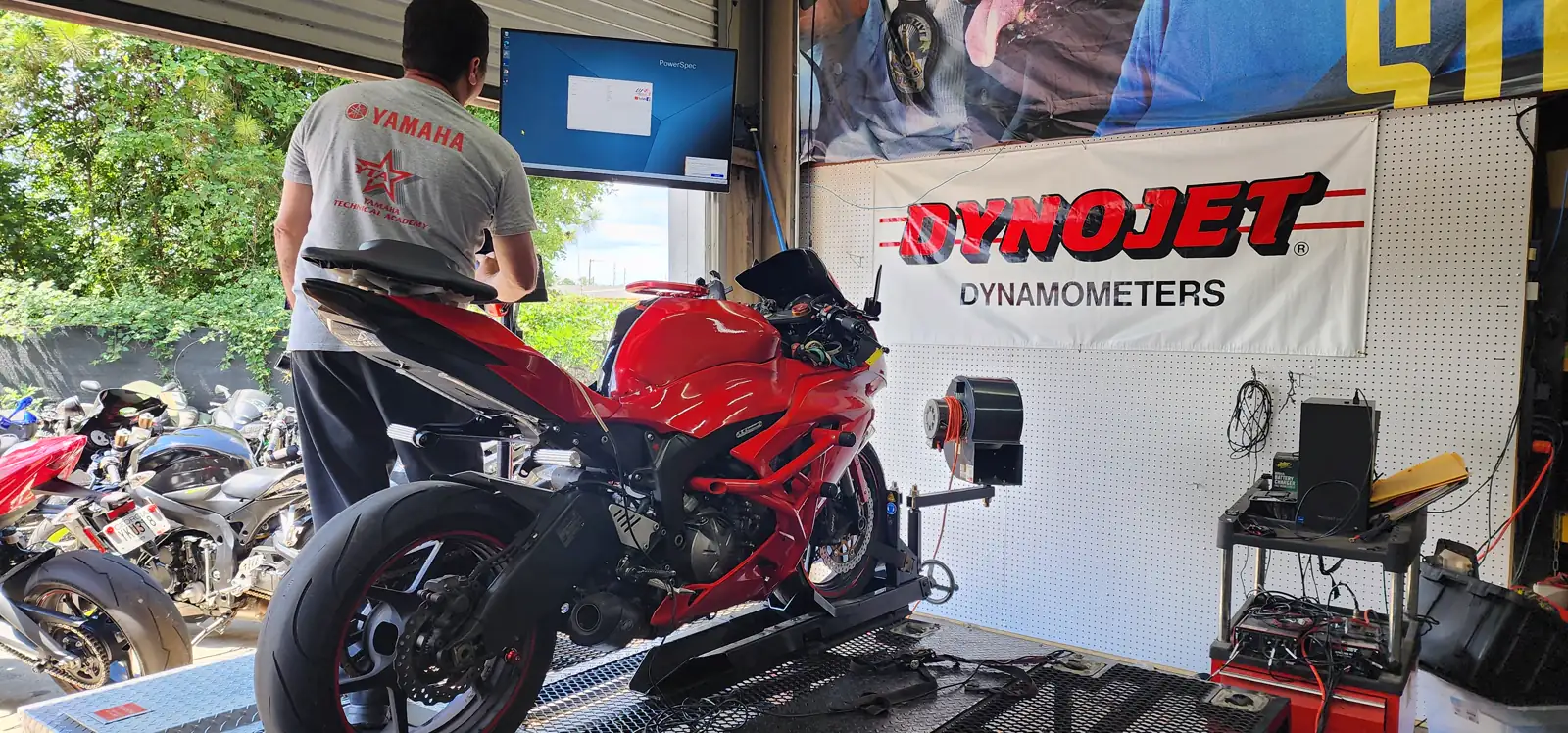
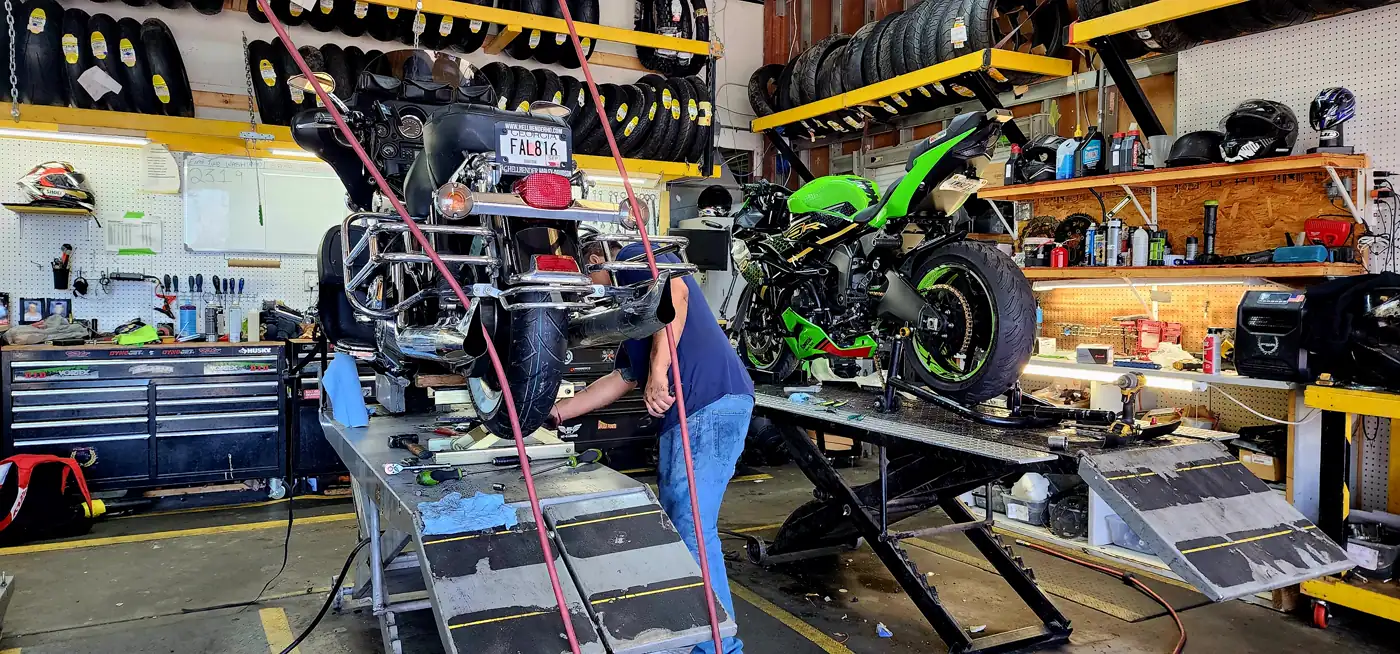
Our dyno lives in our building. We run the pulls ourselves, we read the air-fuel numbers ourselves, and you’re welcome to stand there and watch it happen. Afterward you get the graph and a plain explanation of what moved and why. If the answer turns out to be a dirty filter and a cracked intake boot rather than a custom map, we’ll say so and send you home smiling. That’s what we take care of here, on Japanese, European and American bikes alike. So when somebody asks who does the best dyno tuning Canton riders can get to, we’d rather earn that with a graph than a slogan. Other towns ask the same thing — here’s what Dallas riders run into.
ASK US TO SAY NO
Bring your bike in and ask us straight out whether it needs a tune. Sometimes the honest answer is not yet, and you should be able to hear that without a sales pitch attached.
Why this matters more up here
Canton sits right at the doorstep of the North Georgia mountains, and that shapes everything about how bikes get ridden here. It’s the last real services town before the road turns into the run toward Jasper, Ellijay and Blue Ridge. On a good Saturday in spring or fall, the northbound lanes are a parade. The Henderson Mountain Loop starts and ends right here, forty-some miles out GA-140 and GA-108, then Sam Nelson Road and Little Refuge Road past the lake before Henderson Mountain Road brings you home. That’s exactly the kind of riding — sustained load, climbing, changing air — that turns a slightly-off map into a bike that surges and runs hot.
Then there’s the other half of the local riding population. In BridgeMill, where the golf course and the aquatic center anchor the whole community, and over in Soleil Laurel Canyon with its thousand-odd homes, garages hold clean cruisers and baggers that see a few thousand miles a year at most. Same story in an established neighborhood like Fox Hollow. Those bikes sit, and bikes that sit develop their own personality. Old fuel gums up injectors. Batteries go soft. A bike that napped all winter and then gets asked to climb a mountain in August is a bike with opinions.
We hear from folks who ride the trail between Heritage Park and Etowah River Park on a Sunday morning and notice the idle hanging high afterward. We hear from shift workers coming off a long one at Northside Hospital Cherokee on Bluffs Parkway who just want the bike to feel right going home. Different lives, same complaint. And on the safety side, groups like IIHS motorcycle research keep landing where we do: a bike that responds exactly how you expect is a bike you can ride out of trouble.
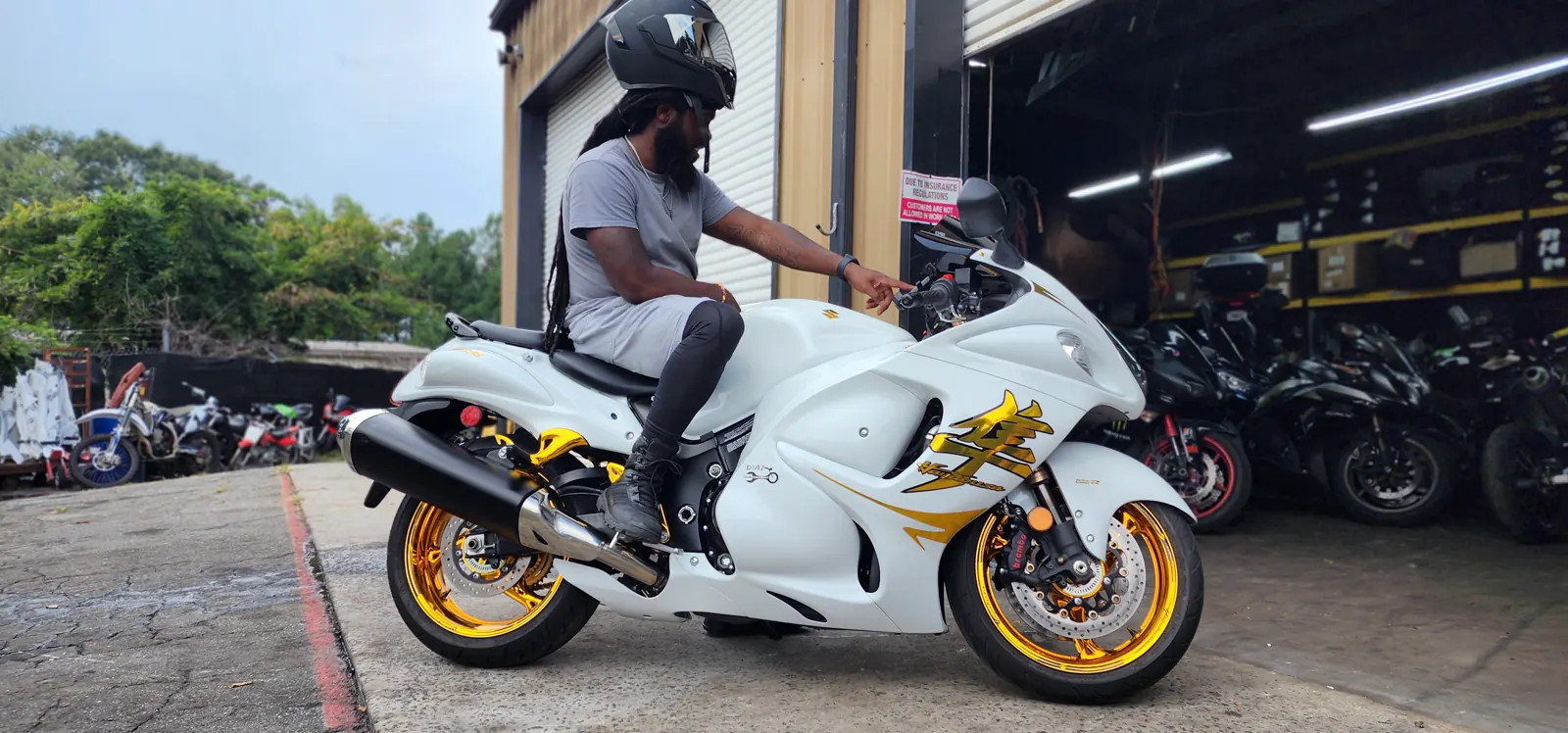
Getting to us is the easy part. Run down 575 the way you already do, hop off at Barrett Parkway or GA-92, and cut east through East Cobb. Figure roughly a half hour depending on how the interstate is behaving. People here already drive to Woodstock, Kennesaw and Alpharetta for a haircut and a hardware run, so this is nothing new.
Picture the version of this where you caught it early. It’s a Saturday in October, cool and clear. You’re at the front of a small group heading north for breakfast. The bike pulls clean from the bottom of the rev range, no stumble, no surge, no heat wave off the cylinder at the light. You roll on to pass a truck and it just goes. Nobody has to wait on you at the top of the climb. Nothing about the day is dramatic, and that’s precisely the point — the bike simply disappears underneath you and lets you ride.
What you walk out with
A good tune doesn’t turn your bike into a different motorcycle. It turns it into the motorcycle it was always supposed to be. Smoother throttle. Cooler running in traffic. Cleaner pull through the middle of the rev range, where you actually live. Often better fuel economy, since an engine that’s fed correctly stops wasting what it’s given.
And there’s something harder to put on a graph. You’ll know your bike. You’ll know what the numbers mean, why it behaved the way it did, and what got changed. Next time somebody posts the who-do-you-use question in a neighborhood group, you’ll be the one with a real answer instead of a guess. That’s a good feeling, and you’ll have earned it. Your bike has been trying to tell you something all summer, so let’s go find out what.
Questions Canton riders ask us
Do you work on all brands?
Yes. Japanese, European and American bikes all come through our dyno room, from cruisers and baggers to sportbikes, ADV bikes and older restoration projects. What changes between brands is the method — some models get a full ECU flash, others get a Power Commander. We’ll tell you which path fits your bike before we start.
How far do you serve?
Riders come to us from all over the north and west metro. Canton, Woodstock, Ball Ground and Holly Springs are regular ones, along with Acworth, Kennesaw, Cartersville and folks heading down from Jasper and Waleska. If you’re willing to make the drive, we’re glad to see you.
Can you pick up my bike?
In many cases, yes. Give us a call or send a text with your location and we’ll sort out transport, which is especially handy if the bike isn’t running well enough to trust on the interstate. Plenty of riders trailer theirs down instead, and that works fine too. Either way, ask us first rather than risking a rough ride.
How do I know the diagnosis is right?
Because you get to see it. We show you the air-fuel readings and the before-and-after graph, and we walk you through what each line means in normal words. If we say your bike was lean at a certain throttle opening, the data on the screen backs it up. Nothing about it should feel like you’re taking our word for it.
What makes you different?
The dyno is ours and it’s in our building, so the person tuning your bike is the person running the pulls. That means we can chase a problem in real time instead of guessing between appointments. We also check the basics first — plugs, filter, leaks, valve clearance — because tuning around a mechanical fault just hides it.
Does my bike really need a tune?
Maybe not, and we’ll say so. Stock bikes with no complaints often don’t. But if you’ve added an exhaust, an intake or a filter, or the bike surges, pops and runs hot in summer traffic, a session on the dyno usually pays you back in how the thing feels. Bring it by and we’ll give you a straight answer.
We tune bikes for riders all across the north and west side of the metro. That includes Canton and the nearby stretch of Cherokee County — Woodstock, Holly Springs, Ball Ground, Waleska, Free Home and Nelson — plus folks running down from Jasper for the day. We also see plenty of riders from Acworth, Kennesaw, Cartersville, Alpharetta and right here around Marietta. If you’re anywhere along the 575 or 75 corridor, the drive is easier than you think, and we’ll have your bike ready when we say we will.
LET'S SORT YOUR BIKE OUT
If your bike has been surging, popping or running hot all summer, don’t spend another season riding around it. Send us a text with your make, model and what you’ve added to it, and we’ll tell you honestly whether a dyno session is the right call. Canton riders make this drive every week, and they tend to enjoy the ride home a whole lot more than the ride down.
470-460-9883Diaz Motorcycles and Service, LLC · 847 Barnes Mill Road, Marietta, GA 30062