Dyno vs Stock Sandy Springs — Which One Wins
A plain-English look at what a dyno really measures, why bikes run lean or rich, and how to decide if your bike needs a tune at all.
So most weeks, the same question rolls through our door on the back of a very nice bike. Still, a rider from up north pulls in, garage-kept machine gleaming, and asks whether a tune is really worth it or if the bike is fine exactly the way it left the factory. Plus, that, right there, is the heart of the dyno vs stock Sandy Springs debate, and it deserves a straight answer instead of a sales pitch.
The Story We Hear Most Often
Meanwhile, Let us start with the belief that walks in most often. Of course, a lot of riders think stock means safe and a tune means risk. The factory built the bike, so the factory settings must be perfect, right? That sounds logical. It is also not quite true.
In fact, here is the part nobody tells you. For example, a motorcycle does not leave the factory tuned for you. It leaves tuned for everybody. Even so, the maker has to pass noise tests, emissions rules, and heat limits in a dozen countries at once. So they play it safe. What’s more, they add extra fuel in some spots and pull power in others, all to keep the bike quiet and legal. After that, your bike is wearing a compromise, not a custom fit.
Also None of that means your stock bike is broken. It runs. Instead it gets you to work and back. But runs fine and runs its best are two different things, and the gap between them is exactly what we talk about all day.
What A Dyno Actually Measures
Besides a dyno is a machine that lets your bike run hard while it stays put. Actually you strap the bike down, spin the rear wheel on a big drum, and roll the throttle on. Sensors read how much force that wheel makes across the whole rev range. The screen draws a line. That line is the truth about your engine, not a guess.
While the wheel spins, we also read the exhaust. A little probe sniffs what comes out the pipe and tells us the air-fuel mix. This is where lean and rich come in, and those two words scare people more than they should.
Lean vs rich, in plain words
Think of your engine like a campfire. Fuel is the wood. Air is the breeze. Rich means too much fuel for the air, like dumping wet logs on the flames. The fire sputters, smells heavy, and wastes wood. On a bike, that shows up as soft throttle, black soot on the pipe tips, and worse gas mileage.
Lean is the other way around. Lean means too much air and not enough fuel, like a fire fed by a stiff wind with nothing to burn. It runs hot. Too hot. A lean bike can pop on the decel, surge at a steady cruise, and heat up enough to wear parts early. Neither one is where you want to live.
A good tune walks that mix into the happy middle across every rpm. Not too wet, not too dry. Just right, everywhere, from a slow roll through a parking lot to a hard pull up an on-ramp. That is the goal, and a dyno is the only honest way to hit it.
Something changes once you know what to look for. As soon as you understand that the line on the screen is real and the air-fuel number is measured, a tune stops sounding like magic or hype. It turns into a fix for a problem you can actually see. That shift, from mystery to plain fact, is the whole reason we put a bike on the drum in the first place.
What A Tune Actually Changes
So what do we change? Not the metal. A tune does not swap pistons or grind cams. It changes the instructions the bike follows. Every modern bike carries a small computer, the ECU, that decides how much fuel to add and when to spark. We rewrite those instructions to match your real engine on our dyno.
There are two main ways to do it. One is an ECU flash, where we reprogram the bike’s own computer directly. The other is a piggyback box, like a Power Commander, that sits between the sensors and the ECU and nudges the numbers. Both work well. Which one fits depends on your bike and what you want out of it, and that is a call we make with you, not for you.
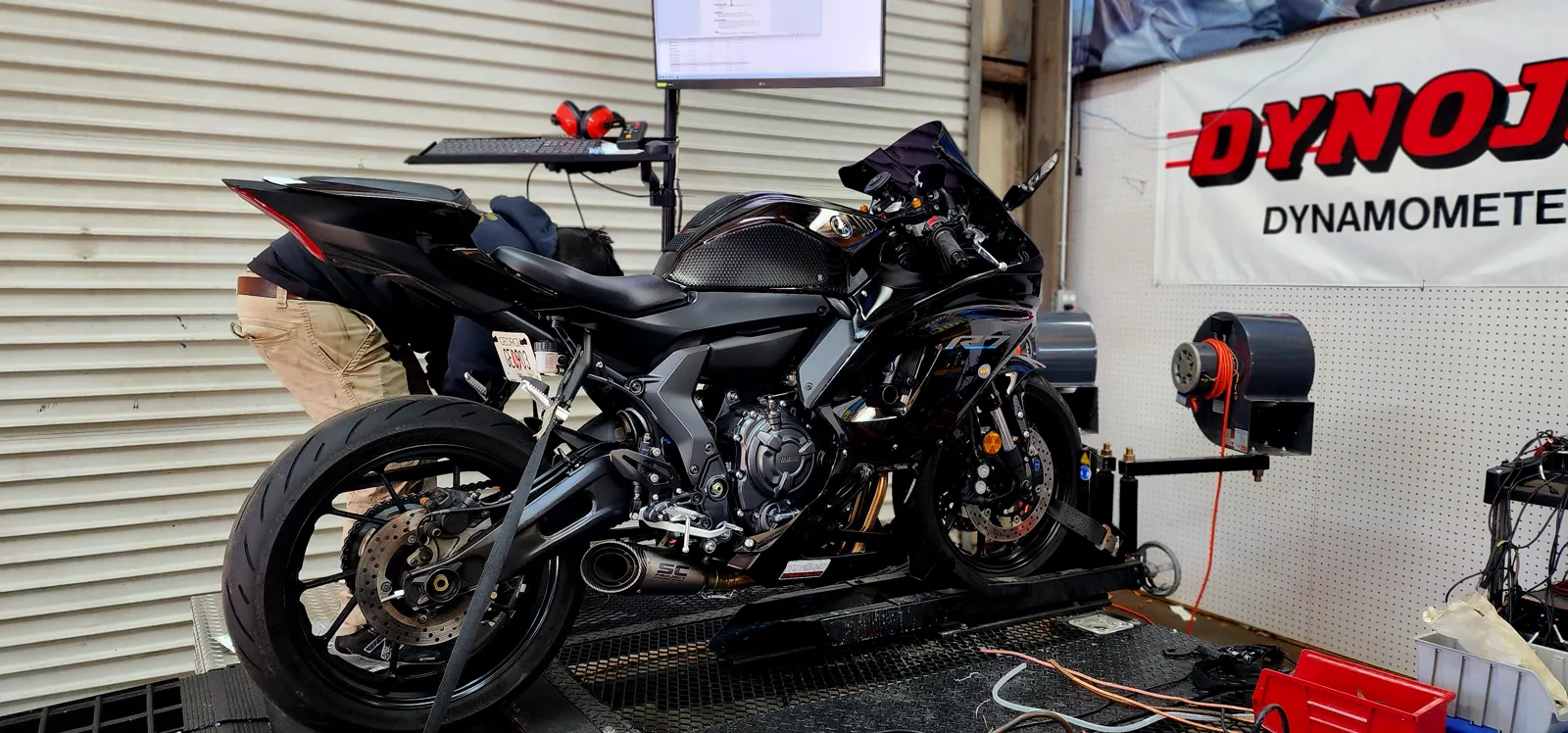
Here is what that change feels like from the seat. The throttle wakes up. That little dead spot right off idle smooths out. The bike pulls cleaner through the middle, where you actually ride, not just at the very top. Heat drops. On plenty of bikes the fueling gets so tidy that mileage even ticks up. You feel it in the first mile, not on a spec sheet.
And to be clear, we never chase made-up numbers. We do not promise some magic horsepower figure before the bike is even on the drum. We measure what your bike makes, fix what is off, then measure again. The proof is two lines on one screen, before and after. No guessing, no story.
How To Tell A Good Shop From A Sticker
Plenty of places will sell you a “tune.” Fewer will actually earn it. The difference matters, so let us talk about what separates a good shop from one that just loads a file off the internet and hands your bike back.
A real tuner puts your specific bike on the dyno and builds the map live. On the other hand a weak one flashes a canned file made for a different bike in a different climate and calls it done. A generic file is a guess wearing a lab coat. It might land close. It might also leave your bike lean in the exact spot you ride most.
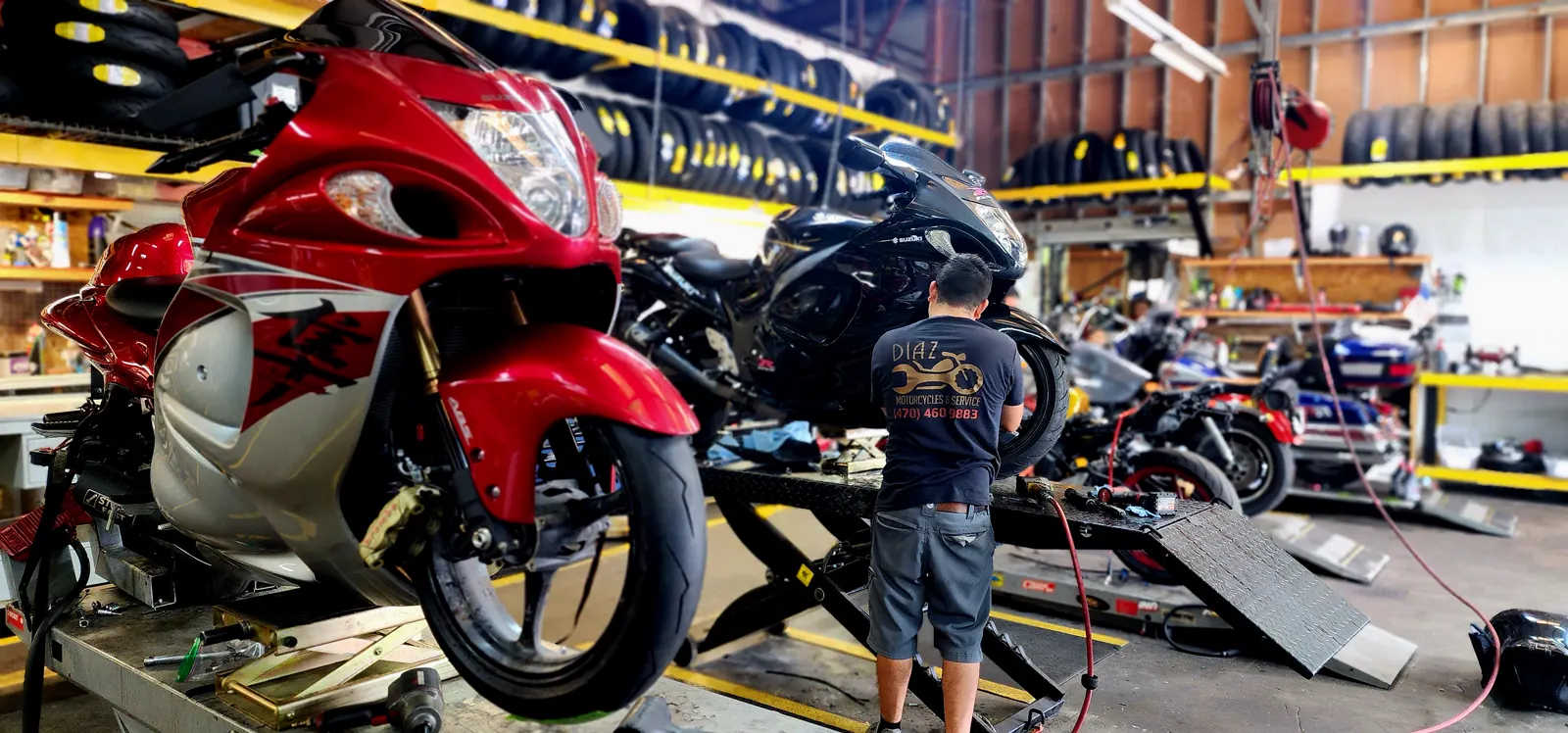
So how do you spot the real thing? Look for a few simple signs before you leave a deposit anywhere.
- An in-house dyno you can actually see, not a machine “down the road” they ship your bike off to
- A wideband sensor reading real air-fuel numbers, not a tech going by ear
- A before-and-after chart shown to you, every single time
- Honest talk about your bike, your riding, and whether you even need the work yet
If a shop cannot show you the drum and the graph, you are not buying a tune. You are buying a sticker. Curious how deep this runs on other machines? Here is the Woodstock side of things, and for a different city, how we handle that job when riders ask us the same question.
Want the full walk-through of what happens in our bays? We keep it plain and we show our work. If you like to read up first, RevZilla’s Common Tread has good beginner explainers on tuning, and Michelin’s motorcycle tire resources cover how grip and pressure tie into the whole picture.
The Sandy Springs Part
Now for the part that has nothing to do with parts at all. It has to do with where you live and why getting a real tune here is harder than it ought to be.
Sandy Springs is its own city, incorporated back in 2005, with good bikes tucked in garages all over it. Yet there is almost no motorcycle shop inside the city limits. Riders here end up as service orphans. They own great machines with nowhere close to take them. Custom dyno work, ECU flashing, Power Commander tuning, all of that is dealership-or-nothing territory in north Fulton, and dealerships tend to run slow.
We see it in the driveways. Families out in Riverside, near the river and the charter schools. Commuters in Glenridge Close, a short hop from the Pill Hill hospital cluster. Established, older money along the quiet streets of Winterthur. Different bikes, same problem: a machine well worth tuning and no local shop set up to do it right.
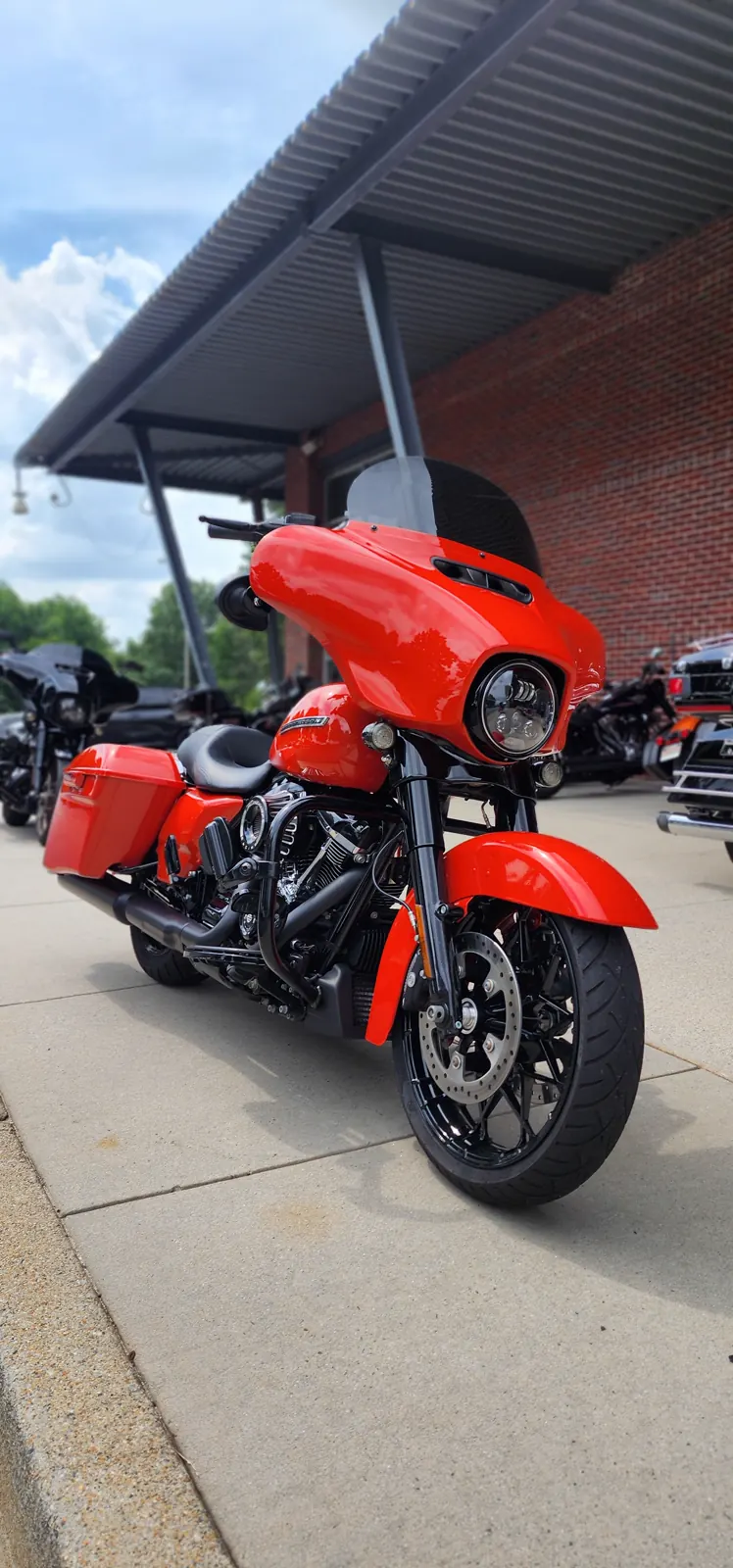
And the riding around here is genuinely good, which makes a proper tune more than a want. You have 22 miles of river shoreline inside the Chattahoochee River National Recreation Area, plus 6.6 acres of sculpture to wander at the Abernathy Greenway Linear Park when you want a slow morning. Even better, GA-400 north out of the Perimeter is a mountain launch ramp. You can be on it in five minutes and in the north Georgia foothills within the hour. A bike that surges or runs hot ruins that ride. A tuned one makes it sing.
Then there is traffic. I-285, the Perimeter that runs across the top of the city, meets that mountain road at one of the busiest interchanges in the Southeast. Georgia does not allow lane splitting, so your bike sits in the same crawl as the cars. A clean tune will not clear the jam, of course. What it will do is kill the low-speed stumble and the heat that make a hot, slow crawl miserable.
You do have options nearby, and we will name them fairly. Mountain Motorsports Marietta sits about 14 miles west and runs the same big multi-line model as most dealerships: high volume, lots of brands, a busy sales floor. That model sells a lot of bikes. It is simply not built around one tech living inside your specific fuel map for an afternoon. That is the trade-off, and it is an honest one to point out.
Getting to us is easy from your side of the river. It is roughly 8 to 11 miles, usually 18 to 28 minutes, straight across the Chattahoochee on Johnson Ferry Road into East Cobb, with no Perimeter driving at all. From the Riverside and Powers Ferry side you are here in under 15 minutes. From Perimeter Center, give it 25 to 30. Close enough that dropping the bike off does not eat your whole Saturday.
That short drive matters more than it sounds. When the shop is close, a tune stops being a big production and becomes a normal errand. You drop the bike, we do the work right, and you pick up a machine that feels sharper than it did that morning. No shipping it off, no waiting weeks, no wondering who touched it. For a rider with no shop inside the city limits, that alone changes the whole equation.
So, Dyno Or Stock? The Honest Call
Here is the straight answer you came for. For most riders around here, especially anyone on a sportbike, a European bike, or a machine wearing any bolt-on parts, a dyno tune is the better choice. The factory left power and smoothness on the table to keep the bike legal everywhere, and a tune hands that back to you, matched to your engine and our air. If you ride GA-400 for fun, you will feel it every single time.
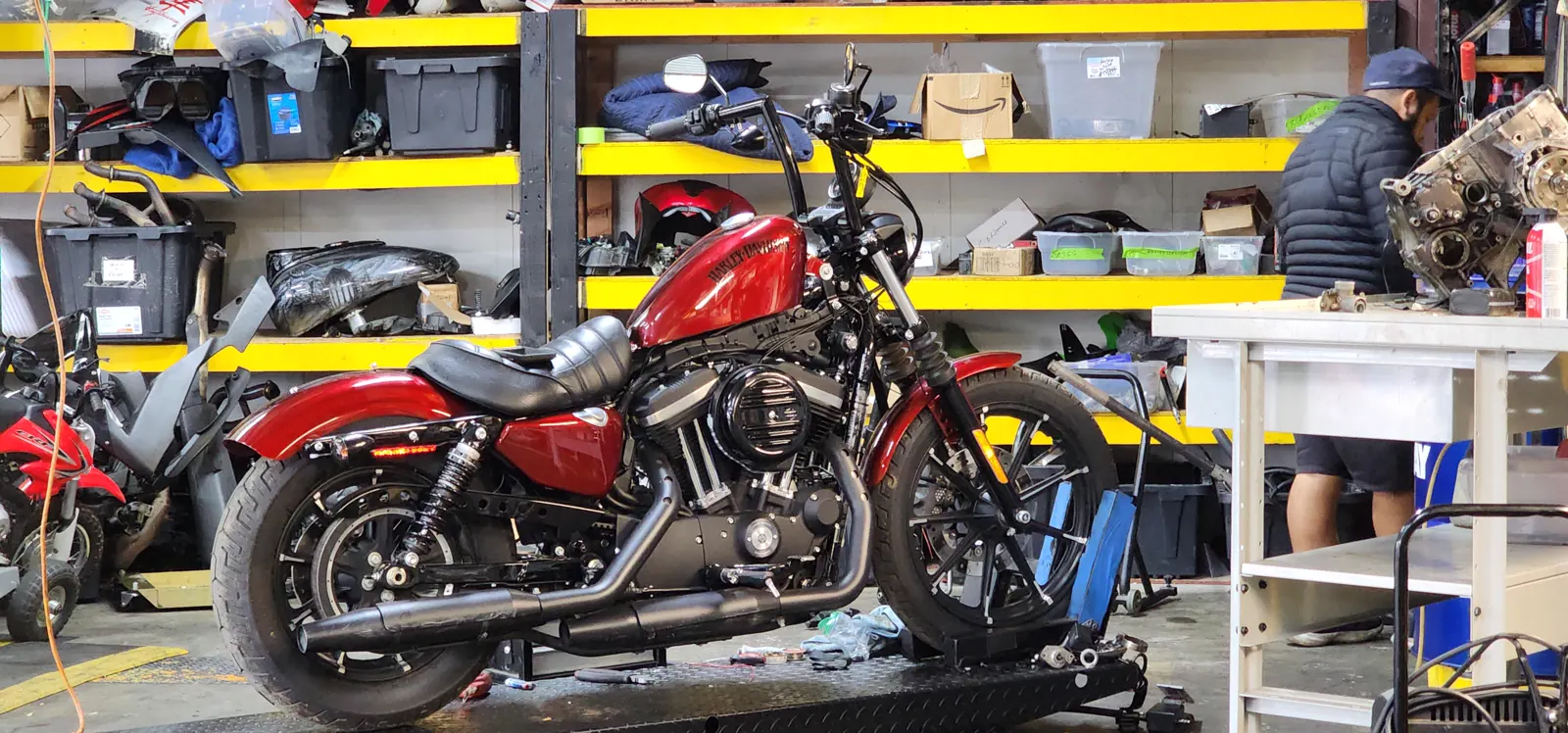
But here is where stock genuinely wins, and we will say it plainly. If your bike is bone stock, you ride gentle city miles, you never chase the top of the tach, and it runs clean with no surging or heat, then stock is doing its job. Save the tune for the day you add a pipe, a filter, or start hunting the fun the engine is hiding. There is no shame at all in leaving a happy stock bike alone.
To make the call quick, here is the short version we give friends in the shop.
| If you… | Better pick |
|---|---|
| Ride a stock bike, gentle miles, no surging or heat | Stock is fine |
| Just bought the bike and love how it feels | Stock, for now |
| Added a pipe, filter, or intake | Dyno tune |
| Ride a sportbike or European bike hard | Dyno tune |
| Feel a stumble, extra heat, or weak mileage | Dyno tune |
A tune does not add magic. It gives your engine back the manners the factory had to hide.
Either way, you should walk out of this holding the wheel, not the shop. The whole point of putting numbers on a screen is so the choice is yours, made on plain facts instead of fear. That, in the end, is the real gift of the dyno vs stock Sandy Springs question: once you can see the line, you get to decide. And that feels good.
Questions Sandy Springs riders ask us
Which do you actually recommend, a tune or leaving it stock?
For most riders with a sportbike, a European bike, or any bolt-on parts, we lean toward a dyno tune, because the factory settings play it safe for the whole world instead of for your bike. If yours is bone stock and runs clean with no surging, stock is fine until you change something. We tell you which camp you fall in before we touch a thing.
Does my bike change the answer?
Yes, a lot. A modern liter sportbike or a Ducati has far more to gain than a mild, stock commuter. Baggers and cruisers usually see the biggest jump right after a pipe or intake swap. We look at your exact bike and your riding before we suggest anything.
Is the upgrade really worth it?
If you feel a stumble off idle, surging at a cruise, extra heat, or soft throttle, then yes, a tune fixes real problems you can feel. If the bike already runs smooth and you ride gentle miles, the gain is smaller. The dyno shows the before-and-after, so you are never guessing about the value.
Which one should I pick if I only ride to work and back?
For calm, low-rev city miles on a stock bike, stock usually does the job just fine. The tune earns its keep once you add parts or start chasing more from the engine. There is no rush and no pressure from us.
What is the real difference between a tune and stock?
Stock is one setting built to pass rules in many countries at once, so it hides a bit of power and smoothness. A tune measures your engine on the dyno, then rewrites the fuel and spark to fit it exactly. You get a cleaner throttle, less heat, and a bike that feels like yours instead of everyone’s.
We take care of riders all over the north side, so you are covered whether you roll in from Roswell, Dunwoody, or straight down from Alpharetta. Folks come across the river from Buckhead, Vinings, and East Cobb, and we see plenty of bikes out of Atlanta, Smyrna, and Marietta too. Riders in Brookhaven, Chamblee, and Doraville round out the regulars. If you are near any of these, a real dyno is closer than you think.
READY TO SEE YOUR OWN LINE?
If you ride in Sandy Springs and you have wondered whether your bike is leaving something on the table, let us put it on the dyno and show you the truth on one screen. No pressure, no made-up numbers, just your engine measured and explained in plain words. Text us your bike and your riding, and we will tell you honestly whether a tune is worth it or whether stock is already doing you right.
470-460-9883Diaz Motorcycles and Service, LLC · 847 Barnes Mill Road, Marietta, GA 30062