Enclosed vs Open Transport Newnan — The Real Answer
Both options are good. One is right for your bike. Here's how we tell you apart which — and why we come to you.
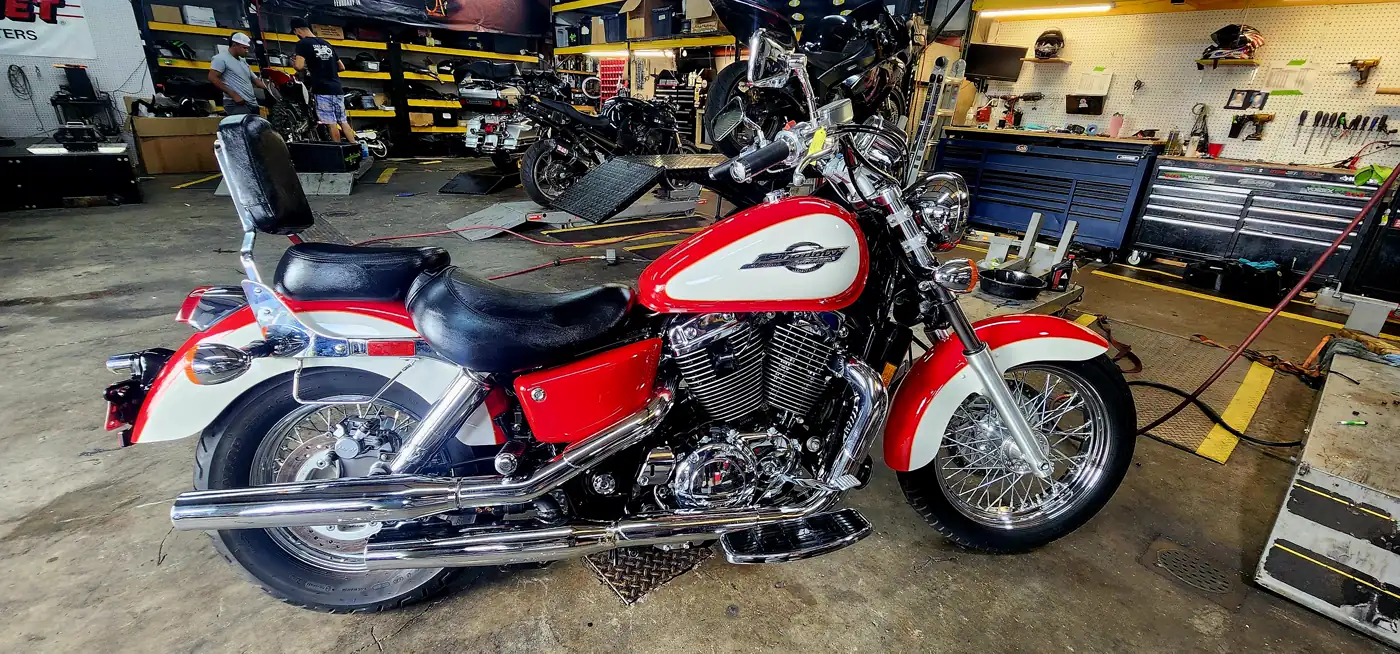
That’s why the first weekend with a new-to-you bagger teaches you things nobody warns you about. Either way it leans heavier at a stop than you expect. That slow parking-lot wobble feels like a brand-new skill to learn. You pick up its habits one turn at a time, and pretty soon you love the thing. Then a question shows up before you’ve even ridden it home: how do you get a bike you just bought, maybe two states away, back to your garage in one piece? That’s the moment the enclosed vs open transport Newnan question comes up, and the advice online is a real mess.
Here’s the part that trips folks up. You found the perfect bike. Maybe it’s a Road Glide with the paint you’ve been chasing, or a clean Softail somebody babied for years. The catch is that it’s sitting far from Coweta County, and riding it home isn’t smart or even possible yet. Cold tires need heat before they’ll grip, something Dunlop’s technical resources lay out well. Add an unknown history and a battery that’s been sitting all winter, and that’s a lot of trust to put in a bike you’ve only just met. So you need it moved. And now two words keep coming up: open and enclosed.
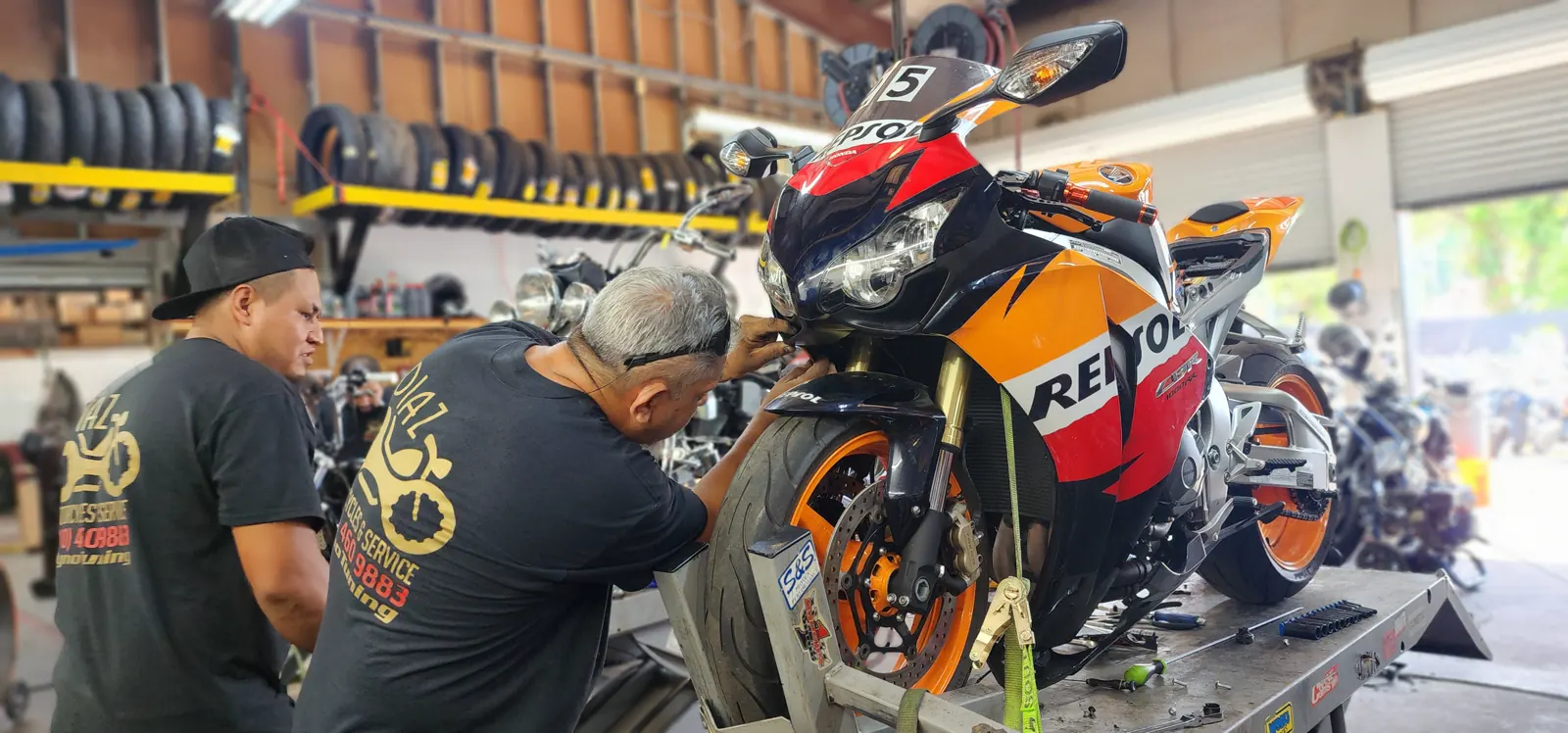
We’re a shop full of folks who fix bikes for a living, and we haul them every week. Friends we’ve helped run the whole range — a Street Glide bought sight-unseen, a Goldwing that hadn’t turned over in years, an inherited Vulcan that meant the world to somebody. Every one of them faced this same fork in the road. The good news is that the choice isn’t nearly as hard as the internet makes it sound, once you know what each option is actually for.
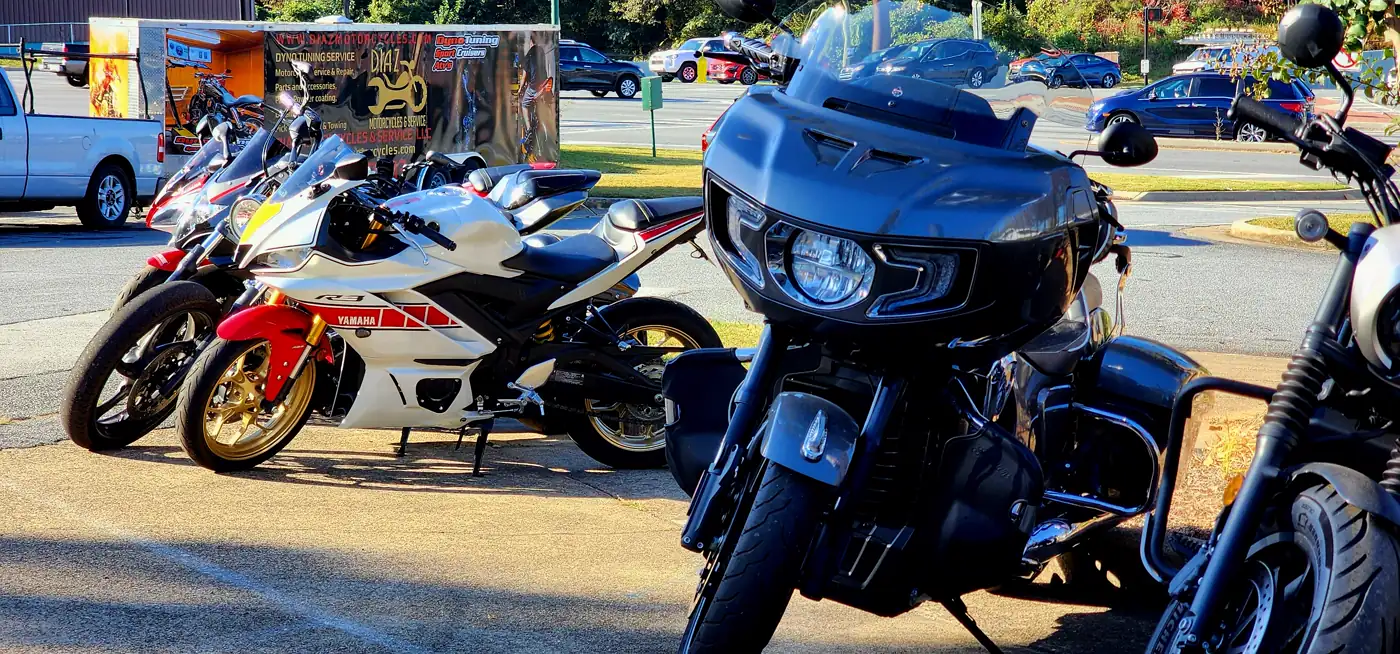
Why the trip even comes up
The enclosed vs open transport Newnan debate really starts with one plain fact: distance. Our shop sits up in East Cobb, and getting there from Newnan is no quick errand. It’s roughly 45 to 52 miles, and depending on traffic it can eat up somewhere between 55 and 80 minutes, crossing the west side of the perimeter along the way. That’s an estimate off the map, not a stopwatch, but you feel it either way. Nobody’s daily commute runs that direction. So a bike that won’t ride, or one that just landed in your driveway from out of state, isn’t making that trip on its own two wheels.
There’s another reason a bike ends up on a trailer instead of riding in. The rural two-lanes west and south of town are beautiful, but they don’t forgive much. Gravel washes across driveway and field entrances, farm equipment pulls out slow, dogs run loose, and deer treat the road like it’s theirs — all with no shoulder to bail onto. A bike that isn’t sorted yet has no business out there. Newnan is a customization town, too — south-metro bagger and cruiser country, where a garage might hold a stored project, an inherited machine, or a bike that never gets ridden because it’s waiting on paint. Moving those bikes is a big part of what we do. So when it won’t start, or the brakes feel soft, or you inherited it and don’t know its story, letting us come get it is the calm answer, and that’s exactly how our crew approaches it. We come to you. That’s the whole point.
Open transport, plain and simple
Open transport is the trailer you picture when you imagine a bike being hauled. The machine rides out in the fresh air, strapped to the deck, chocked at the front wheel, roped down snug. You’ve seen it a hundred times rolling down I-85. It’s the workhorse of the whole business, and there’s a good reason it’s so common: it’s simple, it loads fast, and it does the job right the vast majority of the time. For a short local hop — say we grab a running bike from Talaria Farms and bring it in for service — open is usually all anybody needs.
Open does carry honest trade-offs, and we’d rather you hear them from us than find out later. Your bike sees weather. It sees road grime, bugs, and whatever a passing truck kicks up. On that heavy freight stretch of I-85 through Coweta, that can mean a blown retread or gravel coming off a flatbed. None of that hurts a solid daily rider much, though. A quick wash afterward and you’d never know. But it’s a real thing, and it matters more on some bikes than others — which is the whole reason this choice exists in the first place.
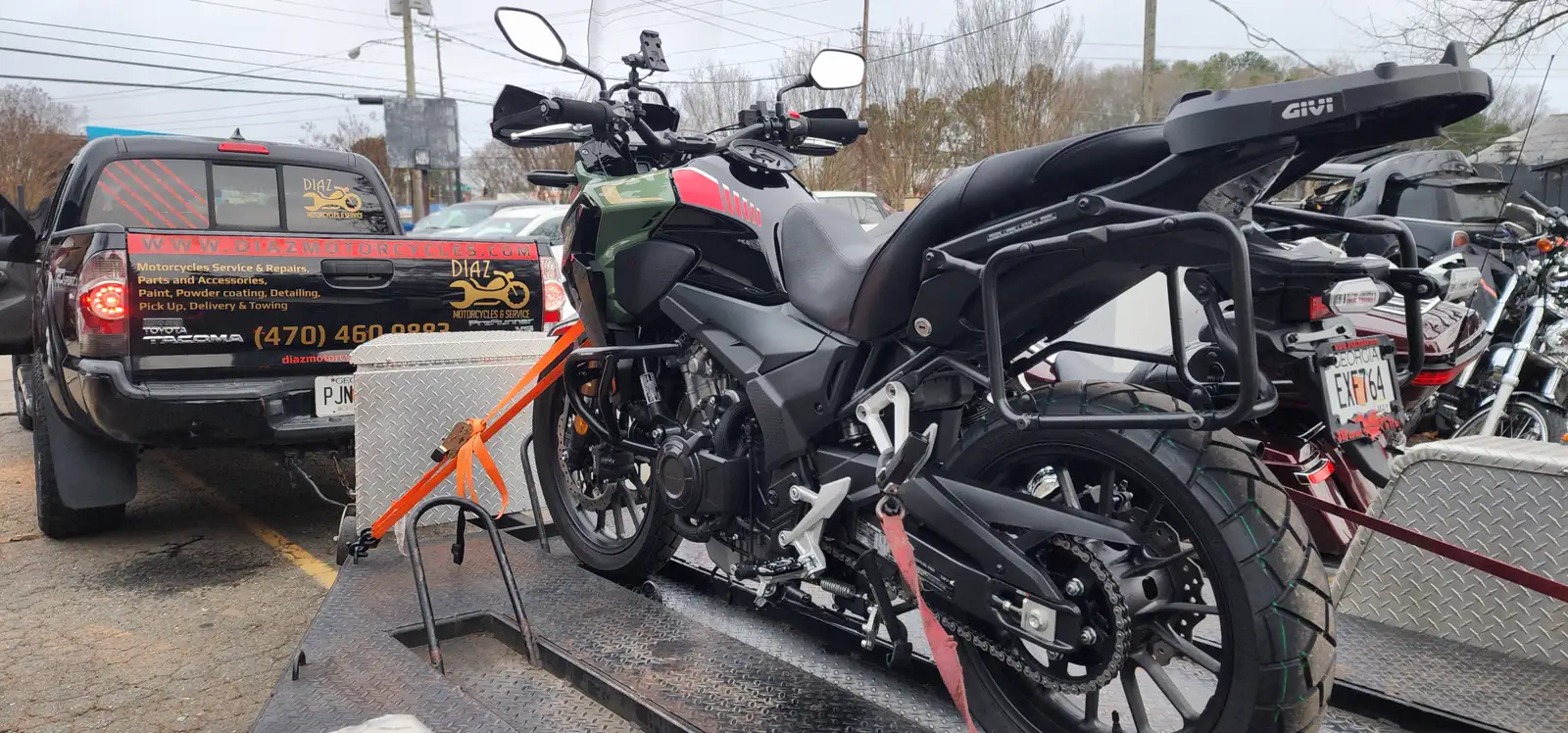
Enclosed transport, and what it really buys you
Enclosed transport is the box on wheels — a trailer with walls and a roof, so your bike never touches the outside world between pickup and drop-off. No sun, no rain, no road spray, no curious eyes at a gas stop. It’s the choice when the bike is worth protecting beyond just getting it from point A to point B. Think a fresh custom paint job you don’t want a single chip in, a show bike, a rare classic, or a long haul across several states where the miles really pile up. It costs more because it plainly does more.
Here’s where it gets interesting — and where most advice online falls apart. Most articles will tell you enclosed is always safer and leave it right there, like more money automatically means the right call. That’s lazy, and it’s not how we think about it. The truth is that the best choice depends on the bike, the distance, and what the bike means to you. A bulletproof commuter cruiser and a one-of-a-kind bagger with candy flake paint are not the same decision, even if they roll out of the same garage. Treating them the same way is how people end up either overpaying or under-protecting.
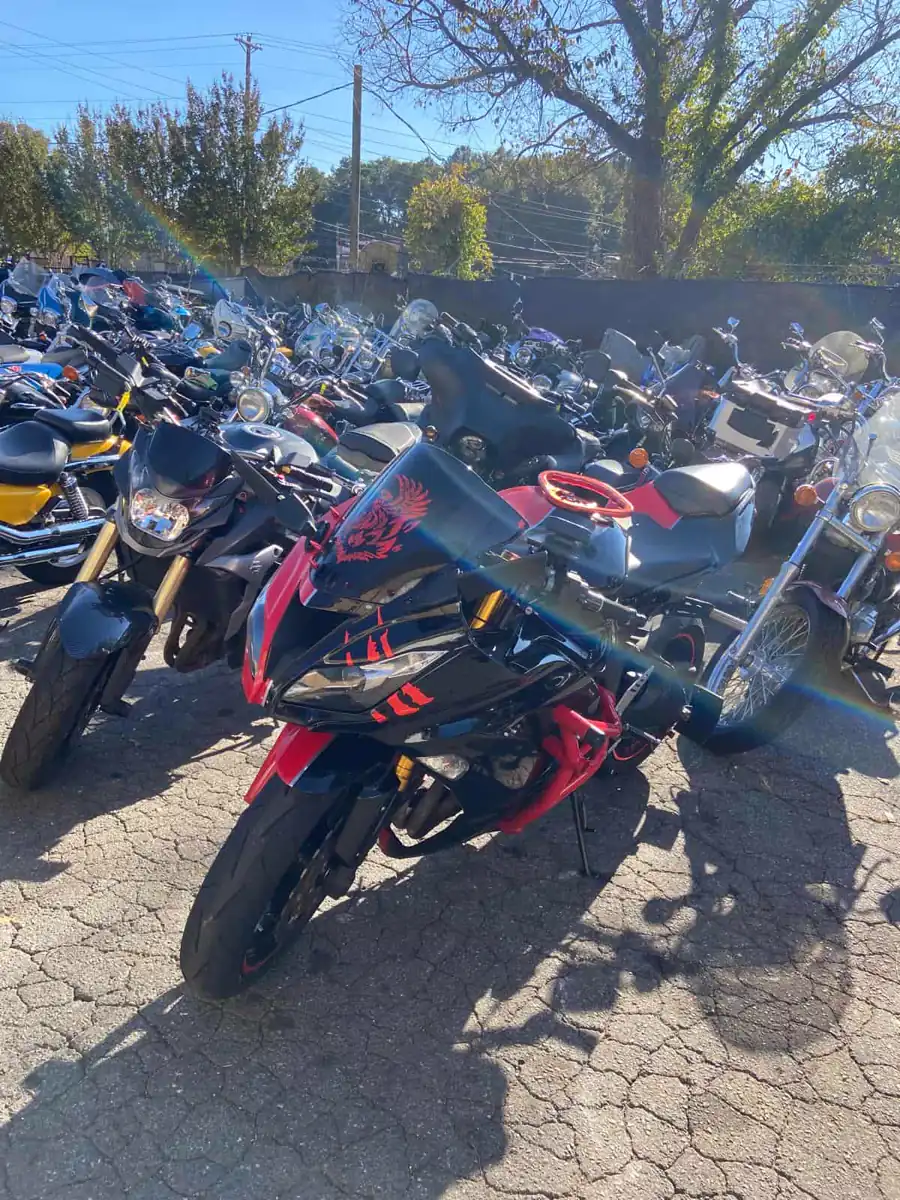
How we actually decide
When a friend calls unsure which way to go, we don’t start with the trailer. We start with three questions. What’s the bike, where is it sitting, and what happens if it picks up a chip or a fleck of grime on the way? Their answers usually point straight at the right choice without much hand-wringing. We’re not trying to sell you the pricier trailer — we’re trying to match your bike to the trip so it shows up the way it left. To make it plain, here’s the way it tends to shake out.
| Your situation | The call we'd make |
|---|---|
| Running bike, short local haul | Open — quick, safe, no reason to spend more |
| Daily rider or solid used cruiser | Open — it lives outside anyway |
| Fresh custom paint or chrome | Enclosed — protect the work you paid for |
| Rare, classic, or show bike | Enclosed — irreplaceable beats convenient |
| Long multi-state move | Enclosed — more miles mean more exposure |
| Inherited bike with sentimental value | Enclosed — you only move it once |
So here’s our real answer, no fence-sitting. When we weigh enclosed vs open transport Newnan riders are choosing between, most of the time open is the smart pick for a normal, running motorcycle traveling a normal distance. It’s proven, it’s efficient, and spending extra on enclosed wouldn’t buy you anything you’d actually notice. We’ll say that out loud even though enclosed brings in more, because how the work adds up should always match what your bike truly needs, not what pads a bill.
That said, enclosed clearly wins in one situation, and it’s not a small one. The second your bike is worth protecting for its finish or its story — that show-quality paint, a numbers-matching classic, or the bike your dad left you — enclosed is worth every bit of the difference. You move a bike like that once, and you do it right. Choosing open there to save a little would be the actual mistake. And if your bike is headed our way for performance work anyway, what that service actually involves is worth a look before you settle on how to haul it.
THE SHORT VERSION
Open for a solid, running bike on a normal trip. Enclosed when the paint, the rarity, or the memory makes the bike hard to replace. Either way, we roll to your driveway so you never touch those rural two-lanes with a bike that isn’t ready.
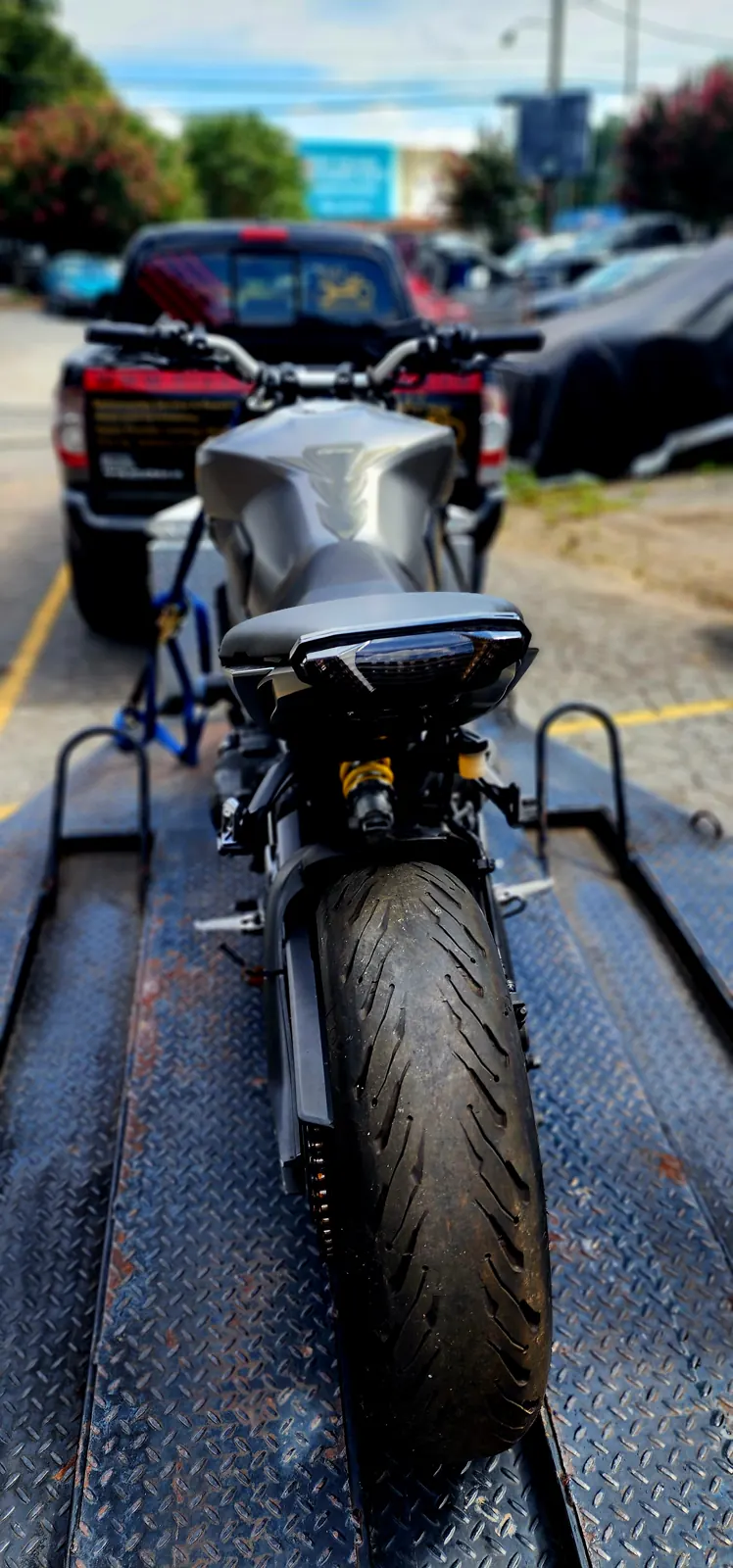
How the bike gets tied down (and why paperwork matters)
Loading a bike right is a craft, not a scramble. Get it wrong and a strap can mar a tank or a fork can bottom out hard. Get it right and the bike arrives exactly how it left. We roll the front wheel into a chock so it can’t wander, then run soft straps to solid points and pull the suspension down just enough to keep everything settled. No cranking a fender to death, and no straps biting bare chrome. Here’s the order we work in every time.
- Front wheel locked into a wheel chock so the bike stands on its own
- Soft ties around solid frame or triple-tree points, never bare paint or chrome
- Straps drawn even on both sides so the forks compress a little and hold
- A full walk-around and photos of the bike before we ever pull away
- A written condition record, signed, so both of us know what left and what arrived
That last step is the one folks forget, and it’s the one that protects you most. Good paperwork — a condition report and clear photos at pickup — means there’s never a guessing game later. If a bike showed up with a scuff, we both already knew it was there. It’s the same reason a solid shop keeps records of its work. Trust gets earned through what you can show, not what you say, and that fits how folks in a nearly 200-year-old town size people up. Newcomers get judged slowly here, so we’d rather prove it than promise it.
The right trailer isn't the fancy one. It's the one that matches your bike and gets it home untouched.
Here’s what changes once it’s actually sorted. The stress you didn’t even know you were carrying just lifts. Instead of borrowing a buddy’s truck, wrestling ramps alone, and white-knuckling a strange bike down the rural two-lanes, you get a text that your bike is on its way. You meet it in your driveway out at Stillwood Farms or Camden at Stillwood Farms, coffee still warm in your hand. It rolls off clean, chock marks and all, exactly as promised. That right there is the whole feeling we’re after. No favors called in, no strained backs, no gambling a bike you barely know against gravel and deer on a road with no shoulder. Just your bike, home and safe, ready for the next chapter.
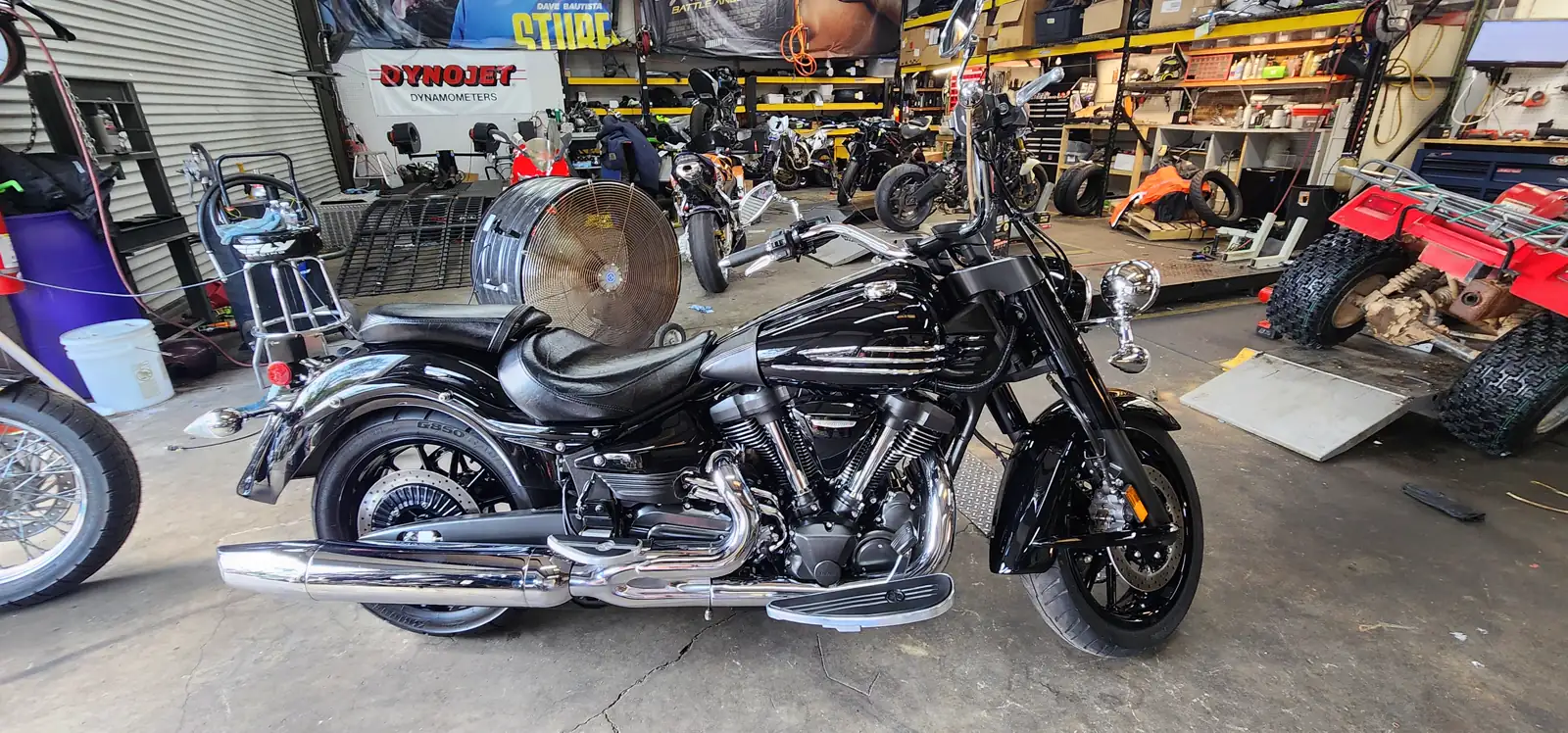
What it feels like after
Once the bike’s home and safe, the fun part starts. Now you get to learn its habits on your terms — in your own driveway, not on a highway you’ve never met. If you’re new to a machine this size, the Georgia Motorcycle Safety Program is a smart place to sharpen up. You can trailer it to us for the custom paint or the tuning, then have it delivered right back, ready to ride. The next time you point it down GA-16 west toward Carrollton and the Chattahoochee — rolling, low-traffic, and just plain fun — you’ll know the bike cold. No mystery, no worry about how it got there.
That’s the moment a bike really becomes yours. You’ll ride it into the Newnan Commercial Historic District, past the Coweta County Courthouse standing tall over Court Square, and pull up at Sprayberry’s Barbecue over on Jackson Street or Bullsboro Drive — a genuine biker stop slinging barbecue sandwiches and Brunswick stew since 1926. There’s a Yamaha shop too, Cycle Specialty, about half an hour east in Fayetteville if you ever need one. But when the bike needs to get somewhere it can’t ride itself, that’s our lane, and you can see how this plays out in Douglasville as well.
Questions Newnan riders ask us
Does the kind of bike I have change the answer?
It really does. A tough daily cruiser lives outside anyway, so open transport suits it fine. A bike with fresh custom paint, rare parts, or heavy chrome leans toward enclosed, since a single chip is a big deal on a machine like that. Tell us what you’re moving and we’ll point you the right way.
Is enclosed transport worth the upgrade?
Sometimes yes, sometimes no, and we won’t pretend otherwise. For a normal running bike on a normal trip, the upgrade buys you very little you’d notice. For a show bike, a classic, or something with real sentimental value, it’s absolutely worth it. The bike, not the price tag, decides.
Which one should I pick if I'm honestly not sure?
Start with open, because it’s the right call for most bikes and most trips. Switch to enclosed the moment the bike is hard or impossible to replace. If you can tell us the bike and the distance, we can usually settle it for you in one quick chat.
What's the real difference between open and enclosed?
Open rides in the fresh air on a trailer, strapped and chocked, so it sees weather and road grime along the way. Enclosed rides inside walls and a roof, shielded from sun, rain, spray, and prying eyes. Both hold the bike down the same secure way — the difference is what the bike is exposed to in transit.
Which one protects my bike better on a long move?
Over a long, multi-state haul, enclosed wins. More miles mean more sun, more rain, and more truck debris off the interstate, and those add up. For a short local pickup, open keeps that same protection gap so small it doesn’t really matter. Distance is the deciding factor there.
Can you come get a bike that won't run at all?
Yes, and we do it often. A bike that won’t start, has soft brakes, or was just inherited is exactly why pickup exists. We roll it onto the trailer, tie it down soft and square, and bring it back sorted. You never have to risk those rural two-lanes on a bike that isn’t ready.
We roll our trailers all across the south metro, so you don’t have to make that long drive north. Beyond Newnan, we regularly come get bikes in Peachtree City, Sharpsburg, and Senoia, along with Tyrone and Fayetteville just to the east. Riders in Palmetto, Moreland, Grantville, and Turin count on the same door-to-door pickup, and we head out to Fairburn, Union City, and Carrollton too. Wherever your bike is sitting, whether it runs or not, we’ll bring the right trailer to it and deliver it back home clean.
LET US COME GET IT
Bought a bike out of state, inherited one, or just have a machine that won’t ride the distance? Don’t wrestle ramps and a strange bike down the back roads. Text us what you’ve got and where it’s parked, and we’ll tell you straight whether open or enclosed fits it best, then roll to your Newnan driveway and bring it back ready to ride.
470-460-9883Diaz Motorcycles and Service, LLC · 847 Barnes Mill Road, Marietta, GA 30062