How Many Dyno Pulls Does a Proper Motorcycle Tune Actually Require? What to Expect at a Cobb County Performance Shop
One of the most common questions riders ask before their first motorcycle dyno tuning process in Cobb County, GA is also the most practical one: how long is this going to take, and what exactly is happening between the time the bike goes on the rollers and the time it comes off? The honest answer is that a proper tune takes as many pulls as the bike requires — and that number varies significantly based on the platform, the modifications, and what the baseline run reveals. What doesn’t vary is the process: it’s methodical, measurement-driven, and not something that should be rushed.
Riders who’ve heard numbers like “five pulls” or “a quick tune” should be skeptical. Five pulls is a marketing number, not a tuning number. It might be enough to confirm that a pre-loaded map is producing reasonable AFR numbers on a lightly modified bike with no mechanical issues. It is not enough to fully optimize a fuel map across the entire RPM range, verify ignition timing, and confirm that the result is consistent across multiple consecutive runs at a stabilized temperature. The number of pulls required is a function of how thorough you want the result to be — and at Diaz Motorcycles, thorough is the only standard we work to.
Pull 1: The Baseline That Defines the Session
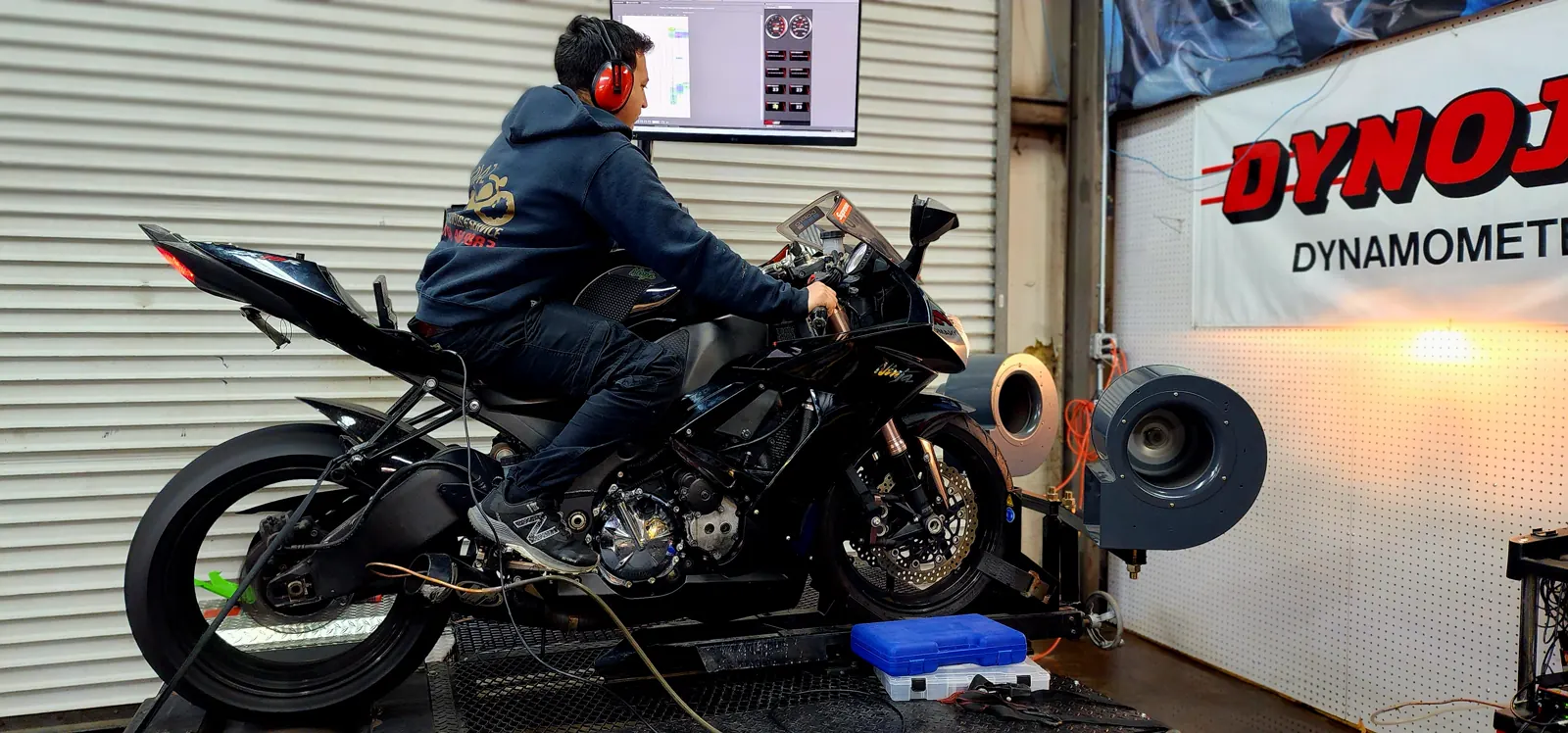
Every dyno session at Diaz Motorcycles starts with a baseline pull — a full-throttle run from the bottom of the RPM range to the top with zero calibration changes made. This pull does four things: it documents current peak power and torque, it maps the air-fuel ratio across the entire RPM range, it reveals where the existing fuel map is rich or lean, and it identifies any mechanical issues — vacuum leaks, misfires, inconsistent combustion — that need to be addressed before calibration begins. Attempting to tune around a mechanical problem produces a fragile result that won’t hold up on the road.
- Baseline pull documents the air-fuel ratio curve before any changes — this is the map’s current truth
- Power and torque peaks from the baseline become the benchmark everything else is measured against
- Mechanical issues flagged during the baseline must be resolved before calibration proceeds
- Throttle body sync, idle quality, and sensor readings are all assessed from the baseline data
- The tuner uses the baseline to build a calibration strategy specific to this bike — not a generic template
- Bikes with multiple modifications often show multiple problem zones that each require targeted correction
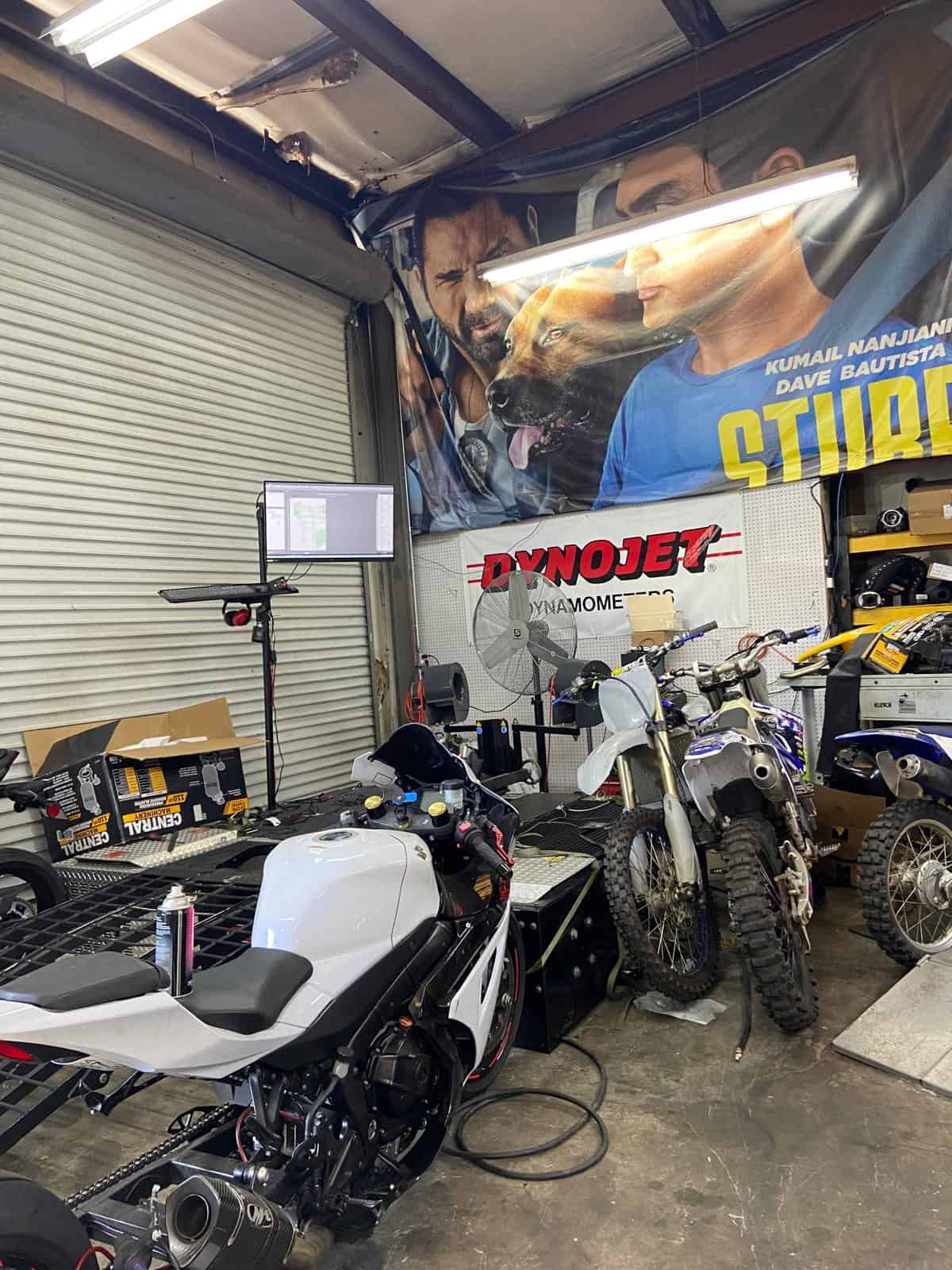
The baseline pull is the foundation of every tuning session at Diaz Motorcycles — it defines where the calibration needs to go before a single map value is changed.
The Calibration Pulls: Working Through the Map Systematically
After the baseline, calibration work begins. The tuner adjusts fuel values in the areas of the map where the baseline revealed problems — typically starting with the mid-range cruise zone where lean conditions are most harmful in everyday riding, then working through the full-throttle high-RPM zone where power gains are most significant. Each change requires a verification pull. That pull confirms whether the adjustment produced the expected result, reveals whether adjacent map cells need corresponding changes, and identifies whether the correction held across the full run or only in the targeted zone.
“Each pull teaches you something. The tuner who stops at five is still learning. The tuner who stops at twenty-five is done teaching — the bike told them everything, and they listened.”
Between pulls, the technician allows the engine to cool to a consistent starting temperature. This is critical and often overlooked at shops that rush the process. A heat-soaked engine responds differently to fuel inputs than one at operating temperature. Running pulls back-to-back without adequate cooling introduces thermal variability that makes the data unreliable and can lead to a map that performs well when the bike is cool but surges or stumbles when fully heat-soaked in Atlanta summer traffic.
The Confirmation Pulls: How We Know the Tune Is Done
A tune isn’t finished when the power numbers look good on a single pull. It’s finished when the power curve is smooth and consistent across three consecutive runs at the same starting temperature — with no pull-to-pull variation in the AFR trace greater than the expected natural variance of the engine. Those confirmation pulls are what separate a tune that holds up over thousands of Georgia miles from one that looked good on the sheet and degraded on the road. When you pick up your bike from our dyno tuning service, those confirmation pulls have been run, and the result has been verified — not assumed.
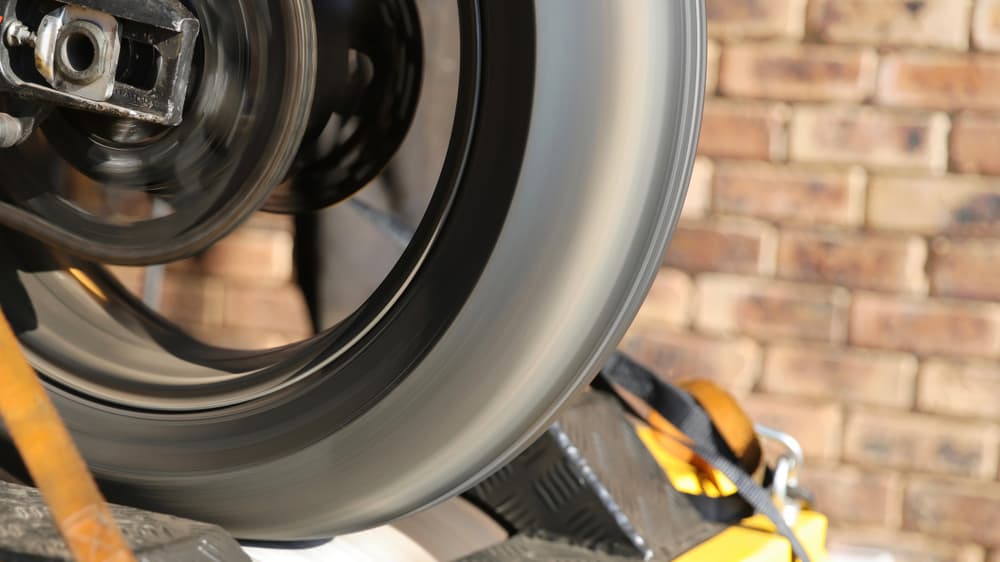
Confirmation pulls at the end of every session verify that the finished tune is repeatable and consistent — not just good on one run under ideal conditions.
Riders across Cobb County and Metro Atlanta trust Diaz Motorcycles with their tuning because we explain the process, show the data, and don’t rush the result. You’ll leave with a printed before-and-after dyno sheet, a number that reflects actual rear-wheel power under verified conditions, and a bike that runs the way it should run — from the first stop sign in Marietta to the last mile of whatever Georgia road you point it toward.
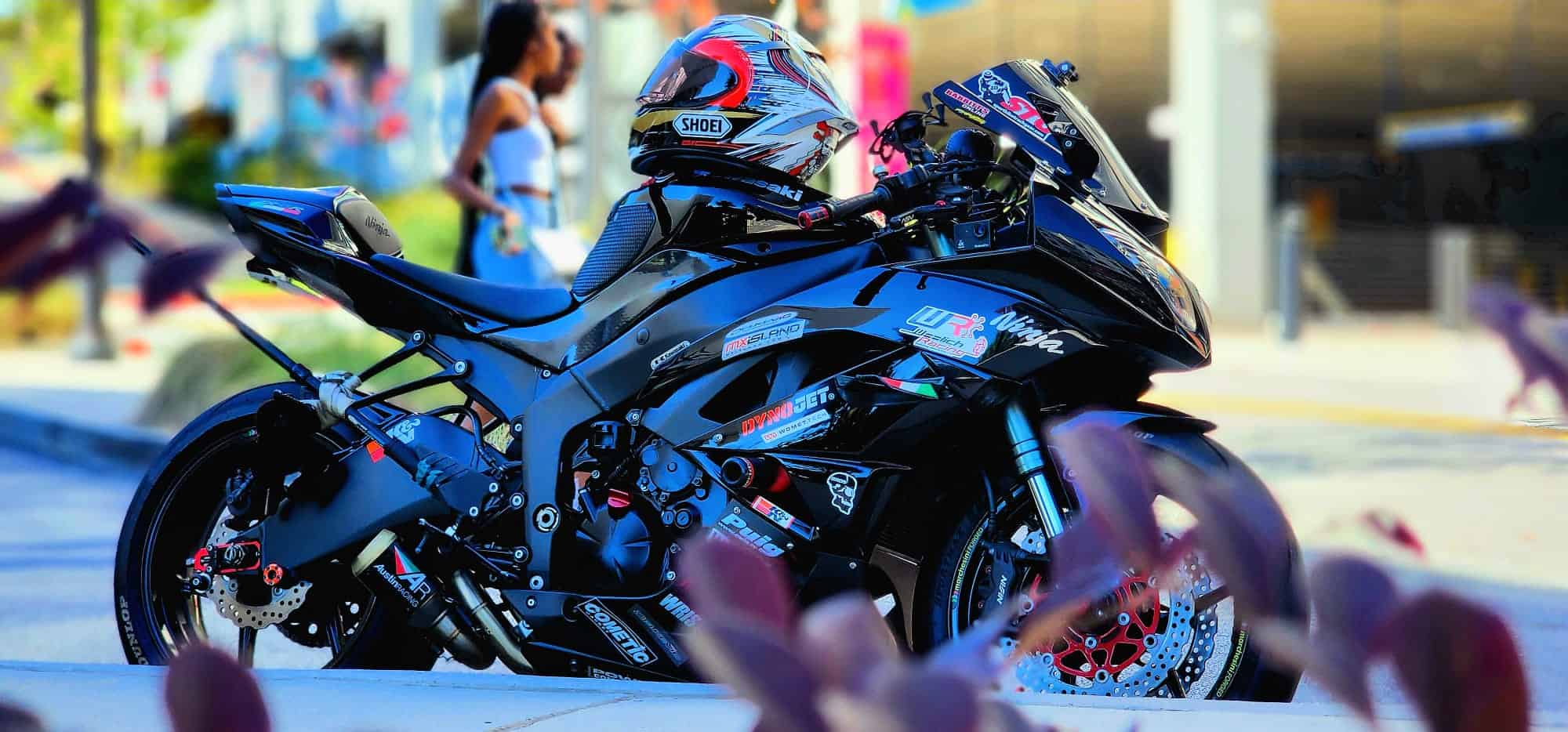
When the confirmation pulls match and the power curve is clean, the tune is complete — and Cobb County riders leave Diaz Motorcycles knowing the result will hold up on every ride.
A Proper Tune Takes the Time It Takes — Book Yours Today
Diaz Motorcycles in Marietta doesn’t rush the dyno. Schedule your session and leave with a tune that’s been confirmed, not guessed.
470-460-9883 Schedule Service Today847 Barnes Mill Road, Marietta, GA 30062
Serving Cobb County · Marietta · Kennesaw · Atlanta · and surrounding Georgia communities