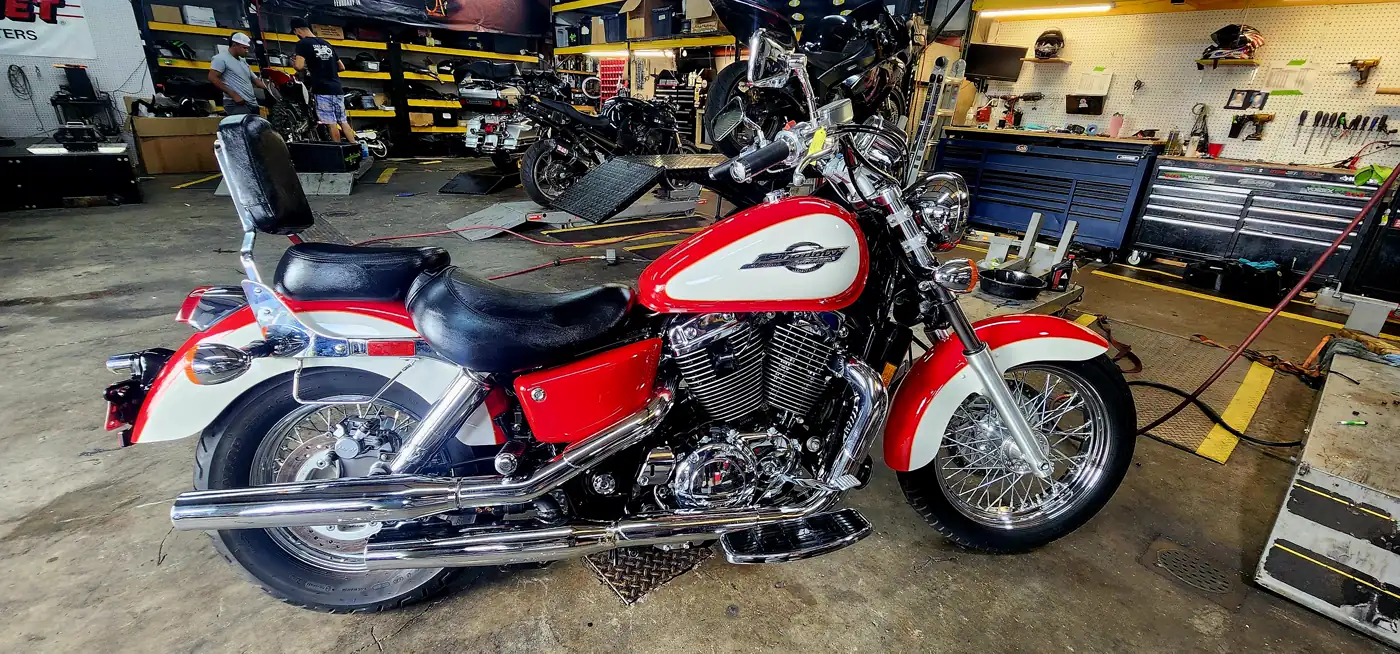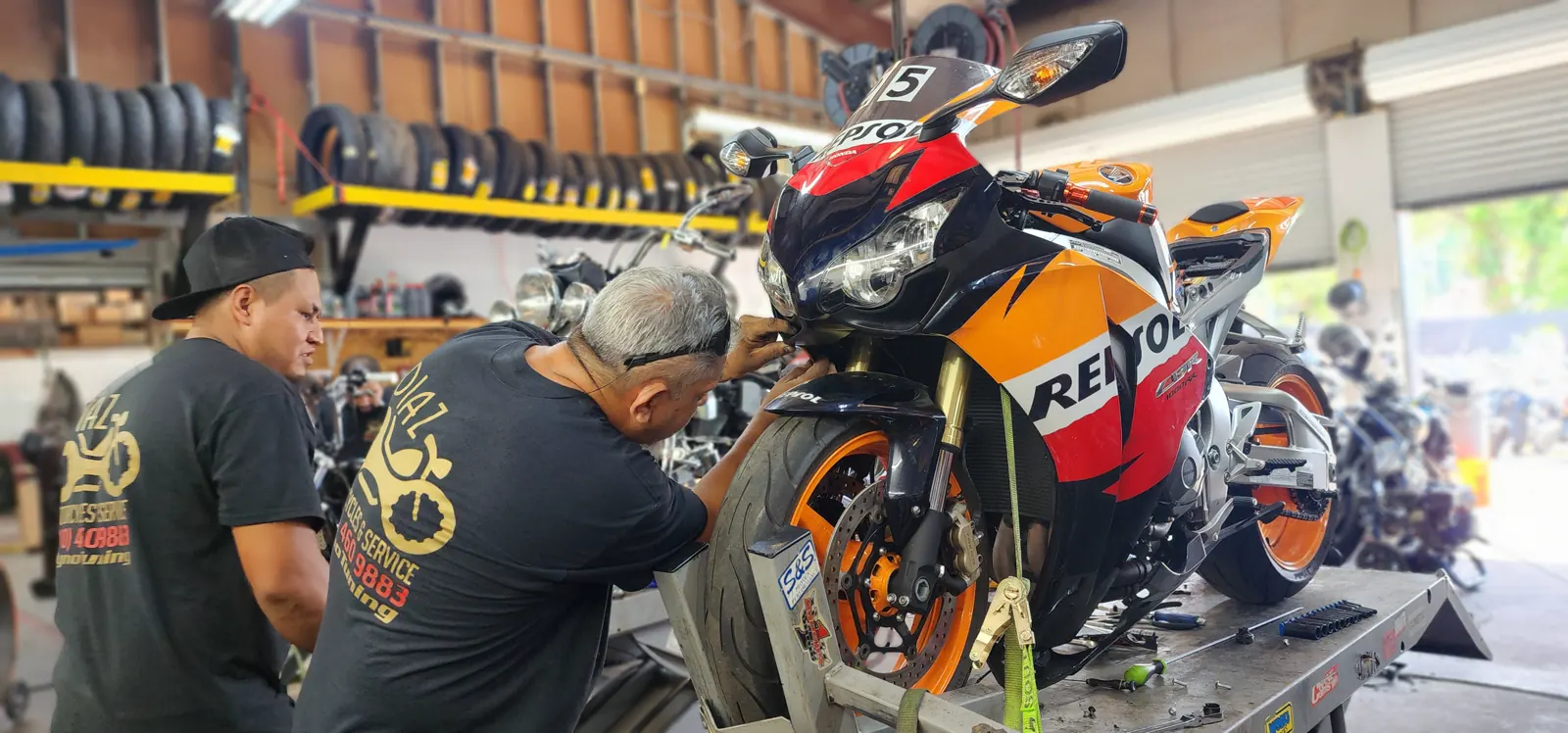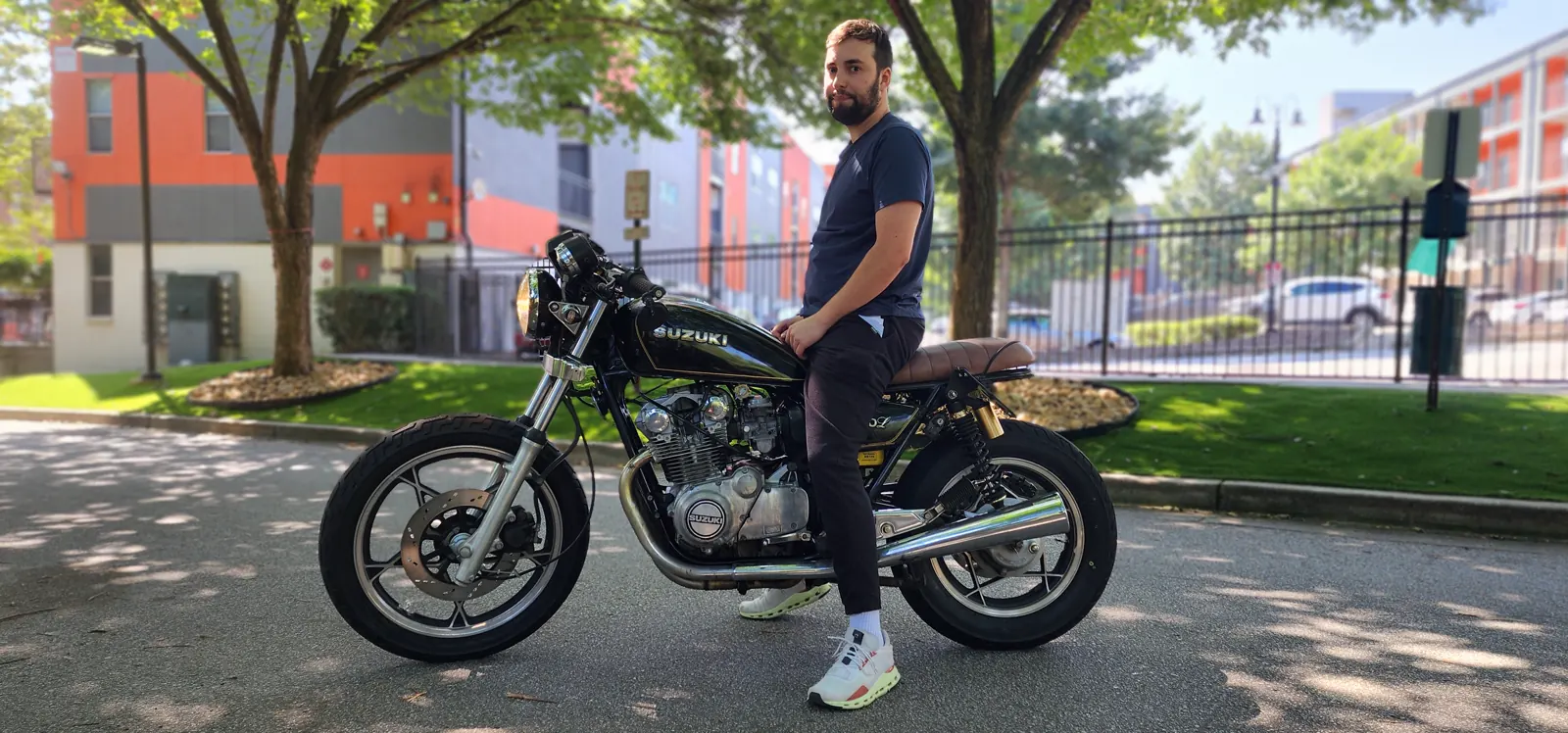
Motorcycle Detailing Canton: Straight Answers Before You Book
What a real detail actually does to your finish, and how we figure out the plan before you pay a dime.
Still, most shops will happily let you believe a detail and a good wash are the same thing. Plus, they aren’t, and the ones that blur the line usually do it because a wash is quicker to sell. Meanwhile, that’s the honest place to start for anyone shopping for motorcycle detailing Canton riders can actually trust. You’re not paying for soap. Of course, you’re paying for the finish that’s left standing when the soap is long gone.
When a rider calls and says can you detail my bike, the real question underneath is usually simpler. In fact, you want it to look the way it did in your head the day you bought it. Maybe a little better than that. For example, this service is for the person who takes pride in the machine in the garage, whether that’s a garage-stored bagger tucked away in River Green or a sportbike that lives in a townhome. Even so, it’s built for the rider who’s ready to hand the keys to someone competent and get on with the weekend.
The honest answer: a wash and a detail aren't the same job
So here’s the straight version. A wash removes dirt. What’s more, a detail removes what the dirt left behind, then protects the surface so the next mess wipes off with a lot less fuss. After that, those are two different jobs, with different tools, different products, and a very different amount of time on the clock. One is maintenance. The other resets the bike.
Also Paint correction is the part people misunderstand most. Those fine spider-web swirls you can see on the tank under a gas-station light? Most of them are tiny scratches in the clear coat, put there over time by dry rags, gritty mitts, and quick wipe-downs. Machine polishing levels that clear coat just enough to erase the scratches instead of hiding them for a week. When it’s done right, the paint gets its depth back. You end up looking into the color instead of just at it.
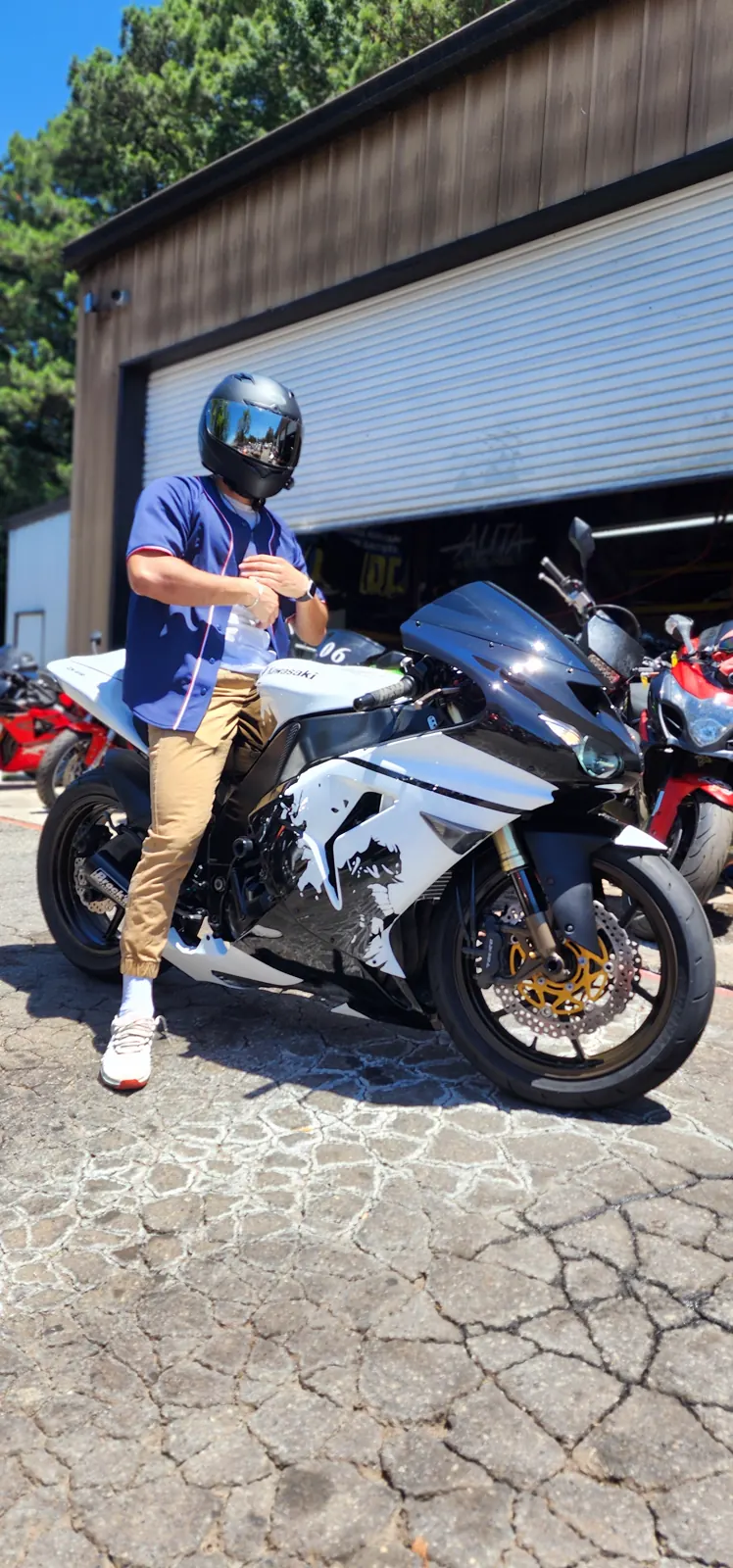
Ceramic coating gets oversold constantly, so let’s keep it honest. A coating bonds to the clear coat and leaves a slick, glassy layer that water beads right off and bugs struggle to cling to. It makes future cleaning easier, and it holds its shine for years, depending on how the bike is stored and cared for. What it is not is a force field. It won’t stop a rock chip, a curb kiss, or a scratch from a belt buckle. Anybody promising you scratch-proof is selling a bedtime story, not a product.
Sealants are the middle ground. They go on faster, they don’t last as long as a full coating, and they’re still a real step up from old-school wax. Which one fits you depends on how much you ride and where the bike sleeps at night. That’s exactly why we look before we quote instead of reading you a menu over the phone.
What actually changes the work
Now, the part nobody mentions until you’re already paying for it. Two bikes that look identical in a phone photo can need wildly different work in person. One tank has a light haze that polishes out in a single pass. The next has water spots baked in by a wash done in the summer sun, plus chrome that’s started to pit. Same year, same model, very different day.
That’s why we never quote a detail sight unseen. We look at the paint under proper light, run a hand across the tank, check the chrome and the wheels, and figure out what’s baked on versus what wipes off with a thumb. Then you get a plain-English breakdown of what changes the total and why, before a single pad ever touches your paint. No mystery line items. No sticker shock in the parking lot.
Condition is the biggest variable, and pollen is a sneaky one around here. Late March into April coats everything yellow, and that fine grit acts like sandpaper if it gets dragged around during cleaning. A bike that sat through pollen season without cover almost always needs more correction than one that lived indoors. Neither is a problem. It just changes the plan, and we’d rather you know that up front than find out halfway through.
How we actually approach it
Our approach is boring in the best possible way: look first, work in order, protect last. We start with a real wash and decontamination to pull off bug guts, road tar, and the gritty film that pollen leaves clinging to everything. Only then do we touch paint, because polishing over trapped grit just grinds it deeper into the clear coat. There’s a full rundown of what we take care of here, but the short version lives on the list below.
- Chrome polishing until you can honestly see your reflection in it
- Paint correction and machine polishing to lift swirls and light scratches
- Wheel and brake-dust cleaning, down into the spokes and hardware
- Engine-bay degreasing so the mechanical side looks cared-for too
- Leather and vinyl seat care that softens instead of drying out
- Plastic and trim restoration to bring faded black back to black
- Bug, tar, and water-spot removal before any protection goes down
- A ceramic coating or sealant to finish and lock the work in
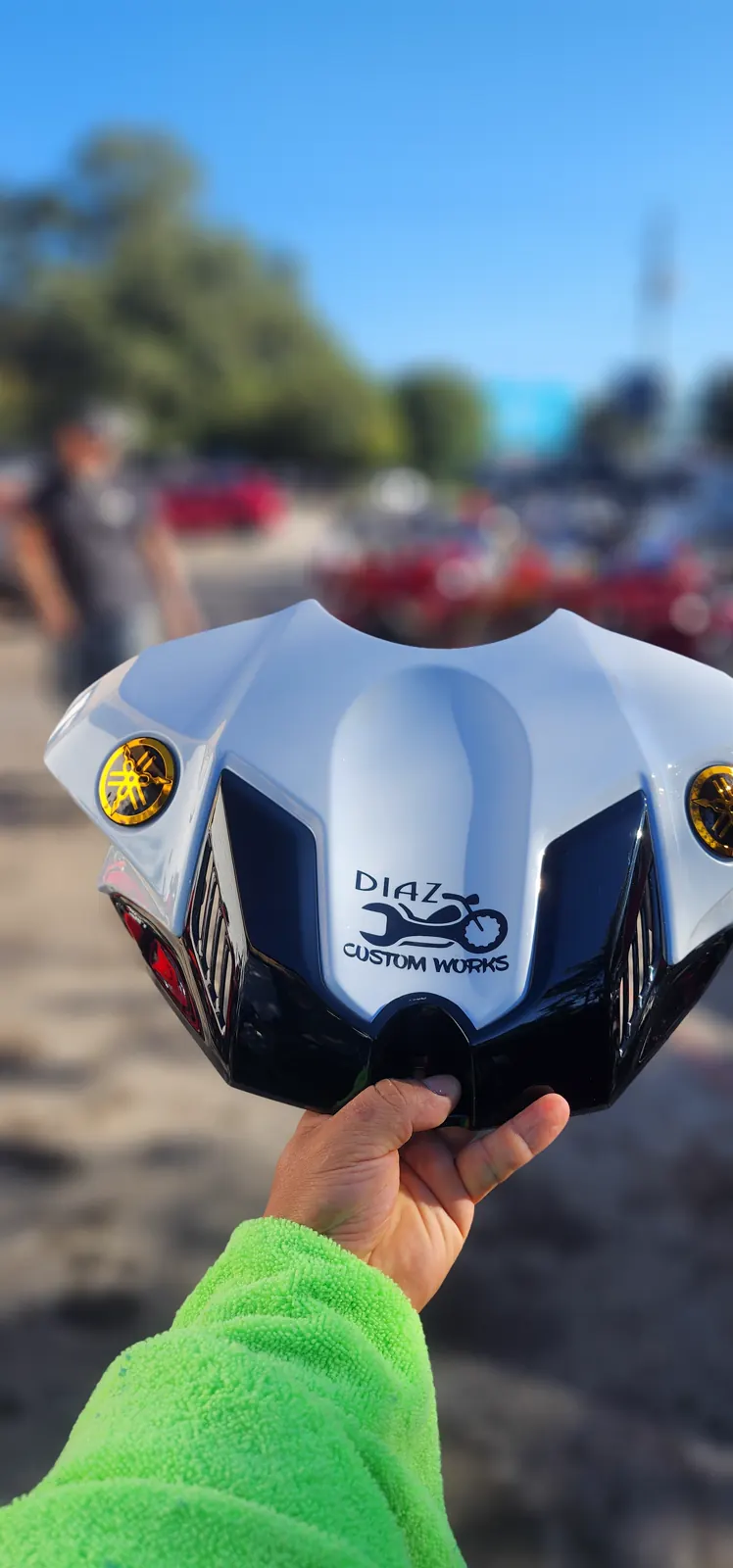
Detailing sits right next to the mechanical side of the shop, so the two often overlap. If you’re weighing a service visit anyway, it helps to know what the work covers before you book, since a detail is the perfect time to catch a weeping fork seal or a chain that’s begging for love. For brand-specific finishes and the right torque on covers and trim, we lean on the maker’s own guidance, like Harley-Davidson service information, so a bagger’s chrome and hardware go back on exactly the way they came off.
The finishing steps are where patience pays off. Drying gets done with soft towels and a little air, not a lap around the block, because air-drying on the road is how you invite fresh water spots and grit right back onto clean paint. Coatings need time to bond and cure, so we don’t rush them out the door. And the small, fiddly work — the emblems, the bolt heads, the spokes, the seams where dust hides — gets done by hand, because that’s the difference a rider actually notices when the bike is back in the light.
WE LOOK FIRST
Every detail starts with a walk-around under good light. You hear the plan and the price before we start — never after.
Canton is hard on a finish, and it's not the bike's fault
Heat, humidity, and hard water are quietly brutal on paint and chrome. Wash a bike in the direct sun and the water dries before you can dry it, leaving mineral spots etched into the clear coat. Add the pollen we already talked about, plus the road grime that comes with living up here, and a fresh finish has a lot working against it. The good news is that all of it is manageable once the bike is corrected and protected. That’s the whole reason a coating earns its keep.
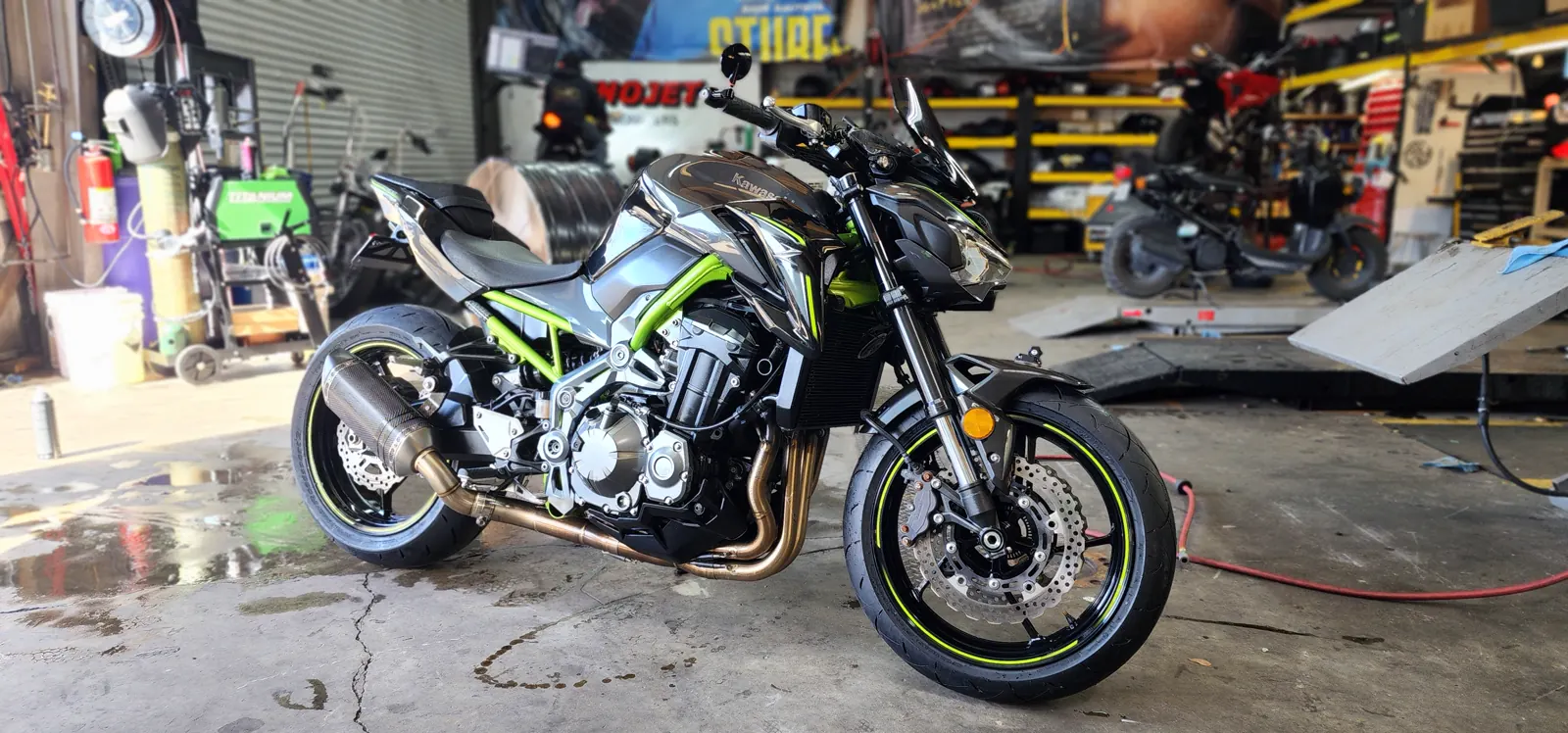
The roads out here leave their mark too. I-575 is the spine of local life, and it carries heavy truck traffic, grooved pavement, and tar-snake repairs that fling grit at anything behind them. The rural two-lanes riders use to dodge the interstate — Univeter Road, Sixes Road, East Cherokee Drive, and Bells Ferry Road — mix chip-seal with gravel wash off the shoulders. All of it ends up baked onto your lowers and wheels, which is exactly the stuff a proper decontamination step is built to remove.
Where your bike sleeps matters as much as where it rides. Plenty of riders here keep clean, garage-stored machines in the master-planned belt, from Laurel Canyon with its golf-course mountain views to the townhome communities scattered across the city — Overlook at Sixes Road, Holly Commons, The Villages at River Pointe, Hidden Green, Cypress Springs, and Stonegate. A garaged bike needs less correction and takes a coating beautifully. A bike that sits outside near the Riverstone Parkway retail district while you run errands just needs a little more love up front. Either way, we meet the bike where it is.
The riding around here is a big reason people care about the finish in the first place. A clean bike feels better on a good road, and the good roads are everywhere. There’s the causeway run out to Lake Allatoona, west of town on GA-20, and the long mountain loop that starts and ends right here — the Cartersville-Fairmount-Jasper-Canton run, US-411 north to Fairmount, GA-53 east to Jasper, then GA-5 and I-575 back south home. Ride any of those in spring and you’ll come back with a bug-freckled fairing that’s begging for attention.
The in-town option for a lot of folks is the national-chain dealership, and there’s a friendly Harley crowd nearby too — Southern Devil Harley-Davidson sits about thirty minutes west in Cartersville and runs a busy events calendar, from the Frosty Bells Toy Run to the Turkey Bowl. What we hear from riders is that they want a named person who answers the phone and a straight quote, which is why plenty of them look past the volume shops. These are heat-and-pollen problems, not local ones, so it’s worth seeing what Alpharetta riders run into — the enemies of a finish don’t check your zip code.
Since Canton sits farther out from the shop, the drive matters, and we’ve made it a non-issue. It’s usually a half-hour or so down I-575 through East Cobb if you want to bring it yourself. But pickup and delivery is genuinely on the table here, so you might not make the drive at all. You text us, we come get the bike, and it comes back looking better than it left.
The part that's just about riding again
And then there’s the part that’s just about riding again. Strip away the paint science and the product talk, and a real detail does one thing that’s hard to put a number on: it makes you want to ride. A tank with a fresh coating is slick under your palm, cool and glassy, like glass that somehow got wet and stayed that way. Chrome you can actually see yourself in. Trim that’s black again instead of chalky gray. It’s the same bike you’ve always had, minus the tired.
A detail isn't vanity. It's the fastest way to fall back in love with a bike you already own.
There’s a practical side to that shine, too. A well-kept bike holds its value, which matters the day you decide to sell or trade up, and the paperwork through the Georgia Department of Revenue goes a whole lot smoother when the machine presents like it’s been loved. A clean, corrected, protected bike simply tells a better story than one wearing years of neglect. Buyers see it in the first ten seconds, before they ever hear the engine.
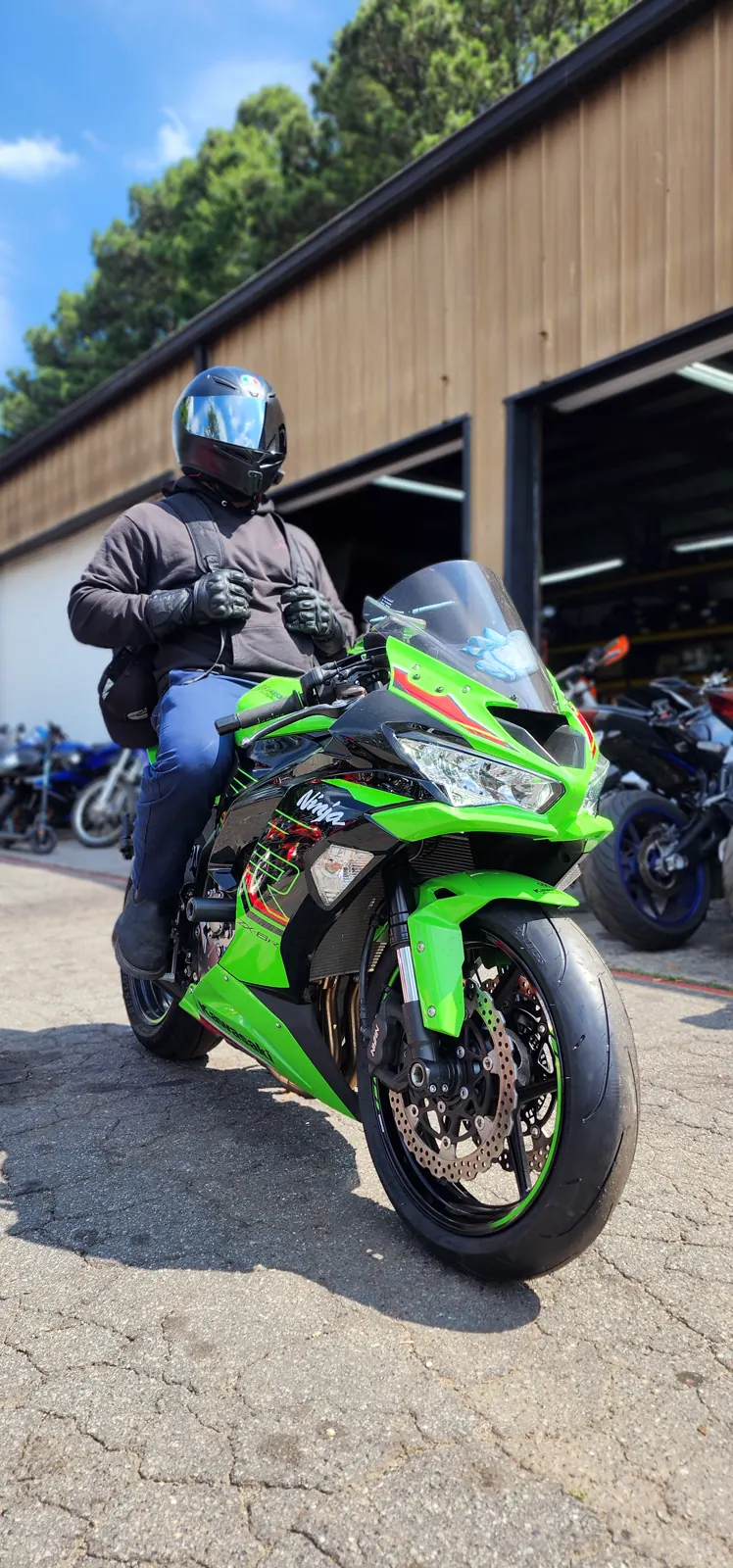
Here’s the honest truth we opened with, now that you’ve got the full picture. Good motorcycle detailing Canton riders come back for isn’t magic, and it isn’t a bottle of miracle spray. It’s a careful look, work done in the right order, and protection that fits how you actually ride. Do that, and the bike doesn’t just match the showroom day. It beats it, because nobody at the dealership ever corrected that clear coat by hand.
That’s the whole point of straight answers. You should finish reading this knowing what you want, what it takes, and who’s doing it. When you’re ready, the next step is easy — you don’t even have to leave the garage. Good motorcycle detailing Canton owners tell their neighbors about starts with one text, and a bike that’s earned a second look.
Questions Canton riders ask us
What if my bike needs more than we expected?
We call you first, every time. Because we look at the bike under good light before we quote, big surprises are rare. But if something turns up once we’re into the work, we stop and talk it through with you. Nothing extra gets done without your okay.
What does a full detail actually include?
A proper wash and decontamination, paint correction and machine polishing, chrome and wheel work, engine-bay cleaning, leather and vinyl care, plastic and trim restoration, and bug, tar, and water-spot removal. We finish with a ceramic coating or a sealant. The exact mix is tailored to your bike and how you ride.
How long does it take?
It depends on the bike’s condition and whether you want full paint correction and a coating. A light refresh is quick. Correction plus a coating takes longer because the coating needs time to cure. Since we diagnose first, you’ll have a real timeline before we start rather than a guess.
Do you work on my brand?
Yes. Harleys, metric cruisers, sportbikes, adventure bikes, and vintage restoration projects all come through the bays. We reference the maker’s own finish and torque guidance where it matters, so your trim and hardware go back exactly right.
Do I need an appointment?
Text us first so we can plan it and give you a real timeline. It keeps your bike from waiting in line. Because Canton sits farther out, pickup and delivery is available, so you may not need to make the drive at all.
Is ceramic coating really worth it?
For most riders, yes. It makes cleaning easier, keeps the shine longer, and helps the finish shrug off water, bugs, and pollen. Just remember it protects and eases cleaning — it is not scratch-proof, and anyone who says otherwise is overselling it.
We keep the doors open to riders well beyond the shop, and the drive is on us when it needs to be. Alongside Canton, we regularly help friends in Woodstock, Holly Springs, and Ball Ground, out west toward Acworth, Kennesaw, and Cartersville, and up the mountain side through Waleska, Nelson, Jasper, and Free Home. Marietta and Alpharetta riders roll in too, because a bike that looks its best is worth a short trip in any direction.
READY WHEN YOU ARE, CANTON
You’ve got the straight answers now, so the next move is simple. Text us a couple of photos of your bike and tell us how it’s stored, and we’ll come back with a real plan — no guesswork, no pressure. Canton riders can hand us the keys or let us grab the bike with pickup and delivery, and get it back looking better than the day it left the showroom. One text starts it.
470-460-9883Diaz Motorcycles and Service, LLC · 847 Barnes Mill Road, Marietta, GA 30062