Motorcycle Restoration Cost in Powder Springs: A Real Price Guide
Where the money actually goes on a restoration, the price drivers that move your bill up or down, and how to read an estimate so you know exactly what you're paying for.
Plus, the restoration cost Powder Springs riders worry about most is the one nobody explained to them. Meanwhile, they picture a single terrifying number with no breakdown behind it. In fact, a restoration bill is really just a stack of smaller, sensible costs — labor, parts, paint, chrome — and once you can see the stack, the whole thing stops being scary. So here’s the honest version: a good estimate is a list you can read, not a mystery you have to trust.
We get it. Money talk makes everybody a little tense, especially when there’s a garage project involved and you’ve heard stories about jobs that ballooned. But you’re a West Cobb crowd — home-owning, straight-shooting folks who’d rather see the real math than get a ‘starting at’ tease. So let’s open the hood on how restoration pricing actually works, piece by piece, no theatrics.
The big four: where restoration money actually goes
Almost every dollar of a restoration lands in one of four buckets: labor, parts, paint, and chrome or finishing. That’s it. Once you know those four buckets, any estimate becomes readable. A tiny revival might barely touch paint and chrome, while a full restoration fills all four to the brim. Your job as the owner is to decide how much of each bucket your bike actually needs, and our job is to price each one honestly and show you the split.
Here’s a useful way to think about it: labor is the time, parts are the pieces, paint is the skin, and chrome is the jewelry. A bike can run perfectly with plain skin and no jewelry, or it can be a rolling showpiece dripping in both. Neither is wrong. But knowing which buckets you’re filling is the difference between an honest budget and a nasty surprise, so we itemize all four every single time.
One thing worth saying up front: there’s no such thing as a single ‘average’ restoration price, and any shop that quotes one before seeing your bike is guessing. A clean garage-kept revival and a full frame-off showpiece can be many times apart in cost, and both are restorations. So instead of chasing a number off the internet, chase the buckets — they’re what turn your specific bike into your specific price.
Bucket one: labor — the biggest and most misunderstood
Labor is usually the largest single cost, and it’s the one people understand least. Restoration is slow, careful hand work — stripping, cleaning, diagnosing, rebuilding, adjusting. An engine that needs opening up is many hours on the bench. A bike that fought us with rusted, seized bolts is more hours than one that comes apart cleanly. Labor is where the condition of your bike hits your wallet hardest, because a rough bike simply takes more time to make right.
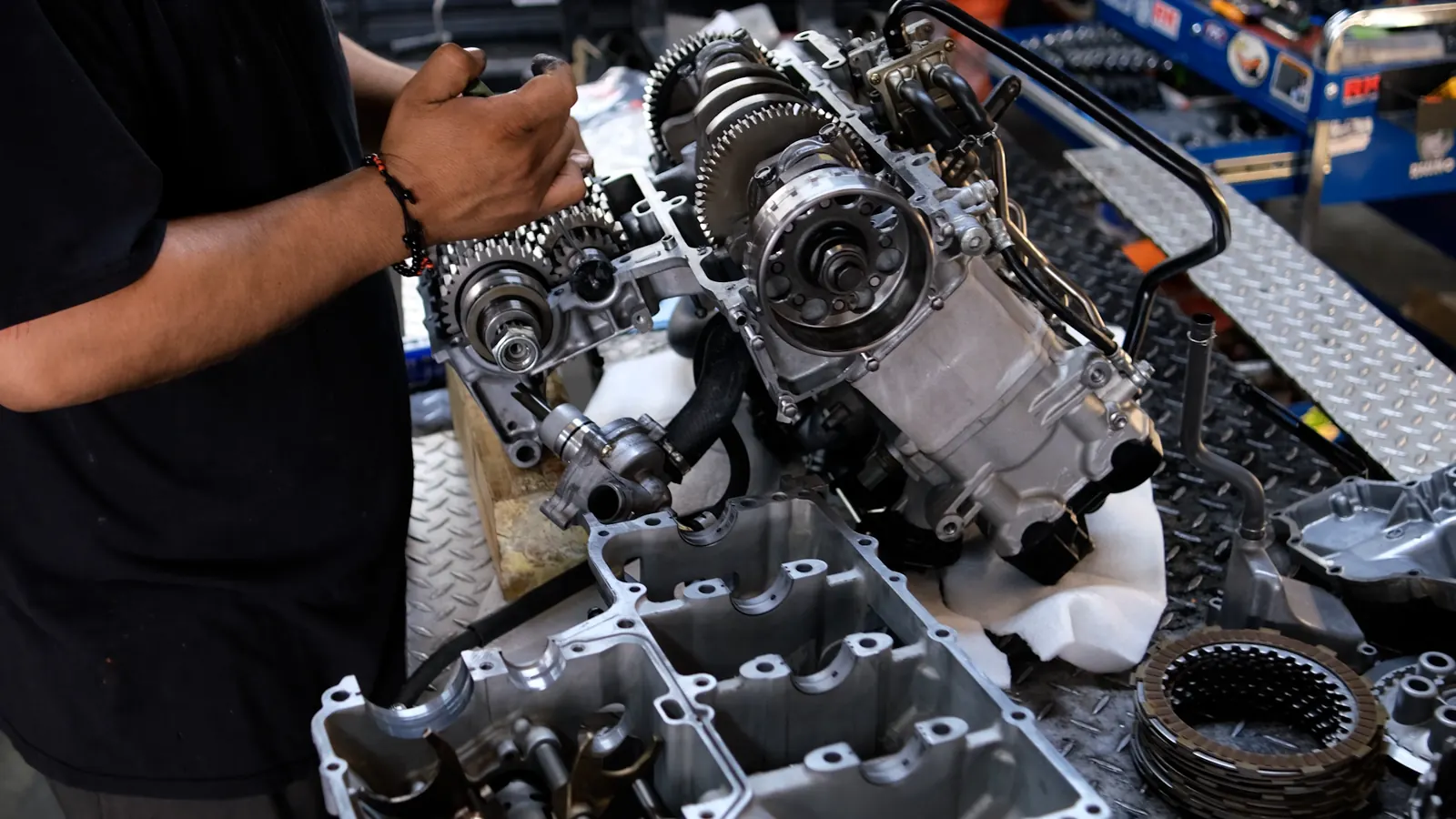
This is exactly why we won’t quote a real number over the phone. We can’t see seized bolts and hidden rust through a text, and guessing high to be safe isn’t fair to you. So we look first, count the actual hours the bike needs, and put that on the estimate as a real line, not a vague fudge. A garage-kept bike from Amberton that comes apart clean is fewer labor hours than one that marinated in a damp shed off Hopkins Road for a decade.
Bucket two: parts — common versus hard-to-find
Parts are the second bucket, and here the make and model of your bike matters more than anything. A common Honda, Yamaha, Suzuki, or Kawasaki has parts sitting on shelves, so those pieces are affordable and quick. A rare model, an oddball import, or a discontinued machine can send us hunting, and hunted parts cost more and take longer. That’s not markup games — that’s the plain reality of feeding a thirty- or forty-year-old machine.
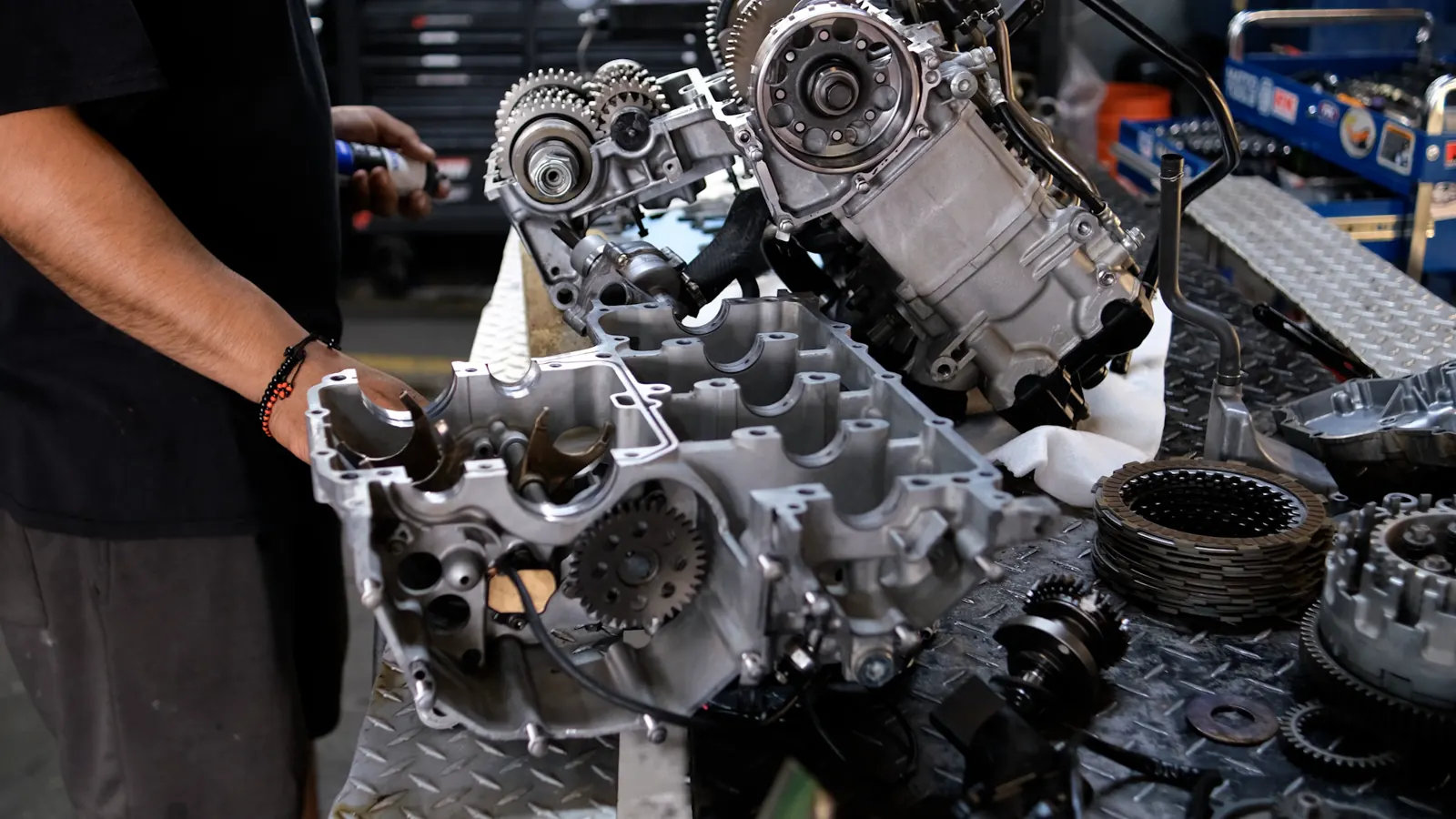
The good news for Powder Springs is that the bikes here skew practical. Cruisers, baggers, metric twins, and popular sportbikes dominate the garages in this town, and those are exactly the machines with healthy parts supply. So the average restoration around here isn’t a parts nightmare. We’ll tell you up front if your specific bike is a parts headache, because you deserve to know that before you fall in love with the finished picture in your head.
Being an all-makes shop actually helps the parts bucket, too. Because we work across brands, we’ve sourced obscure pieces, found good used parts, and made smart substitutions more times than we can count. A brand-only dealer often just orders from one catalog and shrugs when it says discontinued. We’d rather keep hunting, because a stalled restoration waiting months on one part is nobody’s idea of fun.
HEADS UP
Two identical-looking bikes can have very different parts bills. A common model has shelves full of pieces; a rare one means a hunt — and hunting costs time and money.
Bucket three: paint — from touch-up to full custom
Paint is the third bucket, and it swings the widest. On the low end, you might just want the existing paint corrected and polished back to life, which is affordable. In the middle sits a straight repaint of a faded tank and panels. On the high end is full custom work — candy coats, graphics, pinstriping — done in-house by us, which no dealership near Powder Springs offers at any price. The more the paint does, the more this bucket holds.
Because we paint under the same roof as we wrench, you’re never paying to ship your bike to an outside body shop and back. That saves money and, more importantly, it means the paint crew and the mechanical crew are the same team looking at the same bike. A repaint is also the single biggest ‘wow’ upgrade dollar-for-dollar, which is why plenty of riders spend a little more here even on a modest build. Fresh paint makes an old bike look genuinely reborn.
Bucket four: chrome and finishing — hours or dollars
The last bucket is chrome and finishing, and it hides a choice most people don’t know they have. Existing chrome that’s rusty but solid can often be hand-polished back to a mirror, which trades dollars for hours. Chrome that’s pitted through has to be re-plated or replaced, which trades hours for dollars. Same-looking part, very different cost, depending on which road makes sense. We show you both options so you can decide where to spend.
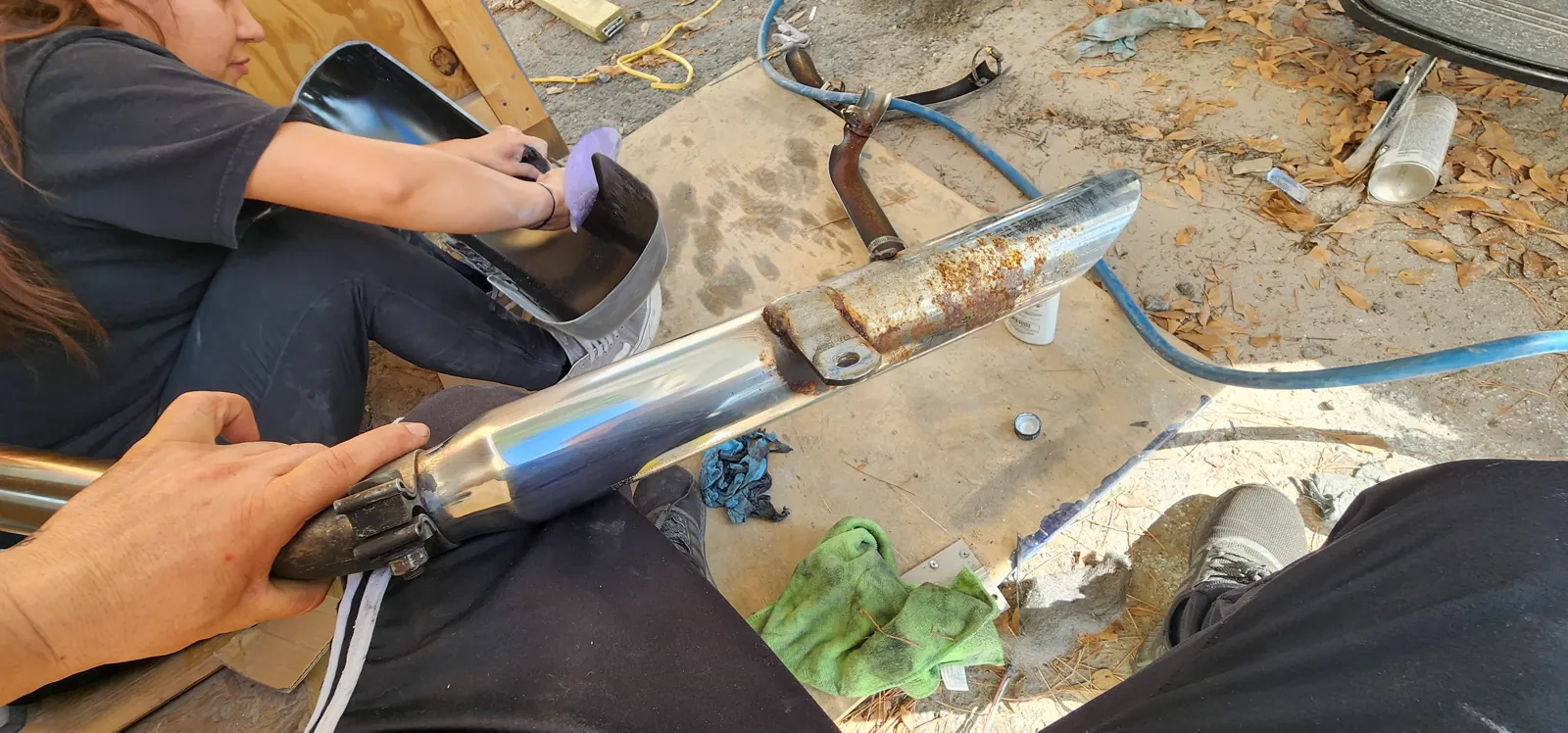
Finishing also covers the little stuff that makes a restoration feel finished: new grips, fresh cables, polished cases, restored trim, a re-covered seat. Individually these are small, but they add up, and they’re the details that separate a bike that looks ‘pretty good’ from one that stops people in the parking lot at Thurman Springs Park. You get to decide how deep to go, and every line shows up on the estimate so nothing sneaks up on you.
A quick word of comfort on that chrome-versus-re-plate choice: neither answer is a trap. Polishing saves cash if you’re a rider who just wants the bike sharp and honest. Re-plating is the move for a showpiece or a part too far gone to save. There’s no wrong pick, only the one that fits your goals — and we lay both on the table so the choice is yours, not ours.
How to read a restoration estimate
So how do you actually read one of these estimates without an engineering degree? Easy — look for it to be itemized. A real estimate breaks the job into lines you can understand, grouped roughly into those four buckets. If a shop hands you one giant number with no breakdown, that’s your cue to ask for the detail. You have every right to see exactly what each dollar is buying before you sign off on anything.
- Labor — the hours to strip, diagnose, rebuild, and adjust; the biggest line on most restorations.
- Parts — every piece being replaced, with common parts cheap and rare parts pricier.
- Paint — correction, repaint, or full custom, done in-house so there’s no outside body-shop markup.
- Chrome and finishing — polish versus re-plate, plus grips, cables, seat, and trim that finish the bike.
WISH YOU KNEW
You can control the price by controlling the buckets. Skip custom paint, polish chrome instead of re-plating, and a big restoration can become a very reasonable one.
This is the part that surprises riders most: you have real control over the total. Want to keep it lean? Correct the paint instead of repainting, polish the chrome instead of re-plating, and focus the labor on making it run right and safe. Want a showpiece? Fill all four buckets. Either way, because it’s itemized, you’re steering the budget, not just bracing for it. And if we open the bike and find more than the photos showed, we stop and call before touching a thing.
A restoration bill isn't one scary number. It's four honest buckets — labor, parts, paint, chrome — and you decide how full each one gets.
Getting your real number
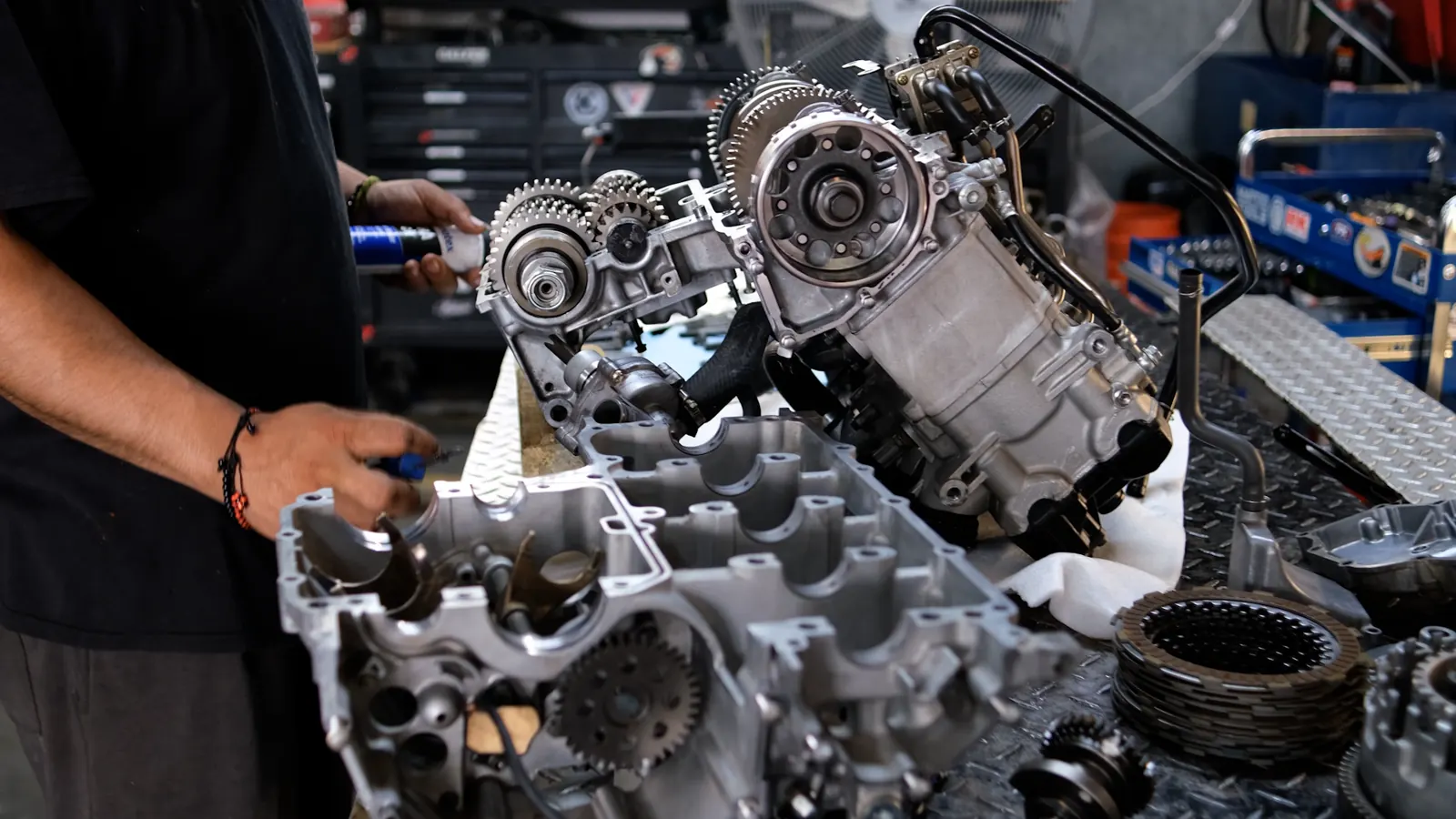
Every bike is different, so the only honest price guide is the one built around your specific machine. That’s why we look before we quote — always. You send a few photos, tell us the make, model, and how long it sat and where, and we give you a rough read. Then we get it in front of us and hand you an itemized estimate you can actually read, with all four buckets laid out plain.
There’s no full-service shop in Powder Springs, so the nearest alternatives are dealerships with dealer labor rates and spring wait lists that stretch for weeks. We’re an independent about 15 to 18 miles up Powder Springs Road in East Cobb, we do paint and mechanical under one roof, and we offer pickup and delivery for bikes that won’t roll on their own. Text us photos and let’s build your real number — and if you’re still deciding whether it’s worth it at all, here’s how to weigh restoring against selling.
Questions Powder Springs riders ask us
Why won't you just quote a price over the phone?
Because we can’t see seized bolts, hidden rust, or the true condition of your engine through a text. Guessing high to play it safe isn’t fair to you, and guessing low sets up a bad surprise. We look first, count the real hours and parts, and hand you an itemized estimate you can actually read.
What's the biggest cost in a restoration?
Usually labor. Restoration is slow, careful hand work, and an engine rebuild or a bike full of seized, rusted bolts eats hours. That’s why the condition of your bike matters so much — a clean garage-kept bike takes far less labor than one that sat in a damp shed for years.
How can I keep the cost down?
Control the buckets. Correct the existing paint instead of a full repaint, polish the chrome by hand instead of re-plating, and focus the labor on making the bike run right and safe rather than show-perfect. Because we itemize everything, you can steer the budget line by line.
Does my brand of bike change the price?
Mostly through parts. Common Hondas, Yamahas, Suzukis, Kawasakis, and Harleys have parts on the shelf, so they’re cheaper and faster. Rare models or oddball imports mean a parts hunt, which costs more and takes longer. We’ll tell you up front if your specific bike is a parts headache.
Do you do the paint yourselves?
Yes, in-house. That saves you the cost and hassle of shipping the bike to an outside body shop, and it means the same team handles the paint and the mechanical work. Fresh paint is also the biggest dollar-for-dollar ‘wow’ upgrade on any restoration.
What if the estimate goes up once you start?
We stop and call you first, and you approve any extra work before we do it. Because we inspect the bike before quoting, big surprises are rare, but a long-stored bike can hide rust. You’ll never come back to a bill you didn’t okay.
We price restorations honestly for riders all over West Cobb, not just central Powder Springs. Estimates go to owners in Amberton, Oakleigh, and Broadlands, plus newer builds around Village at West Cobb. Whether you’re near Thurman Springs Park, out by Wild Horse Creek Park, or off Hopkins Road, a quick run up C.H. James Parkway puts your bike in our bay — and pickup covers the ones that won’t start.
TEXT US PHOTOS FOR A REAL NUMBER
Want a restoration cost you can actually read? Text us a few photos, tell us the make, model, and how long the bike sat and where, and we’ll give you a rough read now and an itemized estimate once we look. Four honest buckets — labor, parts, paint, chrome — all laid out plain. We’re an easy run up Powder Springs Road in East Cobb, we paint in-house, and we offer pickup and delivery. No ‘starting at’ teases, just the real math.
470-460-9883Diaz Motorcycles and Service, LLC · 847 Barnes Mill Road, Marietta, GA 30062