Restore vs. Sell Your Motorcycle in Mableton: How to Actually Decide
A straight, no-pressure way to figure out whether that old bike is worth reviving or worth letting go.
It’s the question every garage owner eventually faces: restore vs sell motorcycle Mableton riders keep asking us, and it deserves a straight answer instead of a sales pitch. That old bike in the corner is either a project worth reviving or a Craigslist post waiting to happen, and the honest truth is that sometimes selling is the smarter move. So let’s walk through how to actually decide, without anybody talking you into a bill you’ll regret.
We’ll say the quiet part out loud: a restoration shop that tells everyone to restore is a shop you shouldn’t trust. Some bikes aren’t worth the money, and pretending otherwise just to book work is a lousy way to treat a customer. Our goal here is to give you an honest framework, so whether you keep it or sell it, you make the call with clear eyes. Nobody should spend real money on a bike out of guilt or wishful thinking.
Start with one honest question: does it mean something?
Before we talk dollars and grades of steel, answer this: does the bike mean something to you? If it was your first bike, or your dad’s, or the one you swore you’d fix someday, that sentimental value is real and it changes the math. You’re not just buying transportation, you’re buying a piece of your own story back. For a bike like that, restoring can be worth it even when a spreadsheet would say sell.
But be honest with yourself here, because feelings are sneaky. If the bike is just a random project you picked up cheap and never touched, sentiment isn’t in play, and you can decide on pure logic. There’s no shame either way. Not every dusty bike is a family heirloom, and not every heirloom needs saving. Knowing which one you’ve got is step one, and it saves a lot of wandering later.
The case for restoring
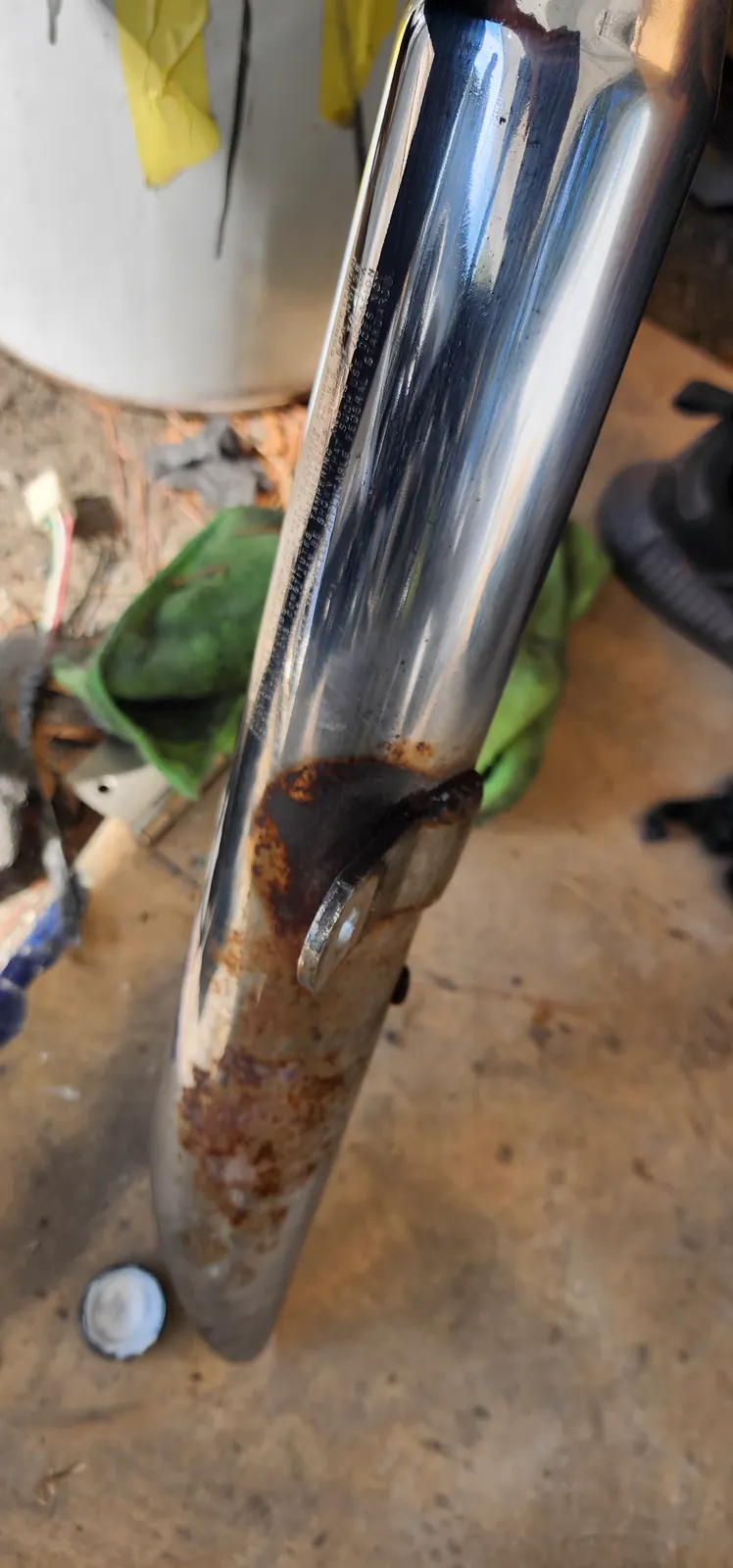
Restoring makes sense when the bike has good bones and a reason to live. If the frame is straight, the engine isn’t grenaded, and the model is something you actually want to ride, reviving it can cost less than buying a comparable bike, and you end up with a machine you know inside and out. There’s also real value in that trust. You watched every part go in, so you’re not inheriting some stranger’s shortcuts and mystery noises.
Restoring also wins when the bike is desirable or hard to replace. Some older models are genuinely sought-after, and a well-done restoration can be worth more than you put in, or at least hold its value in a way that makes the project pay for itself over time. Add in the pure joy of riding something you brought back from the dead, and for the right bike, restoring is an easy yes. It’s the fun ending to this whole story.
The case for selling
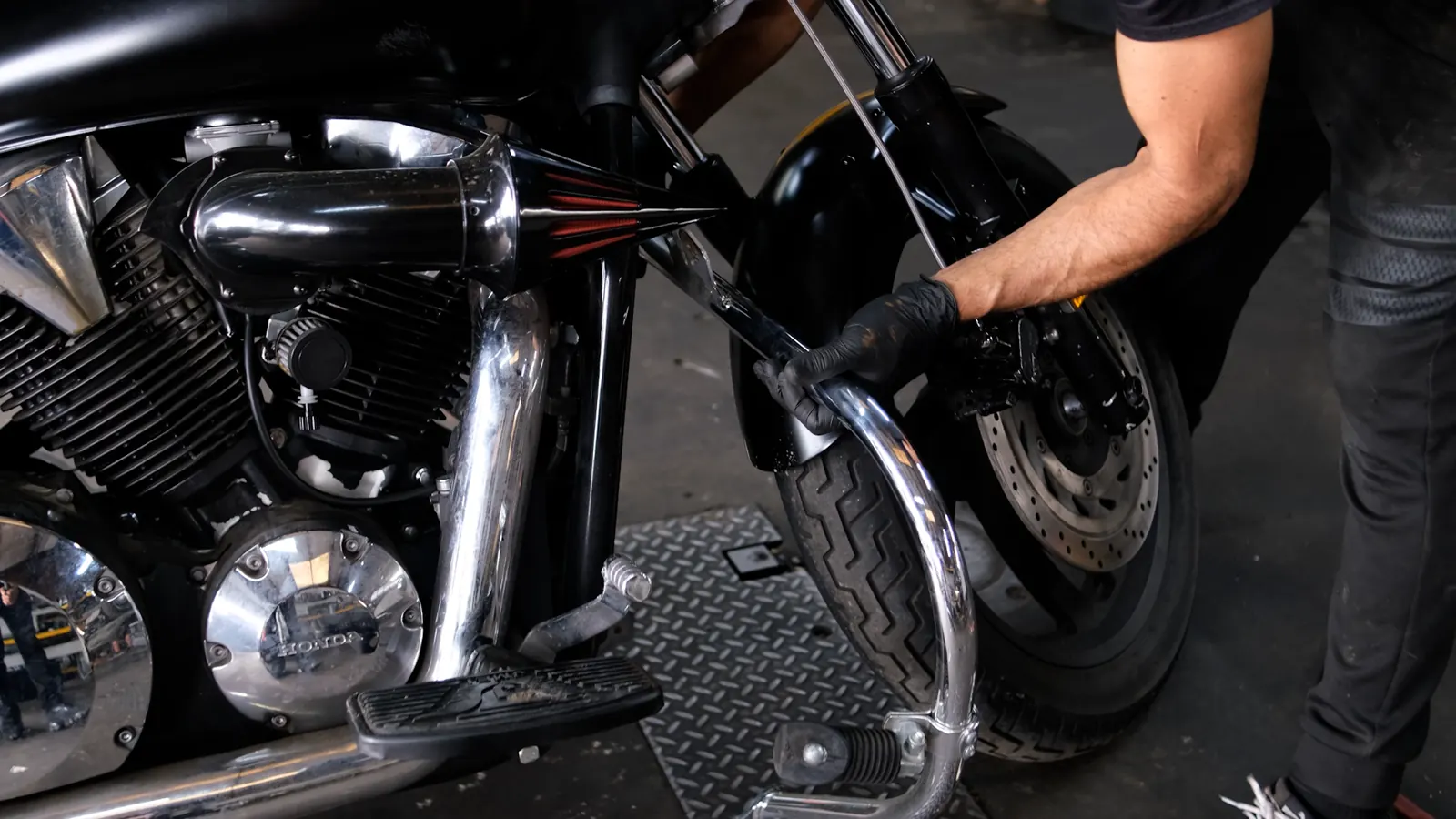
Selling is the smart move more often than a shop will admit. If the bike means nothing to you, if the model is common and cheap to buy already running, and if the restoration would cost more than a good used one, then selling as-is and buying a runner is simply better math. You skip the wait, skip the surprises, and put your money toward something you can ride this weekend instead of next season.
Selling also wins when the damage runs deep. A cracked or bent frame, a seized engine that needs a full rebuild, or a mountain of hard-to-find discontinued parts can push a project past the point where it makes any sense. At that stage you’re not restoring a bike, you’re funding an archaeology dig. There’s no dishonor in selling a parts bike to someone who wants exactly that and moving on with a clear conscience and a fuller wallet.
THE FRAME IS THE DEAL-BREAKER
Surface rust, gummed carbs, and dead batteries are fixable. A bent or cracked frame usually isn’t worth it. When you’re deciding, the condition of the frame and engine matters far more than the paint.
Here’s the trap to avoid: falling in love with a bike that isn’t worth it, or dumping a genuinely good one because it looks rough. Surface grime lies in both directions. A filthy bike with a straight frame and a healthy motor can be a steal to revive, while a shiny one hiding frame damage is a money pit in a party dress. That’s exactly why a real diagnosis beats a gut feeling, and it ties straight into what actually drives restoration cost.
A simple checklist to help you decide
You don’t need to be a mechanic to make a smart first call. Run your situation through these questions before you spend anything. If most of your answers point one direction, you’ve probably got your answer. If they’re split, that’s your cue to get a real diagnosis before deciding, because the tiebreaker is almost always hiding inside the bike where you can’t see it.
- Does the bike mean something to you, or is it just a project you picked up?
- Is the frame straight and the engine not seized, or is there deep structural damage?
- Would restoring cost less than buying the same bike already running?
- Is the model desirable and hard to replace, or common and cheap?
- Are parts easy to find, or is it full of discontinued pieces?
- Do you actually want to ride this bike, or just feel guilty about it sitting?
Notice how few of those are about paint. Cosmetics are the cheapest thing to fix and the easiest to fake, so they should be near the bottom of your decision, not the top. The heavy hitters are the frame, the engine, and whether the bike is worth more to you than the cash it’d bring. Get those right and the paint sorts itself out later, whichever way you go.
How a diagnosis settles the argument
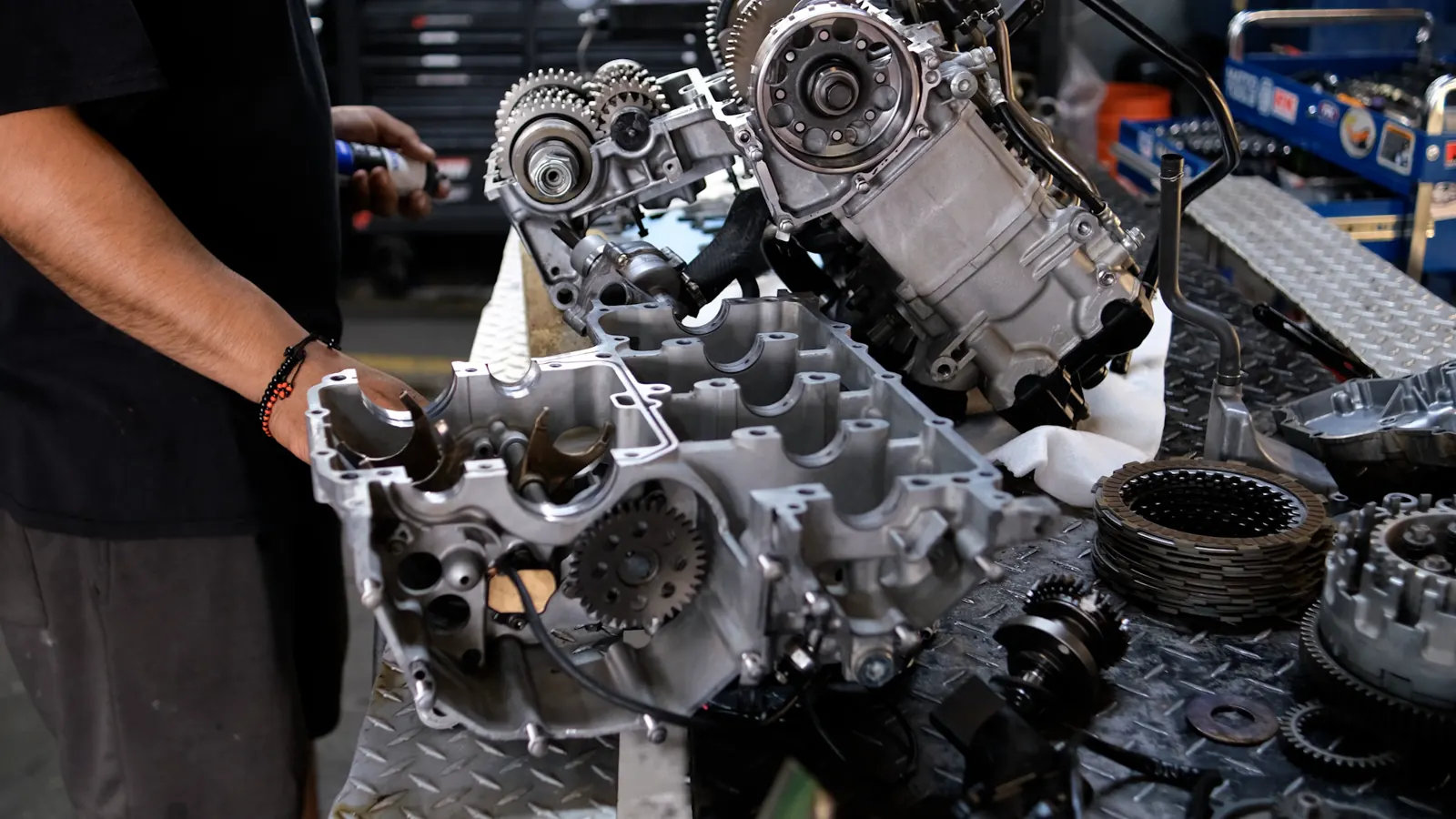
When you’re stuck between restore and sell, a proper look-over is the fastest way to break the tie. We check the stuff that actually decides it: the frame for straightness and cracks, the engine for compression and life, and the systems for what’s tired versus what’s toast. Then we tell you honestly what it’d take and roughly what it’d cost, so you can weigh a real number against what the bike would sell for as-is.
That’s the honest version of this decision, and it’s the one we’d want if the roles were flipped. Sometimes we look a bike over and tell folks to sell it, because that’s the truth and they deserve it. Other times we find a diamond under the dust and get to say the fun words: this one’s worth saving. Either way you walk out knowing, instead of guessing, which beats a shrug and a coin flip every time.
WE'LL TELL YOU TO SELL
If your bike isn’t worth restoring, we’ll say so. A shop that recommends restoration on every bike is protecting its schedule, not your wallet. Honest advice is the whole point.
Mableton is full of exactly these decisions, and it’s no coincidence. The 1980s housing boom left garages across South Cobb stuffed with 1980s and 1990s bikes that stopped running, so this restore-or-sell question comes up here more than almost anywhere in our radius. If the answer turns out to be restore, our guide to what a restoration costs and gets you maps out the next step.
What if you're somewhere in the middle?
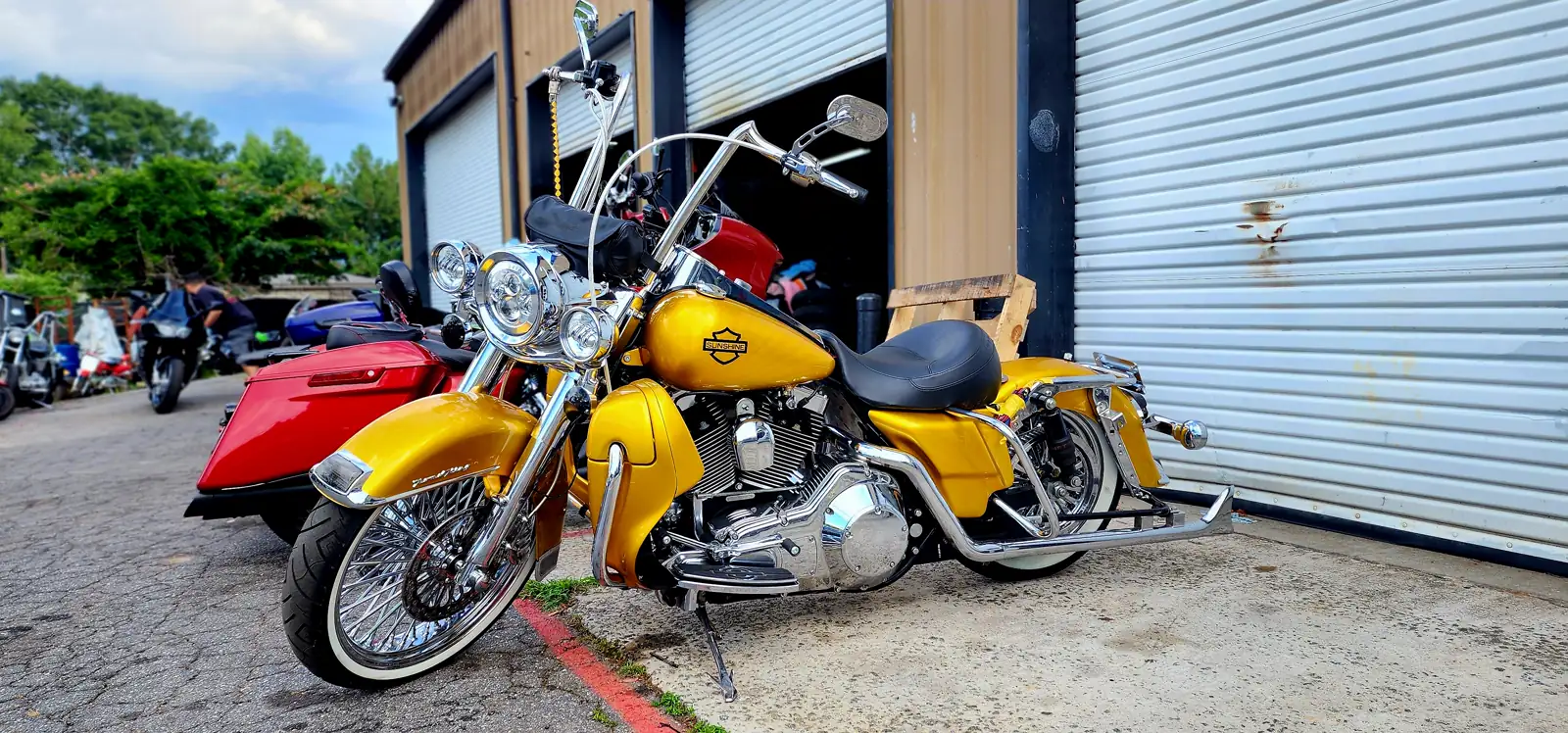
Plenty of riders land between the two camps, and that’s a fine place to be. Maybe the bike means a little something but not everything, or the bones are decent but not perfect. In that case, remember you don’t have to pick restore or sell as an all-or-nothing bet. A middle path is to revive it just enough to make it running and safe, ride it for a season, and then decide with real seat time whether you love it enough to take it further.
A partial revival also makes a bike far easier to sell if you go that way later, because a running bike brings a lot more than a dead one on Facebook Marketplace. So even the money argument doesn’t force a clean choice. You can spend a little to get it running, then keep it or flip it from a position of strength instead of unloading a mystery machine for scrap money. When you’re truly torn, doing the safe basics first buys you time to decide.
Why Mableton riders get their answer from us
The city has essentially one small shop inside its limits, so for a real, honest evaluation most folks already head north. Being all-makes matters here, because Mableton garages hold Harleys, old Hondas and Suzukis, cafe projects, and the odd European bike, and we can look over any of them with the same straight eye. We’re not brand-locked, so we’ve got no reason to talk you into or out of anything based on a badge.
And the drive won’t cost you a Saturday. We’re about 25 to 35 minutes north on South Cobb Drive, and we offer pickup and delivery for bikes that can’t ride in, which is most projects still on the fence. So you don’t even have to decide whether it’s worth hauling before you know if it’s worth saving. Text us first, get the honest read, and then decide with real information instead of garage-corner guilt.
Some bikes are worth saving. Some are worth selling. The honest shop tells you which one you've got.
So here’s the no-pressure next step. Text us a few photos of the bike, tell us what it means to you and how long it’s sat, and we’ll help you weigh restore against sell with real numbers, not wishful thinking. If we think you should sell it, we’ll say so. Want to see the bigger picture first? Here’s how our restoration work comes together, for whenever the answer turns out to be save it.
Questions Mableton riders ask us
How do I know if my bike is worth restoring?
Start with the frame and engine, not the paint. If the frame is straight and the engine isn’t grenaded, and the model is one you actually want, restoring is often worth it, especially if it means something to you. If the frame is bent, the engine needs a full rebuild, and the bike is common and cheap to buy running, selling is usually the smarter call.
Will a restoration shop just tell me to restore no matter what?
A good one won’t. If your bike isn’t worth the money, we’ll tell you to sell it, because a shop that recommends restoration on every bike is protecting its schedule, not your wallet. Sometimes we look a bike over and honestly say it’s a parts bike. Other times we find a keeper under the dust. Either way, you get the truth.
Does sentimental value really matter in the decision?
Yes, and it’s fair to let it. If the bike was your first, your dad’s, or one you always meant to fix, that meaning is real and it can justify restoring even when a spreadsheet says sell. Just be honest with yourself. If it’s a random project with no story, decide on pure logic instead of guilt about it sitting there.
What kind of damage makes a bike not worth restoring?
A cracked or bent frame is usually the deal-breaker, since structural damage is hard and expensive to fix right. A fully seized engine needing a complete rebuild, or a bike loaded with discontinued, impossible-to-find parts, can also push a project past sense. Surface rust, gummed carbs, and dead batteries are all fixable and shouldn’t scare you off by themselves.
Can you help me decide before I commit to anything?
That’s exactly what a diagnosis is for. We check the frame, the engine, and the systems, then tell you honestly what it’d take and roughly what it’d cost, so you can weigh a real number against what the bike would sell for as-is. No commitment to restore. The point is to help you decide with facts instead of a coin flip.
Can you look at a bike I can't ride in?
Yes. We offer pickup and delivery, so a project bike on the fence doesn’t have to be ridden or hauled 15 miles before you even know if it’s worth saving. We’re about 25 to 35 minutes north on South Cobb Drive. Text us where the bike is, and we’ll arrange to come look it over and give you the honest read.
We help riders across South Cobb decide, not just central Mableton. Bikes come from the Vinings Estates and Oak Hills areas, the Nickajack Road corridor, and the carports along Mableton Parkway. Whether your project waits near Heritage Park or a short hop from the Mable House and the Silver Comet Trail, we’re an easy run north on South Cobb Drive. Anywhere in the new city of Mableton, we’ll give you a straight restore-or-sell answer.
TEXT US AND WE'LL GIVE IT TO YOU STRAIGHT
Stuck between restoring and selling? Text us a few photos, tell us what the bike means to you and how long it’s sat, and we’ll help you weigh it with real numbers instead of wishful thinking. If you should sell it, we’ll say so. We’re about 25 to 35 minutes north on South Cobb Drive, and we offer pickup and delivery across Mableton. No pressure, just an honest answer.
470-460-9883Diaz Motorcycles and Service, LLC · 847 Barnes Mill Road, Marietta, GA 30062