Summary:
What Makes a Motorcycle Mechanic a Specialist
A specialist motorcycle mechanic isn’t just someone who works on bikes occasionally. We’ve dedicated our careers to understanding how motorcycles work, from vintage carbureted engines to modern fuel-injected systems with complex electronics. We know the differences between brands and models, understand how components interact, and can diagnose problems that general mechanics miss.
This expertise comes from years of hands-on experience, often combined with formal training and manufacturer certifications. We’ve seen hundreds of bikes, solved countless problems, and learned which issues tend to cluster together. When you describe a symptom, we already have a mental checklist of likely causes based on your specific make and model.
How Specialized Knowledge Prevents Bigger Problems
Here’s what most people don’t realize about motorcycle maintenance and repair. A specialist doesn’t just fix what’s broken today. We recognize patterns and warning signs that indicate what might fail next.
That clutch feeling slightly different isn’t just normal wear. To an experienced eye, it might signal transmission issues developing. The brake lever requiring a bit more pressure could mean brake fluid contamination or internal seal wear, not just pad wear. These connections aren’t obvious to someone who works on bikes occasionally or treats them like small cars.
European motorcycles have different electrical systems than Japanese bikes. American motorcycles often use different fasteners and measurements than their overseas counterparts. When your mechanic understands these differences, we can anticipate problems before they happen. We know which gaskets fail first on your specific model. We understand how your bike’s fuel system behaves in Georgia’s humidity. We can tell you whether that noise you’re hearing is normal break-in for your model or something that needs immediate attention.
This knowledge also affects parts sourcing. Some repairs can wait for OEM parts to arrive. Others need immediate attention with quality aftermarket alternatives. A mechanic who knows your bike can make these judgment calls correctly, saving you both time and money while ensuring reliability.
Most importantly, specialists know when a simple-looking problem is actually a symptom of something more serious. That “quick fix” mindset that works for some car repairs can be dangerous on a motorcycle where component failure has immediate safety implications. Your bike has two wheels, not four. There’s no margin for error.
The Real Cost of Choosing Price Over Expertise
Let’s talk about what actually happens when you choose the cheapest option. You drop off your bike, get a low estimate, and feel good about the money you’re saving. Then one of three things typically happens.
First scenario: the fix doesn’t hold. You’re back at the shop weeks or months later with the same problem, or a related one that should have been caught the first time. Now you’re paying twice, plus dealing with the frustration and lost riding time.
Second scenario: you get surprise charges. That low estimate was based on incomplete diagnosis or optimistic assumptions. Halfway through the job, you get a call that it’s going to cost significantly more. You’re stuck because the bike’s already torn apart.
Third scenario: the work is done cheap for a reason. Corners get cut. Maybe they use lower-quality parts that wear out faster. Maybe they don’t take time to properly diagnose the root cause. Maybe they skip steps that seem minor but matter for longevity. You don’t discover these shortcuts until something fails down the road.
The math is straightforward. Say you save $200 on a brake job by going with the cheapest option. But if that shop uses inferior pads that wear out in half the time, or if they don’t properly bed the new pads, or if they miss signs that your brake fluid needs changing, you’ll be back sooner than you should be. That $200 savings just cost you $400 in premature replacement, plus the inconvenience of unexpected downtime.
Cheap labor often means inexperienced labor. Motorcycle repair requires specific knowledge that general mechanics or entry-level technicians simply don’t have. They might know how to turn wrenches, but they don’t know why your particular model requires a specific torque spec, or what that slight play in the linkage actually means, or how to properly sync carburetors on your bike.
Then there’s the safety factor. Mistakes on motorcycles aren’t just inconvenient, they’re dangerous. A misrouted wire can cause electrical failure. An improperly torqued bolt can work loose from vibration. A missed diagnosis on your clutch can leave you unable to shift during an emergency. These aren’t theoretical risks, they’re real consequences of inadequate work.
What Quality Motorcycle Repair Actually Looks Like
Quality motorcycle repair starts before any wrenches come out. It begins with proper diagnosis using the right equipment and knowledge. Modern bikes have sophisticated electronic systems that require specialized diagnostic tools. Even older bikes benefit from systematic troubleshooting by someone who understands how all the systems interact.
A quality shop takes time to explain what we find, why it matters, and what your options are. We give you realistic estimates based on actual experience with your bike model, not generic book times that might not account for real-world complications. And we communicate throughout the process, letting you know if we discover anything unexpected.
The Difference Proper Tools and Parts Make
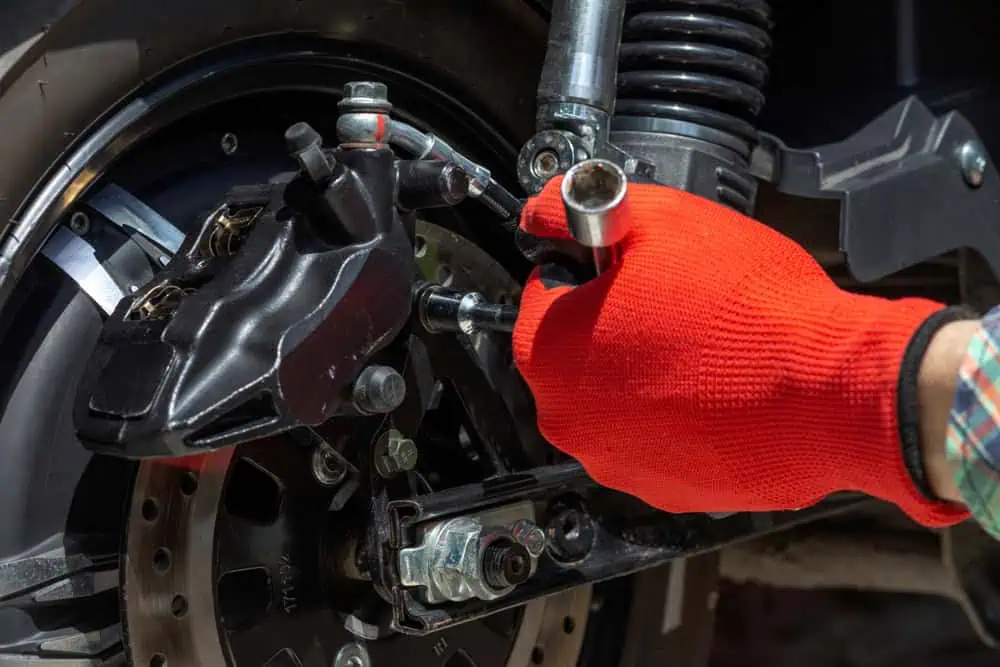
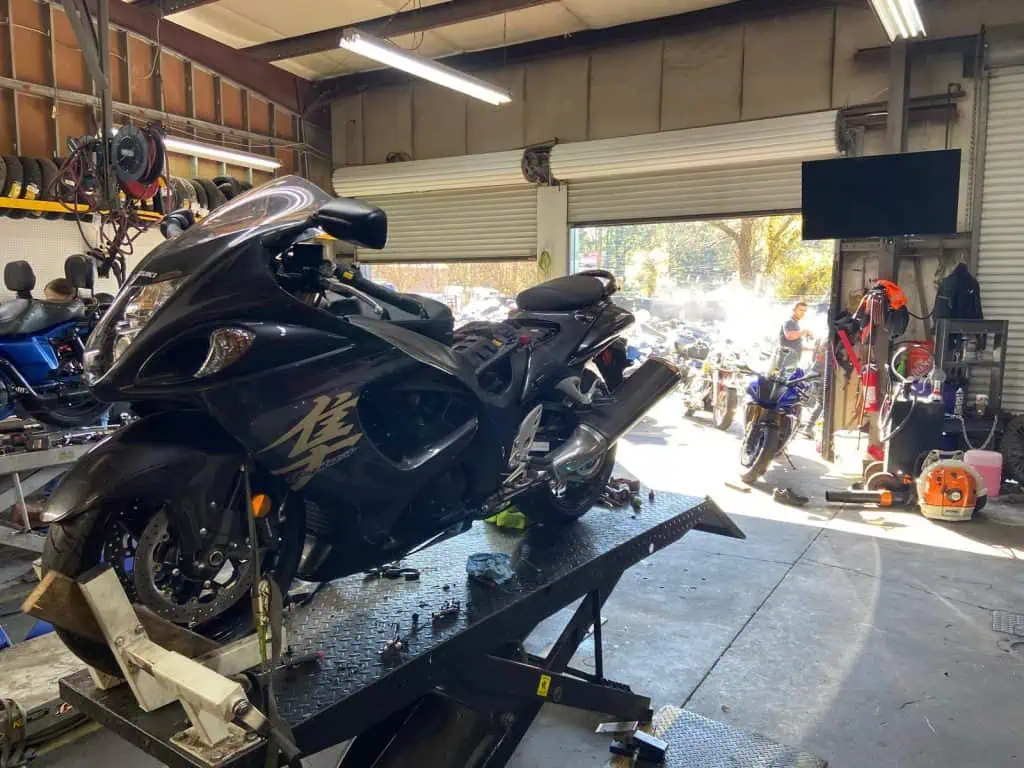
Professional motorcycle repair requires specialized equipment. Proper lifting equipment to safely support your bike. Specialized metric and standard wrenches. Torque wrenches for precise fastener tightening. Diagnostic equipment for modern fuel injection and electronic systems. Suspension tools. Brake bleeding equipment. The list goes on.
Shops that cut costs often cut corners on equipment. They make do with improvised solutions or general automotive tools that aren’t quite right for motorcycles. This leads to stripped bolts, damaged components, and repairs that don’t meet factory specifications.
The same principle applies to parts. Quality shops source genuine OEM parts or equivalent aftermarket components from reputable manufacturers. We understand that the parts you use directly impact how long the repair lasts and how well your bike performs. Cheap parts might fit and seem to work initially, but they wear faster, fail sooner, and can cause damage to surrounding components.
Think about brake pads. Cheap organic pads might cost half what quality semi-metallic pads cost, but they wear out in a fraction of the time, create more dust, and provide less consistent stopping power. Over the life of your bike, you’ll replace them three times as often, spending more money and dealing with more frequent service appointments. Plus, your braking performance is compromised the entire time.
The same pattern repeats across every component. Chains, sprockets, filters, fluids, gaskets, bearings, electrical components. Quality parts cost more upfront but deliver better value over time. A specialist mechanic knows which parts are worth the premium and which aftermarket alternatives are genuinely equivalent to OEM.
Why Transparent Pricing Matters More Than Low Pricing
Transparent pricing means you know exactly what you’re paying for before work begins. You get a detailed estimate that breaks down labor and parts. You understand what’s necessary now versus what can wait. And you’re not hit with surprise charges when you pick up your bike.
This transparency requires confidence. A shop has to trust their diagnosis enough to commit to a price. We have to have enough experience to anticipate potential complications. And we have to value our reputation more than we value squeezing extra dollars from surprise add-ons.
Cheap pricing often hides behind vague estimates. “Could be anywhere from $200 to $800 depending on what we find.” That’s not an estimate, that’s a guess. And it usually lands on the high end once they’ve got your bike torn apart and you’re committed.
Quality shops in Cobb County, GA have learned that honest, upfront pricing builds long-term relationships. We’d rather tell you the real cost upfront, even if it sounds higher initially, than win your business with a low-ball number that turns into something else halfway through the job. We understand that trust is more valuable than any single transaction.
Labor rates at quality shops reflect the expertise you’re paying for. Yes, you might pay $90-100 per hour instead of $60-70. But that higher-paid technician finishes the job in less time because we know exactly what we’re doing. We don’t waste hours troubleshooting because we’ve seen this problem before. We don’t make mistakes that require rework. And we catch related issues before they become separate repair bills.
The goal is simple: no surprises when you pick up your bike. The price you agreed to is the price you pay, and the work performed matches exactly what was discussed. This kind of transparency requires skill, experience, and integrity. It’s worth paying for.
Choosing the Right Motorcycle Mechanic in Cobb County, GA
Your motorcycle deserves someone who understands it. Not just generally, but specifically. Someone who knows your make and model, who’s solved the problems your bike is prone to, and who has the tools and expertise to do the job right the first time.
Price matters, but it shouldn’t be your primary consideration. The cheapest option usually costs more in the long run through repeated repairs, premature part failure, and the headaches of dealing with shops that overpromise and underdeliver. Quality motorcycle repair from a true specialist protects your investment, keeps you safer on the road, and actually saves money over time.
When you’re looking for motorcycle maintenance, engine repair, brake service, or electrical repair, look for experience, transparency, and a reputation built on satisfied customers. Look for mechanics who are riders themselves and treat your bike with the respect it deserves. That’s what you’ll find at Diaz Motorcycles and Service, LLC, where specialized expertise and honest service have built a trusted reputation throughout the Cobb County, GA community.