Summary:
What Is Predictive Motorcycle Maintenance
Predictive maintenance means catching problems before they happen. Traditional motorcycle service follows a schedule—change the oil every 3,000 miles, inspect the chain every month, replace brake pads when they look worn. That approach works, but it doesn’t account for how you actually ride or what your specific bike needs based on its condition.
Predictive maintenance takes a different angle. It looks at real-time data from your motorcycle’s systems to identify patterns that signal developing issues. Think of it as the difference between changing your oil because the calendar says so versus changing it because analysis shows it’s actually breaking down. One follows a guess, the other follows evidence.
This approach has been transforming industrial maintenance for years, and it’s now making its way into motorcycle care. The concept is simple: use information to make better decisions about when and how to service your bike.
How Predictive Maintenance Works for Motorcycles
At its core, predictive motorcycle maintenance relies on understanding what normal looks like for your bike, then spotting when something deviates from that baseline. A skilled motorcycle mechanic does this instinctively—we hear an unusual sound in your engine or notice irregular wear on your tires. Predictive maintenance systematizes that expertise.
Modern motorcycles generate data through sensors that monitor engine temperature, oil pressure, throttle position, and dozens of other parameters. Even older bikes provide information through fluid condition, wear patterns, and performance metrics. A mechanic trained in predictive techniques knows how to read these signals.
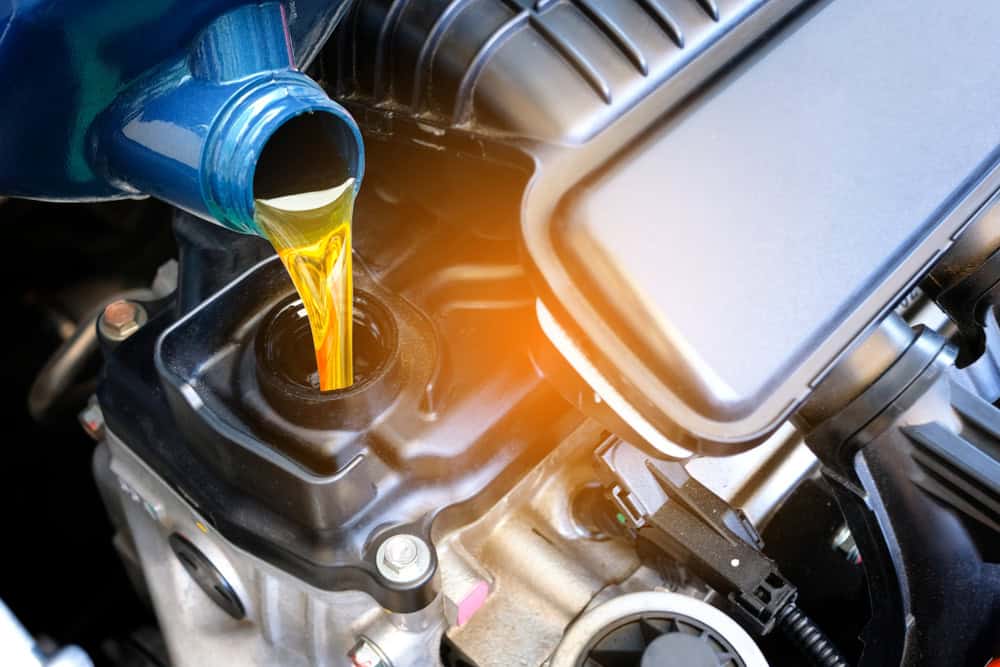
For example, engine oil doesn’t just get dirty—it degrades in specific ways based on how you ride, what temperatures your engine reaches, and how well your air filter is working. Oil analysis can reveal metal particles that indicate internal engine wear long before you’d notice performance issues. Similarly, brake fluid absorbs moisture over time, reducing its effectiveness. Testing brake fluid condition tells you when it actually needs changing, not just when the service manual suggests it might.
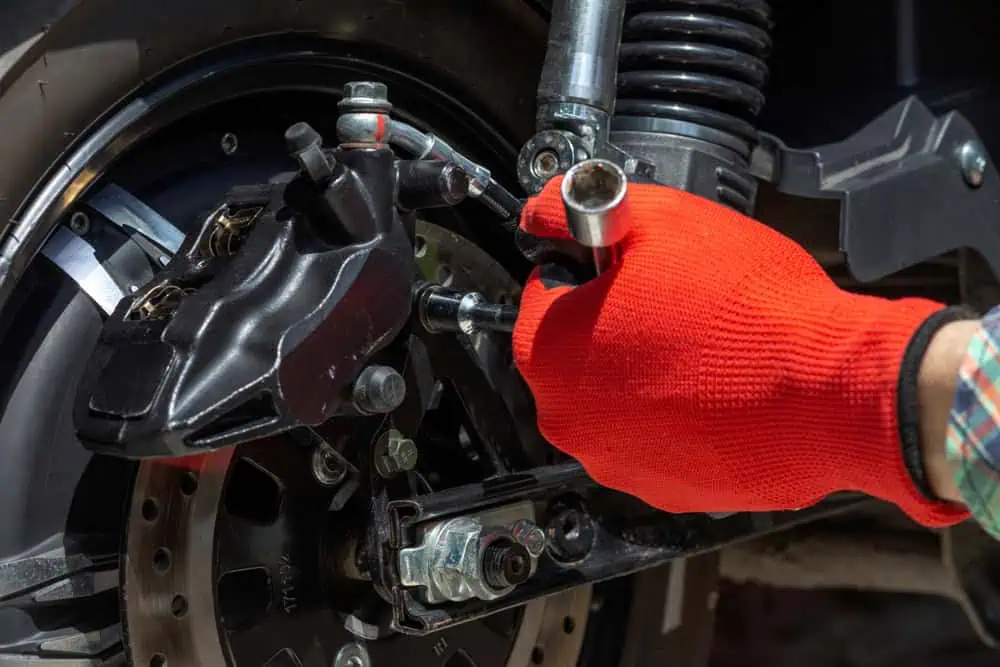
Chain wear follows predictable patterns. Measure chain stretch at regular intervals and you can see exactly when it’s approaching the replacement point, rather than discovering it’s too worn when you’re planning a long ride. Tire pressure monitoring isn’t just about avoiding flats—consistent pressure readings help identify slow leaks, valve issues, or temperature-related changes that affect handling.
The real power comes from combining multiple data points. We don’t just look at one symptom. We consider how your bike’s systems interact. Higher-than-normal engine temperatures might relate to coolant condition, airflow issues, or how hard you’re riding in Atlanta traffic. Predictive maintenance connects those dots.
This approach doesn’t require expensive technology in every case. Sometimes it’s as straightforward as keeping detailed service records and comparing current measurements to historical baselines. A mechanic who knows your bike’s history can spot trends that would be invisible during a one-time inspection.
Why Traditional Maintenance Schedules Fall Short
Manufacturer maintenance schedules serve a purpose—they provide a baseline that works reasonably well for average riders in average conditions. But you’re probably not average, and Cobb County, GA riding conditions definitely aren’t.
If you commute daily through stop-and-go traffic, your clutch and brakes work harder than someone who takes weekend rides on open highways. If you store your bike outside, your electrical system faces more moisture exposure than a garage-kept machine. If you prefer spirited riding through North Georgia’s mountain roads, your tires and suspension see different stresses than a cruiser used for relaxed touring.
Traditional schedules can’t account for these variables. They might have you changing parts that still have plenty of life left, or worse, they might not catch developing problems until after they’ve caused damage. A chain that’s “due” for replacement at 15,000 miles might actually need attention at 12,000 if you ride in wet conditions frequently, or it might be fine at 18,000 if you’re meticulous about cleaning and lubrication.
The same logic applies to more complex systems. Your brake service needs depend on how you brake, not just how many miles you’ve ridden. Aggressive braking generates more heat, which degrades brake fluid faster and wears pads unevenly. Gentle braking in light traffic might mean your brakes last significantly longer than the manual suggests.
Engine repair needs follow similar patterns. Two identical motorcycles with identical mileage can have vastly different internal wear depending on maintenance history, riding style, and operating conditions. One might need valve adjustments right on schedule, while the other runs perfectly for thousands of additional miles.
Electrical systems present another challenge for schedule-based maintenance. Connections corrode based on exposure to moisture and temperature cycling, not mileage. A bike ridden year-round in humid Georgia weather needs more frequent electrical system inspection than one used only in dry summer months. Yet most maintenance schedules treat these factors identically.
Predictive maintenance addresses these shortcomings by focusing on actual condition rather than assumed timelines. It’s not about ignoring manufacturer recommendations—those provide valuable starting points. It’s about refining those recommendations based on how your specific motorcycle is actually performing in real-world conditions.
This matters particularly for riders who depend on their motorcycles for daily transportation. Missing work because your bike broke down unexpectedly costs more than the repair itself. Predictive maintenance helps ensure your motorcycle is reliable when you need it, not just serviced when the calendar says so.
The Safety Benefits of Predictive Motorcycle Maintenance
Motorcycle safety starts with mechanical reliability. You can wear the best gear, take advanced riding courses, and practice defensive riding techniques, but none of that matters if your brakes fail or your throttle sticks at the wrong moment.
Predictive maintenance improves safety by catching mechanical issues before they create hazardous situations. A brake pad that’s wearing unevenly might not fail completely, but it reduces your stopping power when you need it most. Predictive inspection identifies that uneven wear early, before it compromises your ability to stop safely in Cobb County traffic.
The same principle applies across your motorcycle’s systems. Electrical problems that might seem minor—a headlight that flickers occasionally, turn signals that work intermittently—can make you less visible to other drivers. Predictive diagnostics identify the root cause of these electrical issues before they leave you invisible in Atlanta’s evening rush hour.
Catching Problems Before They Cause Accidents
Mechanical failures rarely happen without warning. Your motorcycle communicates developing problems through changes in how it performs, sounds, and handles. Predictive maintenance trains you and your motorcycle mechanic to recognize those communications.
Tire failure is one of the most dangerous mechanical issues a rider can face. Tires don’t usually blow out randomly—they fail because of underlying conditions like incorrect pressure, uneven wear, or internal damage from road hazards. Regular pressure monitoring and tread inspection catch these issues. More importantly, tracking how quickly your tires lose pressure or wear down reveals patterns that indicate problems with your suspension, alignment, or riding habits.
Brake system failures follow similar patterns. Modern brake systems are reliable, but they depend on properly functioning components working together. Brake fluid that’s absorbed too much moisture boils at lower temperatures, creating vapor bubbles that make your brakes feel spongy. Predictive maintenance includes brake fluid testing that identifies contamination before it affects performance. Similarly, brake pad sensors and regular inspections catch wear before you’re left with metal-on-metal contact.
Engine problems often announce themselves through changes in how your bike runs. Misfiring, rough idle, or reduced power can indicate anything from spark plug wear to fuel system issues to valve adjustment needs. Predictive diagnostics help isolate the actual cause rather than replacing parts based on guesswork. This is where the expertise of an experienced motorcycle mechanic becomes invaluable—we know how to interpret symptoms and test systematically to find root causes.
Steering and suspension issues affect your ability to control your motorcycle. Worn steering head bearings create a notchy feeling when you turn the handlebars. Degraded fork seals leak oil that reduces damping performance. Rear shock wear changes how your bike handles bumps and corners. None of these failures happen instantly—they develop gradually. Predictive maintenance catches them while they’re still manageable.
Chain and drive system problems can be catastrophic. A chain that breaks at highway speed can lock your rear wheel or damage your engine cases. But chains don’t break without warning—they stretch, develop tight spots, and show visible wear before failure. Regular measurement and inspection provide plenty of notice. The same applies to belt drives and shaft drives, each with their own wear patterns and predictive indicators.
For riders in Cobb County, GA, where traffic density means less room for error, these predictive approaches to motorcycle maintenance aren’t just about avoiding inconvenience. They’re about ensuring your motorcycle performs reliably in situations where mechanical failure could lead to serious accidents. When you’re sharing the road with distracted drivers and heavy traffic, mechanical reliability becomes a crucial safety factor.
How Predictive Maintenance Extends Your Motorcycle's Life
Motorcycles are investments. Whether you’re riding a vintage classic or a modern sport bike, you want it to last. Predictive maintenance extends your motorcycle’s life by addressing small problems before they cascade into major damage.
Consider engine wear. Internal engine components operate in harsh conditions—high temperatures, extreme pressures, and constant friction. Proper lubrication protects these components, but oil breaks down over time. Change it too late and you accelerate wear. Change it too early and you waste money. Oil analysis tells you exactly when your oil has degraded to the point where it needs replacement, maximizing protection while minimizing unnecessary service.
The same logic applies to cooling systems. Coolant doesn’t just prevent overheating—it protects against corrosion inside your engine. Old coolant loses its anti-corrosion properties, allowing internal rust and scale buildup that restricts coolant flow and damages water pump seals. Testing coolant condition predicts when it needs replacement based on actual chemical breakdown, not arbitrary mileage intervals.
Electrical systems benefit enormously from predictive maintenance. Connections that are starting to corrode create resistance, which generates heat, which accelerates corrosion. Catch this early with regular inspection and you clean or replace a few connectors. Miss it and you might be tracing electrical gremlins through your entire wiring harness or replacing expensive components damaged by voltage irregularities.
Transmission and clutch life depends heavily on maintenance timing. Clutch plates wear gradually, but the rate varies based on your riding style. Someone who rides smoothly and shifts carefully gets far more life from their clutch than someone who dumps the clutch at high RPM. Predictive maintenance measures clutch wear and adjusts service intervals accordingly. This prevents the kind of damage that happens when worn clutch plates shed material that contaminates your transmission oil and scores your clutch basket.
Suspension components have finite lifespans, but those lifespans vary dramatically based on riding conditions and maintenance. Fork seals that are kept clean last far longer than those exposed to road grime. Rear shocks that are serviced regularly maintain their damping characteristics. Predictive maintenance includes inspection intervals that catch seal wear before it allows dirt into your fork internals or lets all your damping oil leak out.
For Cobb County, GA riders who depend on their motorcycles, longevity matters. A well-maintained motorcycle that lasts 100,000 miles costs far less per mile than one that needs major repairs at 30,000 miles due to neglected maintenance. Predictive maintenance maximizes the return on your motorcycle investment by ensuring each component reaches its full service life without causing damage to other systems.
This approach works particularly well for vintage motorcycles and custom builds. These bikes often lack the standardized maintenance schedules that modern motorcycles follow. Predictive maintenance provides a framework for keeping older or custom bikes reliable based on their actual condition rather than guessing when service is needed. That’s one reason why we specialize in everything from vintage restorations to modern sport bikes and find predictive approaches so valuable.
Making Predictive Maintenance Work for Your Motorcycle
Predictive motorcycle maintenance isn’t about replacing your relationship with a trusted motorcycle mechanic. It’s about giving us better information to keep your bike running safely and reliably. The approach combines traditional expertise with data-driven decision making to catch problems early, avoid unnecessary service, and ensure your motorcycle is ready when you need it.
For riders in Cobb County, GA, this matters. Traffic conditions, weather exposure, and the way you actually use your motorcycle all affect what it needs and when. Predictive maintenance accounts for these real-world factors instead of following generic schedules that might not match your situation.
The key is finding a motorcycle mechanic who understands both traditional repair skills and modern predictive approaches. Someone who can diagnose an electrical problem, rebuild a carburetor, and interpret what your bike’s condition is telling them about future needs. That combination of skills ensures you get service that’s based on what your motorcycle actually requires, not just what the manual suggests.
At Diaz Motorcycles and Service, LLC, we offer the technical knowledge and customer-focused approach that makes predictive maintenance work. We understand that every bike and every rider is different, and we take the time to provide service that matches your specific needs.