Enclosed Transport Sandy Springs Riders Compared, Straight Up
Open trailer or a closed box? Here is the honest call, plus the one situation where the other choice wins.
Picture the ride you already know. On the other hand you roll the bike out, warm it up along Riverside Drive, then drop into the crawl where GA-400 folds into I-285. So Georgia does not allow lane splitting, so you sit in that heat like everyone else, soaking up old pavement seams and stop-and-go. Still, that daily grind is exactly why so many people start asking about enclosed transport Sandy Springs owners can actually trust when the bike finally needs a shop. Plus, Sometimes the smartest move is not riding it in at all.
Meanwhile, Sandy Springs is a strange spot for a rider. Of course, it is an independent city with good bikes in the garages and almost nowhere close to service them. You are already driving somewhere for work, so the question is not whether the bike leaves town. The question is how it gets there safely, and who is doing the loading. That is where the open-versus-closed debate starts, and we are going to settle it for you in plain words.
Enclosed Or Open? Start With The Honest Answer
For most bikes making a short hop, an open trailer is the right call, and I will tell you why without dressing it up. An open trailer straps your bike down on a single rail, out in the fresh air, the same proven setup you see towing bikes to any track day. It loads fast, it hauls clean, and for a run across town it does everything you need. An open rig is honest, simple, and hard to beat on a dry morning.
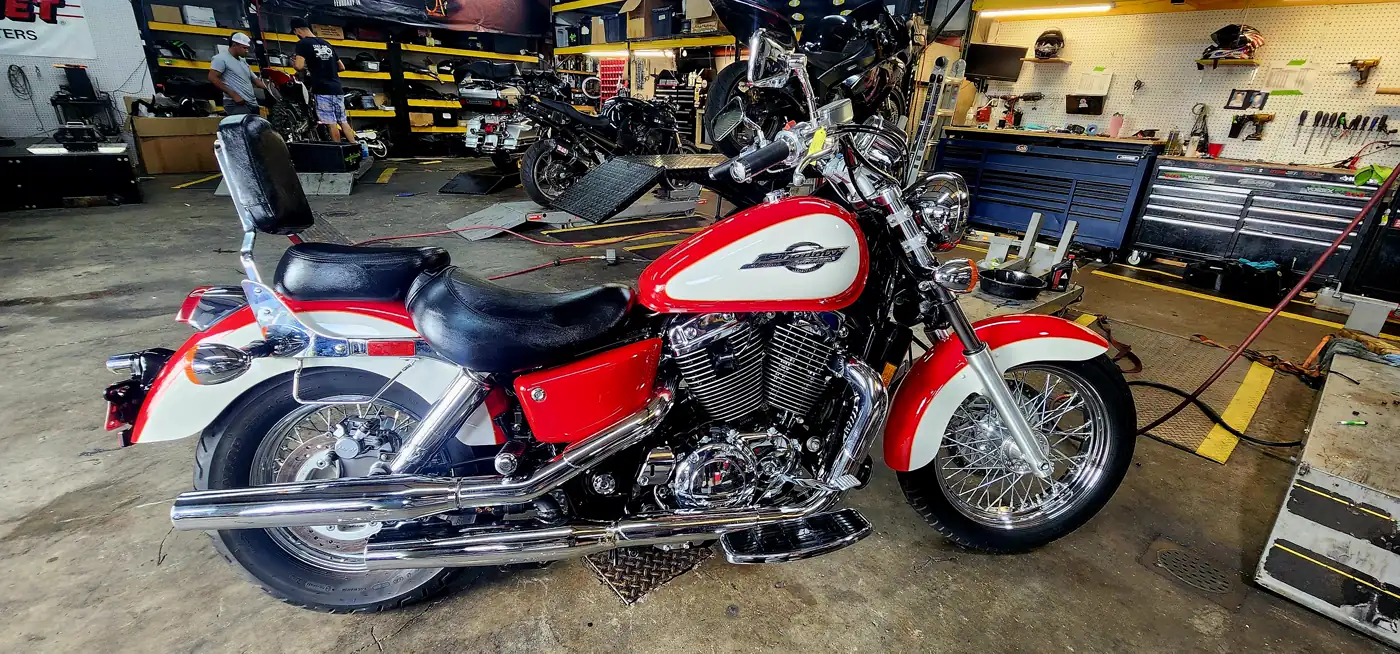
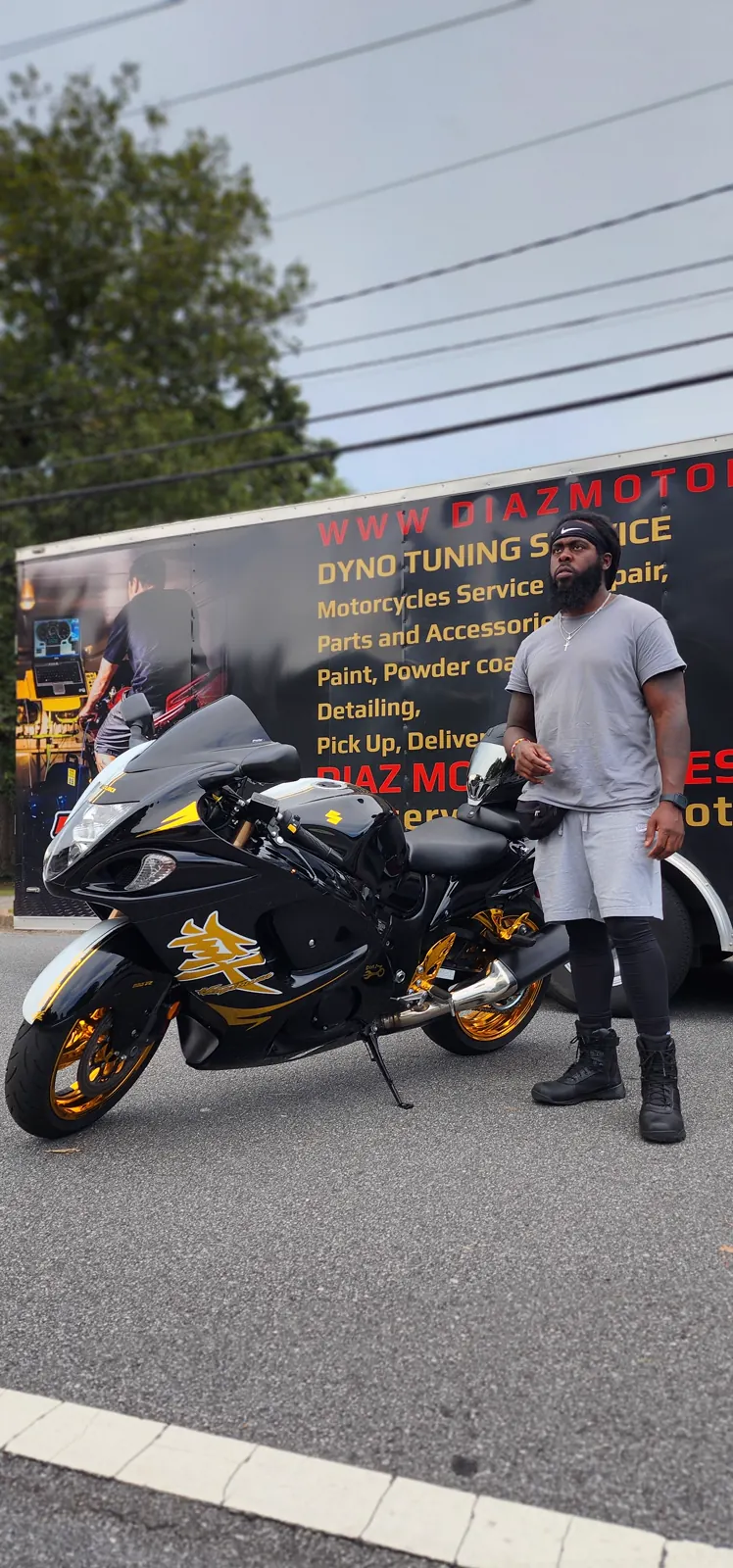
So when does the closed box win? Enclosed transport earns its keep when the bike is rare, freshly painted, or simply too special to gamble on a surprise rainstorm. A show bike with new chrome, a collector cruiser, a fresh restoration that still smells like the paint booth — those ride inside, sealed off from weather, road grit, and curious eyes at every red light. A weekday commuter or a rough project bike? Open trailer, every time. Both are safe when they are loaded right. The only thing that changes is what is riding on top.
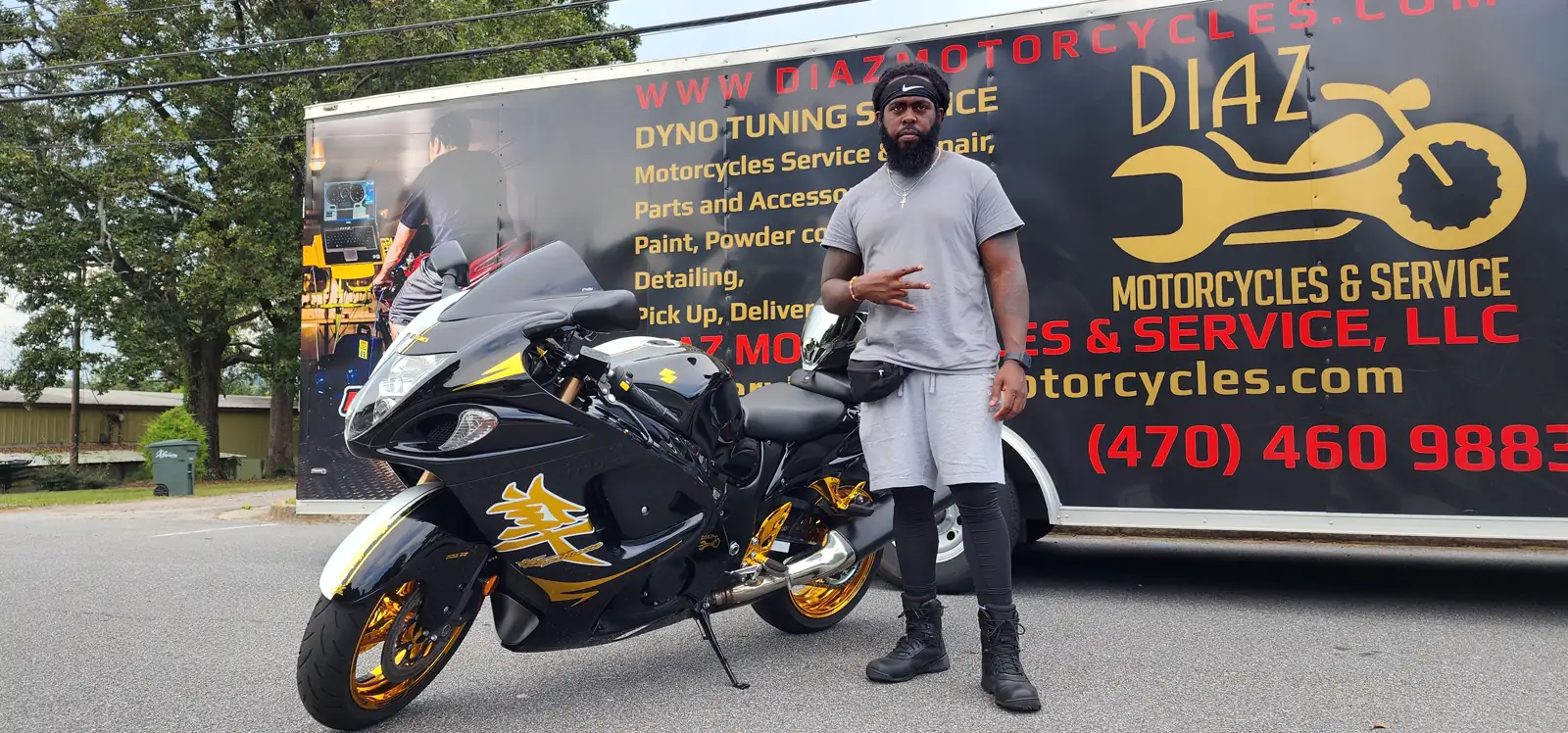
Here is the short version you can act on today. If your bike is a rider you will get dirty again next weekend, book the open trailer and save the fuss. If your bike is the one you would be sick to see scratched, book the enclosed run and sleep easy. Most people already know which group they are in the second they read that. The bike tells you.
What Actually Drives The Decision
Three things move the needle, and none of them are magic. First is value, both the dollar kind and the kind money cannot touch, like a bike you inherited or built by hand. Second is finish. A bike with delicate paint, polished cases, or new powder-coat has more to lose from a stray pebble than a machine that already wears its miles proudly. Third is timing. If rain is in the forecast and the paint is fresh, a closed trailer turns a risky day into a boring one, which is exactly what you want from transport.
Distance matters less than folks expect around here. Our shop sits only 8 to 11 miles away, usually 18 to 28 minutes via Johnson Ferry Road, west across the Chattahoochee into East Cobb, with no I-285 required at all. On a hop that short, the open trailer is plenty for a healthy commuter. The closed box is not about the miles. It is about protecting something you cannot easily replace, no matter how long the drive runs.
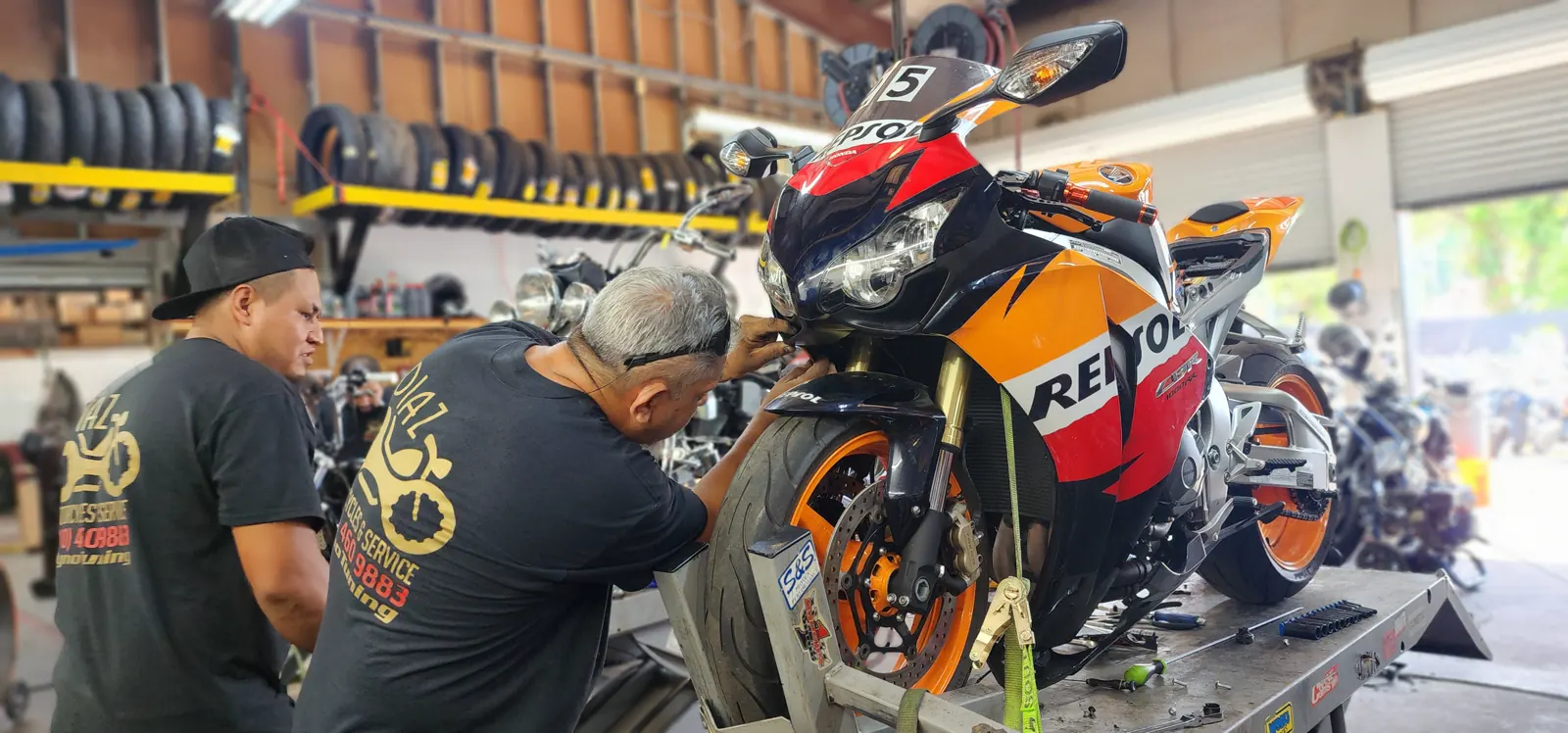
That is the common version. The real story is a little different. Most people think this choice is only about the trailer, but the trailer is the easy part. What truly protects your bike is the tie-down work, the padding, and the paperwork that goes with it. A perfect enclosed trailer with sloppy straps will hurt a bike faster than a careful open rig ever will. So before you obsess over the box, look hard at the hands doing the loading. That is what separates a good shop from a guy with a ramp.
What We Check Before The Bike Ever Moves
Loading a motorcycle is not brute force. It is patience. A bike gets rolled up the ramp slow, centered on the rail, and locked with a front wheel chock so it cannot wander. Then come the soft straps over the handlebars or the triple clamp, pulled down evenly on both sides so the fork compresses a touch and stays put. We add bar harnesses to spread the load, protect the grips, and keep hard hooks off your paint. Loaded right, the bike sits like it is parked in your own garage.
Documentation is the quiet hero of this whole thing. Before the wheels turn, we walk the bike with you and note every existing scuff, chip, and scratch, often with photos. That record protects you and it protects us, because now there is no argument later about what was already there. Good paperwork turns a favor into a real service. It is the same care you would expect at drop-off, and it is a big part of what you get when you bring it in.
- A front wheel chock so the bike stands on its own before straps go on
- Soft ties over the bars or triple clamp, snugged evenly left and right
- Bar harnesses to spread the pull and keep metal hooks off your finish
- A written and photographed walk-around noting every mark before loading
- Even weight on the trailer so nothing shifts on a turn or a bump
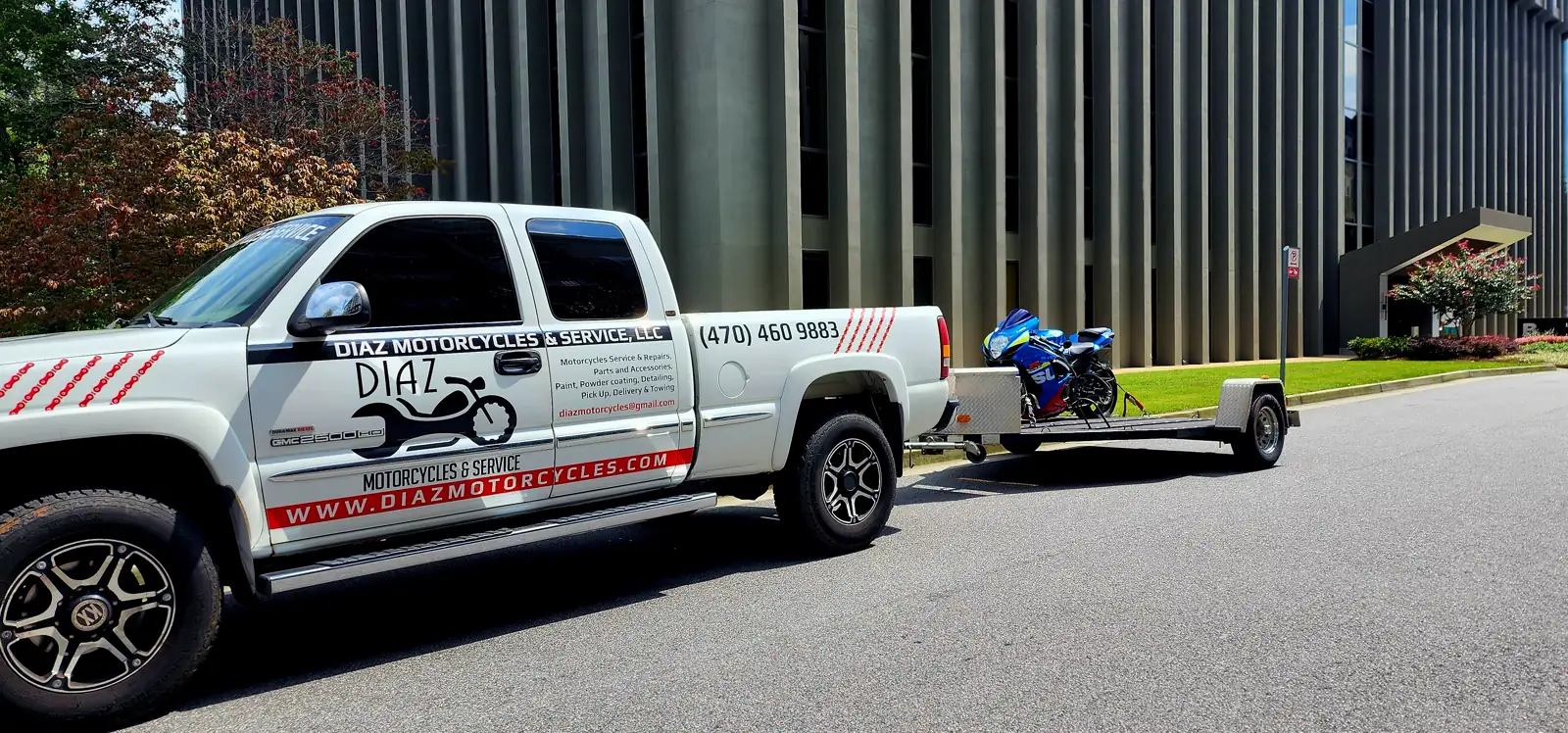
Weather is the last check, and it is the one people forget. On a clear day, an open trailer and a well-strapped bike will arrive spotless. Add a pop-up storm off the river corridor, though, and suddenly bugs, tar, and rain spots are riding along for free. None of that hurts a tough commuter. On a show finish, it is the difference between a proud delivery and a wash-and-detail you did not plan for. When the sky looks moody and the bike is precious, the closed box quietly earns its spot.
The Mistakes That Cost People
The first mistake is riding a hurt bike in to save a tow. A soft tire, a weak battery, tired brakes, or a slick from a leak turns a simple trip into a bad idea, especially through the seams and utility patches on Roswell Road and Hammond Drive. If the bike is not right, do not test it in traffic. Let it ride on the trailer and roll off the ramp healthy on the other end. That is the calm move, and it is free to book.
The second mistake is chasing the cheapest hauler with no paperwork and no plan. A rock-bottom quote from someone who will not walk the bike with you, will not note the existing marks, and will not tell you how they strap it is not a bargain. It is a bet. You are trusting a stranger with a machine you love and nothing in writing to show for it. Skip that stress. The right question is never who is cheapest. It is who documents the job and loads it like it is their own.
The third mistake is picking the box for the wrong reason. Some folks want enclosed because it sounds fancier, then feel silly hauling a beat-up commuter inside a sealed trailer on a dry day. Others cheap out on open for a museum-grade restoration and lose sleep watching the radar. Match the trailer to the bike, not to your mood. If you want to compare how the same call plays out one town over, our friends covered the Newnan side of things in plain language too.
Why This Choice Hits Different In Sandy Springs
This city has a housing quirk that changes everything. A huge share of riders here rent, and the mayor points to well over half the housing stock being rental across dozens of apartment complexes. That means carports, surface lots, condo decks, and street parking, with no outlet for a battery tender and full sun beating on the plastics. Bikes stored like that come spring with dead batteries, stale fuel, and covers that trapped moisture all winter. When your bike will not start and there is no garage to work in, the enclosed transport Sandy Springs riders count on stops being a luxury and becomes the whole point.
Sandy Springs also splits into distinct rider pockets, and each one leans a certain way. Down in Riverside near the river and the charter schools, and over in established streets like Cameron Glen, you get commuters on mid-size bikes and families who ride for fun. Up in premium enclaves like Winterthur, you find garage-kept baggers, Gold Wings, and European touring bikes that owners baby. That premium crowd is the classic enclosed customer, while the daily commuters are perfectly happy on the open rig. The neighborhood does not decide for you, but it hints at the answer.
There is no real motorcycle shop inside the city limits, so your other close option is a franchise floor. Killer Creek Harley-Davidson sits maybe 8 to 12 miles north up GA-400 in Roswell, but that is dealership pricing and it is brand-locked, which does not help a Ducati, a KTM, or a garage full of old Triumphs. We take the bikes nobody local will touch, and we come get them. If you want the full picture on dealer floor versus independent, we broke down exactly how we handle that job.
One rider off Riverside Drive put it better than we could. He told us he loved the pleasant in-town warm-up loop along Riverside Drive and Powers Ferry Road, but the moment his bike coughed, he had nowhere to turn and no garage to wrench in. Once he learned the truck would just show up and haul it, he said the stress simply lifted. That is the feeling we are after. You should not have to babysit a sick bike through traffic near the Mercedes-Benz USA headquarters at Abernathy Road just to get it looked at.
What You Get At The Other End
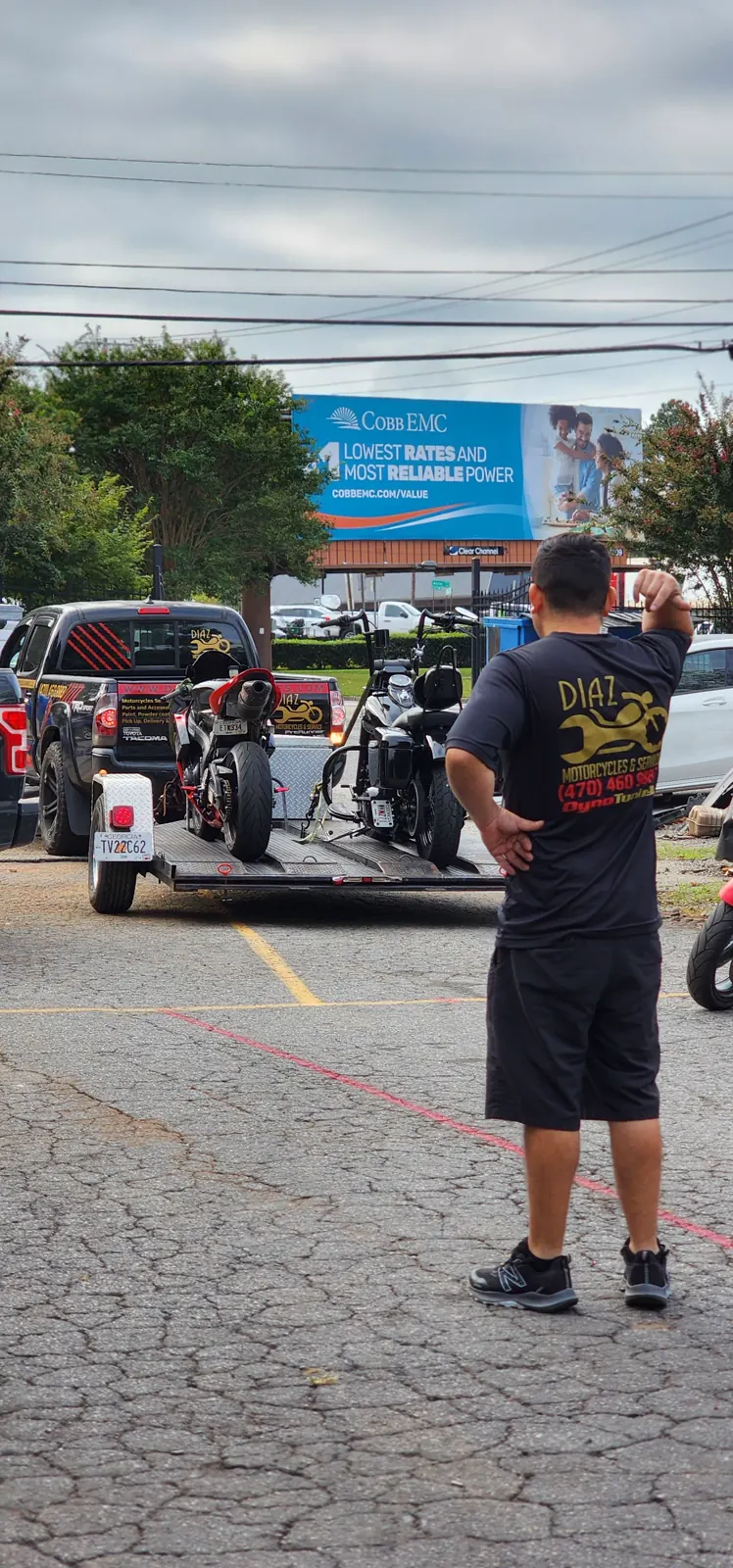
The whole reason pickup and delivery is the product here, not a nicety, is control. You book it, the truck comes to your driveway or your office deck, and the bike is loaded, logged, and gone without you ever fighting the crawl at rush hour. No begging a friend with a trailer. No white-knuckle ride on a bike you are not sure about. You go about your day, and your bike shows up where it needs to be, safe and documented.
When the work is done, it comes back the same careful way. That closes the loop. You dropped off nothing, you drove nothing, and you still get your bike back running right. For riders juggling long commutes past Roswell Road Restaurant Row and jobs that eat the daylight, that convenience is not small. It is the difference between putting off a repair for months and just handling it. Riding should feel good, and a shop that comes to you keeps it that way.
Whichever trailer you pick, do the fun part too, and keep your skills sharp with a session of MSF rider courses before the good weather hits. And if you own a Harley and like to know the details, the factory keeps public Harley-Davidson service information that pairs nicely with real hands-on work. Between smart transport and smart riding, you stay in the driver’s seat on your own bike, on your own schedule.
Match the trailer to the bike, not to your mood. The bike always tells you which one it is.
THE QUICK CALL
Everyday rider you will get dirty again? Open trailer. Show bike, fresh paint, or a bike you inherited? Enclosed. Either way, we come get it and we write down every mark before it moves.
Questions Sandy Springs riders ask us
Which one do you actually recommend?
For most bikes making a short run, we recommend the open trailer, because it loads fast and arrives clean on a dry day. We only push you toward enclosed transport when the bike is rare, freshly painted, or too special to gamble on weather. The bike itself usually makes the call clear.
Does the kind of bike I own change the answer?
Yes, a lot. A daily commuter or a rough project bike is happy on an open rail. A collector cruiser, a show bike with new chrome, or a fresh restoration belongs inside the closed box. Same careful straps either way, just different odds of a stray pebble finding your paint.
Is upgrading to the enclosed run really worth it?
It is worth it when you would lose sleep over a scratch, and it is overkill when you would not. Enclosed transport shields the bike from rain, road grit, and prying eyes on a delicate finish. On a tough everyday rider, that protection is nice but not necessary, so save it for the bike that earns it.
I still cannot decide, so which should I pick?
Ask yourself one thing: would you be sick if this bike came back with a small mark? If yes, book enclosed. If you would just wipe it off and ride, book open. That single question sorts almost every bike we haul, and there is no wrong answer for the right bike.
What is the real difference besides the walls?
The walls matter, but the tie-down work matters more. Both trailers use a wheel chock and soft, even straps, and both get a written, photographed walk-around before loading. The closed box just adds weather protection and privacy on top of that same careful loading, which is why loading skill beats trailer type every time.
Can you come get a bike that will not start?
Absolutely, and that is a big reason pickup exists here. A dead battery, a leak, or a soft tire is no reason to risk riding through traffic. We roll it onto the trailer, log its condition, and bring it in healthy. You never have to test a hurt bike in the crawl to get it fixed.
We roll out from Marietta and come straight to you across the north metro, so distance is our problem, not yours. Beyond Sandy Springs, we pick up and deliver in Roswell, Dunwoody, Atlanta, Buckhead, and East Cobb, plus Vinings, Brookhaven, and Alpharetta. Riders in Chamblee, Smyrna, and Doraville lean on the same door-to-door service. If your bike is parked anywhere in this stretch and needs a shop, the truck comes to the driveway, the office deck, or the condo lot, and your bike rides in safe.
WE COME GET IT
Stop babysitting a sick bike through Sandy Springs traffic just to reach a shop. Text us about your bike, tell us open or enclosed, and we will bring the truck to your driveway or your office deck and haul it in safe, logged, and ready for the work. No garage needed, no ramp of your own, no rush-hour crawl. You stay in control the whole way.
470-460-9883Diaz Motorcycles and Service, LLC · 847 Barnes Mill Road, Marietta, GA 30062