Best Motorcycle Transport Atlanta — What to Look For
How to judge a shop by the way it handles the one thing you can't ride to them.
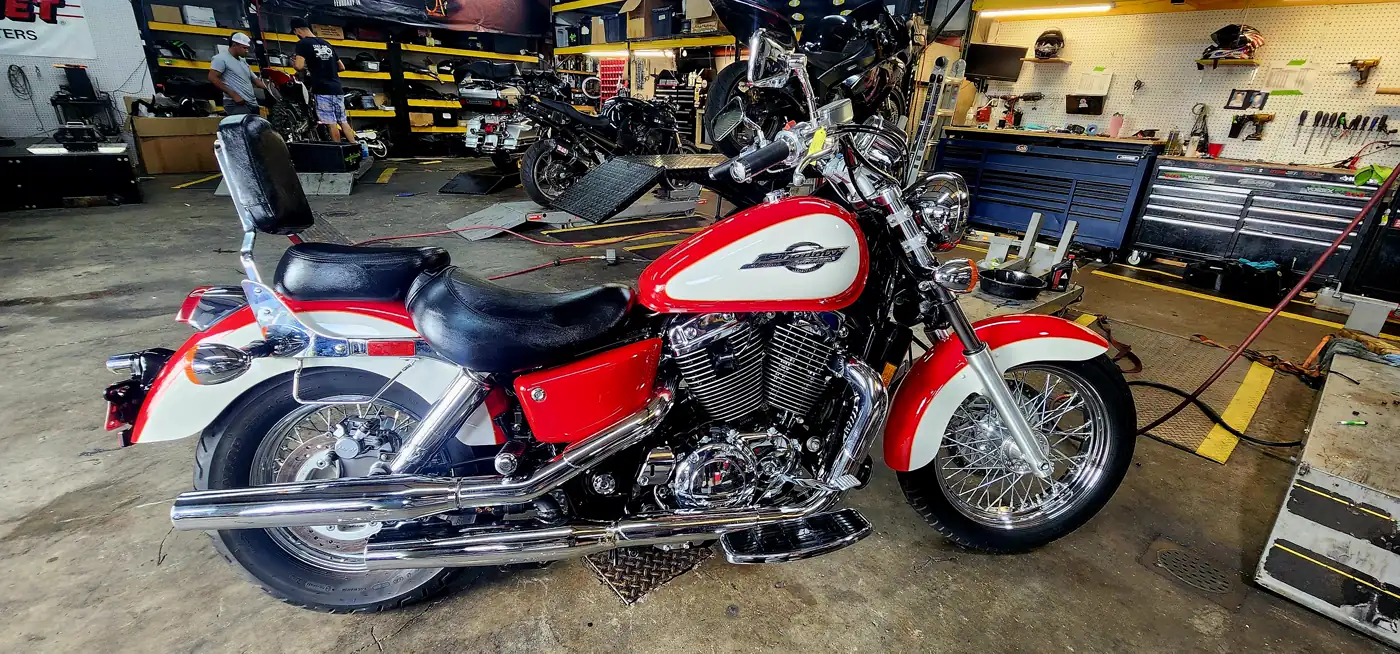
It started with one text. A photo of a bike in a dark garage, a thumb over half the frame, and four words: can you come get it. That’s how most of these begin. Not a phone call. Not a form. Just one small message from someone who’s stuck. So if you’re weighing your options for the best motorcycle transport Atlanta has within reach, that tiny moment is the thing to watch, because the way a shop answers a four-word text tells you almost everything you need to know about the whole job.
The short answer, up front
You want a shop that treats your bike like it’s their own. That’s it. The biggest truck doesn’t matter. The shiniest trailer doesn’t matter. What matters is whether the person tying it down knows where a fork tube can bend, why you never strap to a handlebar, and how to keep a soft tank from getting scratched by a ratchet hook. Transport is a small, quiet skill. But when it goes wrong, it goes wrong in a way you can see from across the room.
Here’s the honest part. We’re in Marietta, and you’re in the city. That’s a real drive, and we’re not going to pretend it isn’t. But coming to get your bike is the whole pitch. You don’t ride to us — we roll to you. A bike that won’t start, a bike bought two states away, a bike you inherited and have never sat on: all of it moves the same way, on a trailer, with straps and a chock and a clipboard. If you want the full list of what we do, it’s all there. This post is about how to size up any shop, ours included.
What actually drives the work
Good transport is mostly patience. A rushed load is a bad load. The person doing it has to walk around the bike first, find the strap points that won’t flex, and think about how the whole thing will shift when the trailer hits a seam on the highway. Because it will shift. Every bump is a little tug on those straps, and over an hour of driving those little tugs add up. A shop that gets this loads slow and drives slower. In fact, a shop that doesn’t treats your bike like a lawnmower.
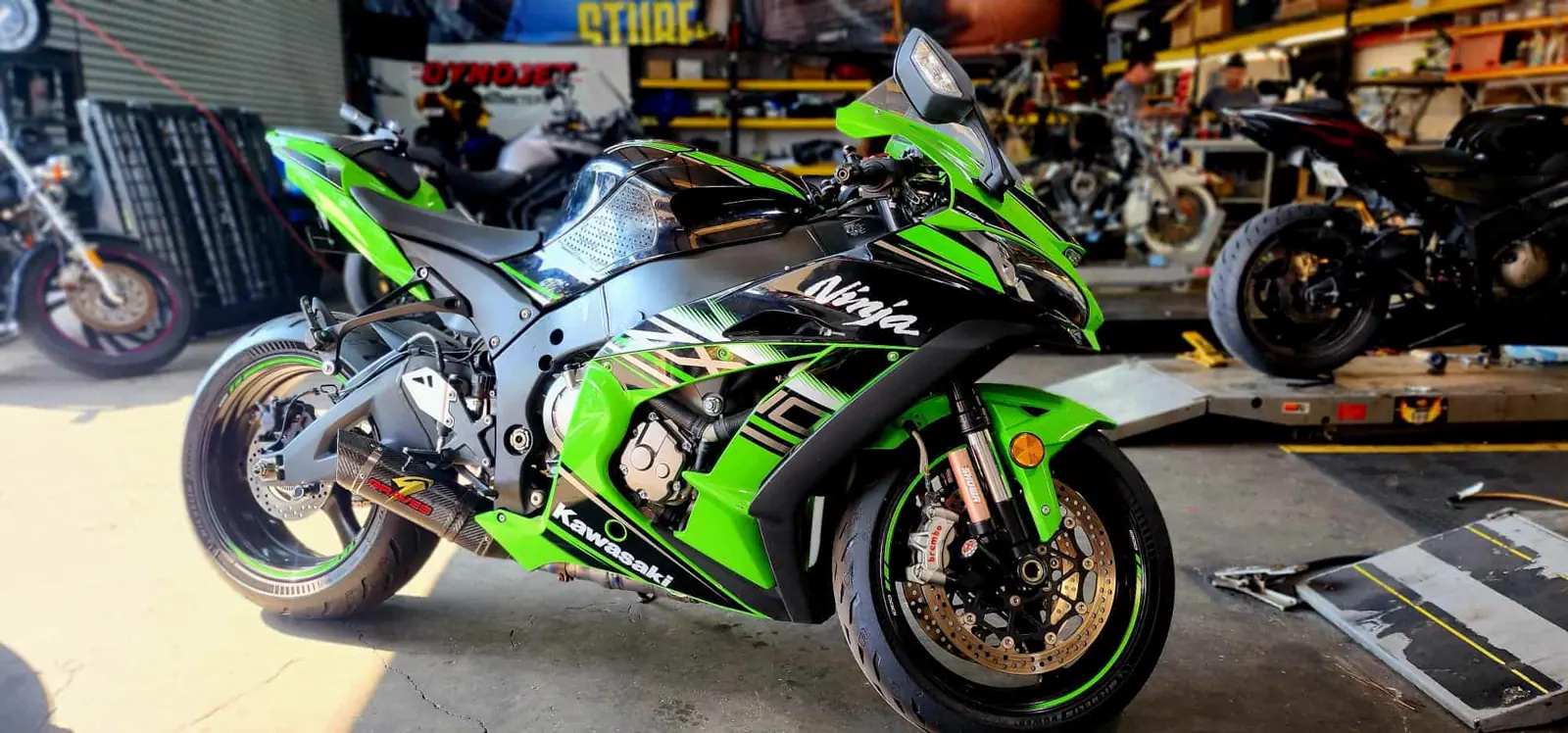
Why does this drive us and not just the paycheck? Because a bike is rarely just a machine to the person who owns it. Half the calls we get are bikes that mean something. A first sportbike. For example, a cruiser a dad left behind. A project that’s been sitting for a year. When you carry that kind of thing, you carry the story with it, and you don’t want to be the reason a good story ends with a scuffed tank. That’s the mindset you’re shopping for, and you can hear it in the first two minutes of a conversation.
There’s also the plain reliability side. A lot of transport calls start because a bike quit somewhere and won’t move on its own. If you want to know what usually causes it, it’s the same short list every time — a dead battery, old fuel, a clutch that gave up. None of it is the end of the world. But it does mean the bike has to travel flat, and that’s where a careful loader earns their keep.
Now, the part nobody mentions until you're already paying for it
Open versus enclosed. Most local runs go on an open trailer, and for a short hop across town that’s completely fine. Your bike sees a little wind and maybe some dust, nothing it wouldn’t see on a normal ride. Enclosed is for the long hauls and the bikes you don’t want the weather touching — a fresh paint job, a restored classic, a cross-country move. The trap is a shop that quotes you one and quietly delivers the other. So ask. A straight answer here is a green flag, and a dodgy one tells you plenty.
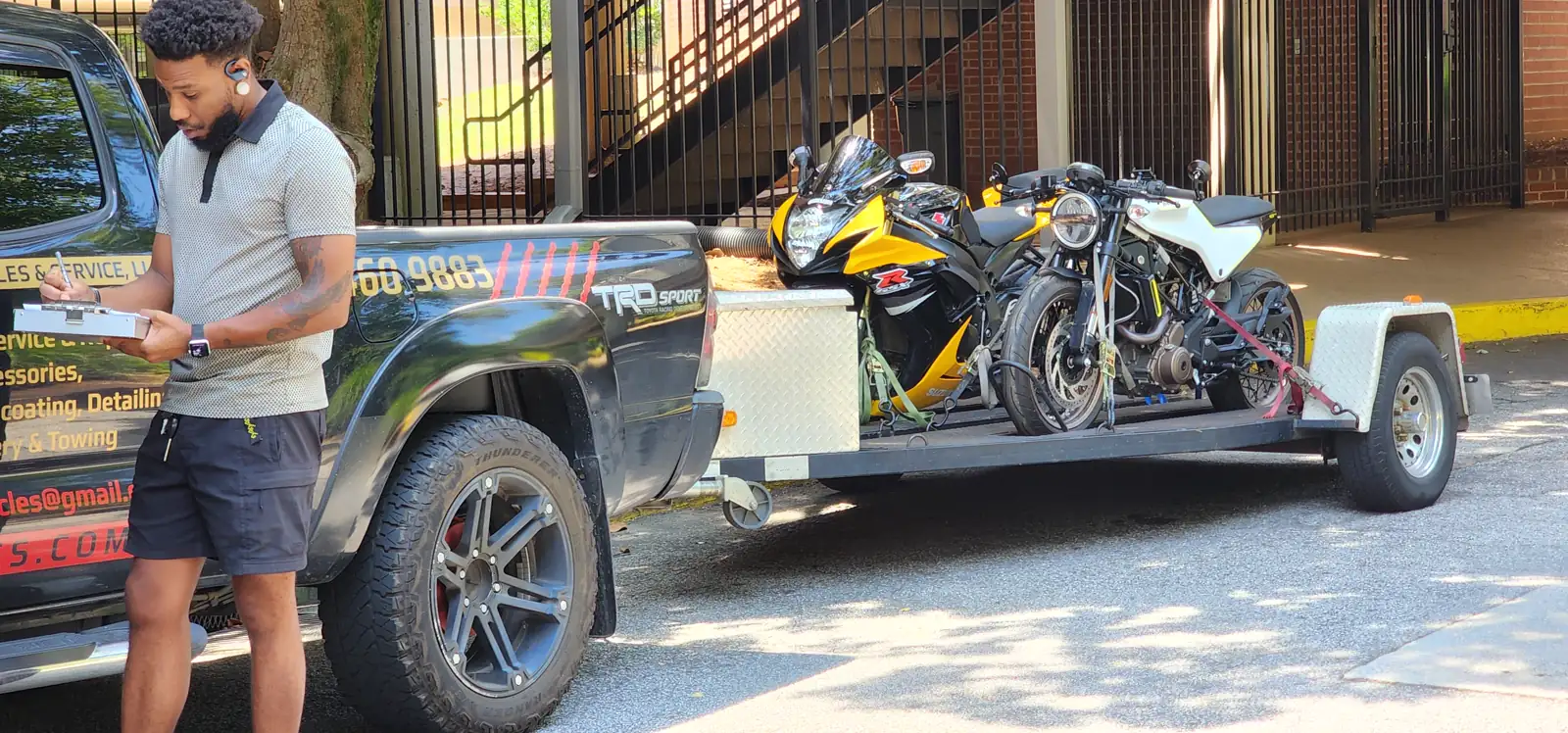
Then there’s the paperwork, which sounds boring right up until you need it. Before your bike moves, someone should walk it with you and note every existing scratch, every scuff, every ding. That written condition report protects you and it protects us. If a bike shows up with a mark nobody wrote down, there’s now a record of what it looked like before. Nine times out of ten you’ll never look at that sheet again. The tenth time, it’s the most important piece of paper in the deal.
What we check before a wheel leaves the ground
Here’s the actual sequence, more or less, so you know what a careful load looks like when you see one. If a shop skips half of these, that’s your answer.
- Walk the bike and write down its condition — every scratch, in ink, before it moves.
- Roll the front wheel into a chock so the bike stands on its own without a person holding it.
- Run soft straps to the lower triple clamp or frame — never the bars, never a plastic panel.
- Compress the front suspension a little so the straps stay tight when the road bounces the bike.
- Add rear straps so the back can’t walk side to side, then re-check every buckle by hand.
- Drive it like there’s a full glass of water on the seat — smooth starts, early braking, gentle lanes.
That last one matters more than people think. Most transport damage doesn’t happen from a big event. It happens from a hundred small ones — a hard stop, a fast lane change, a pothole taken at speed. Smooth driving is free, and it’s the cheapest insurance there is. A good driver treats the trailer like it’s carrying eggs, because in a way it is.
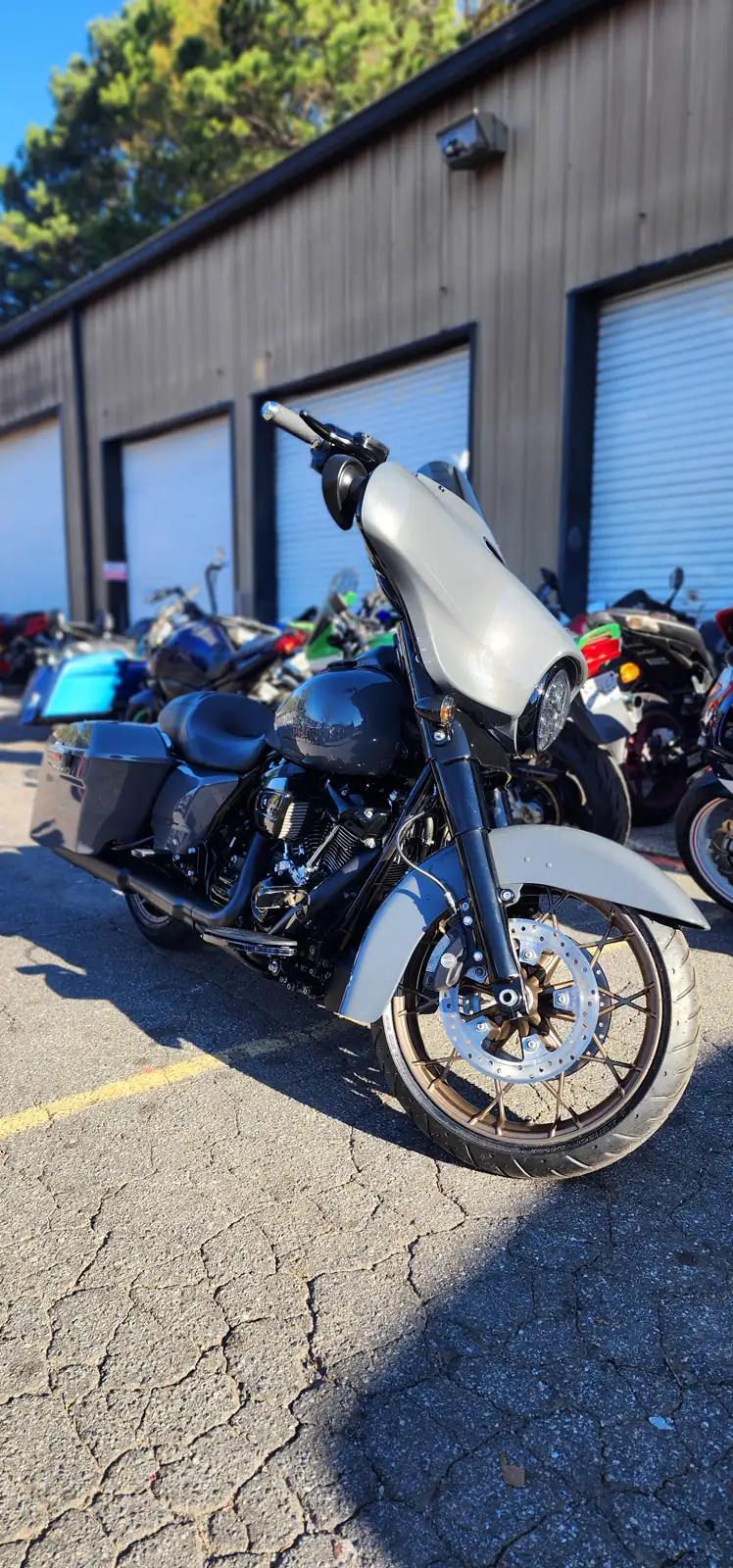
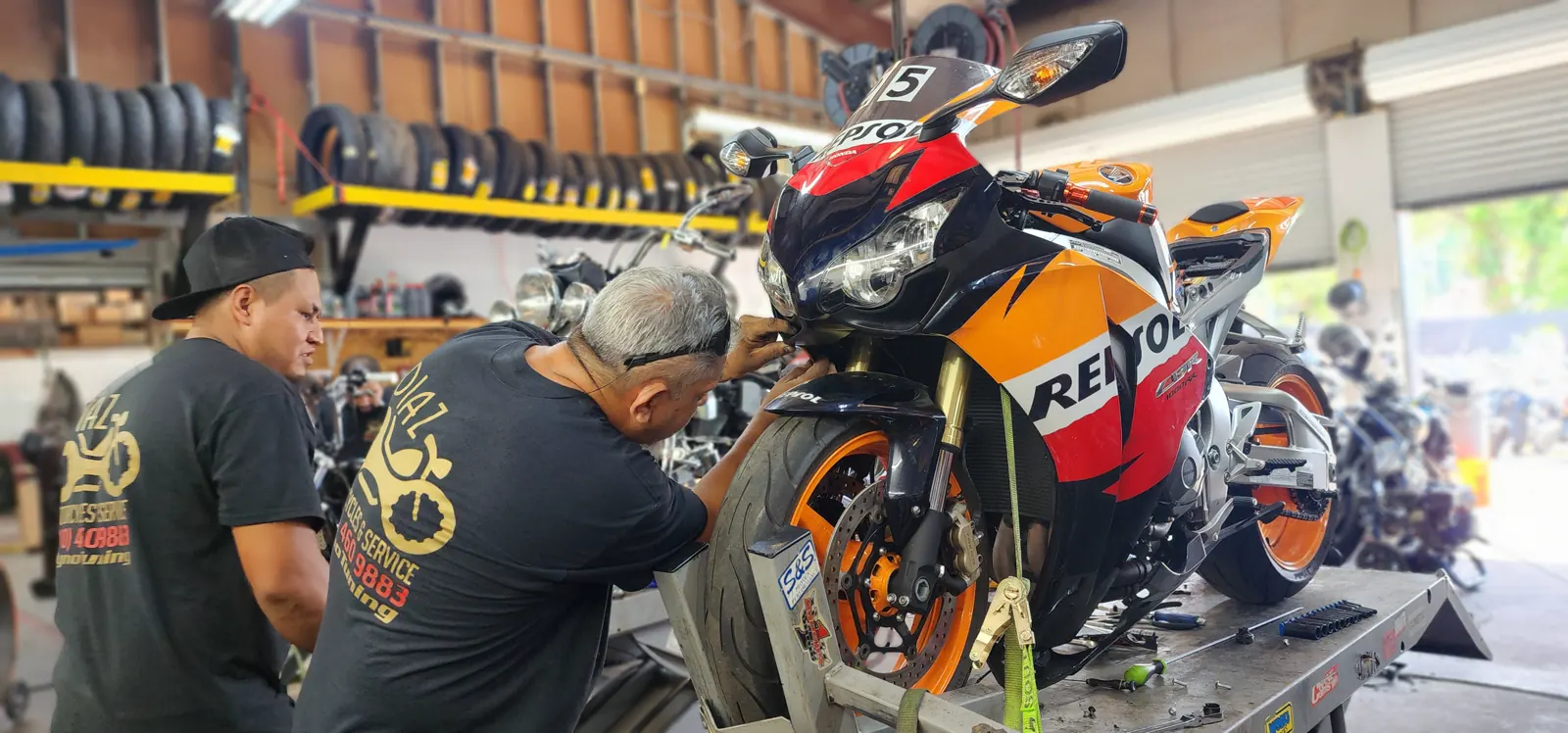
Weight and shape change the whole plan. A long, heavy touring bike loads nothing like a light minibike, and both load differently than a low sportbike with fairings you can’t strap over. This is why you want someone who’s done it a thousand times, not someone renting a trailer for the weekend. Experience here isn’t bragging. It’s just knowing which strap goes where on which bike, and that knowledge only comes from reps.
Mistakes that cost people
The most common one is shopping on price alone. We can’t talk numbers here, and honestly you shouldn’t decide on them anyway. A cheap load that drops your bike is the most expensive load you’ll ever buy. The best motorcycle transport Atlanta has to offer wins on care, not on the lowest number, so look at the whole picture instead — how they answer, what they write down, how they talk about your specific bike. Riders in nearby towns learn this the same way; you can see what Acworth riders run into and it rhymes with the city version almost exactly.
A few more traps worth naming, because they’re the ones we hear about after the fact:
- No condition report. If nobody writes down the bike’s shape before it moves, there’s nothing to compare against later.
- Handlebar straps. Cranking a bike down by the bars can bend them or blow a fork seal, and you won’t see it until you ride.
- One person wrestling a heavy bike up a ramp alone. That’s how bikes tip, and it’s avoidable.
- A vague answer about open versus enclosed. If they won’t tell you which one your bike is riding on, ask twice.
- No text back. In this city, a shop that doesn’t answer messages tells you exactly how the rest will go.
For the bigger questions about how you’re covered on a longer move, groups like the American Motorcyclist Association are a solid neutral read. And when the run touches the interstate, the road conditions themselves are their own factor — Georgia DOT tracks the paving and lane work that decides how smooth a haul actually is. None of this is scary. It just rewards a shop that plans the route instead of winging it.
Why the in-town map matters more than the miles
Distance is the obvious knock on us, so let’s put it in real terms. We’re no farther than most of the alternatives, and for a lot of riders we’re closer. The independent capacity in this market sits mostly out past the perimeter — a shop like Atlanta Motorcycle Works over on Mauldin Drive in Woodstock does real work, sales and service and restoration both, and it’s a fair name to have on your list. But it’s still a haul from the middle of the city. If you’re in Buckhead near the estate streets of Tuxedo Park, or over in the fast-changing new builds of Blandtown along Huff Road, Marietta is often the shorter trip, not the longer one.
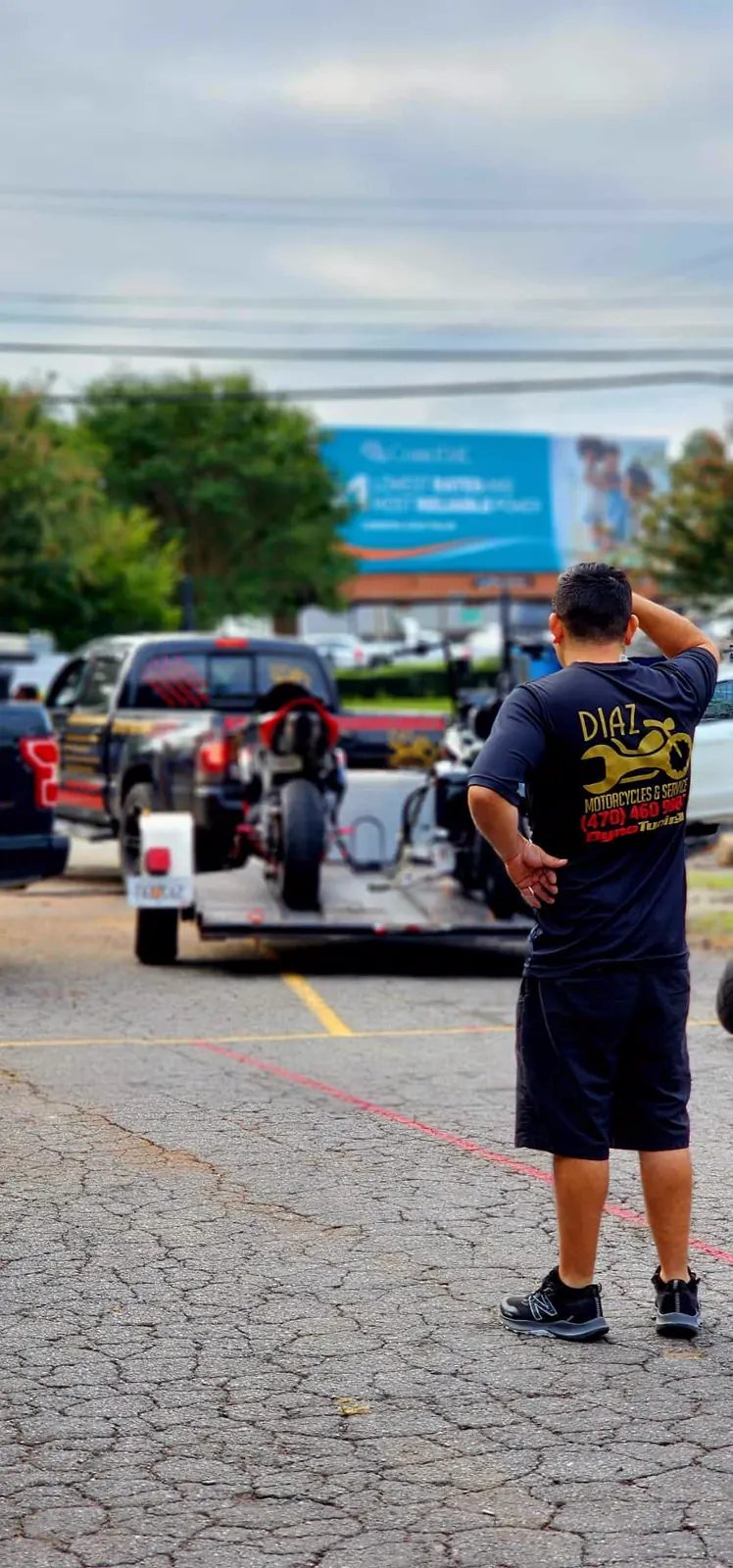
The city rides in clusters, and that shapes the work too. Down in Grant Park, with its Victorian mansions and the BeltLine along one edge, you get a different bike than you see near the High Museum of Art on Peachtree, or over by the Westside Provisions District on Howell Mill. The little supermotos and sportbikes that thrive on Moreland Avenue and the tight east-side grid don’t want to be ridden across town when they’re down — they want to be picked up. Even a road as central as Ponce de Leon Avenue has had milling and resurfacing work lately, which is exactly the kind of surface you don’t want to nurse a limping bike over. That’s the case for pickup in one sentence: the bike doesn’t have to survive the trip to the shop, because the shop comes to it. If you want the plain version of what the work covers, it’s the same idea one town over.
And then there's the part that's just about riding again
Strip away all the strap talk and the paperwork, and here’s what you’re really buying. You’re buying the day your bike is back and running and you get to ride it. That’s the whole point. Nobody calls a transport shop because they love logistics. They call because there’s a machine they want to be on and a gap between here and there. A good shop closes that gap quietly and hands the bike back clean, and then it’s just you and the road again.
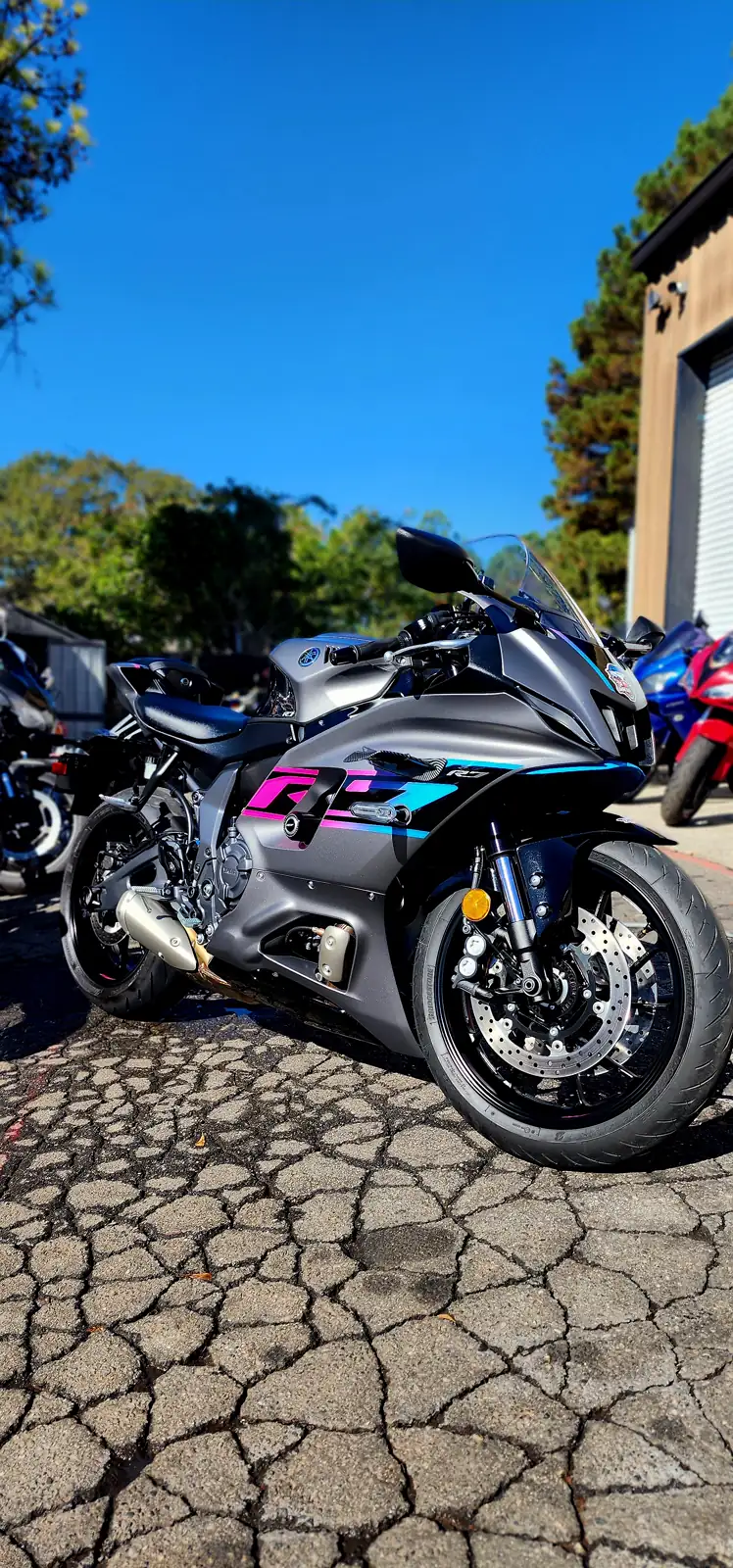
That’s how we want you to feel at the end: clear-headed, not sold to. You should be able to explain to a friend exactly why you picked whoever you picked, in one or two plain sentences. The straps made sense. The person wrote things down. They texted back fast. They told you the truth about open versus enclosed. If a shop earns all four, distance stops being the question. And if we earn all four, the drive from Marietta was never the real number that mattered.
The best transport is the one you barely notice — the bike leaves, the bike comes back, and nothing about it changed but the address.
One last honest word on us
We’re not going to tell you we’re the only good option, because that’s not true and you’d know it. There are solid people out there, dealers and independents both, and a good dealer can be exactly right for a bike still under a factory plan. What we’ll say plainly is what we’re built to do: pickup and delivery around town, longer-distance shipping when a bike lives far away, and the shop work waiting on the other end of the trailer. We text back. Even so, we write it down. We drive it like it’s ours. That’s the whole thing, and it’s yours for the asking.
Questions Atlanta riders ask us
What makes your transport different?
Honestly, it’s the small stuff. We walk your bike and write down its condition before it moves, we strap to the frame instead of the bars, and we drive it smooth like it’s carrying a full glass of water. We also just text back, which sounds basic until you’ve waited on a shop that didn’t. None of it is fancy. It’s just done right, every single time.
How do I pick a good shop for this?
Watch how they answer that first message. A good shop talks about your specific bike, tells you straight whether it’s riding open or enclosed, and writes down its condition before it leaves. A shop that dodges those questions is telling you how the rest will go. Judge them on care and clear answers, not on who has the biggest truck.
Should I use a dealer or an independent?
Both can be right, and it depends on your bike. If it’s newer and still on a factory plan, a dealer might be the natural fit. For everything else — older bikes, projects, inherited bikes, or anything that just needs to move — an independent who knows how to load and carry is usually the more flexible choice. Pick the one that fits the machine in front of you.
What should I ask a shop before I book?
Ask if it rides open or enclosed, and hold them to the answer. Ask whether they write down the bike’s condition first. Ask where they strap it and how they keep it from walking on the highway. Good answers come fast and specific. Vague ones are your signal to keep looking.
Do you work on all brands?
Yes. Sportbikes, cruisers, baggers, cafe builds, little supermotos and minis — we handle them the same careful way. Every bike loads a little differently, and knowing which strap goes where on which bike is most of the job. That comes from doing it a lot, and we have.
Is Marietta really close enough to be worth it?
For a lot of city riders, yes, and often it’s the shorter trip. More to the point, you don’t make the trip at all — we come to you. The bike never has to survive a ride across town to reach us, because we roll out to wherever it’s sitting and bring it back. That’s the whole value of pickup.
We pick up and deliver all over the metro, so wherever your bike is sitting, we can come to it. That covers Buckhead and Midtown, out to Decatur and Sandy Springs, across to Smyrna, Vinings and Brookhaven, down to East Point, and of course home base in Marietta. We also run regularly to Mableton, Chamblee and Tucker. If your town isn’t on that short list, send a text anyway — the map is bigger than the highlights, and long-distance shipping stretches it further still.
TEXT US A PHOTO OF THE BIKE
That’s really all it takes to start. Snap a picture of your bike wherever it’s parked in Atlanta, send it our way, and tell us where it needs to go. We’ll come get it, keep it safe on the trailer, and hand it back clean and running. No moving it yourself, no stress — just a quick text and a plan.
470-460-9883Diaz Motorcycles and Service, LLC · 847 Barnes Mill Road, Marietta, GA 30062