Motorcycle Sitting for Years in Kennesaw: What Breaks and How to Bring It Back Safely
A bike that sat too long isn't ruined — but it isn't ready to ride, either. Here's what quietly deteriorates and what a safe revival really takes.
Plus, here’s the trap almost every rider falls into. A motorcycle sitting for years in a Kennesaw garage looks totally fine, so you figure you’ll just charge the battery, splash in some gas, and ride off. Meanwhile, under that clean tank, time has been quietly chewing on the parts you can’t see. In fact, the danger isn’t that the bike won’t start — it’s that it might start just well enough to get you moving before something important lets go. Let’s walk through what really happens while a bike sits, and what it takes to bring one back the right way.
This matters more in Kennesaw than a lot of places. Legacy Park, Ridenour, and Brookstone are full of big garages, which is great, except a garage is also the perfect place for a bike to be forgotten. Life gets busy, the kids need the space, and the bike sits behind the lawn gear for a season that turns into six years. It’s not neglect on purpose. It’s just how it goes. The good news is that most of these bikes are very much saveable.
The fuel system is the first thing to go
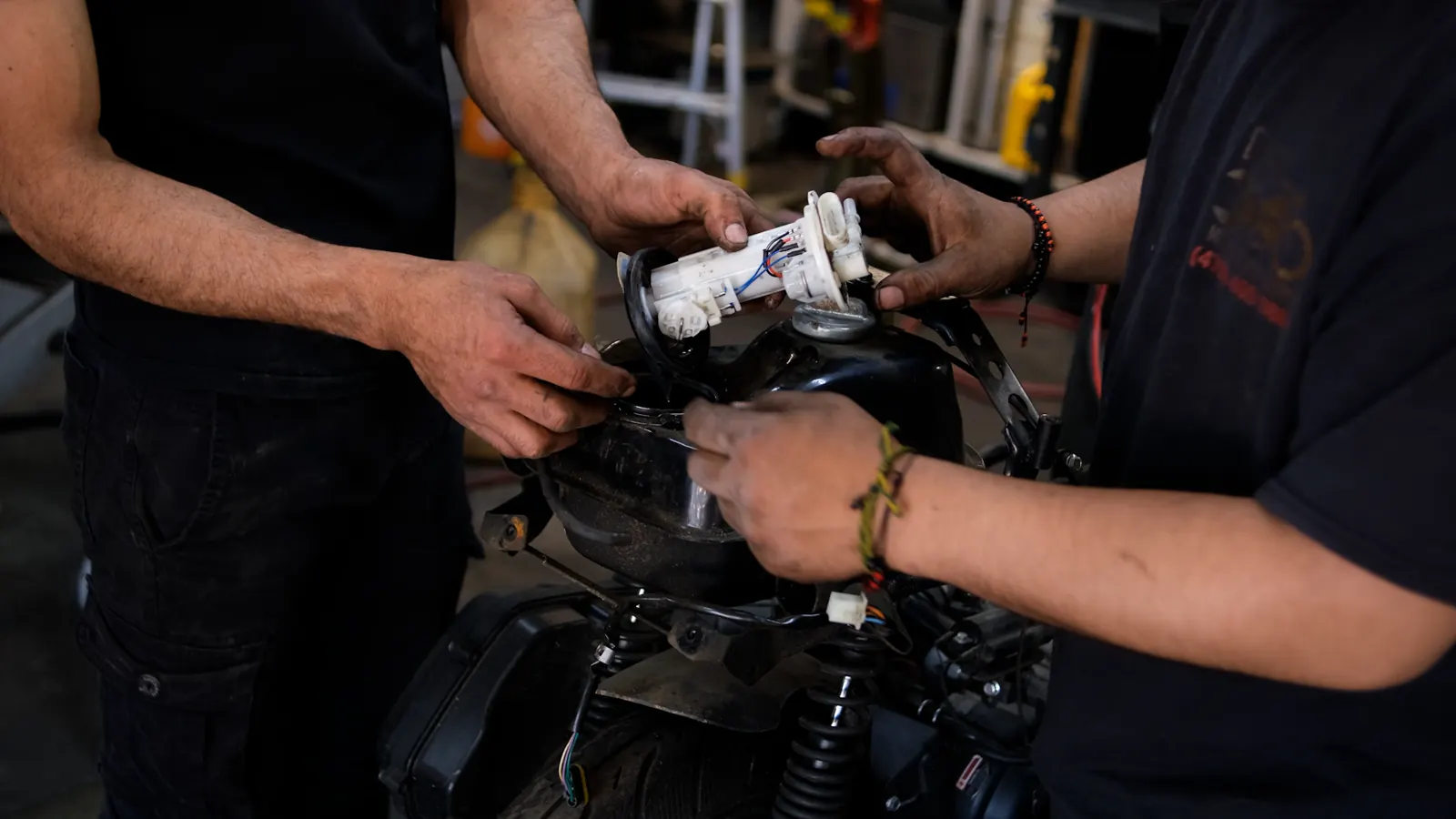
Old gasoline is the number one villain in a bike that sat. Modern fuel starts breaking down in a matter of months, and after a couple of years it turns into a sticky varnish that gums up everything it touches. In a carbureted bike, that varnish clogs the tiny passages inside the carbs, and those passages are smaller than the lead in a pencil. In a fuel-injected bike, it fouls the pump and injectors. Either way, the fuel system needs to be cleaned or rebuilt before the bike is safe to run.
And it gets worse if the tank was left low. An empty or half-empty steel tank sweats moisture inside, and moisture means rust. Now you’ve got flakes of rust floating in that varnish, ready to get sucked into the engine the moment you crank it. That’s why “just add fresh gas” is such a tempting mistake — it pours clean fuel right on top of a mess and shoves the whole cocktail downstream.
The battery, tires, and rubber all age out
A battery that sits without a tender slowly drains and sulfates, and once it’s been flat for a long stretch, it usually won’t hold a charge no matter what you do. So plan on a new one. That part surprises nobody. What surprises people is the rubber. Tires that look perfectly fine can be hard as a hockey puck and cracking in the sidewalls, and old rubber has almost no grip left even if the tread looks deep.
Rubber is everywhere on a bike, not just the tires. Fuel lines get brittle and crack, brake lines swell or weep, fork seals dry out and leak, and the little vacuum and vent hoses turn to crumbs. None of that shows up in a photo. It shows up when you’re leaned into a curve on Stilesboro Road and a dry-rotted line picks that exact moment to fail. That’s the whole reason a real revival goes through the rubber instead of hoping.
HEADS UP
Old tires are the sneakiest danger — they can look brand new and still have zero grip left.
That callout deserves a beat, because tire age is invisible. There’s a date code stamped on every tire, and once rubber is several years old it hardens and loses traction whether you rode on it or not. A bike that sat has tires that are aging the whole time, parked or not. We check the date codes and the sidewalls, not just the tread depth, before we ever call a bike ready.
Fluids turn against you while the bike rests
Every fluid on your bike has a shelf life, and sitting doesn’t pause the clock. Oil breaks down and its additives settle out, so it stops protecting the engine the way fresh oil does. Brake fluid actually absorbs moisture from the air over time, which lowers its boiling point and can leave you with a soft, fading lever right when you need to stop. Coolant loses its rust-fighting power. Every one of these needs to be flushed and replaced, not topped off.
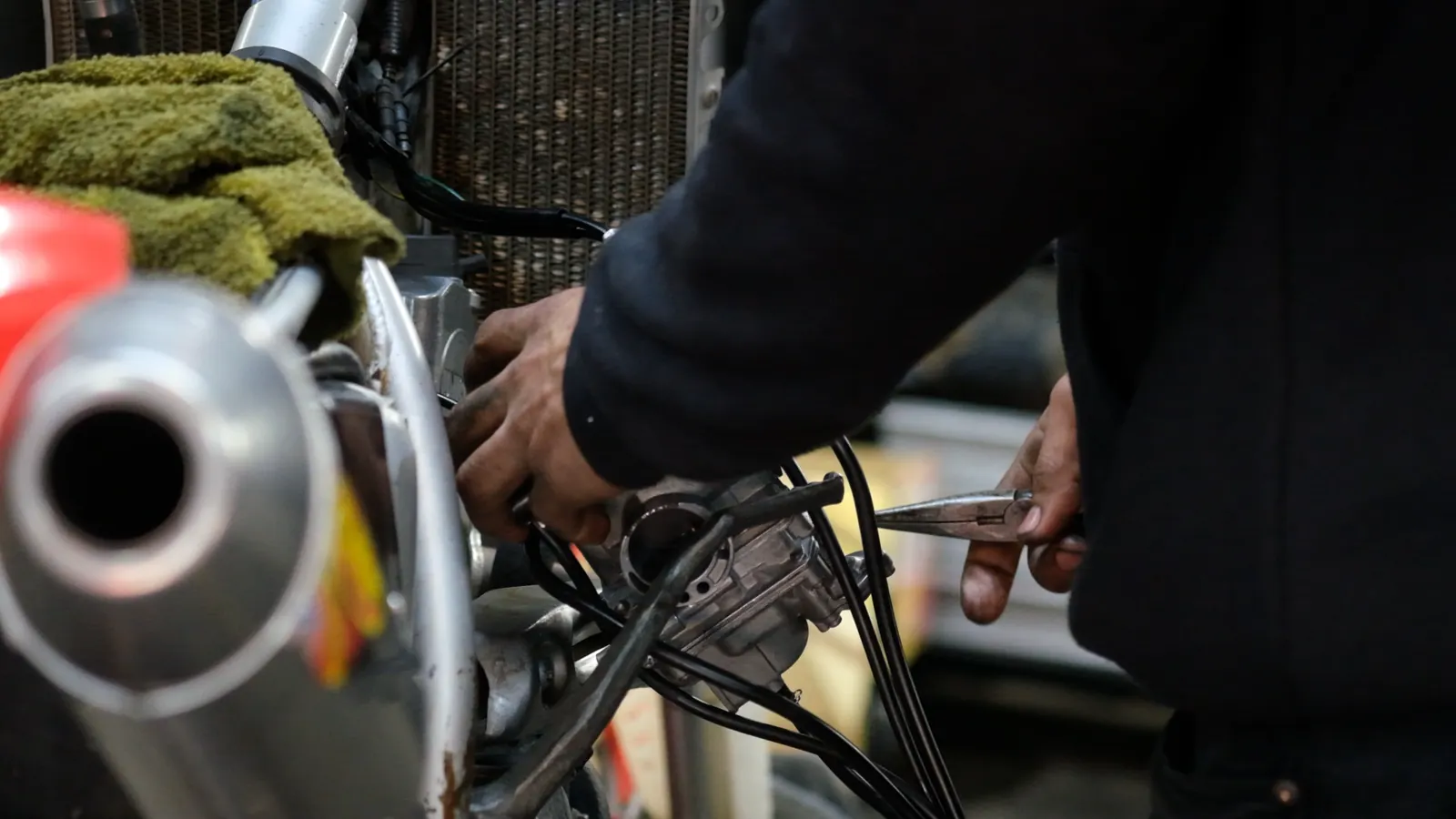
There’s also the stuff that stops moving. Brake calipers can seize, clutch plates can stick together, throttle and cable actions can gum up, and the chain can go stiff with rust. On a bike that sat outside — say a KSU-corridor sportbike parked under a cover in an apartment lot — all of that happens faster, because moisture and temperature swings speed everything up. Indoor bikes fare better, but even a dry garage doesn’t stop the clock.
Wiring, connectors, and the gremlins nobody expects
Here’s a category people almost never see coming: the electrical side. While a bike sits, connectors corrode, grounds get crusty, and old wiring insulation goes brittle. You end up with a bike that starts one day and won’t the next, or lights and gauges that flicker for no obvious reason. Chasing an electrical gremlin on a bike that sat is one of the most common jobs we see, and it’s almost never a single dramatic failure — it’s a dozen tiny corroded contacts adding up.
And then there’s the uninvited guests. A bike parked in a quiet Kennesaw garage is prime real estate for mice, and they love to chew wiring insulation and build nests in airboxes and exhaust tips. It sounds like a joke until you find a nest where your air filter used to be. We check for that, because a mouse-chewed harness will drive you crazy long after the fuel and fluids are perfect.
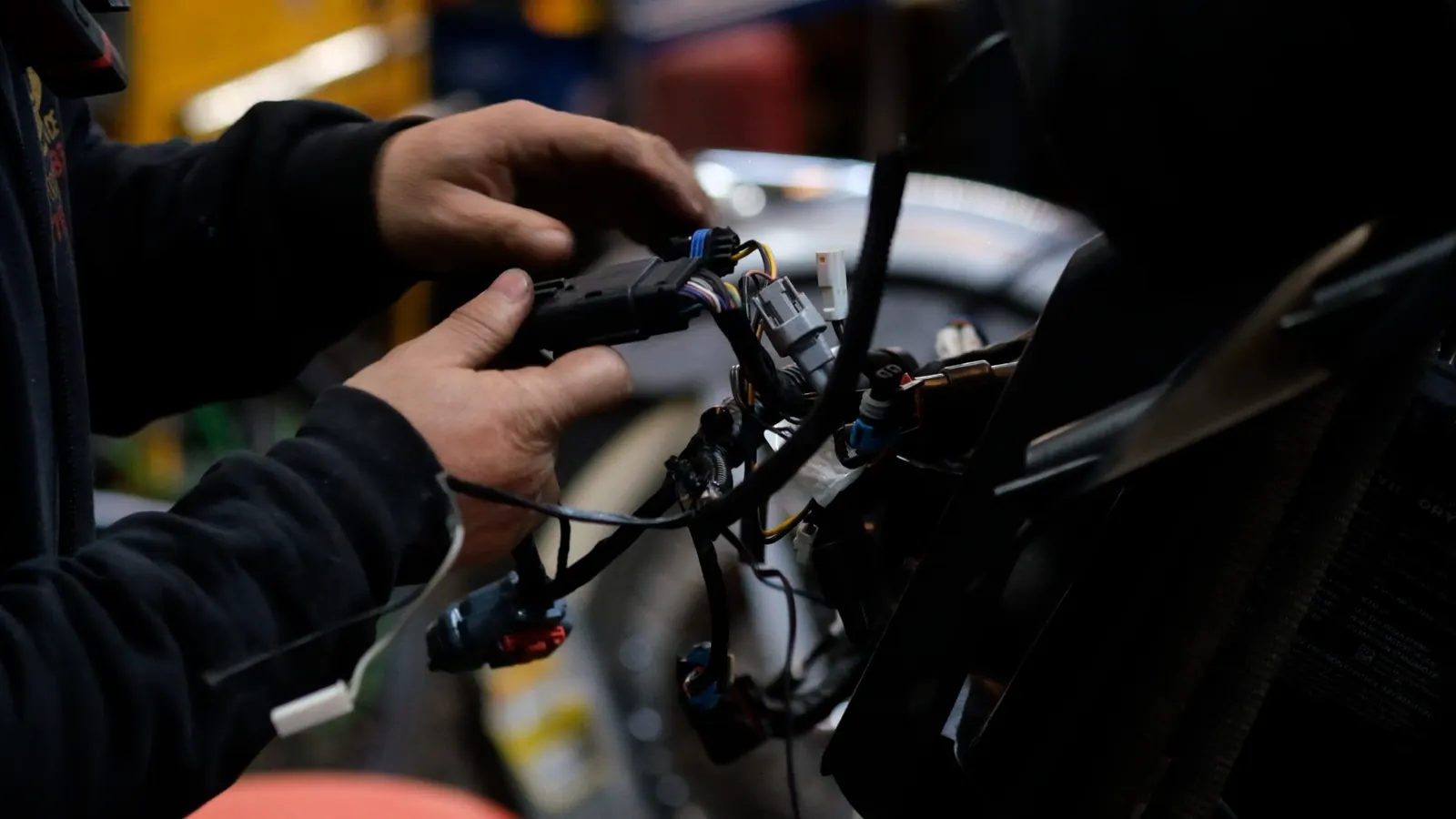
The reason electrical trouble is so sneaky is that it hides behind the stuff you fixed first. You sort the fuel, drop in a battery, and the bike runs — so you think you’re done, right up until a corroded ground leaves you stranded at a Barrett Parkway light. A proper revival goes through the connections and grounds while everything is already apart, instead of leaving you to discover them one frustrating breakdown at a time.
Why "it started, so it's fine" is a dangerous idea
Here’s the part that catches good, careful people off guard. A bike that sat will sometimes fire up and idle, and that feels like proof it’s healthy. It isn’t. Starting only proves the engine can run for a minute in the driveway. It says nothing about whether the brakes will stop you at 45, whether the tires will grip, or whether a fuel line will hold once things heat up and vibrate. Running and roadworthy are two completely different bars.
It’s a bit like waking up from a long nap and immediately sprinting a mile. Sure, your legs still work, but that doesn’t mean you’re ready to race. A bike needs to be checked and put right before it earns the road, especially in Kennesaw traffic. Between the stop-and-go on Barrett Parkway, the signal-dense stretch of Chastain Road, and no lane splitting allowed in Georgia, your brakes and tires get worked hard. That’s not the place to find out an old line is about to blow.
WISH YOU KNEW
The wet railroad crossings through downtown Kennesaw punish weak tires and soft brakes — exactly what a sitting bike has.
That’s a real local hazard, not a scare line. The Great Locomotive Chase line runs straight through downtown Kennesaw, and crossing wet tracks at an angle is dicey on good rubber, let alone hardened old tires with brakes that need bleeding. A revival that skips the tires and brakes is a revival that skips the two systems Kennesaw riding leans on hardest. We don’t skip them.
What a safe revival actually includes
A proper wake-up isn’t glamorous, but it’s thorough, and it goes in order so nothing gets locked in behind a step we skipped. We look the whole bike over first and tell you honestly what it needs. Then we work the systems that sitting hurts most, in the order that makes each one safe. Here’s the short version of the sequence we follow on a bike that’s been parked for years.
- Inspect the whole bike and give you an honest read before any work starts.
- Drain the old fuel, clean or rebuild the carbs or injectors, and check the tank for rust.
- Fit a fresh battery and go through the charging system.
- Flush and replace every fluid — oil, brake, coolant, and clutch.
- Service the brakes, free any seized calipers, and bleed the lines.
- Replace aged tires and any cracked fuel, brake, and vacuum lines.
- Clean and adjust the chain, cables, and throttle so everything moves right.
- Test-run and road-check before we ever call it ready.
Notice the first step is looking, not quoting. A bike that lived in a climate-controlled Ridenour garage is a different job than one that sat under a leaky carport, and the only way to know which you’ve got is to see it. That’s also why we can’t give a real number over the phone. Once we’ve looked, though, the estimate holds up, and you’ll know exactly what you’re paying for.
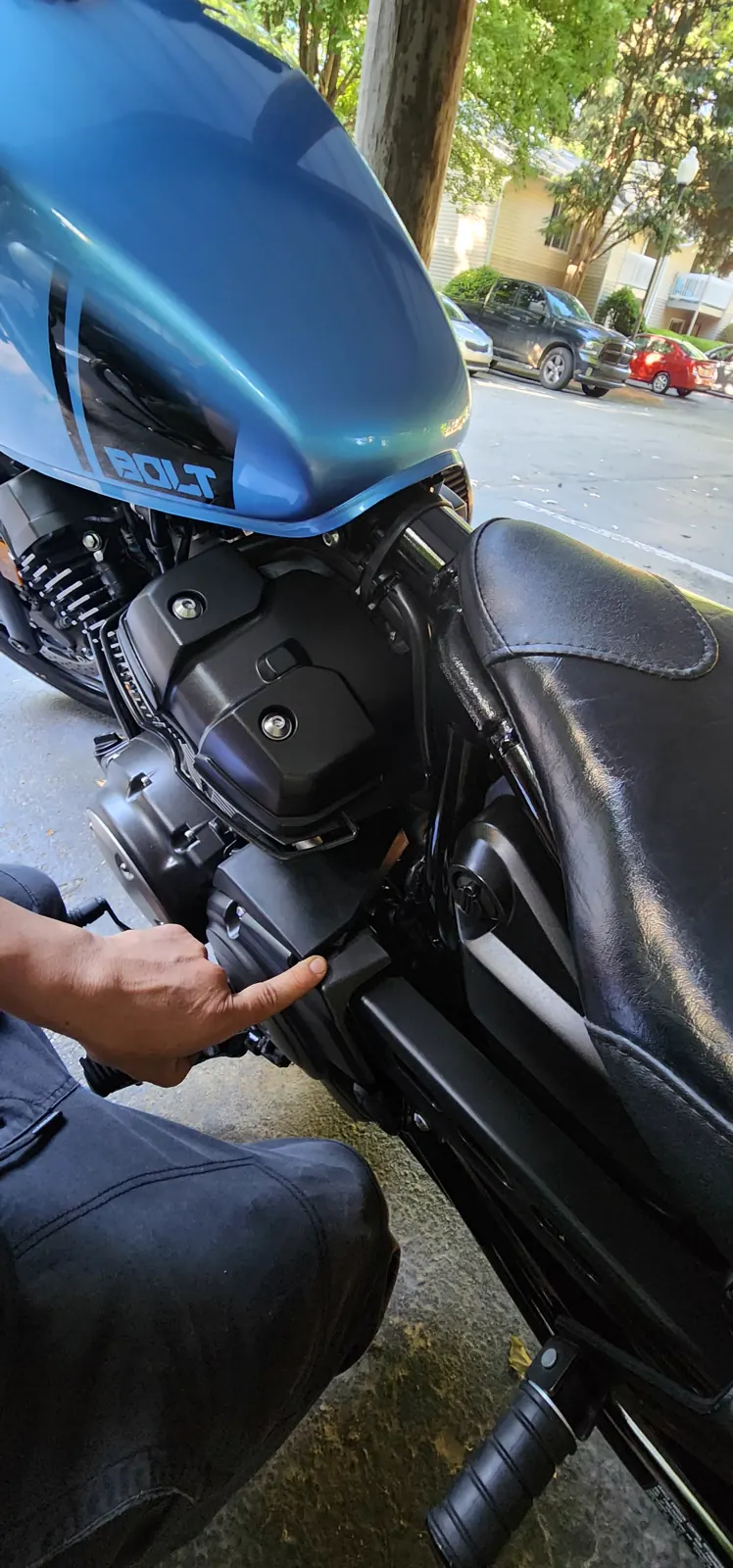
A sitting bike isn't broken. It's asleep — and waking it up safely is a real job, not a splash of gas.
So don’t let the fear of a mystery bill keep a good bike parked another year. Most bikes that sat are very much worth reviving, and the cost is usually friendlier than people expect — we lay it out plainly in our Kennesaw restoration cost breakdown. If the sit was long and the bike is rough, a fuller restoration and its honest tiers might be the better call, and we’ll tell you which fits.
Bring your sleeping bike to Barnes Mill Road
If the bike hasn’t run in a while, don’t push your luck trying to ride it in — that’s exactly when something lets go. We offer pickup and delivery to Kennesaw, so your bike gets here safely on a trailer and you never have to gamble on old tires and questionable brakes. It’s the same distance you’d drive to the Cobb Parkway dealers anyway, except you don’t have to make the trip at all.
The easy first step is a few photos. Send us shots of the bike, the tank inside if you can get the cap off, and tell us how long it sat and where. We’ll give you a straight read on what it’ll take to wake it up safely. Not sure it’s even worth it? Our honest take on restoring versus selling can help you decide before you spend a dime. No pressure, no sales script — just answers.
Questions Kennesaw riders ask us
My bike sat for years but it still starts. Isn't it fine to ride?
Starting only proves the engine can run for a minute. It says nothing about whether the brakes, tires, and fuel lines are safe at speed. A bike that sat needs its fluids, rubber, and brakes checked before it earns the road, especially in Kennesaw’s stop-and-go traffic. Running and roadworthy are two different things.
Can I just add fresh gas and charge the battery myself?
That’s the common mistake. Fresh gas poured on top of old varnish and rust just pushes the mess downstream into your engine. The fuel system usually needs to be cleaned or rebuilt, and the battery often won’t hold a charge after a long sit. It’s better to have it woken up properly than to send debris through the motor.
How long can a motorcycle sit before it needs a revival?
Fuel starts breaking down within months, and after a year or two you’re usually looking at gummed carbs or injectors, a dead battery, and aging tires. If it’s been more than a season or two without running, have it checked before you ride. The longer it sat, the more the rubber and fluids have aged out.
Are the old tires really that big a deal if the tread looks good?
Yes. Rubber hardens and loses grip with age whether you rode on it or not, and old tires can crack in the sidewalls while looking new. We check the date codes and sidewalls, not just tread depth. On wet railroad crossings and in Kennesaw traffic, grip matters more than tread you can see.
Is a bike that sat for years too far gone to save?
Usually not. Most sitting bikes aren’t ruined, just neglected — stale fuel, dead battery, gummed carbs, old rubber, and tired fluids are all normal and fixable. We’ll tell you honestly if one isn’t worth it, but that’s rarer than people fear. Send photos and we’ll take a look.
Should I ride it to you or have it picked up?
Have it picked up. If a bike hasn’t run in years, riding it in is exactly when a brake or tire problem shows up. We offer pickup and delivery to Kennesaw so your bike arrives safely on a trailer. Text us a few photos to start and we’ll arrange it.
We wake up sleeping bikes for riders across Kennesaw, wherever they’ve been parked. Projects come from the big garages in Legacy Park, Ridenour, and Brookstone, from Pinetree Country Club and Summerbrooke, and from the outdoor apartment lots near KSU along Chastain Road. Whether your bike sat near Town Center at Cobb, out by Kennesaw Mountain, or off Old 41 and Due West Road, you’re an easy pickup from our shop on Barnes Mill Road in East Cobb.
TEXT US PHOTOS OF YOUR SLEEPING BIKE
Got a bike that’s been parked for years? Text us a few photos, tell us how long it sat and where it lived, and we’ll give you a straight read on what a safe revival takes — before you spend a thing. We offer pickup and delivery to Kennesaw, so you never have to gamble on old tires and questionable brakes. No pressure, no sales script, just honest answers.
470-460-9883Diaz Motorcycles and Service, LLC · 847 Barnes Mill Road, Marietta, GA 30062