Motorcycle Restoration in Mableton: What It Costs and What You Get
Honest price tiers, where the money actually goes, and how to tell a fair quote from a fantasy one.
Here’s the honest truth most shops dance around: motorcycle restoration Mableton riders ask about doesn’t have one price, it has a range, and the range is wide. In fact, the same 1982 project bike can cost a few hundred dollars or several thousand, depending on how far you want to take it. So before you panic at a number, let’s break down what you’re actually paying for, where the money goes, and how to spot a quote that’s fair versus one that’s pulled out of thin air.
We get why the question feels scary. You’ve got a bike in the garage that hasn’t run since flip phones were cool, and you have no idea if fixing it costs the price of a nice dinner or the price of a used car. That not-knowing is the worst part. Meanwhile, the bike just sits there judging you every time you grab the lawn mower. Good news: once you understand the tiers, the mystery goes away, and you can make a smart call instead of a nervous guess.
Why restoration has a range, not a price tag
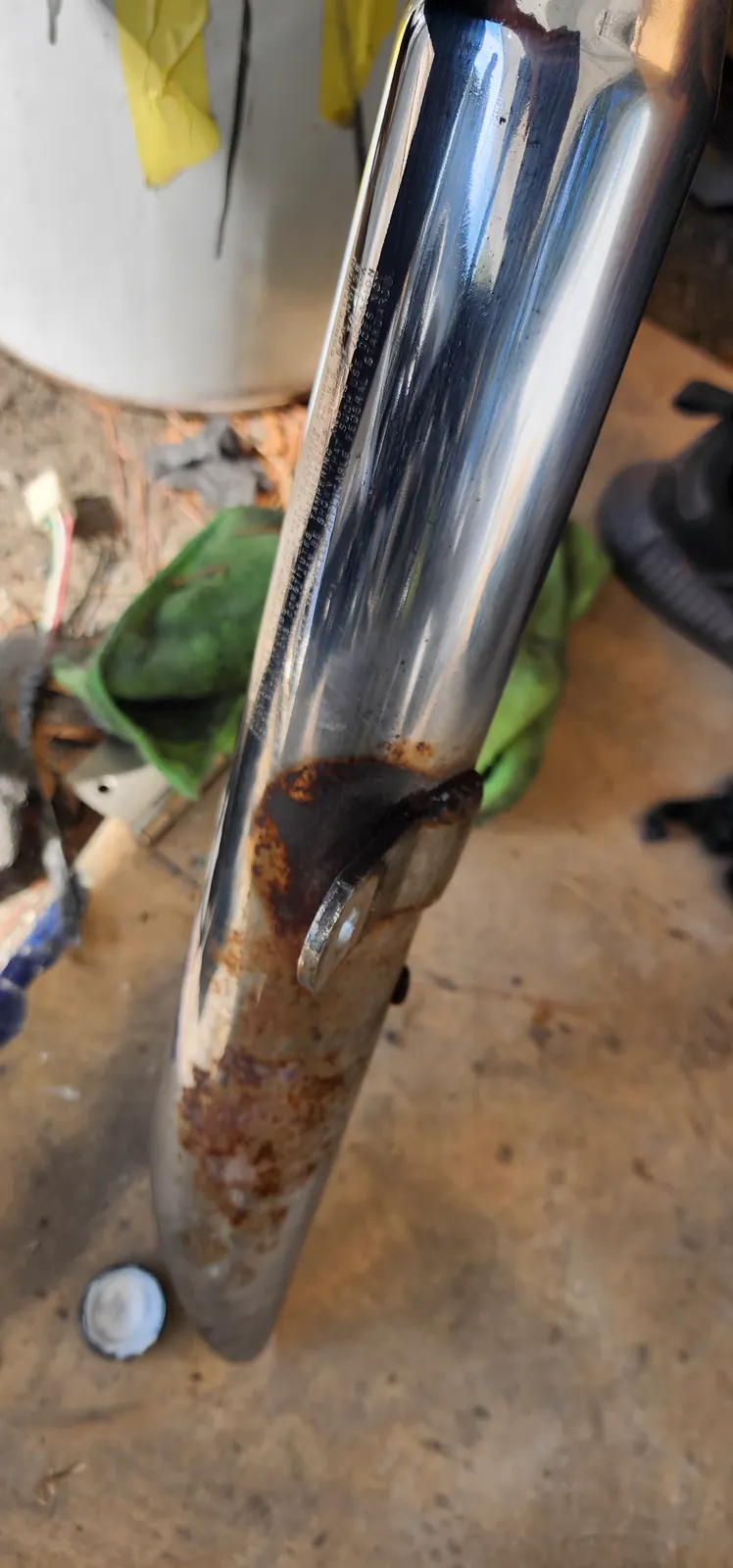
A restoration price depends almost entirely on where the bike is starting from and where you want it to end up. A garage-kept cruiser from the Vinings Estates area of Mableton that just needs waking up is a completely different job than a bike that sat under a carport cover off Mableton Parkway for eight humid Georgia summers. One needs fresh fluids and a battery. The other needs a carburetor rebuild, new fuel lines, tires that aren’t square, and a chrome pipe that’s grown its own science project of rust.
That’s why any shop worth trusting looks at the bike before naming a number. Georgia humidity is sneaky. It seeps into fuel tanks, gums up carbs, and corrodes anything shiny, and none of that shows up in a phone photo of a dusty tank. We’d rather put eyes on the machine and tell you the truth than quote you a dream number over text and surprise you later. Surprises are great for birthdays and terrible for repair bills.
Tier 1: the revival (get it running and safe)
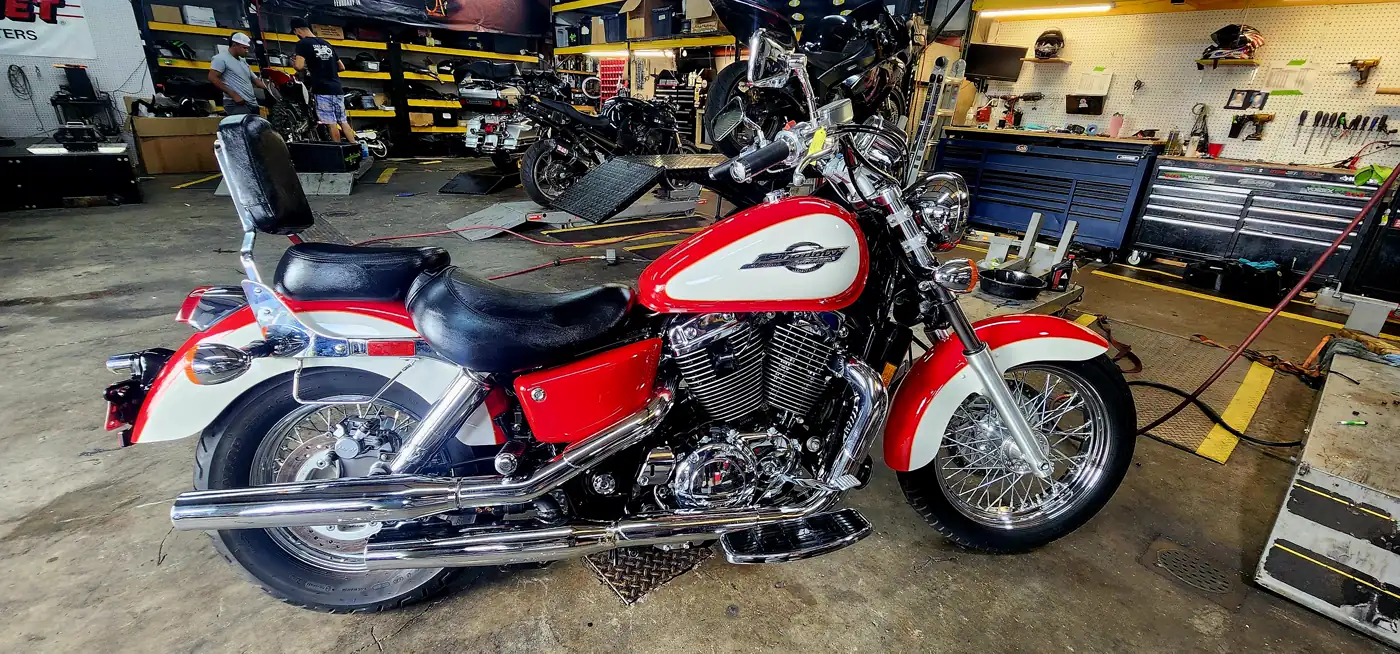
The first tier isn’t really a full restoration at all. It’s a revival, and it’s where a lot of Mableton bikes actually belong. The goal is simple: make it run right and make it safe to ride, without chasing showroom looks. That usually means draining stale fuel, cleaning or rebuilding the carburetor, fresh oil and filter, a new battery, new tires if the old ones are cracked, a brake service, and a good going-over of the chain, cables, and lights.
This is the smart starting point for a rider who just wants to get back on the road, especially a commuter bike that racks up real miles down Veterans Memorial or across the Perimeter. You’re not paying for polish you don’t care about. You’re paying for reliability and safety, which is the stuff that actually keeps you upright. If the bike’s bones are solid, a revival gets you riding for the least money, and that’s a genuinely good feeling.
Tier 2: the mechanical restoration (make it right)
The middle tier is where most true restorations live. Here we go deeper than just running and safe. We rebuild the systems that wear out and fail: the fuel system top to bottom, the electrical gremlins, worn fork seals and suspension, tired brakes, and anything inside the engine that’s making noises it shouldn’t. The bike comes out mechanically honest, reliable, and ready to trust on a long ride instead of just a nervous lap around the block.
This tier is about how the bike works, not how it shines. You might still have a few scuffs and a faded panel, and that’s fine if the mechanicals underneath are dialed. Plenty of riders stop right here on purpose. They want a dependable machine with real character, not a trailer queen. Think of it as restoring the bike’s health without paying for its Instagram photos.
Tier 3: the full restoration (make it beautiful again)
The top tier is the full monty, and it’s where restoration turns into craft. Now we’re talking paint and bodywork through our in-house paint booth, chrome that’s re-polished or replaced, seats redone, fasteners refreshed, and every detail brought back so the bike looks the way it did rolling off the showroom floor, or better. This is the tier for a keeper, a family heirloom, or a build you plan to show off and never sell.
It costs the most because it’s the most labor and the most specialty work, and honest hours add up fast. But it’s also the most rewarding. Handing back a bike that someone’s grandfather bought new, now gleaming like the day it was born, is the fun part of this whole trade. Just know going in that beauty is the expensive part, and there’s zero shame in choosing a lower tier if a mirror-finish tank isn’t your priority.
WHERE THE MONEY GOES
Most of a restoration bill is labor and specialty work like paint and machine work, not parts. That’s why patience and honesty matter more than the cheapest hourly rate you can find.
Here’s a rough map of where your dollars land on a bigger job, so nothing feels like a black box. This isn’t a quote, it’s a way to understand the shape of the bill before you ever get one. When you know what drives the total, you can decide which parts matter to you and which you’re happy to skip. If you want the deeper number-by-number version, our full Mableton price breakdown walks through it line by line.
- Labor: the biggest slice on almost every real restoration, since good work takes real hours.
- Paint and bodywork: our in-house paint booth is where cosmetic tiers earn their cost.
- Chrome and polishing: re-plating or replacing rusted, pitted pieces adds up quickly.
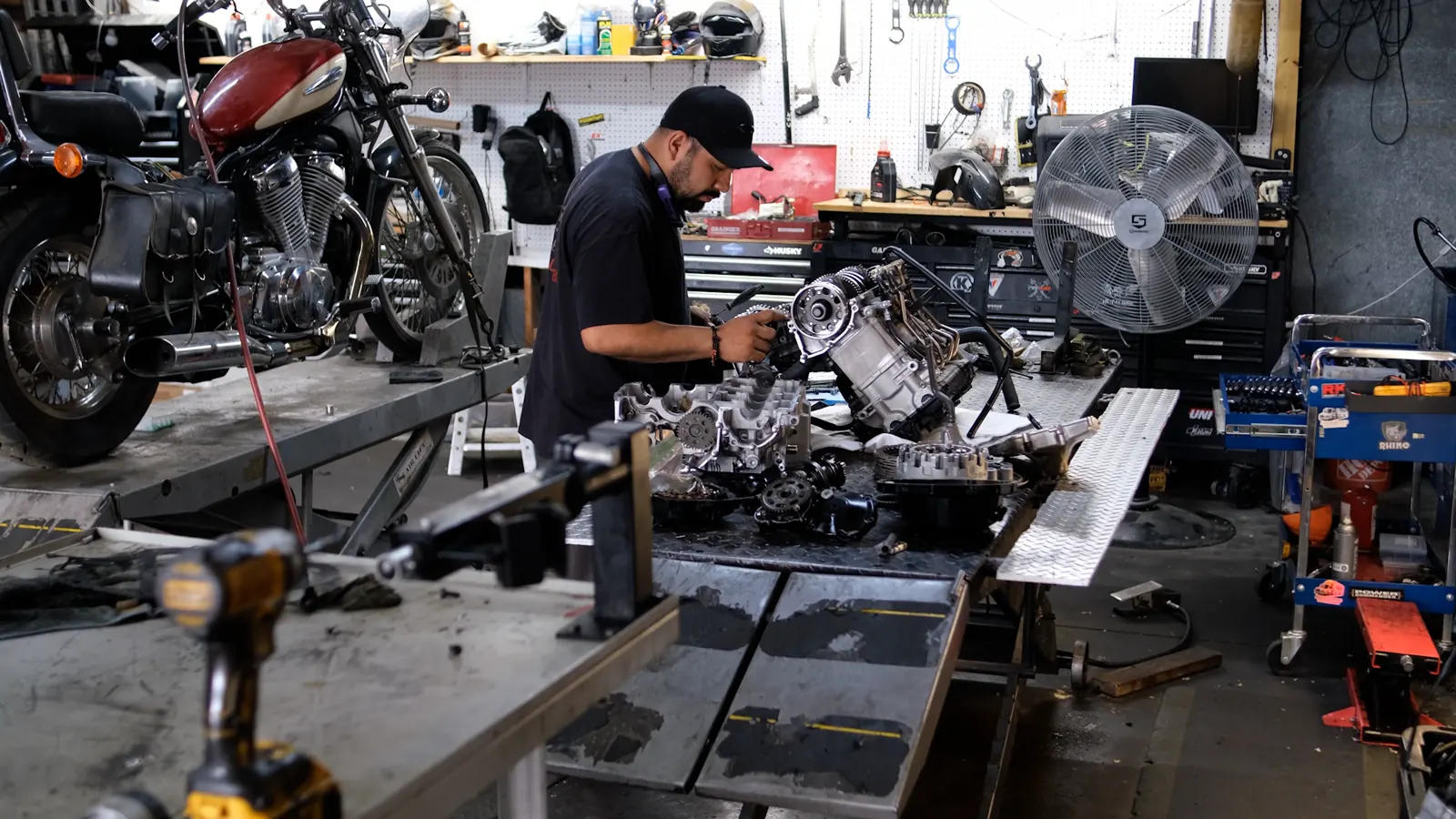
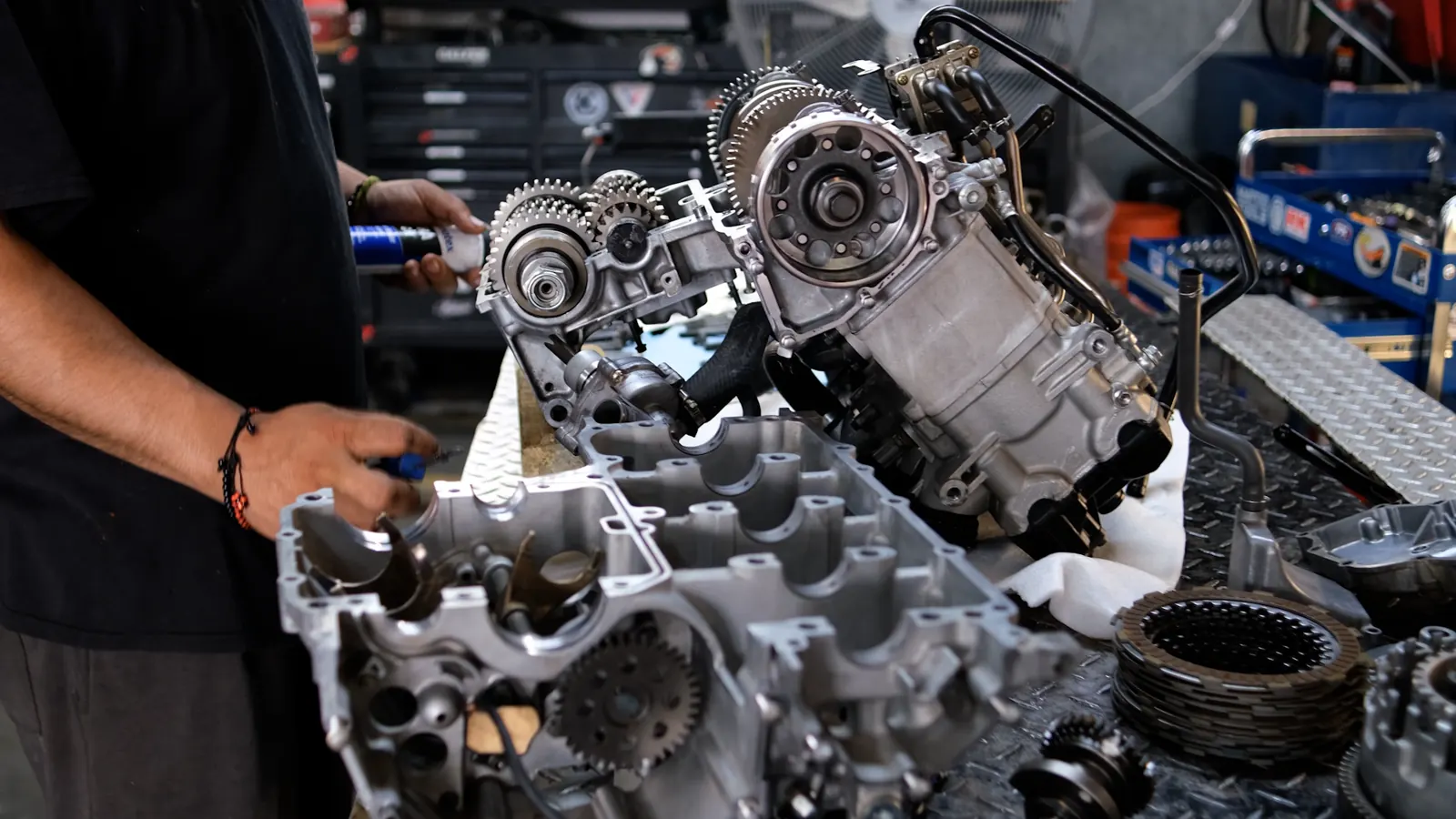
- Engine internals: gaskets, seals, bearings, and machine work if the motor needs it.
- Wear parts: tires, battery, chain and sprockets, brake pads, fluids, cables, and filters.
- Diagnosis first: an honest look-over so the quote matches the bike, not a guess.
What you actually get for the money
Money out is easy to picture. Value back is the part people underestimate. A properly revived or restored bike gives you a machine you can trust, which is worth a lot when you’re merging onto I-20 with a truck on your bumper. It gives you a bike that holds its value, because a buyer reads a cared-for machine in about two seconds. And on the top tier, it gives you something rare: a bike that turns heads at the Mable House Barnes Amphitheatre parking lot on a concert night.
There’s also the value you can’t put on a spreadsheet. That old bike might be the one you learned on, or the one your dad handed down, or the one that’s been waiting patiently for you to earn your Georgia Class M license and finally ride it. Bringing that back to life is the whole point. The dollars buy the mechanical work, but the payoff is riding something that means something.
How to spot a fair quote versus a fantasy one
A fair quote comes after someone looks at your actual bike, explains what it needs in plain words, and separates the must-haves from the nice-to-haves. A fantasy quote is a big round number blurted over the phone before anyone’s seen a bolt. If a shop won’t tell you which tier they’re quoting or why, that tells you plenty. You deserve to know whether you’re paying for safety, for reliability, or for shine, because those are three very different bills.
Watch out for the opposite trap too: a quote that’s suspiciously cheap. In restoration, cheap usually means somebody’s planning to skip steps, cut corners on parts, or ghost you when the hard part shows up. A rusted fuel tank and a seized caliper don’t fix themselves for pocket change. An honest shop will give you a realistic range and stand behind it, even when the honest number is bigger than you hoped.
SMART MOVE
Start with a diagnosis, not a full commitment. Once you know the bike’s real condition, you can pick a tier that fits your budget instead of guessing high and hoping.
The best way to keep costs sane is to stage the work. Revive it first, ride it, and decide later if you want the cosmetic tier. There’s no law that says a restoration has to happen all at once, and spreading it out is easier on the wallet. If you’re still weighing whether the bike is even worth the money, our honest take on restoring versus selling will help you decide before you spend a dime.
Why Mableton riders bring their projects to us
Mableton is prime restoration country, and it’s not an accident. Those neighborhoods boomed in the 1980s, which means a lot of garages here are hiding 1980s and 1990s bikes that stopped running years ago. There’s essentially one small shop inside the city, so for anything beyond routine work, folks already head north. We’re an all-makes shop, so your Harley, your old Honda, your Suzuki cafe project, and your neighbor’s KTM can all land in the same bay.
The drive is easier than it sounds. We’re about 25 to 35 minutes north on South Cobb Drive, a road plenty of Mableton folks already take for shopping and appointments. And if you’re time-poor with a South Cobb commute that goes four directions, ask about pickup and delivery, because we’ll come get the bike and bring it back. That turns a whole-Saturday errand into a text message, which is a pretty good deal for a project that’s been waiting years anyway.
You're not buying a price. You're buying a tier, and the smart move is picking the one that fits your goal.
So here’s the easy next step. Text us a few photos of your bike, tell us how long it sat and where it lived, and we’ll give you a straight read on which tier makes sense and roughly what it takes. No sales script, no fantasy numbers, no pressure. If you’d rather understand the whole process first, take a look at how our restoration and finish work comes together, and then let’s talk about your project.
Questions Mableton riders ask us
How much does a motorcycle restoration cost?
It depends entirely on the tier. A basic revival that gets a solid bike running and safe costs the least. A mechanical restoration that rebuilds worn systems costs more. A full cosmetic restoration with paint and chrome costs the most because it’s the most labor. That’s why we look at the bike before quoting, so the number matches your actual machine and the tier you want.
Do I have to do the whole restoration at once?
Not at all. A lot of Mableton riders stage it. We revive the bike first so it runs and rides safely, they enjoy it for a while, and later they come back for the cosmetic work if they want it. Spreading the work out is easier on the budget, and there’s no rule that says a restoration has to happen in one big swing.
Why can't you quote me over the phone?
Because Georgia humidity hides damage a photo can’t show, like a gummed carburetor, a rusted tank interior, or a seized fastener. A number blurted before anyone sees the bike is a guess, and guesses turn into surprises. We diagnose first, explain what we find in plain words, and then give you a realistic range you can actually trust.
Is a cheap restoration quote a red flag?
Usually, yes. In restoration, suspiciously cheap often means someone plans to skip steps, use throwaway parts, or disappear when the hard part shows up. Rusted tanks and seized calipers don’t fix themselves for pocket change. An honest shop gives you a realistic range and stands behind it, even when the true number is bigger than you were hoping for.
Do you restore my brand of motorcycle?
Yes. We’re an all-makes shop, so Harley cruisers and baggers, Japanese cruisers and sportbikes, old cafe project bikes, and European bikes are all welcome. Mableton garages hold a real mix, and you don’t need three different dealers for it. One stop covers the whole stable, which is handy when the city itself only has one small shop.
Can you pick up my bike in Mableton?
Yes. We offer pickup and delivery, which matters a lot for a project bike that can’t be ridden in. We’re about 25 to 35 minutes north on South Cobb Drive, but you don’t have to make that drive twice. Text us where the bike is and how it’s stored, and we’ll arrange to come get it and bring it back when the work is done.
We restore bikes from all over South Cobb, not just central Mableton. Projects roll in from the Vinings Estates and Providence areas, the Nickajack Road corridor, and the townhomes along Mableton Parkway. Whether your bike sat near Heritage Park or a short hop from the Mable House and the Silver Comet Trail, we’re an easy run north on South Cobb Drive. Anywhere in the new city of Mableton, you’re close enough to bring that project back to life.
TEXT US A FEW PHOTOS OF YOUR PROJECT
Want a straight read on what your restoration would actually cost? Text us a few photos, tell us how long the bike sat and where it lived, and we’ll tell you which tier fits your goal and roughly what it takes. We’re about 25 to 35 minutes north on South Cobb Drive, and we offer pickup and delivery across Mableton. No fantasy numbers, no sales script, just answers.
470-460-9883Diaz Motorcycles and Service, LLC · 847 Barnes Mill Road, Marietta, GA 30062