Restore It or Sell It? The Honest Answer for Douglasville Riders
When restoring wins, when selling makes more sense, and how to decide without kicking yourself later.
Plus, sooner or later every rider with an old bike in the garage hits the same fork in the road: pour money into bringing it back, or list it and let somebody else deal with it? Meanwhile, both choices feel a little wrong, which is why the bike ends up sitting another year while you think about it. Of course, that’s the worst option of all. Here’s the honest version: the restore vs sell motorcycle Douglasville riders wrestle with usually comes down to three simple questions, and once you answer them the right move gets obvious.
We get it. That bike has been parked in the corner in Chapel Hills or under a cover off Bill Arp for years, and every time you walk past it you feel a little guilty and a little stuck. Nobody wants to dump money into a lost cause, and nobody wants to sell Grandpa’s bike for scrap and regret it forever. So let’s take the guilt out of it and just look at it straight, the way we’d look at our own.
The three questions that decide it
Forget the spreadsheets for a second. The whole decision really rides on three questions, and you already know the answers. Answer these honestly and the path forward almost always picks itself. Everything else is just details we can help with.
- Does this bike mean something to you — history, family, or your own younger days?
- Is it a model that holds its value, or even climbs when it’s brought back right?
- Do you actually want to ride it, or are you just tired of tripping over it in the garage?
If the bike means something, or it’s a model that holds value, or you genuinely want to ride it, that’s a restore. If it means nothing to you, it’s a common bike worth little even fixed, and you’d rather have the space, that’s a sell. The tricky ones are in the middle, and that’s exactly where a straight second opinion earns its keep. We’ll tell you which one yours is, even when the answer is sell.
When restoring is the clear winner
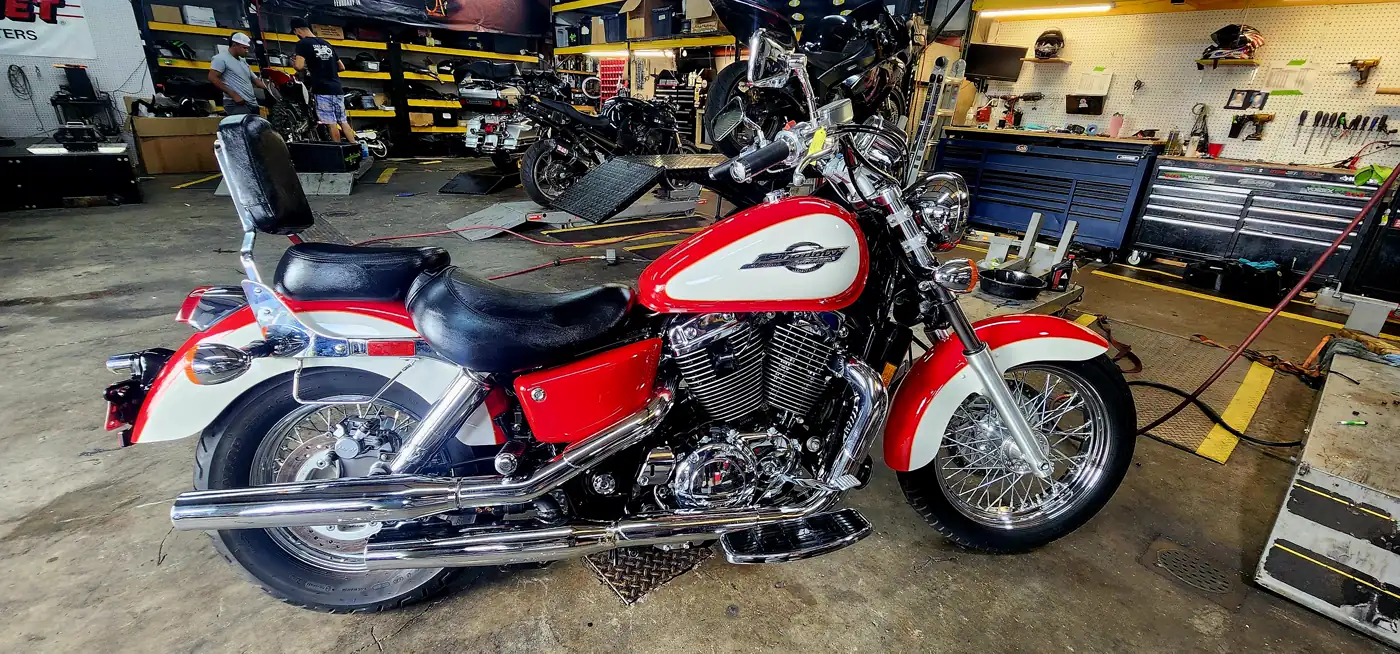
Some bikes are no-brainers to bring back. If it belonged to your dad, your granddad, or the younger version of you, no sale price ever replaces it, so restoring is the only choice that lets you sleep. Same goes for a model that’s genuinely collectible, where a proper bring-back can be worth more than the bike ever cost new. And if you just love the thing and want to ride it down Chapel Hill Road on a cool morning, that joy is worth real money too.
There’s also the everyday case that surprises people. A good, solid bike that just sat and needs a wake-up is often far cheaper to restore than to replace with something equal. When you price a comparable used bike at a dealer and add tax and the unknowns of somebody else’s neglect, keeping the one you know can be the smart-money move. If you’re curious where the numbers land, our plain-English look at what the numbers look like breaks it down piece by piece.
HEADS UP
A bike that’s been sitting is worth almost nothing as-is — and a lot more running.
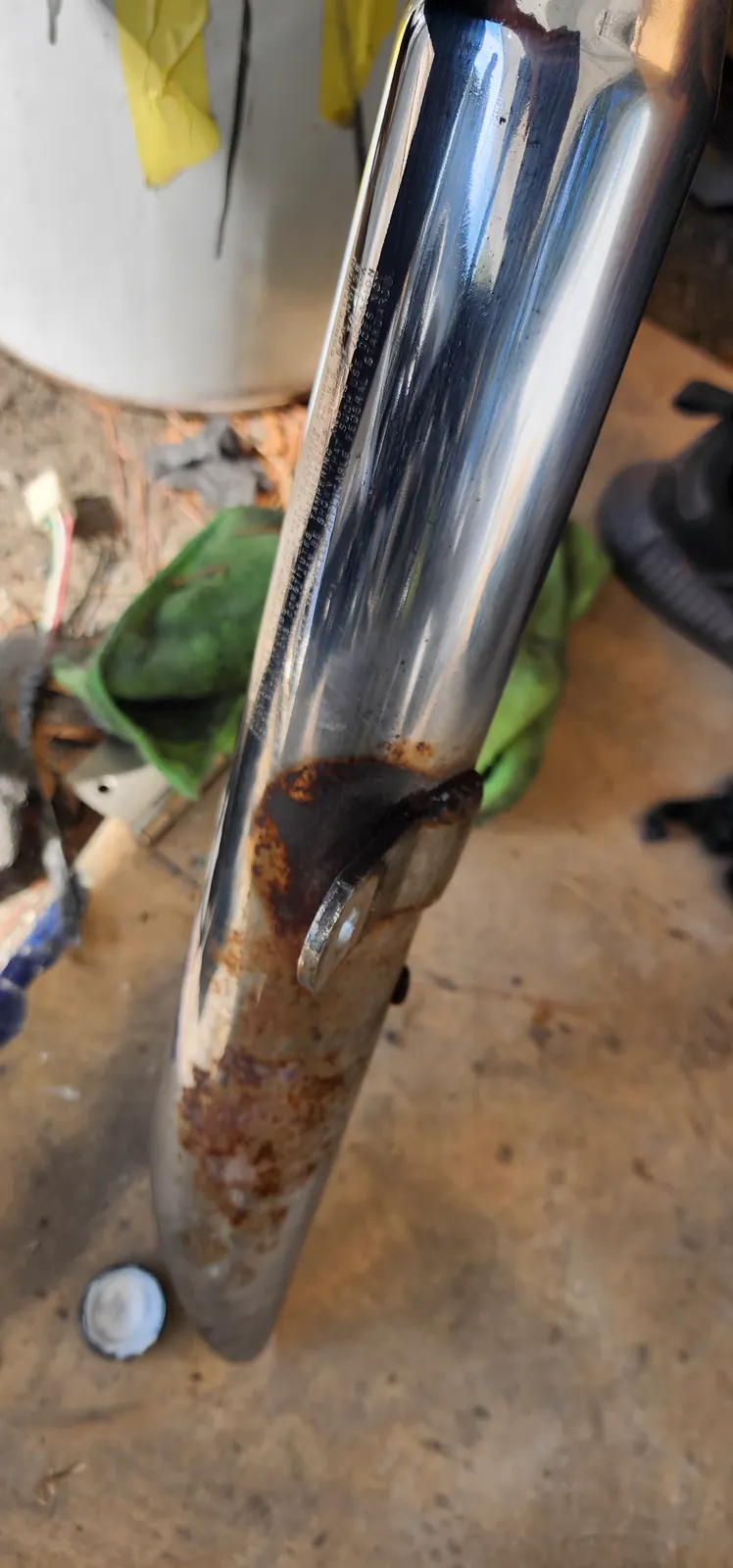
Here’s a truth that cuts both ways. A non-running project bike sells for pennies, because buyers assume the worst and price for it. That’s bad news if you’re selling and good news if you’re restoring, because the gap between a dead bike and a running, clean one is enormous. Sometimes the smartest sell isn’t selling it as-is at all. It’s getting it running and sharp first, then selling it for what a finished bike actually commands. We can do either with you.
When selling is the honest answer
We’re a restoration shop, and we’ll still tell you when to sell, because that’s what a straight shop does. If the bike carries zero sentimental weight, it’s a common model that’s worth little even fully restored, and you’d honestly rather have the garage space and the cash, then sell it. Pouring a real restoration budget into a bike you don’t care about and won’t ride isn’t craftsmanship, it’s just spending money to feel busy. We won’t cheer you into that.
The other sell case is honesty about time and interest. Some folks love the idea of a project more than the reality of it. If you know deep down you’ll never see it through and it’ll just move from your garage to another corner of your life, selling frees you up and puts money in your pocket. There’s no shame in it. The bike deserves someone who wants it, and you deserve your Saturday mornings back.
The worst choice isn't restore or sell. It's letting the bike sit another year while you decide.
The Douglasville factor: this is a strong market
Where you are changes the math, and the west side is a good place to own a bike. Douglas County has real buying power, a proud and appearance-forward riding culture, and one of the strongest scenes in the Southeast, so there’s genuine demand for clean, characterful machines here. A well-restored bike doesn’t just look good in your garage, it holds its value in a market that actually appreciates it. That tilts more bikes toward restore than you’d guess.
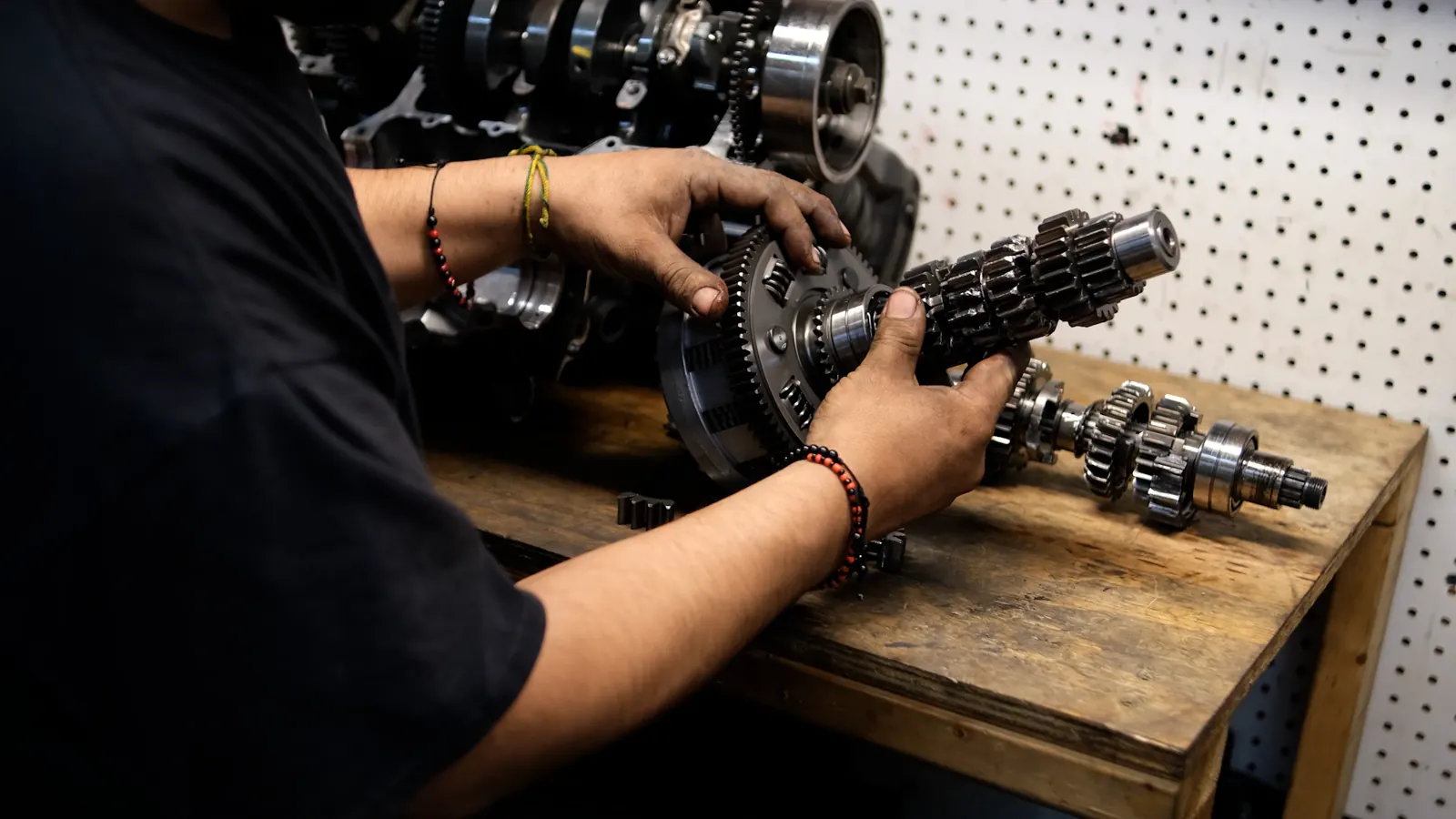
Custom paint tips it further. West-metro culture loves a bike that stands out, and no dealership in Douglasville does paint in-house. A restoration paired with a one-of-one color can turn a plain old bike into the one everybody asks about at Arbor Place. If you want to see what that kind of transformation involves, take a look at our restoration work — it’s the sort of thing that changes a middle-of-the-road decision into an easy yes.
The math most people get wrong
When folks run the numbers, they usually compare the restoration cost to what the bike is worth today, sitting dead in the garage. That’s the wrong comparison, and it makes restoring look like a bad deal every time. The honest math compares the restoration cost to what the bike is worth finished, plus what it’d cost to replace it with something equal. Run it that way and a lot of bikes that looked like money pits suddenly pencil out fine.
Don’t forget the stuff that isn’t on the calculator, either. The years of riding you get out of a bike you trust, the resale premium a clean machine commands on the west side, and the plain fact that you know this bike’s whole history instead of gambling on a stranger’s neglect — those all count. Money isn’t the only currency here. Sometimes the bike that costs a little more to keep is the one that’s actually worth the most to you.
Restore to keep, or restore to sell
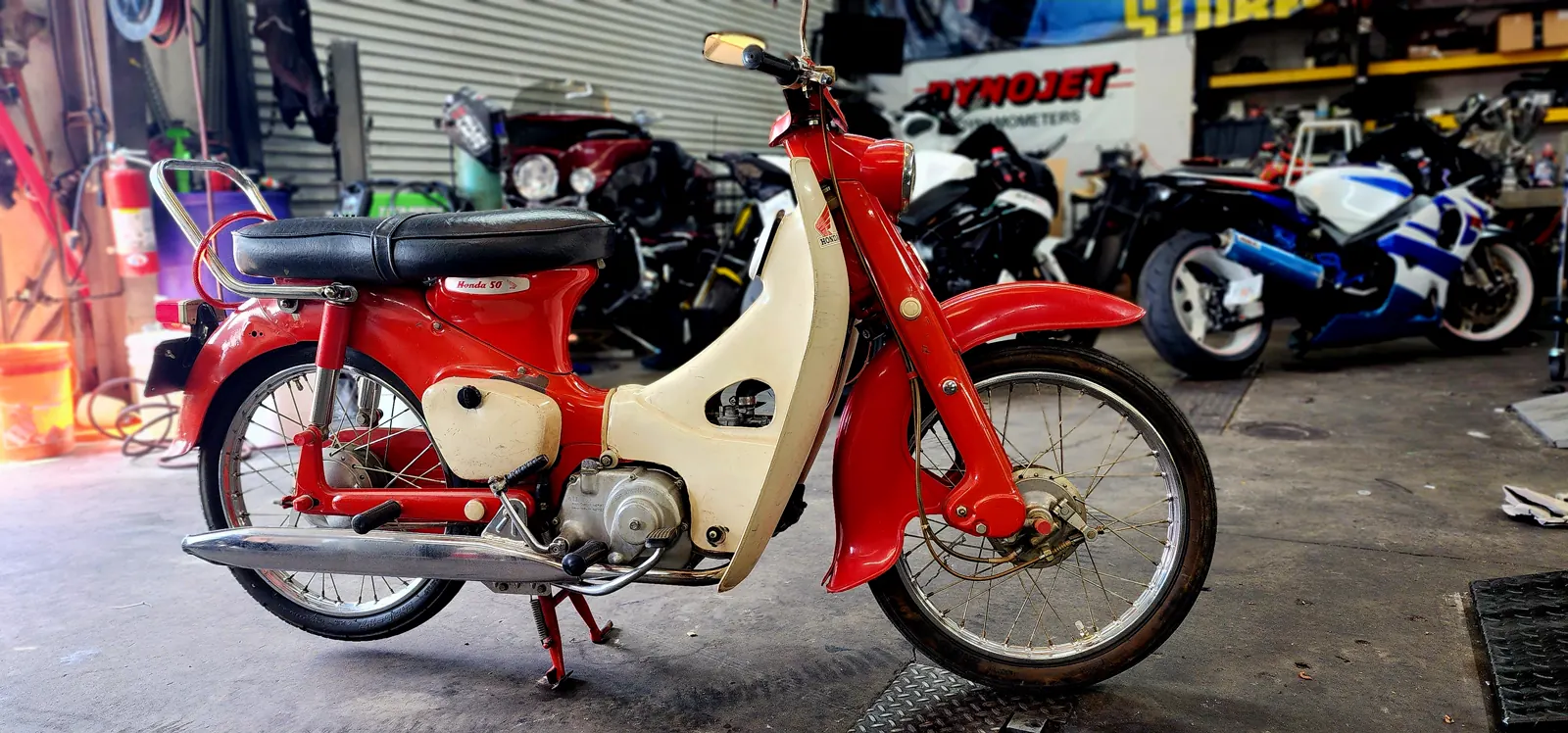
If you land on restore, there’s still a fork worth naming, because it changes how far you take the work. Restoring to keep means building the bike you want to ride — safe, solid, and looking however makes you smile, whether that’s a clean rider or a full showpiece. There’s no wrong level here, because you’re the one living with it. Some folks want museum chrome, others just want to hear it run and hand it to a kid one day.
Restoring to sell is a different calculation. Here you spend where it moves the price and skip where it doesn’t. Getting a dead bike running and sharp can multiply what it sells for, but there’s a point where extra polish stops paying you back. We’ll tell you honestly where that line is for your bike, so you don’t over-invest chasing a sale price the market won’t reward. That’s the kind of straight advice that keeps you from turning a smart sell into a money loser.
Either way, the work underneath has to be real, and that’s non-negotiable. Whether you’re keeping the bike forever or handing it to a buyer, the mechanicals get done right and the safety parts get replaced. A pretty bike that isn’t sound is a lie waiting to happen, and we won’t put our name on one. Restore to keep or restore to sell — the shine can be dialed up or down, but the bones are always done properly.
How to decide without regret
The move that saves people from regret is getting one honest opinion before they commit either way. Not from a shop trying to sell you a giant restoration, and not from a buyer trying to talk your bike down to nothing. Just a straight read on what the bike is, what it’d take to bring back, and what it’s worth on both sides of the decision. That’s the number that lets you choose with your eyes open, whichever way you go.
That’s exactly what we give you, even when it costs us the job. We look before we quote, we tell you honestly whether it’s a keeper or a seller, and if it’s worth restoring we lay out what a restoration is worth so the payoff is clear. And if you decide to keep it, you’ll want to know you’re leaving it with the right hands, which is where the right shop for it comes in.
WISH YOU KNEW
You can decide for free — one look tells you which way to go.
Here’s what we wish every rider on the fence knew: you don’t have to guess. A quick look settles it, and it costs you nothing. Since a bike that sat usually isn’t running, we come get it from Douglasville, so there’s no trailer to borrow just to get an answer. Text us a couple of photos, tell us the story and what you’re leaning toward, and we’ll give you a straight read on restore versus sell before you spend a dollar either way. No pressure, no sales script, just the truth about your bike.
Questions Douglasville riders ask us
How do I decide whether to restore or sell my bike?
Answer three questions honestly: Does it mean something to you? Is it a model that holds value? Do you actually want to ride it? If any of those is a strong yes, restore. If it’s all no and you’d rather have the space and cash, sell. The middle cases are where an honest second opinion helps most.
Will a restoration shop tell me to sell?
We will, when that’s the honest answer. If the bike has no sentimental weight, is common and worth little even restored, and you won’t ride it, we’re not going to cheer you into spending money to feel busy. A straight shop tells you the truth even when it costs us the job.
My bike doesn't run. Should I sell it as-is?
You can, but know that a non-running bike sells for pennies because buyers price for the worst. The gap between a dead bike and a running, clean one is huge. Sometimes the smartest sell is getting it running and sharp first, then selling it for what a finished bike actually commands.
Is it cheaper to restore what I have or buy another used bike?
Often it’s cheaper to restore, especially if your bike just sat and needs a wake-up. Once you price a comparable used bike with tax and the unknowns of someone else’s neglect, keeping the one you know can be the smart-money move. We’ll give you both numbers so you can compare.
Does the Douglasville market favor restoring?
It leans that way. The west side has real buying power, a proud appearance-forward riding culture, and strong demand for clean, characterful bikes. A well-restored machine holds value here, and custom paint — which no local dealer offers in-house — can turn a plain bike into the one everybody asks about.
How do I get an honest opinion without a sales pitch?
Text us a couple of photos and the story of the bike, plus what you’re leaning toward. We look before we quote and give you a straight read on restore versus sell before you spend a dollar. Since a bike that sat usually isn’t running, we’ll come get it from Douglasville — no trailer needed.
We help riders decide and then do the work all over Douglas County and the west metro, not just around downtown Douglasville. We hear from folks with a bike parked in the garage in Chapel Hills and the golf-course neighborhoods, from Tributary at New Manchester where the trails run toward Sweetwater Creek State Park, from the new homes in Brookmont, and from the family streets of Anneewakee Trails. Out in Winston there’s always a bike in a shed somebody can’t decide about, and along the Fairburn Road and Thornton Road corridors plenty of apartment and townhome riders have a machine under a cover with no garage and a decision hanging over it. Every one of those gets the same honest read — restore or sell, straight up. Now for the drive, because we know what you’re picturing: the I-20 and I-285 interchange, bumper to bumper. Skip it. Our shop is at 847 Barnes Mill Road in East Cobb, and the smart route is Thornton Road up to the East–West Connector, into Marietta without ever touching the Perimeter. And if your bike isn’t running — which is common when you’ve been sitting on the fence — you don’t drive at all. We pick up from Douglasville, Lithia Springs, Austell, Mableton, Powder Springs, Hiram, Villa Rica, Winston, Chapel Hill, and Fairburn, and we handle transport for bikes bought across the Southeast, so the forty-to-sixty-minute distance never factors into your decision. We know Arbor Place is the landmark everybody navigates by, and the historic downtown Main Street district is the heart of the city, so when we talk about your bike we use the roads and places you actually know. The west side happens to be a strong market for a clean bike — Douglas County has real buying power, a proud appearance-forward riding culture, and genuine demand for characterful machines — so a well-restored bike holds its value here in a way it might not somewhere quieter. That fact tilts more decisions toward restore than people expect, and it’s part of why we give you both numbers, the finished value and the honest sell price, before you choose. You get an all-makes shop that will tell you the truth even when it means we don’t get the job, in-house custom paint no dealer in town offers, and text updates with photos if you do decide to restore. Whether your bike is a keepsake from Chapel Hills or a common cruiser sitting in a shed out in Winston, you’ll get a straight read on which way to go. If you ride the west side and you’re stuck on the fence, one honest look gets you unstuck.
TEXT US A PHOTO OF YOUR BIKE
Stuck deciding whether to restore or sell? Text us a couple of photos and the story of the bike, plus what you’re leaning toward. We’ll give you a straight read before you spend a dollar either way — even if the honest answer is sell. We’re in East Cobb, an easy run up Thornton Road to the East–West Connector so you skip the Perimeter, and we’ll come get the bike from Douglasville if it isn’t running. No sales script, just the truth.
470-460-9883Diaz Motorcycles and Service, LLC · 847 Barnes Mill Road, Marietta, GA 30062