Motorcycle Restoration Cost in Douglasville: A Plain-English Breakdown
What really drives the price, why two bikes never cost the same, and where you can save without cutting a corner that matters.
Plus, the question everybody wants answered first is the one nobody can answer over the phone: what’s this going to cost? Meanwhile, a lot of shops will just blurt out a big scary number to get you off the line. Of course, that number is a guess, and guesses are usually high. Here’s the honest version: motorcycle restoration cost Douglasville riders should plan for depends almost entirely on the bike’s condition and how far you want to take it, so the smart move is understanding the drivers first, then getting a real number tied to a real look.
We get it. You’ve got a bike out in the garage in Chapel Hills or sitting under a cover off Bill Arp, and before you fall in love with the idea, you want to know if your wallet can handle it. That’s exactly the right way to think about it. So let’s pull the price apart into the pieces that actually move it, and you’ll be able to look at your own bike and get a feel for where it lands before we ever meet.
Why no two restorations cost the same
This is the big one, so we’ll say it plainly. A restoration price isn’t a menu item. Two of the exact same model can cost wildly different amounts to bring back, because condition is everything. One sat in a dry garage for three years and needs a wake-up and a freshen. The other sat eight years under a leaky cover with a rusted tank and seized brakes. Same bike, very different jobs. That’s why a straight shop looks before it quotes, and a shop that quotes without looking is guessing.
The other half is you. How far do you want to go? Safe and running is one number. A clean rider that looks great from ten feet is another. A showpiece with fresh chrome and custom paint that turns heads at Arbor Place is another again. None of those is the wrong choice. They’re just different budgets, and the beauty of it is you get to pick where on that ladder you want to stop.
The pieces that actually move the price
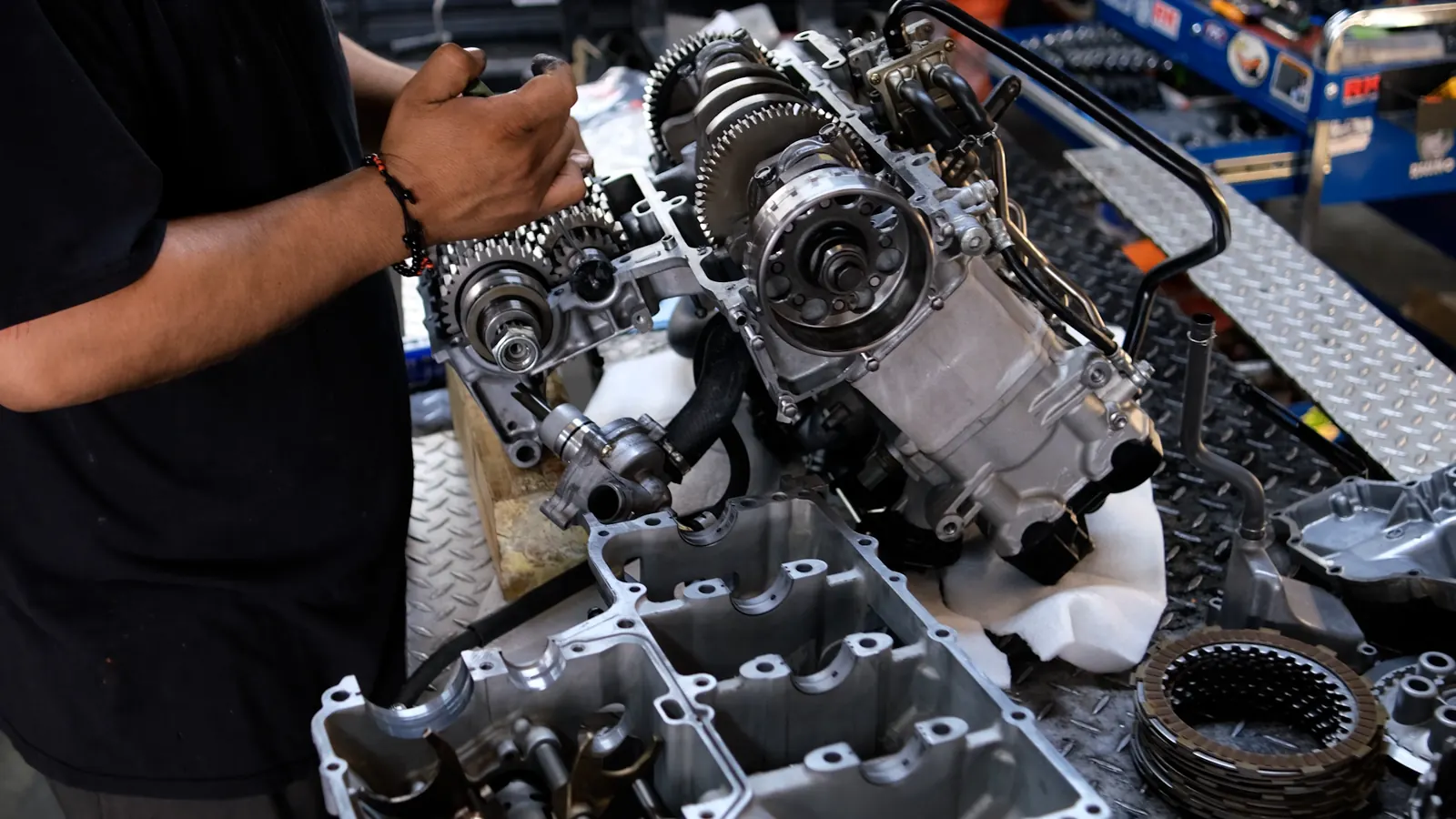
Let’s break the cost into the parts that matter, because once you see them you’ll understand your own quote instead of just staring at a total. Every restoration is really a stack of smaller jobs, and the size of each one depends on your bike. Here’s where the money tends to go, roughly in order of how much it can swing the number.
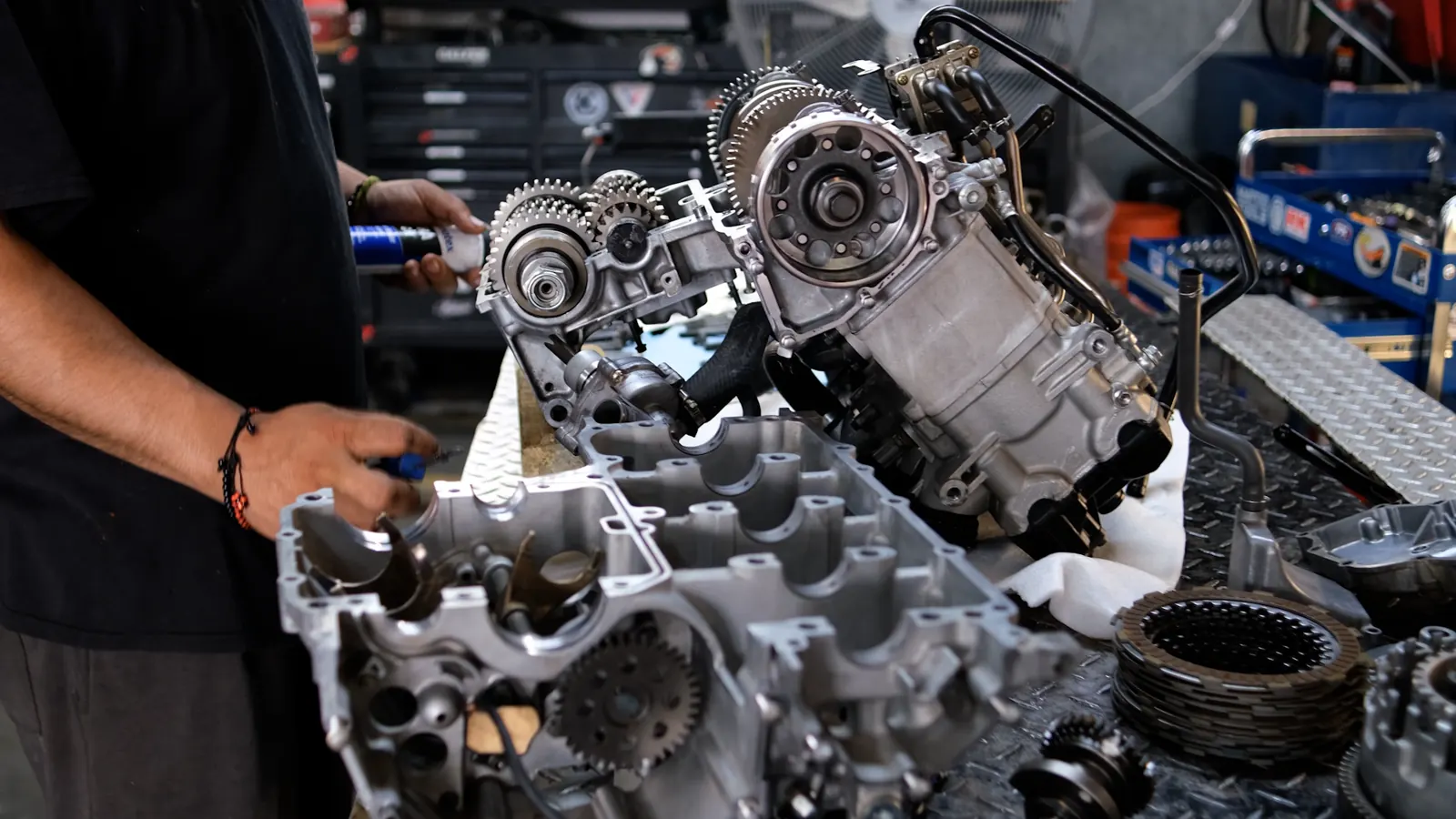
- Engine and internals — a running engine that just needs freshening is cheap next to a full teardown and rebuild.
- Fuel system — cleaning a mildly gummed carb is nothing like a rusted tank and injectors that need replacing.
- Parts availability — common bikes are affordable; rare models where a single part takes weeks to find cost more.
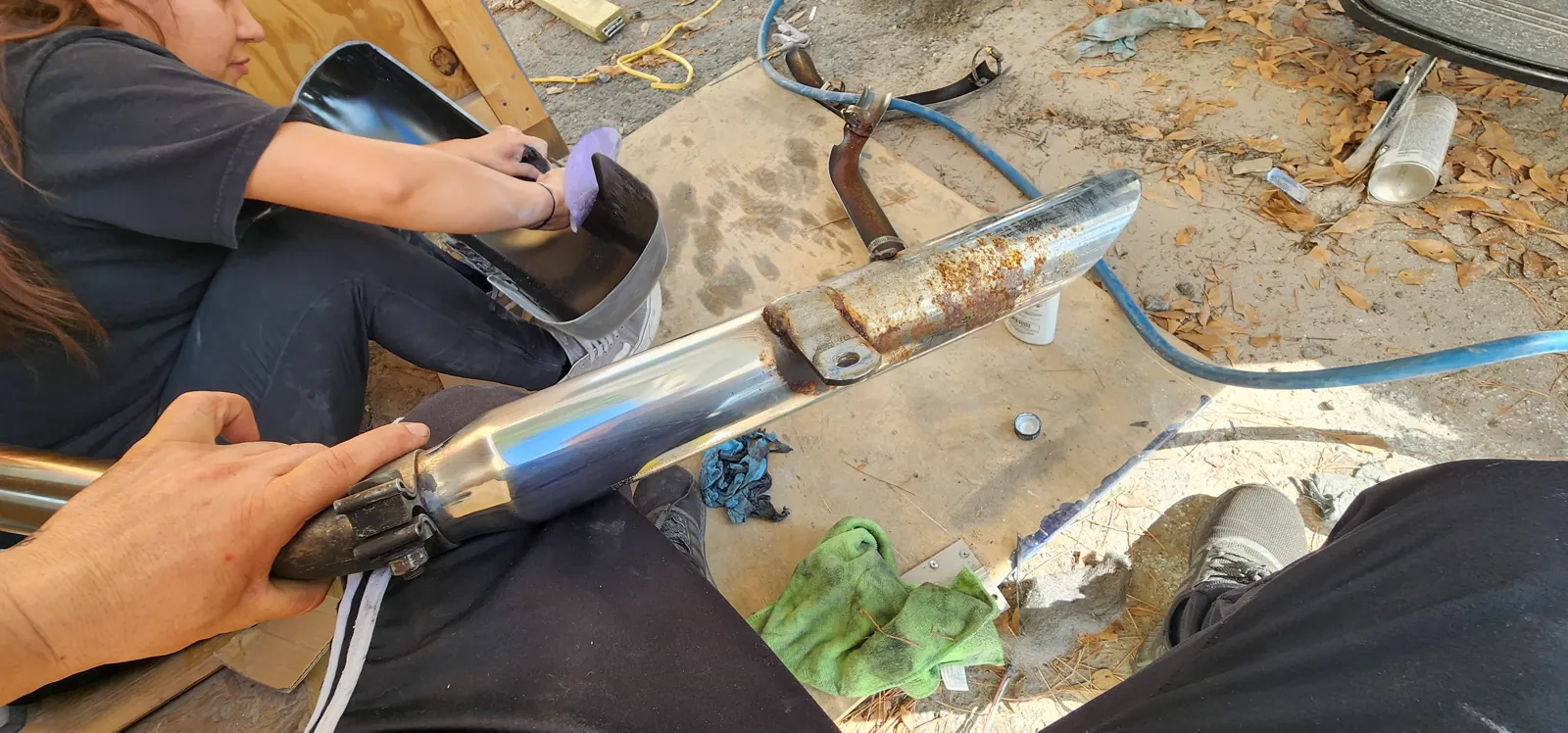
- Chrome and metal — hand-polishing pitted chrome is slow labor; re-plating is more; new chrome parts are most.
- Paint — a color-match respray sits below full custom candy, flake, or hand-laid pinstripe work.
- Labor hours — the invisible driver, because a bike fighting rust and seized bolts eats far more time.
Notice how labor threads through every one of those. That’s the honest secret of restoration pricing: you’re mostly buying skilled hours, not a shelf of parts. A tank that comes off in five minutes and a tank whose bolts snapped off from rust are the same part, but they are not the same bill. That’s also why the condition of a bike that’s been a bike that’s been sitting for years matters so much to the final number.
HEADS UP
The lowball quote and the surprise final bill are usually the same shop.
Watch out for this one, because it’s the oldest trick in the book. A shop quotes suspiciously low to win the job, then the change orders start rolling in once your bike is apart and you can’t easily take it anywhere else. Suddenly the cheap restoration is the expensive one. A straight shop does the opposite. We look first, tell you what we see, and if something new turns up mid-job we stop and call you before we touch it. You approve every extra before it happens, so the number never runs away from you.
Where you can save without wrecking the result
Here’s the part shops don’t always volunteer: there are smart ways to spend less, and we’ll point them out. The biggest is staging. You don’t have to do the whole restoration at once. Make it safe and running first, ride it a season, then come back for chrome and paint when the budget’s recovered. Spreading the work costs the same total but it never hits your wallet all at once, and plenty of Douglasville riders do it exactly that way.
The other honest savings is being clear about your goal. If this is a rider you’ll enjoy on weekend runs down Chapel Hill Road, you don’t need show chrome and museum paint. If it’s a family bike you’re keeping forever, maybe you do. Telling us the truth about what you actually want lets us skip the steps you don’t need, and that’s real money saved. Cheap-out on the wrong thing, though — like skipping brakes to afford flashier paint — and that’s where we’ll gently talk you back.
You're not buying a shelf of parts. You're buying the hours it takes to do it right the first time.
Custom paint: the cost that pays you back
On the west side, paint is where a lot of the budget goes, and it’s the one most worth it. West-metro riding culture is proud and appearance-forward, and no dealership in Douglasville does custom paint in-house. A restoration is the cheapest time to do it, because the bike is already apart, so every panel gets sprayed and matched at once instead of touched up later where the color never quite lines up. Doing paint during the restoration costs far less than doing it as a separate job down the road.
It also adds the most visible value back to the bike. A matched tank and fender in a one-of-one color is what makes people ask where you had it done. If you’re trying to figure out whether the whole spend makes sense, our take on what a restoration is really worth connects the cost to the payoff, so you’re deciding with the full picture instead of just a scary total.
Common bikes cost less to bring back than rare ones
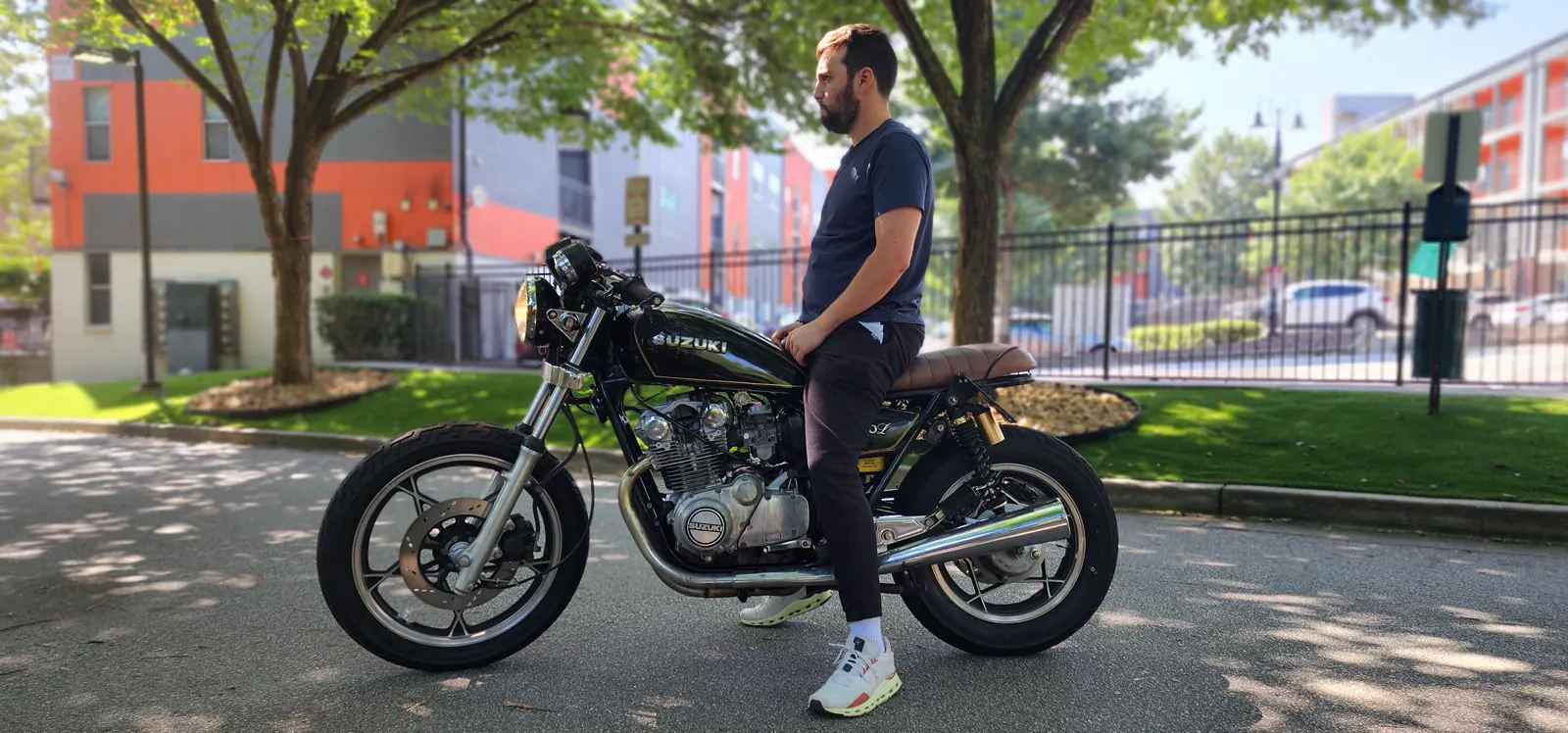
Here’s a driver people rarely think about until it bites them: parts availability. A common cruiser or a popular sportbike has parts everywhere, so a gasket set or a fuel pump shows up fast and cheap. A rare model, an oddball import, or something old enough that the factory stopped making pieces decades ago is a different story. Now a single part might take weeks to track down and cost a small fortune when it finally turns up, and that patience shows up in the total.
That doesn’t mean a rare bike isn’t worth restoring — often it’s the most worth it, because a hard-to-find machine brought back right can be genuinely valuable. It just means the budget needs to plan for the hunt. We’ll tell you upfront if your bike is a parts headache, so the timeline and the number don’t blindside you halfway through. Knowing that going in is half the battle, and it’s the kind of straight talk you won’t get from a phone quote.
The hidden cost nobody warns you about: time
Time isn’t a line on the invoice, but it’s a real cost, and an honest shop names it. A full restoration can take weeks, sometimes longer if a rare part goes on backorder. That’s not a shop dragging its feet, it’s the reality of doing careful work and waiting on the right pieces. If somebody promises you a museum-quality bring-back in a weekend, that’s the same red flag as a price that sounds too good — corners are about to get cut.
The way we keep time from becoming frustration is communication. You get text updates and photos as the bike comes together, so the wait never feels like a black hole. If a part is holding things up, you hear it from us instead of wondering. A restoration is a relationship for a little while, and the shops worth their price treat it that way instead of going silent the second they have your keys.
Staging helps here too, and it’s worth repeating because it saves so much stress. If you break the job into a running phase now and a paint-and-chrome phase later, you’re riding sooner and the calendar stops feeling like a wall. You spread the time the same way you spread the money, and both feel a lot more manageable. That flexibility is one more reason west-side riders make the trip to a specialist instead of settling for whoever can squeeze them in first.
How Douglasville pricing compares to the dealers
You’ve got two real dealerships in town, so you already know dealer labor rates, and you probably know online parts prices too. That makes you a sharp shopper, and we respect that. The thing dealers usually don’t do is restoration, because their bays are built around newer bikes under warranty. An older bike or a full bring-back gets a different reception there, if they’ll take it at all. That’s the gap an independent like us fills, and it’s why the drive up to East Cobb makes sense for the work.
We compete on craft and communication, not on being the absolute cheapest, because the cheapest restoration is almost never the one that lasts. What you get for the number is honest staging, an all-makes shop that treats a barn find with real care, in-house custom paint no dealer offers, and text updates the whole way through — you can see the restoration work we do for yourself. If you’re on the fence about spending anything at all, our honest breakdown of whether to restore it or let it go is worth a read before you commit.
WISH YOU KNEW
A real number comes from a real look — everything else is a guess.
Here’s what we wish every rider knew before they spent an afternoon worrying about the cost. The only way to get a number you can trust is to let us see the bike, and that costs you nothing. Since a project bike usually isn’t running, we come get it from Douglasville, so there’s no trailer to borrow. Text us a few photos of the bike and the tank, tell us how long it sat and what you want at the end, and we’ll turn it into a real plan with a real number — no lowball to reel you in, and no surprise bill at the finish.
Questions Douglasville riders ask us
Why can't you just tell me a restoration price over the phone?
Because condition is everything, and we can’t see it over the phone. Two of the same model can cost very different amounts depending on rust, seized parts, and how far you want to take it. Any number given sight-unseen is a guess, and guesses are usually high. We look first, then give you a real one.
What's the biggest thing that drives the cost?
Labor hours, threaded through every step. You’re mostly buying skilled time, not a shelf of parts. A bike fighting rust and snapped bolts eats far more hours than a clean one. After labor, the engine work, chrome, and custom paint are the biggest swings in the number.
How can I keep the cost down?
Stage the work. Make it safe and running first, ride a season, then come back for chrome and paint when the budget’s ready. It’s the same total but never hits at once. Being honest about your goal helps too — a weekend rider doesn’t need show chrome, and skipping steps you don’t need is real savings.
Is doing custom paint really cheaper during a restoration?
Yes. The bike is already apart, so every panel gets sprayed and matched at once instead of touched up later where the color never lines up. Paint done during the restoration costs far less than the same paint as a separate job, and no dealership in Douglasville offers in-house custom paint at all.
Will the price change once you're into the job?
Only with your okay. We look before we quote, so surprises are rare. If something new turns up once the bike’s apart, we stop and call you before we touch it. You approve every extra before it happens, so the number never runs away from you like it does with a lowball shop.
How do I get an actual number for my bike?
Text us a few photos of the bike and the tank, and tell us how long it sat and what you want at the end. We diagnose before we quote and turn it into a real plan with a real price. Since a project bike usually isn’t running, we’ll come pick it up from Douglasville — no trailer needed.
We price and restore bikes for riders across Douglas County and the west metro, not just the folks near downtown Douglasville. We see machines from Chapel Hills and the golf-course neighborhoods, from Tributary at New Manchester where the walking trails run down toward Sweetwater Creek State Park, from the new-construction streets of Brookmont, and from the family blocks of Anneewakee Trails. Barn finds come in from Winston, and plenty of projects come from apartment and townhome riders along the Fairburn Road and Thornton Road corridors who’ve kept a bike under a cover with no garage of their own. The price on every one of them starts the same way — an honest look, not a phone guess. Speaking of the drive, we already know the number-one worry: you do not want to crawl through the I-20 and I-285 interchange to reach us, and you don’t have to. Our shop sits at 847 Barnes Mill Road in East Cobb, and the smart way in is Thornton Road up to the East–West Connector, dropping you into Marietta without ever touching the Perimeter. Even better, for a project bike that isn’t running, skip the drive completely. We pick up from Douglasville, Lithia Springs, Austell, Mableton, Powder Springs, Hiram, Villa Rica, Winston, Chapel Hill, and Fairburn, and we handle transport for bikes bought across the Southeast, which means the forty-to-sixty-minute distance never touches your quote or your day. We know Arbor Place is the landmark everybody navigates by out here, and we know the historic downtown Main Street district is the center of the city, so when we talk cost we talk in the roads and places you actually use. We also know Douglasville riders are sharp shoppers with two dealerships in town to benchmark against, so you already know dealer labor rates and online parts prices — and we respect that, because it means we have to earn the number with honest work instead of hoping you don’t check. That’s why we break the price into pieces you can see, name the parts that are hard to find before they surprise you, and lay out where staging can spread the spend. You get an all-makes shop, transparent staging so you can pay at your own pace, in-house custom paint no dealer in town offers, and text updates with photos the whole way. Whether your project is a common cruiser from Anneewakee Trails or a rare import that’s been sitting since before Arbor Place opened, you’ll get a real number tied to a real look, not a guess designed to reel you in. If you ride the west side, a real restoration number is one photo away.
TEXT US A PHOTO OF YOUR BIKE
Want a real restoration number instead of a phone guess? Text us a couple of photos of the bike and the tank, tell us how long it sat and what you want at the end, and we’ll turn it into an honest plan with an honest price. We’re in East Cobb, an easy run up Thornton Road to the East–West Connector so you skip the Perimeter — and we’ll pick your project up from Douglasville since it’s probably not running. No lowball, no surprise bill.
470-460-9883Diaz Motorcycles and Service, LLC · 847 Barnes Mill Road, Marietta, GA 30062