Motorcycle Not Starting Gainesville — How to Fix It
A no-start is your bike talking. Here's how to read what it's saying, and when it's still safe to ride.
By Melvin Diaz||9 min read
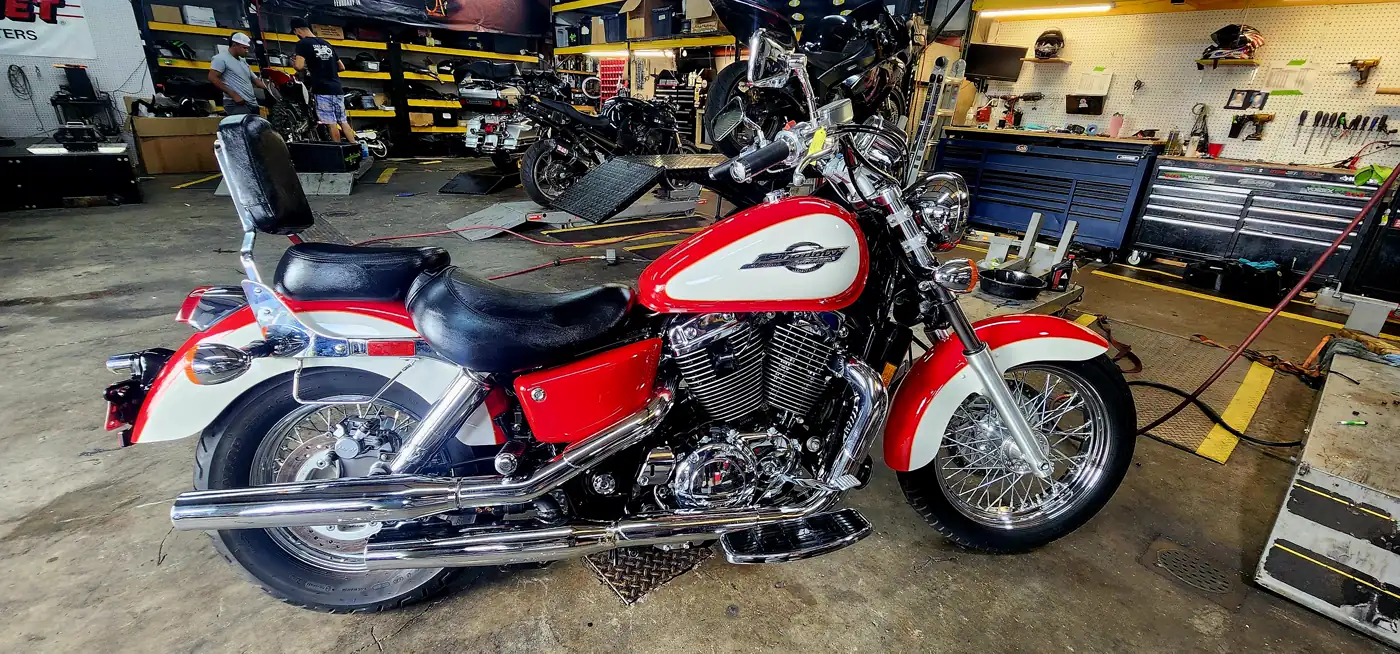
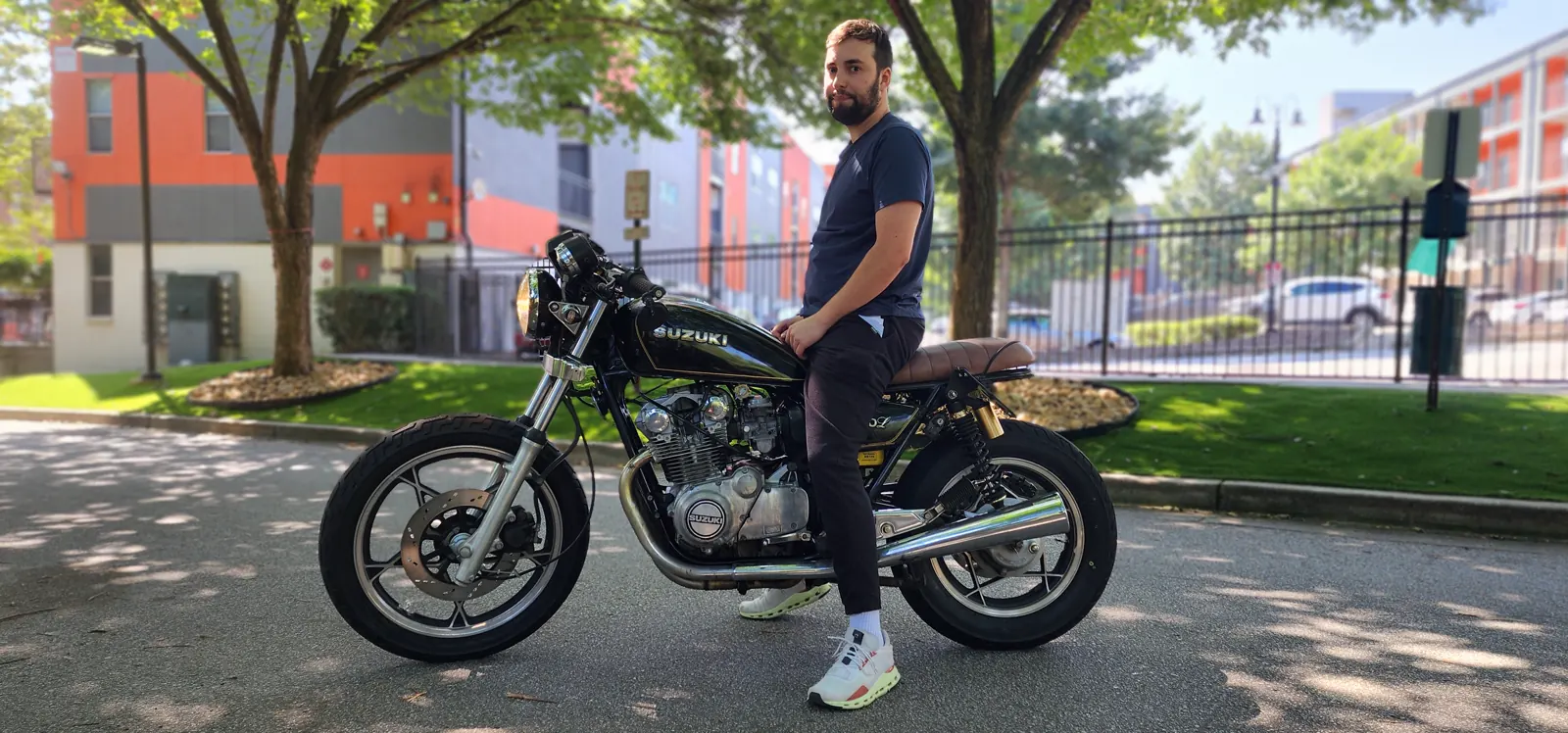
Still, He’d had the cruiser about three weeks. Plus, Bought it from a neighbor over near Chattahoochee Landing, rolled it home, and it lit off every single time he thumbed the button. Then came the first cool Saturday. One dry click. Then nothing but the little whir of the fuel pump priming. Of course, he wasn’t new to riding at all. Then again, he was new to this bike, and that’s a different animal. Even so, every machine has habits, and learning them takes a season. Meanwhile, a motorcycle not starting Gainesville riders haven’t owned very long is usually the bike saying something simple in a language you haven’t picked up yet.
So he did what most of us do. He hit the button again. Same click. In fact, that said, he pushed it back into the garage, borrowed a charger from a buddy, and waited it out. Two hours later it fired right up, ran clean, and he took it north on GA-60 toward Murrayville like nothing had happened. For example, the next Saturday, same dry click in the same driveway.
After that, That’s the part that makes riders a little crazy. A bike that never starts is a project you can plan around. A bike that starts most of the time is a mystery, and mysteries eat weekends. Good news, though: this one has a short list of suspects, and almost none of them are scary.
What a no-start actually feels like from the saddle
Riders describe this a dozen ways, and the exact flavor tells us a lot. A single loud click is a different story than a slow lazy crank. A bike that spins fast and never catches is telling us something else again. Before you touch a tool, just listen. Your ears do half the diagnosis for free.
- One sharp click, dash lights dim hard, nothing turns — the starter asked for power and didn’t get enough.
- Slow, tired cranking like the engine is turning through syrup, then it gives up.
- Fast, healthy cranking that never fires — spark or fuel, not electrical supply.
- Nothing at all. No click, no dash, no fuel pump prime.
- It starts cold, then refuses after a short ride, then starts again once it cools off.
Write down which one you’ve got. Seriously. Riders forget by the time they call, and that one detail can be the difference between a quick look and a long hunt. If it’s intermittent, note the weather too. Around here, the first genuinely cold nights show up earlier than they do down in Atlanta, and cold is hard on tired batteries.

The real cause, most common first
1. The battery, by a mile
This is the winner far more often than anything else, and it’s rarely the battery you’d suspect. Bike batteries are small. They hate sitting. Garage space is easy to come by in Hall County, which sounds like a blessing and mostly is, but it means bikes park for weeks between rides. A battery that reads fine on a meter can still fail under the load of a starter motor. That’s the classic click. Plenty of friends we’ve helped were sure they had an engine problem when they had a two-year-old battery quietly running out of punch.
2. Connections and grounds
Second place, and it costs almost nothing to check. A loose battery terminal, a corroded ground strap, a chafed wire behind the side cover — any of them can starve the starter. Vibration does this over time, and if you ride the patched, settled pavement through Chicopee Village or the older streets downtown, your bike gets shaken more than a highway commuter’s would. Clean, tight, dry connections fix a shocking number of no-starts.
3. Fuel that sat too long
If the bike cranks strong and simply won’t catch, look at what’s in the tank. Modern pump gas goes stale faster than most riders expect, and it leaves varnish behind in carburetors and injectors. Bikes stored over winter in a Northeast Georgia garage are the usual candidates. This is also why we see so much carburetor and fuel-system work up that way — lots of covered storage means lots of bikes that nap for months at a stretch.

4. The starter relay or the button itself
A relay is a switch that lets a small wire boss around a big one. When it wears out, you get that click with no crank, or crank one day and silence the next. The handlebar start button gets grimy too. It’s a small part in a small place doing a small job, and when it quits it does a very good impression of a much bigger problem.
5. The safety switches
Kickstand switch, clutch switch, neutral switch, kill switch. These exist to keep you from riding off with the stand down, and they’re the reason for a lot of embarrassed phone calls. Wiggle the kickstand. Pull the clutch all the way in. Rock the bike into neutral and back. If any of that changes the behavior, you’ve found your gremlin, and it’s a friendly one.
QUICK CHECK
Lights bright but one click? Suspect the battery under load or the relay. Lights die when you press the button? Battery or connections. Strong crank, no fire? Fuel or spark. That’s most of the map right there.
There’s a version of this that’s cheap and a version that isn’t. The cheap version is a battery, a terminal, a relay, a switch, or a tank of fresh fuel — parts you can hold in one hand, done in an afternoon. The version that isn’t cheap is the one where a bike sat for years, the fuel system gummed solid, and the charging system quietly cooked a series of batteries while nobody was watching. Both start with the exact same click in the driveway. That’s why we don’t guess.
Riders in the market for help here generally choose between a dealership, a big local service shop, and an independent that does the deeper work. Each fits a different situation, and we’ve written plainly about the tradeoffs between them so you can pick without a sales pitch. If you’re shopping pre-owned rather than fixing, Gainesville Cycles sits about ten minutes from downtown and handles used bikes and accessories.
How we decide what's actually wrong
Diagnosis is boring on purpose. Boring means repeatable. We work from cheapest and most likely toward rarest and most involved, and we stop the second the bike tells us the truth.
- Load-test the battery, not just voltage. A meter lies; a load tester doesn’t.
- Check every ground and terminal for corrosion, tightness and heat marks.
- Bypass the relay to see whether the starter itself will spin.
- Test the safety switch circuit, one switch at a time.
- Check for spark at the plug, then check what the fuel side is delivering.
- Test the charging system, because a bike that keeps killing batteries has a cause.
That last step matters more than people think. If we hand back a bike with a fresh battery and never ask why the old one died, you’ll be right back here in a few months. Diagnosis, electrical work, fuel systems and the rest of what we take care of here all run through the same idea: find the cause, not just the symptom.

When it's safe to ride, and when it isn't
Straight answer, because you deserve one. If the bike is slow to start but runs clean once it’s going, short local trips are usually fine while you sort it out. Stay close to home. Park where you can push it or get a trailer to it. Don’t shut it off at a gas pump and hope.
Here’s where we’d tell you to stop riding it. Anything that dies while you’re moving is a hard no. Anything with a headlight that dims and brightens with the throttle points at the charging system, and that bike will strand you. Same goes for a hot smell, a burnt-plastic smell, or a battery that gets hot to the touch. Those aren’t ride-it-and-see problems.
A bike that won't start is annoying. A bike that quits mid-corner is a different conversation.
Think about where you actually ride, too. Gainesville sits right at the mouth of the mountains, so a Saturday can put you on GA-52 with real elevation, real corners and no shoulder to speak of. Cell service gets thin. The mountain roads north of town collect gravel washed into corners after rain, wet leaves in the fall and deer at dawn and dusk. Down the other direction, GA-365 and I-985 move fast and carry a lot of truck traffic, which means debris and blown retreads. Georgia DOT posts current conditions and work zones, and it’s worth a look before a long day out. While you’re checking things over, Michelin’s motorcycle tire resources are a solid refresher on pressures and tread.
If the no-start comes with rough running, misfires or odd noises once the engine catches, that’s a different branch of the tree. We’ve laid out what that service actually involves so you can tell a nuisance from something that wants attention now.

What it feels like after
Honestly? Quiet. That’s the whole prize. You walk out, thumb the button, and the bike does the thing it’s supposed to do without you holding your breath. No little ritual of pumping the throttle. No looking around to see who’s watching. Riders tell us they didn’t realize how much brain space the doubt was taking up until it was gone.
The second thing that changes is how you plan. When you trust the starter, you stop planning rides around gas stations with pushable parking lots. You’ll ride out Thompson Bridge Road toward Dahlonega because it’s a nice morning, not because you mapped an escape route first. A friend we helped works shifts at Northeast Georgia Medical Center and had been driving in for months because he couldn’t risk a bike that might not restart at three in the morning. That’s a lot of good riding lost to one tired part.
Something worth knowing before you book anywhere
Ask any shop how they plan to find the cause before they quote you parts. A shop that answers with a process is thinking. A shop that answers with a part is guessing, and guessing on electrical work gets expensive in time even when the parts are small. You don’t need to know the answer yourself — you just need to hear that somebody has a method.
And yes, we’re in Marietta, not Hall County. That’s a real drive, whether you take the lake route through Cumming or run the interstates. Nobody should make that trip for an oil change, and we’d never ask you to. What we do ask is that you let us come get the bike. Pickup and delivery is how most Northeast Georgia riders work with us, and it turns a trailer-hunting weekend into a phone call. Same problem, different zip code — you can see how this plays out in Mableton, where the causes are identical and only the commute changes.
Spring is the busy window, by the way. March through May is when the mountains reopen and everybody wants their bike ready at once, and heavy pollen in late March and April fouls air filters while it’s at it. If your bike has been clicking at you, the cold months are a great time to hand it over.

How the cruiser story ended
His was a battery and a corroded ground, which is about as ordinary as it gets. The battery had been fine at rest and useless under load, and the ground strap had just enough green fuzz on it to steal what was left. Two small fixes, one afternoon, and a charging-system test to make sure nothing else was eating batteries in the background. Nothing dramatic happened, which is exactly what you want from a repair.
He texted us a photo a couple weeks later from a pull-off with the lake spread out behind him. Lanier does that to people. The bikes and the boats live in the same garages around here, and the same Saturday that starts with coffee on a dock ends with a run up into the hills. He’d learned his bike’s habits by then, the way you eventually do. Whether you’re rolling out of the Green Street District on a fifty-year-old twin or out of a subdivision near the Chattahoochee Golf Club on something brand new, the lesson is the same: bikes tell you what’s wrong. They just do it in clicks.
So if you’re chasing a motorcycle not starting Gainesville weather and long garage naps have gotten to, don’t let it sit another season. Tell us what it sounds like. We’ll take it from there.
Questions Gainesville riders ask us
How do you find the cause of a no-start?
We work in order, cheapest and most likely first. Battery under load, then grounds and terminals, then the relay, then the safety switches, then spark and fuel. We also test the charging system, because a bike that keeps killing batteries has a reason.
Could it be something other than the battery?
Absolutely, and often it is. Corroded grounds, a worn starter relay, a sticky kickstand or clutch switch, and stale fuel all cause no-starts. The sound your bike makes when you press the button narrows it down fast, so pay attention to whether you get a click, a slow crank, or a strong crank with no fire.
Is it safe to ride a bike that barely starts?
For short local trips, usually yes, as long as it runs clean once it’s going. Stop riding it if it dies while moving, if the headlight brightens and dims with the throttle, or if anything smells hot. Those point at the charging system, and that bike will strand you somewhere inconvenient.
Why do so many bikes here have no-start problems?
Storage, mostly. Hall County homes almost all have a garage or an outbuilding, so bikes sit safely for weeks or months between rides. Sitting is hard on batteries and hard on fuel, which is why battery, carburetor and fuel-system work is so common in Northeast Georgia.
Can I fix this myself?
Some of it, sure. Cleaning terminals, tightening a ground, and checking your safety switches are all fair game with basic tools. Load-testing a battery, chasing a wiring fault or diagnosing a charging system takes equipment most home garages don’t have, and that’s the point where a call saves you a weekend.
Do I have to trailer the bike to Marietta?
Nope. We pick up and deliver throughout Hall County and the surrounding area, which is how most riders up that way work with us. You send a text describing the symptom, we come get the bike, and you get it back running. No trailer hunting required.
We take care of riders across Hall County and the wider Northeast Georgia area, from Gainesville and Oakwood down through Flowery Branch, Buford and Sugar Hill, and out toward Braselton where a lot of track-day regulars keep their bikes. We’re just as happy heading north to Clermont, Murrayville and Dahlonega, east to Lula and Talmo, or over to Chestnut Mountain and Cumming. If your bike is parked somewhere in that stretch and won’t start, it’s an easy pickup for us.
TELL US WHAT IT SOUNDS LIKE
If your bike is clicking at you in a Gainesville garage, text us a quick description — one click, slow crank, or crank with no fire. That one detail gets us most of the way there before we ever see it. We’ll pick the bike up, find the actual cause instead of guessing at parts, and bring it back ready for a Saturday in the mountains.
470-460-9883Diaz Motorcycles and Service, LLC · 847 Barnes Mill Road, Marietta, GA 30062
Keep reading
Written by Melvin Diaz
Melvin Diaz is the owner and lead technician at Diaz Motorcycles and Service in Marietta, Georgia. He has spent his career diagnosing, repairing, tuning, and rebuilding motorcycles for riders across Cobb County and metro Atlanta.
Back to top