Dyno Tuning Cost Lawrenceville: What Really Sets the Price
No honest shop can price your tune over the phone, so here's what really decides it, in plain words.
After that, call five shops and ask what a tune runs. Also You’ll get five different answers, and the honest ones will sound the least sure. That’s not a dodge. Instead it’s the plain truth about dyno tuning cost Lawrenceville riders should expect: nobody can hand you a real number over the phone, because nobody can see your bike from there.
Here’s why. Two riders can walk in with the same model, same year, same color. One is bone stock. The other has a full exhaust, a fresh air filter, and different gearing. Those two bikes need completely different work, even though they look like twins parked side by side. A price quoted before we see yours is a guess, and a guess dressed up as a promise. We’d rather just tell you the truth and earn the trip.
So let’s slow it down and explain what a tune even is, in plain words. Your engine mixes air and fuel, then burns it. The little computer on your bike decides how much fuel to add for the air coming in. A tune changes those decisions. That’s really all it is. We adjust the recipe so the burn is clean and strong at every point on the throttle, from a lazy roll away from a stop light to a hard pull in third gear.
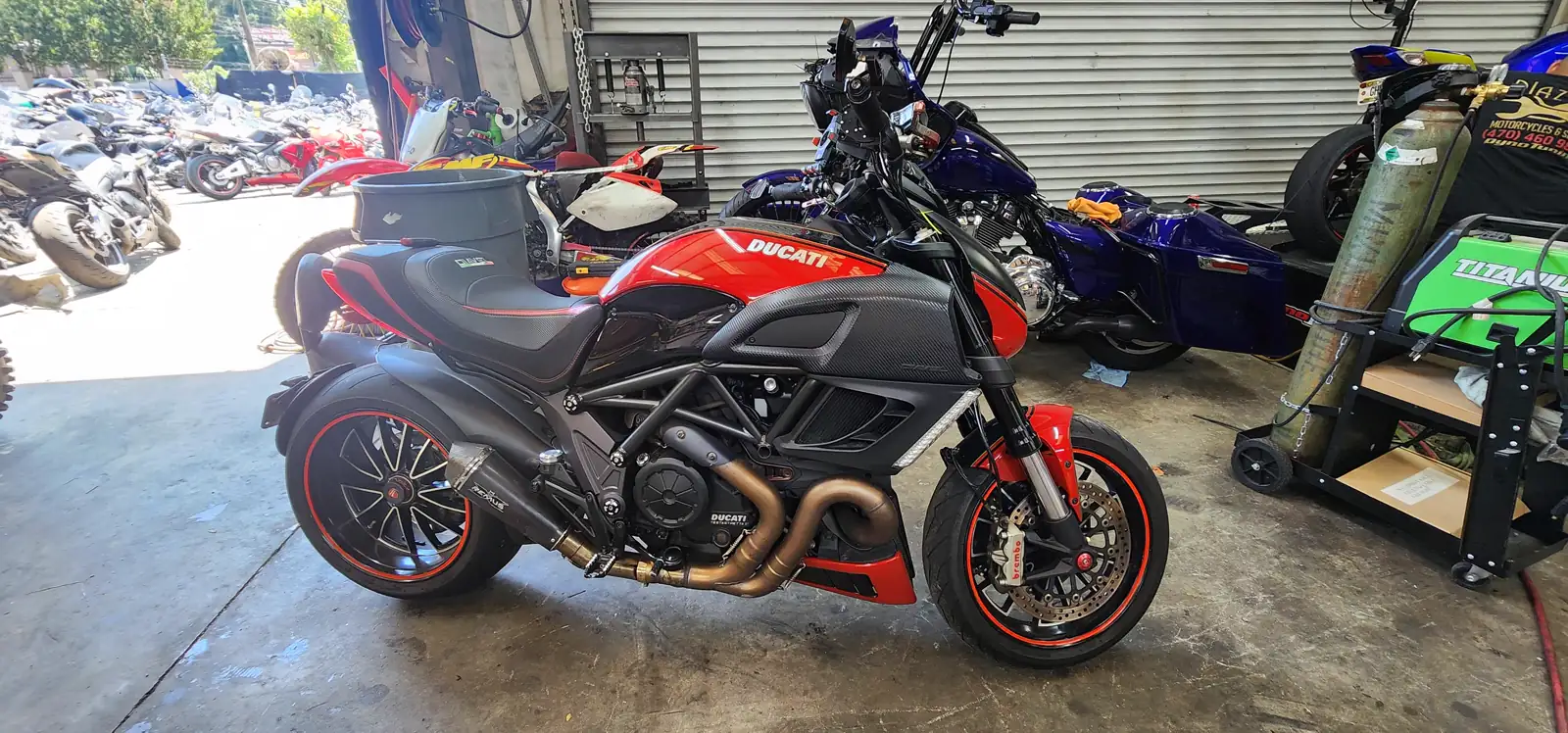
The symptoms that bring bikes in
Most tuning jobs start with a feeling, not a number. You know your bike. When something’s off, you feel it in your wrist before you can name it. Here are the complaints we hear most from friends who ride in wanting things sorted.
- A flat spot right off idle, where you crack the throttle and the bike hesitates before it pulls.
- Popping and banging on decel, like tiny firecrackers going off in the pipe every time you roll off.
- Running hot, with the fan kicking on early and heat pouring off the engine in slow traffic.
- Jerky low-speed manners that turn a slow roll or a parking-lot crawl into a real fight.
- A tip-in that snaps too hard, so smooth throttle mid-corner feels like an on-off switch.
- Weak pull up top, where the bike used to sing and now just kind of runs out of breath.
What each symptom actually means
Every one of those points back to the same thing: the mix of air and fuel is wrong somewhere. Two words come up a lot here, lean and rich. They sound scary. They’re really not. They just describe which way the recipe is off, and both are fixable.
When a bike runs lean
Lean means too much air and not enough fuel for the burn. This is the classic result of bolting on a louder exhaust or a freer-flowing filter without a tune to match. You changed how much air the engine gulps, but the computer never got the memo, so it keeps adding the old amount of fuel. A lean bike runs hot, pops on decel, and feels snatchy down low. Over time that extra heat is hard on an engine. The good news is the fix is simple once we can see it: give the computer a fresh set of instructions built for the parts you added.
When a bike runs rich
Rich is the other direction, too much fuel for the air. A rich bike can feel soft and lazy, foul its spark plugs, smell strong at the pipe, and drink more gas than it should. Sometimes a bad map from a previous owner or a generic download off the internet left it that way. Sometimes it came from the factory tuned safe and dull to pass emissions everywhere at once. Either way, we lean it back toward the sweet spot so it wakes up and breathes the way it wants to.
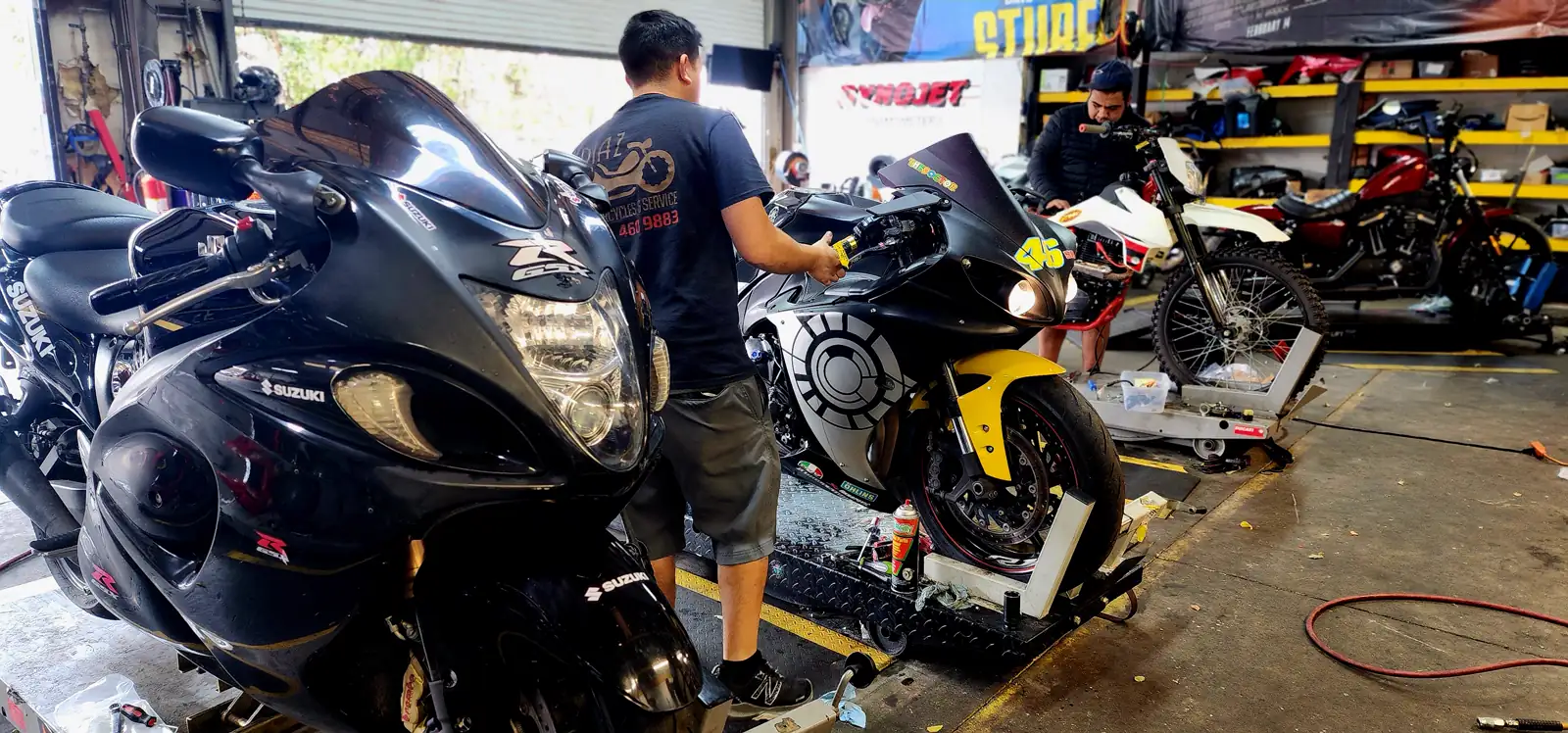
This is where the dyno earns its keep. A dyno is a big drum that your rear wheel spins against while the bike is strapped down safe. It measures the real force your bike puts to the ground across the whole rev range, and a sensor reads the exhaust to see exactly how lean or rich you are at each point. No guessing anywhere. We watch a live picture of what your engine is doing and shape the map around it. If you want the full rundown on it, we wrote a whole piece on reading that sheet after a tune.
Now flip it around and look at it from the bike’s side. All this time we’ve talked about what you feel through the bars. Your engine feels it too, in its own quiet way, and it’s been trying to tell you.
What your engine is trying to tell you
Think of the computer as a nervous new cook following an old recipe card. It’s doing its best. But you swapped the oven and the pans and never updated the card. So it keeps guessing, and it guesses safe, which usually means it dumps in extra fuel or holds timing back to stay out of trouble. Your engine isn’t broken. It’s just cooking blind. A tune hands it a fresh card written for the kitchen you actually built.
That’s the reassuring part, and it’s worth sitting with. Most of what feels wrong isn’t damage. It’s a mismatch. And a mismatch is fixable in an afternoon, not a teardown.
What happens when you bring it in
So here’s the actual process, start to finish, no mystery to any of it.
- We talk first. You tell us what the bike’s doing and what parts are on it. Then we look it over on the lift and check for anything that would make tuning unsafe, like a tired chain or a leak.
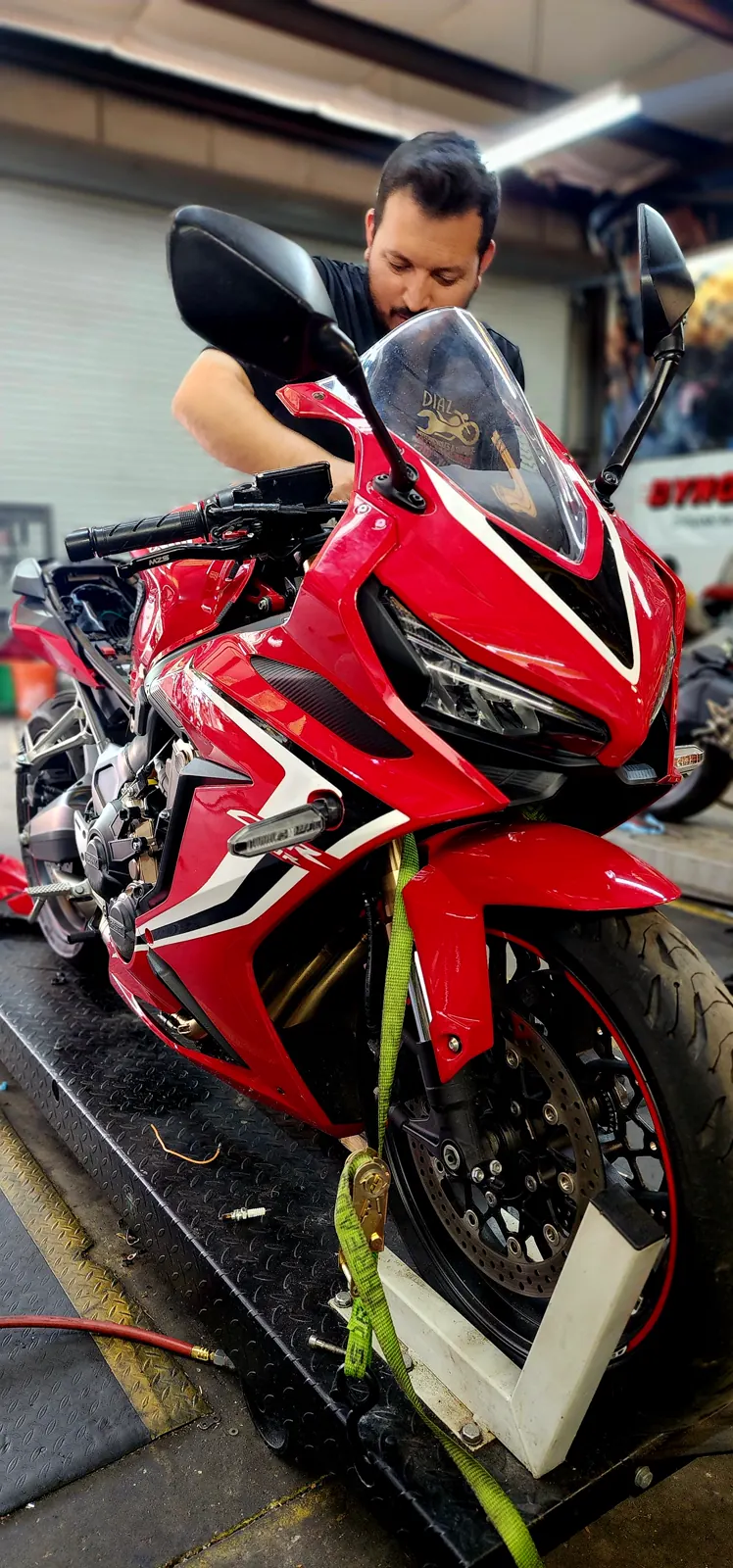
- We strap it to the dyno. The front wheel goes in a chock, the bike gets tied down, and a probe goes in the exhaust to read the mix.
- We take a baseline pull. That first run shows us where the bike stands right now, warts and all.
- We build the map. Whether your bike takes an ECU flash or a Power Commander, we adjust the fuel and timing point by point across the whole range.
- We pull again, read, and adjust. Over and over, tightening it up until the whole curve is clean and smooth.
- We check the feel. Numbers are great, but the bike has to feel right in your hand, so we confirm it rides the way it reads.
That back-and-forth is the exact part a phone quote can’t capture. One bike locks in fast. Another fights us at a single spot in the rev range and takes twice the pulls to settle down. Here’s what you get when you bring it in, and why two jobs that sound identical on paper can run very different lengths in the bay.
PARTS VS LABOR
A tune is mostly labor, not parts. The real work is our time on the dyno and the skill to read what it shows, not a box we bolt on. That’s exactly why the size of the job depends on your bike, not a price list on a wall.
How long it takes, and why it varies
Time is really the whole story behind the dyno tuning cost Lawrenceville riders ask us about, because time is most of the job. A clean, lightly modified bike with good parts can be mapped and done in one session. A bike with mismatched parts, a rough baseline, or a stubborn spot in the curve takes longer, because we chase it until it’s right instead of calling it good early. Honestly, we’d rather spend the extra pulls than hand you back something half-sorted.
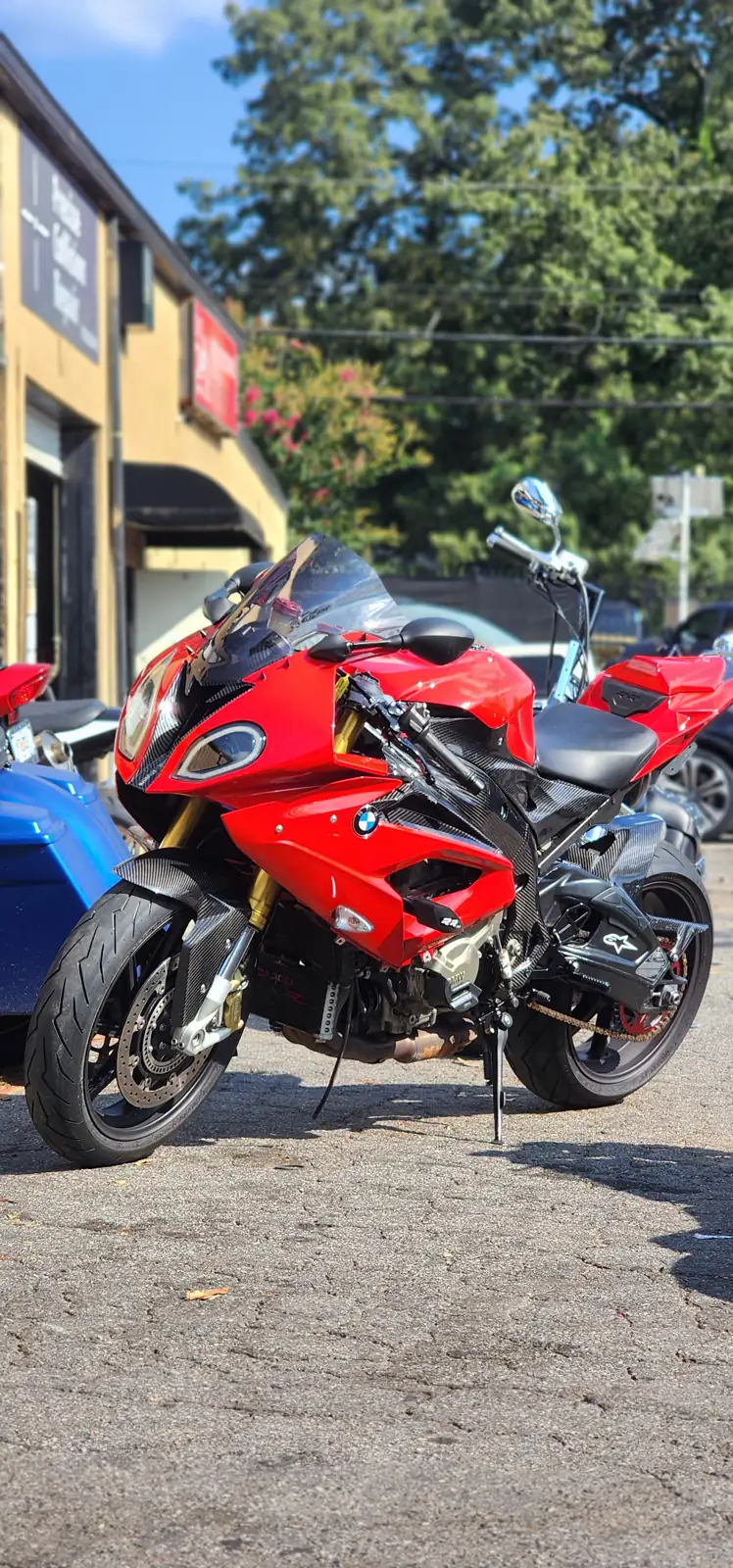
Bike type matters here too. A modern supersport with a flashable computer, the kind of Yamaha, Kawasaki, or Honda we see all day long, often maps cleanly. Meanwhile a bike that needs an added fuel controller, or one with tricky access where fairings and sensors take real time to reach, simply asks for more hands-on hours. None of that is knowable until your bike is actually in front of us on the drum.
There’s a detail in all this that changes how you’ll ride out of here. It’s easy to miss, so we’ll just say it plainly and let it land.
The map we build is yours. Not a file pulled off a forum, not a setting copied from a bike that isn’t yours. It’s shaped around your engine, your parts, your air. That’s why the bike feels different the moment you leave, not merely faster on paper. The hesitation is gone. What’s more, the throttle does what your wrist asks the instant you ask it. The pull is smooth from bottom to top. You’ll feel it in the first mile home.
What this looks like for Lawrenceville riders
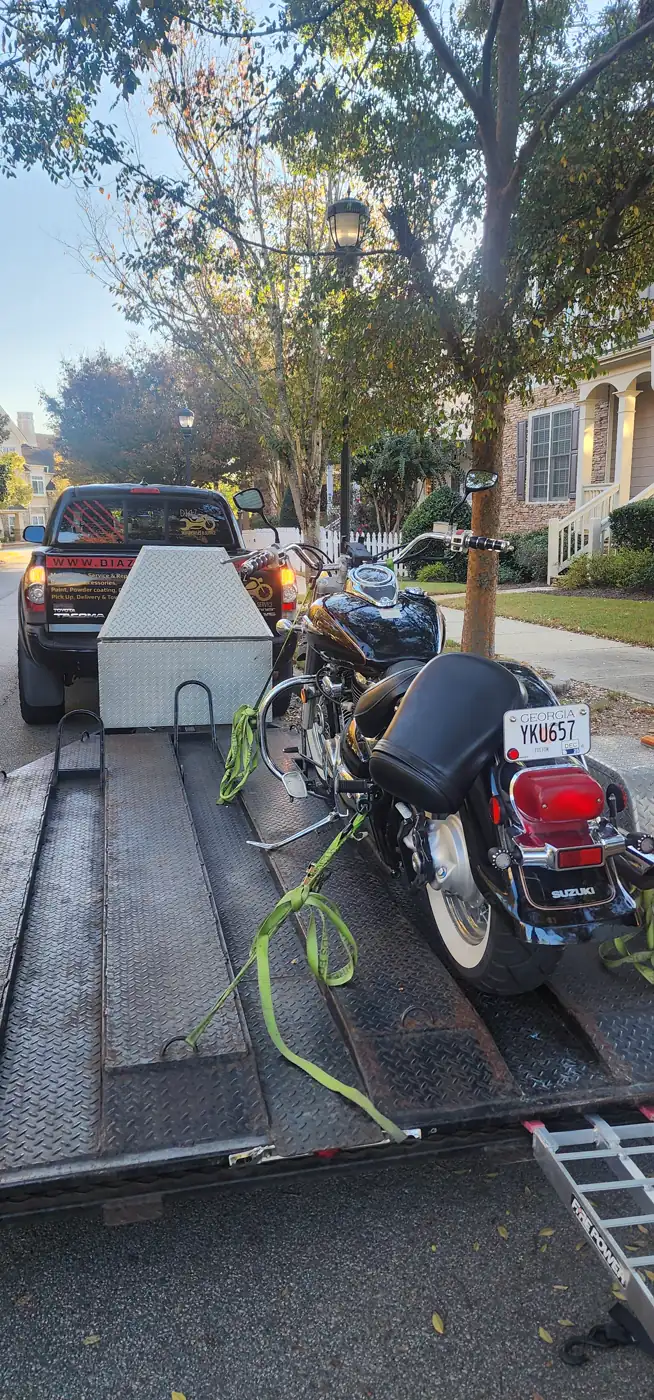
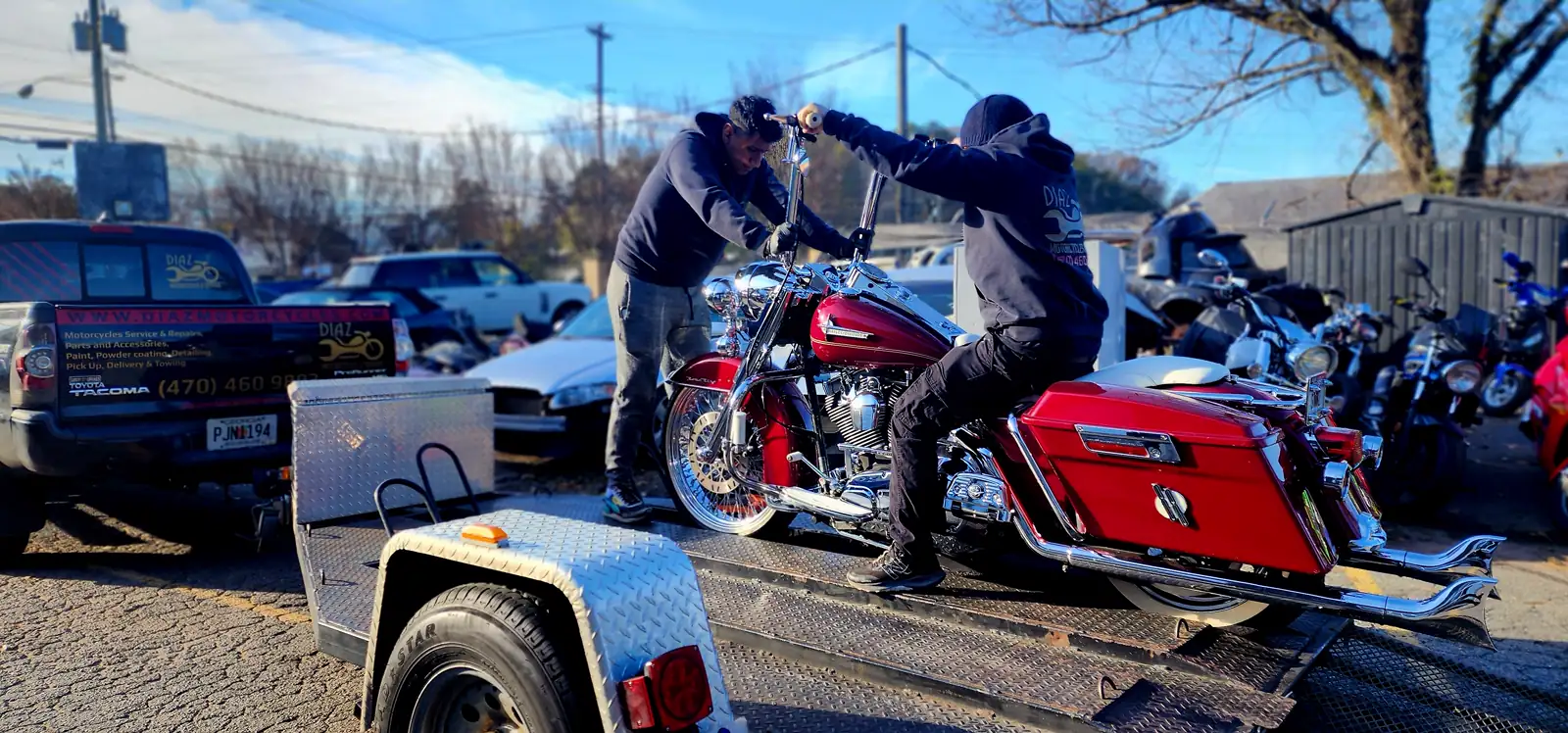
Now, we’re in Marietta and you’re OTP in Lawrenceville, so let’s be straight about the trip. We’re roughly 33 to 38 miles apart, which usually works out to about 45 to 70 minutes depending on your route and traffic. Treat that as an estimate off the map, not a stopwatch reading. Whether you’re coming from Collins Hill Heights near the schools and the aquatic center, from the Arbors at Sugarloaf along the Sugarloaf Parkway corridor, or from a larger lot out at the Estates at Great Oaks, that drive is real. So we make it a non-issue with pickup and delivery. You never have to ride a bike that’s running lean across the county to reach us.
Gwinnett has plenty of good hands. A lot of the county’s mechanics trained right up the road at Gwinnett Technical College, and independent shops like Black Dagger Cycles do solid repair and custom work in town. But dialing in a custom map on an in-house dyno is a different animal than a repair, and it’s the one piece that’s genuinely hard to find close to home. That’s the gap we fill, and if you’re weighing it out, here’s what that service actually involves. You modified it locally; we make the modifications actually work.
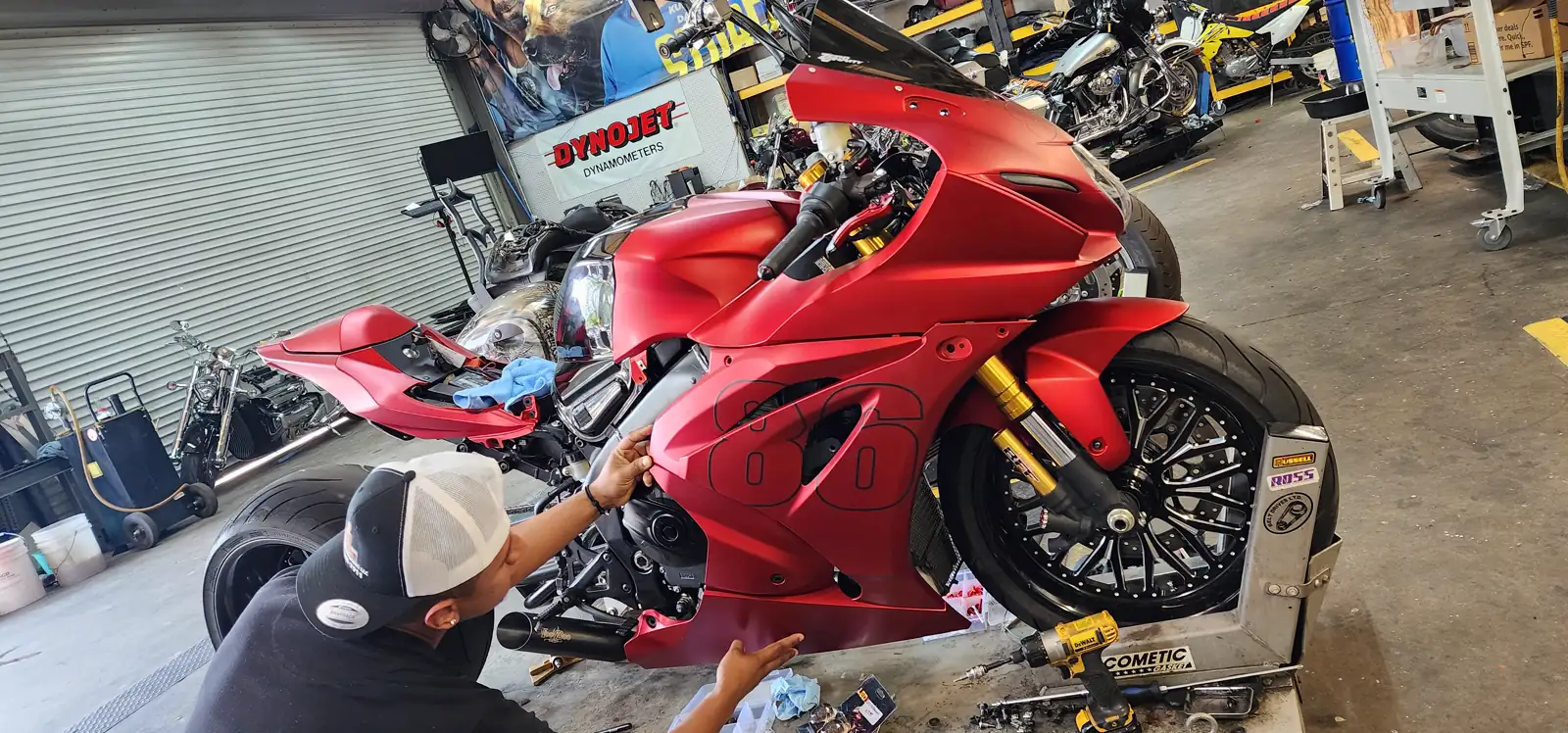
The payoff shows up where you actually ride. Once your bike is mapped, those back roads south and east of town, the sweepers out toward Tribble Mill and the Grayson and Loganville run, feel like a whole different machine under you. And you’re not the only one chasing this. Riders over in Newnan ask us the very same questions, because real tuning is scarce almost everywhere, not just in one town.
Timing of year plays in too. Spring, roughly March through May, is when the bikes pour in. Riders spend the winter buying parts, bolt them on the second the weather breaks, and suddenly a hundred freshly modified bikes all need maps at once. Pollen season doesn’t help either, since a fouled air filter changes how a bike breathes. So if you’re planning a build, getting on the calendar before the spring rush means your bike is dialed and ready when the good weekends finally hit.
The outcome you're really paying for
So take a breath. The reason nobody quotes the dyno tuning cost Lawrenceville riders worry about over the phone isn’t to hide the ball. It’s because doing it honestly means seeing your bike first. Once we do, the path is clear, the work is mostly our time on the dyno, and the result is a bike that finally feels like the one you built in your head. Most of what’s bugging you is a mismatch, not a wound, and a mismatch is a very good problem to have.
A tune isn't a magic part. It's your bike, finally speaking with one voice.
At the end of the day a tune is really about control, and control is everything on two wheels. Steady, predictable power lets you place the bike exactly where you want it, which matters most in the stop-and-go and quick-decision riding that fills a Gwinnett commute. Plenty of IIHS motorcycle research points at how much rider control shapes what happens on the road. A bike that responds cleanly is a bike you can trust with your wrist and your gut.
Questions Lawrenceville riders ask us
Is a tune mostly parts or mostly labor?
Mostly labor. Some bikes need a small fuel controller added, but the heart of the job is our time on the dyno and the skill to read what it shows. That’s why we price it around the work your specific bike needs, not a box on a shelf.
Does my bike type change the work?
It does. A modern supersport with a flashable computer often maps cleanly and quickly. A bike that needs an added controller, or one where fairings and sensors are a chore to reach, simply takes more hands-on time. We can tell you which camp yours falls in once we see it.
What if you find something else while it's here?
We stop and call you before we touch anything beyond the tune. If we spot a worn chain, a leak, or a part that would make tuning unsafe, you hear about it first and decide. No surprise work ever gets added on without your okay.
How do I avoid surprises on the final bill?
Bring us a clear list of the parts on your bike and let us see it in person. An honest look up front means the plan is set before we start, so the finish lines up with what we talked about. We keep you in the loop through every pull.
What makes one tuning job bigger than another?
The condition of your baseline, how well your parts match each other, and how stubborn the curve is to smooth out. A clean, well-built bike settles fast. A rough or mismatched setup takes more pulls to get right, and that extra time is the real difference between jobs.
We tune and turn wrenches for riders all across Gwinnett and the surrounding towns, so Lawrenceville is far from the only place we know well. Friends ride in, or hand us their bikes through pickup and delivery, from Duluth and Suwanee to Snellville, Grayson, and Dacula. We also look after riders in Lilburn, Buford, Norcross, and Loganville, along with Sugar Hill, Tucker, and Stone Mountain. Wherever you are, the drive is our problem, not yours.
LET'S DIAL IN YOUR BIKE
You built the bike in Lawrenceville, so let’s make those parts actually work together. Text us what you’re riding and what it’s doing, and we’ll tell you straight what your tune needs, then send our trailer for pickup and delivery so the drive never slows you down. A cleaner, sharper bike is one honest conversation away.
470-460-9883Diaz Motorcycles and Service, LLC · 847 Barnes Mill Road, Marietta, GA 30062