Motorcycle Transport Cost Alpharetta — Full Breakdown
How a bike gets picked up, tied down, and delivered safe — and what actually moves the number.
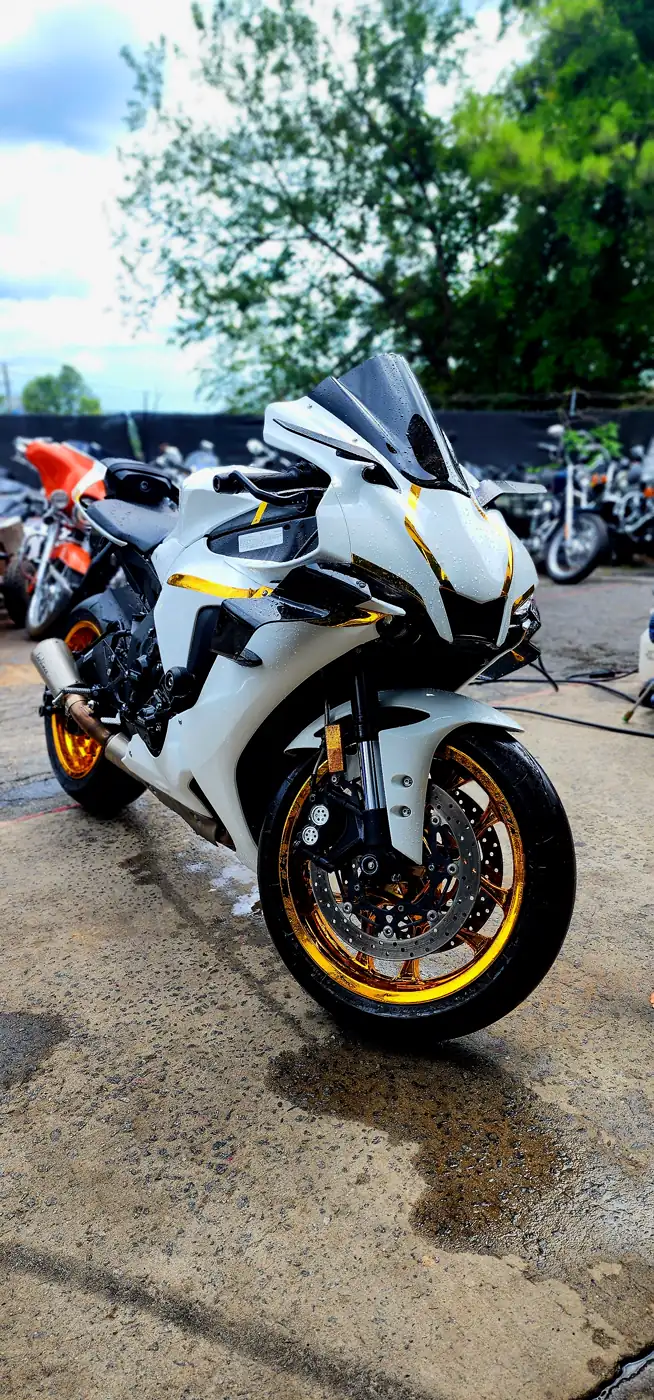
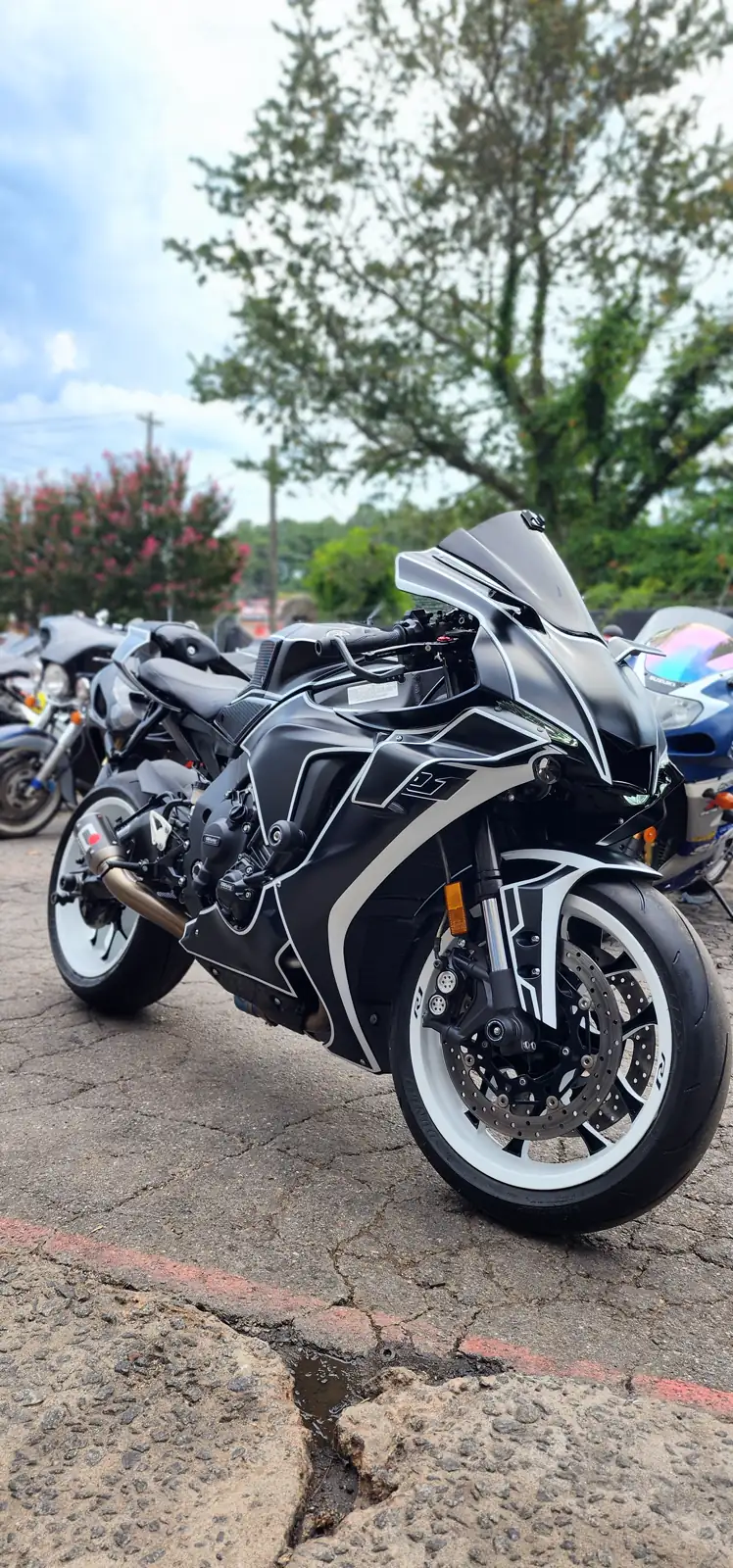
Actually the bike rolled into our Marietta bay on a Tuesday, front tire snug in the wheel chock, four soft-loop straps holding it dead still on the trailer floor. It came off clean. That’s why not a scuff on the tank, not a mark on the pipes. That is the whole job, start to finish. So if you have been pricing out the motorcycle transport cost Alpharetta owners keep asking us about, here is the honest version, told from the shop floor where the straps actually get pulled.
Either way we make this run several times a week. In short your bike lives roughly 18 to 22 miles from our door, and no freeway connects the two of us in a straight shot. Off-peak, it is a 30 to 40 minute drive. At the same time At 5 p.m., it can stretch to an hour. As a result we usually take Old Milton and Rucker over to GA 9, drop south through Roswell, then swing GA 120 west into East Cobb. On the other hand that drive is exactly why pickup and delivery is the point here. You do not ride to us. We come to you.
Here is the part nobody likes to hear: a good shop will not hand you a firm number sight-unseen. We can give you a range on the phone in two minutes. But the real figure depends on where your bike sits, what shape it is in, and how you want it hauled. Quote it blind and one of us ends up unhappy. We would rather ask three quick questions and get it right.
The short answer, up front
Three things move the price. Distance, access, and how you want it carried. That is it. Everything else is detail hanging off those three. And unlike a repair, transport is almost pure labor and rig time. There are no parts on the invoice, so the number is honest and easy to read once you understand what you are looking at.
So when you compare a motorcycle transport cost Alpharetta quote against the next shop, you are really comparing how carefully they answered those three questions. A vague quote is not a bargain. It is a guess that gets corrected in your driveway, and nobody enjoys that conversation.
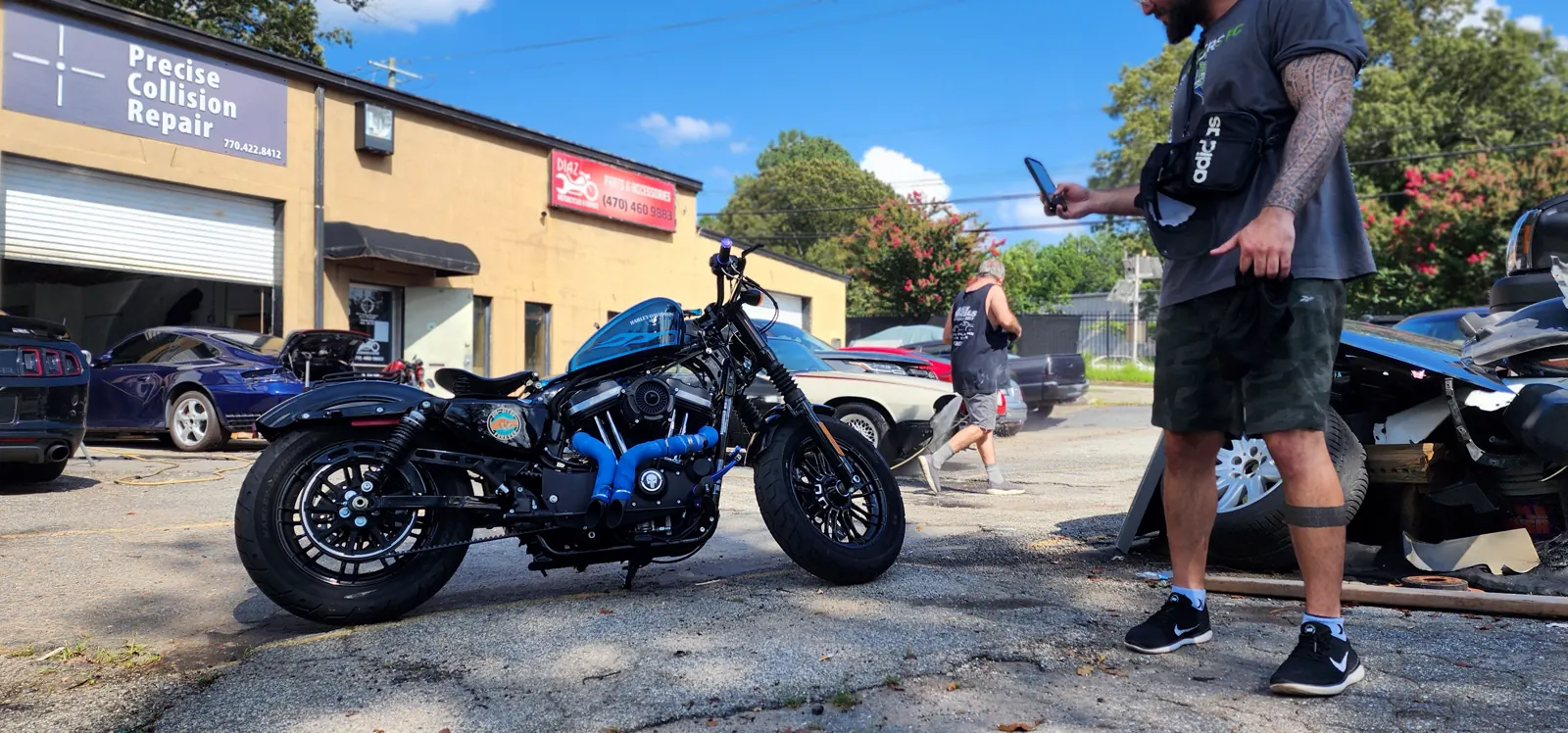
What actually drives the number
Distance is the easy part
Distance is the piece everyone already understands. A run from a Windward garage down to our shop is short and simple. A bike you bought three states away is a different animal — that is fuel, hours behind the wheel, and a driver’s whole day. Both are transport. The math is just bigger on the long one. If you found a deal out of state and cannot get there, this is the service that makes the deal actually work.
And you do not need to ride it home either. Plenty of folks buy a bike before they finish their endorsement. You can sort out your Georgia Class M licensing on your own schedule while we handle the hauling. The bike shows up ready. You ride when you are ready.
Access can matter more than miles
Access is the one people forget. Can we back a trailer straight up to the bike? A flat driveway in Pennbrooke, that neighborhood of two-hundred-plus homes from the late 1990s, is a dream — roll on, strap down, done. A townhome off Haynes Bridge Road, sitting in that apartment corridor by GA 400 Exit 9, might mean a tight lot, a shared drive, and a longer walk with the loading ramp. More handling means more time. More time is the honest reason two jobs the same distance apart can land at different numbers.
A bike that will not run adds a wrinkle too. A dead battery, gummed carbs, flat-spotted tires from sitting all winter — we load non-runners all the time, but a dead bike takes a winch or extra hands instead of a rider easing it up the ramp. If yours will not start, a stranded bike is often no big deal to move, and what usually causes it is something we can fix once it is back on our lift anyway.
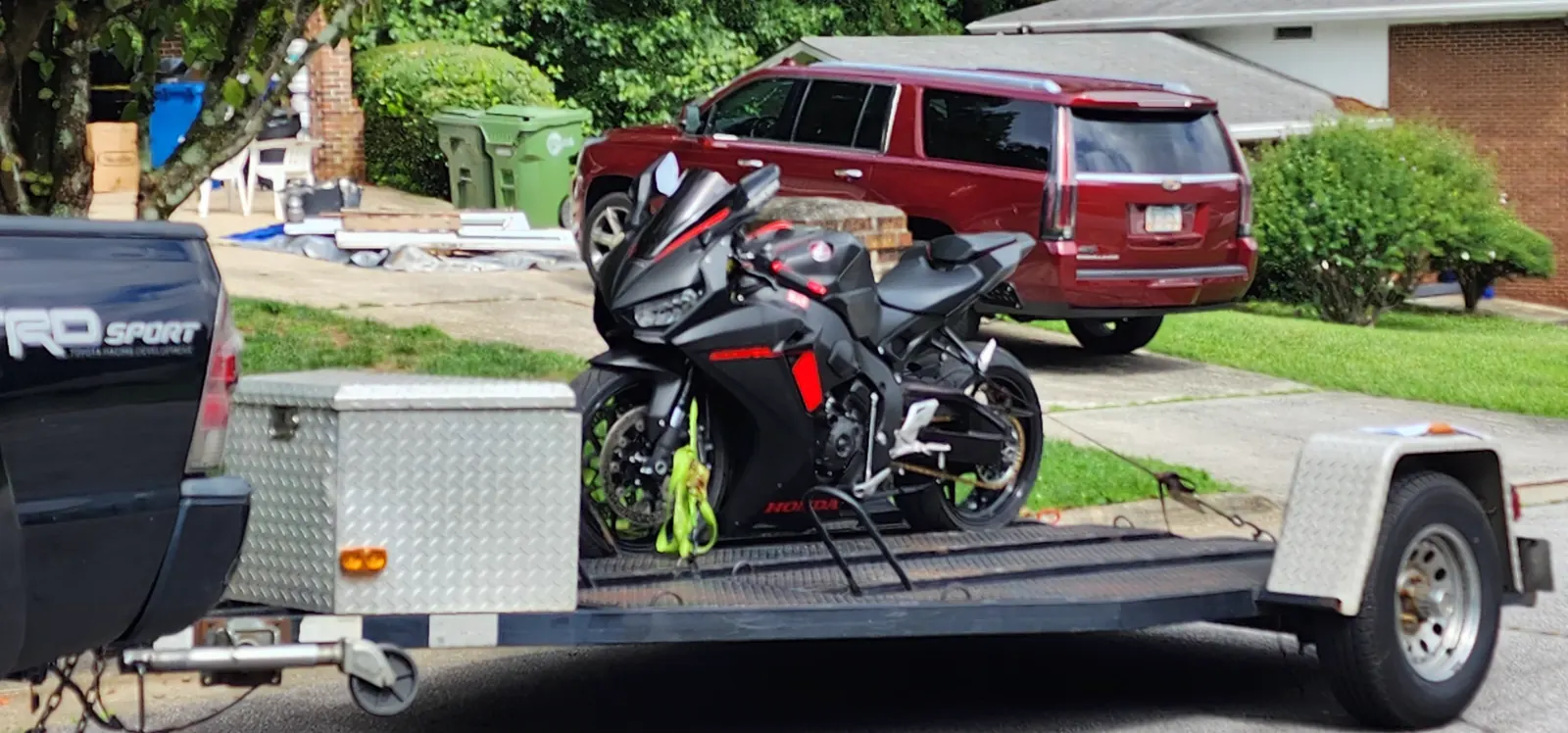
Open or enclosed — you pick
How you want it carried is the third lever, and it is the one that is truly your call. An open trailer is the workhorse. It is faster to load, costs less, and for a short local hop it is perfect. An enclosed trailer costs more because it does more — it hides your bike from the weather, road grime, and curious eyes on a long haul. For a prized restoration or a fresh custom, enclosed is the easy yes.
| Open trailer | Enclosed trailer |
|---|---|
| Faster to load | Fully weather-protected |
| Best for short local runs | Best for long hauls and rain |
| Lower cost | Hidden from view and grime |
| Fine for a daily rider | Right for a show or custom bike |
There is a second failure that hides behind the first one. The first failure everyone pictures is a bike that tips or slides. The sneakier one is a bike that arrives upright and untouched but quietly damaged by a bad strap job — a fork seal blown from over-compression, a bar-end scuffed by a strap run to the wrong point, a mirror cracked against a rail. We tie to the frame and the triple, never the plastics, and we compress the suspension only as far as it needs. Straps loosen on the highway if nobody sets them right, so we stop and re-check them. That habit is invisible on the invoice and it is exactly what you are paying for.
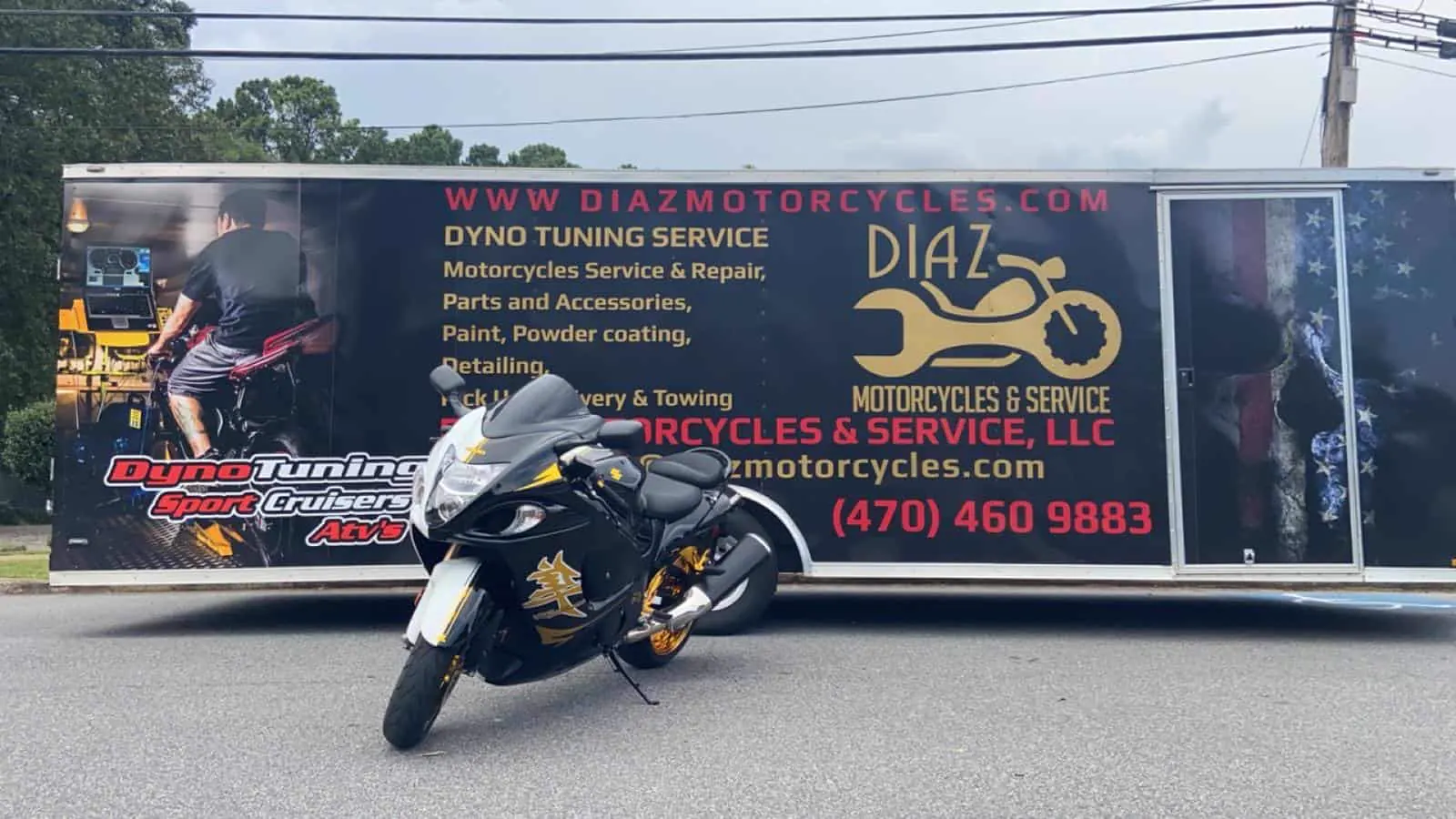
What we check before a single strap goes on
Before we load, we walk the bike with you. This is the part that protects you, and honestly the part that lets you sleep. We shoot photos of every panel, the tank, the pipes, the wheels — the whole machine before it leaves your sight. If a scratch shows up, the before-photos settle it in seconds. No debate, no he-said. A condition report is your receipt that the bike left in the shape it left in.
That paperwork matters most on the bikes with a story. Here is what we check first:
- A clear title, or a bill of sale, especially on a bike bought out of state or from a private seller
- Photos of all four sides plus the odometer, timestamped the day we load
- Any existing damage marked and initialed, so nothing gets blamed on the trip
- Whether the bike runs, so we bring a winch and the right hands
- Fuel level and any leaks, because a sloshing tank rides differently than a dry one
For an inherited bike or an estate machine, this is doubly true. You may have never heard the engine run. You do not know its history. So we treat it like the family heirloom it is, document everything, and get it to the shop where we can look it over properly. If safety is on your mind, the plain research from IIHS motorcycle research is a fair reminder that how a bike is handled matters — and that goes for a trailer just as much as the road.
Once the bike is home with us, transport quietly turns into whatever comes next. Maybe it is a battery and a carb clean. Maybe it is a full sort-out. The hauling is one line item, and the work we do in house picks up right where the trailer drops off. One shop, one set of hands, no juggling.
Mistakes that cost you the good feeling
Most transport headaches trace back to a few avoidable slips. None of them are your fault if nobody told you — so consider yourself told.
- Chasing the lowest phone quote. The cheapest blind number usually gets corrected in your driveway. A shop that asks about access is protecting you, not upselling you.
- Skipping the walk-around photos. Two minutes of pictures is your only proof if something goes sideways. Never let a bike leave without them.
- Letting someone strap to the plastics or bars. Straps belong on the frame and triple clamp. The wrong point turns a clean haul into a repair.
- Waiting until the last cold snap. Everybody moves their bike the same week, so the calendar fills. Book ahead and the day is yours.
- Not saying the bike is a non-runner. It changes the gear we bring. Tell us up front and the pickup goes smooth.
A careful quote is not a slower quote. It is the one that holds.
Riders here anchor on dealer pricing, and dealer pricing is smooth because it is spelled out. We do the same. We tell you the number, explain the pieces, and hold it. Curious how the same job reads in the city core? It is worth a peek at what Atlanta riders run into, because access downtown is a whole different puzzle than a North Fulton cul-de-sac.
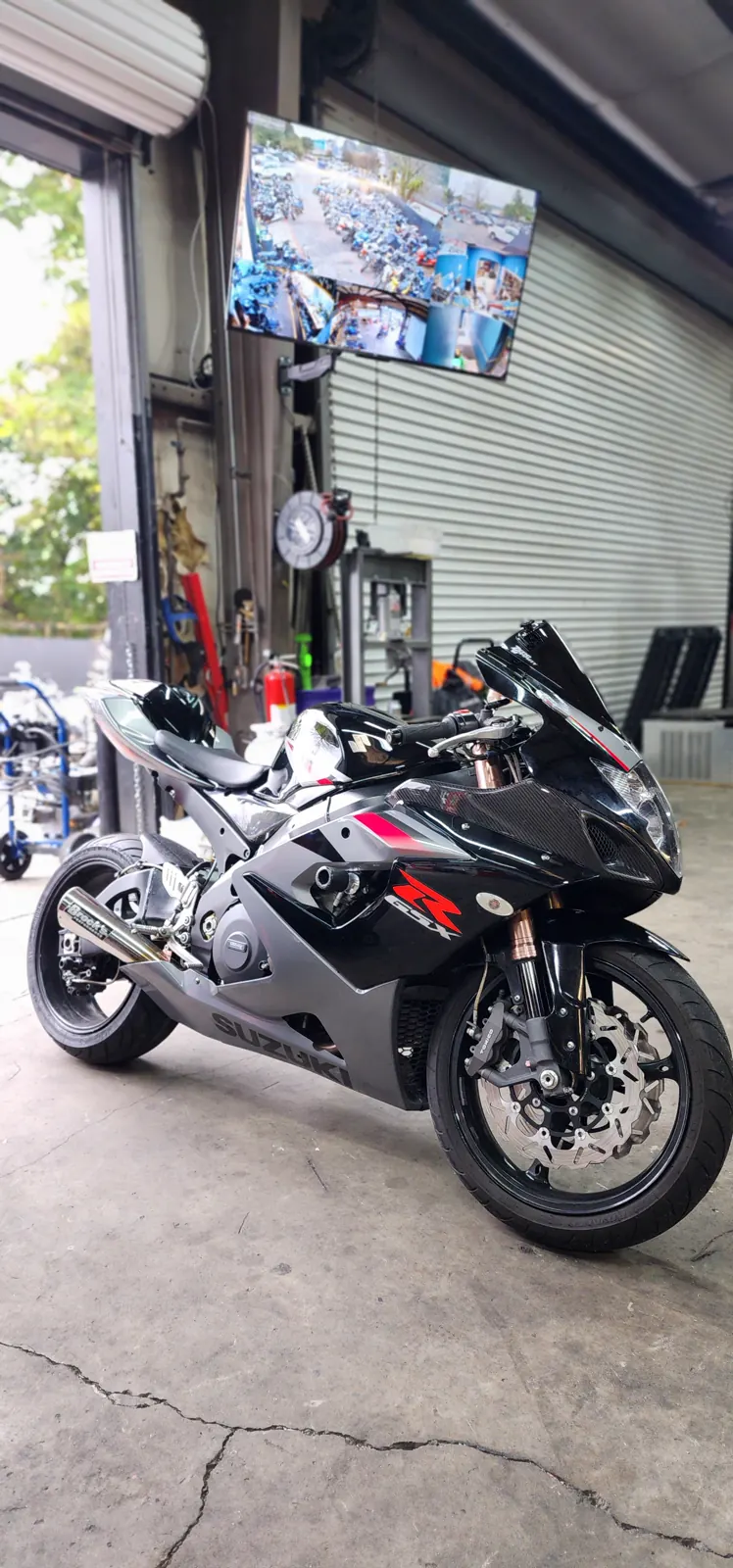
Why Alpharetta riders lean on this
Alpharetta is a destination-riding town far more than a commuting one. Bikes here get bought for the weekend and kept clean in three-car garages. A single Windward garage, tucked into that 3,400-acre plan built around Lake Windward, might hold a tourer, a sportbike, and something vintage all at once. When one of those needs work, riding it 20-plus miles to a shop is a chore. Having us roll up with the trailer is the easy button.
Picture the version of this where you caught it early. It is late September. Cycle Gear over in Roswell runs its Bike Night on the second Tuesday, and that is the last one of the season before the October cutoff. You already know your vintage bike needs a carb sync before spring. Instead of parking it hot and forgetting it until March, you book a pickup now. We grab it, sort it over the quiet months, and drop it back tuned and ready. You skip the whole dead-battery, stale-fuel scramble that hits everyone else in April.
That early-catch move is the difference between a smooth spring and a frustrating one. And when the good weather does land, you want the bike waiting, not stuck in a queue. The North Georgia Triangle — the Dahlonega, Suches, and Blairsville loop that Rider Magazine put on the map — is calling by May. A bike that got its transport and its service handled over winter is the one already parked at the trailhead.
Alpharetta grew up around GA 400 — folks find each other by Exit 9 Haynes Bridge, Exit 10 Old Milton, and Exit 11 Windward. Even the newer spots follow that spine. Halcyon, the village-style development where Ronald Reagan Boulevard meets McGinnis Ferry with the Big Creek Greenway running right past it, sits in the same OTP world we serve every week. And the older heart of town has not moved either. Crabapple was founded back in 1830 where GA 140 crosses GA 372, and locals still call it the Silos. Wherever your garage sits in all that, our trailer knows the way.
The payoff: a bike delivered right
Here is the feeling we are actually after. Your bike comes off the trailer the same way it went on — upright, unmarked, exactly as you left it. You have the before-photos on your phone. The paperwork is squared away. And whatever comes next is already lined up. That is not luck. That is a job done by someone who treats your machine like their own, and it is the kind of thing you feel a little proud of once it is behind you.
A bike is worth protecting, whether it is a daily GSX-R, a garage-queen Hayabusa, or a project handed down from someone you loved. You did right by it. That is the whole feeling, and once you have moved a bike the careful way, you never go back to the tailgate-and-a-prayer method. If you want to see how the hauling connects to everything after it, take a look at what the work covers once your bike is on our lift.
Questions Alpharetta riders ask us
How long does a pickup and delivery take?
For a local Alpharetta run, we can usually load, haul, and unload the same day. Off-peak the drive between us is 30 to 40 minutes each way, though rush hour on GA 400 can stretch it. A long-distance haul from out of state is a different timeline — we give you a real window once we know the route.
Am I paying for parts or just labor?
Transport is almost pure labor and rig time. There are no parts on a hauling invoice — you are paying for the driver, the trailer, the fuel, and the careful loading. That is why the number is easy to read. If we find something that needs fixing, that is a separate conversation we have before we touch it.
Does the type of bike change the job?
It can. A running standard rolls up the ramp in a minute. A non-runner needs a winch and extra hands, and a low or heavily faired sportbike needs care with the strap points. A vintage or restoration piece often earns an enclosed trailer. Tell us the bike and its condition and we bring the right gear.
What if you find something wrong once it is here?
We call you first, always. Nothing gets fixed without your say-so. Often a bike that would not start just needs a battery, fresh fuel, or a carb clean after sitting all winter. We will tell you what we see, explain it plainly, and let you decide the next step.
How do I avoid surprises on the price?
Answer three quick questions up front — where the bike sits, what shape it is in, and open or enclosed. That lets us give you a firm number instead of a guess. Skip the walk-around photos and skip the vague phone quote, and you skip the surprises. A careful quote is the one that holds.
Can you move a bike I bought out of state or inherited?
Yes, that is a big part of what we do. For an out-of-state buy or an estate bike, we document everything before loading — photos, condition, title paperwork — so you are protected end to end. You do not need to ride it or even hear it run first. We bring it home and look it over here.
Diaz Motorcycles runs pickup and delivery across North Fulton and the northern suburbs from our Marietta shop. Along with Alpharetta, we regularly haul bikes to and from Roswell, Milton, Johns Creek, and the Crabapple area, plus Sandy Springs and Dunwoody closer in. Heading east and north, we cover Duluth, Suwanee, and Cumming, and out west we handle Woodstock and East Cobb. If your garage sits anywhere in that stretch, our trailer already knows the roads.
GET YOUR BIKE MOVED THE RIGHT WAY
If your bike is stuck in an Alpharetta garage — dead battery, out-of-state buy, or a project you cannot ride yet — we will come get it. Text us where it sits, what shape it is in, and how you want it hauled, and we will give you a straight number that holds. One trailer, one careful crew, your machine delivered clean.
470-460-9883Diaz Motorcycles and Service, LLC · 847 Barnes Mill Road, Marietta, GA 30062