Faded Motorcycle Paint Acworth — How to Fix It
That chalky haze on your tank has a cause, a timeline, and a fix. Here's how to read it and what to do next.
That chalky haze on your tank did not show up overnight. It crept in one sunny ride at a time, and it is still moving. Give it one more month in the driveway and the clear coat can start to lift at the edges, moisture sneaks underneath, and a cosmetic problem quietly turns into a metal problem. Faded motorcycle paint Acworth riders battle every summer has real, readable causes, and if you have been hoping yours just buffs right out, this post tells you what is really going on under that dull finish.
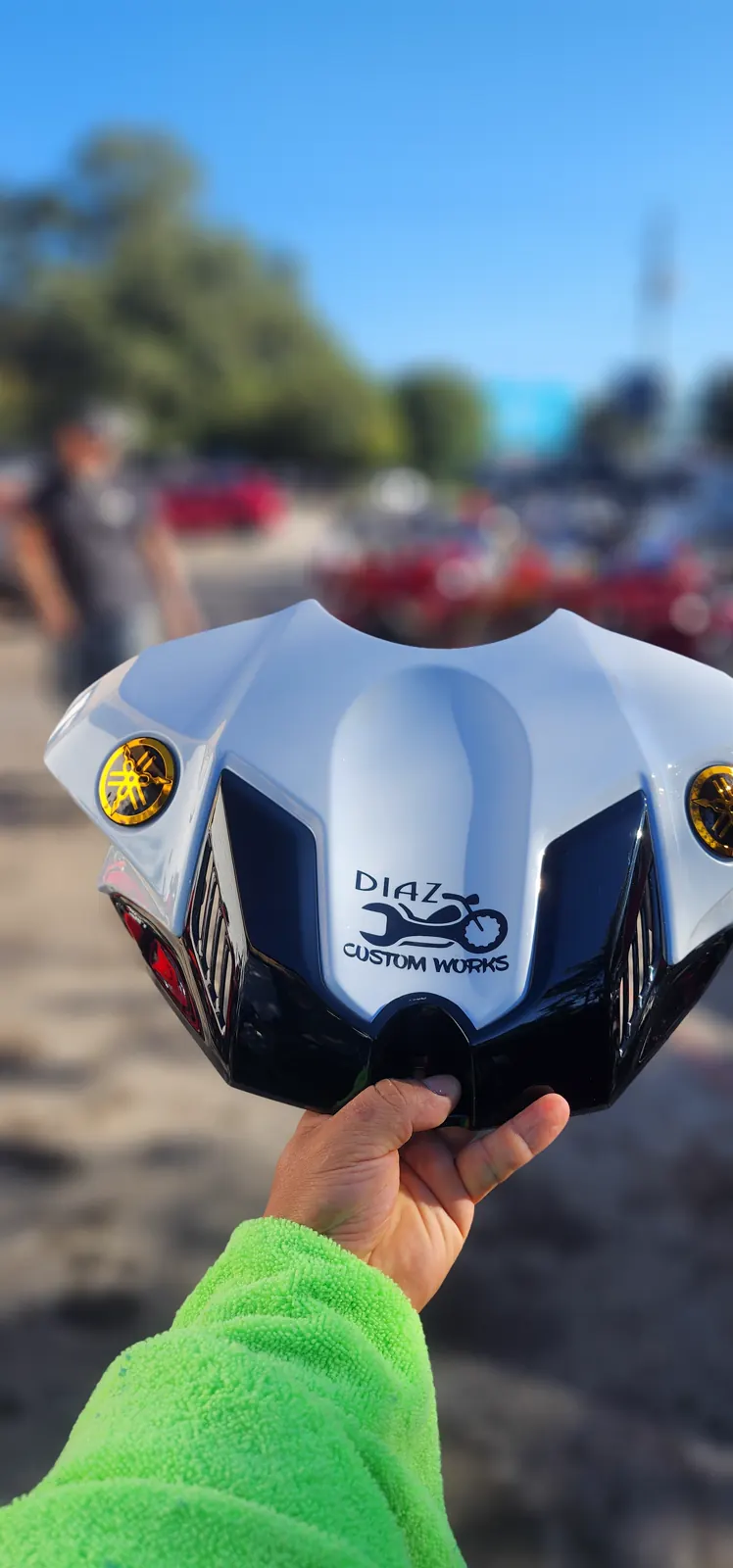
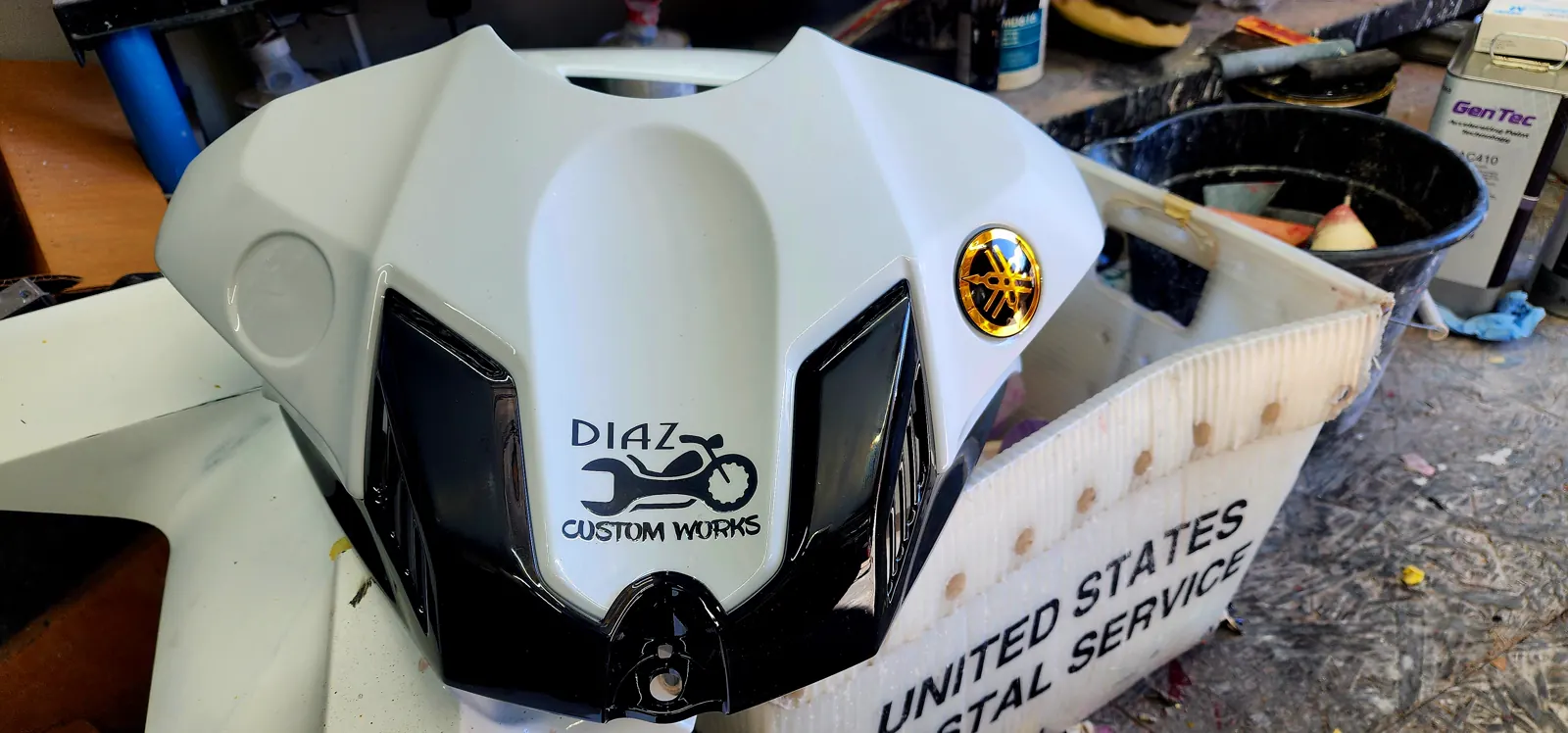
Here is the good news before we go one word further. Faded paint is fixable, every kind of it, and most of the time your bike is safe to ride while you plan the repair. We paint bikes in house at our own booth under the name Diaz Custom Works, so we are not sending your tank down the road to a body shop that has never touched a motorcycle. We see this every week, so let’s read your finish together and flip the worry into a plan.
What your paint is actually telling you
Paint fails in a handful of predictable ways, and each one has its own look. Before you fix a thing, you have to name it, so walk out to the garage and match your bike to this list. The symptoms near the top are the common, harmless ones. The ones near the bottom are the reason we say do not wait too long.
- A dull, chalky film over color that used to pop in the sun
- Clear coat that looks cloudy, milky, or webbed with tiny hairline cracks
- Reds gone pink and blacks gone grey, worst on the flat top surfaces
- Thin, worn-through spots along tank edges where your jacket rubs
- Clear coat that is peeling or lifting, sometimes flaking off in chips
- A rust stain or brown halo bleeding out from under a chip
Most riders who call us are looking at the first three, and that is genuinely great news. Those are surface problems, not metal problems, so your bike is safe to ride to work, to the lake, or up Old US-41 all summer while you decide what you want. The last two are different. Once the clear coat is open and bare metal is showing, water and Georgia humidity have a path to the steel, and that is when a small fix can grow into a bigger one.
What each symptom means, most common first
The number one cause around here is simple sunlight. Ultraviolet light breaks down the resins in color and clear coat, and it works hardest on the surfaces that face straight up, which is why your tank top fades long before the sides do. If your bike lives outside, or just sees a lot of bright open highway, the sun is doing steady damage every ride. That chalky, washed-out look is oxidation, the paint’s version of sunburn.
Older bikes bring a second cause into play. Machines painted before the clear-coat era used single-stage paint, where the color and the shine are the same layer. When that layer oxidizes, the color itself goes dull and powdery, and you can rub a faded haze off onto a clean rag. That does not mean the paint is ruined, but it does mean the protective top is thinning out and the clock is ticking.
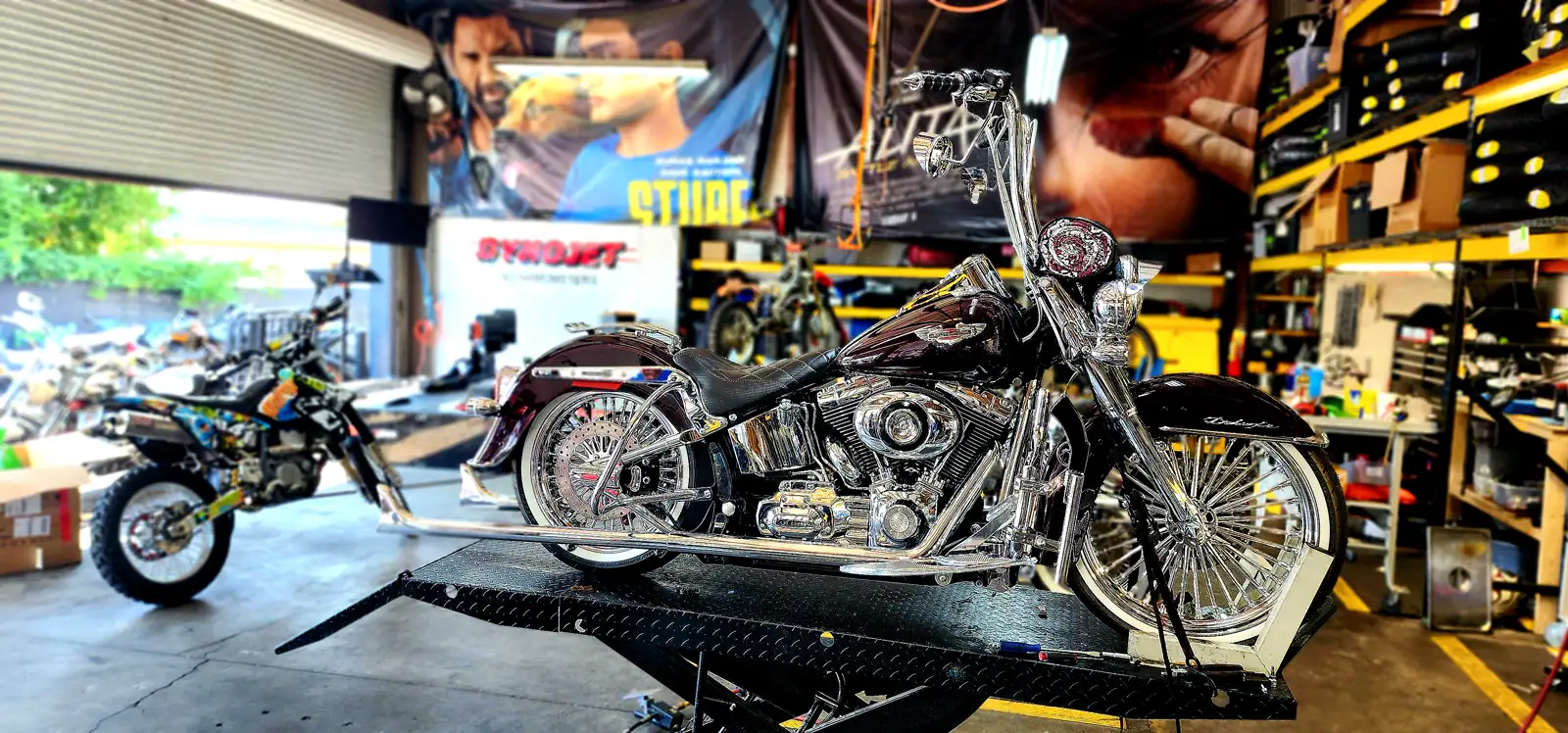
Cloudy or cracked clear coat is the next step down the road. Clear is tough, but heat, age, and years of UV make it brittle, so it checks with tiny cracks and clouds over like frosted glass. Once it cracks, it cannot protect the color below it, and polishing will not bring frosted clear back. Harsh cleaners, gas spills at the pump, and dry-wiping road dust with a paper towel all speed this up, which is a good reminder that a soft wash buys you real time.
The two symptoms at the bottom of the list are your paint waving a little flag. Peeling clear means the bond between layers has let go, usually from a chip that grew or moisture that got trapped. Rust bleed means water has already reached the metal. Neither one makes your bike unsafe to ride, so do not panic, but both are the point where waiting actually costs you, because the repair area spreads a little wider every wet week.
What happens when it comes to the booth
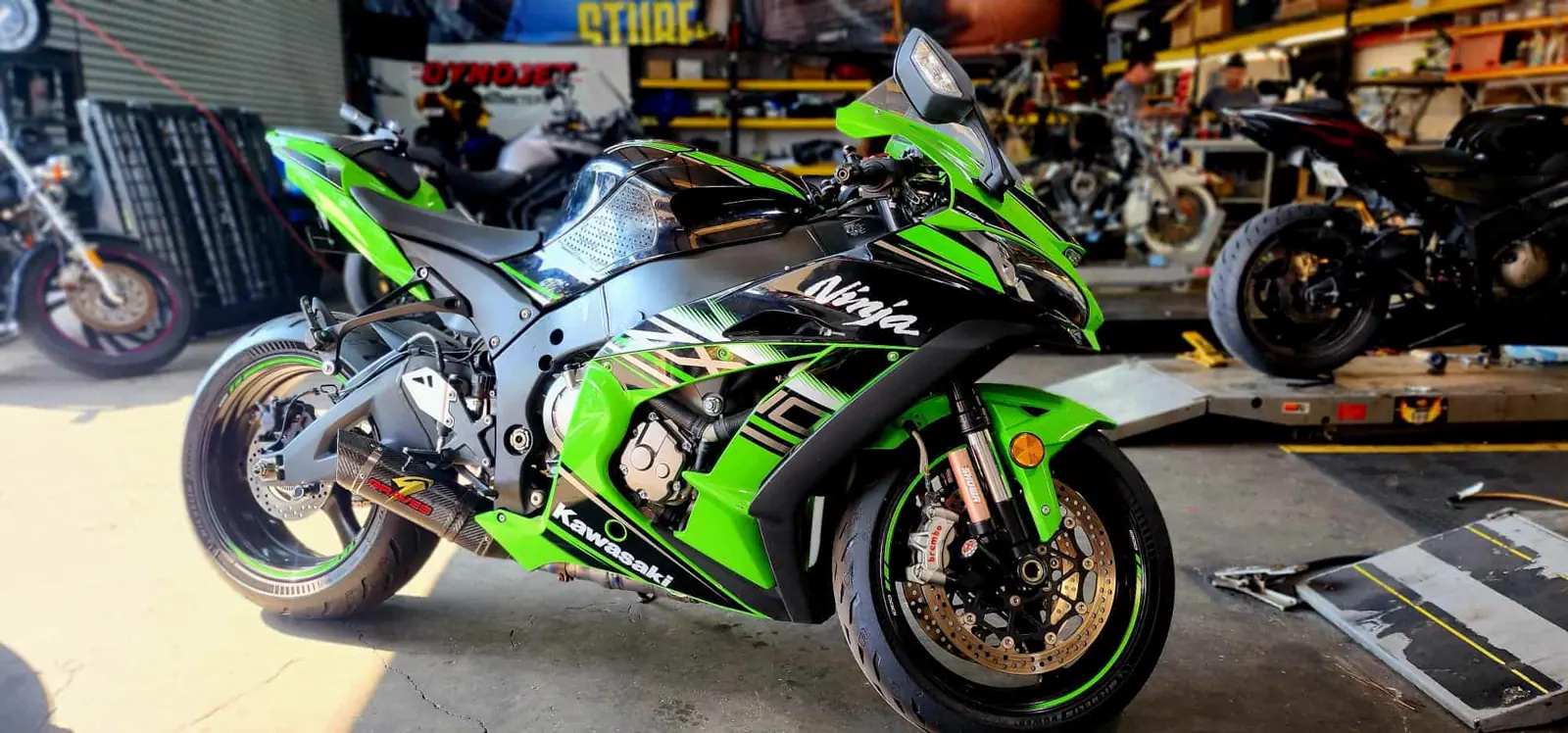
People picture painting as the fun part, the spraying, and it is. But the honest truth is that a great finish is won or lost long before any color goes on. Prep is where the real work lives. We read the whole panel in good light, find every chip, crack, and thin spot, and decide what has to come off. Rushing this step is the single biggest reason a cheap job looks great for a season and then peels, which is exactly why we do it in house instead of farming it out. When you see what you get when you bring it in, the prep is the part we are proudest of.
For a full repair we strip the failing finish, straighten any dents or road rash, and lay down primer to give the color something clean to grab. Then comes base coat, your actual color, whether that is a factory match or something new. Over that goes clear coat, usually more than one layer, because the clear gives the finish its glass-like depth and takes the beating from sun and grit for years. Between steps we sand and level, so light reflects in one smooth sheet instead of a wavy one. That is the difference your eye reads as expensive.
A great paint job is decided during prep, not during spraying. Skip the boring part and the pretty part does not last.
Here’s what a good shop checks that a rushed one skips. A rushed job sprays right over old cracked clear, which traps the failing layer and peels within a year. A rushed job ignores the thin, worn edges where the next chip will start. It also skips a real color match, so your fresh tank does not quite agree with your side covers, and in the sun that mismatch jumps out at everyone but the painter. We check panel by panel, match under the same light you will ride in, and feather any repair into the surrounding paint so you cannot find the seam.
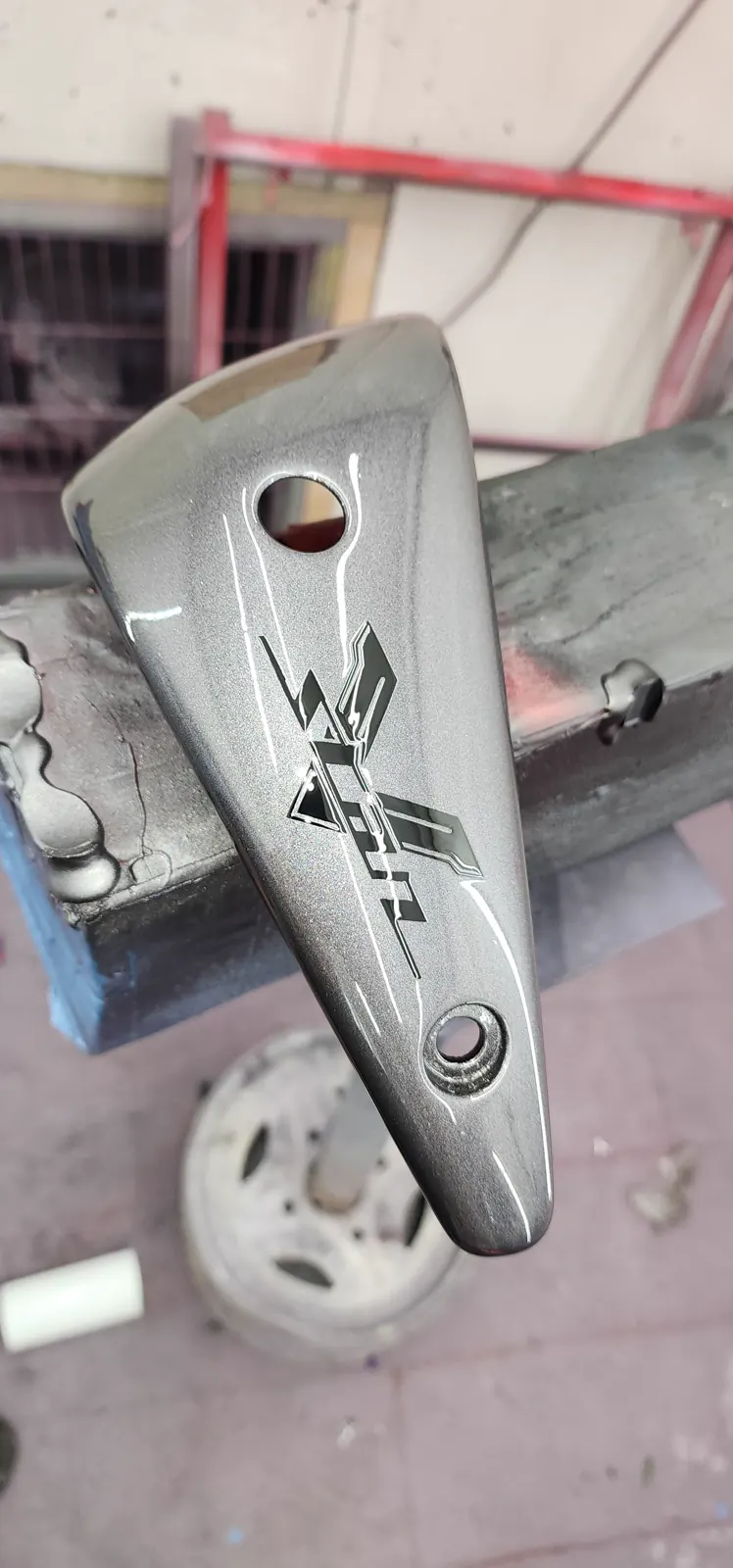
This is also the moment to think about the look you want, not just the fix you need. A color change, candy or metallic depth, airbrushed graphics, hand-laid pinstripes, or a simple factory-match refinish are all on the table once the bike is apart. If you are torn between a satin and a shiny look, we will walk you through the tradeoffs between them so the finish matches how you actually store and ride. A custom paint job is the most personal thing most riders ever do to a bike, and it deserves that kind of conversation.
Why a real paint job takes the time it takes
The most common question we get is how long it will take, and the honest answer is that it depends on the work. A small chip repair and a spot blend is a different animal than a full strip, bodywork, and multi-layer custom finish. What we will not do is give you a rushed calendar promise, because paint has rules a deadline cannot bend. Primer, base, and clear each need real cure time between coats, and pushing wet layers together traps solvent underneath, which shows up later as bubbles or a soft finish that scratches too easily.
Think of it like letting good barbecue rest. The waiting is not us being slow, it is chemistry finishing its job. Temperature and humidity matter too, and a muggy Georgia afternoon can add time to a cure that a dry day would not. When we hand your bike back, that finish is fully hardened, so it can shrug off sun, bugs, and the wash bucket for years instead of months. Faded motorcycle paint Acworth bikes wear is worth fixing once, correctly, rather than twice.
If your bike is in for cosmetics anyway, it is a natural time to ask about the mechanical side, since the tins are already off. Plenty of the friends we’ve helped use the paint visit to sort out a running or power question at the same time, and if you have ever wondered about a dyno tune, we can explain what that service actually involves while your bodywork cures. One trip, two problems solved, and you ride away with a bike that looks and runs the way you pictured.
Reading paint the Acworth way
The Lake City is a hard place on paint, and that is not a knock, it is just sunshine and water. Faded motorcycle paint Acworth garages turn out comes from the two lakes as much as anything. Lake Acworth with its beach and the big Lake Allatoona reservoir to the north both bounce bright sky back up at your tank from below as well as above. Add the long, sunny highway miles this area logs and you have a recipe for fade.
Where your bike sleeps matters too. A lot of homes here come with the garage space this town is known for, from the established streets of Brookstone over on the Kennesaw line to the gated fairways of Governors Towne Club spanning the Cobb and Paulding sides. Bikes tucked indoors fade far slower than the ones parked out by the curb. Even so, a garaged bike still fades from the miles, and the classic character homes around Historic Downtown Acworth near the old Main Street district often have carriage-house parking that catches plenty of sun.
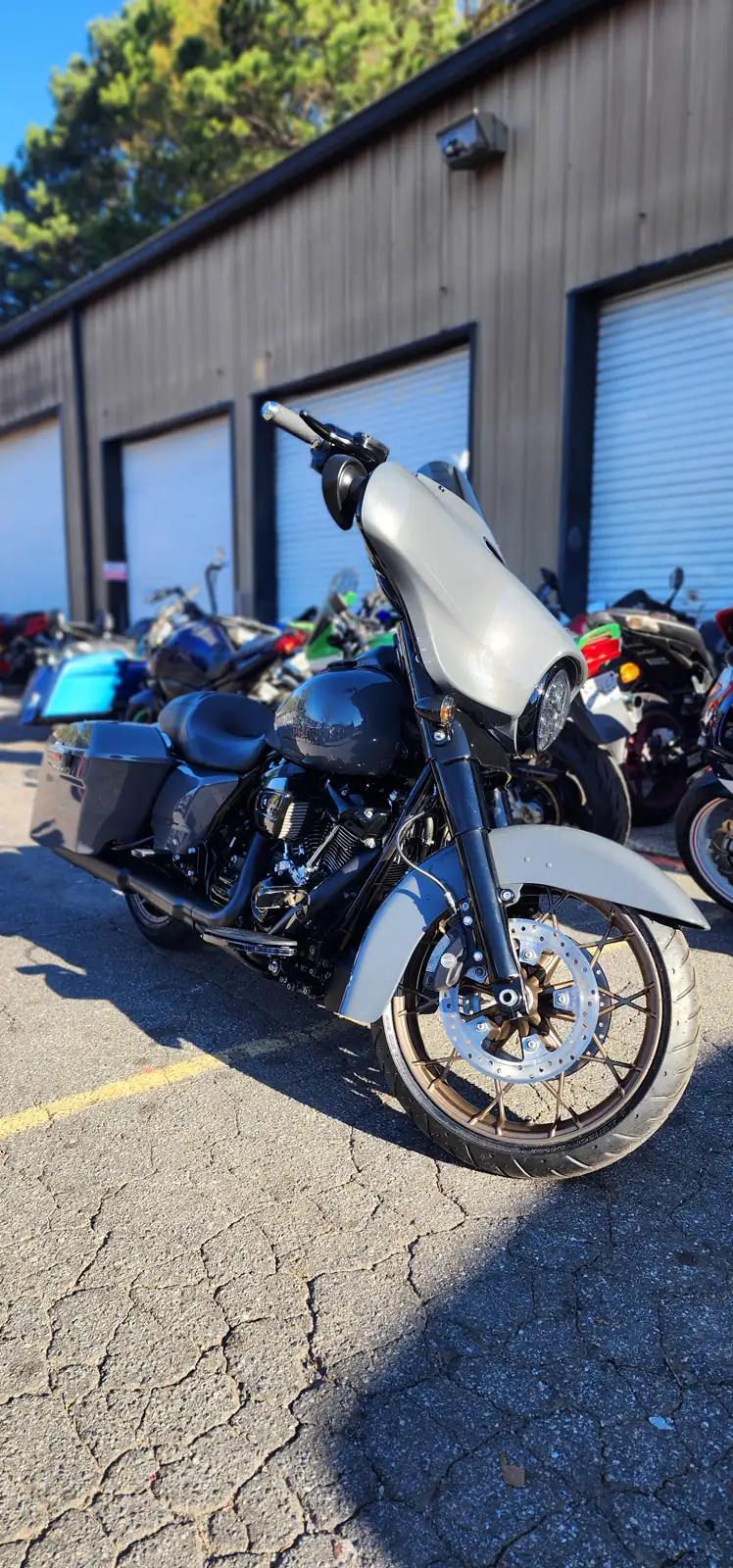
Here’s how this played out for someone over by Allatoona Creek Park. A rider who spent his weekends near those trails had a bagger under a carport, and one summer the black tank went dusty grey while the side covers stayed dark. He figured the whole bike needed repainting. It did not. Under good shop light the clear was oxidized but not cracked on most panels, so we corrected what we could, blended a repair into the two sun-baked panels, and matched the black across the whole bike so it read as one finish again. He got that deep, wet-looking black back, and he did not have to trailer it in, because we came and got it.
That pickup offer matters out here. Downtown Acworth sits about twenty miles from our Marietta booth, a straight shot down I-75 with the Acworth exit at Highway 92. Distance is normal in this town, folks drive thirty minutes for groceries, but you should not have to babysit a half-painted bike down the interstate, so we will come to you. It is the same reason a rider might drive past a tire specialist like Ken’s Motorcycle Tires up in Woodstock for one job and come to us for paint. You go where the work gets done right.
None of this is unique to one city, either. If you have friends dealing with the same chalky tanks a little to the south, it is the exact same story, and you can see how this plays out in Powder Springs with the same lakes-and-sun math behind it. Fade is a regional condition, and the fix is the same wherever the bike sleeps.
A little upkeep buys a lot of time
You cannot stop the sun, but you can slow it way down, and none of it is hard. Wash gently with bike soap and a soft mitt, dry with a clean microfiber instead of wiping dust around, and keep a coat of quality wax or sealant on so UV hits the sacrificial layer instead of your clear. Park in the shade when the lot gives you the choice, and use a breathable cover if the bike lives outside. Sun is rough on more than paint, since it ages rubber right alongside it, and Dunlop’s technical resources are a solid read on how age and weather affect your tires.
And if you are newer to all this, do not let the maintenance list rattle you. Caring for a bike is a skill you build, the same way a class like the MSF Basic RiderCourse builds the riding side. Start with a gentle wash and a wax, watch how your paint responds, and call us when a symptom crosses from cosmetic into the peeling-and-rust territory we talked about. You now know the difference, and that knowledge is the whole point.
THE HONEST RULE OF THUMB
Chalky, dull, or faded color means you have time, so plan the fix and keep riding. Cracked, peeling clear or a rust stain from a chip means moisture is reaching metal, so seal it sooner rather than later. Either way, it is fixable.
So walk back out to the garage with new eyes. That faded tank is not a verdict, it is a message, and now you can read it. Whether you want a quiet factory match that looks like it rolled off the showroom floor or a full custom finish nobody else at the Cowan Historic Mill event lot will have, the path is the same: honest prep, patient layers, and a real color match. You are in the driver’s seat on this one, and the color is coming back.
Faded paint is a message, not a verdict. Read it right and you are already halfway to the fix.
Questions Acworth riders ask us
Can I fix faded paint myself?
Sometimes, yes. If your color is just dull and chalky but the clear coat is still smooth and uncracked, a careful hand polish and a fresh coat of wax can bring a lot of shine back. What you cannot fix at home is cracked or peeling clear coat, since polishing frosted clear will not restore it. When the clear is failing, the paint has to be redone, not buffed.
Will faded paint keep getting worse?
On its own, yes, because the sun never takes a day off. Oxidation and UV damage are ongoing, so a dull finish today will be duller next season. The speed depends on how much sun the bike sees and how well it is waxed and covered. Good habits slow it down a lot, but only a fresh finish truly resets the clock.
How urgent is this, really?
It depends on which symptom you have. Faded, chalky color is not urgent, so you can plan the repair and keep riding all summer with no worry. Peeling clear coat or a rust stain bleeding from a chip is more time-sensitive, because moisture is reaching bare metal. That kind of damage spreads, so it is worth sealing up sooner.
What happens if I just ignore it?
Faded color left alone slowly gets worse and the paint thins out, but the bike stays perfectly rideable. The real cost shows up if a chip or crack is ignored, because water reaches the metal, rust starts underneath, and the repair area grows. A small blend today can turn into a full panel later. Catching it early always keeps the job smaller.
How do you find the cause of the fade?
We read the whole bike in good shop light, panel by panel. We look at where the fade is worst, whether the clear is cracked or just cloudy, and whether any bare metal or primer is showing. That tells us if it is simple UV oxidation, aging single-stage paint, or failing clear coat. From there we know whether it needs correction, a blended repair, or a full refinish.
Do I have to bring the bike to you?
No. Downtown Acworth is about a twenty-minute run down I-75 to our Marietta booth, but you should not have to trailer a half-painted bike anywhere. We offer pickup, so we will come get it and bring it back. Distance is normal around the lakes, and this is one errand you can hand off to us.
We paint and repair bikes for riders all across the northwest metro, and Acworth sits right in the middle of it. From Kennesaw and Woodstock just down the road to Cartersville, Emerson, and White up the interstate, we cover the whole corridor. Marietta is home base for the booth, and we regularly help riders out in Powder Springs, Dallas, and Canton, plus the smaller lake and country towns like Adairsville, Euharlee, and Taylorsville. Wherever your bike sleeps, the faded paint fix is the same, and the pickup offer usually reaches you.
BRING THE COLOR BACK
If faded paint has your Acworth bike looking tired, let’s read it together and build a plan you feel good about. Text us a few photos of the tank and fenders in daylight and we will tell you straight whether it needs a polish, a blended repair, or a full custom finish from our in-house booth. We will even come pick it up. Reach out today and let’s get that shine back where it belongs.
470-460-9883Diaz Motorcycles and Service, LLC · 847 Barnes Mill Road, Marietta, GA 30062