Ceramic Coating East Cobb — How to Choose
A clear-headed guide to picking between a ceramic coating and good old wax for a bike you actually love.
Besides it started with a single water spot on the tank. Just one. Actually you wiped it, and it stayed put. That’s why you wiped harder, and now there were two. Either way that tiny mark is where a lot of ceramic coating East Cobb questions begin, because a spot you can’t rub off is your finish asking for real help. In short Good news right away: the fix exists, and picking the right one is simpler than the internet makes it sound.
So here’s the honest call, up front, before we walk through any of it. For most bikes around here, a ceramic coating is the better buy. These machines live in a garage, get ridden on Saturday mornings, and mean a lot to the person who owns them. A coating guards that finish and makes every future wash easier. Still, not every bike needs one, and good old wax wins in a couple of real situations. We’ll lay both out fair and square, then tell you which we’d pick and why.
Ceramic coating or wax — the honest call
Wax is the old-school choice. You rub on a soft layer, and it makes paint look warm and deep. The catch is that it’s temporary. Heat, rain, and a few washes strip it away, so you’re back at it every month or so. A sealant is wax’s tougher cousin, a synthetic version that hangs on a little longer but works the same basic way. Both are easy to apply and forgiving for a first-timer.
A ceramic coating is a different animal. It’s a liquid that bonds to your clear coat and hardens into a thin, glass-like shell. Once it cures, that shell stays put for years, depending on care. Water beads up and rolls right off. Bug guts, grime, and pollen have a much harder time grabbing hold. Run your hand over the tank and it feels slick, almost wet, long after regular wax would have quit.
Now, here’s what a coating is not, because the ads get loud about this. It is not scratch-proof. Drop a wrench on the tank and you’ll still leave a mark. Nothing about it stops a rock chip or a curious cat in the garage. What a coating does do is shrug off swirls from normal washing, resist the chemical etching that dulls paint, and make cleanup quick. Picture armor against the small stuff, not a magic force field. Riders one county up wrestle with the same decision, and here’s what Gainesville riders run into.
THE MYTH
A ceramic coating protects and makes cleaning easy. It is not scratch-proof, chip-proof, or a substitute for careful storage. Think armor against the small stuff, not a shield against everything.
| What matters | Wax or sealant | Ceramic coating |
|---|---|---|
| How long it lasts | Weeks to a couple months | Years, depending on care |
| Effort to keep up | Reapply often | Wash and go |
| Water and pollen | Wipes off with the wax | Beads up and releases |
| Up-front prep | Minimal | Full paint correction first |
| Best for | A quick seasonal shine or a bike you're selling | A garage-kept bike you plan to keep |
What's actually eating your finish
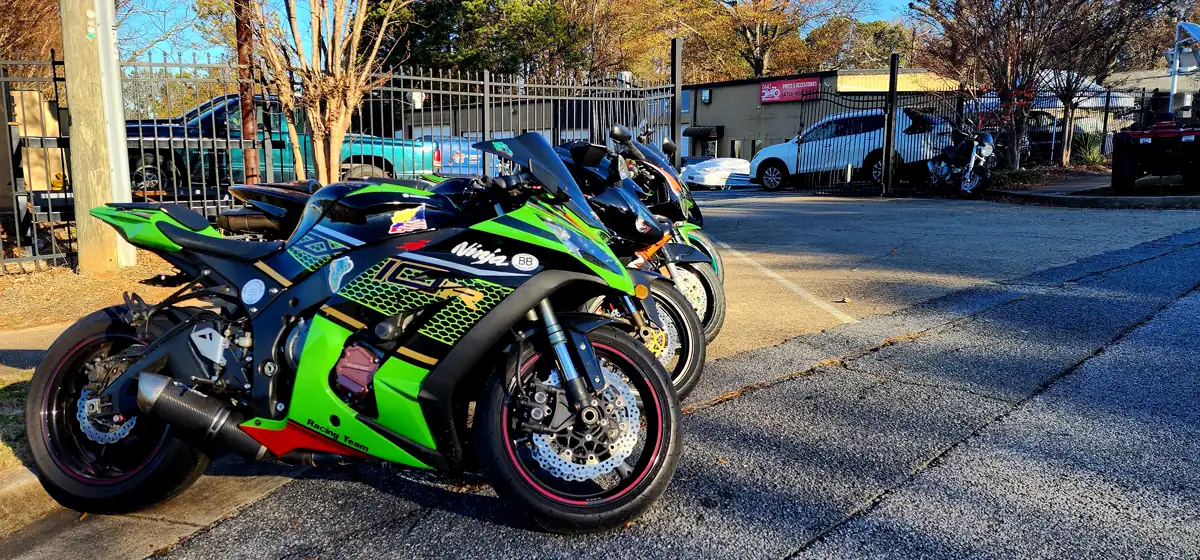
Georgia is tough on paint, and this corner of Cobb has its own flavor of tough. Summers run hot, humidity hovers around seventy percent, and afternoon thunderstorms roll in almost daily from June through August. That storm water isn’t clean, either. It carries minerals, and when the sun bakes it dry on your tank, you’re left with those stubborn spots that laugh at a dry rag.
Then comes the pollen. Every spring paints the whole county yellow, and pollen is mildly acidic, so it etches into a bare clear coat when it sits too long. Hard water from a garden hose pulls the same trick, drying into chalky rings around the badges. Add our strong summer sun on top, and an unprotected finish slowly fades flat and hazy. None of that is dramatic in a single day. It just piles up quietly until one afternoon the paint looks tired.
Most bikes here live in a garage, and that’s mostly a win. Two- and three-car garages are standard on these older lots, so your paint dodges the worst of the sun and stays safe from theft. A garage isn’t sealed, though. Humidity still sneaks in, dust settles, and a bike that sits for weeks picks up a dull film that a quick wipe only smears around. Worse, a garage-kept machine gets ridden less, so it goes longer between real cleanings, and small problems get plenty of time to set in. A coating buys you slack there, since the grime that does land has a much harder time bonding to the paint in the first place.
Now, the part nobody mentions until you’re already paying for it. A coating only looks as good as the paint underneath it. If your finish already carries swirl marks, light scratches, or water etching, sealing over them locks that damage in for the life of the coating. That’s why a real detail starts with correction, not coating. We machine-polish the paint first to lift out the swirls and haze, so the surface is genuinely clean and clear. Only then does the coating go down.
A wash gets a bike clean. A detail gets it back.
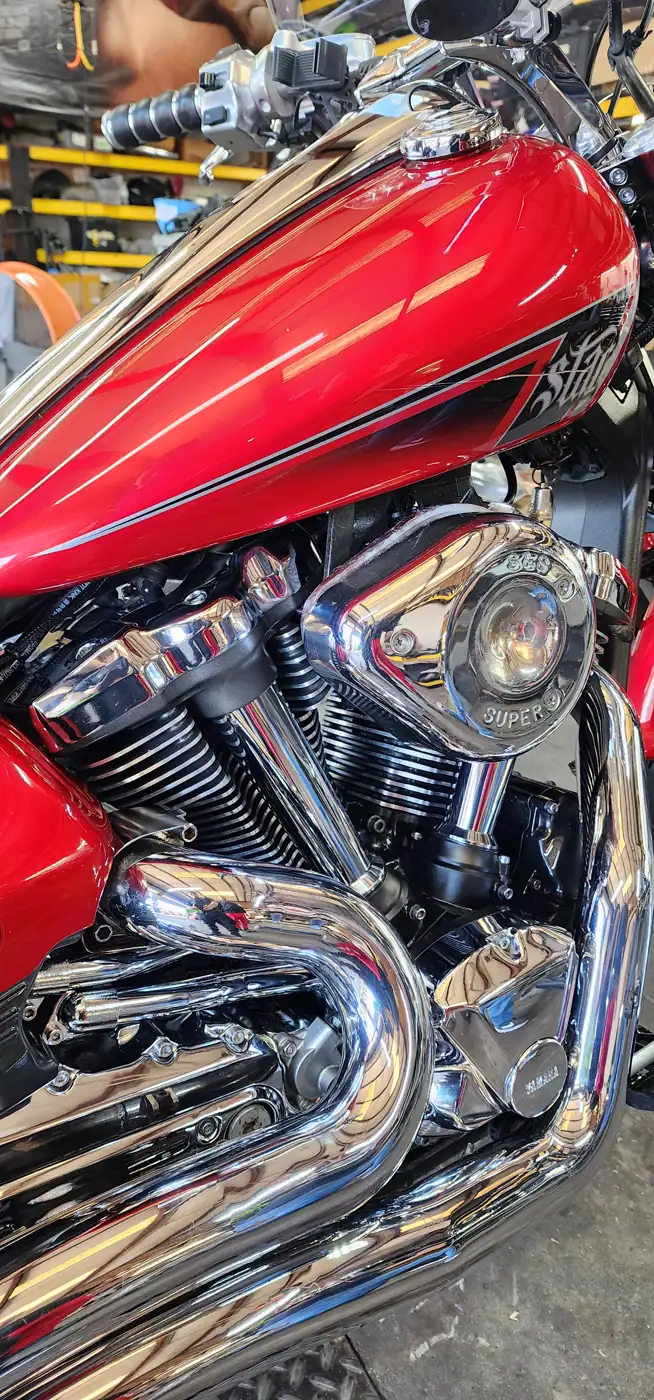
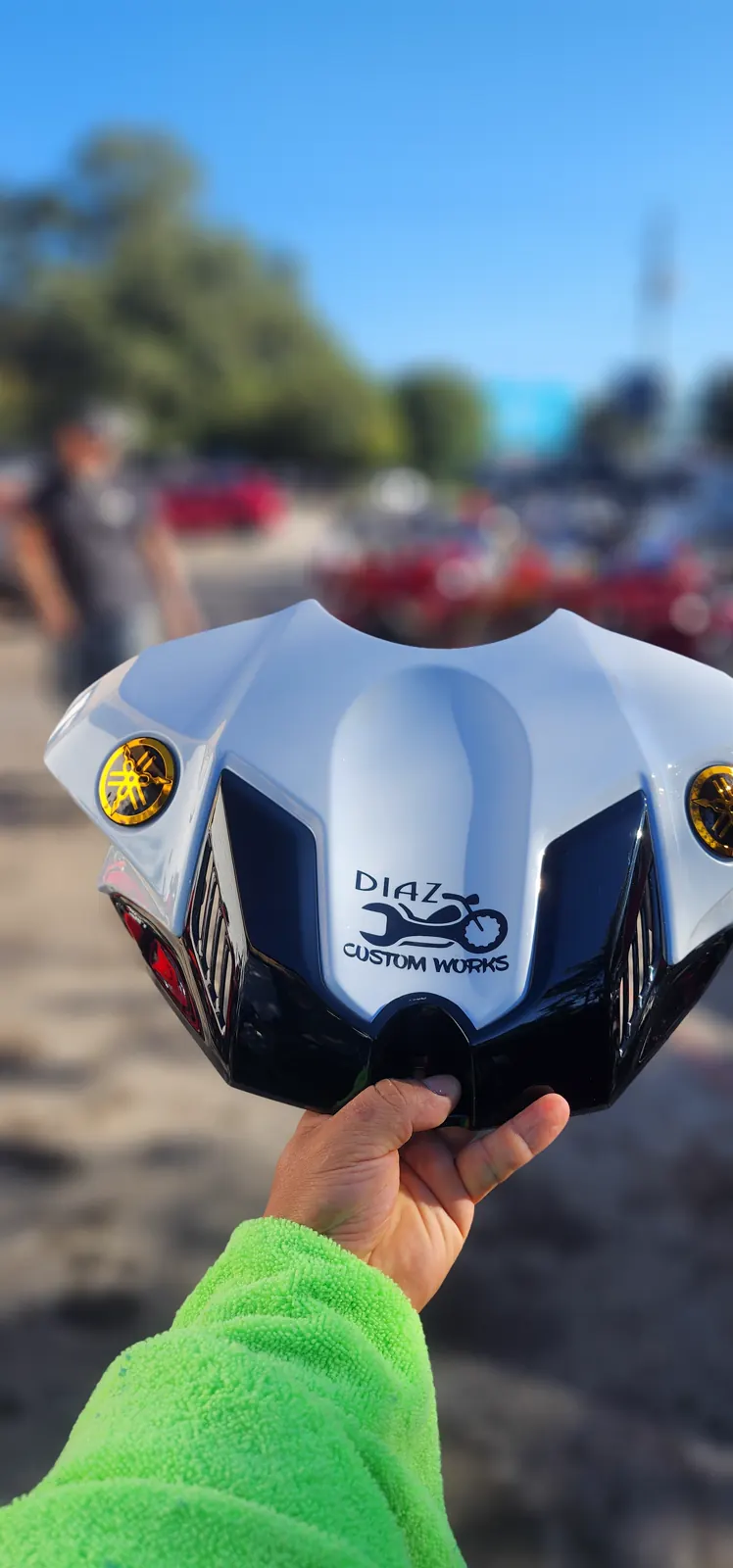
That polishing step is what separates a real detail from a wash. A wash lifts dirt off the surface. After that, a detail brings the whole finish back, and that means chrome polishing, paint correction, wheel and engine-bay cleaning, bug and tar removal, water-spot removal, plus care for leather, vinyl, and plastic trim. Chrome has its own enemy in our damp climate, by the way. If yours is starting to spot, here’s what usually causes it.
What we check before a drop of coating goes on
Before we quote anything, the bike goes under good light for a full read. We’re studying the paint, the chrome, the wheels, and the trim to see what shape they’re truly in. That inspection decides whether you need full paint correction, a light polish, or honestly just a solid wash and wax this round. Here’s what we’re looking for:
- Swirl marks and light scratches in the clear coat
- Oxidation, fading, and hazy patches from the sun
- Chrome pitting and the first hint of surface rust
- Baked-on bugs, tar, and mineral water spots
- Dry or cracking leather, vinyl, and rubber trim
- Grime hiding deep in the wheels and engine bay
Sometimes we’ll tell you to skip the coating, and we mean it. If you’re about to sell the bike, ride hard in every kind of weather and re-detail often, or you just want a fresh shine for one season, wax is the smarter move. There’s less prep, less commitment, and you’re not paying for protection you won’t stick around to use. A bike heading to a new owner next month doesn’t need a multi-year shell. Coating is one piece of a bigger picture, and you can see the full list of what we do if you’re curious where it fits.
Mistakes we'd love you to skip
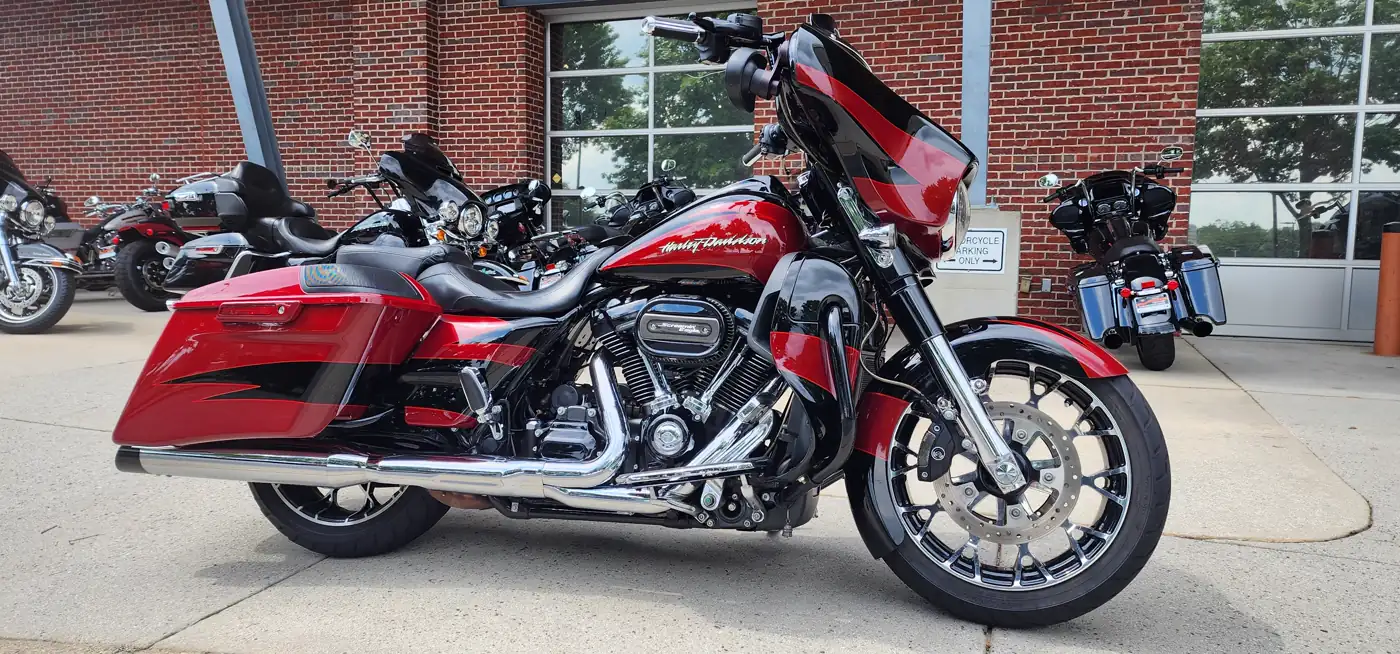
Most finish damage we see didn’t come from riding. It came from well-meaning care that went a little sideways. A handful of habits do the most harm, and every one of them is easy to dodge once you know about it. The tricky part is that these habits feel careful in the moment, so nobody suspects them until the paint starts looking rough.
- Coating over swirls, which locks the damage in for years
- Washing with dish soap, which strips protection and dries out seals
- Automatic car washes with stiff brushes that scratch clear coat
- Letting pollen or bug guts bake on instead of rinsing them soon
- DIY coating kits applied in high humidity, which cure blotchy
None of these mean you did anything wrong. They’re just traps nobody warns you about. If a coating on your bike went patchy, or an old wax job left streaks, we can strip it back and start clean. For Harley owners who like to read up, the official Harley-Davidson service information is a solid reference for care intervals between details.
The East Cobb part of the story
And then there’s the part that’s just about riding again. Around here, a bike is rarely a daily commuter. It’s a Saturday-morning machine, a north-Georgia-trip machine, a ride-to-Marietta-Square-for-dinner machine. Over in Chimney Springs, where 1970s and 80s homes sit among mature trees, walking trails, and a quiet lake, those same trees drop sap and pollen right onto a parked bike. A little shade is lovely until it starts freckling your tank.
Riders in Kings Farm and Canton Hills know the same routine. The bike waits all week, then earns its keep on the weekend. Roll out toward the mountains and you’ll probably take Sandy Plains Road, Post Oak Tritt, and Trickum Road, the easiest way northeast out of the suburbs toward Woodstock. It’s a great run. It also flings bug spray, tree grit, and rain grime at your paint the whole way. A coated tank rinses clean when you get home, while a bare one clings to every speck.
Local streets add their own mess. Sewell Mill Road is a creek-crossing arterial with rough patched sections and steep creek-bottom dips, and that heavy tree canopy keeps wet leaves and grit on the pavement long after the rest of the county has dried out. Every dip and puddle kicks up spray. That’s the gap between a finish that beads it off and one that lets it dry into spots you’ll be scrubbing next weekend. Keeping your reflexes sharp for those dips matters as much as the shine, so MSF rider courses are worth a look.
Getting the work done shouldn’t eat your Saturday, either. Our shop sits right in East Cobb, so most riders are two to five miles and under fifteen minutes away. Compare that to hauling the bike over to a dealer like WOW Motorcycles at 522 Cobb Parkway North in Marietta, which is closed Sunday and Monday, right when your weekend actually happens. Whether your ride winds up near the Atlanta Country Club, a Golf Digest top-100 course, or down at Truist Park and The Battery Atlanta about fifteen to twenty minutes southwest, home base stays close.
What you actually get back
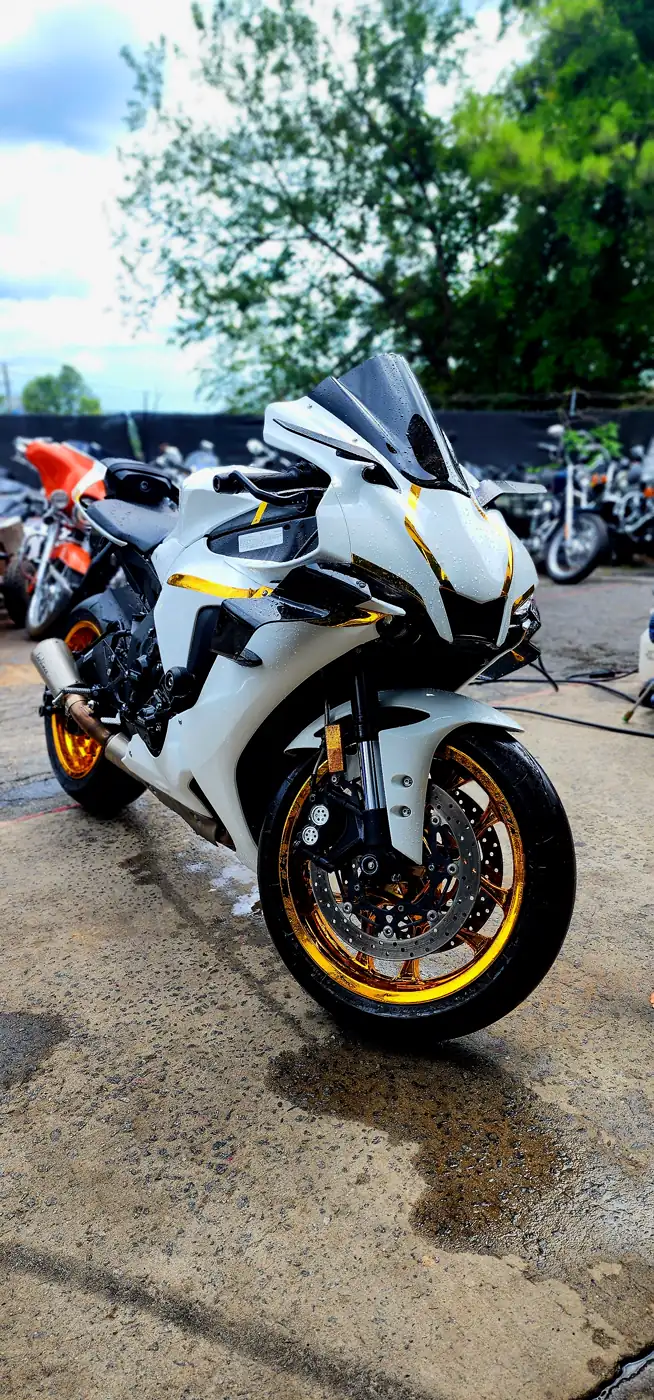
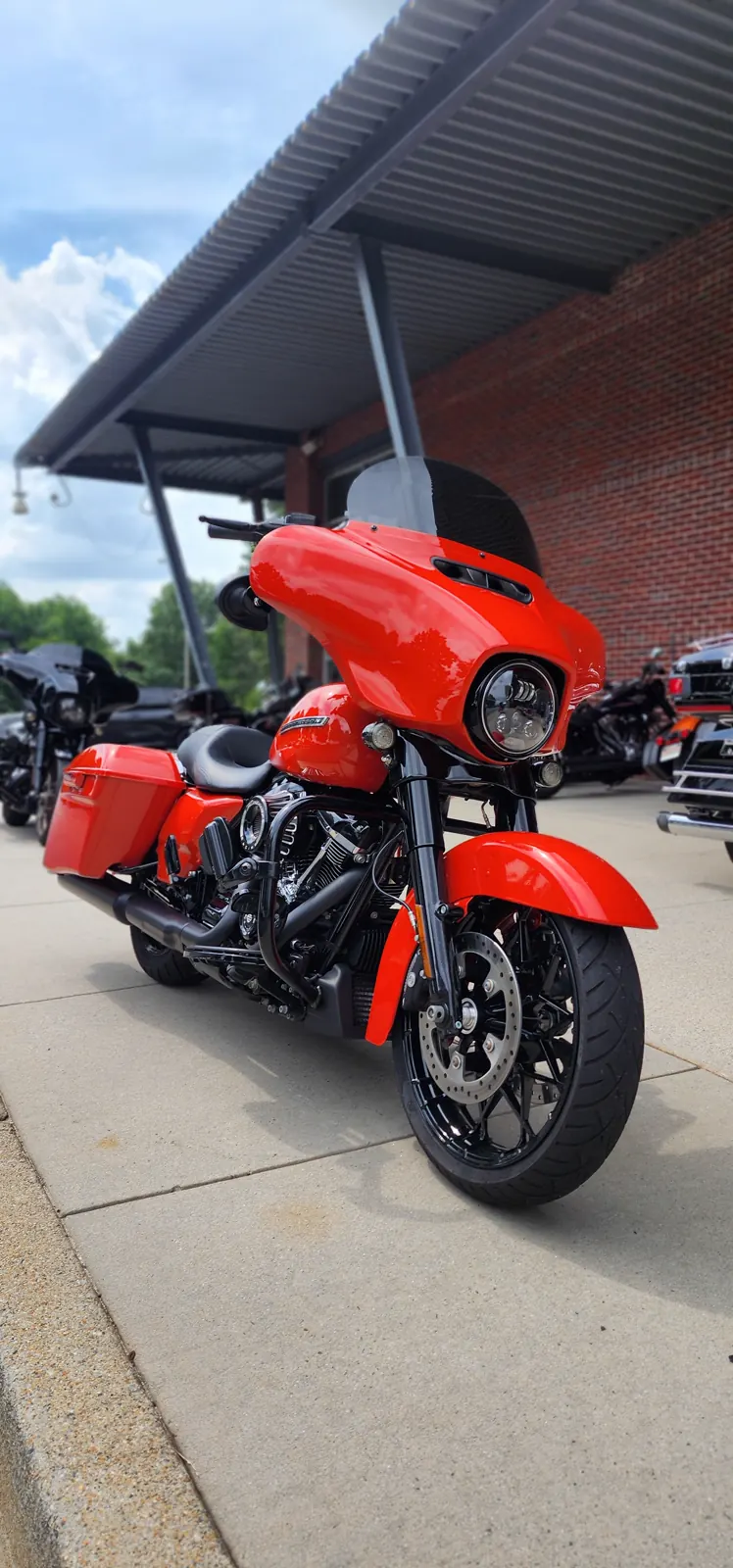
Here’s the payoff, and it’s a good one. A properly detailed and coated bike doesn’t just look clean. It looks better than the day it rolled off the showroom floor. The paint gains real depth. The chrome throws back a reflection clear enough to check your grin in. Draw a hand across the tank and it feels slick and glassy, never sticky or dry. That’s the real value of ceramic coating East Cobb riders keep coming back for.
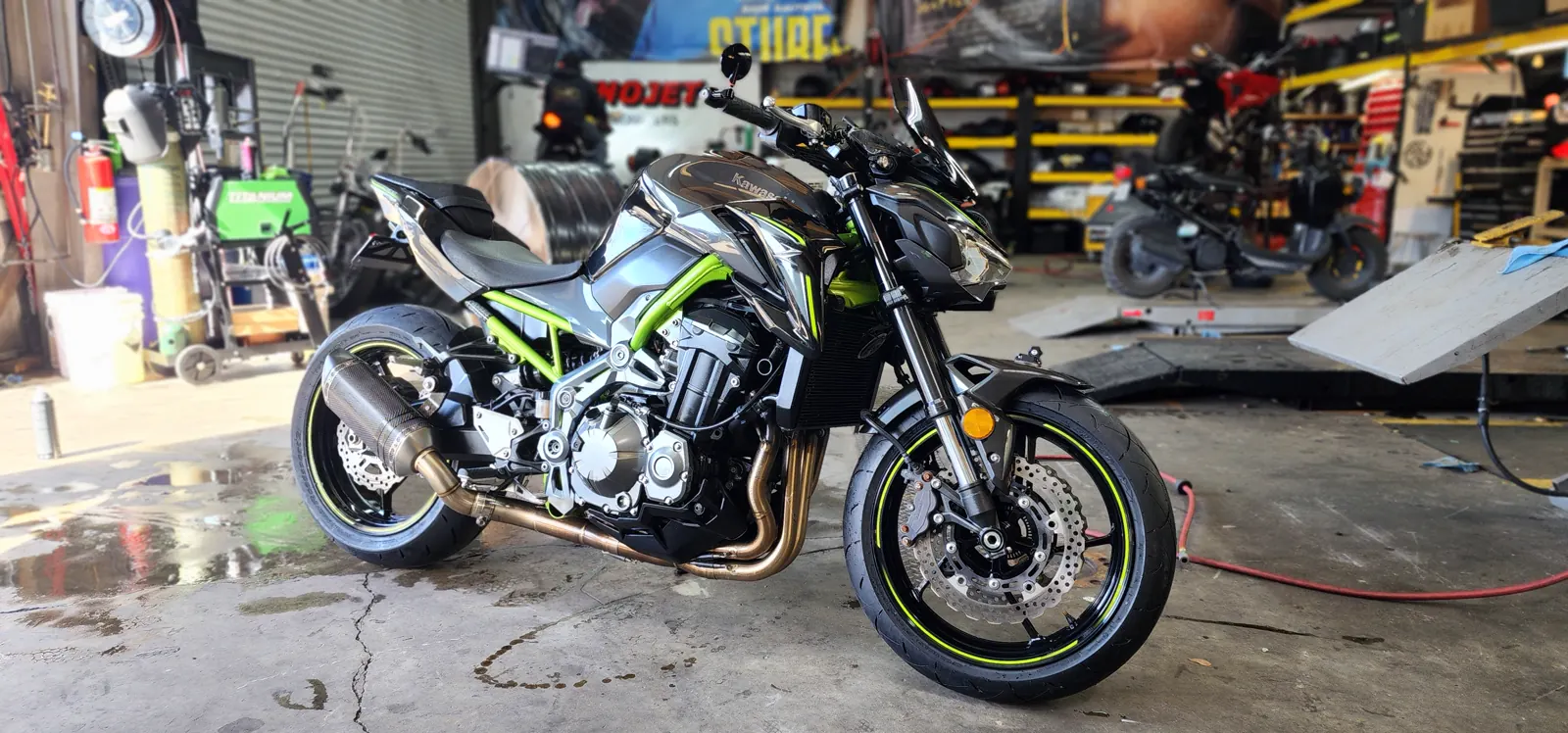
There’s a practical side, too. A finish that’s protected holds its value, so when you do sell or trade, the paint makes your case instead of hurting it. Also a coating also pairs beautifully with custom paint. Spend the effort on a fresh color or graphic, then let a ceramic layer keep that work looking sharp for years, depending on care. That’s the difference between protecting a real investment and watching it slowly weather in the garage. Buyers notice, too. A tank with deep, even gloss and clean chrome tells them the whole bike was cared for, and that impression follows the machine long after the sale. Instead a tired, hazy finish makes them wonder what else got skipped.
A spring detail lines up nicely with the rest of a tune-up, since a bike that’s been sitting all winter usually wants more than a bath. If you’re chasing performance too, that’s a separate job with its own steps, and here’s what the work covers. Either way, you ride off on a machine that turns heads at the light and tempts you to take the long way home. That, in the end, is what ceramic coating East Cobb comes down to.
Questions East Cobb riders ask us
Is a ceramic coating really worth the upgrade?
For a garage-kept bike you plan to keep, yes. It protects the paint, resists pollen and water spots, and makes every wash faster, holding up for years depending on care. If you’re selling soon or only want a one-season shine, a good wax does the job with less prep.
Ceramic coating or wax — which should I pick?
Keep the bike and ride it on weekends? Go ceramic. Want a quick shine before a sale, or ride hard in all weather and re-detail constantly? Wax is simpler and makes more sense. We’ll look at your bike and tell you straight which one fits.
What's the real difference between them?
Wax is a soft layer you rub on that lasts weeks and needs frequent reapplying. A ceramic coating bonds to the clear coat and hardens into a thin, glass-like shell that stays put for years, depending on care. The coating also sheds water and grime far better.
Which one lasts longer?
The ceramic coating, by a wide margin. Wax fades in weeks to a couple of months, especially through our hot, humid summers. A properly prepped and cured coating lasts years, depending on how you store and wash the bike.
Which is right for how I ride?
If your bike is a low-mileage weekend keeper, a coating protects it while it sits and rides. If you rack up miles in every kind of weather and re-detail often anyway, wax keeps things flexible and low-commitment. The way you ride decides it more than the bike does.
Does a coating make my bike scratch-proof?
No, and anyone who says so is overselling. A coating protects against swirls, etching, and grime while making cleanup easy. It won’t stop a rock chip, a dropped tool, or a deep scratch. Careful storage still matters.
Diaz Motorcycles sits right in East Cobb, and we detail and coat bikes for riders all across the north metro. That includes Marietta and Roswell, Sandy Springs and Dunwoody, and the Kennesaw, Acworth, and Canton crowd up north. We also take care of friends in Woodstock, Alpharetta, Smyrna, Vinings, and across greater Atlanta. If your bike lives within a short ride of East Cobb, we’re glad to make it shine.
MAKE THAT TANK LOOK NEW AGAIN
Not sure whether your East Cobb bike needs a coating or just a good detail? Text us a photo and a few questions, and we’ll give you a straight answer with no pressure. We’re right here in the community, so bringing your bike in is quick and easy. Let’s get that finish looking better than the showroom.
470-460-9883Diaz Motorcycles and Service, LLC · 847 Barnes Mill Road, Marietta, GA 30062