You Found a Barn Find in East Cobb — Now What?
What quietly rots on a bike that sat for years, and what it really takes to wake one up without hurting yourself or the machine.
Plus, the single worst thing you can do with a barn find is the very first thing everybody wants to do: pour in fresh gas, hit the starter, and see if it runs. Meanwhile, that old bike has been asleep for a decade, and waking it wrong can turn a weekend project into an engine rebuild. Of course, we get the temptation. In fact, a barn find East Cobb riders drag home from an estate sale or an old family garage almost always looks worse than it is — but only if you revive it in the right order instead of forcing it.
So you did it. You bought the dusty bike that’s been sitting in a garage over in Walton or a shed up toward Woodstock since before your kids were born. It’s got flat tires, a fuzzy layer of grime, and a story. And now it’s in your garage and you’re itching to hear it fire up. Slow down. The good news is that a garage-kept East Cobb bike usually has solid bones. The bad news is that a lot of small things quietly died while it slept, and some of them will bite the engine if you crank it cold.
What actually rots while a bike sits
A bike doesn’t wear out from sitting — it rots from sitting, which is a different kind of damage. Nothing was spinning, so there’s no mileage on it, but gravity, moisture, and stale chemistry went to work anyway. Rubber dried and cracked. Fuel turned to varnish and gum. Metal that lost its film of oil grew a skin of rust. And critters treated the airbox and exhaust like a cozy winter cabin. None of that is dramatic, but all of it is real, and all of it has to be sorted before that engine is safe to run.
Here’s the part that surprises people: the tires can look fine and still be dangerous. Rubber has a shelf life whether you ride it or not. A ten-year-old tire with deep tread is dry-rotted underneath and can let go on Roswell Road at the worst possible moment. Same story with the brake lines and fuel hoses — they look okay from the outside and are brittle on the inside. Age, not mileage, is the enemy of a barn find, and that trips up even careful buyers.
The fuel system is where the trouble hides
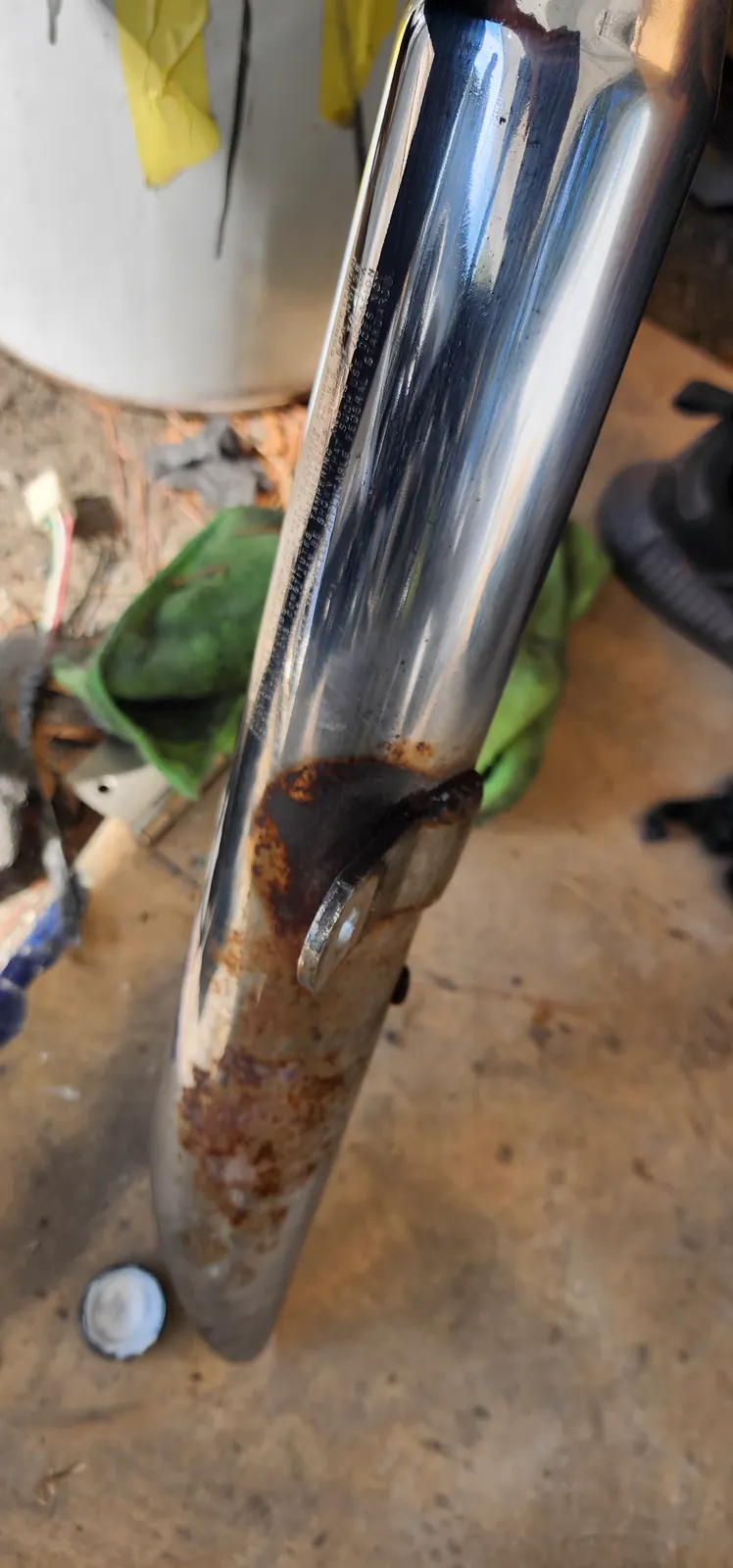
If a barn find is going to fight you, it usually starts in the fuel system. Old gasoline doesn’t just go stale — it breaks down into a sticky varnish and a hard gum that glue up everything it touches. Inside the carburetor, that gunk clogs the tiny passages that meter your fuel, some of them thinner than a human hair. Inside the tank, moisture and old fuel breed rust that flakes off and marches straight into those same passages. So even if the engine is perfect, a gummed-up fuel system means it won’t start, won’t idle, or runs like it’s got the hiccups.
This is why we almost always pull and clean or rebuild the carbs on a long-stored bike, drain and inspect the tank, and replace the crumbly fuel lines. It’s not upselling — it’s the difference between a bike that runs right and one that leaves you stranded near Sope Creek wondering what happened. Get the fuel system clean and honest first, and half your barn-find headaches disappear before you ever touch the engine internals.
A rusty tank is worth a special mention, because it’s sneaky. From the outside the paint can look perfectly fine while the inside is flaking like an old thermos. Left alone, that loose rust keeps feeding the carbs long after you’ve cleaned them, so the bike runs great for a week and then acts up again. We check inside the tank early precisely so we’re not chasing the same ghost twice, which saves you both money and the special frustration of a problem you thought was solved.
Why you shouldn't just crank it
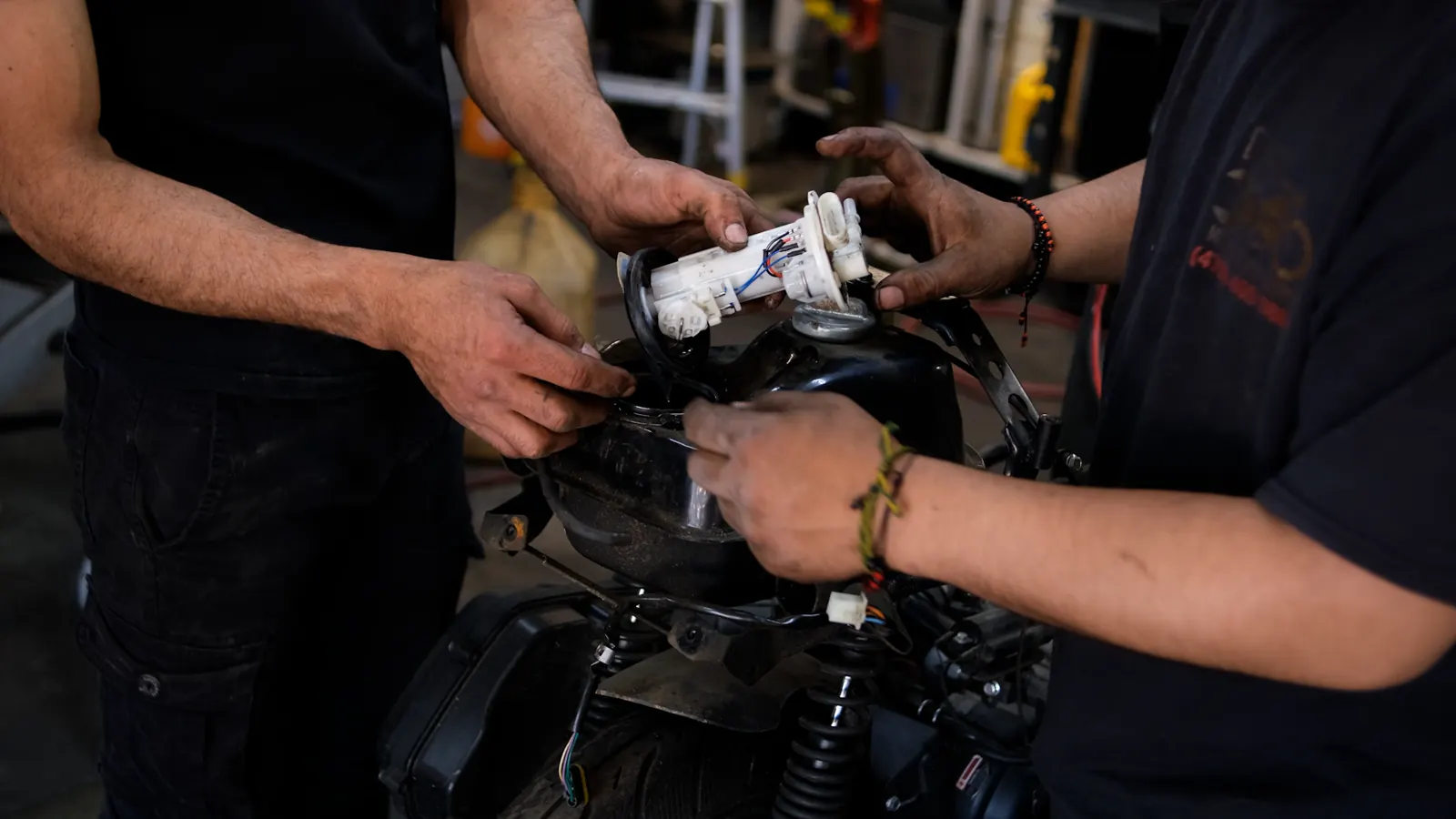
Now the big warning, because this is where good bikes get killed. When an engine sits for years, the oil drains off the cylinder walls and the bearings. Crank it dry and those metal parts scrape against each other with no protection, scoring surfaces that were perfectly fine a second earlier. Worse, moisture can seep past the rings and let surface rust form right on the cylinder walls. Spin a rusty cylinder at starter speed and you can gouge it permanently. What felt like a harmless test just turned a running engine into a rebuild.
The right way is patient and boring, which is exactly why it works. We turn the engine over slowly by hand first to feel for anything seized or gritty. We get fresh oil where it belongs before anything spins fast. We check that the engine even has compression before we ask it to run. Only then does it get to fire up. It’s the difference between waking someone gently and dumping them out of bed onto the floor — same person, very different morning.
STOP BEFORE YOU CRANK
A barn-find engine has no oil film left. Spinning it dry is how a good motor becomes a rebuild.
The uninvited guests
Here’s a fun one that’s gross every single time. A quiet exhaust pipe and an open airbox look, to a mouse, exactly like a five-star hotel. We regularly find nests, stashed dog food, acorns, and worse packed into the intake and exhaust of bikes that sat in East Cobb garages. Those big wooded lots off Paper Mill and Sewell Mill that keep your bike out of the weather also come with plenty of critters looking for a dry winter home. It’s harmless if you find it first, and a real problem if you fire the bike up and cook it in there.
Insects get in on the act too, building mud nests in exhaust tips and fuel vents. It sounds funny, and it kind of is, right up until a blocked vent means the bike starves for fuel a mile from home. Part of reviving a barn find is simply looking everywhere a critter could hide and clearing it out. It’s not glamorous work, but it’s the kind of thing that separates a bike that runs clean from one that runs weird for reasons nobody can figure out.
The battery, brakes, and electrical gremlins
A battery that sat for years is simply gone, no debate — you’ll need a fresh one, and that’s the easy part. The trickier stuff is what age does to the rest of the electrical system. Connections corrode, wire insulation gets brittle, and rubber-mounted switches gum up, so lights flicker, signals quit, and the bike does mysterious things for no obvious reason. On an old bike, half of what looks like an engine problem is really a tired connection somewhere, and chasing those gremlins is its own patient little art.
Brakes deserve the same respect, because they’re the one system you really don’t want to learn about at speed. Brake fluid absorbs moisture over the years and goes bad even sitting still, and calipers can seize from corrosion after a long nap. On a bike that’s been parked, we go through the whole braking system before we’d trust it on Roswell Road. It’s not the exciting part of a revival, but stopping is arguably more important than starting, and it’s non-negotiable on a barn find.
The safe wake-up order
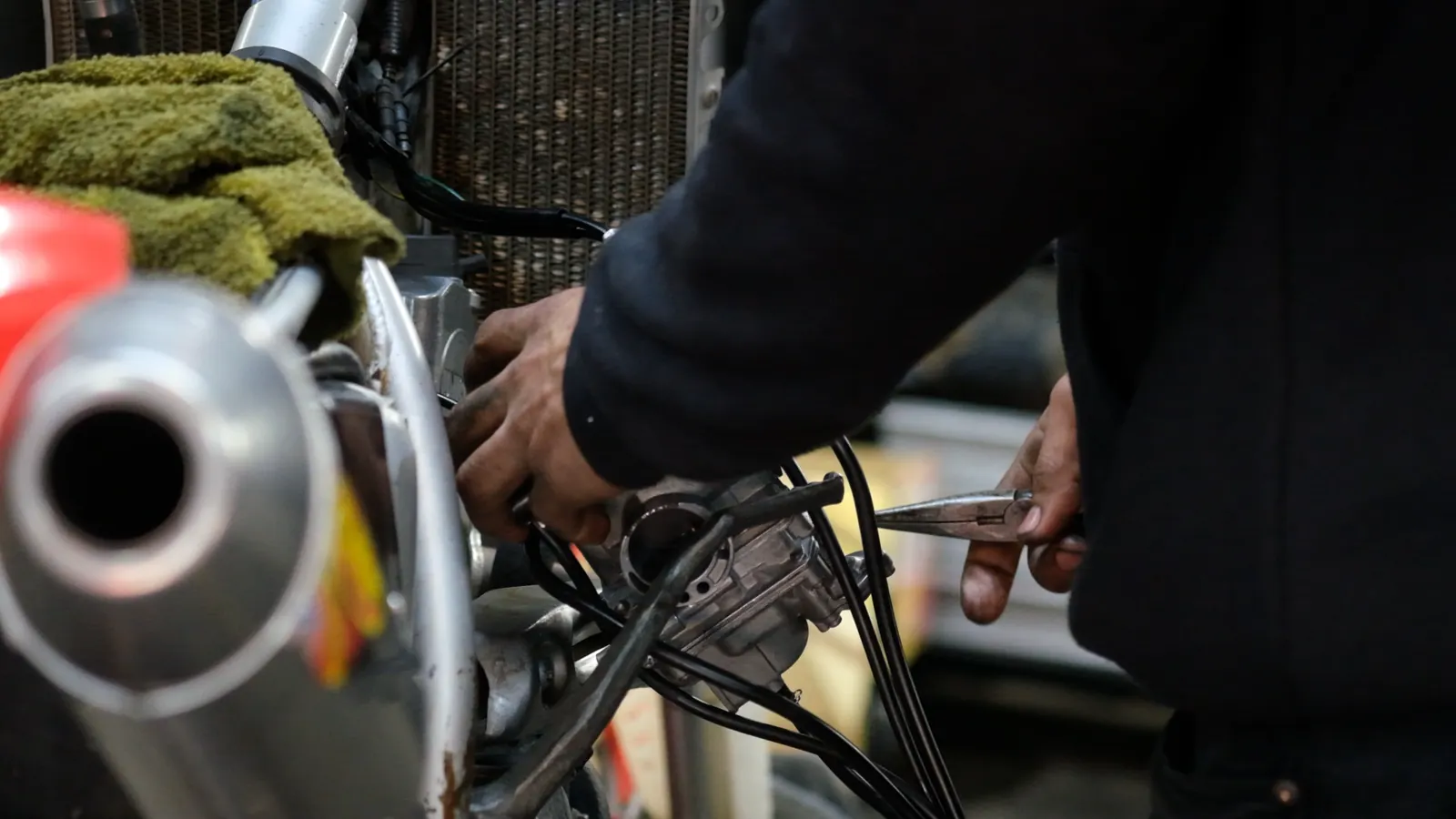
Reviving a barn find isn’t complicated, but the order matters more than anything. Do these steps out of sequence and you can undo your own work or hurt the engine. Here’s the honest sequence we follow, and it’s the same one we’d tell a friend to follow in their own garage.
- Look it over completely first — frame, fork, wheels — before touching the starter.
- Drain the old fuel and oil; both are contaminated after years of sitting.
- Clean or rebuild the carbs and inspect the tank for rust and varnish.
- Turn the engine over by hand to feel for anything seized before it ever spins fast.
- Get fresh oil to the internals and confirm the engine has real compression.
- Replace the tires, brake lines, and fuel hoses — age killed them even at zero miles.
- Sort the brakes and electrical, then, and only then, let it start.
Notice that starting the engine is near the bottom of the list, not the top. That’s the whole point. Everybody wants the movie moment where it roars to life on the first try. But the bikes that survive their revival are the ones that got the boring stuff first. Do it in this order and your barn find has a long second life. Do it backwards and you might be shopping for a new engine by the weekend.
GARAGE-KEPT, NOT SAFE
A dry garage protects the frame and metal. It does nothing for fuel, rubber, and battery — those still die on schedule.
The upside East Cobb barn finds have
Now the encouraging truth, because it’s not all doom. East Cobb is genuinely a great place to find a revivable bike. The community is full of 1970s-through-90s homes with two- and three-car garages on big lots, and long-tenured owners who parked a bike decades ago and never let the rain touch it. That garage storage is brutal on batteries and fuel, but it’s kind to the frame, the metal, and the paint. So the expensive structural stuff is usually intact, and the work is mostly the recoverable kind.
That’s why so many barn finds around here are worth reviving instead of parting out. The bones are good. The story is good. And with the fuel system cleaned, the rubber replaced, and the engine woken up gently, that dusty relic becomes a bike you can actually ride to the Square for dinner. There’s nothing quite like the feeling of a machine everyone wrote off firing up clean and settling into an idle. It’s the reason we love this part of the job most.
One last bit of encouragement before you talk yourself out of it. A barn find almost always looks worse than it is, and the grime is doing a lot of the scaring. Under the dust is usually a solid bike waiting for the right, patient steps in the right order. So resist the urge to judge it in the driveway, and resist even harder the urge to crank it just to hear something. Get it looked over first, and you give that old machine its best shot at a long second life.
A barn find doesn't need luck. It needs the boring steps done in the right order.
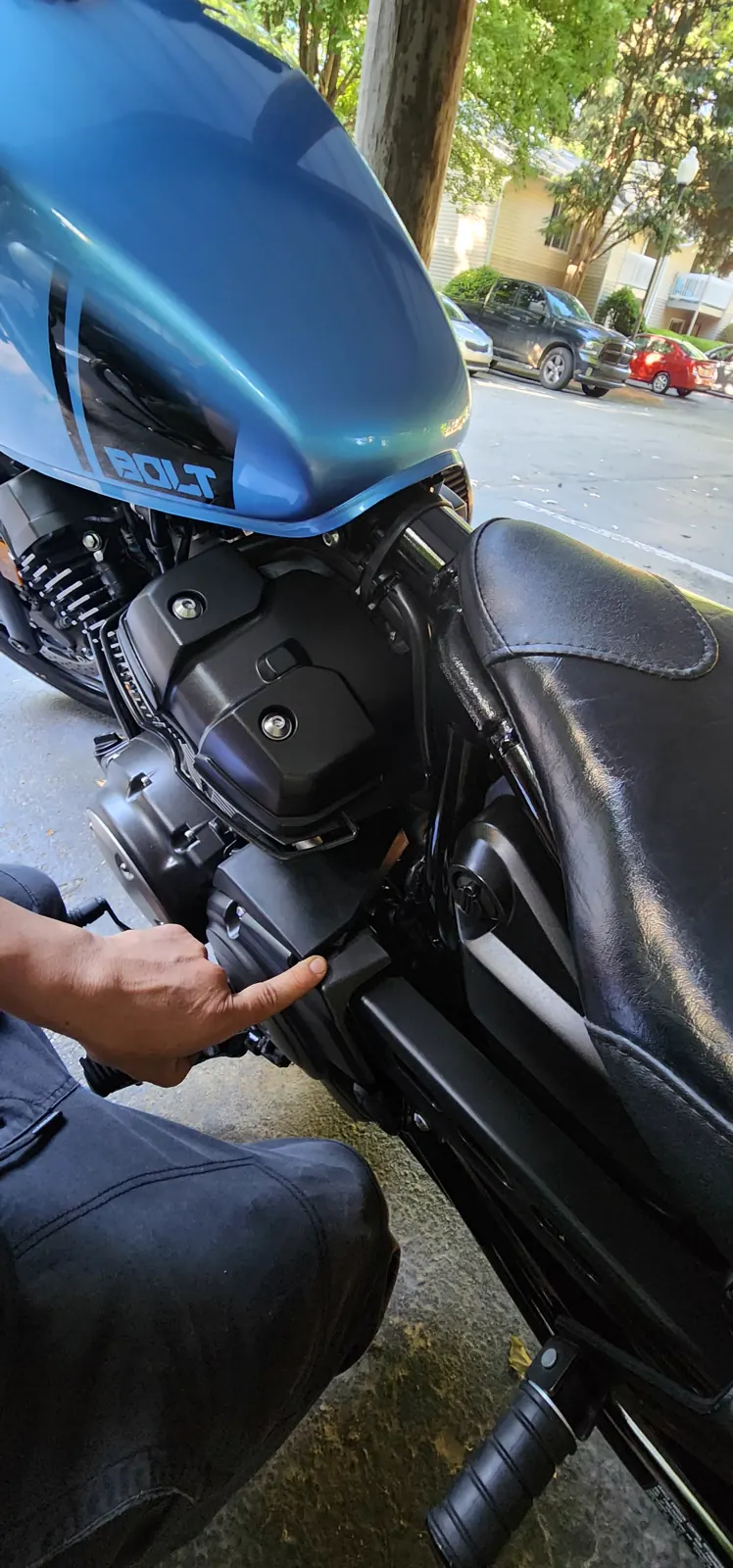
So if you’ve got a barn find sitting in your garage, do future-you a favor: don’t crank it yet. We’re the full-restoration shop right inside East Cobb, off Roswell Road on Barnes Mill, under fifteen minutes from most of the community. Text us a few photos, tell us how long it sat and what you know about it, and we’ll tell you honestly what waking it up will take. Better to spend ten minutes texting than a whole engine finding out the hard way.
Questions East Cobb riders ask us
Can't I just put fresh gas in and start it?
Please don’t. After years of sitting, the oil has drained off the engine’s internal parts and the cylinders may have surface rust. Cranking it dry can score metal and turn a good engine into a rebuild. We wake it up in the right order so a running bike stays a running bike.
The tires still have tread. Are they fine?
No. Rubber ages whether you ride it or not. A ten-year-old tire can be dry-rotted underneath with plenty of tread showing, and it can let go without warning. On a barn find we replace the tires, brake lines, and fuel hoses because age, not mileage, killed them.
Why do the carburetors always need work on an old bike?
Old fuel breaks down into varnish and gum that clog the tiny passages inside the carbs, some thinner than a hair. Rust from the tank makes it worse. Even a perfect engine won’t run right until the fuel system is cleaned or rebuilt. It’s usually the first real job on a stored bike.
It was garage-kept. Doesn't that mean it's fine?
Garage storage is great news for the frame, metal, and paint, which is why East Cobb barn finds are often worth reviving. But a dry garage does nothing for the battery, fuel, rubber, and seals. Those still die on schedule. The good bones are there; the consumables need replacing.
How do I know if the engine is any good before spending money?
We turn the engine over by hand to feel for seizing, then check compression before it ever runs fast. Those two quick checks tell us a lot about the engine’s health without risking damage, so you can make a smart call before committing to a full revival.
Do you work on old or oddball brands?
Yes. We’re an all-makes shop, so vintage Japanese, British classics, and unusual models are all welcome. If parts are hard to find, we’ll tell you honestly up front what that means for time and cost before you commit to anything.
We revive barn finds for riders across East Cobb. Bikes come from Indian Hills, Chimney Springs, and Ashebrook, plus the Walton, Pope, and Lassiter districts along Johnson Ferry and Sewell Mill Road. We’re a short hop from The Avenue East Cobb and the Sope Creek paper mill trails. Riders also come from Marietta, Woodstock, and Roswell. If your find is near Barnes Mill Road, we can help wake it up safely.
DON'T CRANK IT — TEXT US FIRST
Got a barn find in the garage? Before you pour in gas and hit the starter, text us a few photos and tell us how long it’s been sitting. We’ll give you an honest read on what it takes to wake it up without hurting the engine. We’re off Roswell Road on Barnes Mill, under fifteen minutes from most of East Cobb. Ten minutes of texting beats a whole engine learning the hard way.
470-460-9883Diaz Motorcycles and Service, LLC · 847 Barnes Mill Road, Marietta, GA 30062