Restore It or Sell It? How East Cobb Riders Decide
A clear, honest way to choose between bringing your old bike back to life and letting someone else have the project.
Plus, the old bike in the garage has been asking you a question for years, and you keep changing the subject: fix me, or find me a new home? Meanwhile, it just sits there gathering dust and guilt in equal measure. Of course, the reason the decision feels hard is that it’s really two decisions wearing one coat — a money decision and a heart decision. In fact, the restore vs sell East Cobb riders wrestle with gets a lot simpler once you separate those two and answer them one at a time.
So let’s make this easy. You don’t need to be a mechanic to decide well. You need a few honest answers about the bike and a few honest answers about yourself. We help East Cobb riders through this call all the time, and we’ve got no dog in the fight — a good shop will happily tell you to sell a bike that isn’t worth the work. What follows is the same framework we’d walk a friend through over coffee at Merchants Walk.
First question: does this bike mean something to you?
Start with the heart, because it quietly decides everything else. If this is your late father’s bike, the one you learned on, or the exact model you dreamed about at nineteen, the math changes. Sentiment is a completely legitimate reason to restore. You’re not buying a machine; you’re buying back a piece of your own story, and there’s no spreadsheet that prices that. Plenty of the best restorations we do around here would never pencil out to a stranger and are worth every penny to the owner.
But be honest with yourself, too. If the bike is just a bike — something you picked up cheap, no memories attached — then it’s purely a money call, and that’s fine. Not every old motorcycle deserves a hero’s welcome. Knowing which kind of bike you’ve got before you spend a dollar keeps you from restoring out of guilt or selling out of frustration. The heart question comes first because it sets the rules for the money question.
Second question: are the bones good?
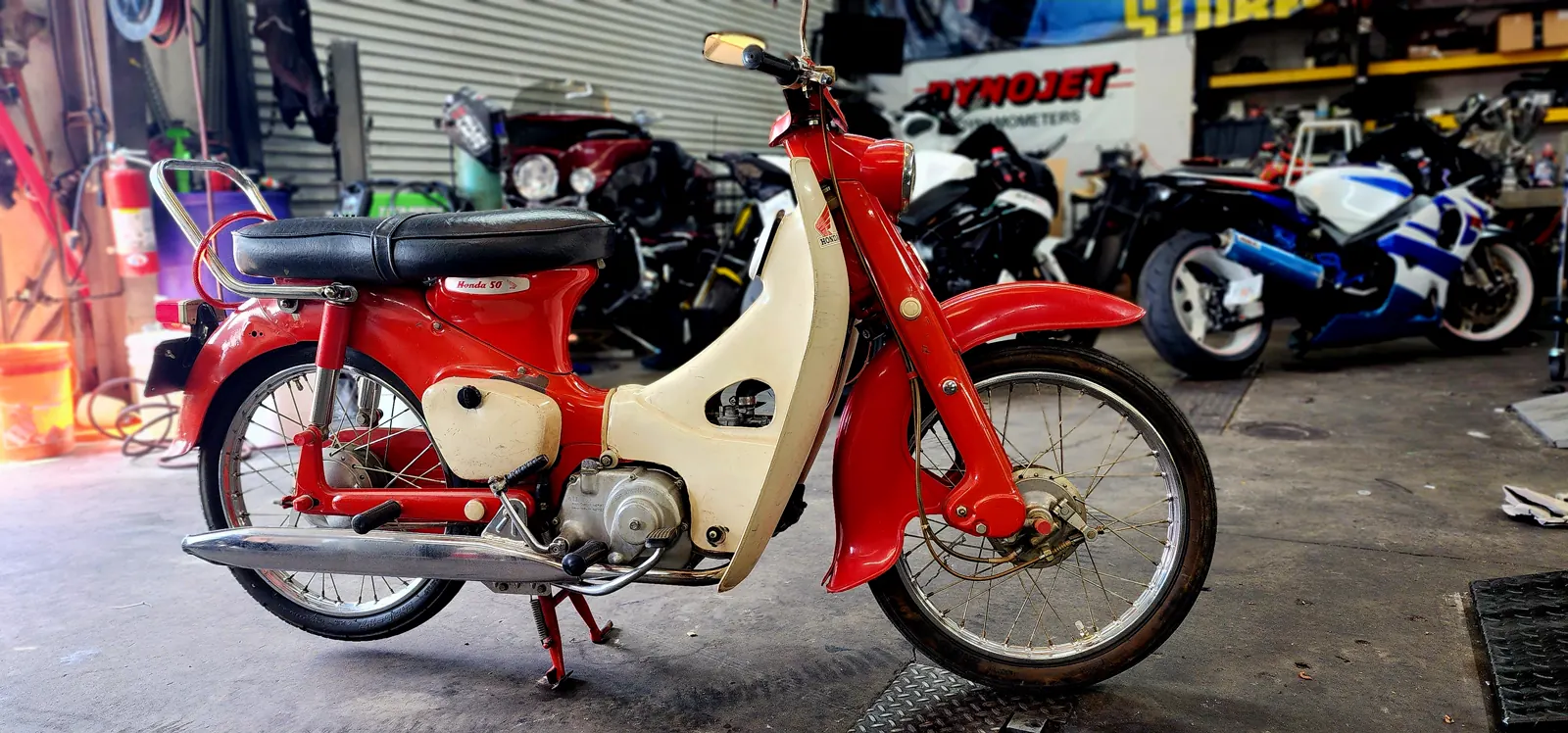
Now the mechanical side. Some damage is cheap to fix and some is expensive, and telling them apart is the whole trick. Surface rust, dead fuel, flat tires, a dead battery, faded paint, and gummed-up carbs all sound bad and are actually the recoverable, friendly kind of problem. A bike with those issues but a solid frame and a healthy engine is a strong restore candidate. That describes a huge share of garage-kept East Cobb bikes, which is genuinely good news for owners here.
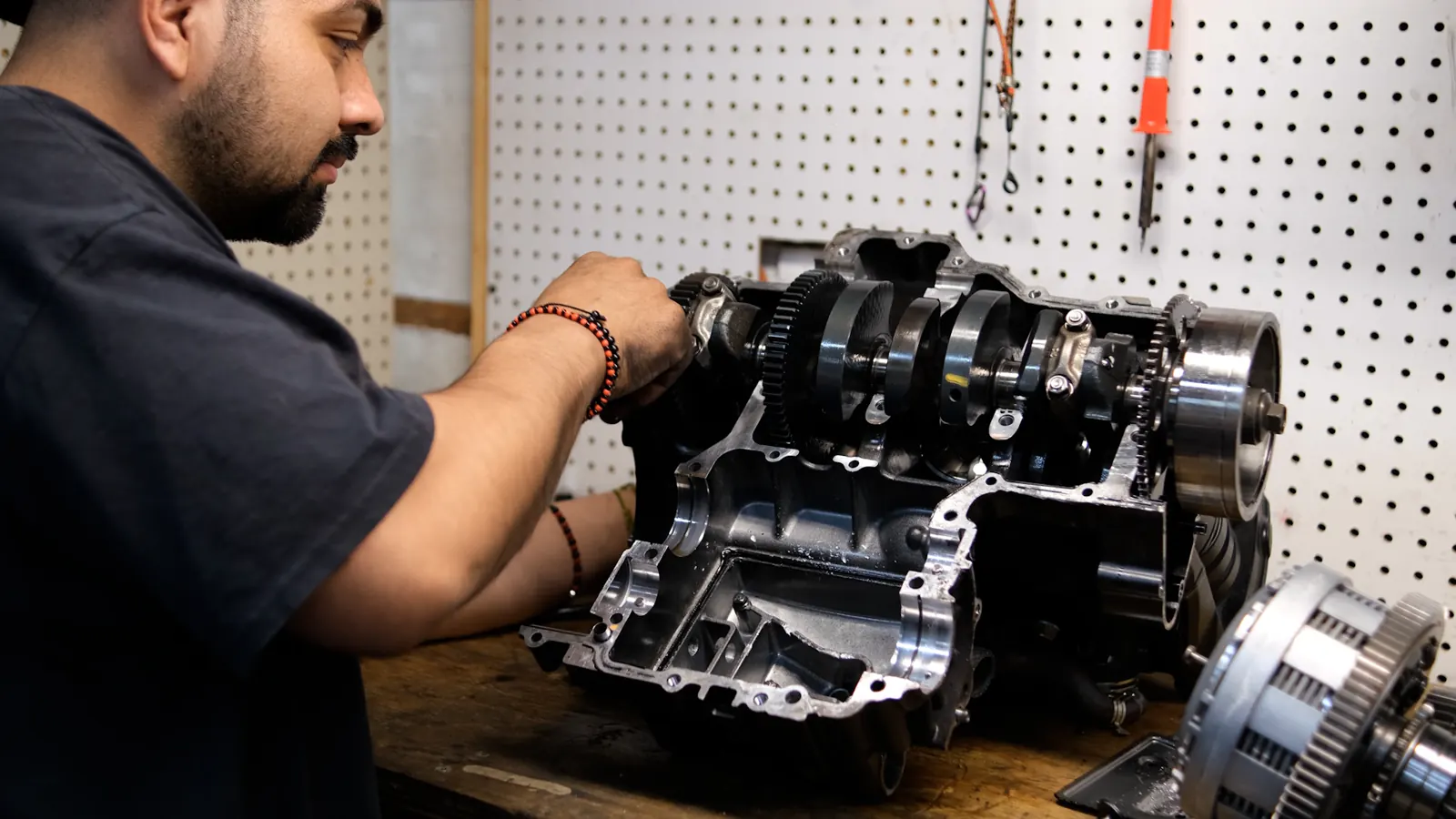
The expensive damage is structural and internal: a cracked or bent frame, a seized or badly worn engine, or metal that’s rusted through instead of just on top. Those aren’t dealbreakers on a rare or beloved bike, but they tip a plain-Jane model toward sell. The catch is that you often can’t tell which camp you’re in from the driveway. A quick compression check and a good look at the frame answer this fast, and that answer moves the decision more than anything else.
The trap here is judging a bike by how bad it looks instead of how bad it is. Dust, flat tires, and faded paint scream lost cause, but they’re all in the cheap-and-cheerful column. Meanwhile a bike that looks presentable can be hiding a tired engine underneath. Looks and health are two different things on an old bike, and confusing them is how people either overpay for a pretty problem or walk away from a rough-looking gem.
Third question: how common is the bike?
Here’s the lever people forget. Two identical-looking projects can cost very different amounts purely based on how easy the parts are to find. A common Honda, Yamaha, or Suzuki has parts on every shelf, so a restoration stays reasonable and predictable. A rare model or an oddball import can mean weeks of hunting and premium prices for a single fender, which can quietly turn a fun project into a frustrating money pit. Rarity cuts both ways — it can raise the finished value, but it also raises the cost to get there.
This is why we ask the year and model before anything else, especially if you’re eyeing a bike you haven’t bought yet. A quick text with the details can tell you whether parts will be a walk to the shelf or a treasure hunt across three states. For a bike you already own, it tells you whether restore is a smooth road or a bumpy one. Either way, knowing the parts picture up front keeps you from committing blind, which is exactly how good projects go sideways.
THE HONEST TEST
Restore when the bike means something or the bones are strong. Lean toward sell when it’s a common bike with deep structural damage and no sentiment.
Fourth question: what's your real goal?
Be clear about what you actually want, because it changes the answer. If your goal is to ride and enjoy the bike, a modest restoration that makes it safe and sharp is a joy, and resale value barely matters. If your goal is to make money flipping it, the math is ruthless: your restoration cost plus the purchase price has to land under what the finished bike sells for, and that’s a narrow window on most common models. Those two goals point to completely different decisions on the very same bike.
Most East Cobb riders we meet aren’t flippers. They’re professionals with the means and the itch to finally bring back the bike they always wanted, to ride on Saturday mornings down Johnson Ferry toward the river. For them, restore usually wins, because the payoff is the riding, not the resale. Knowing which camp you’re in stops you from applying flipper math to a bike you’re actually going to keep and love, which is a mistake that talks good people out of great projects.
The quiet value of a finished restoration
Even for keepers, there’s a value angle worth naming. A well-done restoration protects the worth of a rare or sentimental bike, and it reads instantly to anyone who sees it. A buyer, an insurer, or your riding buddies can tell a cared-for machine from a neglected one in about two seconds, and that impression follows the bike for the rest of its life. So even when you’re not selling, a proper restoration is a kind of insurance on something you value.
There’s also the everyday payoff that no spreadsheet captures. A finished bike is one you actually walk out to and ride, instead of one you step around in the garage feeling vaguely guilty. That shift — from project you’re avoiding to machine you’re enjoying — is the real return on a restoration for most East Cobb owners. It’s hard to put a number on, but anyone who’s lived with a half-finished project in the corner knows exactly what it’s worth to be rid of it.
When selling is the smart, honest call
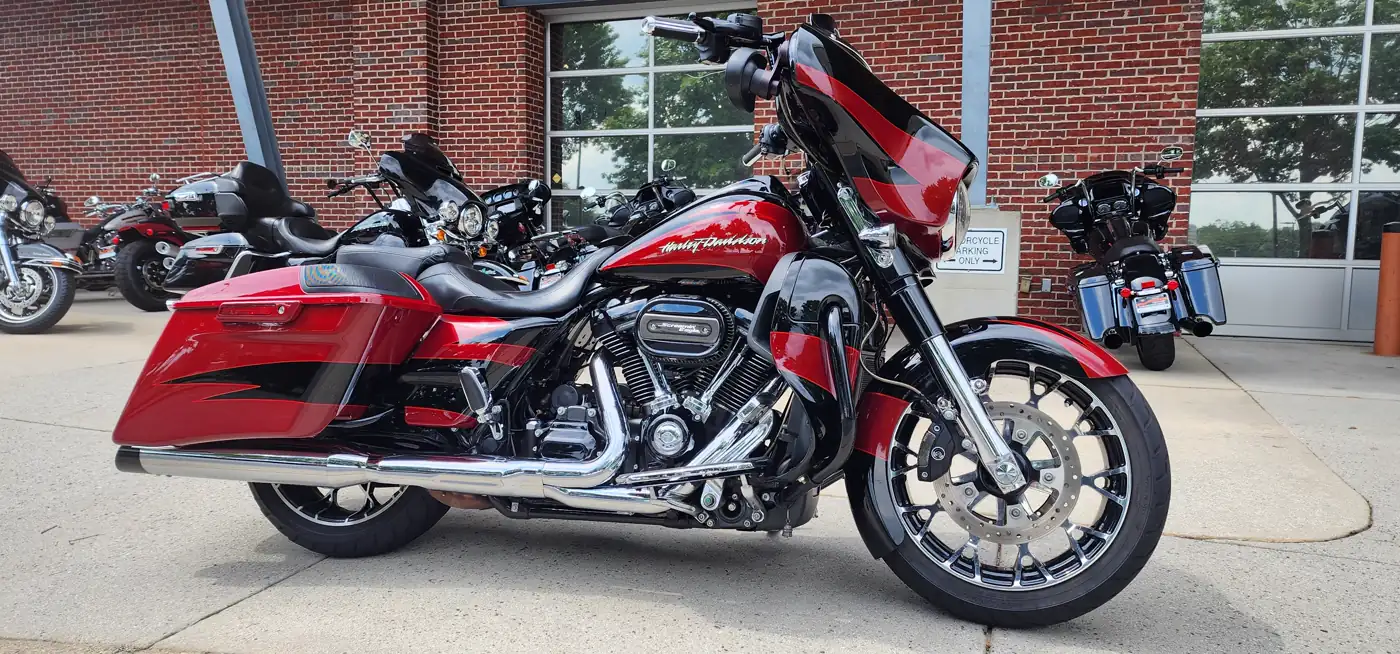
Let’s give sell its fair shake, because sometimes it’s genuinely the right move and we’ll tell you so. If the bike means nothing to you, it’s a common model, and it needs deep engine or frame work, selling it as a project and putting that money toward a bike you actually want is often the smarter play. There’s no shame in it. A project bike sold honestly makes someone else happy, and it frees you from a garage-corner guilt trip you’ve been dodging for years.
The key word is honestly. If you sell, describe it straight — what runs, what doesn’t, how long it sat. East Cobb is a small, connected community, and a reputation for a clean deal is worth more than a few extra dollars squeezed out of a fib. We can help you understand what you’ve really got so you can sell it fairly, even though we’d love to restore it. That’s the difference between a shop that wants your project and a shop that wants your trust.
Selling can also be the right first move even if you love the idea of restoring. Sometimes the honest play is to let go of a common project that doesn’t pencil out and put that money toward the bike you actually dreamed about. Trading a so-so project for the right one isn’t giving up on restoration — it’s being smart about which bike gets your time and dollars. We’d rather see you thrilled with the right machine than stuck sinking money into the wrong one out of stubbornness.
- Lean restore: it’s sentimental, the frame and engine are solid, parts are easy, and you want to ride it.
- Lean sell: no sentiment, common model, deep structural or engine damage, and flipper math doesn’t close.
- Get a check first: you can’t tell the engine or frame condition from the driveway — a quick look decides it.
- Either way, be honest: with yourself about sentiment, and with a buyer about condition.
NO DOG IN THE FIGHT
A good shop will tell you to sell a bike that isn’t worth restoring. That honesty is the whole point of asking.
Why East Cobb tilts toward restore
Here’s the local truth that stacks the deck in your favor. East Cobb bikes are overwhelmingly garage-kept on big wooded lots in neighborhoods like Indian Hills, Chimney Springs, and Ashebrook, tucked away by long-tenured owners who never let the weather touch them. Dry storage protects the frame, the engine, and the metal, which are the exact things that would otherwise push a bike toward sell. So a surprising number of East Cobb garage bikes have good bones hiding under bad consumables, and good bones favor restore.
That’s why we tell people not to write a bike off from the driveway. The dust and flat tires make it look like a lost cause, but underneath, a lot of these bikes are strong candidates that just need waking up and freshening. Before you list it or lose sleep over it, let someone who does this for a living take a real look. More often than owners expect, the honest answer around here is restore — and that’s a fun answer to deliver.
Answer the heart question first, then the money question. The bike gets a lot easier to read.
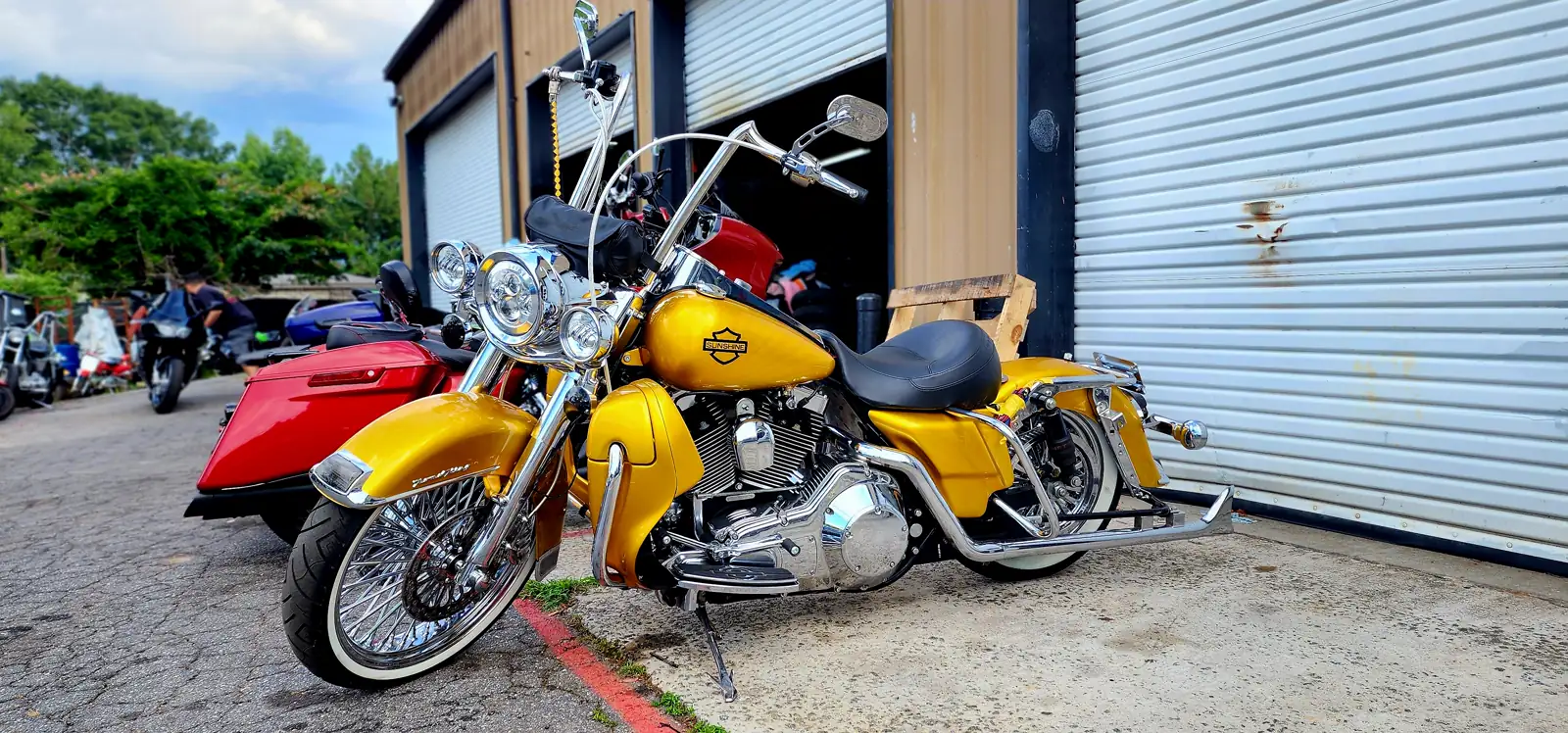
So if that old bike has been asking its question long enough, let’s finally answer it. We’re the full restoration shop right inside East Cobb, off Roswell Road on Barnes Mill, under fifteen minutes from most of the community. Text us the year and model, a few photos, and one line about what the bike means to you, and we’ll give you a straight read on restore or sell. We win either way when you trust the answer, so you’ll get the honest one.
Questions East Cobb riders ask us
How do I know if my bike is worth restoring?
Answer two questions honestly. First, does it mean something to you? Sentiment alone can justify a restore. Second, are the bones good — solid frame, healthy engine, common parts? If yes to either, restore usually wins. A quick look at the frame and a compression check settle what you can’t see from the driveway.
Will you tell me to sell instead of restoring?
Absolutely, when that’s the honest call. If the bike means nothing to you, it’s a common model, and it needs deep engine or frame work, we’ll tell you selling it as a project is the smarter move. We’d rather earn your trust than talk you into work that doesn’t make sense for you.
Does restoring an old bike make financial sense?
It depends on your goal. If you plan to ride and enjoy it, a modest restoration is well worth it and resale barely matters. If you’re flipping, the math is tight on common models — cost plus purchase price has to beat the finished value. Most East Cobb owners are keepers, not flippers, which tips it toward restore.
What kind of damage means I should probably sell?
Deep structural or internal damage on a common bike with no sentiment: a cracked or bent frame, a seized or badly worn engine, or metal rusted through. Surface rust, dead fuel, flat tires, and faded paint are cheap, recoverable problems and don’t push toward selling at all.
Can you check the bike before I decide?
Yes, and that’s the smart move. You can’t judge engine or frame condition from the driveway. A compression check and a good look at the frame tell us fast whether the bones are strong, which moves the restore-or-sell decision more than anything else. Bring it by or text photos to start.
My bike is a common model. Is it automatically a sell?
Not at all. Common actually helps, because parts are easy and cheap, which keeps a restoration reasonable. Common plus solid bones is a great restore candidate. Common only tips toward sell when it’s also got deep structural damage and means nothing to you personally.
We help riders across East Cobb make the restore-or-sell call. Bikes come from Indian Hills, Chimney Springs, and Ashebrook, plus the Walton, Pope, and Lassiter districts along Johnson Ferry and Lower Roswell Road. We’re minutes from The Avenue East Cobb and Merchants Walk, near the Sope Creek paper mill trails. Owners also reach out from Marietta, Roswell, and Woodstock. If you’re near Barnes Mill Road, we’ll give your bike an honest read.
LET'S FINALLY ANSWER THE QUESTION
Restore it or sell it? Text us the year and model, a few photos, and one line about what the bike means to you. We’ll give you a straight read either way — we’ve got no reason to push you toward work that doesn’t make sense. We’re off Roswell Road on Barnes Mill, under fifteen minutes from most of East Cobb. Honest answer, no pressure.
470-460-9883Diaz Motorcycles and Service, LLC · 847 Barnes Mill Road, Marietta, GA 30062