Motorcycle Restoration Cost in East Cobb: A Real Price Guide
A plain-English breakdown of what drives a restoration bill up and down, system by system, so the number never blindsides you.
Plus, when people ask what a restoration costs, they want one clean number, and that’s the one thing an honest shop can’t hand them over the phone. Meanwhile, the real answer is that a restoration is a stack of separate jobs, each with its own price tag. Of course, once you see how that stack is built, the whole thing stops feeling like a mystery. In fact, understanding restoration cost East Cobb owners should plan for is mostly about learning which parts of the bike quietly eat the budget and which ones barely move it.
So let’s pull the number apart the way we’d sketch it on a napkin for a friend. A restoration bill is really five buckets: the engine and mechanicals, the paint and bodywork, the chrome and metal, the parts you have to buy, and the labor hours that tie it all together. Every bike fills those buckets differently. A clean garage-kept Pope-district classic and a rough barn find fill them in wildly different amounts, which is exactly why one price never fits both.
Bucket one: the engine and mechanicals
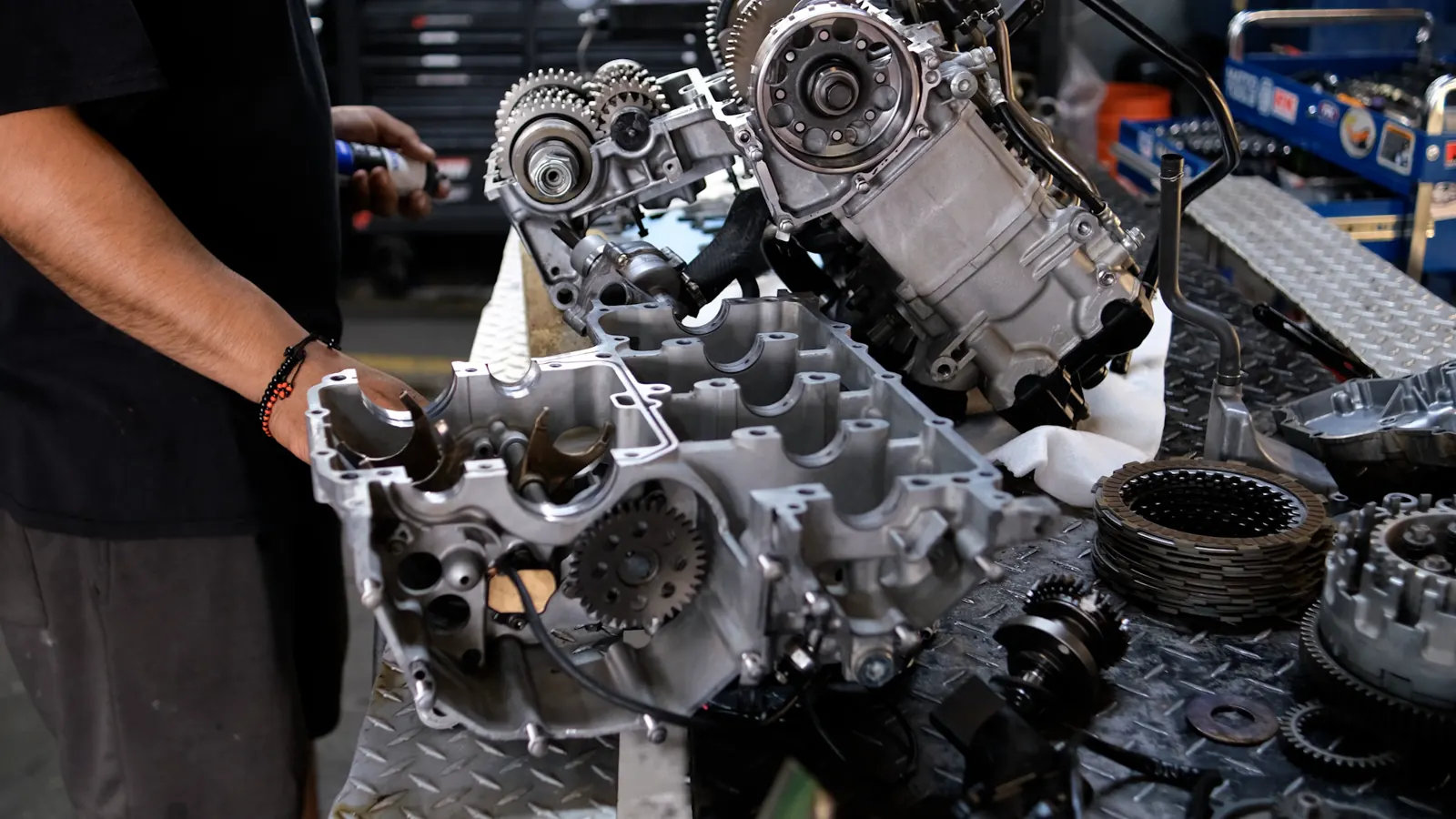
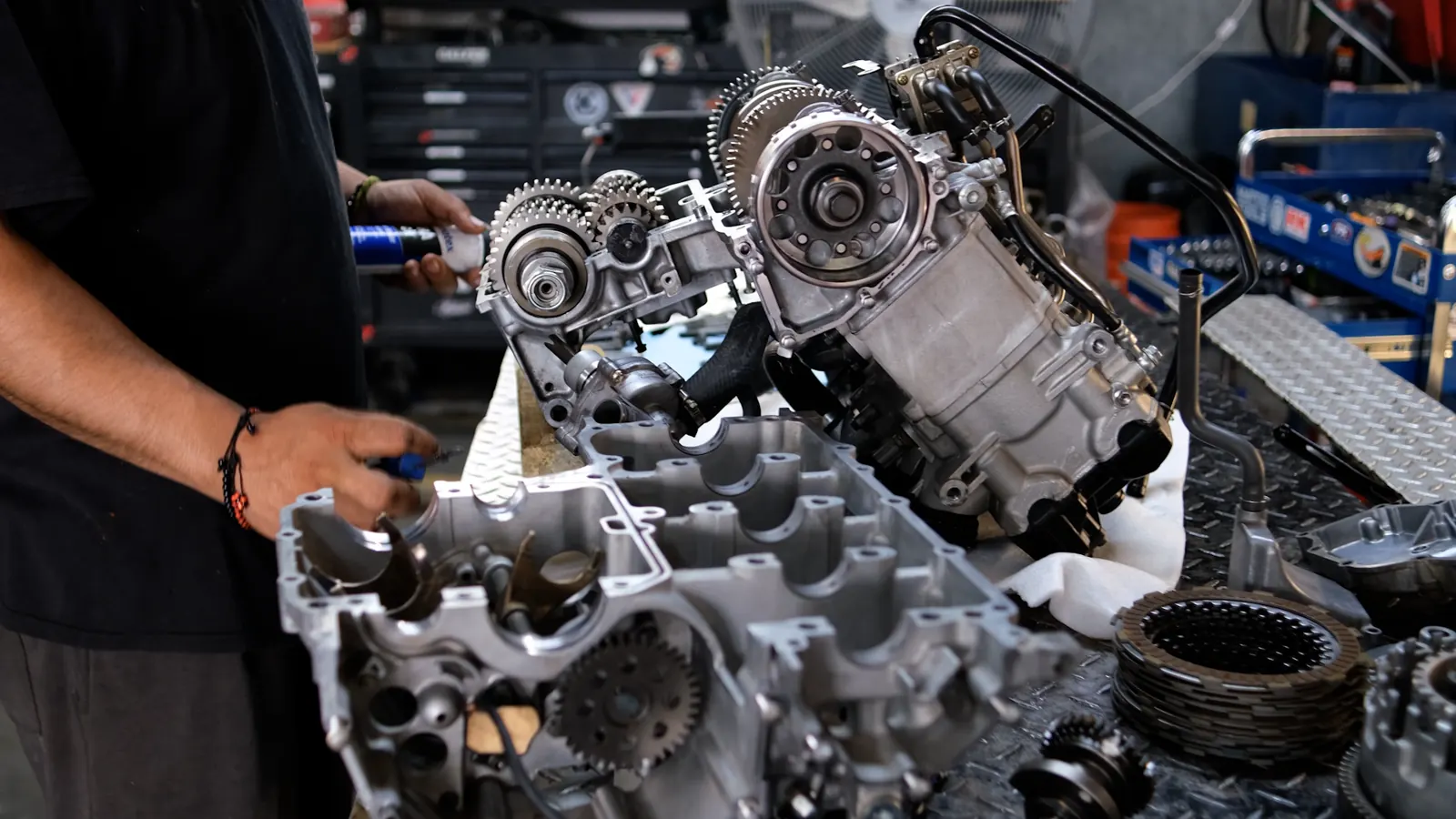
This is the bucket with the widest range, from pocket change to the biggest line on the invoice. On the low end, an engine that’s mechanically healthy just needs waking up: fresh fluids, new filters, a carb clean, and new consumables. That’s real work but not scary money. On the high end, an engine that needs to come apart — new rings, bearings, seals, a valve job, maybe a bore — is the single most expensive thing on a restoration, because it’s the most hours and the most precision.
What decides which end you land on? Mostly whether the engine ran before it was parked and how it was stored. A bike that was running fine and got tucked into a dry East Cobb garage usually just needs a wake-up. A bike that was parked because it was already sick, or one that sat with moisture inside, is more likely to need internal work. This is why we check compression and turn the engine by hand before quoting — those two quick checks move this bucket more than anything else you can see from the outside.
Bucket two: paint and bodywork
Paint is the bucket that most surprises people, because it swings so far on the same bike. A straight tank with good metal that just needs a single-color respray is one number. The same tank, if you want the exact factory decals, a discontinued metallic color matched perfectly, and flawless show-quality prep, is a much bigger number. Bodywork also depends on what’s under the old paint — a clean panel is easy, a dented or rusty one needs metalwork before a drop of color goes on.
Here’s the honest lever in this bucket: how close to perfect you need it. A driver-quality paint job that looks fantastic rolling down Lower Roswell costs far less than a concours job that has to survive judging with a magnifying glass. Both look great from six feet away at the coffee stop. We’ll show you both and let your goal, not our upsell, set the price. For most East Cobb riders who want a beautiful bike to actually ride, the middle road is the smart spend.
One thing worth knowing: paint is also where doing it in-house saves you real money and headaches. When the same shop handles the bodywork and the color, nobody’s pointing fingers when a panel doesn’t line up, and the schedule stays in one set of hands. Farm the paint out to a third party and you add shipping, waiting, and the risk of a color that doesn’t quite match the rest of the bike. That coordination cost is invisible on the estimate but very real on the calendar.
Bucket three: chrome and metal
Chrome is sneaky, because it can go either way and you can’t always tell which by looking. Light surface rust and dullness often polish right back to a mirror, which is the cheap, happy outcome. But pitted chrome — where the rust actually ate into the metal — can’t be polished back. It has to be re-chromed, which means sending the part out to a plater, and that’s real money and real waiting. A single pitted exhaust or fender can quietly become one of the pricier surprises on an old bike.
The good news for East Cobb is that garage storage is kind to chrome. A bike kept dry usually has chrome that polishes back beautifully, so this bucket stays small. A bike that sat somewhere damp is the one where pitting shows up and the re-chrome bill climbs. When we look your bike over, chrome is one of the first things we assess, because knowing polish-versus-replate early keeps this bucket from becoming a mid-project shock.
Bucket four: the parts you have to buy
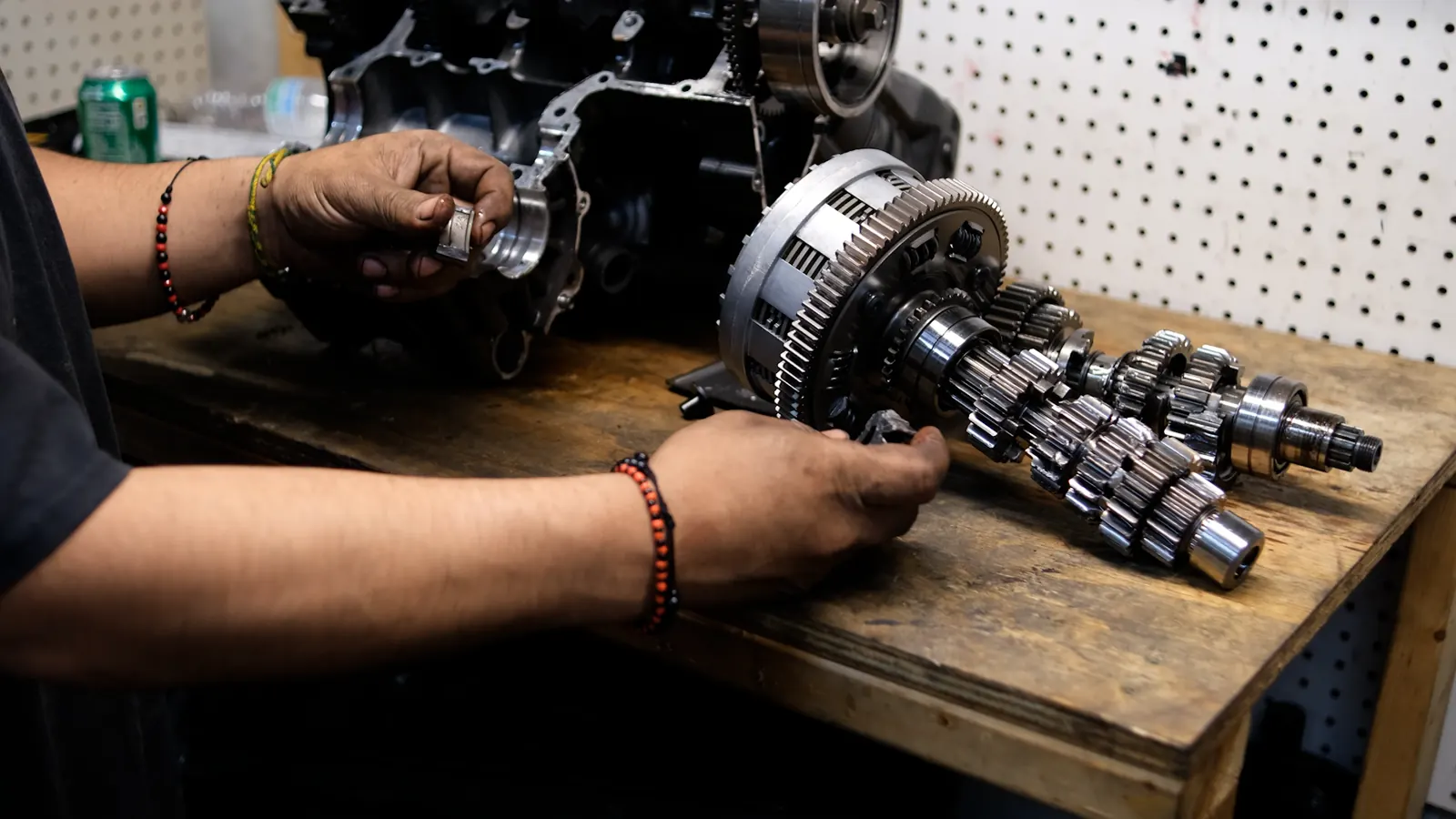
Every restoration needs parts, and here’s the rule that decides the number: how common is your bike? A popular Honda, Yamaha, or Suzuki has parts sitting on shelves and aftermarket options everywhere, so this bucket stays reasonable. A rare model, an old British twin, or an oddball import can mean weeks of hunting and premium prices for a single fender or a set of side covers. Two bikes with identical to-do lists can have very different parts bills purely because of what they are.
This is the one bucket where the bike itself, not the work, sets the price. It’s also why we ask the year and model before anything else. If you’re eyeing a barn find at an estate sale up in Sandy Plains, a quick text with the model can tell you whether parts will be easy or a treasure hunt — and that answer might decide whether you buy it at all. Knowing this up front has saved plenty of East Cobb riders from a project that would’ve cost more in parts-chasing than the bike was worth.
THE BIG VARIABLE
How common your bike is can matter more to the final bill than how rough it looks.
Bucket five: labor and time
Labor ties every other bucket together, because almost everything on a restoration is someone’s careful hands and hours. Cleaning decades of grime, taking things apart without breaking them, chasing down a gremlin in old wiring, and reassembling it all correctly — that’s time, and time is the honest majority of most restoration bills. It’s also the bucket that rewards experience: a tech who’s done this a hundred times works cleaner and catches problems early, which actually saves you money on the deeper stuff.
The smart move on labor is to spend it where it shows and shows up as safety. Brakes, fuel, tires, and the engine are worth every hour. A concours-perfect underside that nobody will ever see is where you can choose to save. We break the labor into must-do, should-do, and can-wait for exactly this reason, so you steer the hours toward what matters to you. That’s how a research-minded East Cobb rider keeps control of the total instead of hoping the invoice comes in soft.
Labor is also where cheap can quietly turn expensive. A rushed job that skips proper cleaning or reuses a worn seal saves an hour today and costs you a redo next season, and a redo means paying twice for the same work. Careful hours up front are cheaper than corner-cutting hours you have to fix later. That’s why the lowest quote and the smartest quote are so rarely the same number — one counts only the hours you can see, and the other counts the ones that keep the bike running.
How the buckets stack into a real quote
So how do we turn five buckets into one number you can actually trust? We look the bike over, fill in each bucket based on what’s really there, and then split the whole thing into three groups. Here’s the framework we use on every restoration estimate.
- Must-do: safety and reliability — brakes, fuel system, tires, and anything that keeps the engine alive.
- Should-do: strong value that makes the bike better and holds it — paint, chrome, seals, and worn consumables.
- Can-wait: nice-to-have polish you can add later — concours details, factory-correct extras, cosmetic upgrades.
- Surprises: if we open something and find more, we stop and call before spending another dollar.
That structure is the whole point of an honest quote. You see exactly where every dollar goes, and you decide how far up the list you want to climb. Two riders with the same bike often build very different totals, and both are right, because they wanted different things. This is also why a phone number without eyes on the bike is worthless — until we’ve filled the buckets, any figure is just a guess dressed up as a quote.
SPEND WHERE IT SHOWS
Put your money into safety and the parts you see and touch. Save on the perfection nobody will notice.
Why East Cobb bikes often cost less to bring back
Here’s the quiet advantage this community has. East Cobb bikes are overwhelmingly garage-kept on big wooded lots in neighborhoods like Indian Hills and Chimney Springs, tucked away by long-tenured owners who never let the weather touch them. Dry storage keeps the engine, chrome, and paint in far better shape than a bike left outside, even when it wrecks the battery and fuel. That means the two priciest buckets — engine internals and re-chrome — often stay small, and your money goes toward the recoverable, satisfying work.
It doesn’t make restoration free, but it does tilt the odds in your favor. A bike that mostly needs waking up and freshening costs a fraction of one fighting deep rust and a sick engine. So before you assume that dusty classic is a money pit, get real eyes on it. More often than you’d think, an East Cobb garage bike turns out to be a great candidate that lands closer to the friendly end of every bucket. That’s a genuinely nice surprise, and we love delivering it.
A restoration isn't one price. It's five buckets, and you get to decide how full each one gets.
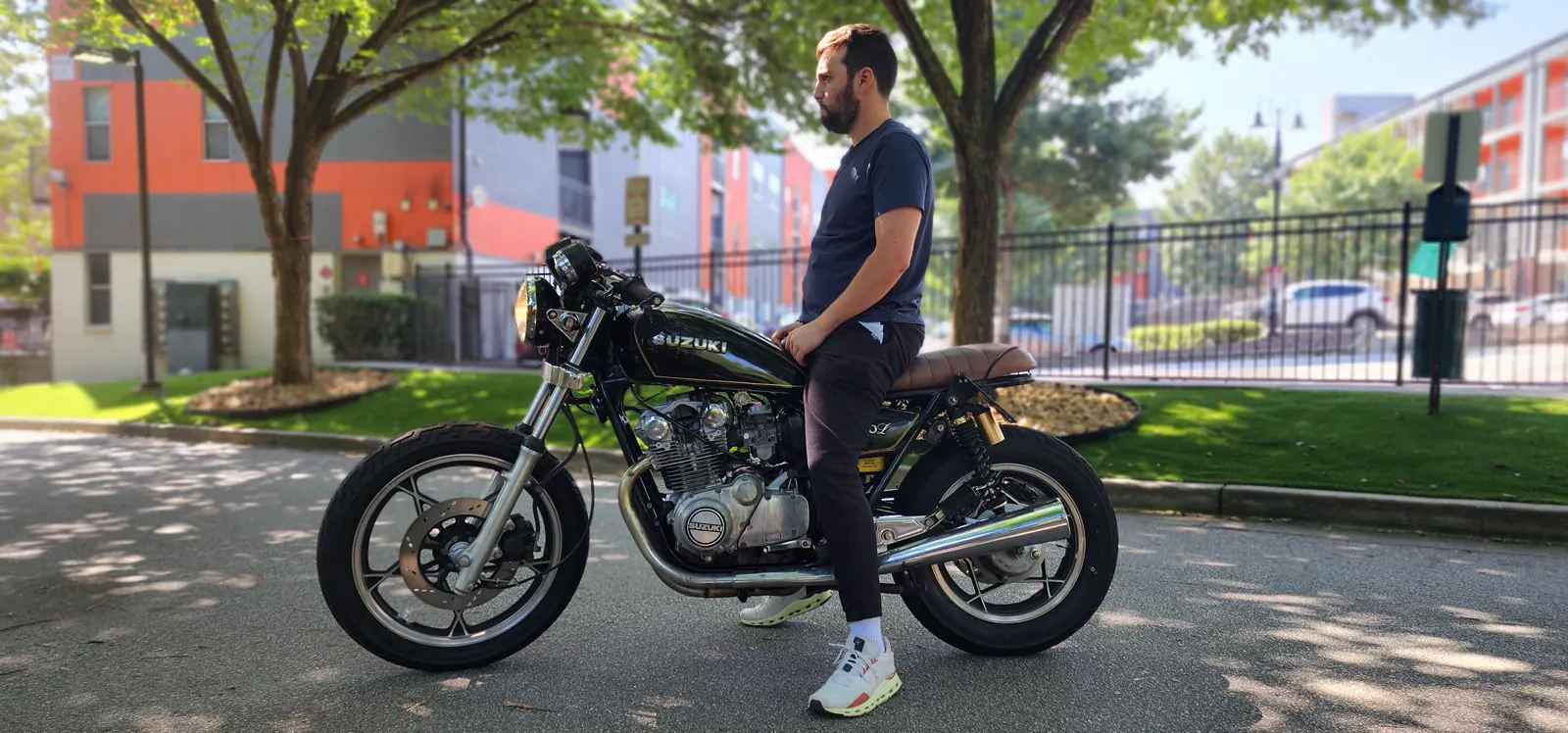
So if you want a real read instead of a rough guess, that’s easy to get. We’re the full restoration shop right inside East Cobb, off Roswell Road on Barnes Mill, under fifteen minutes from most of the community. Text us the year and model and a few photos, and we’ll walk you through which buckets your bike fills and roughly what that means. You’ll leave the conversation knowing where your money would actually go, which is the whole point of asking.
Questions East Cobb riders ask us
Why won't you just tell me a price over the phone?
Because a real quote depends on five things we can only judge with eyes on the bike: the engine’s health, the paint and bodywork, the chrome, the parts your model needs, and the labor hours. A phone number would be a guess. We look it over first, then give you a quote you can actually trust.
What's the most expensive part of a restoration?
Usually the engine, if it needs to come apart for rings, bearings, seals, or a valve job. That’s the most hours and the most precision. Paint and re-chroming pitted metal can climb too. The good news is East Cobb’s garage-kept bikes often need less internal engine work than bikes stored outdoors.
Why does the same paint job cost different amounts?
It comes down to how close to perfect you want it and what’s under the old paint. A single-color respray on a clean tank is one price; matching a discontinued factory color with correct decals and show-quality prep is much more. Dents and rust under the paint add metalwork before any color goes on.
Does the brand of my bike change the cost?
Yes, mainly through parts. A common Honda, Yamaha, or Suzuki has parts everywhere, so that bucket stays reasonable. A rare or oddball model can mean weeks of hunting and premium prices for a single piece. Tell us the year and model and we’ll tell you honestly what to expect.
How do I keep the total under control?
We split every estimate into must-do, should-do, and can-wait, so you steer the money. Spend on safety and the parts you see and touch; save on perfection nobody will ever notice. You decide how far up the list to climb, and you approve any surprise before we spend a dollar on it.
Is my old garage bike worth restoring at all?
Often, yes. Garage storage keeps the engine, chrome, and paint in good shape even when the battery and fuel are shot, which keeps the priciest buckets small. Before you assume it’s a money pit, let us look. Many East Cobb garage bikes land closer to the friendly end than owners expect.
We restore bikes for riders across East Cobb. Projects come from Indian Hills, Chimney Springs, and the Paper Mill area, plus the Walton, Pope, and Lassiter districts off Johnson Ferry and Lower Roswell Road. We’re minutes from The Avenue East Cobb and Merchants Walk, a short ride from the Sope Creek trails. Riders also bring bikes from Woodstock, Roswell, and Smyrna. If you’re near Barnes Mill Road, we can price your project honestly.
GET A REAL READ, NOT A GUESS
Want to know where your restoration money would actually go? Text us the year, model, and a few photos, and we’ll walk you through which buckets your bike fills and roughly what that means. We’re off Roswell Road on Barnes Mill, under fifteen minutes from most of East Cobb. No phone-guess numbers, just an honest, system-by-system read on your bike.
470-460-9883Diaz Motorcycles and Service, LLC · 847 Barnes Mill Road, Marietta, GA 30062