Enclosed vs Open Transport Woodstock — Which One Your Bike Actually Needs
Both ways get your motorcycle there safe. The trick is matching the trailer to the bike and the trip.
Some bikes you keep. On the other hand you bought this one close to new, and you’ve had it long enough that you know the click of the ignition and the exact spot the paint chipped years ago. So it has to go somewhere — a shop, a buyer, a new garage across the country — and you are not about to hand it to just anybody. That is where the enclosed vs open transport Woodstock question starts, and honestly, it is the right question to ask. Still, the answer decides how your bike rides and how it arrives.
The myth that makes this call harder than it needs to be
Plus, here is the story most riders have heard. Meanwhile, Open transport is the cheap, risky choice, and enclosed is the fancy one for show bikes only. Of course, Load your pride and joy on an open trailer, the story goes, and it shows up sandblasted, rained on, and caked in road grime. In fact, Seal it in a box and nothing can touch it. Simple, right? Not really. For example, that picture is missing about half the truth, and the missing half is exactly the part that helps you decide.
Open transport is not some budget compromise. It is how most bikes in this country move, including plenty of pricey ones. Dealers use it. Auction houses use it. The bike strapped down next to yours might be worth more than your truck. Meanwhile, enclosed is not magic armor either — a lazy tie-down inside a beautiful trailer still lets a bike tip. So the real decision was never cheap versus safe. Instead, it comes down to matching the method to the bike and the miles ahead.
What's actually true about each one
Let’s clear the air on both, side by side, because the whole enclosed vs open transport Woodstock debate really comes down to a handful of honest trade-offs. Open is the workhorse. Your bike sits on a trailer out in the air, held down with straps and a wheel chock, and it can see weather and the occasional pebble kicked up from the road. In trade, it is faster to book, easier to find on short notice, and quick to load. For a running bike making a shorter hop, open is a genuinely smart pick, not a corner you cut. Riders who see it loaded properly once tend to stop worrying about it fast.
Enclosed is the vault. Your bike travels inside a sealed trailer, out of the rain, out of the sun, and out of sight of anyone at a rest stop. Because of that, it shines for long hauls, fresh paint, rare or collectible machines, and any bike you simply refuse to gamble on. It costs more and books a little slower, and for the right bike that trade is worth every bit. Think of it less as luxury and more as insurance you can see.
| What matters | Open | Enclosed |
|---|---|---|
| Weather exposure | Some | None |
| Out of sight | No | Yes |
| Availability | Wide, quick | Fewer slots |
| Best for | Running bikes, shorter hauls | Long distance, rare or fresh paint |
| Cost | Lower | Higher |
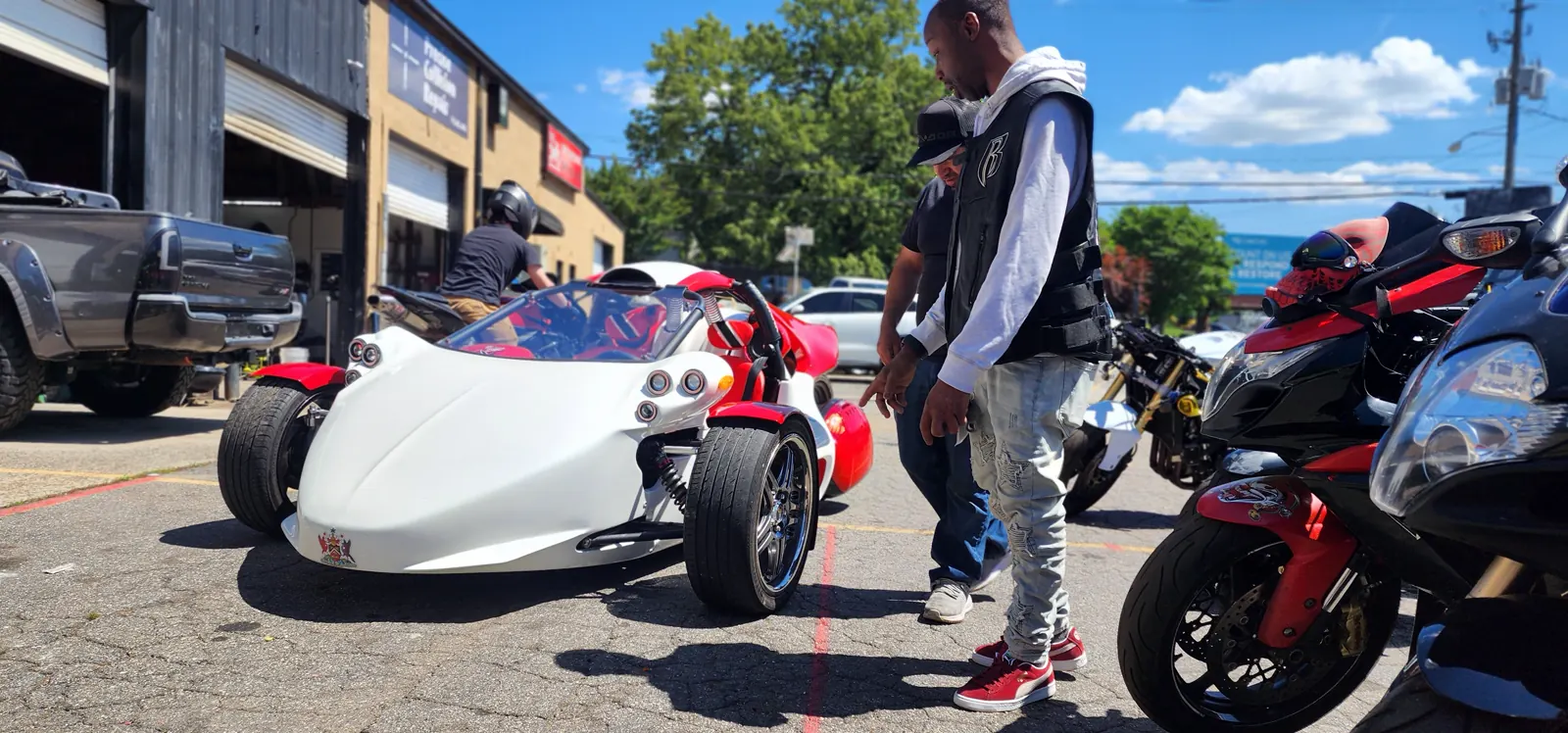
How your bike actually gets on the trailer
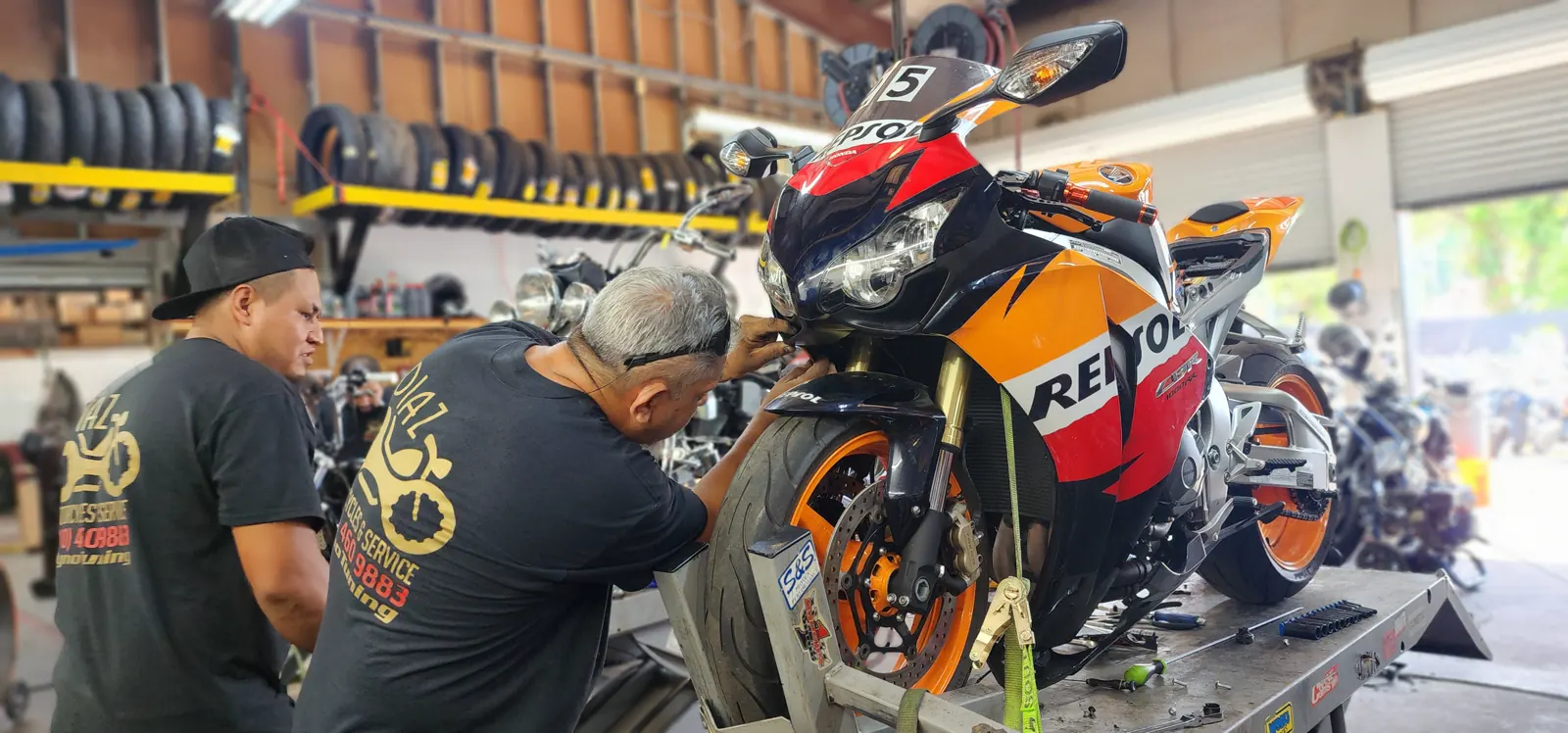
People picture a bike getting yanked around by ratchet straps until something bends. Good transport is the opposite of that. It is calm, slow, and boring in the best way. If you want to picture it, think about a careful loading routine that looks the same whether the trailer is open or enclosed. This is also part of what happens in our bays before any bike leaves the lot.
- Roll the bike up the ramp and settle the front wheel into a chock so it can’t steer or roll.
- Compress the front suspension a touch and anchor soft straps to the lower triple or the frame, never a brittle plastic piece.
- Pull the bike down evenly from both sides so it sits square, not leaning.
- Add a rear tie-down or a wheel strap so nothing can walk backward over bumps.
- Snap photos of the bike from every angle and note any existing marks on a written condition report.
- Double-check every strap, then check them again a few miles down the road.
Soft straps are the quiet hero here. They loop around a strong part of the bike so the ratchet strap never bites bare paint or a fork tube. A wheel chock does most of the real work by killing side-to-side motion before a single strap goes on. If you like reading up on this stuff, the folks at RevZilla’s Common Tread cover tie-down technique in plain language. Get these basics right and a bike will ride enclosed or open without so much as a scuff.
There is one more thing that decides more than the trailer type, and it is easy to miss. It is not the straps, and it is not the truck. The timing on this matters more than the fix does. Book during the busy stretch of riding season and you take whatever slot is open, sometimes on a trailer that was not your first pick. Plan a week or two ahead, though, and you get to choose enclosed or open on your terms instead of the calendar’s. Around here, riding season runs March through November and peaks hard in fall, so the good slots fill up fast.
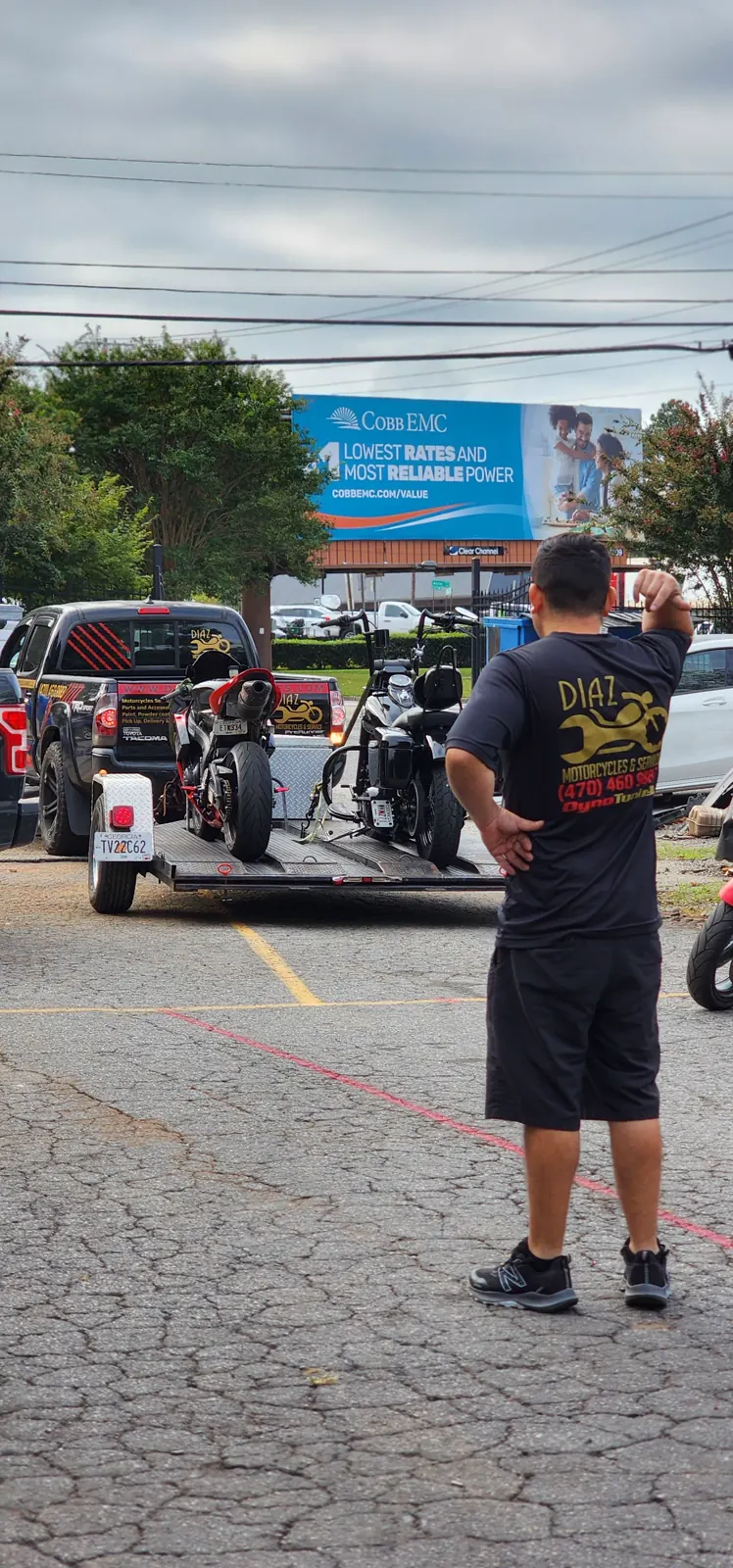
How to tell a good transport shop from a sketchy one
The trailer type barely matters if the people loading it are careless. So look at the paperwork, not the paint job on the truck. A real outfit writes a condition report before they touch your bike, shoots photos at pickup, and hands you the same at drop-off so there is zero argument about a mark that was already there. They carry cargo coverage and can tell you what it covers without stumbling. That paper trail is a big part of what separates a good shop from a guy with a rented trailer and a maybe.
Non-running bikes are the real test. Plenty of haulers only want a bike that rolls up its own ramp under power. A dead battery, a seized motor, a project that hasn’t fired in years, a bike sitting after a spill — those need a winch, extra hands, and patience. That is also where we shine, because we would rather come get a stuck bike than tell you to sort it out first. When the bike needs work once it lands, here is how we handle that job under one roof.
THE HONEST PART
For a bike that won’t run, “we come get it” beats every other plan. You don’t have to fix it, trailer it, or beg a friend with a truck. We roll up, load it right, and bring it in.
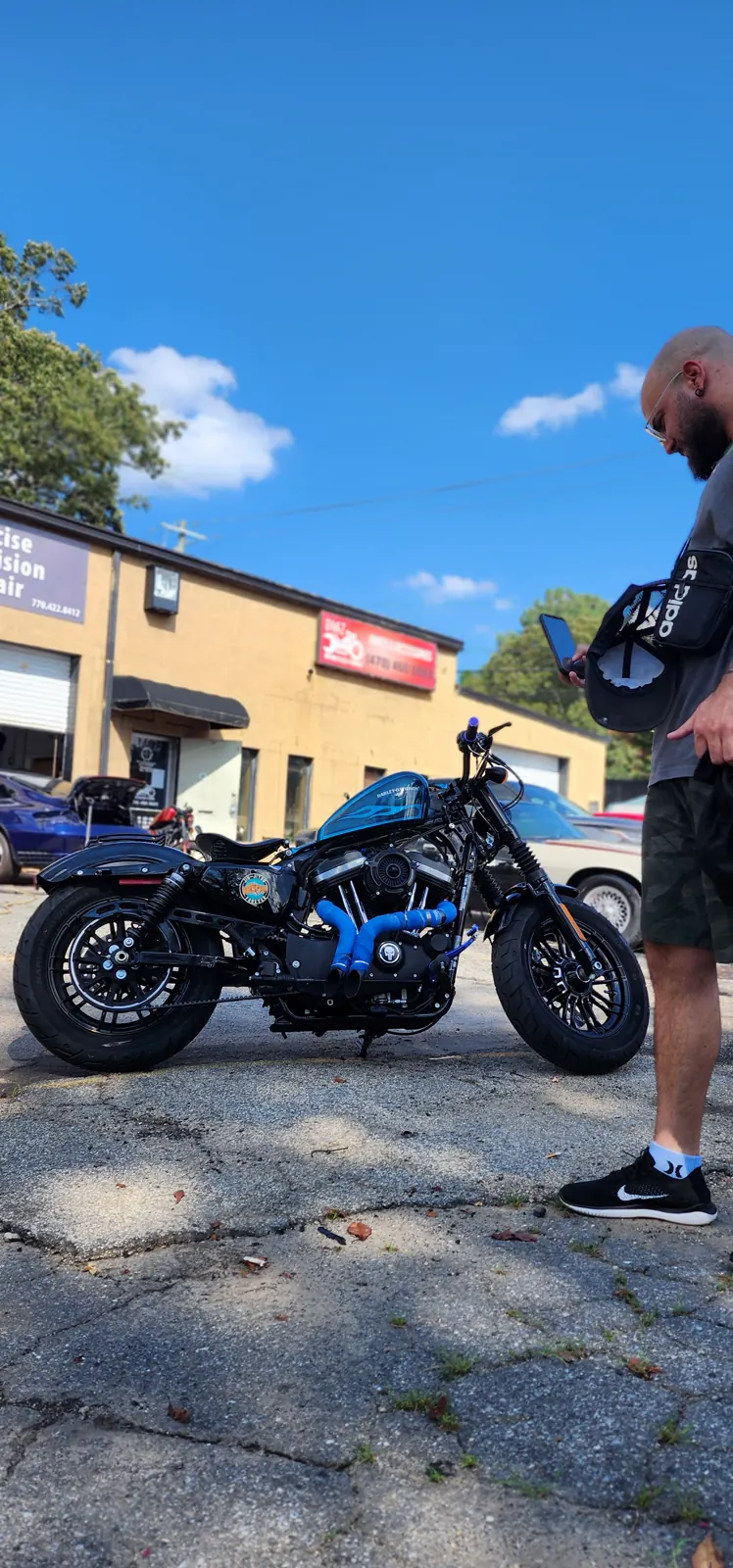
We do this same run across a lot of the metro, not just one town, and the honest trade-offs shift a little by where you are and how far the bike is going. If you want to compare notes from another corner of our map, we broke down the Lawrenceville side of things too. Same service, slightly different math, because a longer haul nudges more riders toward enclosed while a quick local pickup leans open almost every time.
What this looks like in Woodstock
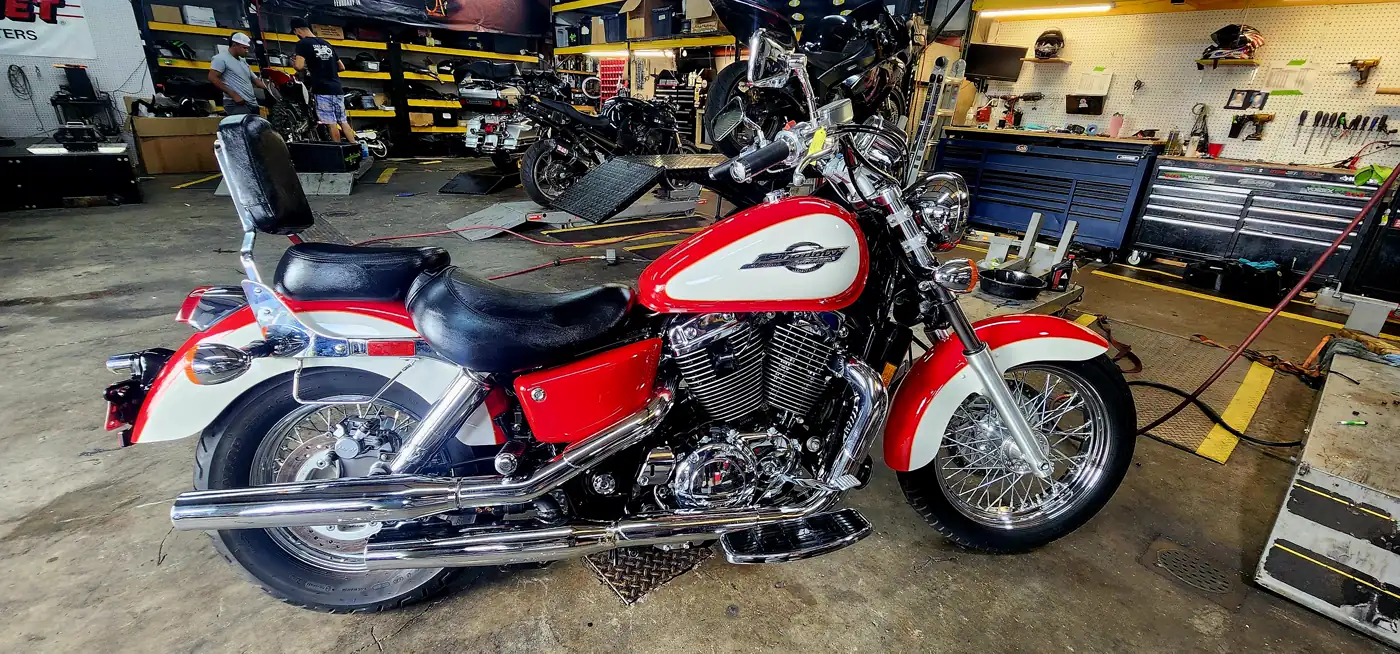
A bike came in from Towne Lake with exactly this. Long-owned, garage-kept in one of those two- and three-car garages the Towne Lake streets are known for, and the owner had babied it for years and would not risk it on the wrong trailer for a long move. That story repeats all over Cherokee County — up through Little River Crossing, Falls, North and South, and out in the older county-named streets of Cherokee Bluffs, Cherokee Forest, Cherokee Hills and Cherokee Springs. These are well-kept bikes with owners who ask sharp questions before they hand over the keys, and we love that. Frankly, a picky owner makes our job easier, because we do it the same careful way whether anyone is watching or not.
Woodstock riders also put real miles on their machines, so the bikes we move here have earned their care. I-575 north to GA 515, the Appalachian Highway, is the fast on-ramp to the mountains, and a rider can be carving Jasper, Ellijay and Blue Ridge roads inside an hour or so. Push GA 515 north past Canton and you are deep in north Georgia. Those mountain miles are hard on tires and chains, and if you want a plain-English refresher, Michelin’s motorcycle tire resources lay it out. Between rides, plenty of folks park near downtown around Woodstock Arts at the Elm Street Cultural Arts Village or the old 1912 Woodstock Depot, where trains stopped carrying passengers back in 1949.
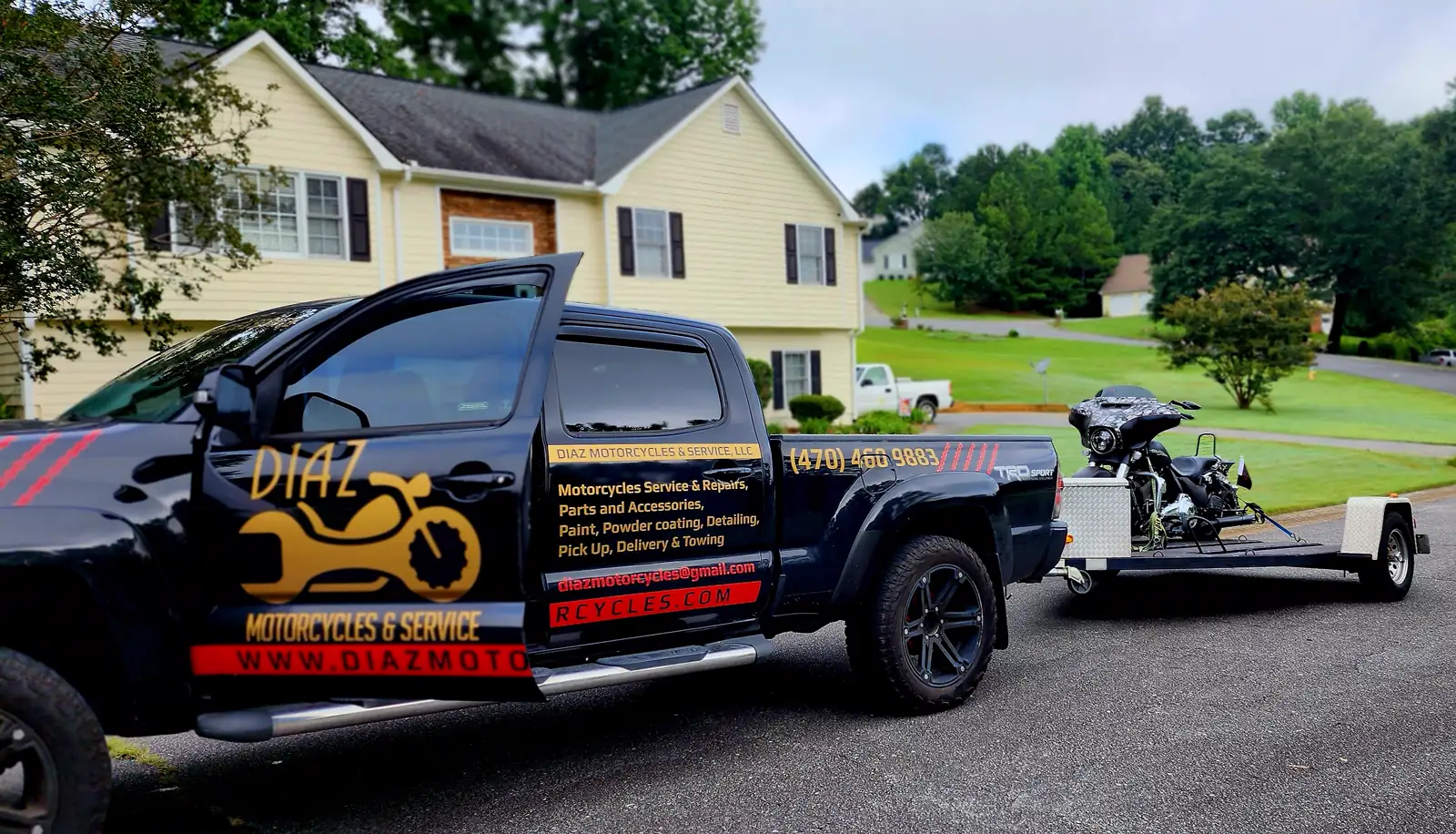
Woodstock has more bike businesses than anywhere else we serve, but each one is narrow. A shop like Kotic Kustoms over on Bells Ferry Road does great Harley custom work on weekends, and other spots stick to suspension or newer Japanese bikes only. None of them do it all. So when a bike needs to reach a full-service, all-brands shop, that is a short haul south for us — about 15 to 19 miles, roughly a half hour down I-575 to I-75 and over to our door. We come to you, which means you skip the trailer rental and the favor-asking entirely. And for the cities that sit 45 minutes to an hour out, that pickup is really the whole point — you should never have to ride a hurting bike to get it looked at, and you don’t have to.
The best trailer is the one that fits your bike and your trip — not the one that sounds fancy at the bar.
So — enclosed or open? Here's our pick
For most Woodstock riders, most of the time, open is the right call. It is quicker to book, easy to load, and plenty safe when the tie-down is done properly. A running bike heading to the shop, to a buyer across town, or on a hop of a few hours does not need the vault, and the money you save is real. Choose a hauler who documents everything and you get open transport that treats your bike like it matters, because it does. So if you have been losing sleep over the enclosed vs open transport Woodstock choice for a healthy, running machine, breathe easy — open handles it beautifully.
There is a clear line where enclosed wins, though, and we will always tell you when you are on the far side of it. Cross-country moves, fresh paint that hasn’t fully cured, rare or collectible machines, or a long-owned bike you flat-out refuse to gamble on — that is enclosed territory, no debate. In those cases the extra cost buys peace of mind, and peace of mind is the whole point of moving a bike you love. When you are unsure which side of the line you are on, that is exactly the call we are happy to help you make.
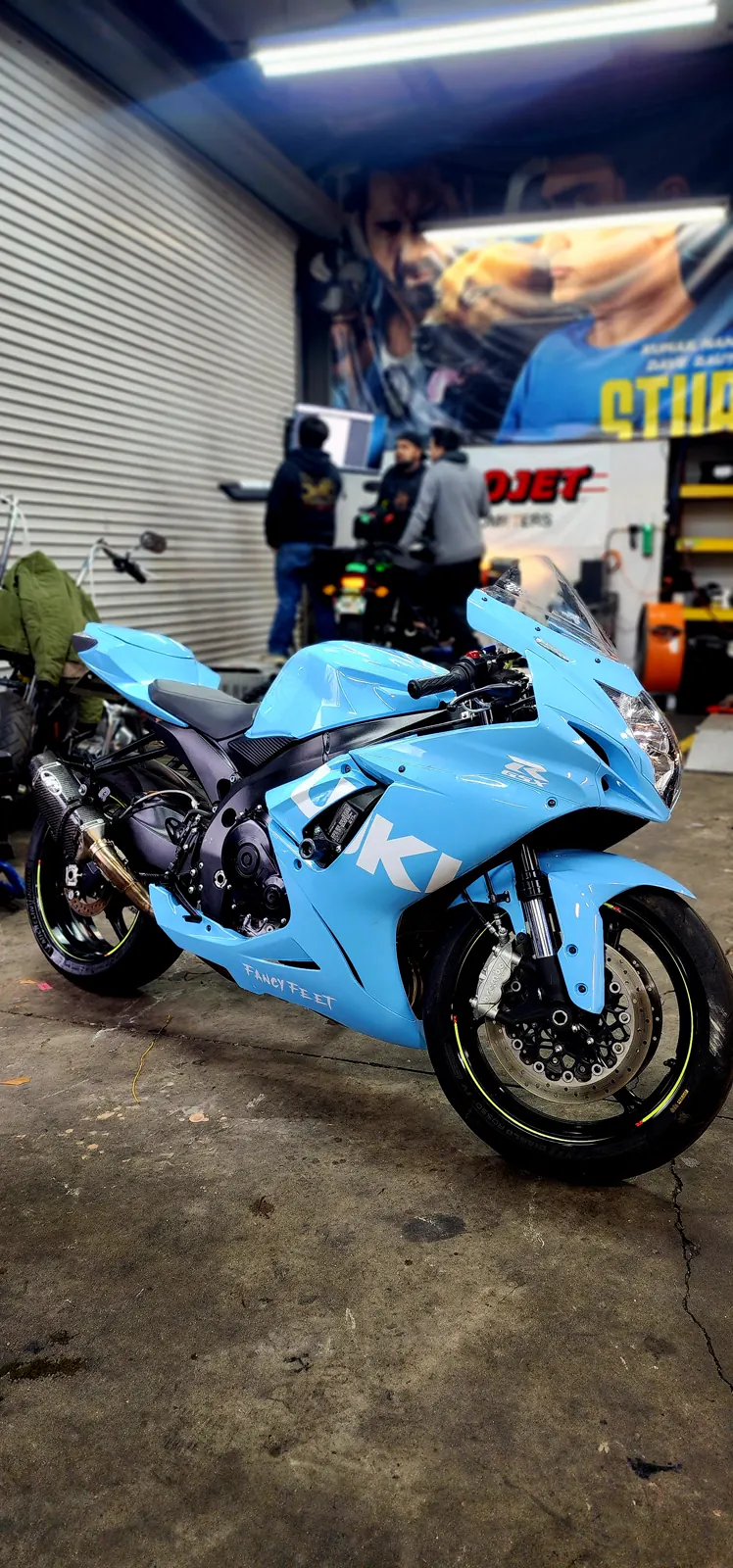
Here is the part that should leave you feeling settled. There is no wrong answer between these two when the loading is done right — only a better fit for your particular bike and your particular trip. You do not need to become a transport expert overnight, and you do not need to guess. Tell us where the bike is, where it’s going, and whether it runs, and we will point you at the trailer that fits and quote you straight, no upsell. You keep the bike you love. We just make sure it arrives the way it left, so the only thing you feel on delivery day is glad to see it.
Questions Woodstock riders ask us
What's the real difference between enclosed and open transport?
Open carries your bike on a trailer out in the air, held by a wheel chock and soft straps. Enclosed carries it inside a sealed trailer, out of weather and out of sight. Both are safe when the tie-down is done right. The difference is exposure and privacy, not one being sloppy and one being careful.
Which one protects a bike better over the long haul?
Enclosed keeps weather, sun, and road debris off the whole trip, so for a long cross-country move or fresh paint it edges out open. On a shorter local run, a well-strapped open trailer gets a bike there in the same shape it left. The bigger factor is the loading crew, not the trailer walls.
Which is right for my riding and my bike?
Running bike, shorter hop, everyday machine? Open is the smart, quick pick. Long distance, rare or collectible, fresh paint, or a bike you simply won’t risk? Go enclosed. If you’re not sure which side of that line you’re on, tell us the bike and the trip and we’ll say so plainly.
Can I switch from open to enclosed later?
Yes, as long as there’s a slot open. Enclosed books up faster during peak riding season, though, so the earlier you decide, the more choice you have. Give us a week or two of notice and you get to pick on your terms instead of taking whatever’s free.
My bike won't run — can you still move it?
Absolutely, and that’s honestly our favorite call to get. A dead battery, a seized motor, or a bike that’s been sitting for years is no problem, because we bring a winch and extra hands. You don’t have to fix it first or find a trailer. We come get it and bring it in.
Which do you actually recommend?
For most Woodstock riders, most of the time, open is the right call — quick to book and plenty safe with a proper tie-down. We steer you to enclosed for long moves, rare bikes, or fresh paint. We’ll always tell you which one fits instead of upselling you into a trailer you don’t need.
We roll our trailers all over the north metro, so a Woodstock pickup is an easy one for us. We regularly run to Canton, Acworth, Kennesaw, and Marietta, then swing east toward Roswell, East Cobb, and Alpharetta. We also cover Holly Springs, the Towne Lake corridor, Ball Ground, Cartersville, and Milton. If your bike is sitting in a garage anywhere in Cherokee County or the towns around it, we can get to it.
STUCK BIKE IN WOODSTOCK? WE'LL COME GET IT.
Whether it runs or not, whether you want it enclosed or open, we’ll match the right trailer to your bike and your trip. Text us where it is and where it’s going, and we’ll handle the rest — including the heavy lifting. Woodstock is a short haul for us, and your bike rides like it matters, because to you it does.
470-460-9883Diaz Motorcycles and Service, LLC · 847 Barnes Mill Road, Marietta, GA 30062