Motorcycle Chrome Pitting in Gainesville: Why It Happens and How to Fix It
Lake humidity, hard water, and freeze-thaw all gang up on your chrome. Here is why it pits, and what actually reverses it.
You wiped down your chrome last month, and now there are little dull specks creeping across the exhaust. Run a finger over them and they feel rough, almost sandy. That is pitting, and it is the first stage of chrome giving up. Motorcycle chrome pitting Gainesville riders deal with is not bad luck. It is our lake humidity, our hard water, and our freeze-thaw winters working on the metal. The good news: caught early, it is very fixable.
Here is the short version of the problem. Chrome is a thin, shiny plating over steel. When moisture sneaks under a weak spot, the steel below starts to rust, and that rust pushes up through the chrome as tiny pits. Once a pit opens, it lets in more moisture, and the whole thing snowballs. So the fix is not just polishing the top. It is stopping the rust and sealing the metal so it cannot come back.
Why Gainesville is tough on chrome
Blame the lake, a little, and the elevation, a little more. Lake Lanier keeps the air here damp, and damp air is a rust factory for exposed metal. Park a bike near Harbour Point or out along Browns Bridge and it breathes that humidity all night. Chrome that never fully dries stays one step from trouble, especially in the seams and low spots where water pools and hides after a wash.
Then there is our hard water. Every time a bike air-dries in the sun, the minerals in the water stay behind as chalky spots. On paint that is ugly. On chrome it is worse, because those deposits trap moisture against the plating and give rust a place to start. Add in freeze-thaw at Gainesville’s 1,214-foot elevation, where cold nights and warm days flex everything, and you have three enemies working the same shift on your pipes.
The three stages, from easy to hard
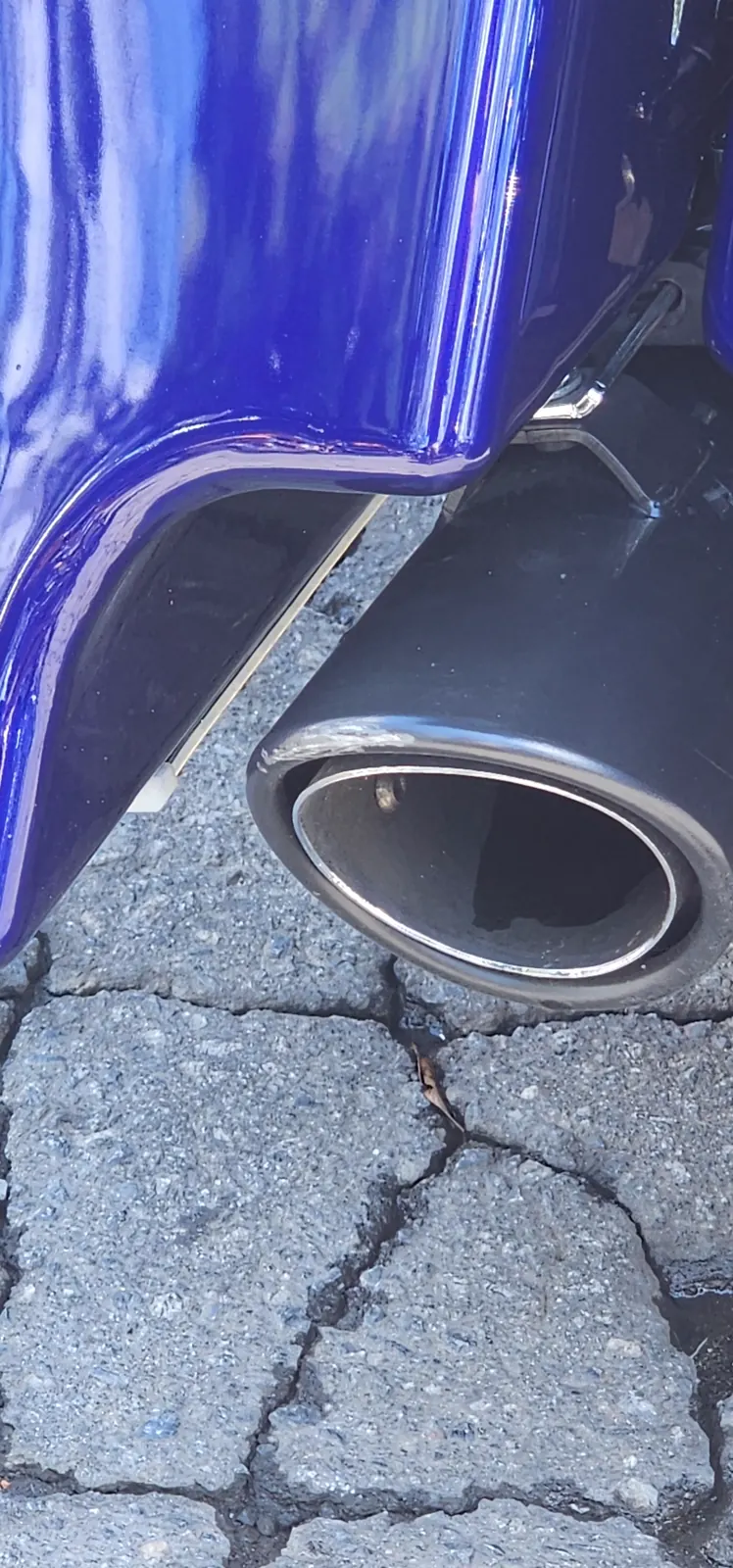
Not all chrome trouble is equal, so let’s sort it. Stage one is surface haze and light spotting: the chrome looks cloudy but feels smooth. That is the easy fix, and honestly most riders could handle it at home if they knew which polish to grab. Stage two is early pitting: you can see and feel tiny rough dots. Stage three is heavy pitting and flaking, where the chrome has lifted and the steel underneath is actively rusting.
Why does the stage matter so much? Because it decides the fix and the cost. Stage one wipes away with the right polish and a sealant. Stage two needs careful correction to stop the rust and smooth the surface before it spreads. Stage three sometimes needs re-plating or a part swap, because once chrome flakes off, there is no polishing metal that is no longer there. The lesson writes itself: catch it early and it stays cheap.
THE FINGER TEST
Wash and dry the chrome, then run a bare fingertip across it. Smooth means surface haze you can polish out. Rough or gritty means pitting has started under the shine, and it will only spread from here.
How we actually fix pitting
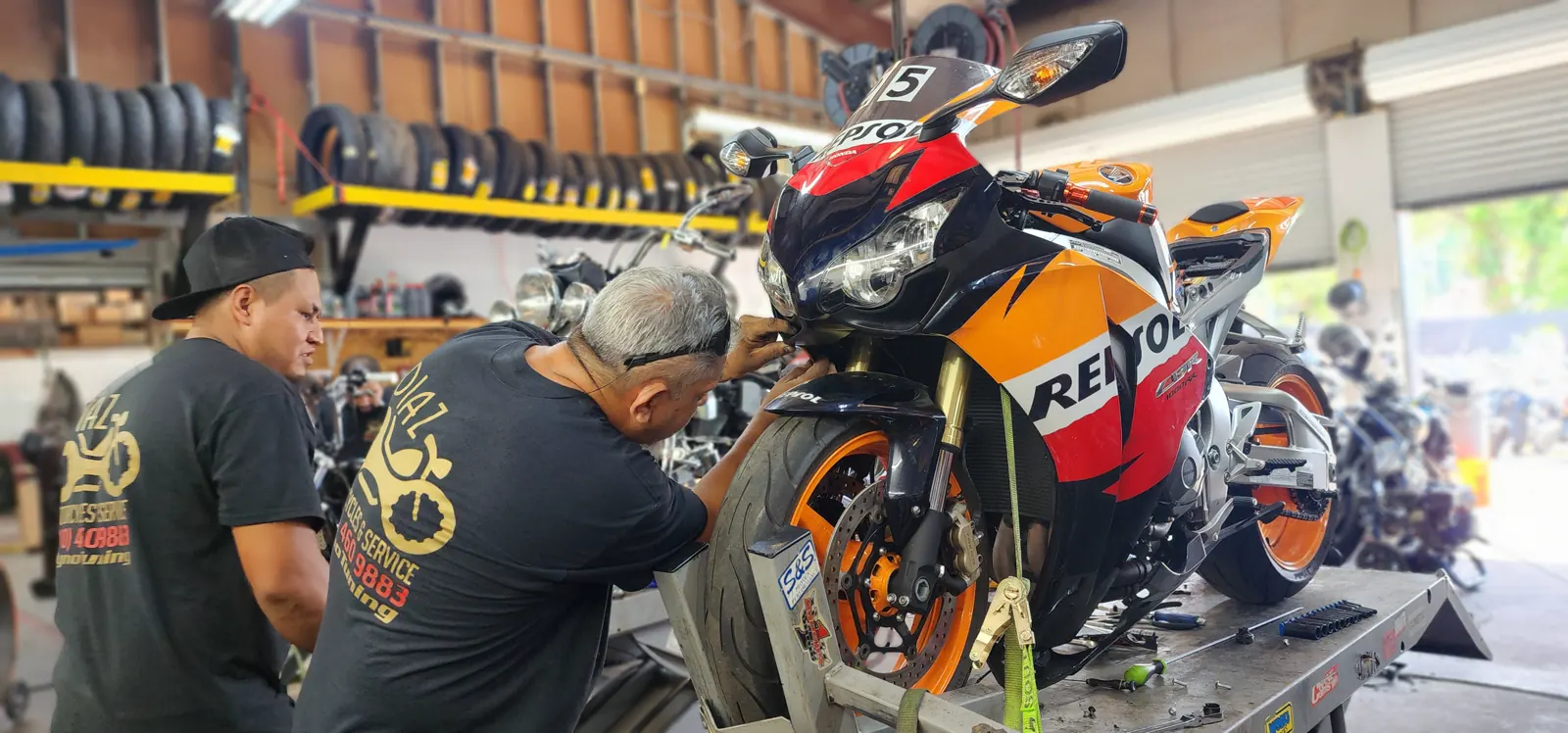
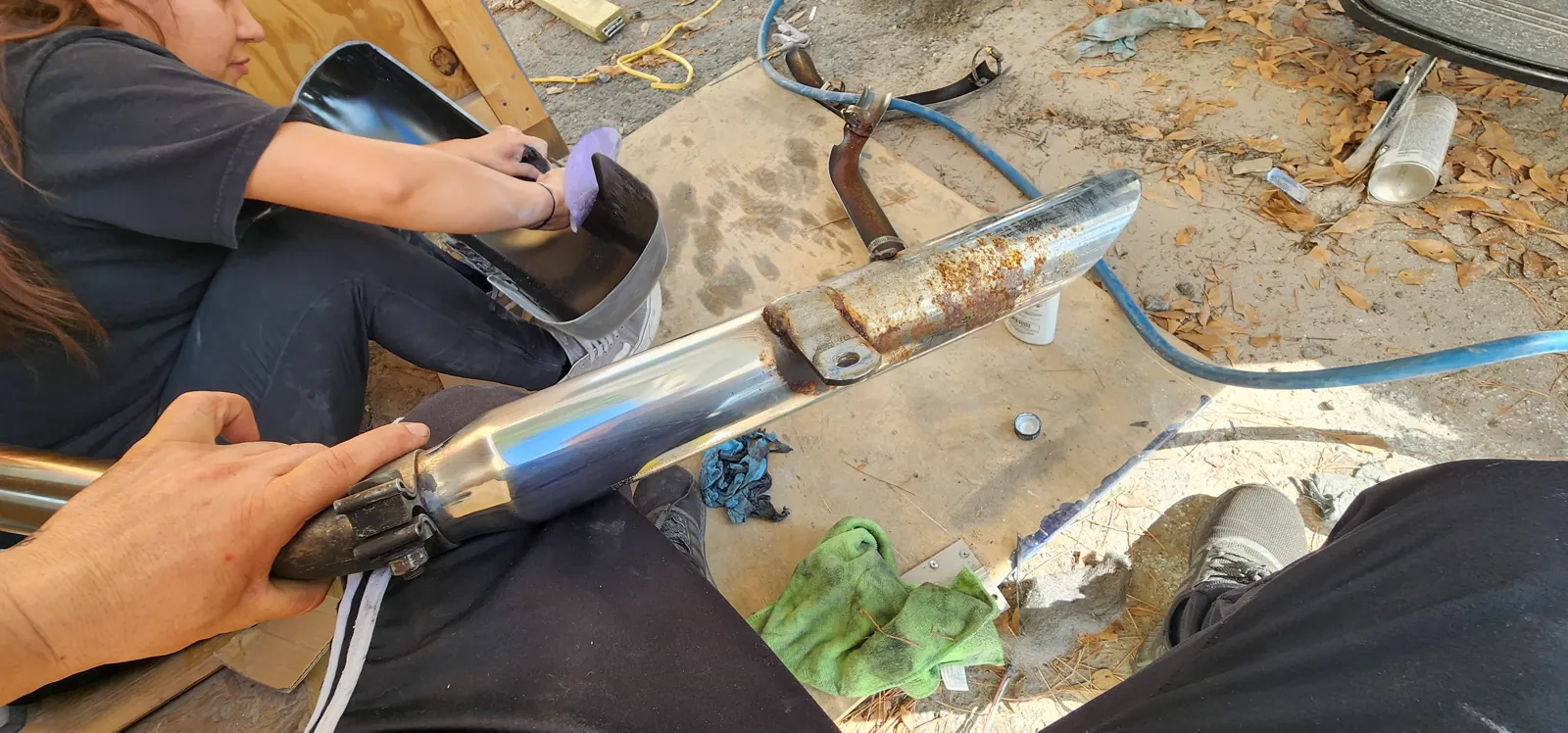
Fixing pitting the right way is patient hand work, not a quick buff. First we clean the chrome down to bare metal so we can see exactly what we are dealing with. Then we work the pits with the correct grade of chrome polish and fine abrasives, lifting the rust out of each little pocket instead of smearing it around. It is slow, it is by hand, and there is no shortcut that does not just hide the problem for a month.
Once the rust is gone and the surface is as smooth as the plating allows, we seal it. A protective coating closes the pores and keeps moisture out, which is the whole battle in a lake climate. For heavy stage-three damage, we will tell you straight if a piece is past polishing and needs re-chroming or replacing. We would rather give you the honest call than take your money to shine something that is going to flake off again by fall.
How to keep pitting from coming back
The fix is only half the job. Prevention is what keeps you from paying for it twice. The single biggest thing? Dry your chrome completely after every wash and after every rainy ride. Do not let a bike air-dry in the sun and leave those hard-water minerals baking onto the metal. A clean microfiber towel and two minutes of your time beat any polish on the shelf.
Storage is the other half. If your bike lives outside under a cover near the lake, use a breathable cover, not a plastic tarp that traps moisture against the chrome like a sauna. A little airflow keeps condensation from pooling. And a sealed, protected finish, done once, gives the metal a shield so daily humidity stops chewing at it. Ride, wipe it down, seal it, store it dry. That is the whole recipe.
- Dry chrome fully after every wash and every wet ride — never let it air-dry.
- Skip hard-water air-drying in the sun, which bakes minerals onto the plating.
- Use a breathable cover for outdoor storage, not a moisture-trapping plastic tarp.
- Seal the chrome so daily lake humidity cannot reach the steel underneath.
- Catch pitting at the finger-test stage, before it flakes and needs re-plating.
None of this is complicated, but it does take doing it consistently, which is where most of us slip. Life gets busy, the bike comes back damp from a run up 129, and it sits. One damp night will not sink your chrome. A season of them will. Building the wipe-down into your after-ride routine is the cheapest insurance in motorcycling, and your future self will thank you every time the pipes throw back a clean reflection.
CATCH IT EARLY
Stage-one haze is a polish-and-seal afternoon. Stage-three flaking is a re-plating bill. The difference between them is often one season of ignoring a few rough specks. Do the finger test this weekend.
Chrome does not fail all at once. It gives you warning specks — the trick is not ignoring them.
Here is the part that makes this easy even though we are down in Marietta. Chrome work is a drop-off job, not a wait-around one, and we pick up in Hall County. You do not ride 70 minutes with pitting getting worse the whole way. A truck comes to your driveway, we bring the chrome back to life in the bay, and we return the bike sealed and protected. The distance never becomes your problem.
It is not just the exhaust
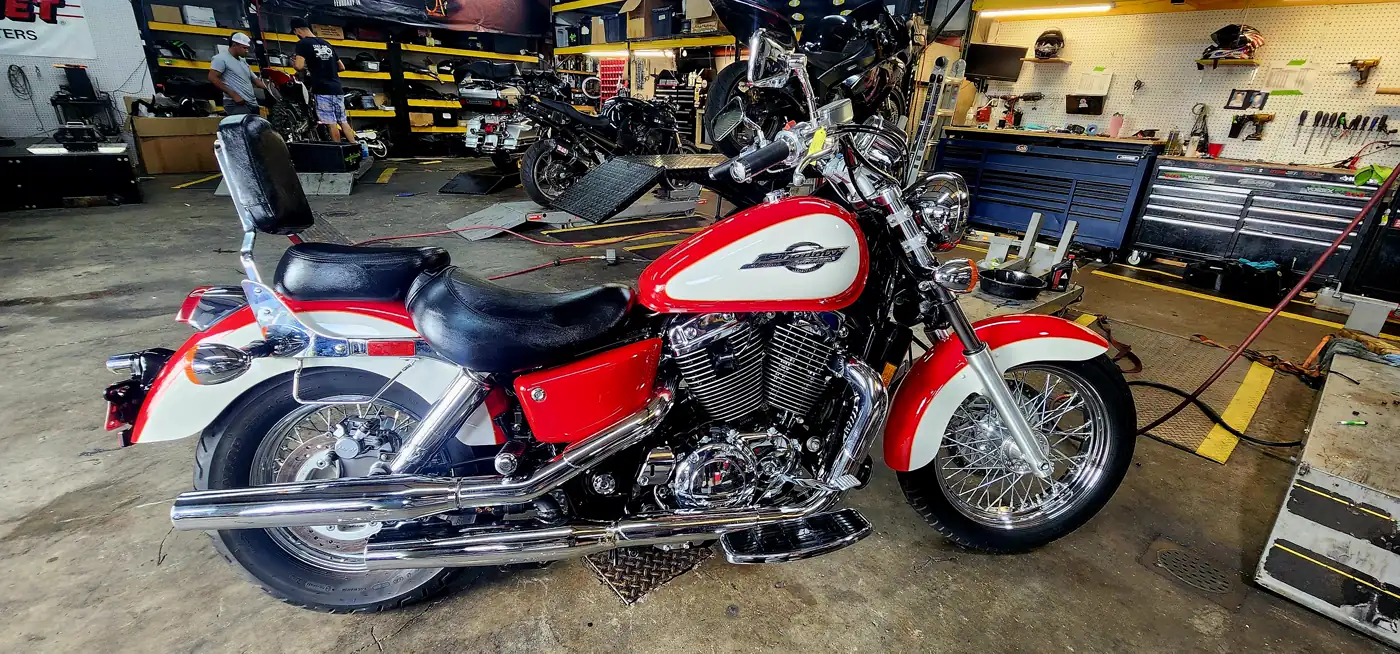
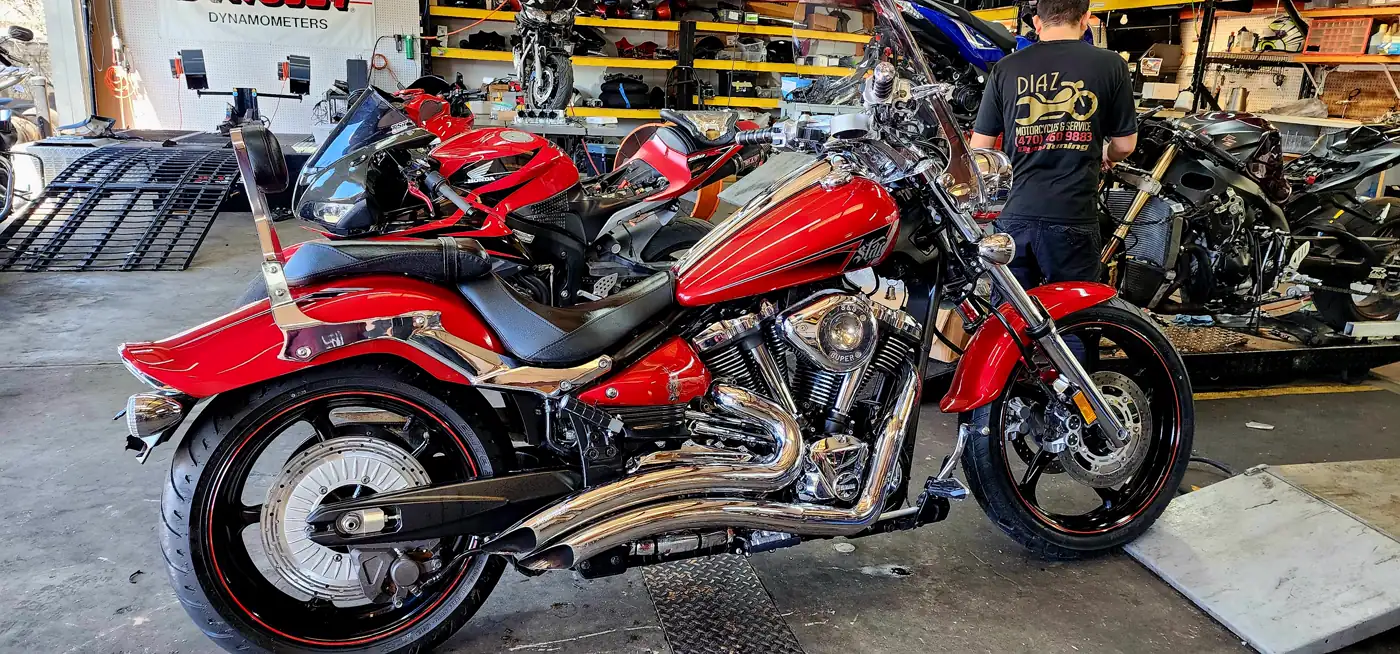
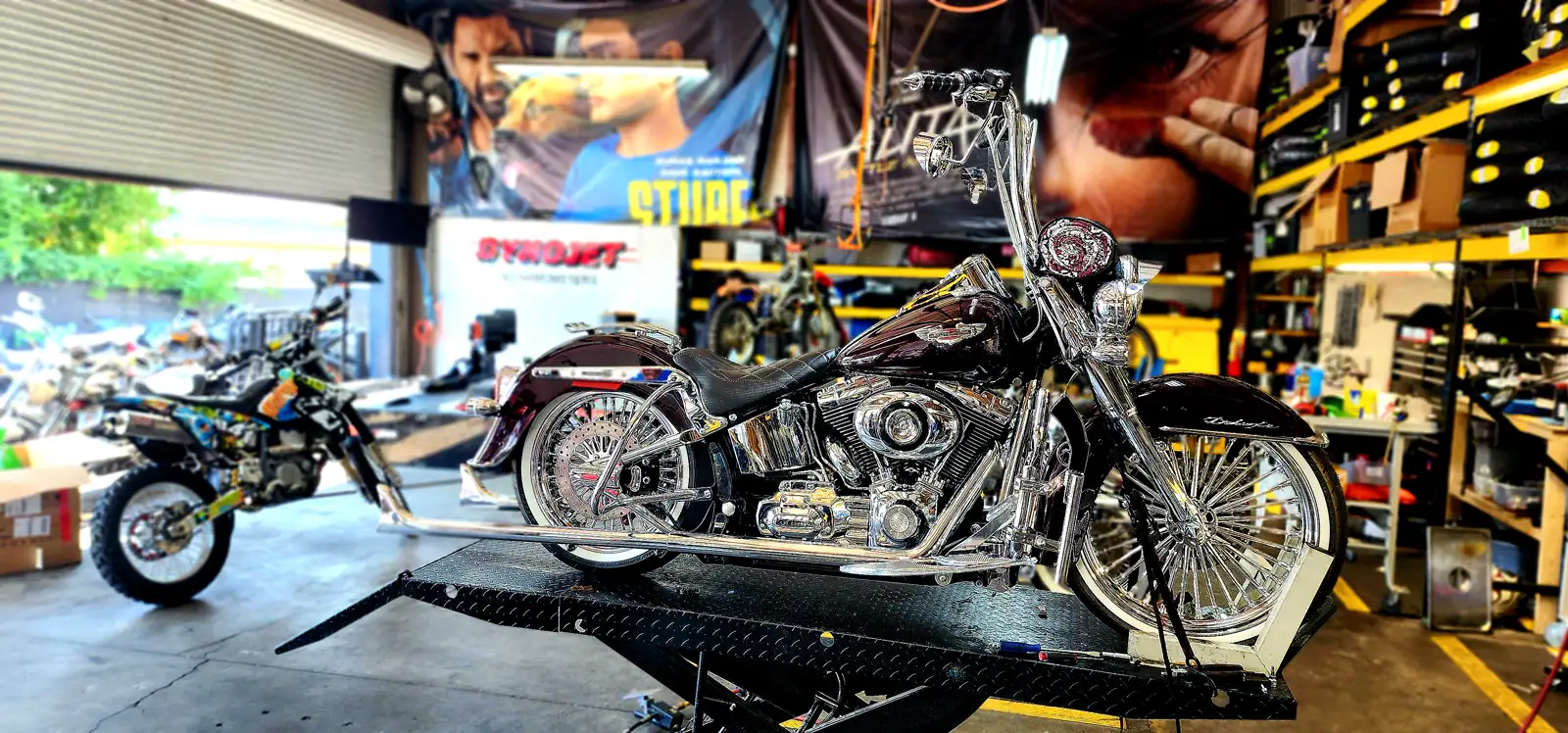
Riders fixate on the pipes because that is where pitting shows first, but chrome lives all over a bike. Fork lowers, handlebars, mirror stems, fender rails, spoke wheels, and every little fastener carries plating that can pit. On a full-dress cruiser rolling out of Longstreet Hills, that is a lot of surface breathing lake humidity every night, and the small pieces often rust before the big obvious ones do.
Spoke wheels deserve special mention, because they are murder to dry. Water hides in the nipples and along the rim edge, exactly where you cannot reach with a towel, and it sits there rusting quietly. If you run spokes, they need extra attention after every wash and every wet ride. A quick blast of air or a patient towel does more for spoke chrome than any polish you can buy after the fact.
Winter is chrome's worst season here
You would think summer heat is the enemy, but winter is when chrome quietly dies in Hall County. At 1,214 feet, Gainesville gets more genuine freezing nights than the metro, and a bike parked for the season is a bike collecting condensation. Humidity, not cold, is the real threat to a stored bike in Georgia, and chrome that sits damp for three months comes out in spring with pits that were not there in the fall.
So the storage window is exactly when to get ahead of it. Before the bike goes down for winter is the ideal time to clean, correct, and seal the chrome, because it is not being ridden anyway. Pull it out in March and the pipes still throw a mirror image instead of a chalky haze. Protecting before storage is one of the cheapest, smartest moves a Gainesville rider can make.
Can you fix pitting yourself?
Honest answer: sometimes, if you catch it at stage one. Surface haze and light spotting often come off with the right chrome polish, a soft cloth, and some elbow grease, and there is no shame in doing it at home. Plenty of riders keep their chrome pristine that way for years. If it feels smooth and just looks cloudy, grab a quality polish and have at it.
Where DIY goes sideways is real pitting. Once you feel roughness, you are dealing with rust under the plating, and a home polish just shines the top while the rust keeps working underneath. Worse, an aggressive pad in the wrong hands can scratch or dull the chrome for good. When the finger test comes back rough, that is the point to let a shop lift the rust out properly and seal it, before a fixable problem becomes a re-plating bill.
So do the finger test this weekend. If your chrome feels rough, text us a few close-up photos and tell us how the bike is stored. We will tell you honestly which stage it is at, whether it polishes out or needs re-plating, and what it takes to keep it from coming back. No scare tactics, no upsell on parts that are still good. Just a straight read and a plan to save your chrome.
Questions Gainesville riders ask us
What causes chrome pitting on a motorcycle?
Moisture reaching the steel under the chrome plating. In Gainesville that is lake humidity, hard-water minerals left from air-drying, and freeze-thaw at our elevation. The steel rusts and pushes up through the chrome as tiny pits. Once a pit opens, it lets in more moisture and spreads, which is why early treatment matters so much.
Can chrome pitting be fixed, or do I need new parts?
It depends on the stage. Surface haze and light pitting usually polish out and seal up fine. Heavy pitting where the chrome has flaked and the steel is exposed may need re-plating or a replacement part, because there is no polishing metal that has lifted off. We look before we quote and tell you honestly which one you have.
How do I know if my chrome is pitting?
Wash and dry it, then run a bare fingertip across it. Smooth means surface haze you can polish out. Rough, gritty, or dotted means pitting has started under the shine. Look for dull specks that were not there last season, especially on exhaust tips and low chrome that stays damp.
How do I prevent chrome pitting near the lake?
Dry chrome completely after every wash and wet ride, never let it air-dry in the sun, use a breathable cover instead of a plastic tarp for outdoor storage, and keep the metal sealed so humidity cannot reach the steel. Consistency beats any single product. One damp night is fine; a season of them is not.
Do I have to bring the bike to Marietta?
No. Chrome work is a drop-off job and we pick up in Hall County. A truck comes to your driveway, we do the work in the bay, and we bring the bike back sealed and protected. You never ride 70 minutes with the problem getting worse on the way.
Is pitting only a chrome problem, or does paint pit too?
Pitting is specifically a chrome-and-metal issue from rust under the plating. Paint does not pit the same way, but the same lake humidity and hard water etch water spots into clear coat and dull the finish. A full detail addresses both at once, so the whole bike gets protected, not just the pipes.
We rescue chrome from across Hall County and Northeast Georgia, not just downtown Gainesville. Riders reach out from lake communities like Harbour Point and Chestatee Hills, plus historic New Holland Village and Longstreet Hills. We hear from folks near Lake Lanier Olympic Park on Clarks Bridge Road and out toward the Square on Main Street SW. If your bike breathes lake humidity, you are close enough for us to come get it.
ROUGH CHROME? TEXT US A CLOSE-UP
Do the finger test, and if your chrome feels rough, text us a few close-up photos and tell us how the bike is stored. We will tell you honestly which stage it is at, whether it polishes out or needs re-plating, and how to keep it from coming back. We are in Marietta, about 65 to 85 minutes from Gainesville, so you do not ride it in — we pick up in Hall County and bring it back protected.
470-460-9883Diaz Motorcycles and Service, LLC · 847 Barnes Mill Road, Marietta, GA 30062