Motorcycle Restoration Cost in Roswell: What Actually Drives the Number
Why two restorations of the same bike can cost wildly different amounts, and the honest reasons behind every dollar.
Plus, everybody wants one number for a restoration, and one number is exactly what nobody can honestly give. Meanwhile, two identical-looking bikes can land a thousand dollars apart once the tank comes off. Of course, that’s why a phone quote is usually a guess dressed up as an answer. In fact, here’s the honest version: motorcycle restoration cost in Roswell isn’t one price, it’s a stack of choices, and the biggest one is the bike’s actual condition. For example, a garage-kept survivor and a barn find that lived outside are two very different bills, even if they’re the same model.
We get it. You want a ballpark before you commit, and that’s fair. So instead of pretending there’s a magic figure, let’s do something more useful: walk through what actually moves the number up and down. Once you can see the levers, you can steer the cost yourself. And you’ll spot in about two minutes when a shop is guessing high just to be safe.
Driver number one: what condition it's really in
Condition is the biggest lever by a mile. A bike that was stored dry and just needs a wake-up is a small job. A bike with a rusty tank, a seized engine, rotted wiring, and pitted chrome is a big one. Same model, totally different bill. This is the whole reason we look before we quote, because the photos never tell the full story of what’s happening inside the engine and the fuel system.
The tricky part is that condition hides. Surface stuff you can see is easy. It’s the inside of the tank, the state of the top end, and whether the fuel system varnished up that decide most of the cost, and you only learn those by getting into the bike. A survivor that looks rough can be cheap. A pretty bike that sat wrong can surprise you. That’s exactly what happens to a bike that’s been sitting for years.
Driver number two: mechanical versus cosmetic
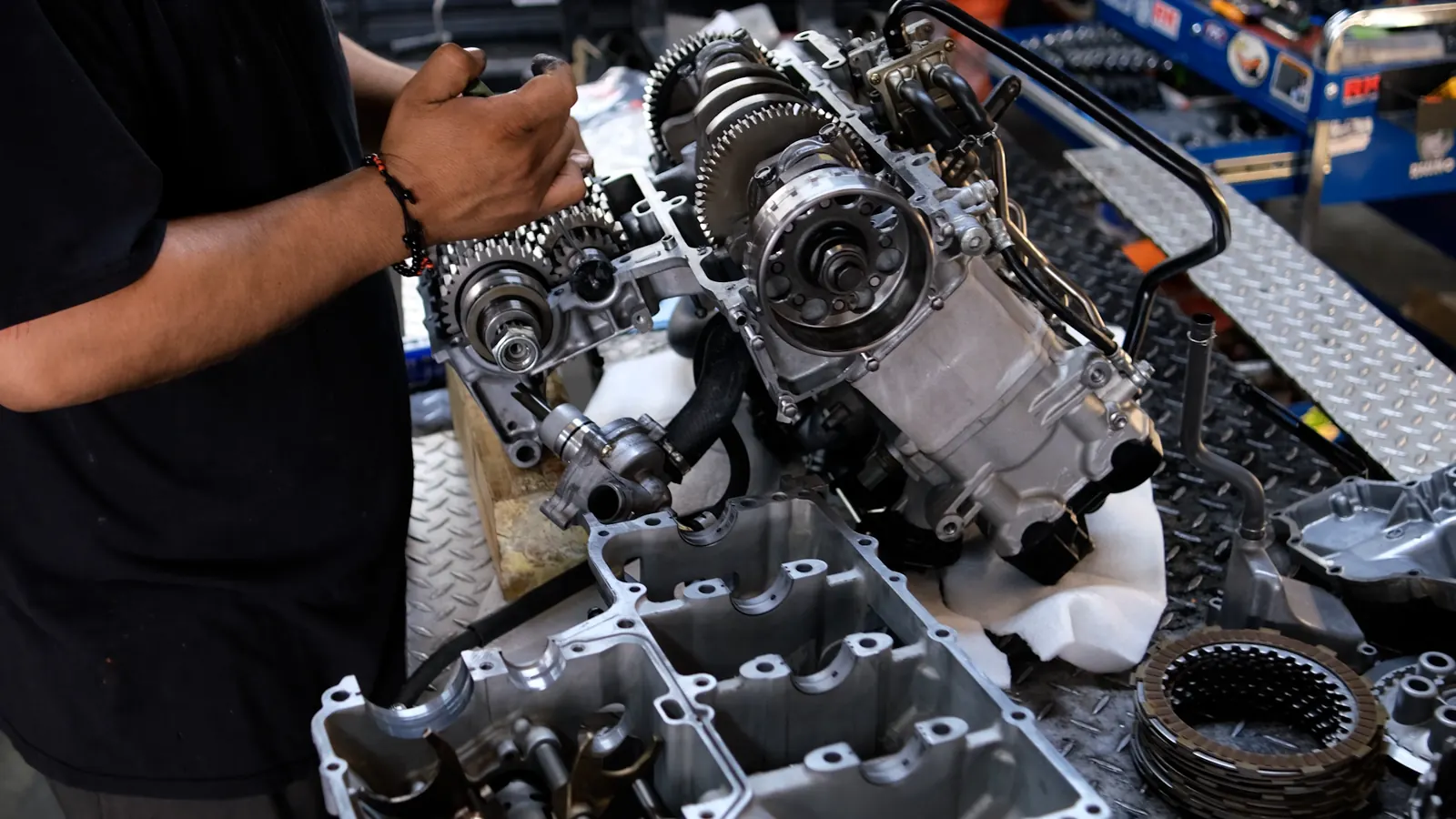
A restoration is really two jobs wearing one name. There’s making it run safe and reliable, which is mechanical. And there’s making it look right, which is cosmetic. Those two budgets are separate, and knowing that gives you real control. Plenty of Roswell owners get the mechanical side done first so they can ride, then handle paint and chrome later when it suits them.
Mechanical covers the engine, fuel system, brakes, electrics, tires, and fluids, the things that decide whether it’s safe. Cosmetic covers paint, chrome, polishing, seat, and trim, the things that decide whether it turns heads. Neither is optional forever, but they don’t have to happen at the same time. Splitting them is the easiest way to make a restoration fit a real budget instead of a fantasy one. Here’s how the big cost drivers stack up.
- Condition on arrival: dry-stored survivor or corroded, seized, rusted-out project.
- Engine depth: a simple wake-up, a top-end refresh, or a full bottom-end rebuild.
- Fuel system: a clean carb versus a rusted tank, dead pump, and blocked injectors.
- Parts availability: common bike with cheap parts, or a rare one you have to hunt.
- Finish level: mechanical-only, a driver-quality tidy-up, or a full show restoration.
- Originality: keeping everything factory-correct almost always costs more than sensible upgrades.
See how many of those are choices, not fixed facts? That’s the point. You decide how far the finish goes, whether you chase original parts, and whether you stage the work. We price it as separate lines so you can turn those levers yourself instead of getting one lump number you can’t pick apart.
Driver number three: parts, and how hard they are to find
Parts can be the quiet budget-buster, and it has nothing to do with labor. A common bike with a healthy parts supply is cheap to feed. A rare model, or one where the good parts dried up years ago, means hunting, waiting, and sometimes paying collector prices for a single trim piece. Two bikes needing the exact same work can cost differently purely because one is easy to source and the other isn’t.
WORTH KNOWING
On a rare bike, tracking down one correct part can cost more than a whole afternoon of labor. Parts availability is a real line item, not an afterthought.
This is where being an all-makes shop helps you. We’re not locked to one brand’s parts counter, so we can chase the smart source, suggest a solid substitute where it won’t hurt value, and tell you honestly when an original piece is worth the hunt versus when it isn’t. On a bike you plan to ride rather than show, a good reproduction part often saves real money with no downside. On a collector piece, originality might be the whole point.
Parts availability is also why timelines and cost move together. If a rare piece has to be hunted down, the job waits on it, and waiting is its own kind of cost when you’d rather be riding. We’ll flag that early, so if a hard-to-find part is going to hold things up, you can decide whether to wait for the original or take a good substitute now. Either way, you’re choosing with eyes open instead of getting a surprise delay stapled to a surprise bill.
Driver number four: chrome, paint, and the finish level
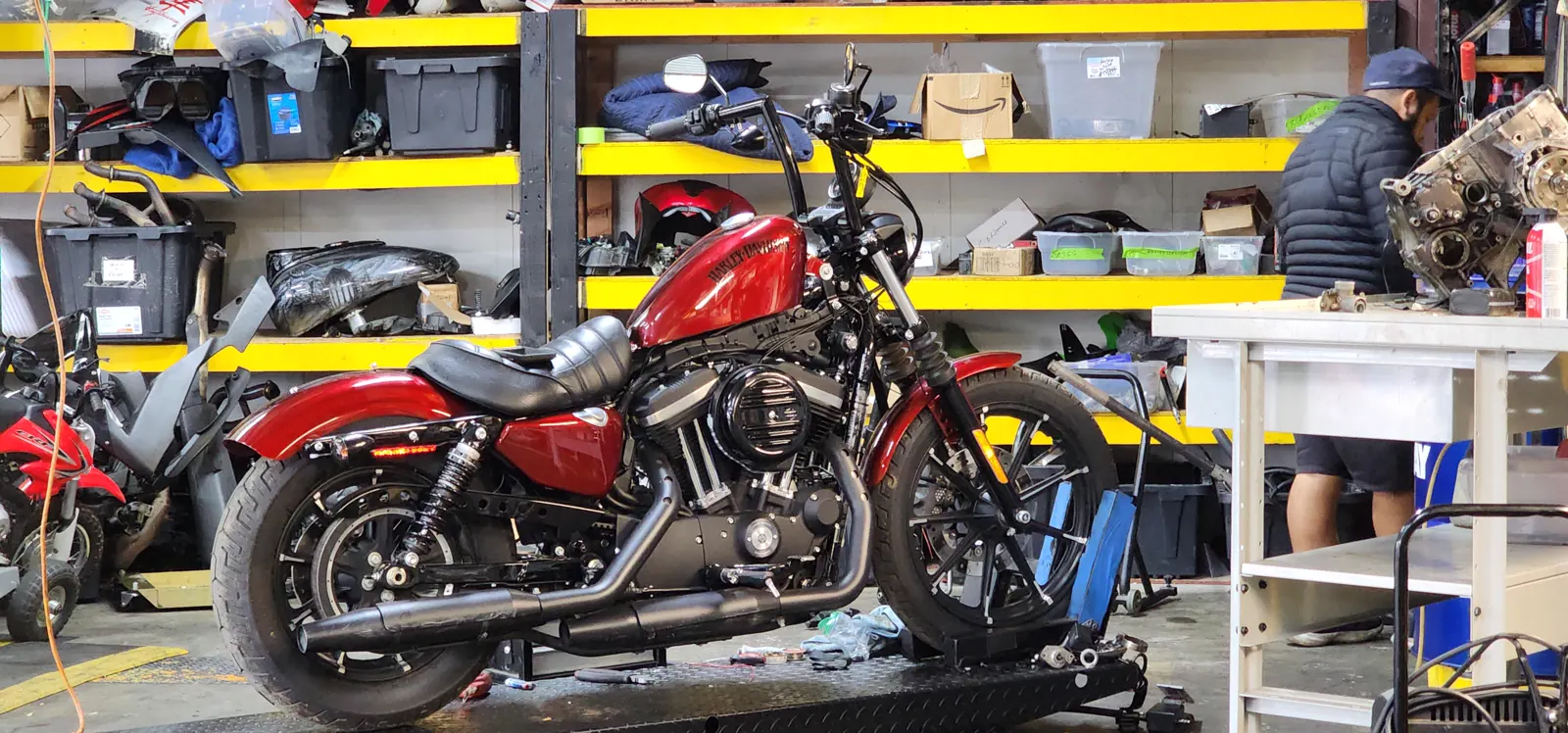
How good you want it to look is a dial, not a switch. At one end is mechanically sound with tidy, honest paint, the bike you ride and enjoy without fussing. At the other end is a full show restoration where every bolt, every chrome piece, and every panel is perfect. The distance between those two is huge, and it’s entirely your call. Most people land somewhere in the middle, and that’s a great place to be.
Chrome work especially is slow, hands-on, and easy to underestimate. Pitted, rusted chrome doesn’t wipe clean, it has to be polished back or re-plated, and that’s real time. Custom paint is the same story: proper prep and color is a craft, not a spray can. None of it is wasted money if a beautiful bike is the goal. It’s just money you get to choose how much of to spend, which ties right into what the bike is really worth to you.
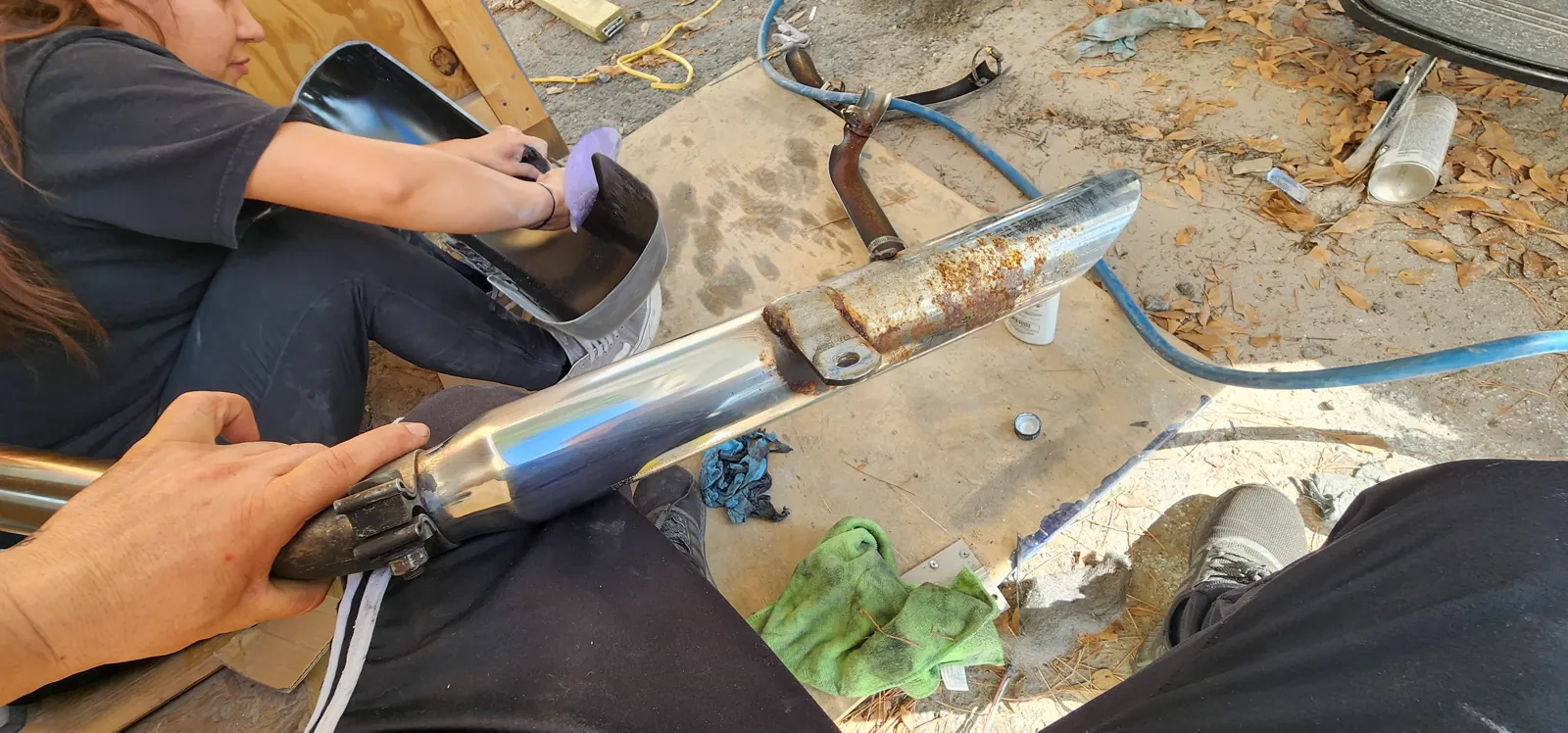
Here’s a small money-saver most people miss: you don’t have to do all the chrome and paint at once, and you often shouldn’t. Get the bike mechanically sorted and riding, then handle the shiny stuff a piece at a time as the budget allows. Chroming the pipes this year and the paint next year spreads a big number into bites you barely feel. It also lets you enjoy the bike while it slowly gets prettier, which beats staring at a parts bill in the garage.
How to keep the cost sane
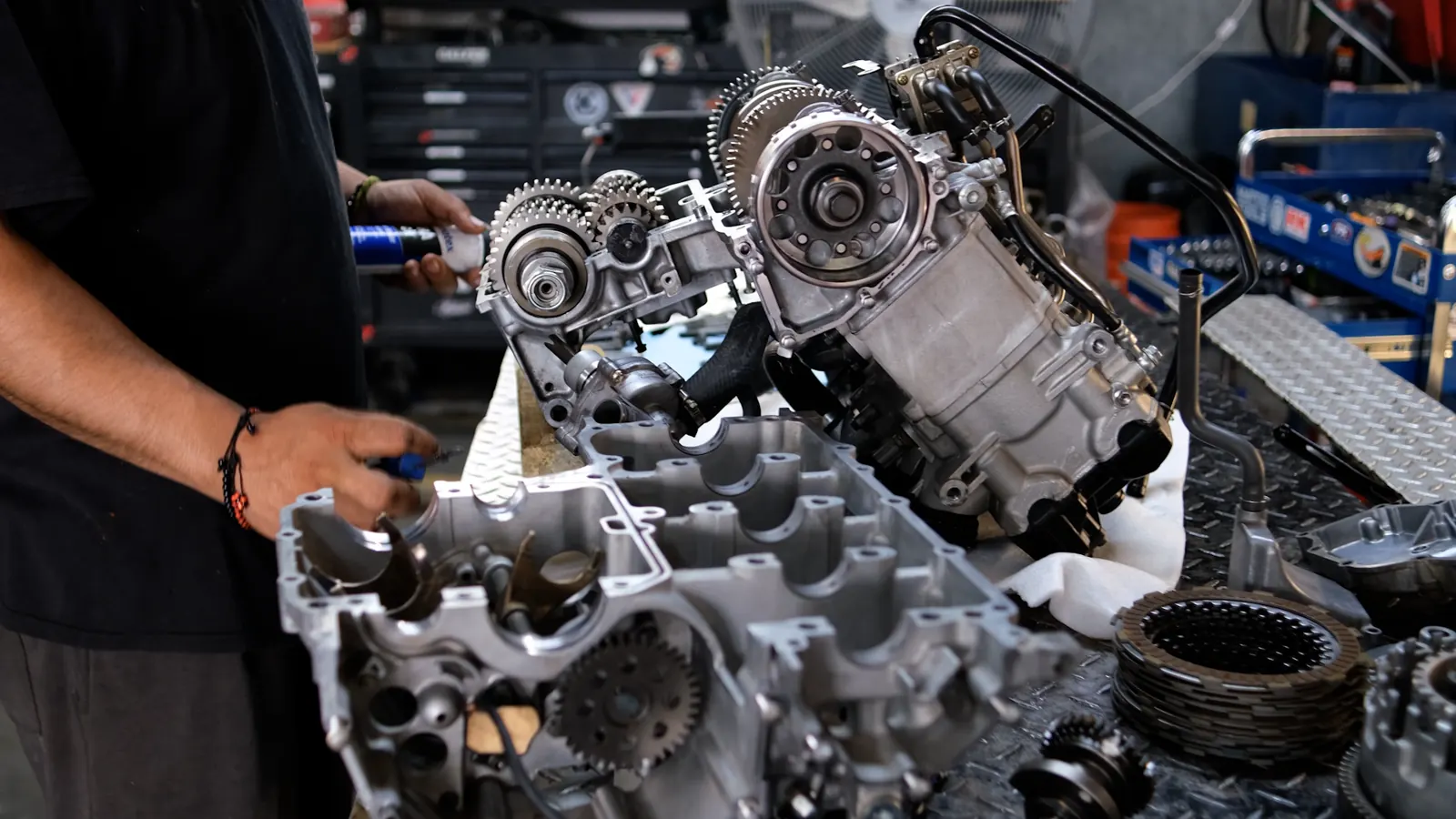
You have more control over a restoration bill than you’d think. The owners who spend smart all do a few of the same things. They’re honest with themselves about whether they want a rider or a show bike. They stage the work instead of demanding it all at once. And they let a shop tell them where original really matters and where it doesn’t. A little planning saves a lot of money.
- Decide early: is this a bike to ride, or a bike to show? That one answer sets the budget.
- Do the mechanical work first, ride it, then handle paint and chrome later.
- Ask where a good substitute part saves money without hurting the bike.
- Keep every receipt and photo; documentation protects resale value.
- Get the look before you quote, so nobody pads the number to be safe.
That last one is the whole reason we don’t quote off a phone call. A number built from a guess has to run high to cover the shop, and you’re the one who overpays for that caution. A number built from an actual look is just… the number. It might even come in lower than you feared. We’d rather tell you the truth after we’ve seen the bike than scare you off with a padded guess.
Why the look happens here, across the river
Here’s the local reality. Roswell’s dealers on Alpharetta Highway are brand shops, and restoration isn’t really their lane. There’s essentially no one over there doing full vintage rebuilds with in-house chrome and custom paint under one roof. That’s the gap we fill, and it’s why a restoration project usually ends up crossing the river rather than staying on the North Fulton side.
THE HONEST REASON
We’re one road away. Roswell Road west across the Chattahoochee puts you in the shop in East Cobb in about fifteen to twenty minutes, dead bike or not.
And because it’s just across the river in East Cobb, getting the bike here for that look is easy. Drop it off on your way through, or let us arrange transport if it won’t run yet. You don’t burn a Saturday and you don’t trailer a dead machine yourself. For a time-poor Roswell professional, that convenience is worth as much as the quote itself, and it’s a big part of choosing the right shop.
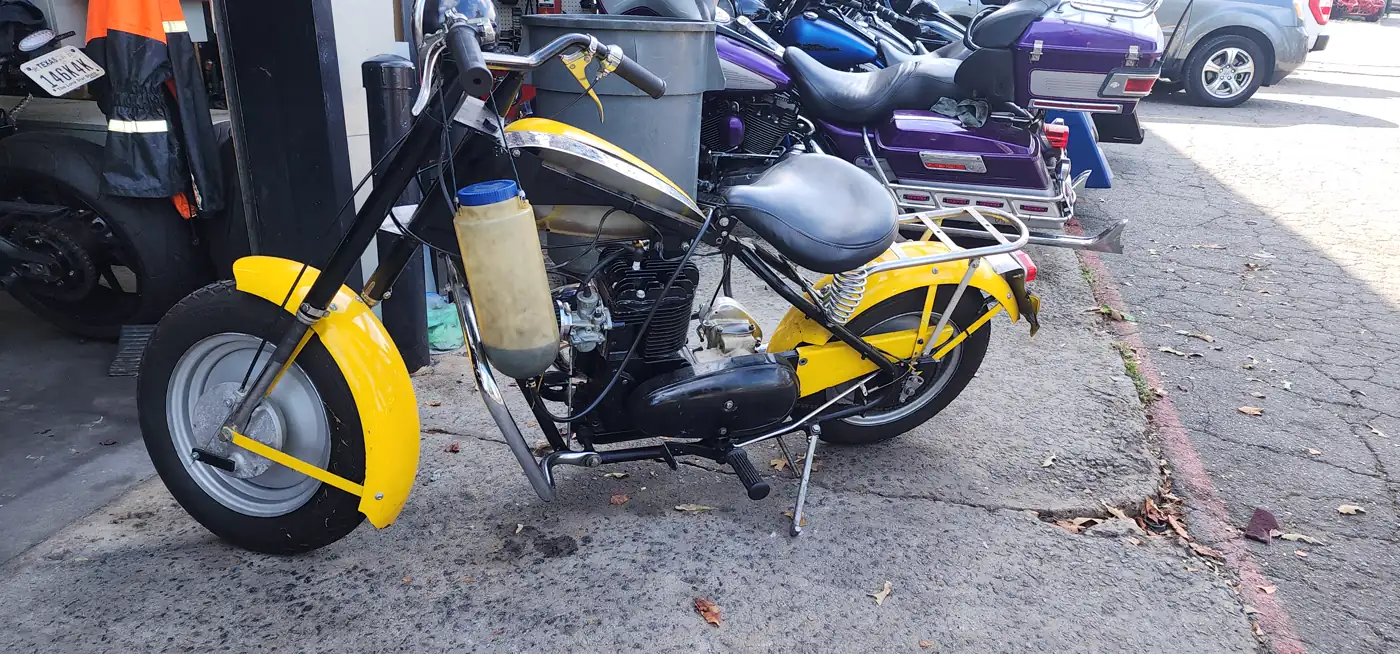
The number is a plan, not a surprise
When we quote a restoration, you should be able to read it: mechanical here, cosmetic there, parts spelled out, and a clear line between must-do and want-to-do. That way the cost is a plan you steer, not a shock you swallow. You decide how far it goes and how fast. And you never come back to a bill for a step you didn’t approve first. That’s the deal.
There's no such thing as one price for a restoration. There's your bike, your goals, and an honest number built after somebody actually looks.
So let’s get you a real one. Text us photos of the bike, tell us whether you want a rider or a showpiece, and how it’s been stored, and we’ll give you an honest read on what drives the cost for yours. We’re a short run down Roswell Road, just across the Chattahoochee in East Cobb. No lump-sum guesswork, no padded phone number, just a plan you can actually make a decision on.
Questions Roswell riders ask us
Why won't you just give me a restoration price over the phone?
Because an honest number needs a look. Two bikes that photograph the same can be a thousand dollars apart once the tank’s off and we see the engine and fuel system. A phone quote has to run high to be safe, and you’re the one who overpays for that. We’d rather see it and tell you the truth.
What makes one restoration cost more than another?
Mostly condition, then how deep the engine work goes, how bad the fuel system is, how hard the parts are to find, and how far you want the finish taken. Originality adds cost too. Many of those are choices you control, which is why we price mechanical and cosmetic as separate lines.
Can I split the cost up over time?
Yes, and lots of Roswell owners do. We separate the mechanical work from the cosmetic work, so you can get it running safe and reliable first, ride it, then handle paint and chrome later. Staging the job is one of the easiest ways to fit a restoration to a real budget.
Do rare or vintage bikes cost more to restore?
Often, but usually because of parts, not labor. A common bike has a healthy, cheap parts supply. A rare one means hunting, waiting, and sometimes collector prices for a single piece. Being all-makes lets us chase the smart source and tell you when an original part is worth it versus a good substitute.
How do I keep the restoration cost down?
Decide early whether you want a rider or a show bike, since that sets the whole budget. Do the mechanical work first and ride it before spending on paint and chrome. Ask where a good substitute part saves money. And get the look before the quote so nobody pads the number to play it safe.
Is a cheaper finish still a good bike?
Absolutely. Mechanically sound with honest, tidy paint is a bike you can ride and enjoy for years. A full show restoration is a different goal and a different budget. Neither is wrong. Most people land happily in the middle, and we’ll help you pick the level that fits what you actually want from the bike.
We take restoration and rebuild projects from across North Fulton. Owners bring bikes from Historic Roswell and Canton Street, Martin’s Landing, Horseshoe Bend, and East Roswell, plus homes along Willeo Road near the Chattahoochee Nature Center. Whether your project sits by Roswell Mill and the Vickery Creek covered bridge or off Holcomb Bridge Road near GA 400, you’re a short run down Roswell Road, just across the river in East Cobb.
TEXT US FOR A REAL NUMBER
Want an honest read on what your restoration would actually cost? Text us photos of the bike, tell us whether you want a rider or a showpiece, and how it’s been stored. We’ll show you what drives the number for yours, no lump-sum guessing and no padded phone quote. We’re one road away, down Roswell Road across the Chattahoochee into East Cobb.
470-460-9883Diaz Motorcycles and Service, LLC · 847 Barnes Mill Road, Marietta, GA 30062