Restore vs Sell Your Motorcycle in Cartersville: An Honest Side-by-Side
When it makes sense to bring the old bike back, when it's smarter to let it go, and how to tell which one is you.
Sooner or later, that old bike in the corner forces the question: restore vs sell. Motorcycle owners in Cartersville hit this fork all the time — the bike’s been sitting, it’s worth something, and you’re torn between fixing it up and just letting it go. There’s no single right answer, but there is a right way to think it through. Let’s lay both paths side by side, honest and plain, so you can pick the one that actually fits you and your bike.
The question every Bartow garage eventually asks
Here’s the setup nearly everyone shares. There’s a motorcycle taking up space — a project you meant to finish, an inheritance, a bike you rode hard once upon a time. It doesn’t run, or it runs rough, and every time you walk past it you feel a little tug of guilt and a little pull of memory. You could pour money into bringing it back. Or you could list it and free up the garage. Both feel reasonable, which is exactly why it’s hard.
The mistake is deciding with your gut alone, in either direction. Sell in a hurry and you might dump a bike that was worth saving. Restore on pure emotion and you might sink money into one that wasn’t. The fix is simple: look at both paths clearly before you commit. That’s the whole point of this piece — no thumb on the scale, just the real trade-offs.
The case for selling it as-is
Let’s be fair to the sell side first, because sometimes it’s the smart move. If the bike means nothing to you personally, if it’s a common model you don’t love, and if you’d rather have the cash and the garage space than a project, selling as-is is perfectly sensible. You skip the time, the cost, and the wait, and someone else gets a bike to tinker with. Clean, simple, done.
Selling also makes sense when the honest numbers just don’t work. Some bikes — badly corroded, missing hard-to-find parts, or worth very little even finished — cost more to restore than they’ll ever be worth. We’ll tell you when that’s the case, flat out, because we’d rather lose a job than talk you into a bad one. A shop that only ever says restore isn’t giving you advice, it’s giving you a sales pitch.
The catch is what as-is really fetches. A non-running bike sells for a fraction of a running one, because every buyer is doing the same risk math you are — they don’t know what’s wrong inside, so they lowball to cover the unknown. That gap is real money left on the table, and it’s worth knowing before you list.
- You don’t feel any attachment to the bike, and never really did.
- It’s a common model you could easily replace if you missed it.
- You’d genuinely rather have the cash and the empty garage than a project.
- An honest estimate shows it would cost more to restore than it’ll ever be worth.
- You’re out of the hobby and just want it gone without the hassle.
If three or four of those ring true, selling is probably your lane, and there’s no shame in it. Not every bike is a keeper, and a clear-eyed sale beats a guilt-driven project you’ll resent halfway through. The only thing we’d add: don’t sell it dead if a little work would move it into a much higher price bracket. More on that trap in a minute.
The case for restoring it
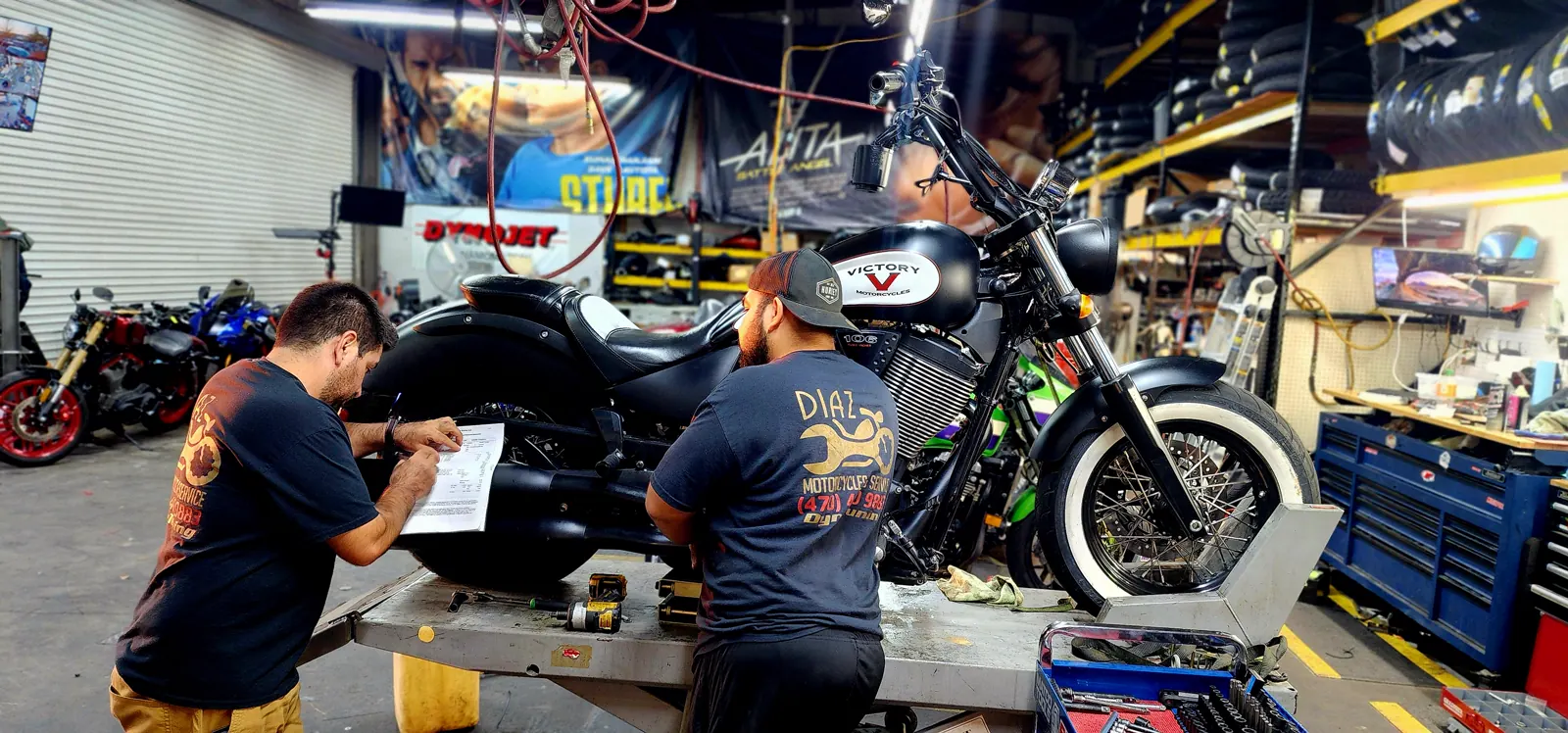
Now the restore side. This one wins when the bike means something — Dad’s Shadow, your first real ride, a model you’ve always loved — because you can’t buy that feeling back later at any price. It also wins when the bike is worth real money finished, when it’s reasonably complete, and when it sat because life got busy, not because it was run into the ground. Those are the bikes that reward the effort.
Restoring also makes plain financial sense more often than people expect. A tired barn-find worth a few hundred as-is can become a bike worth thousands running and sharp — and one you actually get to enjoy on 411 in the meantime. You’re not just spending; you’re moving the bike up into a whole different value bracket while getting the rides you’ve been missing. That’s a very different deal than throwing cash at a lawn ornament.
THE HONEST TEST
If you’d be sad to see it go, and the numbers roughly work, restore it. If you’d feel relief and the numbers don’t, sell it. Most people already know in their gut which one that is.
The money side, honestly
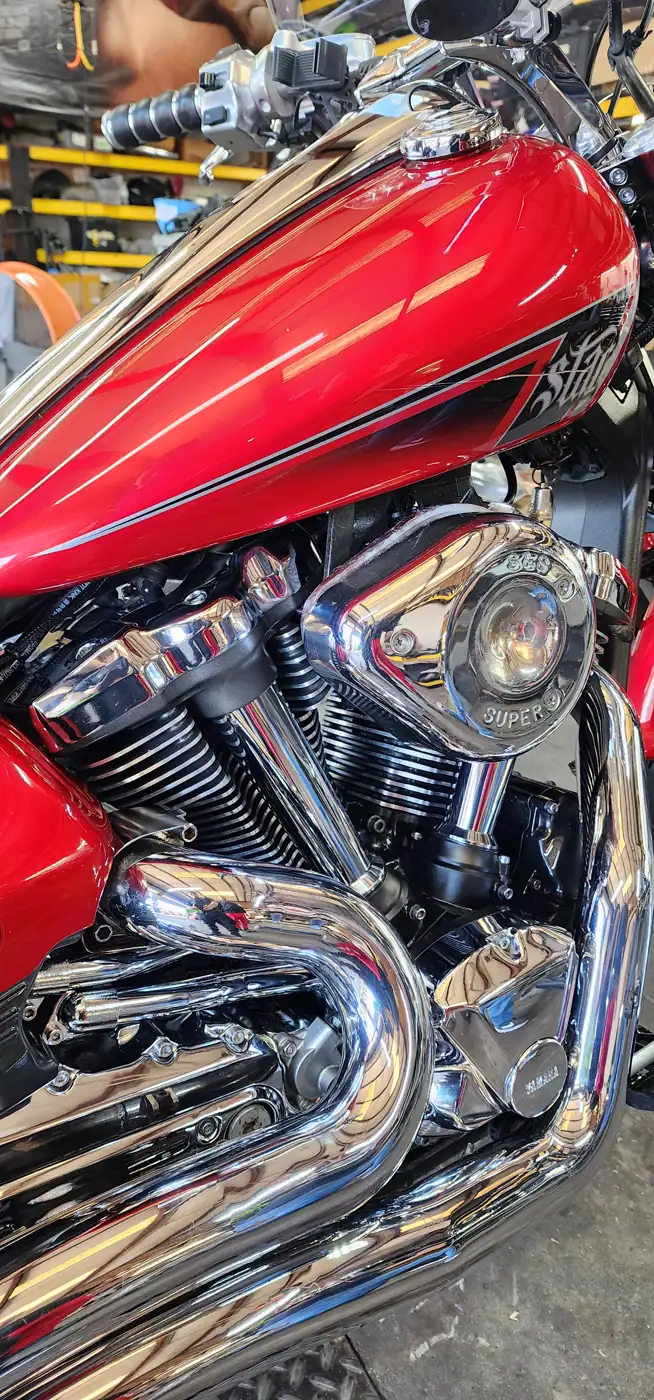
Let’s put real logic on the dollars. Compare two numbers: what the bike sells for as-is today, versus what it’s worth restored, minus the restoration cost. If restored-value-minus-cost beats the as-is price by a healthy margin, restoring is the financially stronger play — and you get to ride it too. If it doesn’t, selling is the cleaner move. That’s the whole comparison in one sentence, and it works for any bike.
The reason this matters is that guesswork usually gets it wrong in both directions. Folks who feel the bike is worthless undersell savable classics. Folks who love the bike overspend on ones that’ll never return it. Real numbers cut through both. That’s exactly why we look before we quote — so the comparison is built on facts, the way a real cost breakdown lays it out, not on hope.
Compare as-is price against restored value minus cost. Whichever wins by a real margin is your answer — the rest is just feelings.
The trap: dumping a bike that won't run
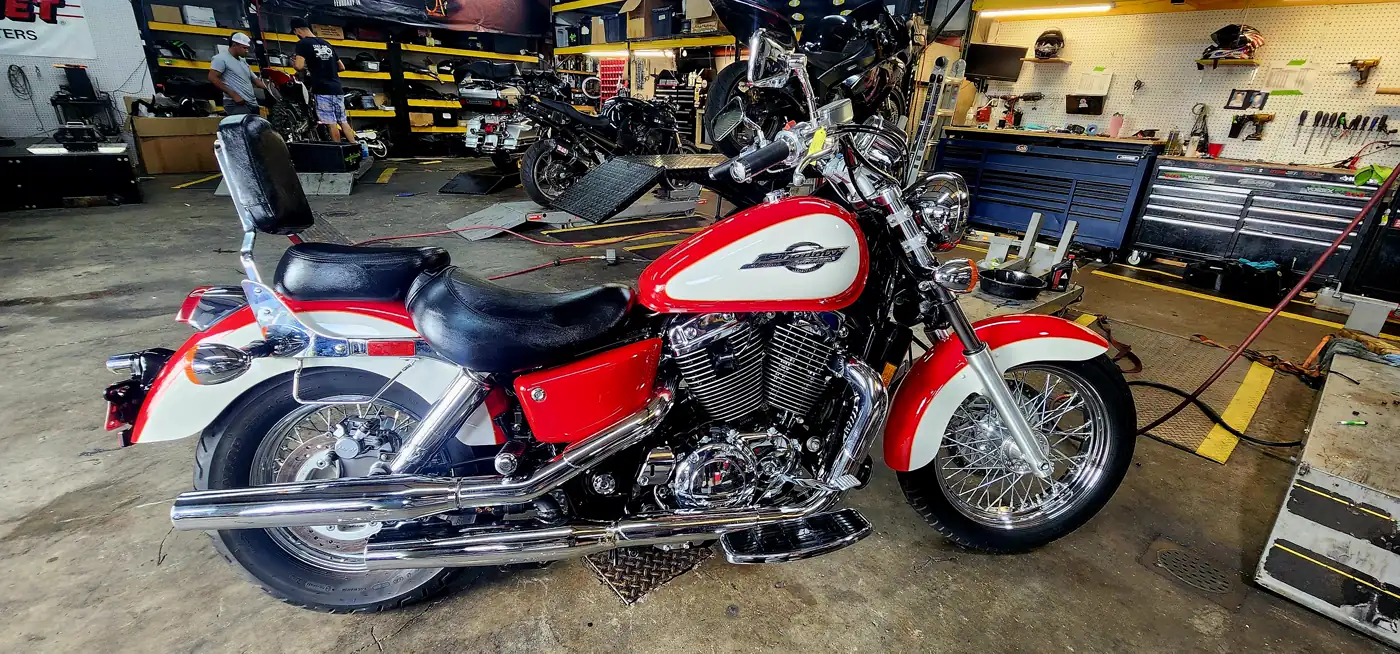
Here’s the mistake we hate to watch people make. They decide to sell, the bike won’t start, so they list it dead for pennies — when a modest amount of work would have moved it into a far higher bracket. A running, sorted bike sells for multiples of a non-running one, because you’ve erased the buyer’s biggest fear: the unknown. Sometimes the smartest ‘sell’ move includes a little ‘restore’ first.
We’ve helped plenty of Cartersville riders do exactly that — a light revival to get the bike running right and looking honest, then a clean sale for real money instead of a fire-sale giveaway. It’s not restore versus sell at all in that case. It’s a bit of the first to get a lot more out of the second. Worth a conversation before you post it for scrap prices.
DON'T GIVE IT AWAY
A non-running bike sells for a fraction of a running one. Sometimes a small revival before selling puts real money back in your pocket. Ask before you list it dead.
How the sentimental piece fits in
We can’t leave out the heart, because it’s usually driving the whole question anyway. If a bike carries real meaning — it was your father’s, it was your first, it’s tied to a chapter of your life — that value is genuine even though no spreadsheet prints it. For those bikes, restoring can be worth it even when the cold numbers are a wash. You’re buying back something you can’t get anywhere else.
The only guardrail we’d offer: let the heart lead, but let the numbers ride along. Go in knowing what it’ll cost, so the decision is eyes-open rather than a slow drip of surprise bills. Sentiment is a fine reason to restore. It’s a rough reason to get blindsided. Keep both in the room and you’ll rarely regret the call, whichever way it lands.
Not sure? We'll help you decide
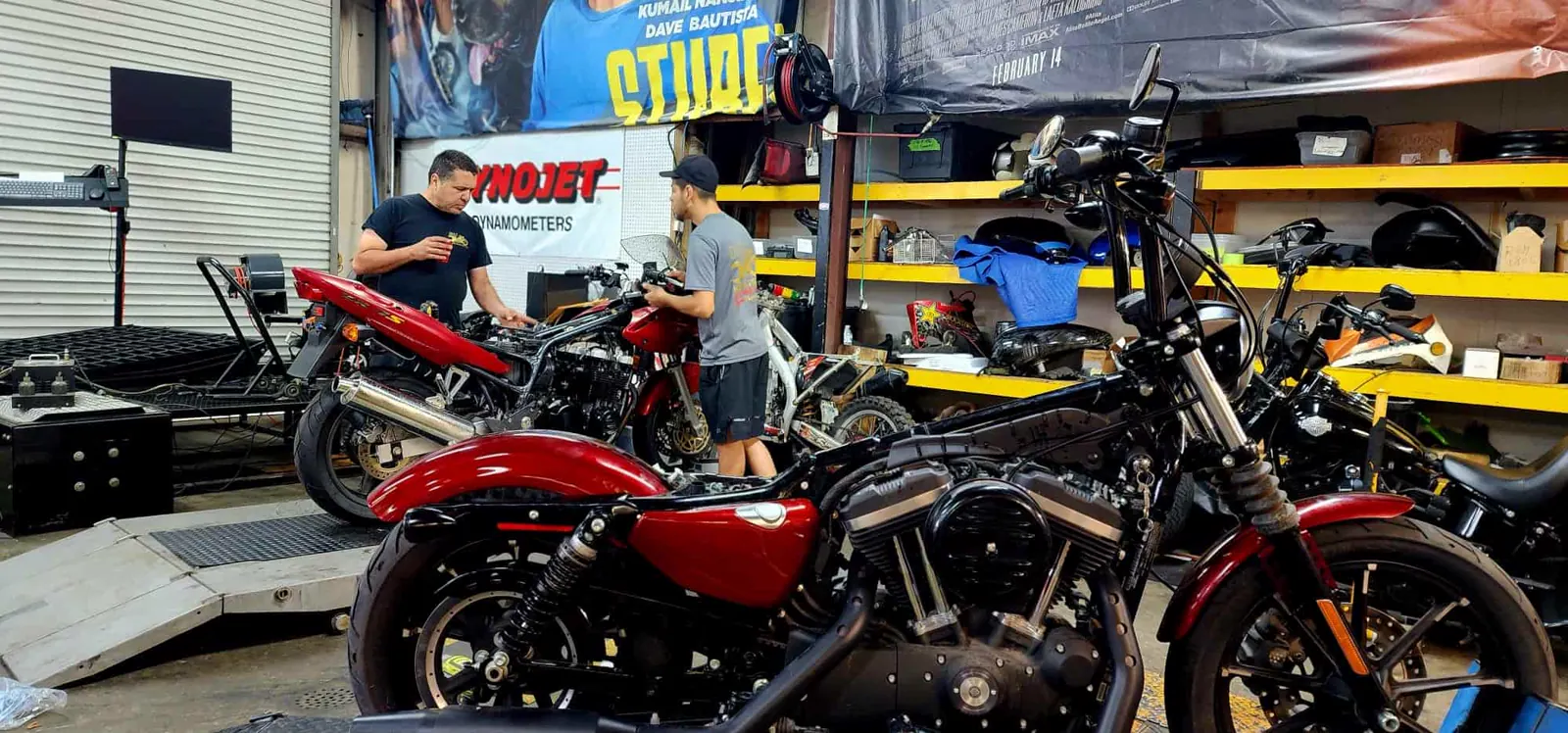
If you’re still on the fence, that’s completely normal — and it’s the exact moment to get a real read instead of guessing. We’ll look the bike over, tell you honestly what it’s worth as-is, what it’d be worth restored, and what the work would run. Then we hand you the comparison and step back. No pressure to pick restore. In a show-me county, that straight talk is the only pitch we’ve got.
And yes, we’ll tell you to sell when selling is the right call. We’d rather you trust us with the next bike than push you into a bad decision on this one. That’s how a shop earns the kind of loyalty Bartow folks are famous for — you get honest advice, whether it books us a job today or not.
The drive is on us either way
Worried about hauling a non-running bike down just to get an opinion? Don’t be. Pickup and delivery is part of how we work, so the roughly 40-to-55-minute run down I-75 to East Cobb is on us, both directions, and you never have to wrestle a dead bike onto a trailer. For folks already commuting down 75 to Cobb, it’s barely a detour at all.
So here’s the easy first move: text us a few photos, tell us the bike’s story and whether your heart’s in it, and we’ll help you weigh restore against sell with real numbers on the table. No sales script, no pressure — just an honest hand deciding what’s actually best for you and your bike. Curious what we can bring back? Take a look at what we can bring back.
Questions Cartersville riders ask us
Should I restore my motorcycle or just sell it?
Compare two numbers: what it sells for as-is today, versus what it’s worth restored minus the restoration cost. If restoring wins by a real margin — and especially if the bike means something to you — restore it. If not, selling is cleaner. We’ll look it over and give you both numbers so you’re not guessing.
How much less is a non-running motorcycle worth?
A lot less — often a fraction of a running one. Buyers lowball a dead bike to cover the unknown of what’s wrong inside. That’s why sometimes a small revival before selling puts real money back in your pocket, turning a fire-sale price into a fair one. Ask us before you list it dead.
Will I get my restoration money back if I sell later?
Often much of it, sometimes more, depending on the bike and how well it’s done. A finished, running, good-looking bike sells itself and holds value far better than a project. On a meaningful or collectible bike, a quality restoration can more than pay for itself. On a low-value common bike, it may not — we’ll tell you which yours is.
The bike has sentimental value. Does that change the math?
Yes, honestly. A bike that was your father’s or your first is worth something no spreadsheet prints, and for those, restoring can be worth it even when the cold numbers are a wash. Our only advice is to go in knowing the cost, so it’s an eyes-open choice rather than a string of surprises.
Can you help me get a non-running bike ready to sell instead?
Absolutely. Sometimes the smartest sell includes a light revival first — get it running right and looking honest, then sell it for multiples of the dead price. We’ve done exactly that for plenty of Cartersville riders. It’s not restore versus sell; it’s a little of the first to get more from the second.
How do I decide if my specific bike is worth restoring?
Send us a few photos and the bike’s story. We’ll give you an honest read on its as-is value, its restored value, and the cost to get there, then hand you the comparison and step back. We’ll even tell you to sell when that’s the right call. No pressure to pick restore.
Riders wrestle with this call all over Bartow County. We’ve helped folks decide from The Planters and Waterside subdivisions, from historic Olde Town, and from the newer homes in Carter Grove. Bikes come in from out past Red Top Mountain and the LakePoint area in Emerson, and from riders who stage their weekend runs on US-411. Whether you’re near the downtown square or off GA-61 south, an honest opinion and free pickup are just a text away.
NOT SURE? TEXT US A FEW PHOTOS
Torn between restoring and selling? Text us a few photos and the bike’s story, and we’ll help you weigh both with real numbers — as-is value, restored value, and what the work would run. We’ll even tell you to sell when that’s the smarter move. Pickup and delivery is on us, and there’s no sales script — just an honest hand deciding what’s best for you and your bike.
470-460-9883Diaz Motorcycles and Service, LLC · 847 Barnes Mill Road, Marietta, GA 30062