Stranded Motorcycle Pickup Cartersville — Why It Happens
A bike on the lift, a trailer in the driveway, and a straight answer about why good motorcycles quit.
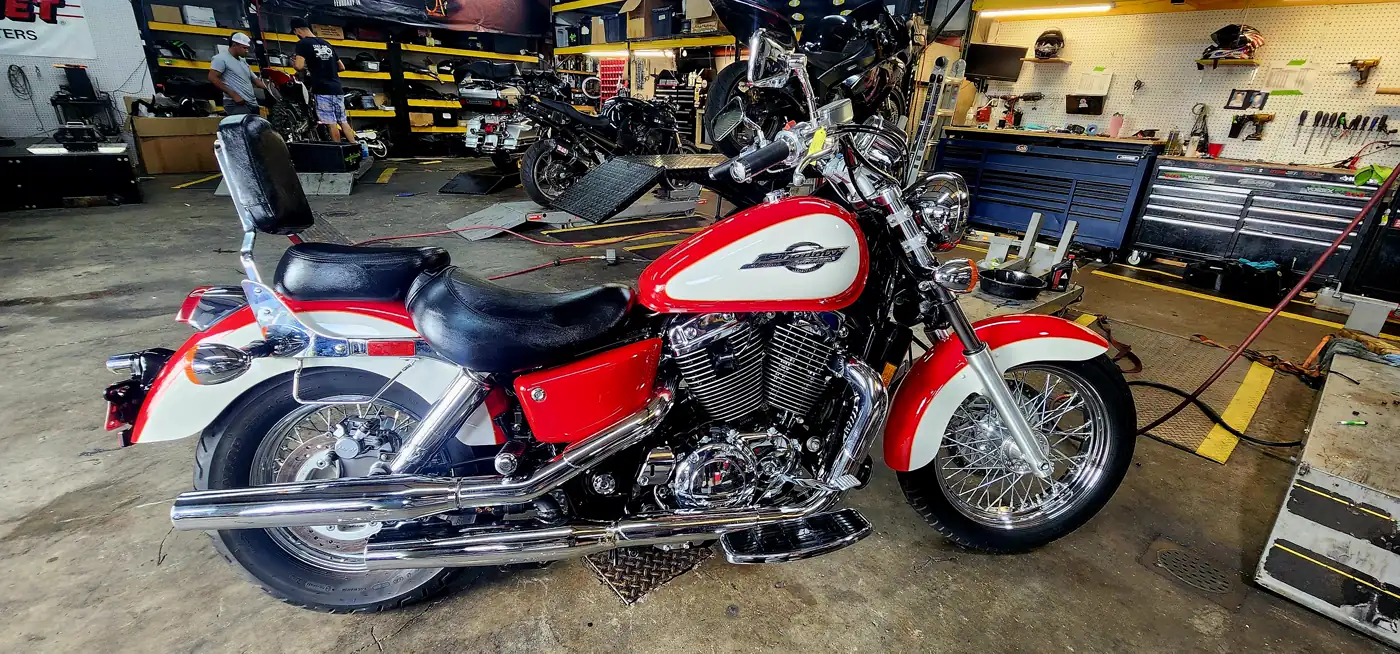
At the same time there’s a black Sportster up on the center lift as we write this. As a result it rolled into our Marietta shop this morning on our trailer, dead as a stone, after its owner spent a whole Saturday trying to coax it awake in a detached garage. On the other hand that call is exactly why we run a stranded motorcycle pickup Cartersville riders can count on. So Bikes quit for reasons that have nothing to do with how you ride, and getting yours to a lift shouldn’t be the hardest part of the day.
So let’s answer the big question first. When a motorcycle won’t start, won’t stay running, or dies on the shoulder, it almost always comes down to one of a small handful of things. The order matters, because the most common causes are also the quickest and cheapest to sort out. Still, start at the top of the list and work down, and you’ll solve most no-start mysteries before lunch.
The short answer: why a good bike quits
Plus, here’s the usual lineup, most common first. Read it top to bottom, because the odds drop as you go down.
- A dead or tired battery. Meanwhile, this is number one by a mile, especially on a bike that sleeps in an unheated garage all winter. Of course, a battery that just sits loses charge, and a weak one won’t spin the starter.
- Old, varnished fuel. In fact, Ethanol gas goes stale in a couple of months. For example, it turns to a sticky varnish that clogs jets and injectors, so the bike cranks and cranks but won’t catch.
- A blown fuse or a loose ground. One corroded connector can act exactly like a dead engine, even when everything else is perfect.
- A failing stator or regulator. If your battery keeps dying even after a full charge, the charging system probably isn’t keeping up.
- A tripped safety switch. The clutch, the kill switch, or the sidestand sensor can all shut you down. Simple, and easy to overlook.
Now the part that keeps you out of trouble: knowing when it’s safe to ride and when it isn’t. If your bike fires up after a jump and holds a steady idle, a short, careful trip to get it checked is usually fine. But if it dies at stops, cuts out under throttle, reeks of raw fuel, or throws a warning light you don’t recognize, don’t chance it. A bike that stalls in the middle of 41 is a whole lot worse than a bike that stalls in your driveway. When you’re not sure, leave it parked and let us bring the trailer.
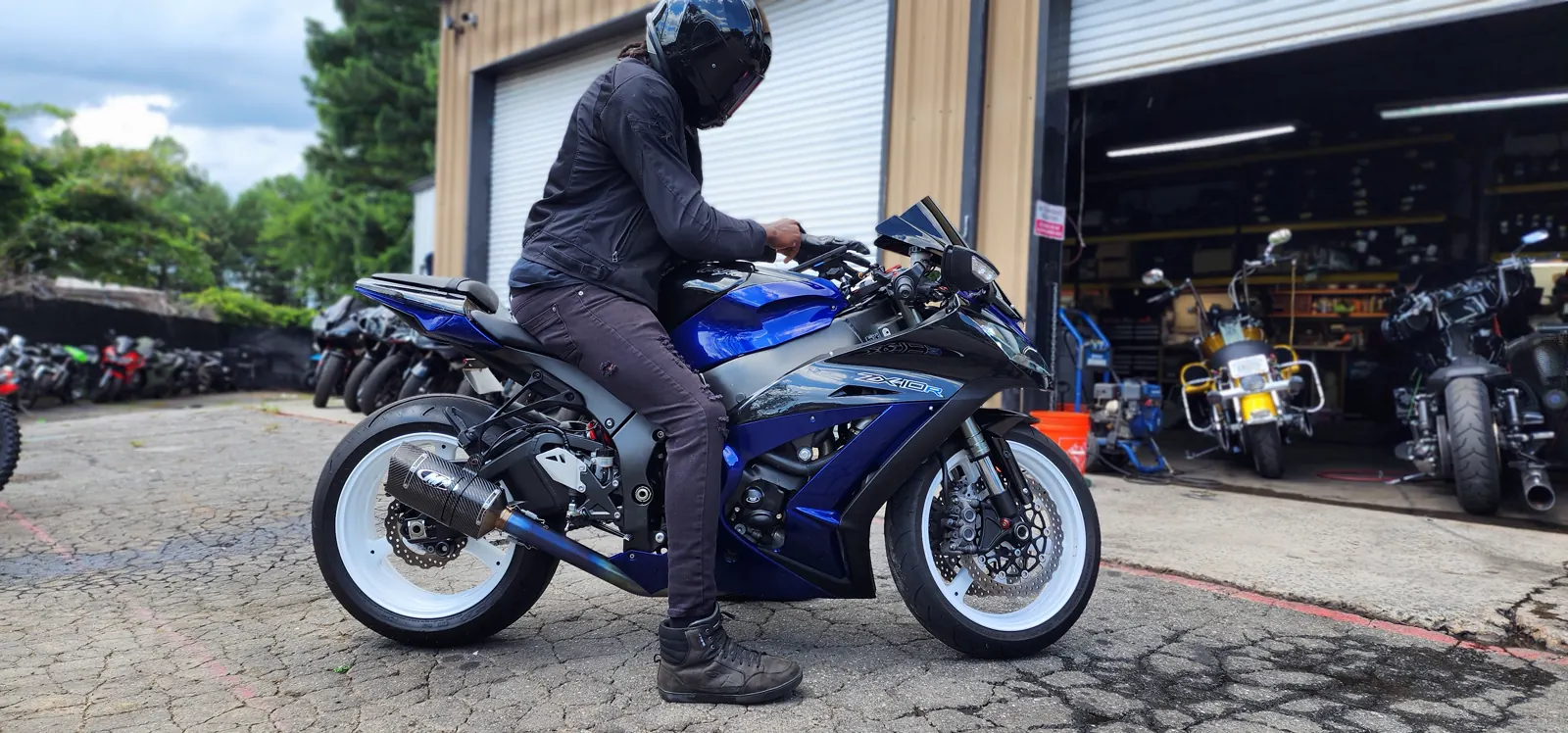
What actually drives the work
Once the trailer is back at the shop, the real diagnosis starts. And here’s where it gets interesting, because the fix is never one-size-fits-all.
This is the honest truth about no-starts. Two bikes with the same symptom can need completely different work. One dead cruiser just needs a fresh battery and a wiggle of a ground wire. The very next one, same dead click, needs its whole fuel system flushed because it sat three seasons in a pole barn. Same symptom, different day entirely.
Cartersville is a garage-and-pole-barn town, and that shapes everything we see. A lot of bikes here live in detached, unheated buildings, which is perfect for a project and rough on a battery. Cold, damp storage is why we pull so much surface rust and ethanol varnish out of Bartow County. The bikes themselves tell part of the story too. Bartow runs heavy on cruisers and baggers, plenty of Harleys and Indians, a good share of touring rigs like Road Glides and Gold Wings, and a real love for vintage project bikes, barn-find UJMs and old Sportsters. Each one ages differently, so the fix follows the machine, not a script. If you want the full picture of an independent shop, here’s what the work covers.
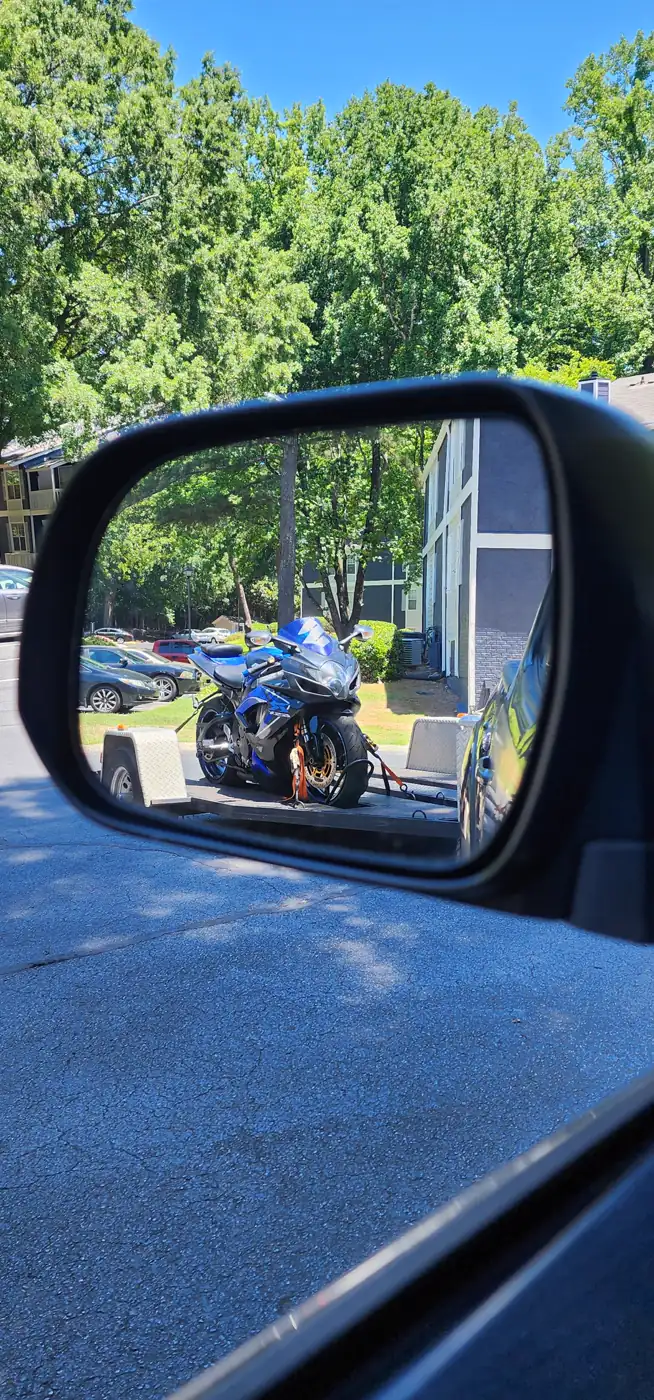
What we check, in order
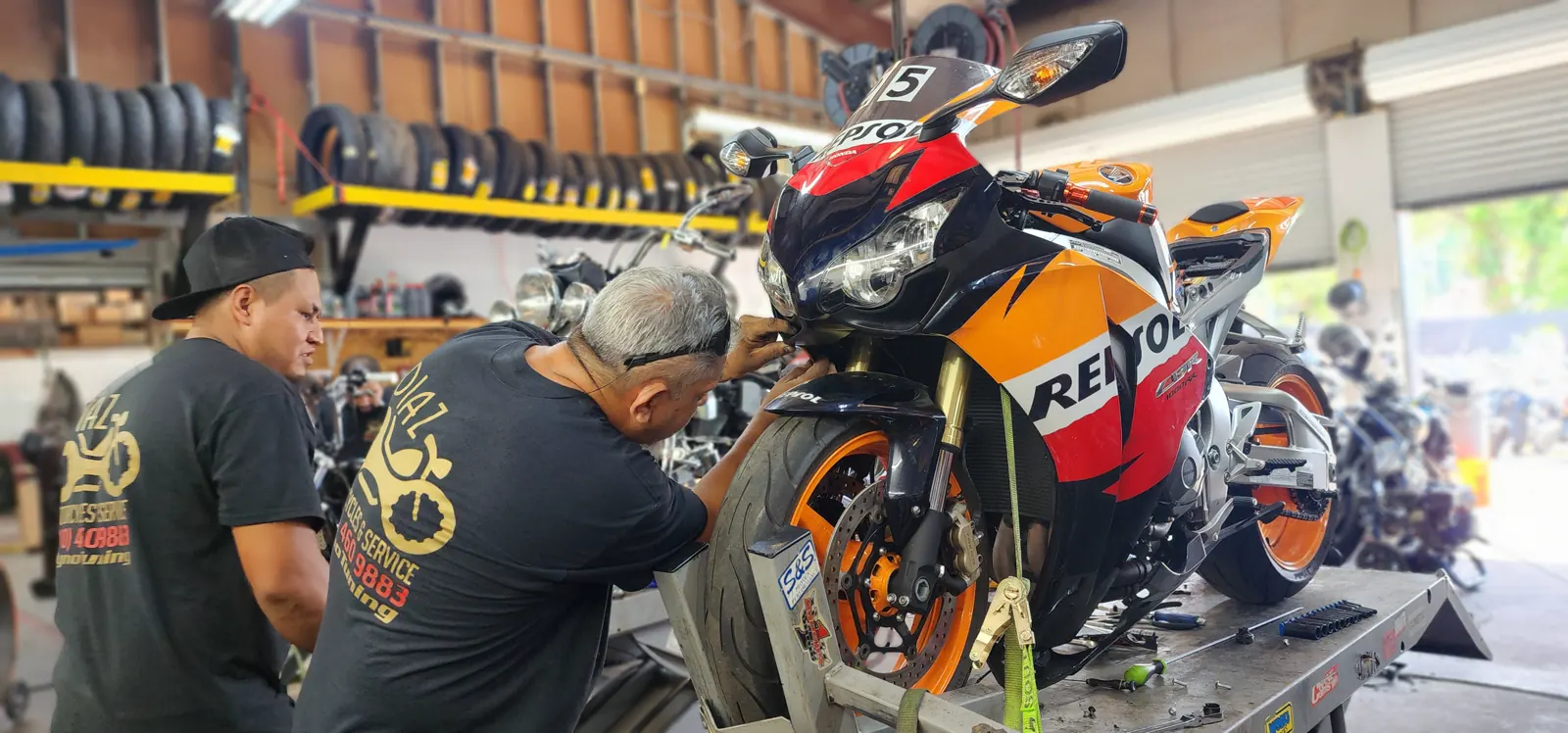
We don’t guess, and we don’t start swapping parts and hoping. We work a checklist, top to bottom, the same way every time. That’s how you find the real cause instead of chasing the loudest symptom.
- Battery and charging. We load-test the battery, then measure what the charging system actually puts out while the engine runs.
- Fuel. We check for stale gas, varnish in the jets or injectors, and whether fuel is even reaching the engine.
- Spark and ignition. Good spark at the plug, clean coils, solid connectors.
- Fuses and grounds. One green, crusty ground can mimic a dead motor, so we chase every connection.
- Safety switches. Clutch, kill switch, and sidestand sensor all get a look.
- A real test. Once it’s fixed, we run it, ride it, and make sure it starts cold before it leaves.
Because Bartow’s a show-me county, we don’t hand you adjectives. We hand you the voltage reading, the part number, and the before-and-after. If you want to see what shapes your bill before we ever load the bike, we spell out what changes the total in plain language. And if you’d rather see the whole service laid out first, here’s what you get when you bring it in.
Sometimes the culprit isn’t the engine at all. A flat-spotted or dry-rotted tire from years of sitting can make a bike feel wrong the second it moves, and a tire that fails on the road is its own kind of stranded. When we suspect rubber, we lean on Dunlop’s technical resources to match the right tire to the machine. A good bike deserves good contact patches.
Mistakes to avoid
Most stranded bikes get worse, not better, from a few well-meaning habits. None of these make you a bad rider. They’re just easy traps, and dodging them saves you a bigger repair later.
- Riding a bike that stalls. If it dies at stops or cuts under throttle, one more ride can turn a cheap fix into a tow.
- Jumping it off a running car. A car’s alternator can spike voltage and cook a motorcycle’s sensitive electronics. Use a proper motorcycle jump pack instead.
- Pouring fresh gas on old varnish. New fuel won’t dissolve a clogged injector. The clog has to come out.
- Ignoring a battery that keeps dying. A dead battery is a symptom. If it keeps happening, the charging system is the real story.
- Letting it sit even longer. Every extra month in a damp garage adds rust and varnish. The sooner it moves, the smaller the job.
If your riding skills feel rusty after a bike sat all winter, a refresher never hurts either. A quick spin through the MSF Basic RiderCourse puts the reflexes back where they belong. And you’re not alone in any of this. It’s the same story a county over, so here’s what Lawrenceville riders run into when their bikes quit.
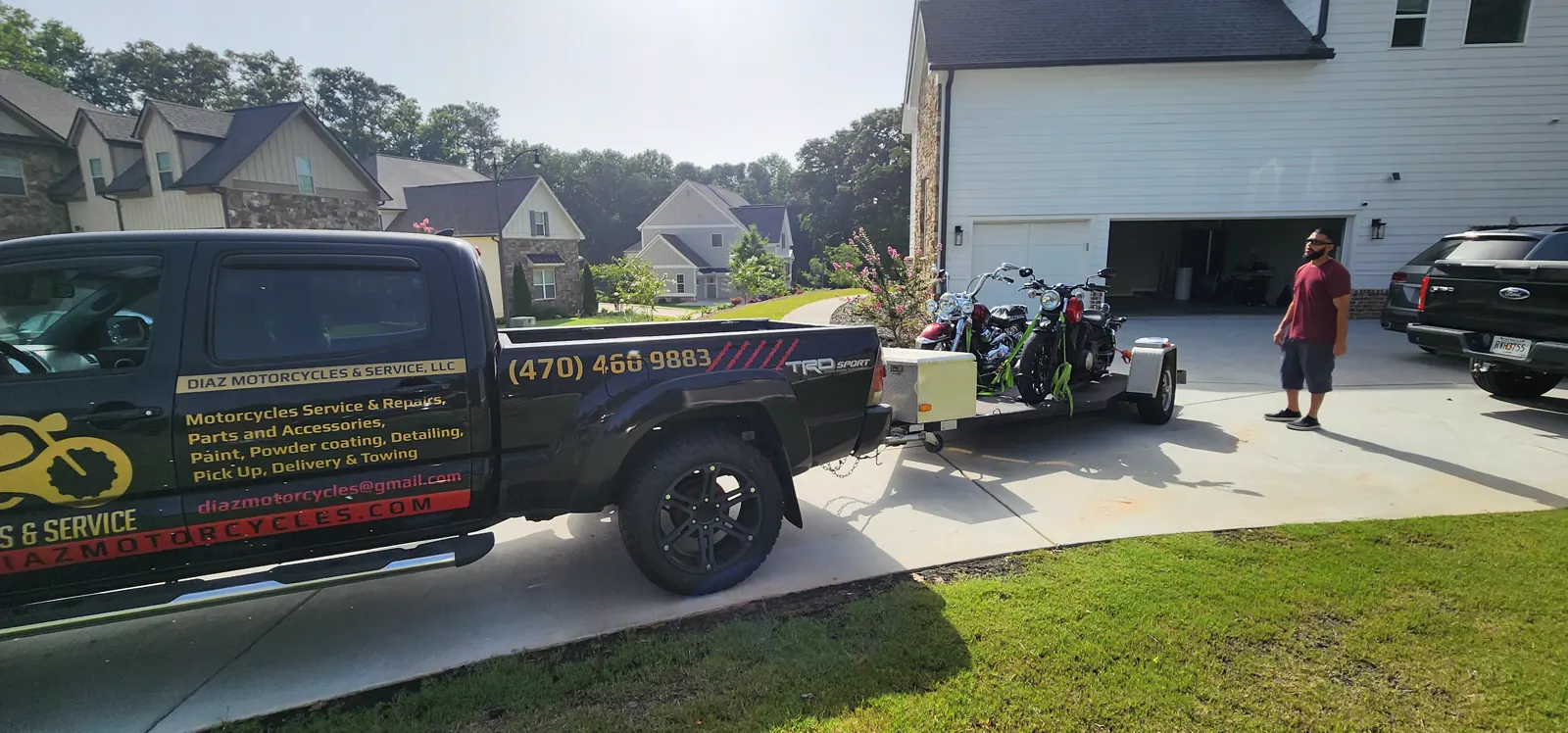
Right here in Bartow County
We know this ground. A lot of the bikes we pick up sleep in the old, pre-1940 garages around West End and Granger Hill, those historic districts where the houses are gorgeous and the detached storage is drafty. Newer streets like The Planters keep tidier garages, and yet a battery still drains the same way when a bike sits through a wet winter. Wherever you park it, odds are we’ve already rolled a trailer down your road.
You could set your watch by this town. We’ve met friends for a handoff near the 1903 Courthouse on the square, and we’ve grabbed a stubborn bike out by LakePoint Sporting Community, the thousand-acre sports complex over in Emerson. If yours quit somewhere between the two, that’s still an easy pickup for us.
And we get why you don’t want your bike stuck. Cartersville is the staging city for the best riding in the state. US-411 north is the ride, the road up toward Fairmount, Chatsworth and Fort Mountain. Push a little farther and you’ve got the Johns Mountain to Cloudland Canyon route, seventy-two miles of GA-136, Armuchee Road, Pocket Road and Floyd Springs Road plus the Lookout Mountain Scenic Highway, reached through Villanow and best in autumn when the leaves turn. A dead battery in October, right at the peak of the season, is a crime against a perfectly good Saturday.
Now, we’ll be straight with you. Our shop sits the better part of 45 minutes south down I-75, and you’ve got closer options right at home. Bartow Powersports off the interstate handles Suzuki and ATVs just fine. What we bring is the trailer and a shop that works on everything, not one brand, and that’s the whole point of pickup and delivery: the distance stops being your problem the moment we hitch up.
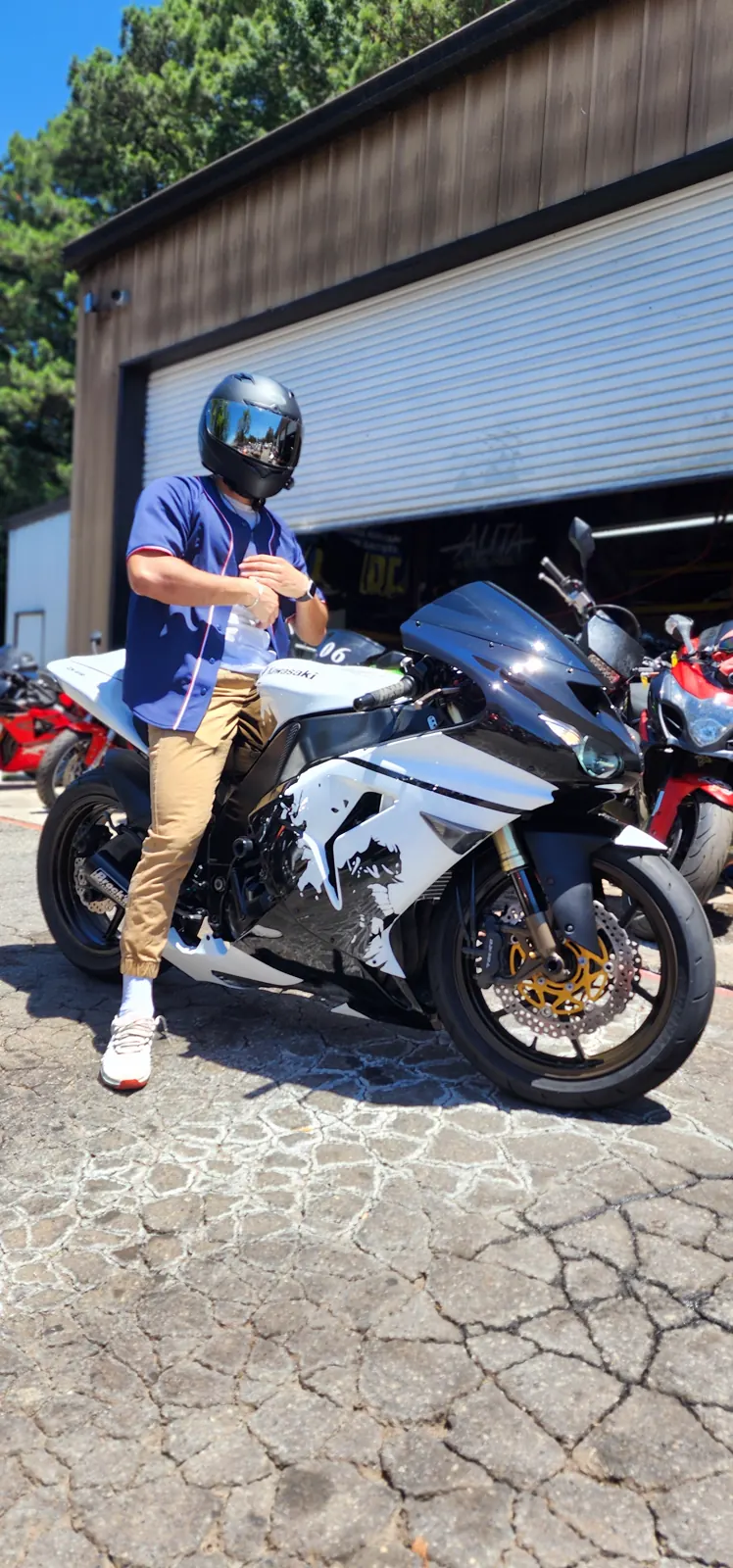
One more thing, and it’s the part riders thank us for later. Before your bike ever touches our ramp, we document it. We photograph it from every side, note any scratch or ding that’s already there, and log where the straps go. Then we tie it down at the frame and at multiple points, never by the bars alone, so nothing shifts on the highway. When your bike comes home, there’s a paper trail that protects you and protects us. It’s the boring part of transport, and it’s the part that turns a stressful day into a non-event.
Riders always ask about open versus enclosed trailers, and it’s a fair question. An open trailer is quick, sturdy, and perfect for most local pickups around Bartow. You can see the bike the whole way, load and unload takes minutes, and it handles a dead cruiser or a parts bike without any fuss. An enclosed trailer keeps weather and road grime off fresh paint or a restoration, so it’s the call for a show bike or a long haul out of state, the kind of bike bought in Chattanooga or Alabama and shipped home to a Cartersville garage. We run both, and we’ll tell you honestly which one your bike actually needs instead of upselling you into the bigger rig. Most of the time, the open trailer is exactly right.
Cartersville is a genuine Harley town, with Southern Devil Harley-Davidson up on 411 and a local H.O.G. chapter that puts on poker runs, toy runs and charity rides through the year. We love that community. Our job is just to make sure your bike is running strong when the next ride rolls out of the lot.
The bike leaves better than it came
Here’s how this ends. That black Sportster on the lift this morning? A fresh battery, a fuel-system flush, a cleaned-up ground, and it fired on the first press of the button. Its owner rode it home instead of trailering it back. That’s what a stranded motorcycle pickup Cartersville riders can trust really buys you: a bike that leaves better than it came.
You should feel good about your bike, not nervous about it. When a rider hands us a machine that quit on them and gets back one that starts every single time, cold morning or not, that’s a win we’re proud of. There’s a real satisfaction in watching someone thumb the starter, hear it catch, and grin like it’s a brand-new bike. Friends we’ve helped in Bartow send us the next person before we even ask, and that word-of-mouth is the highest compliment a shop can earn. That’s the whole business, and honestly, it’s the best part of the job. So park it with confidence, send us a text, and get back to the roads you actually want to be on.
Questions Cartersville riders ask us
Will it get worse if I keep riding it?
For some causes, yes. A stalling engine or a charging fault can strand you somewhere far worse than your driveway. A tripped safety switch, on the other hand, is harmless. When you’re not sure which one you’ve got, park it and let us take a look before it turns into a bigger job.
How urgent is a no-start, really?
It depends on the cause. A dead battery can wait a day or two with no harm done. Stale, varnished fuel actually gets worse the longer it sits, because the gunk keeps hardening in the jets and injectors. If your bike sat a long time, sooner is better.
What if I just ignore it and let it sit?
Every extra month in a damp garage adds surface rust and fuel varnish, so a five-minute fix can grow into a full fuel-system clean. Batteries that stay dead can also sulfate past saving. The bike that moves soonest is almost always the cheapest to fix.
How do you find the actual cause?
We work a checklist in order: battery and charging first, then fuel, spark, fuses and grounds, and the safety switches. We measure real readings instead of guessing, so you get the voltage number and the part name, not a shrug. Then we run the bike cold to prove the fix held.
Could it be something other than the battery?
Absolutely. The battery is the most common culprit, but a loose ground, stale fuel, a blown fuse, or a failing stator can all look identical from the seat. That’s exactly why we test in order rather than swapping the battery and hoping. The checklist finds the real one.
Do you really come all the way out to Cartersville?
We do. Our shop is the better part of 45 minutes south down I-75, so pickup and delivery is the whole point. You text us, we roll the trailer to your garage, and you never have to figure out how to move a bike that won’t run. That’s the service.
We roll the trailer all over Bartow County and the towns around it. That means friends in Acworth, Emerson, Kennesaw and White, plus riders up in Adairsville, Euharlee and Kingston. We also head out to Taylorsville, Rydal and Canton when a bike needs a ride, and we reach Woodstock and Dallas without a second thought. If your bike quit somewhere in this stretch of northwest metro, we can come get it.
STUCK IN CARTERSVILLE? WE'LL COME GET IT
A bike that won’t start isn’t the end of your riding season, it’s just a text away from the lift. Tell us where it’s parked in Cartersville and what it’s doing, and we’ll bring the trailer, document everything, and get it running right. You stay home. We handle the rest.
470-460-9883Diaz Motorcycles and Service, LLC · 847 Barnes Mill Road, Marietta, GA 30062