Best Dyno Tuning Marietta — What to Look For
How to judge a tuning shop before you hand over your keys, from the folks who run the dyno.
Meanwhile, the first real riding day never sends a warning. In fact, that said, one Saturday it’s just there — cool air, clean light, every garage door on the street open. For example, you roll the bike out, thumb the starter, and it catches. Then it coughs. After that, it stumbles off idle, hunts around like it’s thinking about something else, and pulls flat right where it used to feel alive. That moment is when most people start hunting for the best dyno tuning Marietta has, usually about ten minutes after they wanted to already be gone.
Here’s the good news up front. A bike like that is almost never broken. It’s confused. What’s more, the fuel and spark instructions living in its computer no longer match the air it’s actually breathing, and everything you feel in your right wrist follows from that mismatch. So and Better yet, that’s a fixable thing, and it’s a satisfying one to fix.
The myth: a dyno is a bragging machine
Still, most riders picture a dyno as a treadmill for showing off. Plus, Strap the bike down, hold it wide open, screenshot the peak number, post it. That version exists, sure. But it’s the least useful thing a dyno does, and chasing it is how people end up with a bike that’s louder, angrier, and worse to actually ride.
Of course, the other half of the myth is the sticker map. Then again, Somebody buys a slip-on and a filter, downloads a file made for a bike on another continent, flashes it in a driveway, and calls it tuned. Sometimes it feels better. Even so, often it feels better in one place and worse everywhere else, which is the part nobody mentions in the forum post.
A peak number is one dot on a graph. You ride the whole graph.
The reality: a dyno measures what your bike is really doing
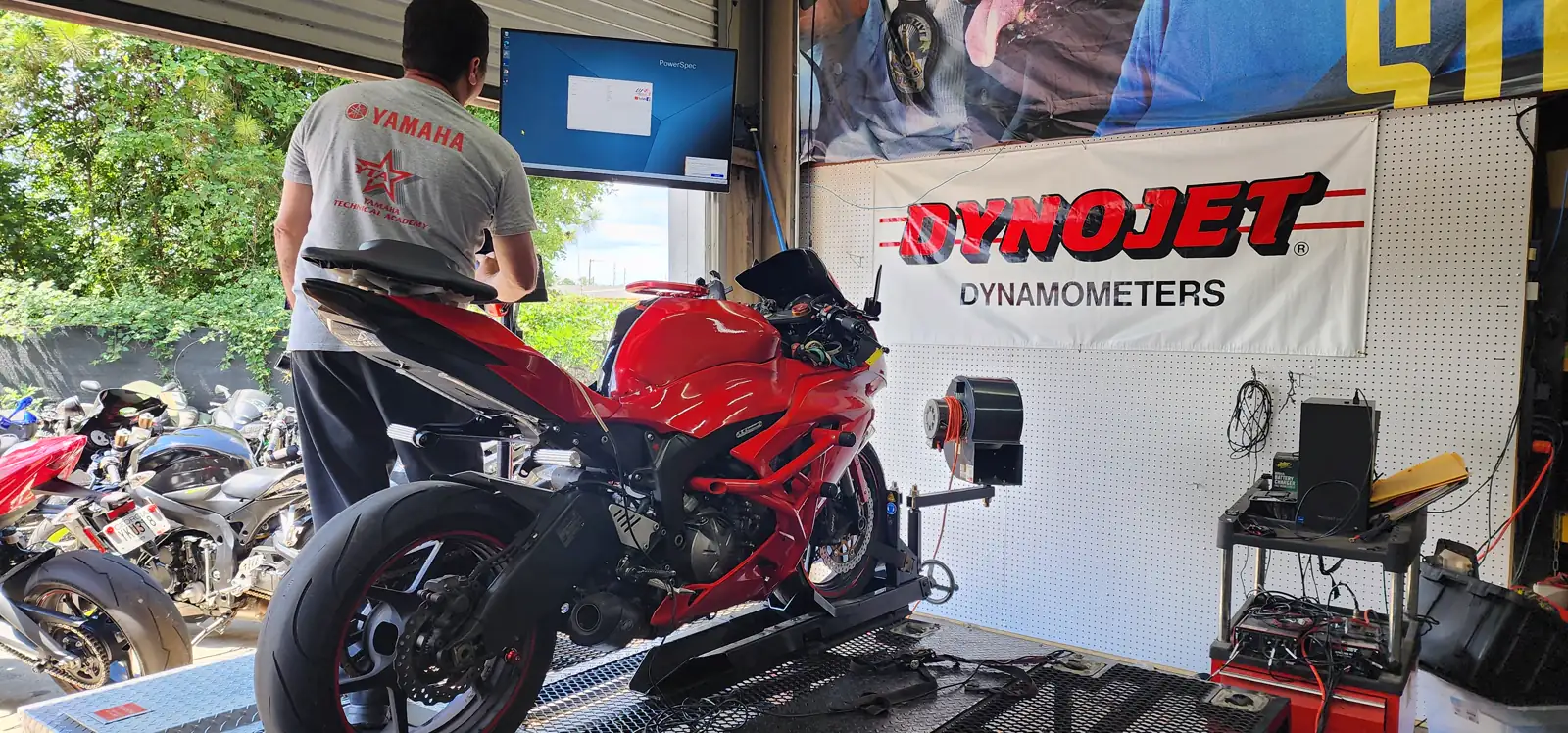
Strip away the drama and a dyno is a big, heavy roller that your rear tire spins. The machine knows exactly how hard that roller is to accelerate. So when your engine spins it up, the dyno can work backward and tell us how much force the engine made at every single point in the rev range — not just at the top, but down low where you actually live in traffic.
At the same time, a probe sits in your exhaust and reads what’s coming out the back. That reading tells us the air-fuel ratio, which is just the recipe your engine is running. Too little fuel for the air is lean. Too much is rich. Both are normal words for normal conditions, and both leave fingerprints you can feel from the saddle.
Lean and rich, in plain words
A lean engine is running on a thin recipe. It tends to run hot, pop and crackle on a closed throttle, surge at steady speed, and feel snatchy when you crack it back open. It also gets grumpy in July heat, which Marietta has plenty of. If your bike is doing that, we wrote a whole piece on what usually causes it.
A rich engine is the opposite. Extra fuel, soft response, a smell you notice at stoplights, plugs that darken early, sometimes worse mileage than you had a year ago. Neither state means your engine is failing. They mean the recipe drifted, and a recipe can be rewritten.
What a tune changes is that recipe, thousands of small entries deep, matched to your throttle position and your rpm. Riders describe the result in feel words rather than numbers: the bike stops hesitating, the on-off throttle transition gets smooth, heat drops, and the pull becomes one long line instead of a set of steps.
What actually happens in the bay
We keep the dyno in-house, which changes the pace of the whole job. Nothing ships out. Nothing waits on somebody else’s schedule. Here’s the shape of a normal session, and it’s worth knowing so you can compare it against any shop you’re considering.
- We talk first. What did you change, when did the feeling change, and where does it bother you — off idle, mid-corner, on the highway? Your description narrows the search more than any tool does.
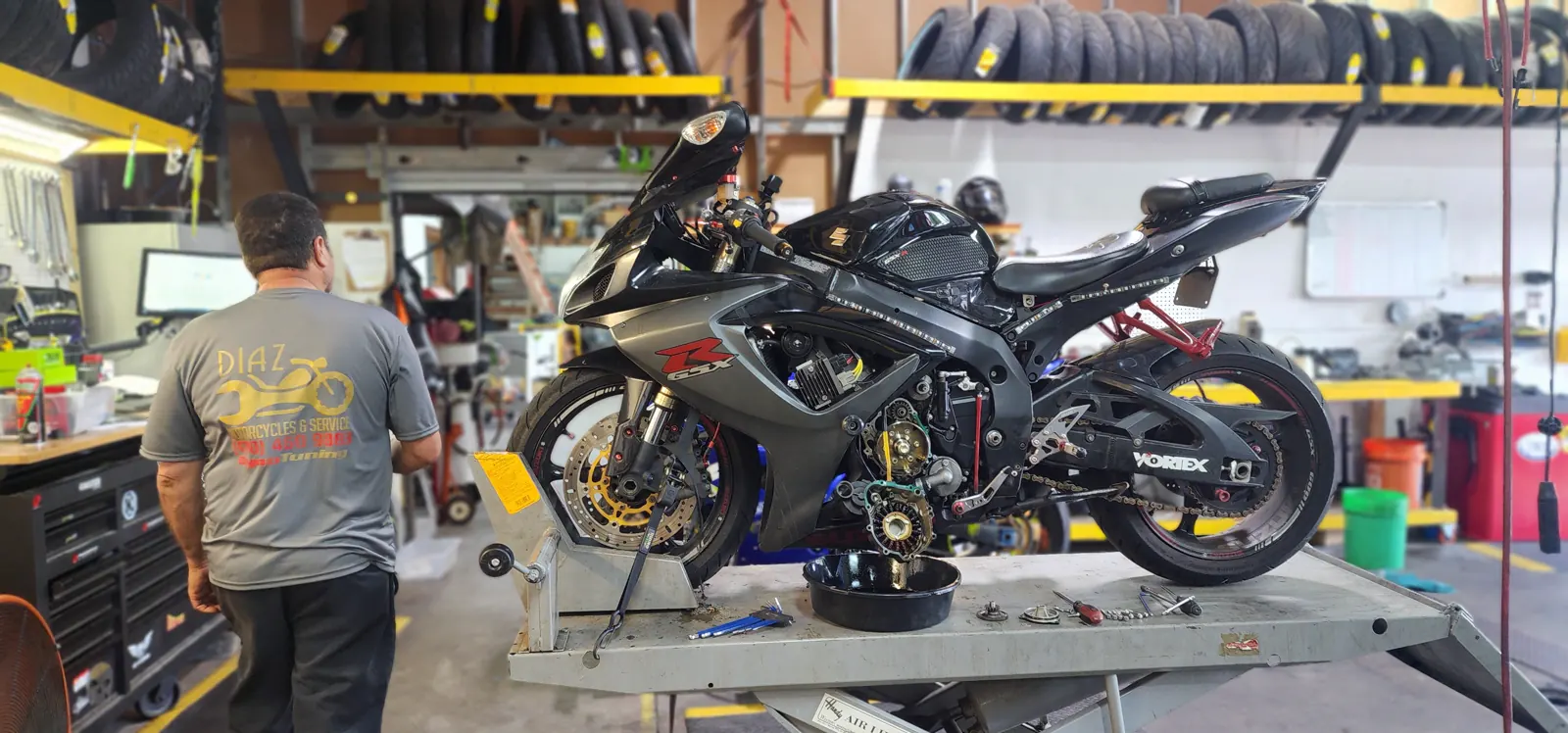
- We check the boring stuff. Air filter, plugs, valve clearance history, chain, sprockets, intake boots, exhaust leaks, battery health. A tune written on top of a vacuum leak is a tune written on sand.
- We strap the bike down and run baseline pulls. This is the honest before picture, air-fuel readings included.
- We read the map. Depending on the bike, that’s an ECU flash or a piggyback controller like a Power Commander, and we adjust fuel and timing where the data says to.
- We run it again. And again. Small change, measure, repeat, until the curve is smooth and the recipe holds steady across the range.
- We road-check it. A dyno is a controlled room. Roswell Road at 5 p.m. is not.
That last step matters more than people expect. Georgia doesn’t allow lane splitting, so your bike spends real time sitting still with the fan screaming while cars inch along. A map that looks perfect on the roller and cooks your right thigh in stop-and-go isn’t finished yet. If you want the longer version, here’s what happens in our bays.
Two bikes, same cough, completely different work
Here’s the part that surprises people, and it’s the best reason not to buy a tune off a shelf. Two bikes can walk in with the identical complaint and leave having had almost nothing in common done to them.
Picture a big V-twin bagger that lives out toward Burnt Hickory Hills and gets used for long, easy Saturday runs. It stumbles off idle. On the dyno the readings go thin right in the low-throttle range, because a free-flowing exhaust went on last spring and the fuel never got adjusted to match. It needs a recipe change down low and almost nothing up top.
Now picture an inline-four sportbike from a garage over in Barrett Greene with the exact same stumble. Its readings come back fine. The real problem is a cracked intake boot pulling unmetered air, so the computer is already fighting to keep up. Tuning that bike before fixing the crack would just bake the mistake into the map.
WHY THIS MATTERS
Same symptom, opposite cause. Any shop that quotes you a tune before it has seen your data is guessing — politely, maybe confidently, but guessing.
That’s also why we don’t sell tunes by the brand of the bike. We sell time on the machine and the judgment to read what it says. Friends we’ve helped tend to remember the diagnosis more than the pulls, because the diagnosis is where the money-saving decision lives.
How to judge a shop before you hand over keys
You have options around here, and that’s genuinely a good thing. Use it. Nobody should pick the best dyno tuning Marietta offers off a search result alone, so here’s the checklist we’d give a friend — and we’d be fine with you running it on us.
- Is the dyno actually on site? Ask to see it. A shop that sublets tuning adds a second schedule to your wait.
- Do they inspect before they tune? The answer should be yes without hesitation, and they should be willing to tell you your bike isn’t ready.
- Will they show you before-and-after data and explain it in words you understand? Charts you can’t read are just decoration.
- Do they tune the whole rev range, or only the top? Ask specifically about roll-on from low rpm.
- Can they handle both ECU flashing and piggyback controllers? A shop with only one tool will recommend that one tool.
- Do they road-test in real traffic afterward, not just around the block?
- Will they tell you plainly when a tune is the wrong call? That answer tells you the most.
Be fair to the dealers, too. If you want a new machine, the big stores do that well. Mountain Motorsports Marietta sits at 780 Cobb Pkwy S with Honda, Kawasaki, Suzuki, Yamaha, Sea-Doo, Can-Am and Polaris under one roof, and for buying a bike that selection is hard to beat. Just note they’re closed Sunday and Monday, like most shops on that stretch, which is a real planning detail when your bike quits on a weekend.
The Marietta part of this
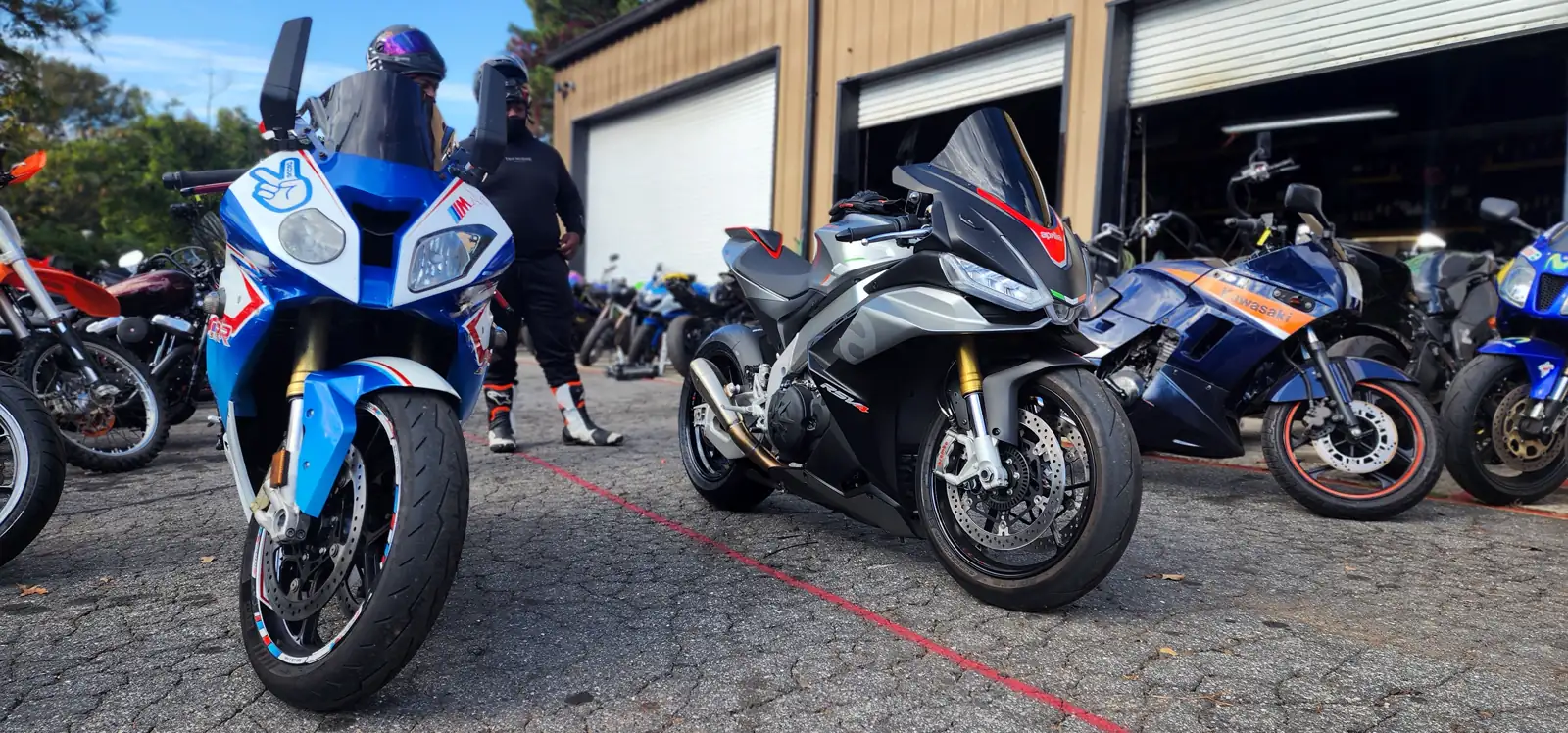
Marietta is the densest patch of motorcycle retail in metro Atlanta — five significant dealers spread across roughly four miles of Cobb Parkway, plus Hellbender Harley-Davidson over on South Cobb Drive. That density exists because the riders are here. This is where northwest metro Atlanta buys bikes, and the mix is wide: baggers, student sportbikes, European sport-touring and ADV rigs, and a real vintage Japanese restoration crowd.
What’s thin is full-capability independents. Plenty of places will sell you a bike or swap a tire. Fewer will put your bike on a roller, flash the ECU, and also paint the tank in-house when the project grows. That gap is the whole reason we built the shop the way we did.
Local roads shape the work, too. A bike that spends its week trundling down Whitlock Avenue (GA-120), past the Greek Revival porches and 1930s cottages of the Whitlock Avenue Historic District — 82 acres, 101 contributing buildings, on the National Register since 1989 — is asking for smooth low-rpm manners, not a race map. The same goes for the crawl around Life University on Barclay Circle when the holiday light display has traffic stacked up, or a game-night creep south toward Truist Park and The Battery Atlanta at the Cobb and I-285 interchange.
Then there’s the fun half. Dallas Highway, which is GA-120 heading west toward Paulding County, is the short weekend loop half this town rides. A good tune has to work in both worlds — patient at a stoplight, awake when the road opens up. That’s a balance you set by measuring, not by guessing. Riders a little east of us run into their own version of it, which we covered in what Sandy Springs riders run into.
We’re about three miles from the Square, eight to twelve minutes up Roswell Road. No point inside the city limits is much more than twenty minutes out. If you navigate the way locals do, we’re an easy hop from the Big Chicken.
One more thing, and it's the part riders thank us for later
A tune is a record. When we finish, you own a written description of how your engine behaved on a specific day, with your parts on it. That paperwork keeps paying off long after the session ends.
Two years later, when the bike starts feeling soft again, we don’t start from zero. We compare. If the curve has sagged in one spot, that’s a mechanical clue — a tired plug, a clogged filter, a valve that’s walked out of spec — and we go find it instead of blaming the map. Riders who sell their bikes love it, too. Handing a buyer real data beats saying it runs great.
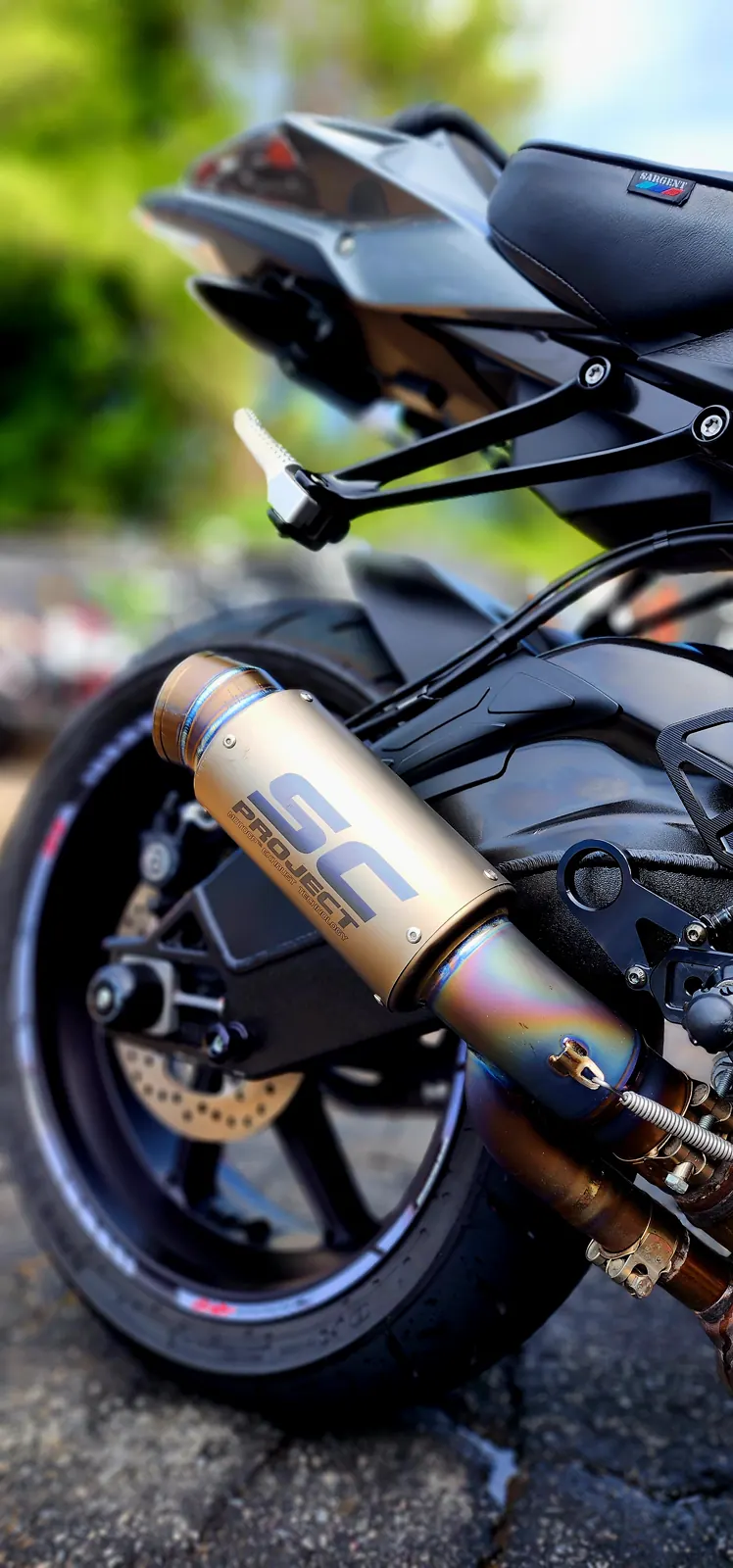
It also protects you from the upgrade trap. Bolt on parts, feel a difference, bolt on more, and eventually you’ve spent a season chasing a feeling. With data, each change either shows up or it doesn’t, and you stop buying things that don’t. For a broader look, here’s what the work covers.
What you get back
The best outcome of a proper tune isn’t a screenshot. It’s the ride you already imagined when you bought the bike. Throttle that answers the second you ask. No hunting at a steady sixty. Less heat on your legs in traffic. A bike that pulls like one continuous breath.
None of that requires you to become a technician. It just requires somebody nearby who measures before they touch anything, and who’ll tell you the truth when the answer is a cheap little part instead of a tune. If you’re newer to riding and want to get more out of that improved throttle response, an MSF Basic RiderCourse pairs well with a freshly sorted bike.
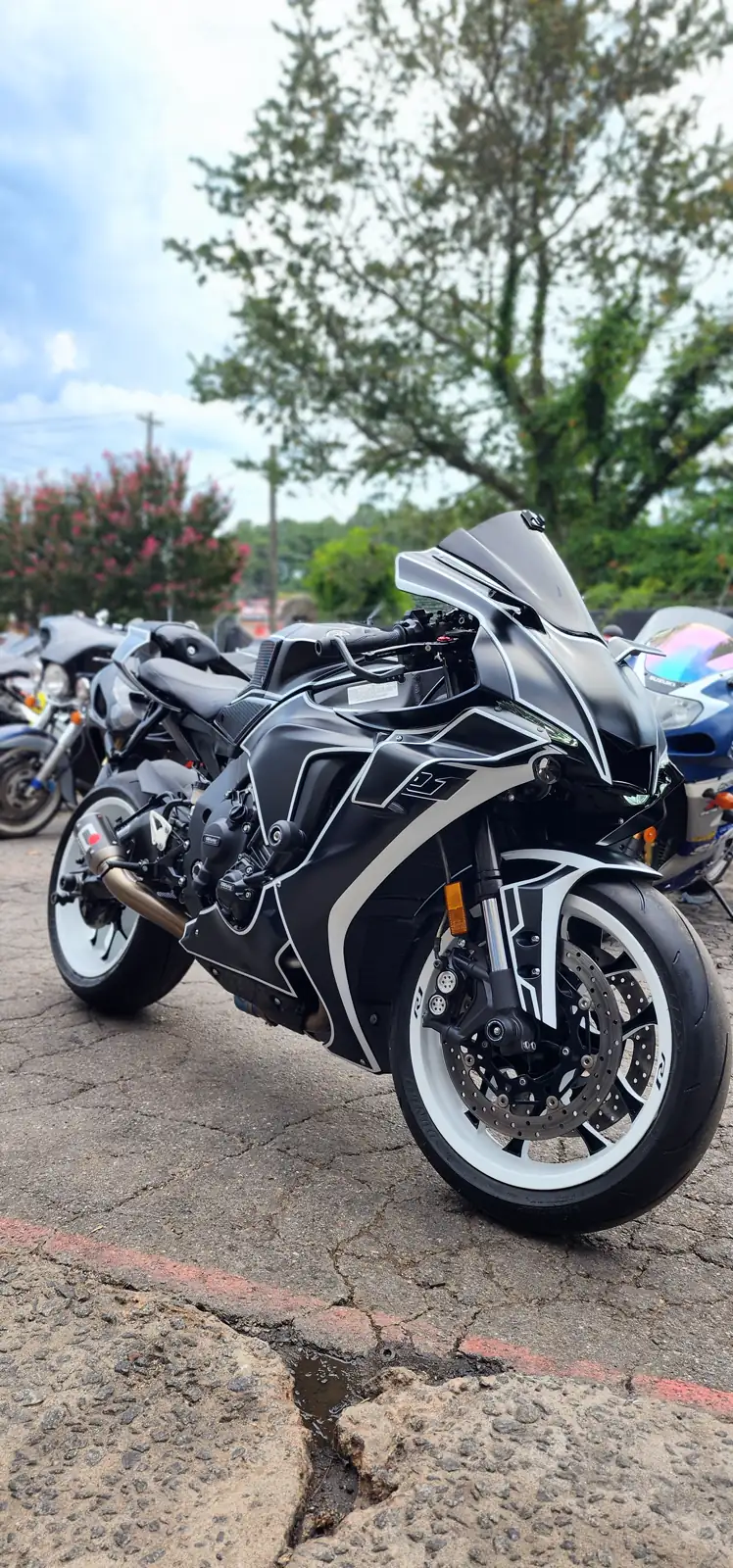
So back to that Saturday morning. The stumble, the flat pull, the wasted ten minutes in the driveway. You don’t have to accept it as the price of owning a modified bike. Ride it in, let the roller tell us the truth, and go get your day back.
Questions Marietta riders ask us
Do you tune all brands, or just the big four?
All makes. Japanese, American V-twins, European sport-touring and ADV bikes, and older project bikes all come through our bays. The tool changes — some bikes take an ECU flash, others get a piggyback controller like a Power Commander — but the method stays the same. We measure first, then adjust.
How far out do you serve?
Riders come to us from all over Cobb and the north side. East Cobb, Kennesaw, Smyrna, Acworth, Powder Springs, Mableton, Austell and Vinings are all short runs, and we regularly see bikes from Woodstock, Roswell, Sandy Springs and Dallas. If you’re inside the perimeter of that map, you’re close enough.
Can you pick my bike up if it isn't rideable?
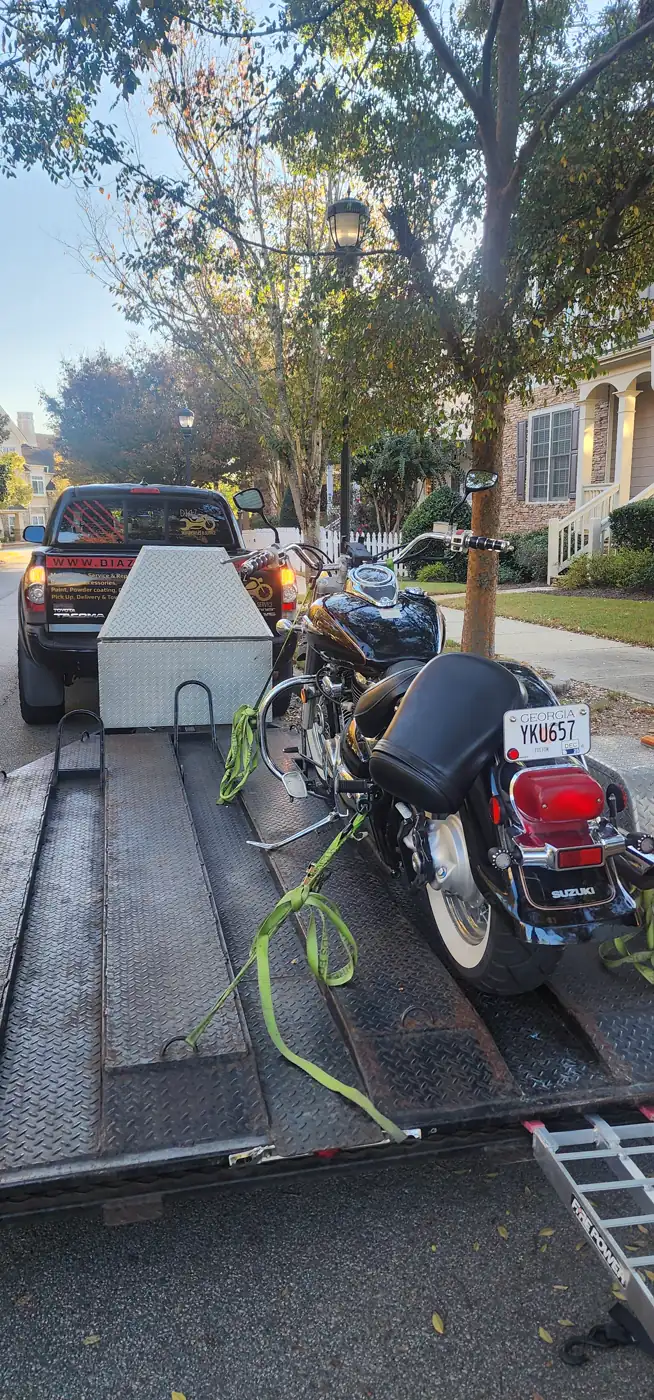
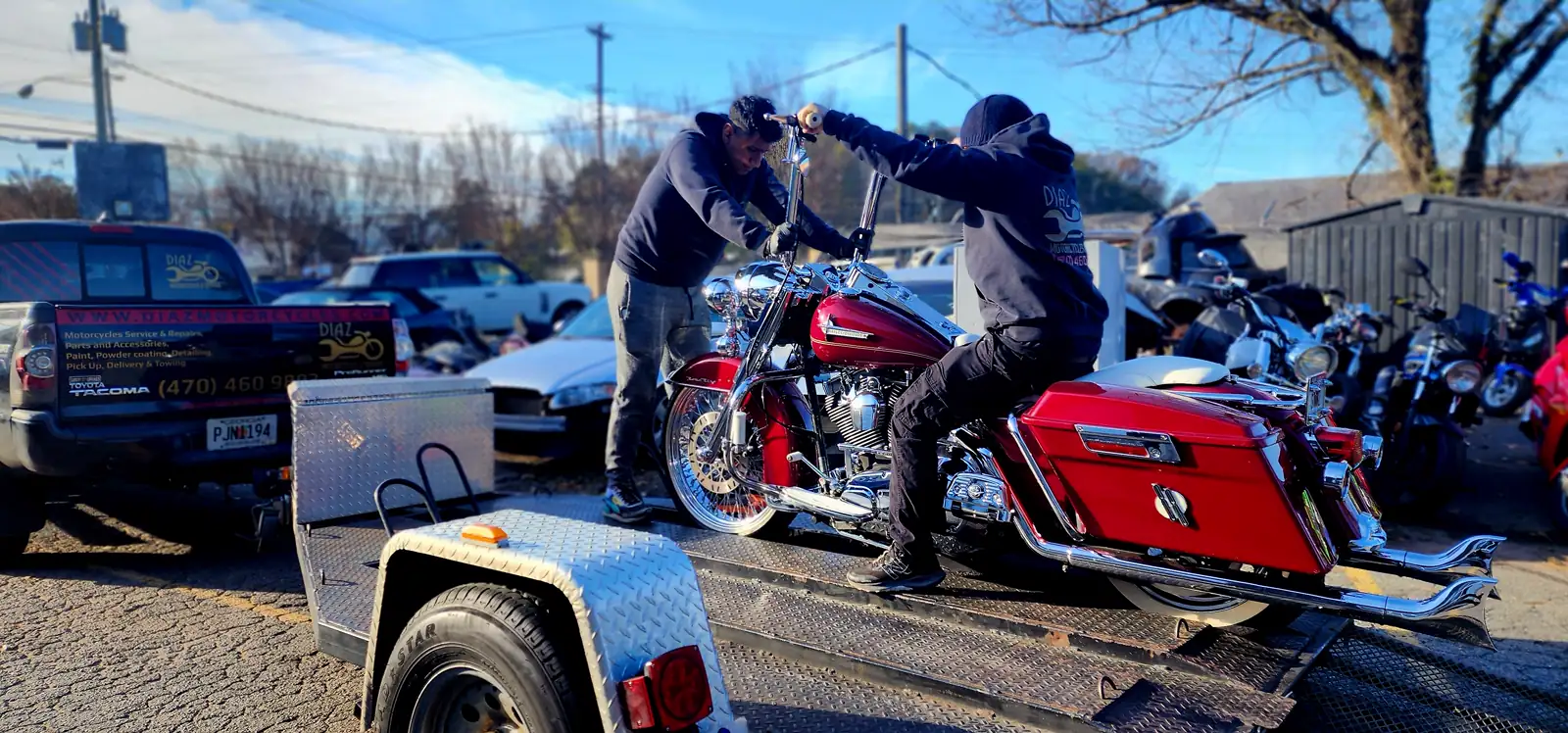
Yes. We handle transport in-house, so a bike that won’t start or isn’t safe to ride doesn’t have to be your problem to solve. Call us, tell us where it’s parked, and we’ll sort out the pickup. That covers apartment lots and garages just as easily as a driveway.
How do I know the diagnosis is right?
Because we show you the data behind it. You get the before-and-after readings and a plain-English explanation of what changed and why. If a run says the real fault is mechanical — a leaking intake boot, a tired filter, a valve out of spec — we tell you that instead of tuning around it.
What makes your shop different from the dealers nearby?
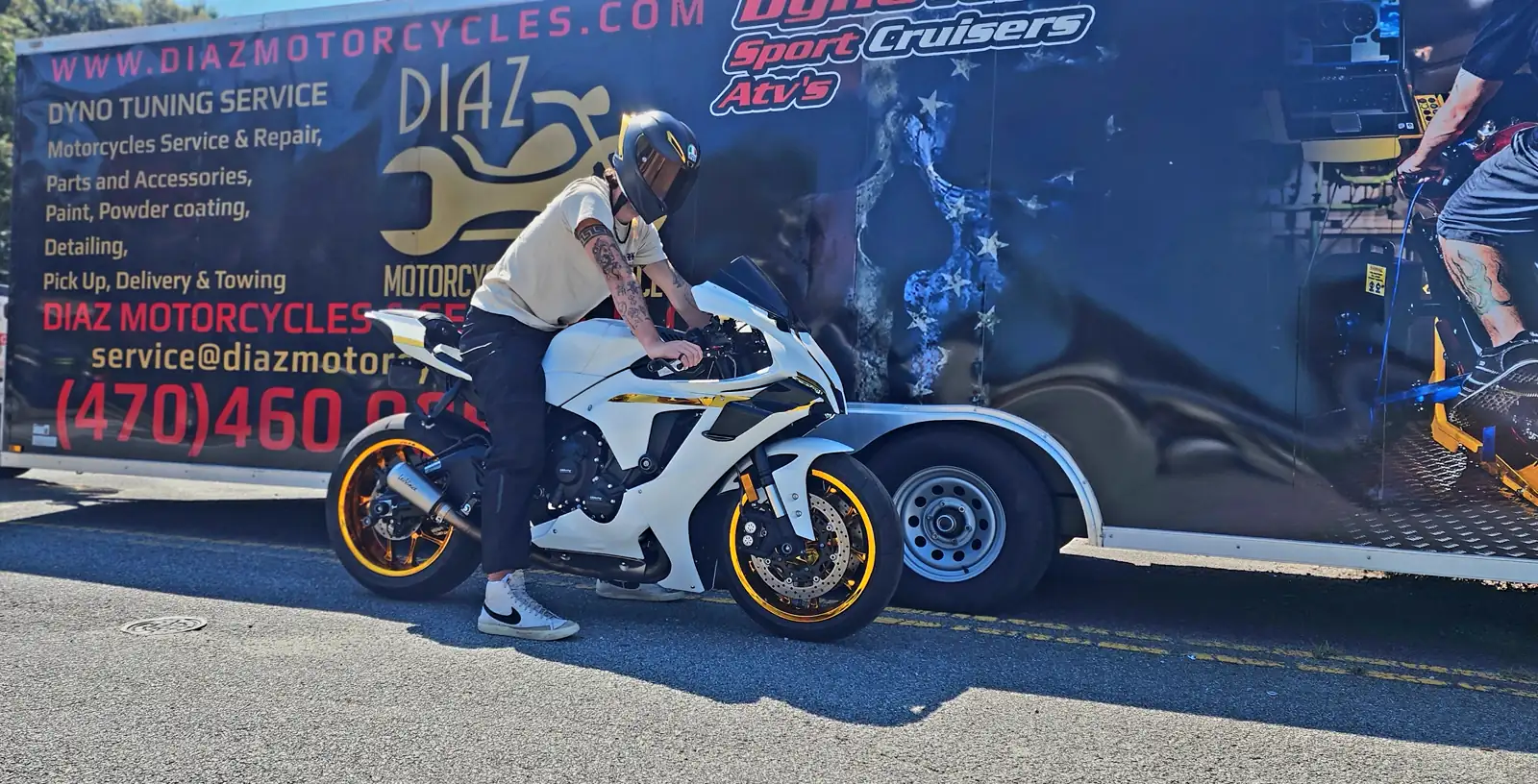
Mostly it’s what’s under one roof. All-makes service, an in-house dyno, ECU flashing, our own paint booth, restoration work and transport all live in the same building. That means no shipping your tank out and no waiting on a third-party vendor’s calendar. It also means we’re open on days most of Cobb Parkway isn’t.
Does my bike need a tune after just an exhaust?
Sometimes yes, sometimes no, and we’d rather look than assume. A slip-on alone may barely move the needle on one bike and push another noticeably lean. A baseline run answers it in about the time it takes to drink a coffee, and if you don’t need the work, we’ll say so.
We tune and service bikes for riders all across Cobb County and the north side of metro Atlanta. That includes East Cobb, Kennesaw, Smyrna, Acworth, Powder Springs, Mableton, Austell and Vinings, and we see plenty of bikes roll in from Woodstock, Roswell, Sandy Springs and Dallas as well. Marietta itself is our home base, and from the Square it’s a short run up Roswell Road to our door. If your bike isn’t rideable, we’ll come get it wherever it’s parked.
LET'S GET YOUR BIKE RUNNING RIGHT
If your bike hunts at idle, runs hot in traffic, or feels flat where it used to pull, bring it to us here in Marietta. We’ll strap it down, read what it’s actually doing, and tell you straight whether it needs a tune or a repair. Call or text us and we’ll get you on the schedule — and if it won’t start, we’ll come pick it up.
470-460-9883Diaz Motorcycles and Service, LLC · 847 Barnes Mill Road, Marietta, GA 30062