How to Find the Best Dyno Tuning Smyrna Riders Can Trust
A plain-English guide to what a dyno really does, and how to tell a real tuner from a shop that just owns one.
In fact, you’re rolling up Atlanta Road toward Vinings under that tunnel of old trees, and you roll on the throttle coming out of a bend. The bike hesitates. Just a beat. Then it catches and pulls like nothing happened. A mile later it does the little stumble again, right off idle at a light, like the engine lost its train of thought. Nothing is broken. Nothing is leaking. Something is just off. That, more often than not, is the moment a rider starts hunting for the best dyno tuning Smyrna has within reach.
Maybe yours shows up differently. For example, some bikes get hot and grumpy in traffic. Even so, some pop and crackle on decel loud enough to turn heads outside the shops at Market Village. After that, some just feel lazy in the middle of the rev range, where you actually live day to day. Riders describe it a dozen ways, and almost all of them end with the same sentence: it didn’t used to do that.
That Little Stumble Has a Reason
Here’s the good news up front. A hesitation like that is rarely a dying engine. It’s usually a fueling problem, and fueling problems are fixable. Your bike’s computer is following a fuel map, which is basically a big lookup table. For every throttle position and every engine speed, the map says how much fuel to squirt in and when to fire the spark. The factory wrote that table years ago, for a stock bike, in a lab, for a whole country’s worth of conditions.
Your bike isn’t that bike anymore. Maybe you added a slip-on. Meanwhile, Maybe you swapped the air filter, or the whole intake. Maybe you never touched a thing, but you ride short hops in Georgia summer heat and the bike has forty thousand miles of honest wear on it. Every one of those changes moves how much air the engine actually swallows. The map didn’t move with it. So the computer keeps pouring in the amount of fuel it was told to pour, and the amount it was told is no longer the right amount.
Lean and Rich, in Words That Actually Mean Something
Two words get thrown around constantly, so let’s kill the mystery. An engine burns air and fuel together in a ratio. Too much air for the fuel and it’s running lean. Too much fuel for the air and it’s running rich. Neither one is a moral failing. Both are just numbers that drifted away from where they should be.
Lean bikes run hot, feel snatchy at small throttle openings, and can surge at steady cruise. Rich bikes feel dull and heavy, foul plugs, stink at idle, and drink more fuel than they should. A lot of bikes are both, in different places on the map, which is why the symptoms seem to contradict each other. Your bike isn’t confused, and neither are you. It’s just a table with some bad rows in it.
THE SHORT VERSION
Lean means not enough fuel for the air coming in. Rich means too much. A tune rewrites the numbers so the mix is right everywhere you actually ride, not just in one spot.
So What Does a Dyno Actually Measure?
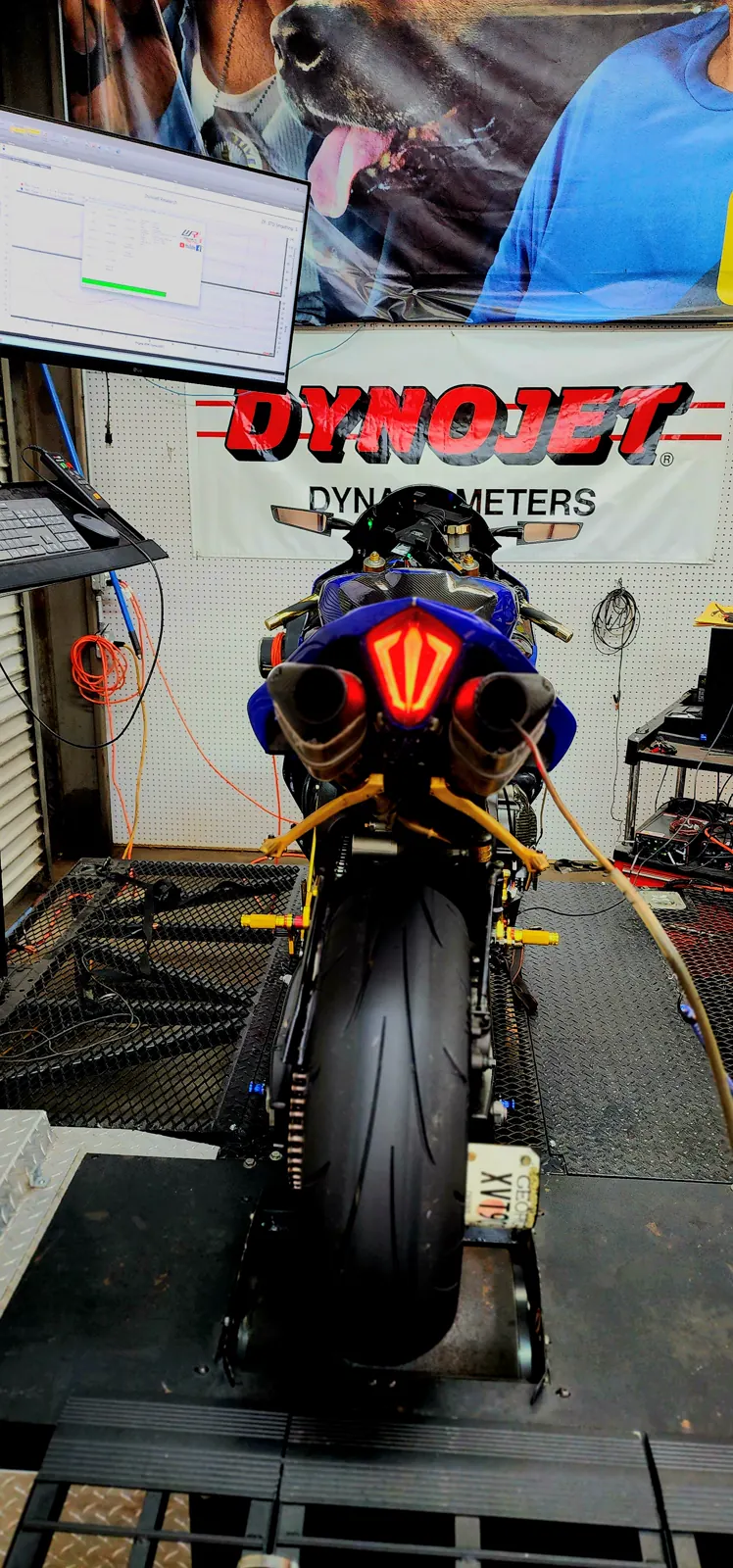
Think of a dyno as a treadmill for your motorcycle. The rear wheel sits on a big steel drum, the bike gets strapped down tight, and we run it under load exactly like it’s climbing a hill in fourth gear. That said, the drum resists. The bike pushes. From how fast the drum speeds up against that known resistance, the machine works out the torque the engine is making, and horsepower falls out of the math from there.
That’s only half of it, though. A probe goes in the exhaust to sniff the leftover oxygen, which tells us the real air-fuel ratio at every single point in the run. That’s the part riders don’t expect. The power graph is the headline, but the fueling data is the story. Without it you’re guessing. With it you can see the exact spot where the bike goes lean, match it to the exact spot where you felt the stumble, and fix that spot. It’s the same principle behind everything we cover on the tuning side of the shop.
How We Figure Out What Your Bike Wants
A tune starts with a conversation, not a wrench. We ask how you ride, where you ride, and what bugs you. A commuter crawling toward Cumberland at eight in the morning needs different manners than a weekend bike that lives above six thousand rpm. Then we go over the mechanical basics first: plugs, filter, valve clearances if they’re due, throttle bodies, any leak in the intake or exhaust. Tuning a bike with a hidden air leak is like tailoring a suit while the guy is holding his breath.
The internet will tell you one thing. The bikes tell us another. Forums are full of somebody’s downloadable map for your exact model, and folks swear by them. Sometimes they’re a decent starting point. But that file came off a bike with a different exhaust, a different filter, a different altitude, and a different amount of wear, tuned on a day with different air. Copy it over and you’ve traded the factory’s guess for a stranger’s guess. Neither guess knows your engine.
What we do instead is measure your bike, change the map, and measure again, over and over, until the numbers line up across the whole range. On a fuel-injected bike that usually means flashing the ECU directly. On bikes where the ECU is locked down, a Power Commander or similar piggyback module does the job by adjusting the signal on its way to the injectors. Both roads get you to the same place. If you want the deeper dive, we wrote the full rundown on it.
What a Tune Changes in How the Bike Feels
Riders come in expecting a bigger number and leave talking about something else entirely. The power is nice. The manners are what they notice on Monday. Throttle response gets crisp instead of vague. The bike pulls smooth through the midrange instead of falling in a hole. Heat drops. Fuel economy often improves, because a properly fueled engine wastes less of what you paid for.
- Clean pickup off idle, so pulling away from a light stops being a small gamble
- Even pull through the middle of the rev range, where street riding actually happens
- Less engine heat cooking your right leg in stop-and-go traffic
- Steady cruise without that low-speed surge or hunting feel
- Decel popping calmed down to something your neighbors can live with
How to Judge a Shop Before You Hand Over the Keys
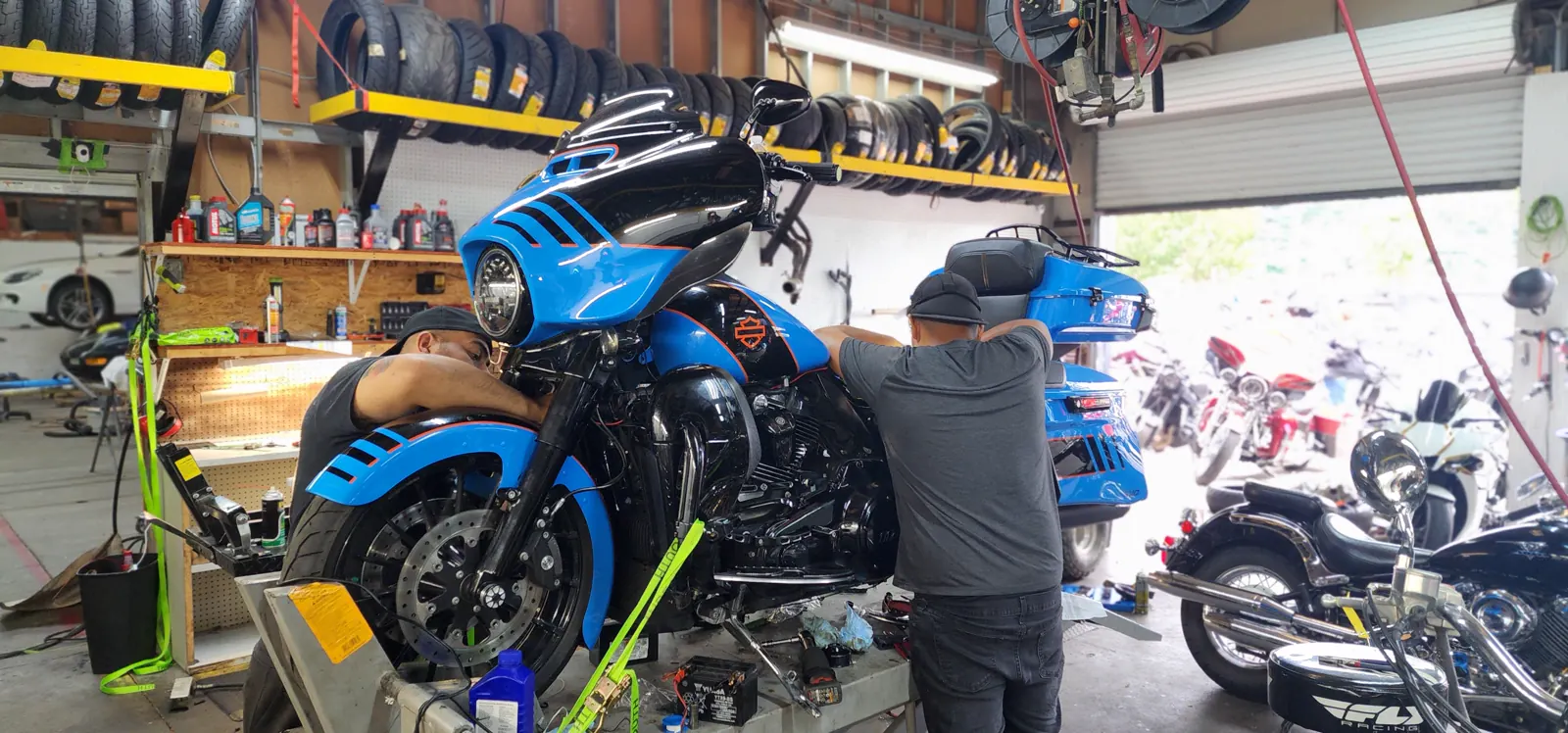
Plenty of places own a dyno. Owning one and being a tuner are two different jobs, the same way owning a camera and being a photographer are two different jobs. So when you go looking for the best dyno tuning Smyrna riders recommend, judge the tuner, not the equipment. Here’s what we’d look for if we were the customer instead of the shop.
- Ask whether they do the mapping in-house or send the file out. In-house means they can change a number and re-run it in minutes instead of days.
- Ask if they’ll show you the before-and-after graphs and walk you through them. A good tuner enjoys that conversation.
- Ask what they check before the bike goes on the drum. If nobody mentions plugs, filters, or air leaks, keep asking questions.
- Ask how they handle your specific setup. Locked ECU, piggyback module, factory-restricted market model, they should have a straight answer.
- Ask what happens if you change the exhaust later. Revisits should be a normal part of the relationship, not a fight.
- Ask how they communicate. If you can text a question and get a real answer, that tells you plenty about the rest of the shop.
And be fair to the dealers while you’re shopping. There are genuinely good ones on this side of town. Wooly’s Cycles of Atlanta over on Cobb Parkway is Georgia’s number one volume BMW and KTM Group dealer, and they also carry CFMOTO, which is exactly what you want if that’s the badge on your tank. Franchise shops know their own brand deeply, and that’s real value. The gap shows up when your garage holds a Triumph, a BMW, and a scooter, because no single franchise covers that whole spread. That’s the lane we live in: all makes, all in one place, mapping done here on our own floor.
The Smyrna Part of This
Smyrna is the most urban, most commuter-heavy rider market we serve, and that shapes what a good tune looks like here. There’s no full-service motorcycle shop inside city limits, so riders either run the Cobb Parkway SE strip, which doubles as a heavy-truck arterial and rides about how that sounds, or they call a mobile mechanic. From Market Village to our door is roughly eleven miles, a little over twenty minutes on South Cobb Drive or Atlanta Road north and then Roswell Road east. Riders around King Springs and out along the Sherwood Road area make that run all the time.
The riding here is its own thing, too. Georgia doesn’t allow lane splitting, so your bike sits in the same baking traffic as every car near Cumberland Mall, and Truist Park and The Battery Atlanta turn a normal evening into a parking lot once Braves season is underway. A bike that runs hot and stumbles at low throttle is miserable in that. A bike that’s fueled right is calm in it. Add the short-hop problem, where a fifteen-minute commute never fully heats the engine, and clean fueling stops being a performance luxury and starts being daily comfort.
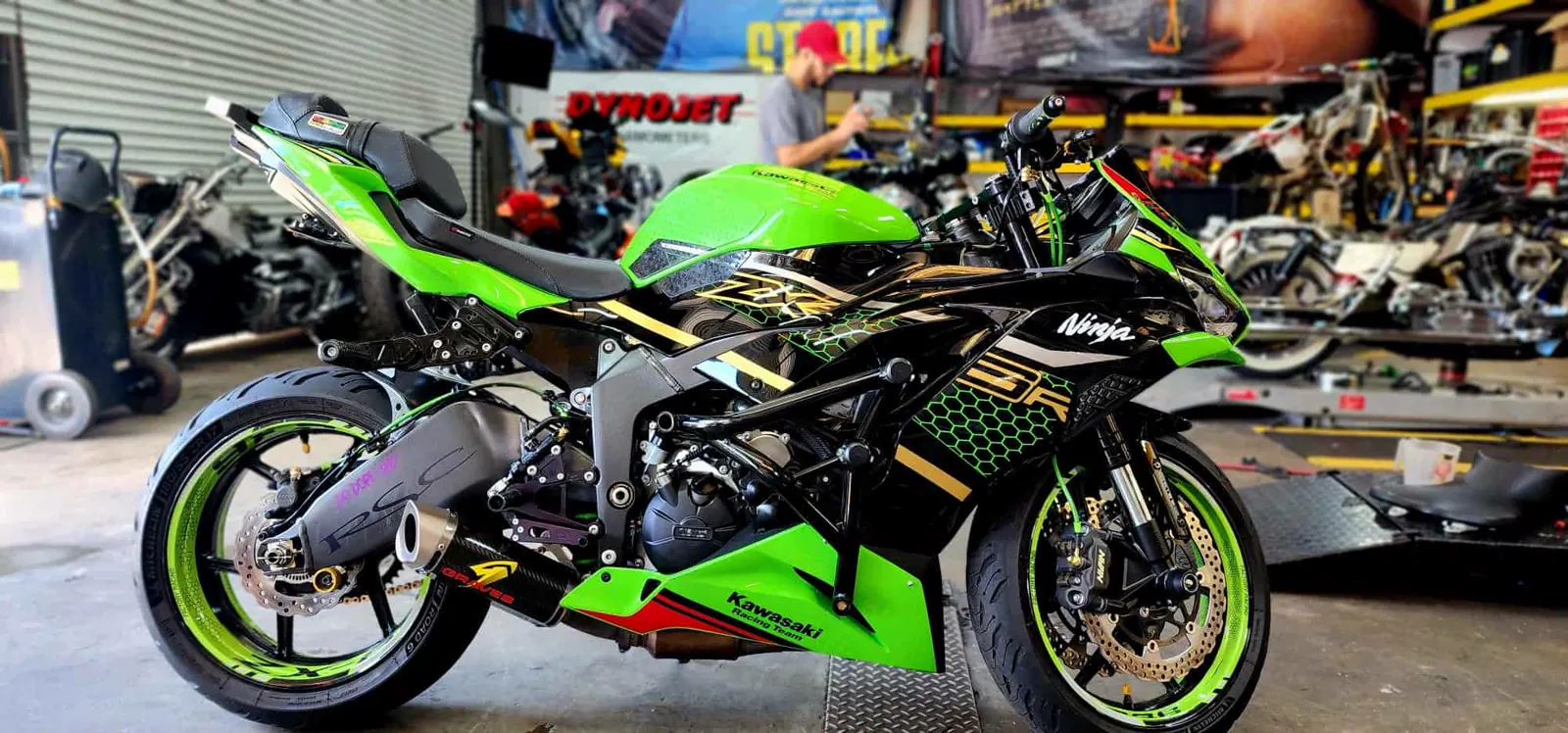
A quick story, because it makes this concrete. A friend we helped commutes from Smyrna into the office and rides a modern naked bike with a slip-on the previous owner had installed. He wasn’t chasing power at all. He came in because the bike surged at a steady thirty-five and got hot enough in traffic that he’d started taking the car on bad days. On the dyno the graph showed it plainly: lean in a narrow band right where city speeds live, and rich higher up where he almost never rode. The previous owner had put the pipe on and stopped there.
We flashed the ECU, ran it again, adjusted, ran it again. Took an afternoon. He texted a few days later to say the surge was gone and the bike stopped roasting him at lights. He never once asked what the peak number came out to. That’s the pattern with commuters here, and honestly it’s our favorite kind of job, because the fix is so easy to feel.
What You Actually Get Back
You get a bike that does what your right hand asks, the first time, every time. That’s it. That’s the whole promise. It also happens to be a safety thing, since predictable throttle response matters most in the exact traffic situations where NHTSA crash data shows riders get into trouble. We’ve done this same work for riders over in Woodstock, and the reaction is always the same relieved laugh on the first ride home.
If you’re still deciding, don’t overthink it. Ride the bike, notice where it misbehaves, and write those spots down. Bring that list. A tuner who asks good questions about your list is the one you want. Curious about the process step by step? Here’s what that service actually involves from drop-off to pickup.
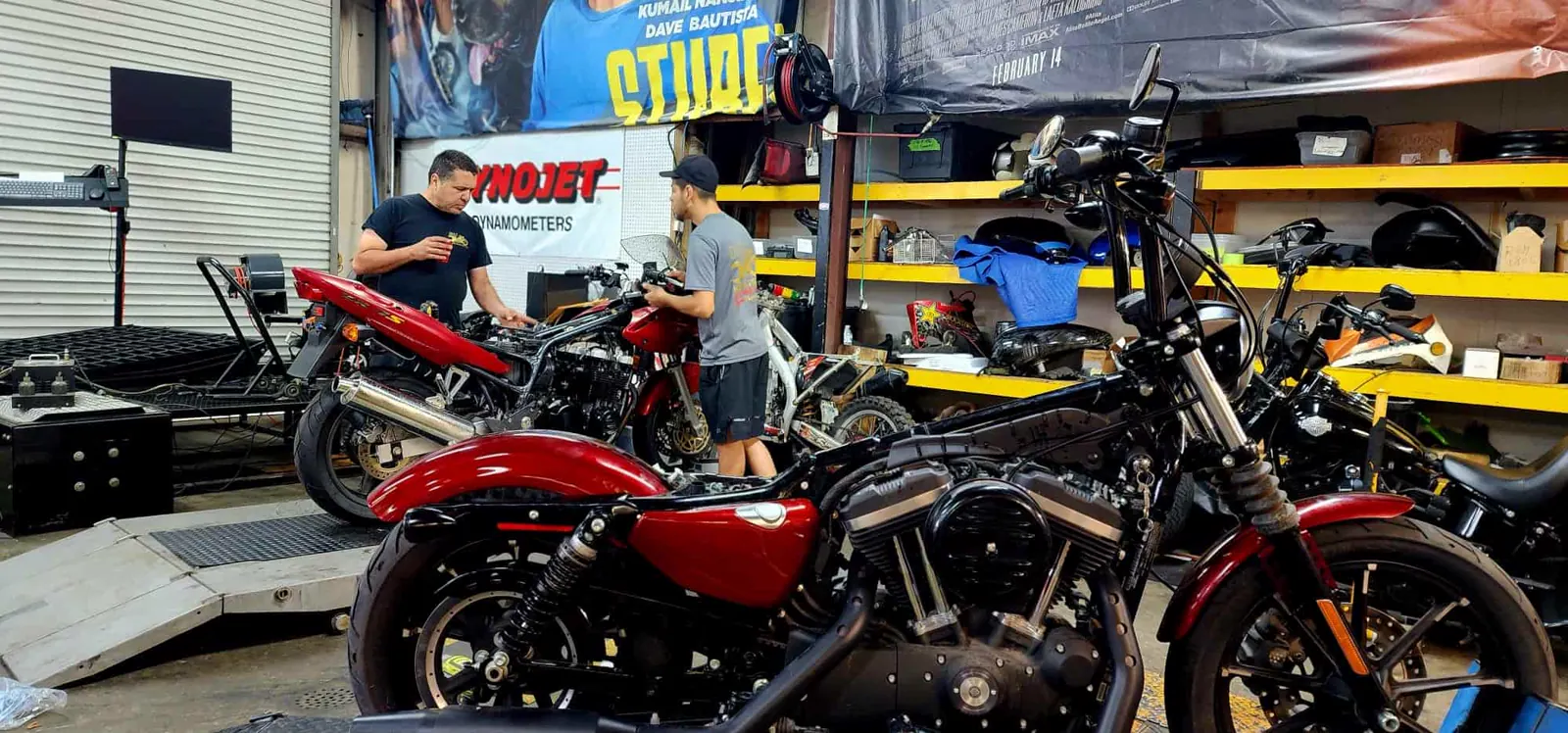
A dyno doesn't make your bike faster. It makes your bike honest, and then we fix what it admits.
So if that hesitation has been nagging at you, relax. It’s not a mystery and it’s not the end of your engine. It’s a table full of numbers that stopped matching your motorcycle, and numbers can be rewritten. New riders sorting out throttle control alongside all this often pair a tune with an MSF Basic RiderCourse, and the two together make a bike feel like it finally belongs to you.
Questions Smyrna riders ask us
How do I pick a good tuning shop?
Look for a shop that maps in-house instead of sending your file somewhere else. Ask to see the before-and-after graphs and have them explained in plain words. A shop that checks plugs, filters, and air leaks before the bike goes on the drum is telling you they care about the whole engine, not just the number.
Should I go to a dealer or an independent shop?
Both can be great, and it depends on your garage. A franchise dealer knows its own brand inside and out, which is ideal if you ride that brand exclusively. An all-makes independent makes more sense when you own bikes from different manufacturers or ride something the local dealers don’t carry.
What should I ask before I book?
Ask whether the tune is done by ECU flash or a piggyback module, and why they chose that for your bike. Ask how many dyno pulls they typically make and what they do between them. Then ask what happens if you change your exhaust or intake later, since a good shop treats revisits as normal.
Do you work on all brands?
Yes. Japanese, European, American, sportbikes, baggers, naked bikes, ADV machines, and scooters all come through our bays. That matters in Smyrna, where one household often has a modern classic, a premium European bike, and a scooter parked together.
How far do you travel for Smyrna riders?
We’re about eleven miles from Market Village, generally twenty to thirty minutes depending on traffic. Plenty of riders make the ride up themselves, and we also help riders who’d rather not fight the Cobb Parkway strip. Text us and we’ll sort out the easiest option for you.
Will a tune hurt my engine or my warranty?
A proper tune usually makes an engine happier, since correcting a lean condition lowers combustion temperatures. Warranty terms vary by manufacturer and by what’s being changed, so we’ll talk that through honestly before we touch anything. If a tune isn’t the right call for your situation, we’ll tell you that too.
We take care of riders across Smyrna and all around this side of metro Atlanta. That includes Marietta, Vinings, Mableton, and Austell just down the road, plus Atlanta, Sandy Springs, and Buckhead for riders coming in from the city side. East Cobb, Fair Oaks, and Kennesaw riders make the trip regularly, and we see plenty of bikes from Powder Springs and Douglasville too. If you’re somewhere nearby and not on that list, ask anyway, because odds are good we already have a customer on your street.
LET'S SORT OUT THAT STUMBLE
If your bike hesitates, runs hot, or just feels lazy where you ride most, we can put it on the dyno and show you exactly what’s happening. Text us from Smyrna with your year, make, model, and what the bike is doing, and we’ll tell you straight whether a tune is the right fix. No pressure, no jargon, and a bike that finally answers the throttle.
470-460-9883Diaz Motorcycles and Service, LLC · 847 Barnes Mill Road, Marietta, GA 30062