Ceramic Coating vs Wax Roswell — How to Choose
A straight, no-hype answer on which one actually protects your bike's finish — and who each one is really for.
Most riders picture ceramic coating as a force field. Spray it on once, the thinking goes, and the paint is bulletproof forever. That belief costs people money and peace of mind, because it simply isn’t true. A good coating protects your finish and makes cleanup easier, but it is not scratch-proof, and it does not make old-fashioned wax useless. That’s the real tension behind ceramic coating vs wax Roswell riders keep bringing to our bench, and the honest answer is more useful than either extreme.
You’ve probably heard both camps shout past each other. One side says wax is dead and ceramic is the only smart choice. The other says ceramic is overpriced hype and a tin of wax has worked fine since your granddad’s day. Both are half right, which is the most annoying kind of right. So let’s clear the fog, lay out what each one truly does, and hand you a straight recommendation you can actually act on.
Wax and ceramic: what each one really does
Start with the job itself. Both wax and ceramic coating are sacrificial layers. They sit on top of your paint and clear coat and soak up the abuse so your finish doesn’t have to. The difference is what they’re made of and how long they hang around. Once you get that straight, the whole debate gets a lot calmer, and the choice stops feeling like a gamble.
What wax actually does
Wax is the classic move. It’s usually a blend of natural carnauba or synthetic polymers, and it lays down a soft, warm shine. On a black tank, good wax gives you that deep, wet look that makes you stop in the garage and just stare for a second. It’s affordable, it’s forgiving, and just about anybody can apply it at home on a weekend. The catch is that it’s soft and temporary. Heat, rain, and a few good washes wear it right off, so you’re back at it every month or two to keep the protection real.
What ceramic coating actually does
Ceramic coating is a liquid polymer that bonds to the clear coat and cures into a hard, glassy layer. That layer is slick. Water beads up and rolls off, bugs and road grime struggle to grab hold, and washing gets faster because less junk sticks in the first place. The gloss has a sharper, glassier depth than wax, and it lasts years rather than weeks, depending on how the bike is stored and cared for. It costs more up front and it demands proper prep, but what you’re really buying is time and easier cleaning, not a miracle.
And Georgia gives your paint a hard time no matter which layer is on top. Summer heat bakes wax off faster. Humidity keeps moisture sitting on chrome long after a rain. Spring pollen coats everything a chalky yellow, and our hard water leaves spotty rings when droplets dry in the sun. Both wax and coating fight all of this, yet a coating fights it longer and lets those spots rinse away instead of etching in. In a climate like ours, that’s a real, everyday edge.
THE PART EVERYONE MISSES
Neither wax nor ceramic coating is scratch-proof. Both add gloss and protection, but a coating is a shield against grime and water spots, not a wall against gravel, keys, or a dropped glove. Anyone telling you a coating makes your paint invincible is selling, not explaining.
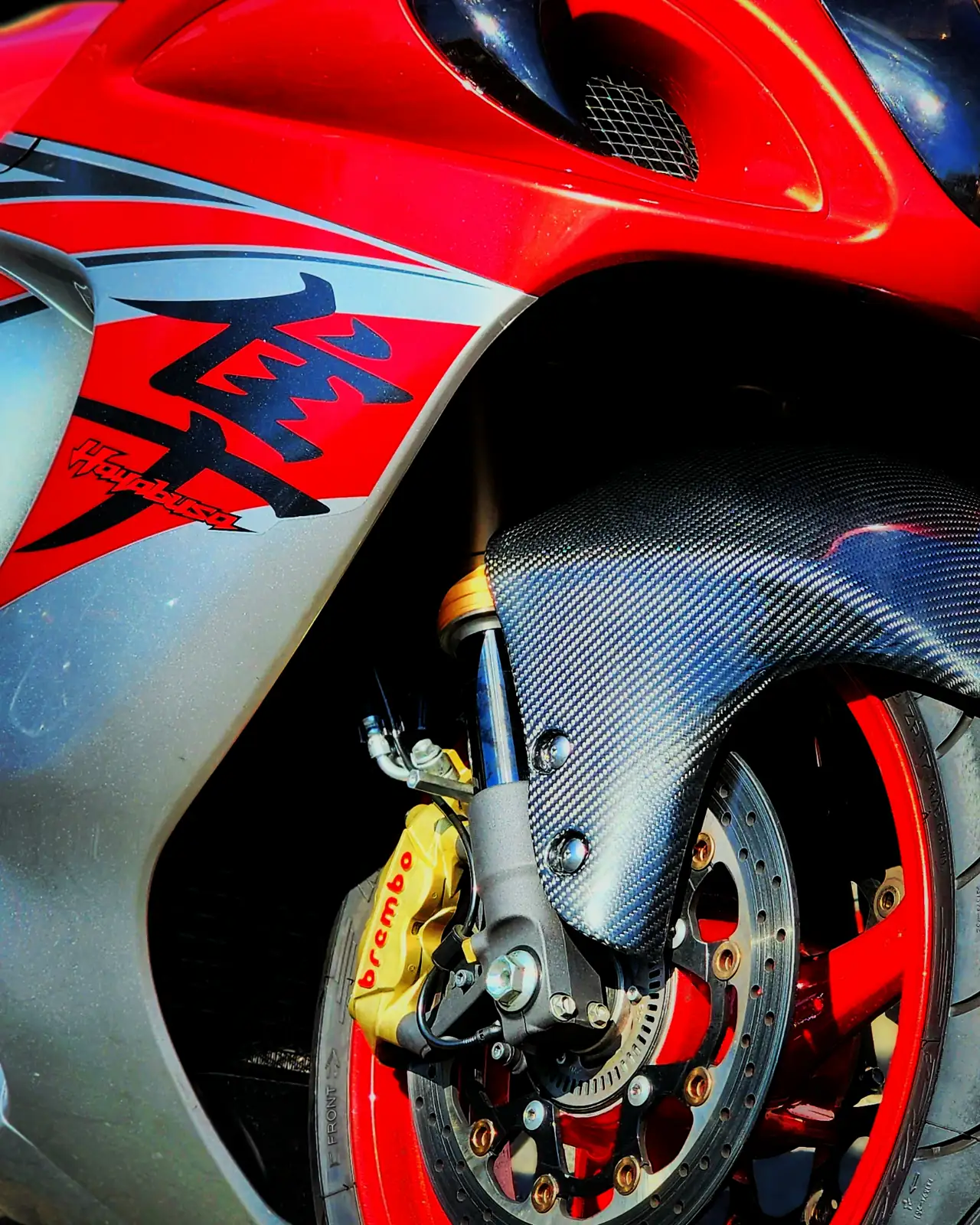
Here’s where the force-field myth does real damage. Because riders assume a coating makes the bike untouchable, they stop paying attention to the metal underneath. Then the chrome starts to cloud and pit, and they’re genuinely shocked. A coating slows that down by keeping moisture off, but it can’t reverse damage that’s already there, and it won’t fix bare metal that’s already breathing. If your chrome is going dull already, it pays to understand what usually causes it before you spend a dime on any coating, because prep always has to come first.
How each one actually goes on
Application is where the two really split, and it decides your result far more than the name on the bottle. Wax is short and simple. Ceramic is longer and fussier, mostly because of prep. Skip the prep and you’ll lock flaws under a hard layer for years, which is the exact opposite of what you paid for. Think of it like painting a wall. You wouldn’t roll fresh paint over dust and cracks and expect it to look good, and paint on a bike works the same way. The surface underneath decides everything about how the finish reads in the light.
- Wash and decontaminate the whole bike, then clay off the bonded grime the wash leaves behind.
- Correct the paint if it needs it, machine-polishing out swirls and light scratches so you’re not sealing them in.
- Wipe the surface down until it’s clean and oil-free, giving the top layer something honest to grab.
- Apply wax by hand and buff it off, or lay ceramic coating on panel by panel and let it flash and cure.
- Let a coating cure fully before the bike sees rain, since fresh coating needs time to harden.
See the difference? Wax is basically the last two steps. Ceramic coating demands the full sequence, because you’re bonding a hard layer that’ll be there a long time. That’s also why a bad ceramic job is worse than no ceramic at all. This is the point where a lot of riders make the wrong call. They chase the longest-lasting option, hand it to whoever’s cheapest, and end up paying to trap swirl marks and haze in their paint under glass.
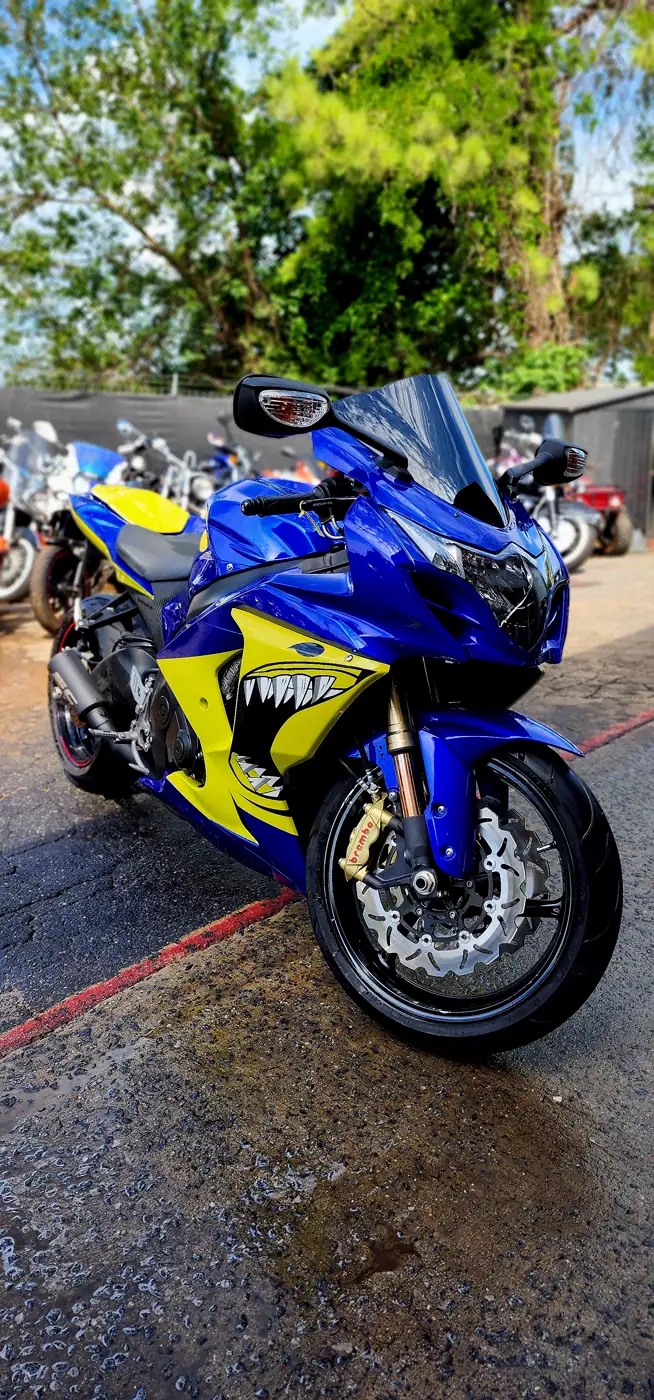
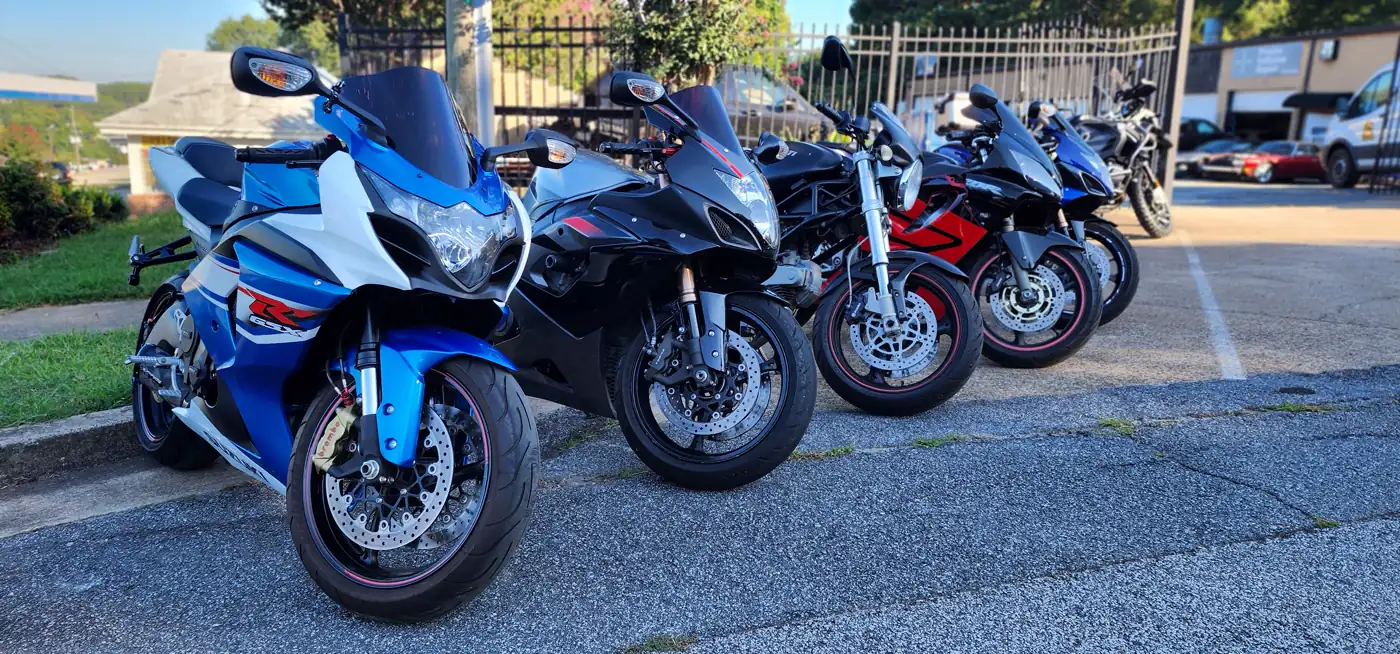
How to tell a good detail shop from a fast one
So the shop matters more than the coating brand. A great detailer is really a prep obsessive who happens to finish with a shiny layer. Here’s what to look for, plus what should make you pause. You don’t need to be an expert to spot the tells.
- They inspect the bike in good light and tell you honestly whether it needs paint correction first.
- After that, they talk about washing, claying, and polishing before they ever bring up the coating brand.
- They set real expectations, calling a coating protection and easier cleaning, never scratch-proof.
- They walk you through aftercare, because a coating still needs the right wash routine to last.
- They’re comfortable with your specific bike, whether it’s a cruiser, a sportbike, or something European and stubborn.
If a shop leads with how permanent and bulletproof everything is, keep your helmet on. And if you want to sanity-check any of this yourself, sites like RevZilla’s Common Tread break down real-world detailing and bike care in plain language. A little reading goes a long way before you hand over the keys.

The Roswell angle
Roswell riders have a specific problem, and it’s the weather as much as the wallet. Heat, sticky humidity, spring pollen, and hard water are rough on any finish. Bikes parked in the older two-car garages around Martin’s Landing, that established neighborhood of a couple thousand homes wrapped around its 53-acre lake, still catch pollen every single time the door rolls up. Over in Litchfield Hundred, it’s the same story. Plenty of riders also head out from the little separate city of Mountain Park, with its lakes and cabins tucked right inside Roswell’s footprint, straight into the same grit and sun. The ceramic coating vs wax Roswell question really comes down to how you store and ride the bike, not the label on the bottle.
Then there’s how these bikes get used. A Roswell rider doesn’t baby the thing. They run it hard on real roads, like the classic first leg up GA 372, the Birmingham Highway, out toward Ball Ground in Cherokee County. That kind of riding throws bug splatter, tar, and water spots at your paint all day long. Getting to us is easy, too, since it’s basically one road: Roswell Road, GA 120, west across the Chattahoochee into East Cobb. That said, the deeper wax-versus-coating call isn’t just local color. It mirrors what Newnan riders run into on their own roads, and the decision logic holds up everywhere.
Roswell also knows its bikes. Alpharetta Highway is North Fulton’s motorcycle row, and Killer Creek Harley-Davidson sits right on it as the local biker landmark, complete with a full service department and dealer labor rates. Folks around here are educated buyers who can smell hype from a block away. They’ll park a freshly detailed cruiser on Historic Canton Street among the galleries and restaurants and want it looking like the day it rolled off the floor, because in a town this proud of restoration, a dull finish gets noticed fast.
One more thing that makes the river crossing a non-issue: we pick up and deliver. You don’t have to carve out half a day or trailer the bike across town. We grab it, do the work right, and bring it back detailed, which matters a lot when your week is already full. For a time-poor professional, that convenience is often the real tiebreaker, coating or wax.
| Question | Wax | Ceramic coating |
|---|---|---|
| Up-front effort | Low, DIY-friendly | Higher, prep-heavy |
| How long it lasts | Weeks | Years, depending on care |
| Gloss | Warm, deep | Sharper, glassier |
| Cleaning | Normal | Easier, grime lets go faster |
| Best for | Frequent hands-on owners | Busy riders who want lasting protection |
So which should you pick?
So when it comes to ceramic coating vs wax Roswell riders keep circling, here’s our straight answer. For most people here, ceramic coating is the better buy, as long as the prep is done right by someone who cares. You ride hard, you store the bike but rarely have room to fuss over it, and you’d rather wash less while protecting more. A properly coated tank feels slick under your palm and sheds water like it’s personally insulted by it, and that convenience pays off week after week. It also protects resale, because a clean, deep, well-kept finish tells a buyer the bike was cared for everywhere else, too.
A coating buys you time and easier cleaning. Wax buys you a ritual and a warm shine. Pick the one that fits how you actually live.
But wax genuinely wins in real situations, and we’ll say so plainly. If you love spending a Sunday morning with a rag and a tin, wax hands you that hands-on time and a shine you renew yourself. If you’re about to sell the bike, or you swap bikes often, or you just want to test the waters without committing, wax is the smarter, lighter move. There’s no shame in it whatsoever. The right choice is the one that matches your habits, not the one that sounds fanciest at the counter. And plenty of riders land somewhere in the middle for a season or two, running wax while they decide, then coating the bike once they’re sure it’s a keeper. That’s a perfectly smart way to play it, and nobody at our bench will blink.

Here’s the thing we wish every rider knew a season earlier. The coating isn’t really the decision. The prep and the shop are. Whether you land on wax or ceramic, the finish only comes out right when the bike is truly clean and corrected first. That’s the whole game behind our motorcycle detailing services, and it’s the same care that shows up when you see what the work covers on a full repair. Get the prep right, and either choice will make your bike look better than the day you bought it.
However you land, the goal stays the same: a bike you’re proud to park anywhere, a finish with real depth, and less time scrubbing so you get more time riding. Clear head, clean bike, easy call.
Questions Roswell riders ask us
Is the upgrade to ceramic coating worth it?
For most riders here, yes. You wash less, your paint stays protected longer, and grime and water spots let go far easier. The value comes from time saved and a finish that keeps its depth, not from any promise of invincibility.
Which one should I pick for my bike?
If you ride hard, store the bike but rarely have room to fuss over it, go ceramic. If you enjoy the hands-on ritual, plan to sell soon, or want to test the waters first, wax is the smarter, lighter choice. Match the option to your habits.
What's the real difference between wax and ceramic coating?
Wax is a soft, temporary layer that gives a warm shine and wears off in weeks. Ceramic coating is a hard polymer that bonds to the clear coat, cures glassy, and lasts years depending on care. One is a quick refresh, the other is longer-term protection.
Which one lasts longer?
Ceramic coating lasts much longer than wax, on the order of years rather than weeks, depending on how the bike is stored and washed. Wax needs reapplying every month or two, especially through Georgia’s heat and humidity.
Which is right for my kind of riding?
If you’re commuting down GA 400 or running mountain roads and putting on real miles, ceramic’s slick, easy-clean surface earns its keep. If your bike mostly gets gentle weekend use and you like detailing it yourself, wax fits that rhythm just fine.
Can I still wax over a ceramic coating?
You can, though it isn’t really needed for protection since the coating is already doing that job. Some riders add a wax or coating-safe topper now and then for extra gloss. The main thing is using the right, gentle wash routine so the coating keeps performing.
We take care of riders all across North Fulton and East Cobb, from Alpharetta, Milton, Johns Creek, and Crabapple down through Sandy Springs, Dunwoody, and Atlanta. Cross the river and we’re right there for Marietta, East Cobb, Kennesaw, and Woodstock, and we happily look after bikes from the little city of Mountain Park tucked inside Roswell’s own footprint. Wherever you park it, we can pick it up and bring it back looking sharp.
READY TO SEE REAL DEPTH?
Still weighing wax against a coating for your Roswell bike? Text us and we’ll give you a straight, honest read on what your finish actually needs — no hype, no pressure. We’ll even pick the bike up and deliver it back detailed, so the river crossing never eats your day.
470-460-9883Diaz Motorcycles and Service, LLC · 847 Barnes Mill Road, Marietta, GA 30062