Clutch Slip, Drag, and Cable Wear — How to Diagnose Clutch Problems on a Motorcycle in Cobb County
Motorcycle clutch repair in Cobb County, GA is a job that catches riders off guard because clutch problems develop gradually — what feels like normal clutch feel on Monday has become a noticeable slip by Friday. The clutch is the most physically involved control on a motorcycle, operated at every intersection, every lane change, every parking lot maneuver. By the time a rider consciously notices a problem, the system has usually been degrading for weeks or months. Understanding the three primary failure modes — slip, drag, and cable wear — makes it possible to catch problems early and avoid a stranded situation on one of Metro Atlanta’s busy roads.
Motorcycle clutches take two fundamentally different forms. Most standard, cruiser, and adventure bikes use a wet clutch — a multi-plate assembly running in engine oil inside the primary cover. Sport bikes and many European machines use either a wet or dry clutch depending on the design. The diagnosis process shares similarities across both types, but the causes and remedies can differ. Knowing which type your machine uses helps you interpret what you are feeling through the lever.
Understanding Clutch Slip vs. Clutch Drag
Slip and drag are opposite failure modes that are easy to confuse if you have not experienced both before. Clutch slip occurs when the plates fail to fully engage — the engine revs climb while acceleration lags behind, a disconnect that is especially obvious at higher speeds in higher gears. Clutch drag is the reverse condition: the plates fail to fully disengage when the lever is pulled, causing the transmission to remain partially connected to the engine and producing difficult gear changes, a tendency to creep forward at a stop, and a grinding feeling when selecting first gear from neutral.
- Slip symptoms: engine RPM rises without proportional acceleration, burning smell after sustained throttle, difficulty climbing hills in higher gears
- Drag symptoms: bike creeps forward with clutch lever fully pulled, gear changes feel notchy or grinding, false neutrals become more frequent
- Cable wear symptoms: lever pull feels heavier than usual, fraying or kinking visible along the cable housing, inconsistent lever position from day to day
- Hydraulic clutch symptoms: spongy lever, slow lever return, visible fluid weeping from the master cylinder or slave cylinder
- Basket notching: a chattering or jerking sensation during engagement, caused by notches worn into the clutch basket fingers by the plate tabs
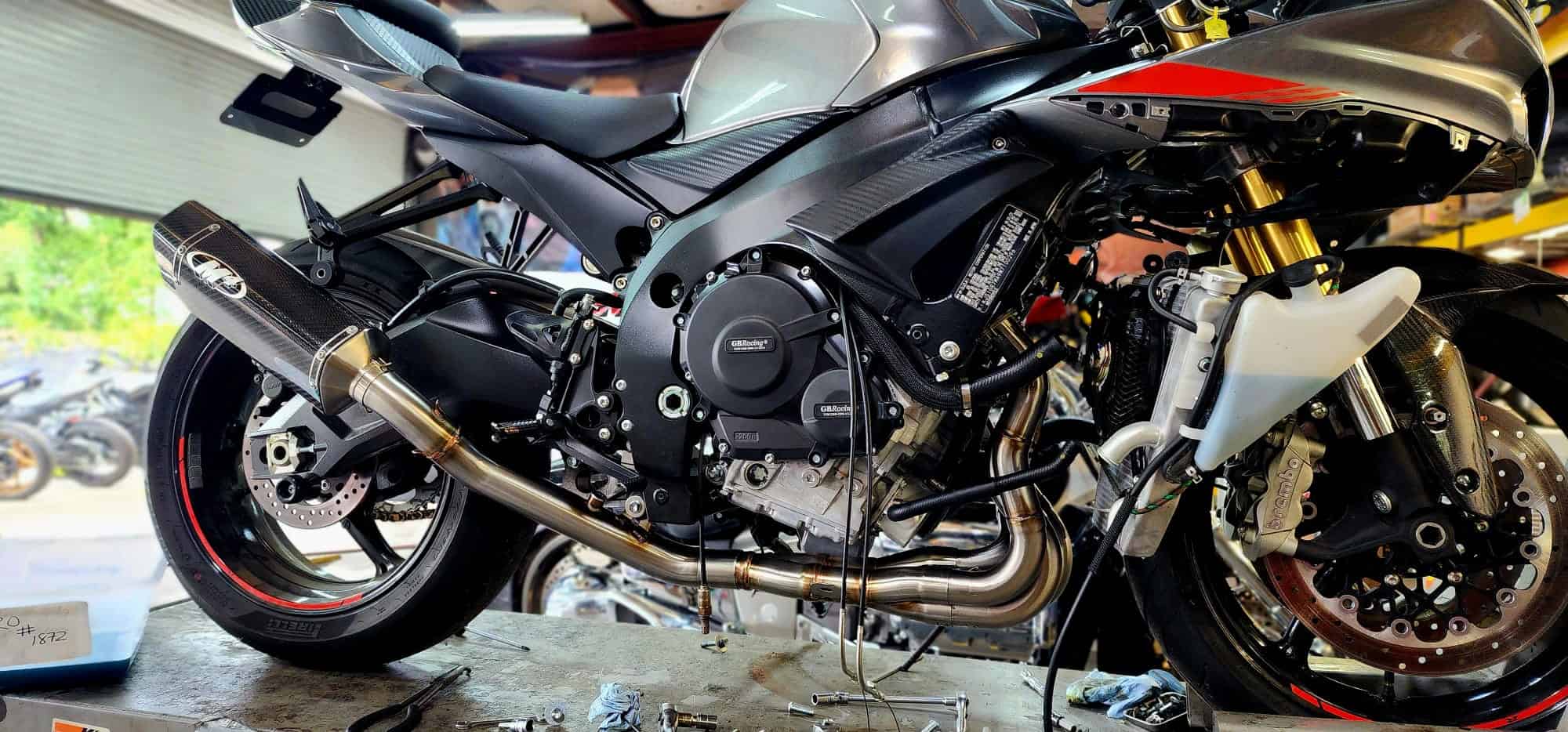
Proper clutch diagnosis requires evaluating the plates, springs, basket, and actuation system together — not just the most obvious symptom.
Common Causes Behind Each Failure Mode
Clutch slip on a wet-clutch motorcycle is most commonly caused by worn friction plates that have lost their fiber material, springs that have fatigued and no longer apply adequate clamping force, or — critically — the use of engine oil containing friction modifiers. Many modern automotive oils are formulated with additives that are specifically designed to reduce friction. Those same additives make a wet motorcycle clutch slip. Using the correct motorcycle-specific oil is not a brand-preference issue; it is a technical requirement that directly affects clutch function.
“The wrong engine oil is the single most common cause of wet clutch slip that riders never suspect.”
Clutch drag is often related to improper free-play adjustment at the lever, a stretched or kinked cable, warped clutch plates that prevent the stack from fully separating, or hydraulic issues in bikes equipped with a hydraulic clutch actuator. In cold Georgia winters, thick clutch fluid can also contribute to drag until the system warms up. A simple cable adjustment or fluid flush resolves drag in many cases, making it one of the more accessible clutch repairs when caught early.
When to Adjust and When to Replace
Not every clutch complaint requires disassembly. A significant percentage of the motorcycle repair jobs we see at Diaz Motorcycles involving clutch complaints are resolved with a free-play adjustment and cable lubrication. This takes less than thirty minutes and costs a fraction of a full clutch replacement. The key is getting a proper diagnosis before replacing parts. A full clutch kit — friction plates, steel plates, and springs — is the right answer when the plates are at or beyond minimum thickness, when the springs are weak, or when basket notching is severe. But that job is unnecessary if the root cause is a cable that needs replacement or an oil change to the correct specification.

A correctly functioning clutch transforms the riding experience — confident engagement, clean shifts, and total control in Metro Atlanta traffic.
Riders in Marietta and across Cobb County who address clutch issues early avoid the more expensive downstream consequences — basket replacement, transmission synchronizer damage from repeated hard shifts, and the cost of a roadside recovery when a dragging clutch finally prevents the bike from moving at all. If something feels different in your lever, trust that instinct and have it checked before the next long ride.
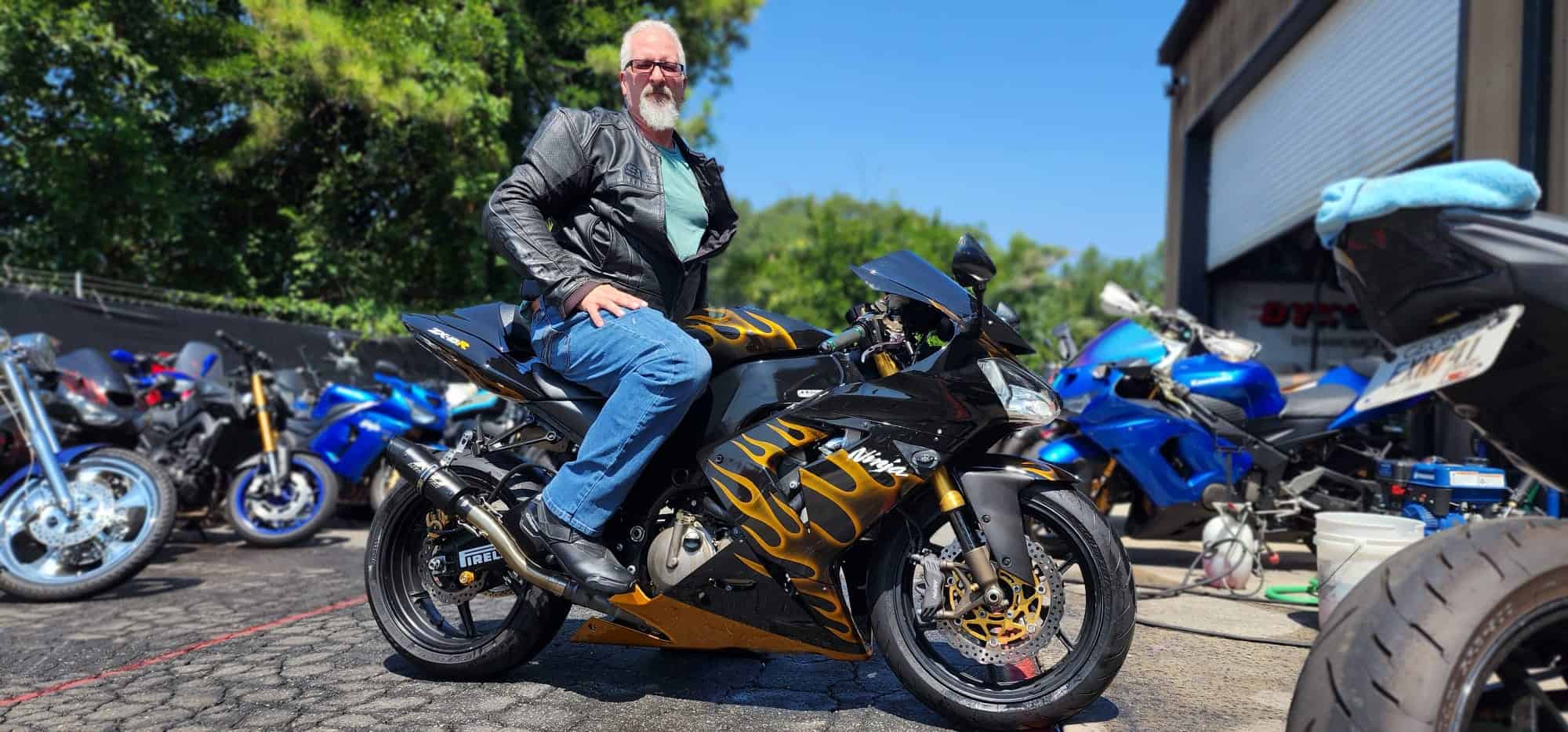
Early diagnosis means a faster fix — most clutch problems caught before complete failure are resolved in a single shop visit.
Clutch Feeling Off? Get It Diagnosed Today.
Diaz Motorcycles in Marietta diagnoses clutch slip, drag, and cable issues accurately — so you only pay for what your bike actually needs.
470-460-9883 Schedule Service Today847 Barnes Mill Road, Marietta, GA 30062
Serving Cobb County · Marietta · Kennesaw · Atlanta · and surrounding Georgia communities