What Motorcycle Restoration Costs in Dallas, GA — and What Drives the Price
The real reasons one restoration costs double another, the three tiers to pick from, and how a Paulding County rider keeps the total under control.
Let’s talk numbers, because that’s the real question behind every project bike. The honest truth about motorcycle restoration cost Dallas, GA riders keep asking about is that there’s no sticker price, and any shop that blurts out a firm number before seeing the bike is guessing. But that doesn’t mean it’s a mystery. The price runs on a handful of clear drivers, and once you understand them, you can steer the total yourself instead of just bracing for it.
We get it. “It depends” is the most annoying answer in the world when you just want to know if this is a five-hundred-dollar afternoon or a five-figure winter. So instead of dodging, let’s actually break it down. What makes a restoration cheap, what makes it expensive, and where a smart Paulding rider spends and saves. By the end you’ll be able to look at your own bike and ballpark it in your head.
There's no sticker price, and here's why
A restoration isn’t a product, it’s a range of work. Two bikes that look identical in the driveway can be a thousand dollars apart or ten thousand apart, depending entirely on what’s happening underneath. One sat in a dry garage in Bentwater and needs a wake-up. The other sat under a leaky shed out west of Dallas and needs the tank, the brakes, the wiring, and half the chrome. Same model, totally different bill.
That’s why we look before we quote. It’s not a stall tactic, it’s the only honest way to price this kind of work. We’d rather spend twenty minutes going over the bike and give you a real number than shout a guess over the phone that turns into a surprise later. A restoration quote you can trust always starts with somebody actually laying eyes on the bike.
The three tiers of restoration
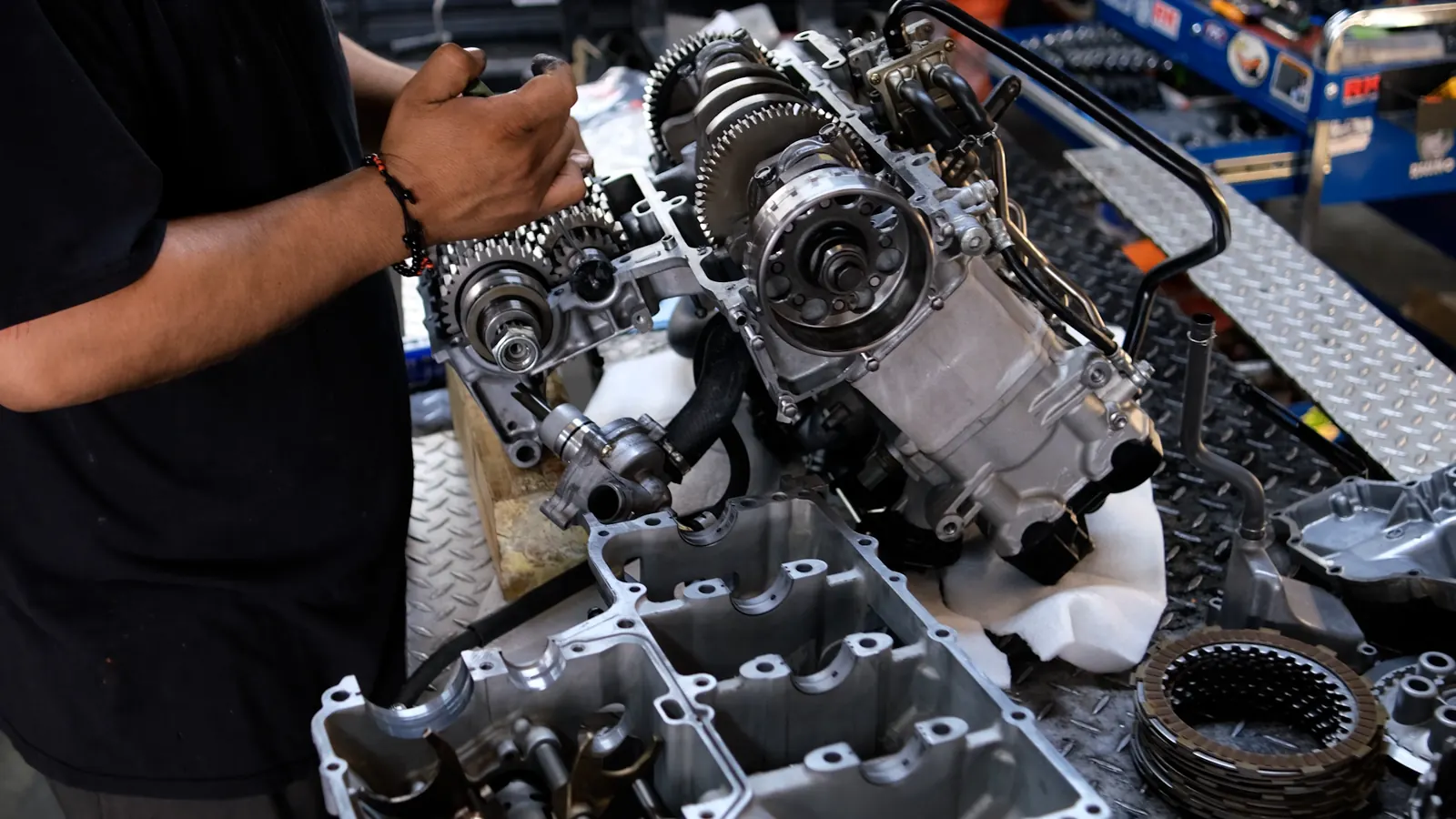
The easiest way to get your head around the cost is to think in three tiers. Almost every restoration lands in one of them, and knowing which tier you want tells you most of what you need to know about the price.
Tier one is the mechanical revival. The bike is basically sound and you just want it running right and safe: fresh fluids, brakes, tires, battery, a fuel-system cleanup, and a good tune. This is the most affordable tier and it’s where a huge share of Paulding barn-finds land. Tier two adds cosmetics: sorting the chrome, refinishing tired parts, maybe a repaint, so the bike looks as good as it runs. Tier three is the full frame-off, where the bike comes completely apart and goes back together better than new, chasing that show-quality finish.
Here’s the thing most people don’t realize: you get to pick the tier, and you can move up later. Plenty of riders do tier one now to ride all summer, then come back for tier two paint and chrome over the winter. There’s no rule that says a restoration has to happen all at once or reach for the top shelf.
Where does your bike fall? Usually you already know in your gut. If it runs and you just want it safe and reliable, that’s tier one. If it runs but looks tired and you want it sharp again, that’s tier two. If it’s a rough shell you want brought all the way back to glory, that’s tier three. And if you honestly can’t tell, that’s fine, because sorting out the tier is exactly what happens when we get the bike on a lift and look it over.
WORTH KNOWING
Most Dallas restorations are tier one or tier two. The full frame-off is the rare one, not the default.
Labor is the real cost, not parts
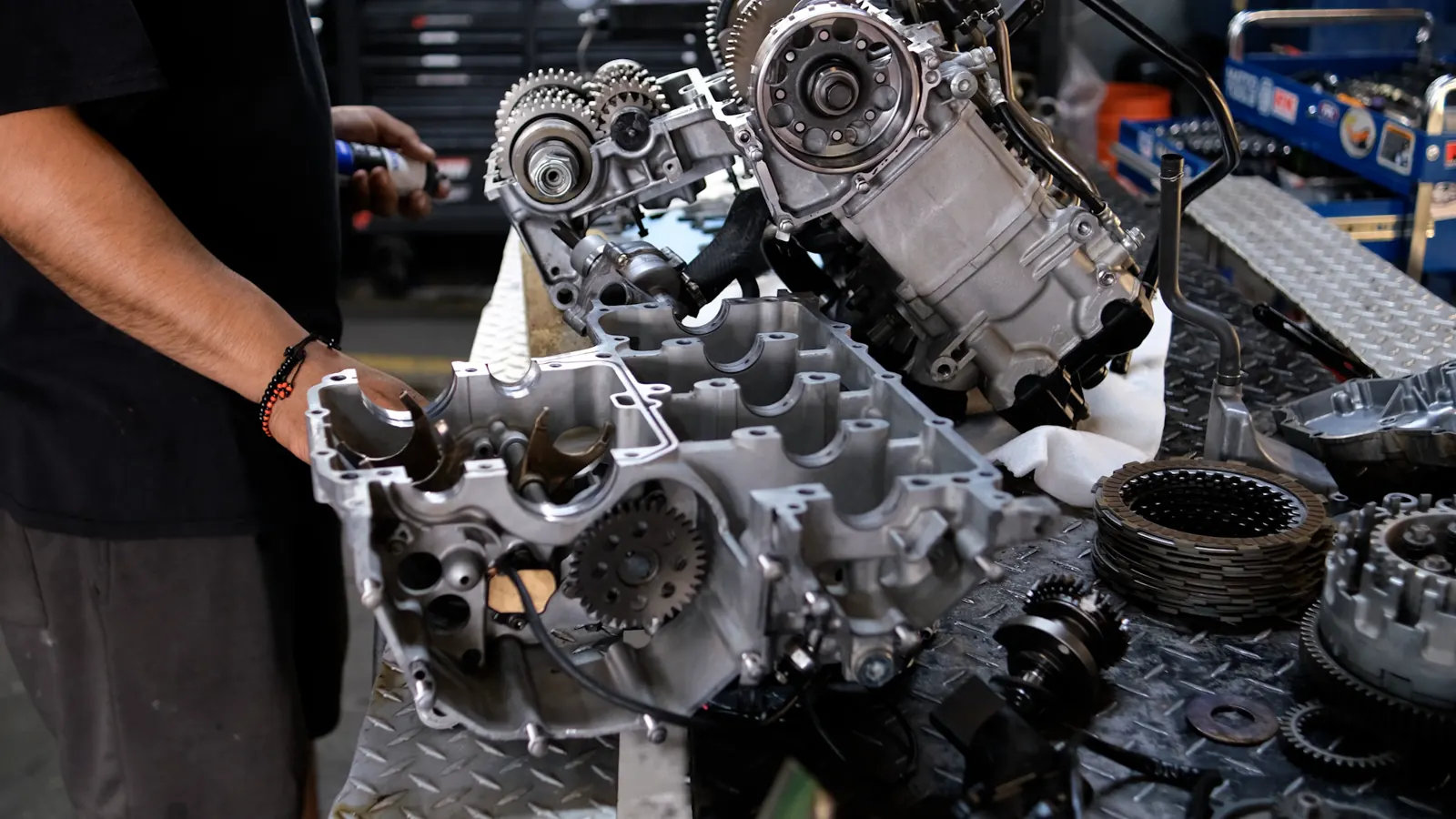
Here’s the part that surprises people. When you tally up a restoration, the parts are usually the smaller half. Labor is the big number, because restoration is slow, careful, hands-on work. Cleaning decades of grime out of every nook, chasing an electrical gremlin through old wiring, rebuilding a carb, setting valve clearances, and getting everything torqued right takes hours, and hours are what you’re really paying for.
This is actually good news for a DIY-friendly county like Paulding. If you can handle the simple stuff — pulling bodywork, basic cleanup, sourcing parts — you can cut down the labor hours and spend your money on the work that genuinely needs a shop: machine work, fuel systems, wiring, tuning, and paint. We’re glad to split the job that way. You do what you can, we do what you can’t.
The seven things that move your total
When we look a bike over, these are the seven drivers we’re weighing to build your number. Every one of them can push the total up or down, and several of them are things you control:
- Condition — dry garage-kept vs. years under a leaky shed is the single biggest swing.
- Completeness — a bike missing parts costs more, because rare pieces take time and money to find.
- Engine depth — a tune and fresh fluids is cheap; splitting the cases for a rebuild is not.
- Fuel system — a quick clean vs. a full carb rebuild and rusty-tank repair.
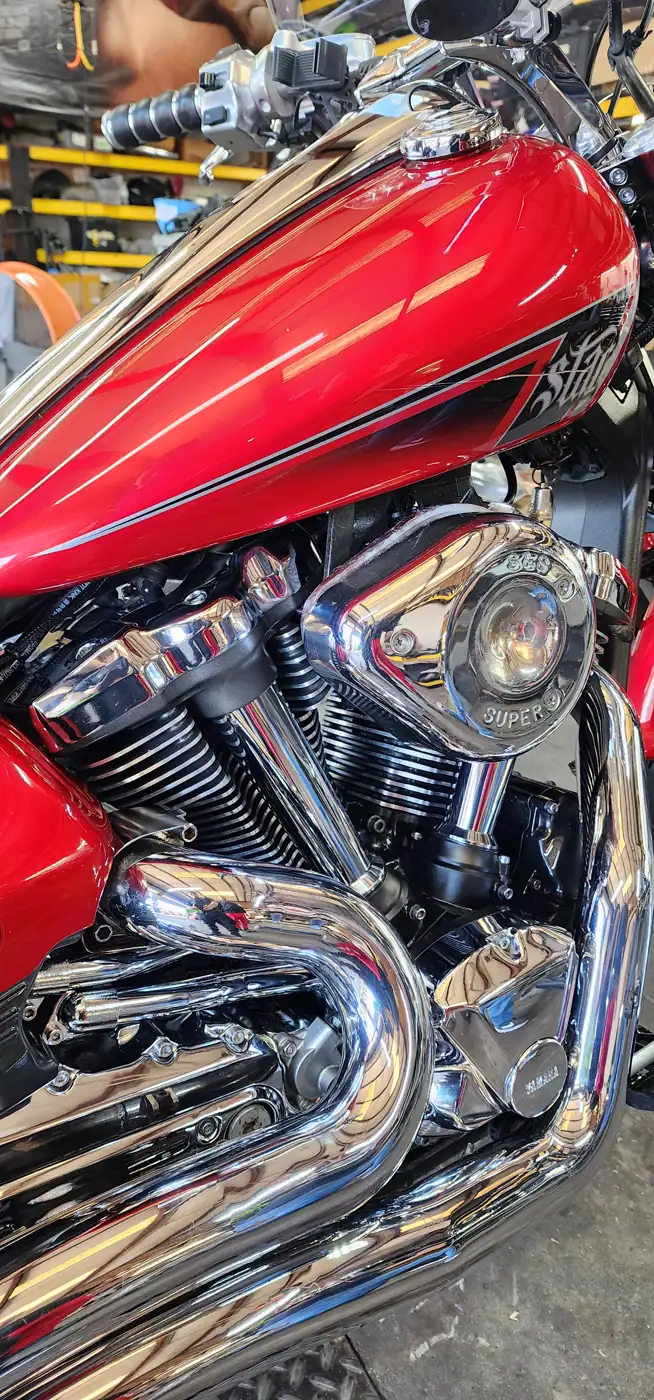
- Paint and chrome — re-plating and a full repaint is often the biggest single line item.
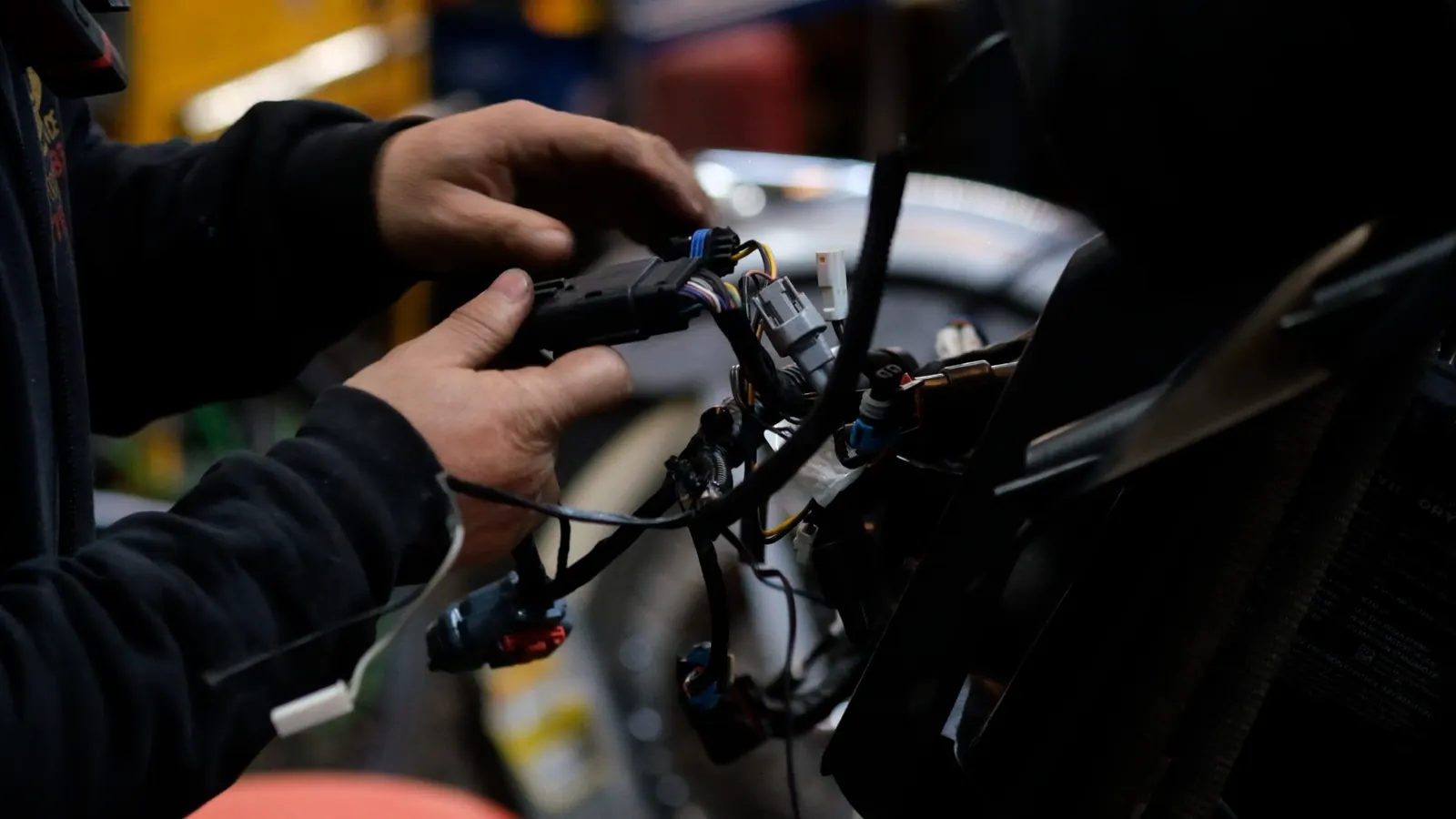
- Wiring — original and clean is easy; butchered by past owners is hours of untangling.
- Finish level — a solid daily rider vs. a show-quality shine, which is entirely your call.
Look at how many of those you steer. You can’t change how the bike was stored for the last twenty years, but you absolutely control the finish level, whether you chase show chrome, and how much of the easy labor you take on yourself. That’s why two riders with the same bike can end up with very different bills, and both can be perfectly happy.
Where Paulding riders can save money
Since we’re being straight about cost, let’s talk about saving it. The smartest way to save on a restoration is to be honest about what you actually want. If the goal is a reliable, good-looking bike to ride on Saturday mornings, you don’t need a frame-off. Tier one or a light tier two gets you there for a lot less. Save the show-quality budget for the day you actually want a show bike.
The second way to save is to do the simple stuff yourself if you’re handy, which plenty of folks in this trades-heavy county are. And the third is to not cheap out on the parts that matter, because redoing a corner you cut is the most expensive move of all. If you want the bigger-picture money view, our take on what your restoration money buys pairs well with this breakdown.
There’s a middle path a lot of Paulding riders love, and it’s the smartest money move on the board. Fix the safety and mechanical stuff to a high standard, and go easy on the show-chrome extras. You end up with a bike that’s genuinely sorted and reliable, spends its money where it actually matters, and skips the pricey polish you’d only ever notice at a bike show. Reliable and honest beats flashy and fragile every day of the week.
You don't control how your bike was stored for twenty years. You do control how far the restoration goes.
What we won't cut corners on
Saving money is great, but some things aren’t up for negotiation, and any honest shop will tell you the same. We won’t cut corners on brakes, tires, or anything that keeps you upright and stopping. We won’t run varnished fuel through a fresh engine to skip a cleaning. And we won’t paint over rust to make a bike look done when it isn’t. Those “savings” always come back as a bigger bill and sometimes as a scary moment on the road.
This is where a real shop earns its keep over a driveway hack job. The cheap restoration that skips the safety and the fuel system isn’t actually cheap. It’s a down payment on doing it all again in two years. We’d rather do it right once and hand you a bike you can trust out on the Quad County Figure Eight than do it twice and apologize.
HEADS UP
The corner you cut to save money today is almost always the line item on next year’s bigger invoice.
Get a real number before you commit
The good part about all of this is that getting a real estimate costs you nothing. Text us photos of the bike — the tank, the engine, the wiring, the chrome, and anything rough — and tell us how long it sat and where. From that we can tell you which tier your bike is looking at and give you a real ballpark, long before you spend a dollar or make a single trip east.
And because a restoration keeps the bike with us for a while, the drive from Dallas barely matters. You already commute into Cobb on Dallas Highway, or we’ll bring the trailer to your garage and haul it ourselves. Either way, you’ll know the number before you commit, and you’ll pick the tier that fits your budget. No sticker shock, no mystery bill, just an honest price for honest work. Text us and let’s put a real number on it.
Questions Dallas riders ask us
Why won't you just tell me a price over the phone?
Because two identical-looking bikes can be thousands of dollars apart depending on condition, and a phone guess only leads to a surprise later. We look the bike over — or start from good photos — then give you a real number. It’s the only honest way to price restoration work.
What's the cheapest kind of restoration?
A tier-one mechanical revival: fresh fluids, brakes, tires, battery, a fuel-system cleanup, and a tune, so the bike runs and stops right. It’s where a lot of Paulding barn-finds land, and it skips the pricier paint and chrome work unless you want it.
Is the engine or the paint the bigger cost?
It depends on the bike, but a full repaint and re-plating chrome is often the single biggest line item, while a deep engine rebuild is the other big swing. A tune and fresh fluids is cheap; splitting the cases is not. Which one dominates comes down to what your bike actually needs.
Can I lower the cost by doing some of the work myself?
Yes, and plenty of Paulding riders do. Labor is the bigger half of most restorations, so if you handle the simple stuff — pulling bodywork, basic cleanup, sourcing parts — you save hours and spend your money on the machine work, wiring, fuel, and paint that really need a shop.
Do I have to restore the whole bike at once?
No. Many riders do a tier-one mechanical revival now so they can ride all summer, then come back for paint and chrome over the winter. You can spread a restoration across seasons to fit your budget and still end up with a fully finished bike.
What should I never cut corners on to save money?
Brakes, tires, and the fuel system. Cutting those to save a little now usually leads to a bigger bill and a dangerous moment on the road. We won’t paint over rust or run old fuel through a fresh engine, because those shortcuts always come back around.
We price and build restorations for riders all over Paulding County, not just downtown Dallas. Project bikes come to us from Seven Hills, Bentwater, and Oakleigh Pointe, plus the acreage west of town toward Yorkville and Braswell. We work with riders near the Silver Comet Trail and Pickett’s Mill Battlefield who commute east on Dallas Highway. Off GA-61 or toward Hiram, you’re close enough for a real quote and a trailer to your door.
TEXT US FOR A REAL RESTORATION NUMBER
Tired of “it depends”? Text us photos of your bike — the tank, engine, wiring, and chrome — and tell us how long it sat and where. We’ll tell you which tier it’s looking at and give you a real ballpark before you spend a thing. We’re a short run east on Dallas Highway from Paulding, and we’ll come get the bike if that’s easier. Honest price, honest work.
470-460-9883Diaz Motorcycles and Service, LLC · 847 Barnes Mill Road, Marietta, GA 30062