Motorcycle Restoration in Dallas, GA: What Your Money Actually Buys
What a real restoration gives you, where the money goes, and how to bring a Paulding County bike back without paying for stuff you'll never notice.
Here’s the part nobody tells you up front: motorcycle restoration Dallas, GA riders sign up for isn’t one price on a sticker. It’s a stack of small choices, and each one moves the number. A bike that sat in a barn off Nebo Road for a decade is a whole different job than a garage-kept cruiser that just needs its shine back. So before anybody hands you a scary total, it helps to know what your money actually buys, and where it’s worth spending it.
We get it. “Restoration” sounds like a rich-guy word, the kind of thing you see on TV with a six-figure reveal and a guy in a leather vest crying. But out here in Paulding County, most restorations are regular riders bringing a good bike back to life, not building a museum piece. The best news is you steer the budget. You tell us how far to take it, and we tell you straight what each step costs and what it’s actually worth.
Restoration isn't one price — it's a stack of choices
Think of restoration like remodeling a house. You can repaint and swap the fixtures, or you can go all the way down to the studs. Both count as a remodel, but they don’t cost the same. A motorcycle works the exact same way. On one end you’ve got a mechanical revival: fresh fluids, new tires, brakes, a battery, and a good tune so the thing runs right and stops right. On the other end you’ve got a frame-off, where the bike comes fully apart and goes back together looking better than the showroom floor.
Most Dallas riders land somewhere in the middle, and honestly that’s the smart place to be. Maybe the engine is solid but the chrome is pitted and the paint has gone chalky. Maybe it runs but the wiring is a bird’s nest somebody “fixed” with a roll of electrical tape and a prayer. We look at the whole bike, then help you spend money where it changes how the bike rides and how it looks, not on stuff nobody will ever notice.
Where the money actually goes
When you pay for a restoration, most of the bill is labor and parts, in that order. Parts you can price online in about five minutes. Labor is the part people underestimate every single time. Pulling a bike apart, cleaning decades of grime out of every corner, chasing down a no-spark gremlin, and getting everything torqued and tuned takes real hours, and those hours are where the actual work lives.
Here’s the honest breakdown of what moves the number on a typical Paulding County restoration:
- Condition — a garage-kept bike costs far less to revive than a barn-find that sat outside for years.
- How complete it is — missing parts have to be hunted down, and the rare ones cost real money.
- Engine work — fresh fluids and a tune are cheap; splitting the cases for a rebuild is not.
- Paint and chrome — a full repaint and re-plating is often the single biggest line item on the job.
- How far you want to go — a solid daily rider or a show-quality shine, you pick where it stops.
Notice that half of those are choices you control. You can bring a bike back to a safe, good-looking, reliable rider without ever touching the show-quality stuff. Or you can go all the way to mirror chrome. There’s no wrong answer here. There’s just the answer that fits your budget and what you want out of the bike.
HEADS UP
The cheapest restoration is the one you don’t have to do twice.
That sounds obvious, but it’s the trap people fall into. Somebody “restores” a bike on the cheap, skips the wiring, sprays paint straight over rust, and two years later it’s right back to square one. Doing it right the first time costs a little more up front and a lot less over the life of the bike. If you want the full math on this, our breakdown of what changes a restoration total goes deeper.
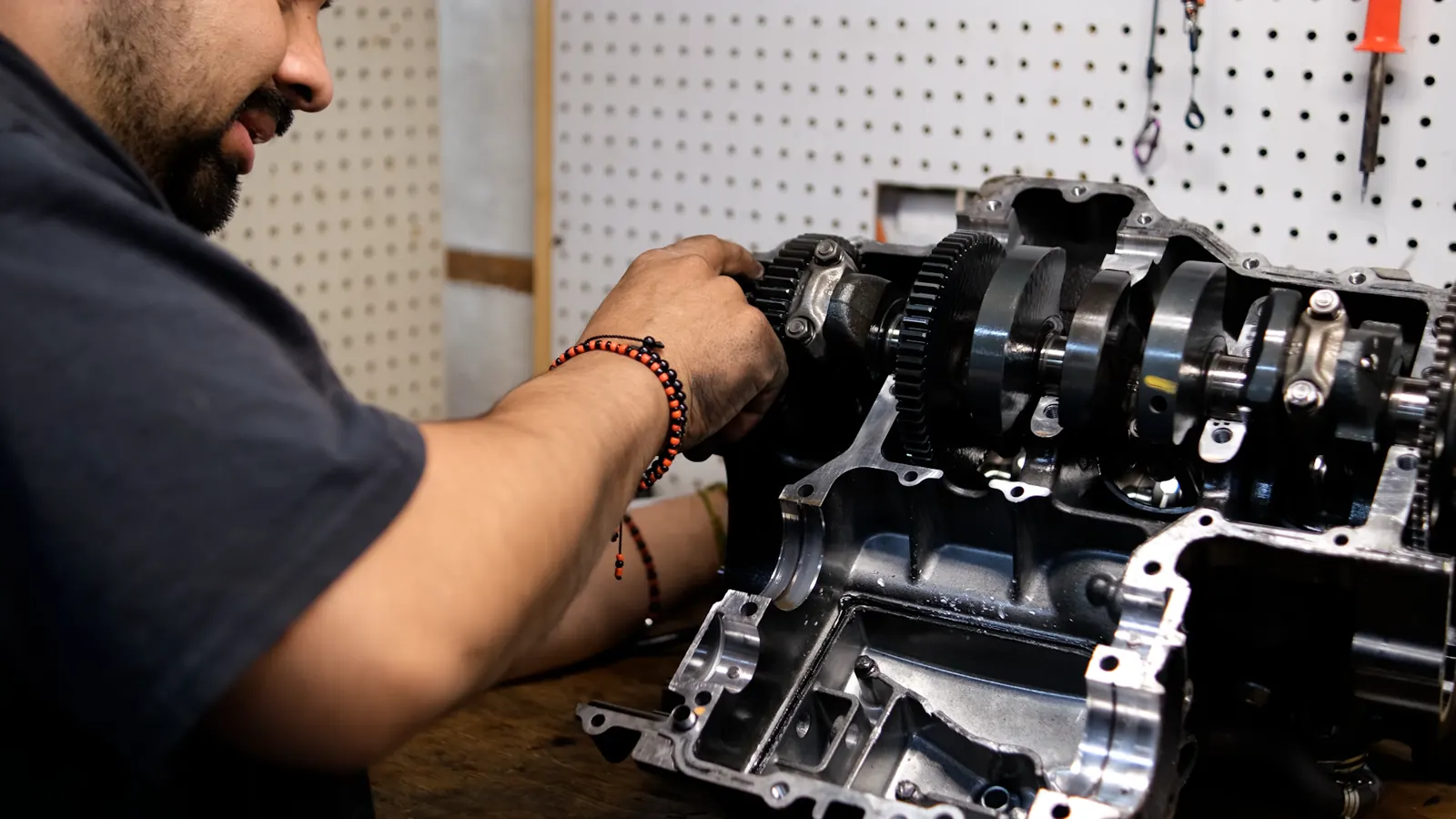
A West Paulding barn-find vs a garage-kept bike
Dallas is prime barn-find country, and that’s not a figure of speech. The west side of town is full of acreage homes, horse properties, and detached garages and sheds where a bike got parked “just for the season” back when gas was cheap. Those bikes are gold. They’re also the most expensive kind to bring back, because sitting outside is downright brutal on metal, rubber, and rubber’s best friend, fuel.
A garage-kept bike that just needs waking up is the easy end of the scale. A bike that sat under a leaky shed roof for fifteen winters is the other end: rust in the tank, seized brakes, cracked tires, varnished fuel, and rot in places you can’t even see until you’re in there. Same word, very different bill. The good part is that the moment we look it over, we can tell you which one you’ve actually got instead of guessing high over the phone.
What a restoration adds back in value
Money out is only half the picture. A proper restoration puts value back into the bike, and not just the resale kind. A clean, sorted, reliable machine reads as “loved” to a buyer in about two seconds flat. If you ever do sell, a documented restoration is the difference between a lowball offer and a real one, because the next owner can see the work instead of taking your word for it.
But honestly, most of our restoration folks aren’t selling. They’re keeping. The value they get is the Saturday-morning kind: pulling a bike out of the garage that starts on the button, runs smooth up GA-61 north, and turns heads at the gas pump in Hiram. That feeling never shows up on a spreadsheet, but it’s the whole reason people do this in the first place.
A cheap restoration you have to redo isn't cheap. It's just slow.
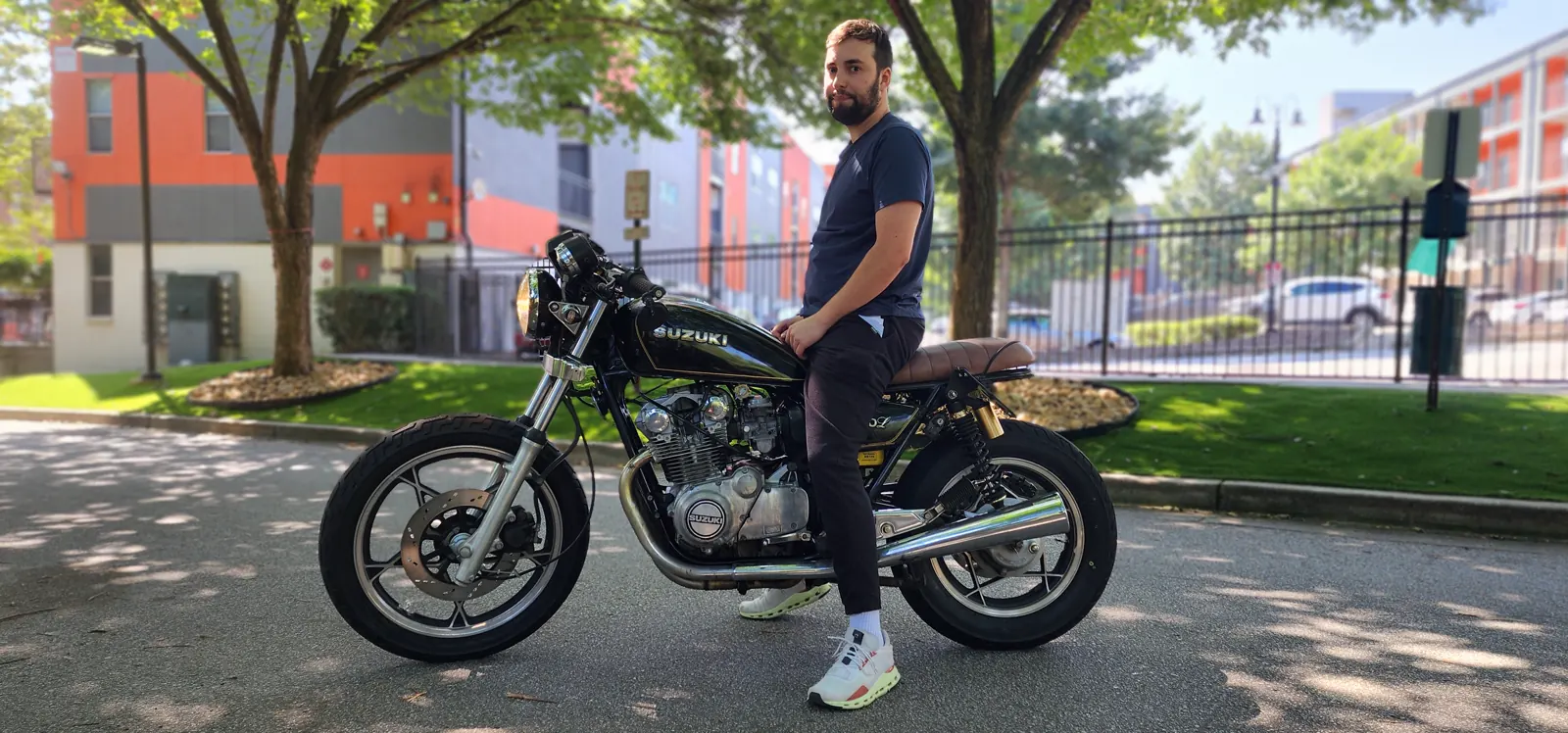
Why pay a shop instead of doing it yourself
Plenty of Paulding riders wrench on their own bikes, and we respect that all day long. Big garages, a strong trades crowd, folks who do their own oil changes on a Sunday — this county is full of them. If you can do the work, do it. We’re here for the parts you can’t do, or the parts you don’t want to spend a whole summer fighting.
That usually means the specialty stuff. Nobody in Paulding County has an in-house paint booth. Nobody’s set up for machine work on a tired engine, or plating pitted chrome, or untangling wiring that’s been butchered by three previous owners. That’s the work that eats a driveway project alive. Hand us the hard parts, keep the fun parts, and the bike still comes out right.
WORTH KNOWING
You don’t have to do the whole thing at once. A restoration can happen in stages, on your budget’s schedule.
That’s a real relief for a lot of families out here, because Paulding is value-minded and these decisions get talked about at the kitchen table. So we’re happy to sort the bike mechanically now — safe, reliable, ready to ride — and save the paint and chrome for next winter. You ride all summer, then we make it pretty when the season winds down. If you’re still not sure the bike is even worth it, we lay out restoring versus selling in plain terms.
The drive from Dallas doesn't have to cost you the day
Here’s the objection we hear most: “You’re in East Cobb, that’s forty minutes.” True enough. But you already drive that. About three out of four working folks in Paulding commute out of the county, most of them east into Cobb on Dallas Highway — the same GA-120 that runs straight to our door. Dropping a bike off is on the way to work you already make five days a week.
And for a restoration, the bike is with us for a good while anyway, so you’re not making that run over and over. Better yet, we can come get it. There’s no motorcycle transport service advertised anywhere in Paulding County, so we bring the trailer to your garage in Seven Hills or Bentwater or out past Yorkville, load it up, and you never leave home. That’s not a fancy add-on out here. It’s the whole point.
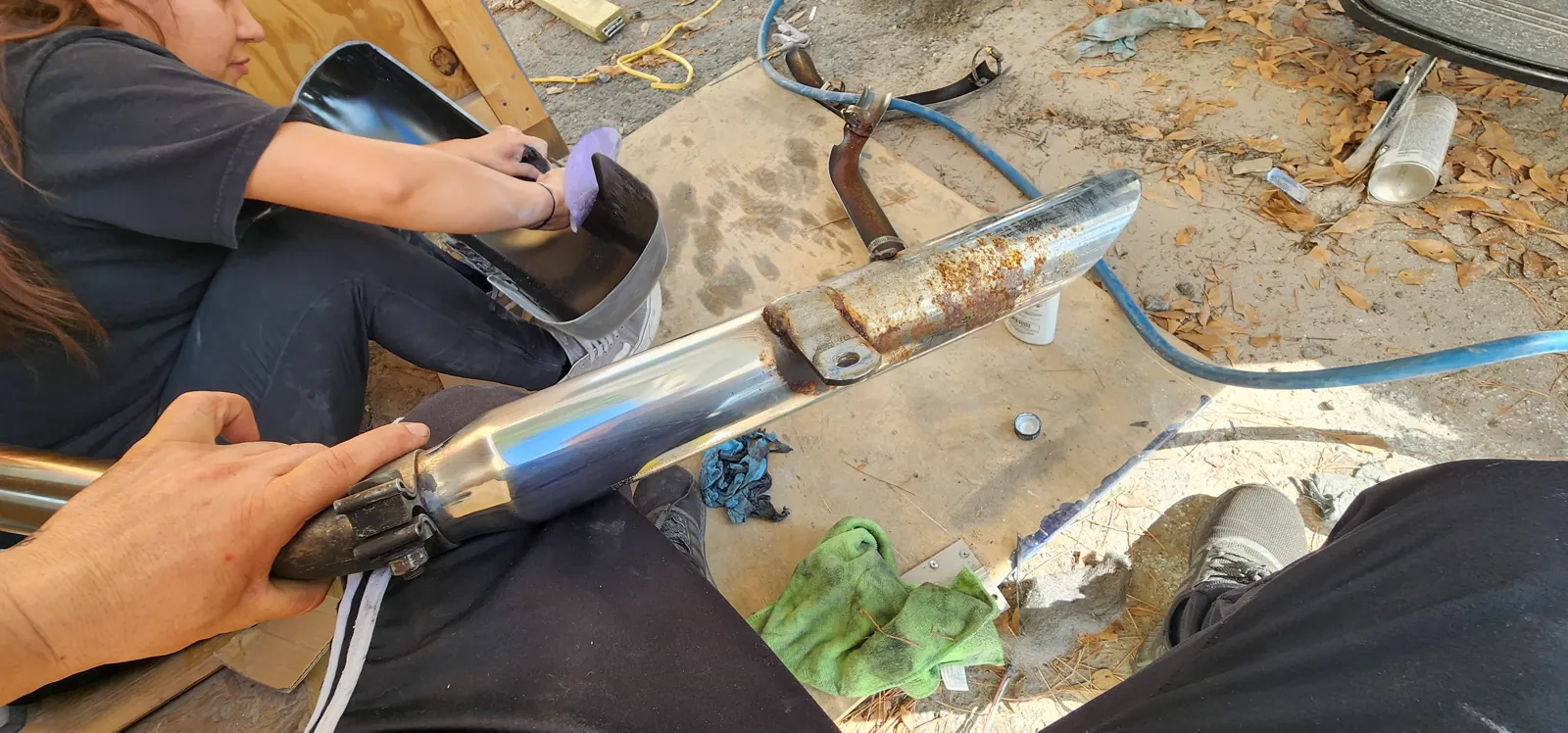
Start with photos, not a blank check
The smartest first move costs you nothing at all. Text us a few photos of the bike — the tank, the engine, the wiring, and anything that looks especially rough — and tell us how long it sat and where it lived. From that, we can give you an honest read on which kind of job it is and a real ballpark, before a single wrench ever turns.
You’ll never get a blank-check quote from us, and you’ll never get a mystery bill at the end. We look, we tell you what it needs, and you decide how far to go. Whether your bike’s been napping in a Dallas garage or hiding in a West Paulding barn, the first step is the same: send the photos and let’s talk. No pressure, no sales script, just a straight answer about what your money buys.
Questions Dallas riders ask us
How much does a motorcycle restoration cost?
There’s no single number, because a restoration is a stack of choices. A mechanical revival on a garage-kept bike is one price; a full frame-off with paint and chrome is another. The biggest driver is condition. We look the bike over, tell you honestly what it needs, and give you a real ballpark before you commit to anything.
Can I restore my bike in stages to spread out the cost?
Absolutely, and a lot of Paulding riders do exactly that. We can sort the bike mechanically now so it’s safe and reliable to ride all summer, then handle the paint and chrome over the winter. You spend as your budget allows and still end up with a fully finished bike.
Is it worth restoring an old bike that sat for years?
Often, yes, but it depends on the bike and what it means to you. A bike that sat in a garage is an easier job than one that sat outside under a shed. Send us photos and we’ll give you a straight read on whether the money makes sense before you spend a dime.
Do you pick bikes up from Dallas and Paulding County?
Yes. There’s no motorcycle transport service advertised in Paulding, so we bring the trailer to your garage in Seven Hills, Bentwater, or out west toward Yorkville, and haul the bike to our East Cobb shop. For a longer restoration, that turns the whole trip into zero minutes for you.
Will a restoration help if I want to sell the bike later?
It helps a lot. A clean, sorted, documented bike reads as cared-for to a buyer immediately, and that’s the difference between a lowball offer and a fair one. Most of our restoration customers keep the bike, but the value is there either way.
What kinds of bikes do you restore?
We’re an all-makes shop, so vintage Hondas and Suzukis, Harley cruisers and baggers, older metric bikes, and long-term garage projects are all welcome. You don’t need a Paulding specialist for one brand and a different shop for another. One stop covers the whole stable.
We bring bikes back to life for riders all over Paulding County, not just downtown Dallas. Folks roll in from Seven Hills, Bentwater, and Cedar Mill, plus the acreage west of town toward Yorkville and Braswell. We see riders who cruise the Silver Comet Trail, who live near Pickett’s Mill Battlefield, and who commute east on Dallas Highway every day. Off GA-61 or down toward Hiram, you’re close enough for us to bring the trailer to your garage.
TEXT US PHOTOS OF YOUR PROJECT BIKE
Want the honest version of what your restoration would cost and what it’s worth? Text us a few photos of the bike, tell us how long it sat and where, and we’ll give you a straight read before you spend a thing. We’re a quick run east on Dallas Highway from Paulding County, and we’ll come get the bike if you’d rather stay home. No sales script, just answers.
470-460-9883Diaz Motorcycles and Service, LLC · 847 Barnes Mill Road, Marietta, GA 30062