Motorcycle Restoration Canton: What It Costs and What You Actually Get
Honest tiers, real numbers, and a straight read on where your money goes when you bring a project bike back to life.
Plus, most people think restoring a bike is one big scary number with no way to see it coming. Meanwhile the truth is a lot friendlier than that. Motorcycle restoration Canton riders sign up for isn’t a mystery bill, it’s a set of choices, and you get to pick how far you take it. In fact the smartest thing you can do before spending a dime is understand the tiers, because the difference between a $900 revival and a full frame-off build is enormous, and both are the right answer for somebody.
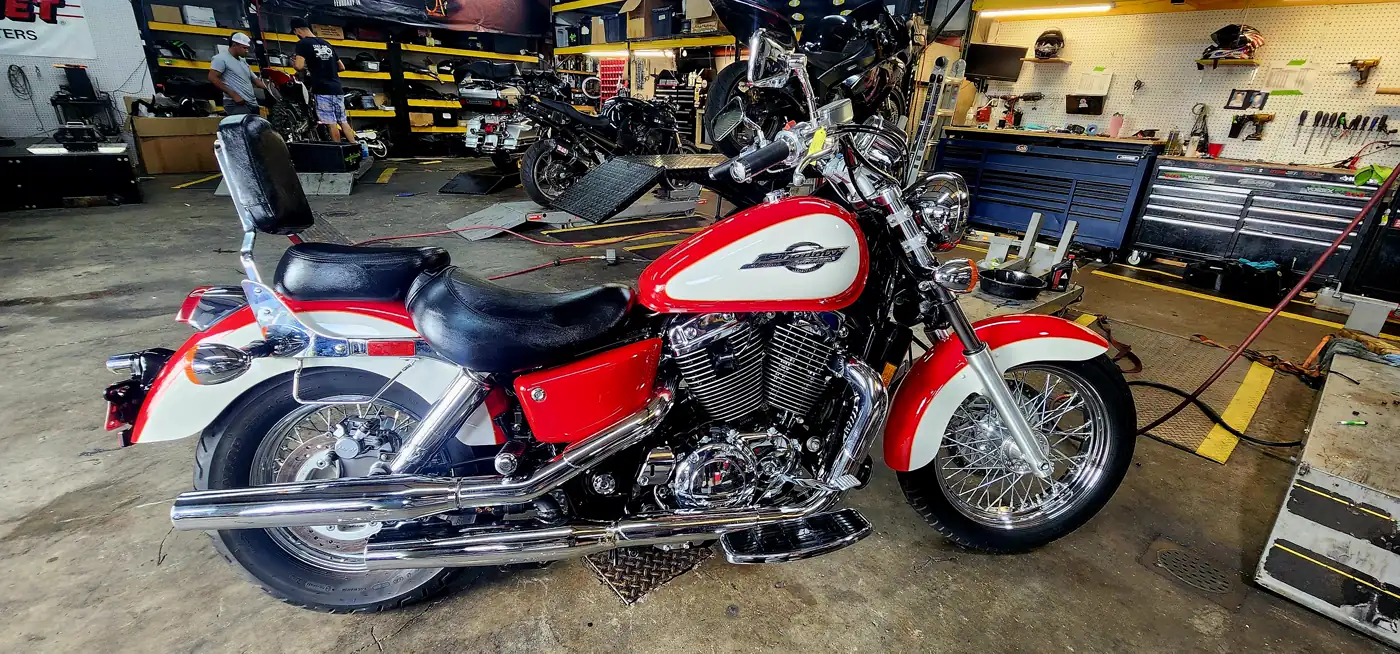
Here’s the problem we hear every February when the first warm weekend hits and a bike gets rolled out of a BridgeMill garage. Somebody inherited grandpa’s Shadow, or found a deal on Facebook, or finally has time for the project that’s been under a tarp for six years. They want it back, but they have no idea if that means a few hundred dollars or a few thousand. So the bike keeps sitting.
We’re going to fix that today. Not with a magic flat rate, because anybody quoting a restoration price over the phone without seeing the bike is guessing, and you deserve better than a guess. Instead we’ll walk you through the honest tiers, what each one actually buys you, and the handful of things that swing the total up or down. By the end you’ll know roughly which bucket your bike lands in before you ever load it on a trailer.
Restoration isn't one job, it's a ladder
The word restoration covers a huge range, and that’s exactly why the pricing feels confusing. On one end you’ve got a mechanical revival that gets a stored bike running and safe again. On the other end you’ve got a nut-and-bolt, frame-off rebuild where the whole machine comes apart and goes back together better than the factory built it. Same word, wildly different scope, wildly different cost.
Think of it like fixing up a house. You can repaint a room, or you can take it down to the studs. Both are real work, both make the place better, but nobody would expect them to cost the same. A motorcycle is no different, and the good news is you don’t have to pick the studs version just because that’s what the word restoration sounds like.
The honest tiers, from revival to full build
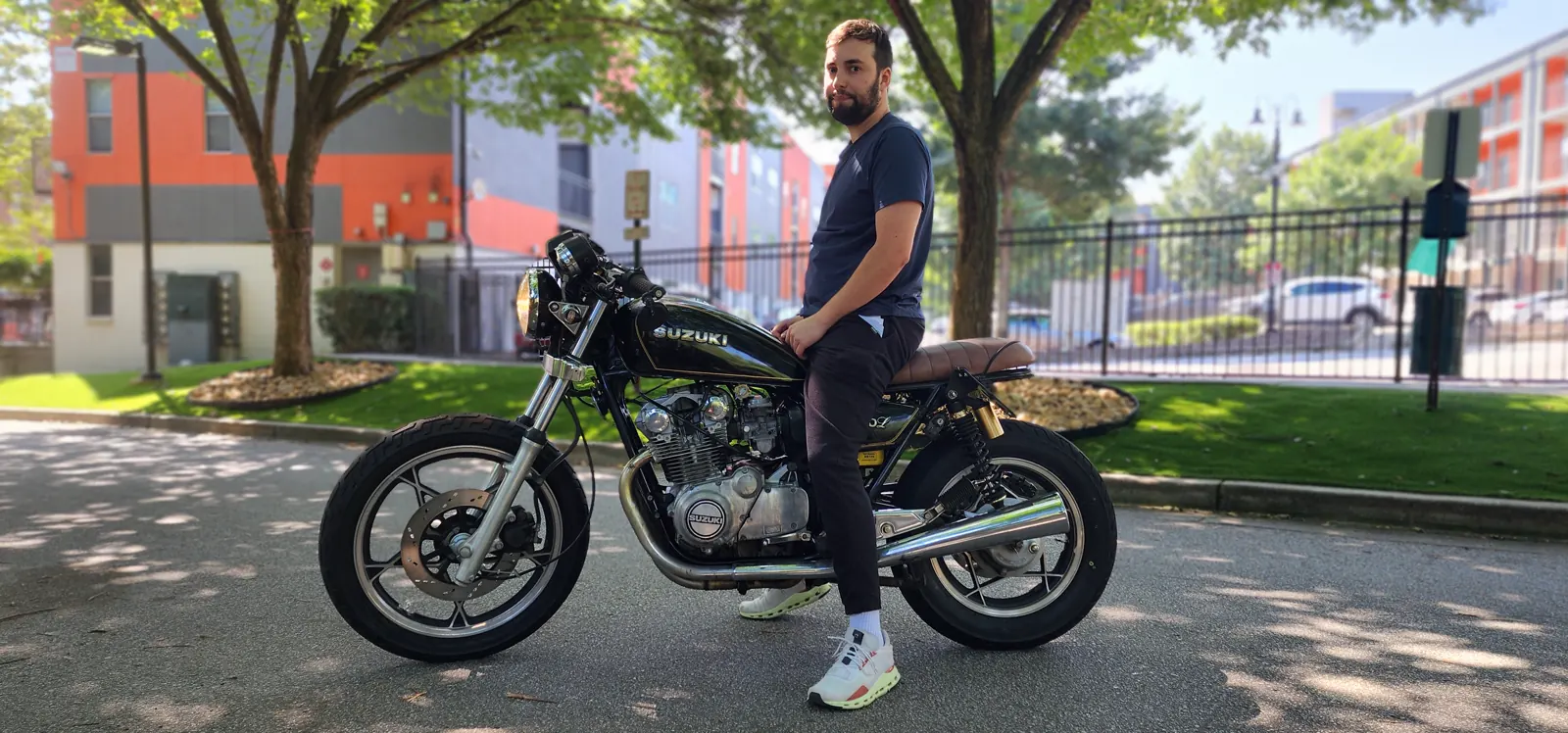
Here’s how we actually break it down when a Canton rider asks what it’ll run. These aren’t fixed prices, they’re the honest buckets, and where your bike lands depends on its condition and how far you want to go. We’ll always tell you which one you’re realistically looking at after we lay eyes on it.
- Mechanical revival (get it running and safe): fresh fluids, battery, carb or injector cleaning, tires, brakes, cables, and a full safety check. This is the smallest tier and the one most stored bikes actually need. Hundreds, not thousands, on a bike that isn’t rotted out.
- Refresh (running, safe, and looking sharp): everything in a revival plus real cosmetic work — polishing chrome, cleaning up or resealing the finish, new grips and seat if needed, and detailing the whole machine. Mid-range, and the sweet spot for most riders.
- Cosmetic restoration (make it beautiful): the mechanical work plus paint, chrome re-plating, new emblems, and correct-looking parts so it presents like new. This climbs because paint and plating are labor-heavy and materials aren’t cheap.
- Full frame-off restoration (better than new): the whole bike comes apart to the frame, gets media-blasted and refinished, engine gone through, every bearing and seal replaced, everything painted or plated, then reassembled. This is the top tier and the biggest number, reserved for bikes worth the investment.
Notice the range. A revival on a garage-kept bike that just sat too long is a genuinely affordable afternoon of the right work. A full frame-off on a rare classic is a serious project measured in weeks and real money. Most Canton bikes we see land in the first two tiers, because most of them aren’t rotted, they’re just neglected. And neglected is cheap to fix compared to rusted-through.
HEADS UP
Deciding your tier before you see the bike’s real condition is where budgets go sideways.
That’s why we look first and quote second, every single time. A bike that lived under a cover in a dry Hickory Flat garage and a bike that sat in a leaky shed out toward Waleska are not the same job, even if they’re the same model. One might be a clean revival. The other might have a rusted tank, seized brakes, and varnished carbs that push it up a tier. You can’t know until you look, so we look.
What actually drives the number up or down
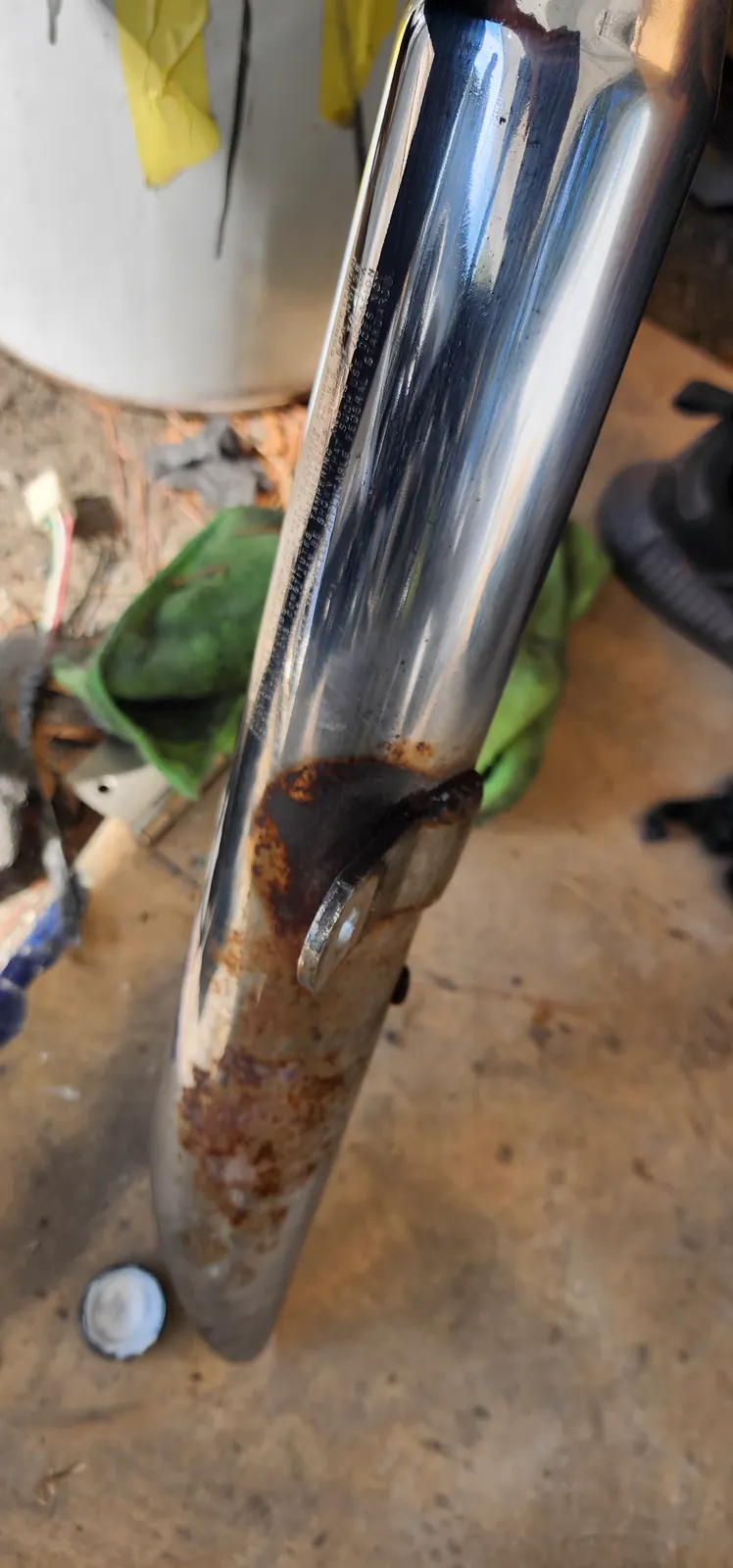
So what makes one restoration cost double another? A few big levers, and once you know them you can look at your own bike and get a feel for where it sits. The first is how long it sat and where. Georgia humidity is brutal on a stored bike, and a shed with no climate control lets moisture into the tank, the carbs, the bearings, and the wiring. Dry storage costs you little. Damp storage costs you real money.
The second lever is parts. Common bikes like a Honda Shadow, a Yamaha cruiser, or an older Japanese standard have cheap, plentiful parts. A rare or oddball model can have you hunting for a single emblem for weeks, and rare parts cost what rare parts cost. The third lever is you: how original do you want it, and how far do you want to go? A rider who wants it clean and reliable pays far less than a collector who wants it concours-correct down to the right decals.
The last lever is honesty from the shop. Some places quote low to win the bike, then the total creeps up with surprise after surprise once your bike is torn apart on their lift and you have no leverage. We don’t play that game. We diagnose it, tell you the realistic range, and if we open something up and find a surprise, we stop and call you before we spend your money. You approve every step.
Why summer is the smart time to start
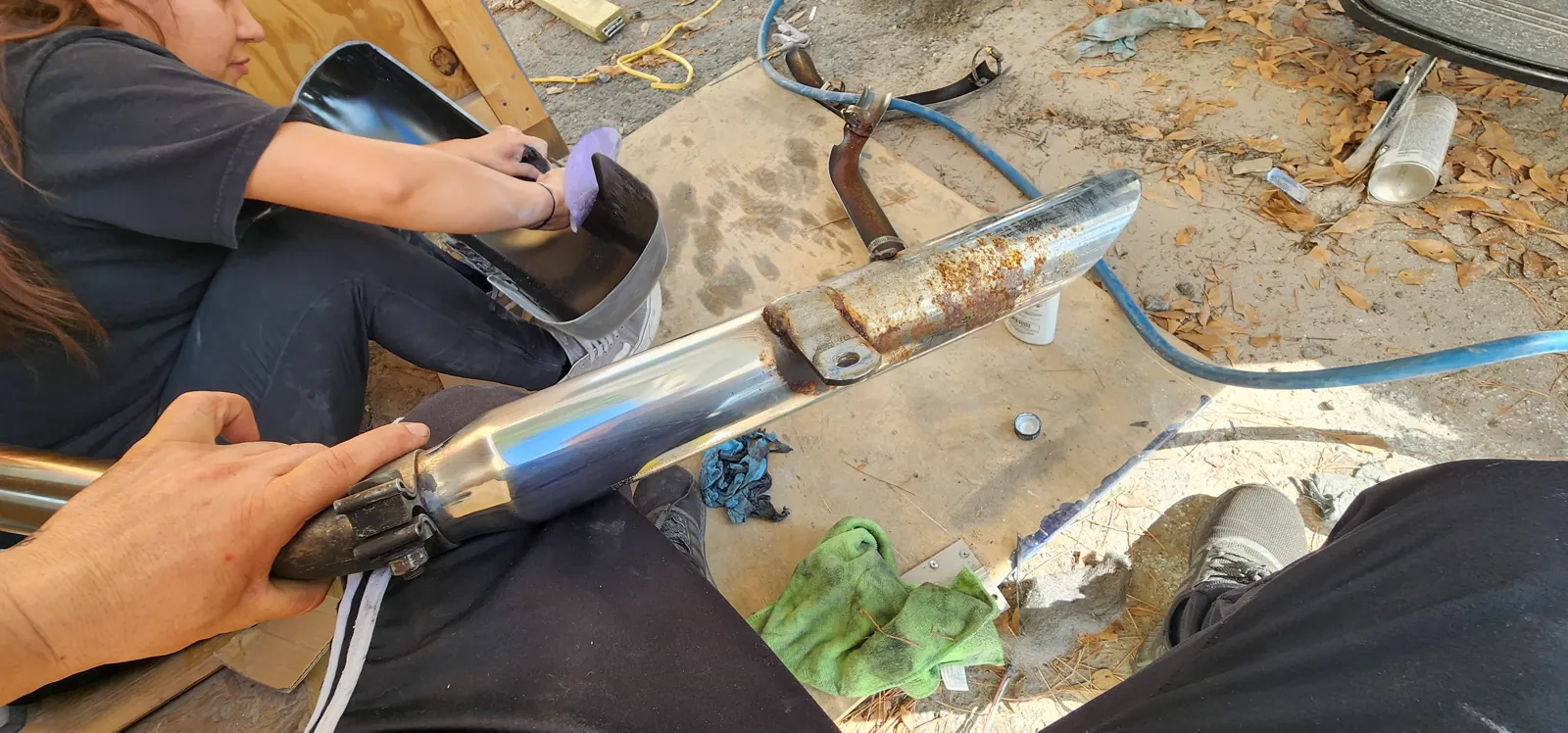
There’s a seasonal angle worth knowing. Georgia’s July and August heat and near-daily afternoon storms cut riding down to early mornings and evenings, which is exactly why summer is our restoration and project window. Your bike isn’t getting much saddle time anyway, so it’s the perfect stretch to let it sit on a lift instead of in the garage. Start a project now and you can have it sorted and shining for the best riding of the year — the cool, dry, fall-color runs up 515 in September and October.
What you actually get for the money
Here’s the part that makes the check easier to write. A proper restoration doesn’t just make a bike prettier, it makes it safe, reliable, and worth riding to Blue Ridge and back without wondering if the brakes will hold on the way down GA-515. Old fuel gets flushed, brittle lines get replaced, worn brakes get rebuilt, and tires that dry-rotted while the bike sat get swapped for rubber you can actually trust in a corner.
You also get value back. A cared-for, sorted bike is worth more than a barn find every day of the week, and a buyer reads a restored machine in about two seconds. If it’s a family bike you’re keeping, you get the thing money can’t really price — grandpa’s Shadow running again, or the first bike you ever owned back on the road. That’s the part riders remember long after they forget what the invoice said.
WORTH KNOWING
The cheapest restoration is almost always the one you don’t put off another winter.
Every season a bike sits, the tank rusts a little more, the carbs gum a little harder, and the tires flat-spot a little worse. A revival this year is a refresh next year and a cosmetic restoration the year after, all because moisture never sleeps. If you’re on the fence, the math almost always favors doing the smaller job now instead of the bigger job later. We break down the specific line items in our full cost breakdown for Canton riders if you want the deeper dive.
Why a Canton rider brings the project to East Cobb
Canton’s the gateway to the mountains, and that garage-heavy, project-friendly culture is exactly why restoration work sells up here. Homes have space, riders have that first bike or that inherited cruiser, and the itch to bring it back is real. The catch is the in-town options lean toward a big dealer service desk, and a volume shop generally isn’t set up for teardown, paint, and the patient hand-work a restoration needs.
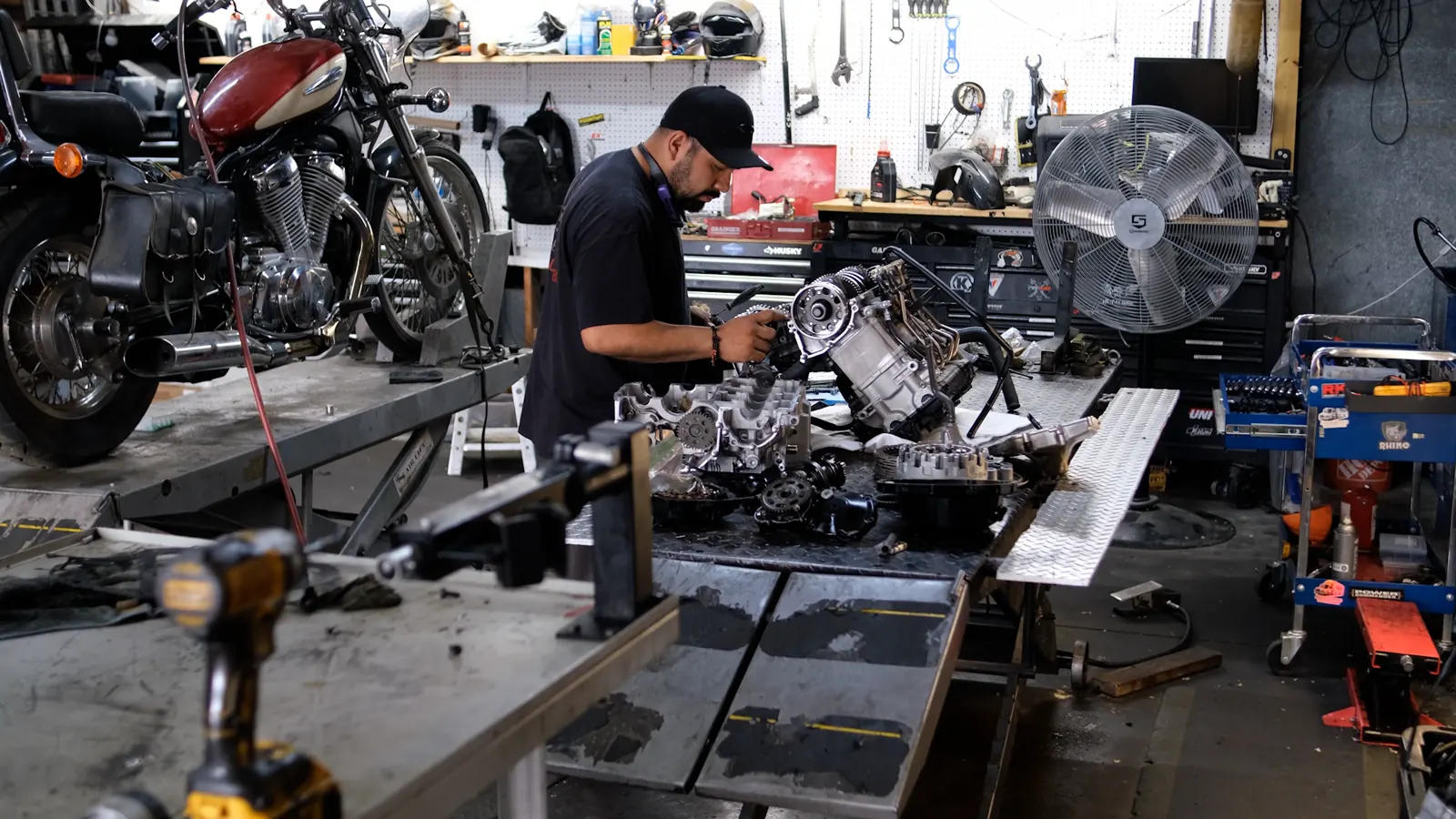
That’s where a drive down 575 pays off, and you’re already headed this way for work anyway. We’re an independent, all-makes shop in East Cobb with an in-house paint booth and techs who actually enjoy the slow, careful stuff. When the job crosses from cosmetics into real mechanical work, it helps to know what our restoration work covers so nothing surprises you. One shop, whole project, straight answers.
You don't buy a restoration all at once. You pick a tier — and the right tier is the one that fits your bike and your wallet.
So before you assume it’s out of reach, find out where your bike actually lands. Most Canton project bikes are closer to a revival than a frame-off, which means the number is a lot smaller than the fear in your head. And if it does need more, you’ll hear it straight, in order, with your approval on every step.
Get a real read before you spend a thing
The easiest first move costs you nothing. Text us a few photos of the bike — the tank, the engine, the pipes, and anything that looks rough — and tell us how long it sat and where. We’ll give you an honest read on which tier you’re realistically looking at and what it’d take to get it running and safe first. No sales script, no pressure, just a straight answer from a shop that likes this kind of work.
It’s about 30 to 40 minutes down 575 from Canton to us in East Cobb, and most riders are already making that run toward Cobb every week. Drop it off on the way to work, and we’ll take it from there. Whether it’s a clean revival or a bike that needs the full treatment, you’ll always know the number before we start — because that’s the only fair way to do it.
Questions Canton riders ask us
How much does a motorcycle restoration cost?
It depends entirely on the bike’s condition and how far you want to go. A mechanical revival on a garage-kept bike that just sat too long runs in the hundreds. A full frame-off restoration on a rare classic runs into real money over several weeks. Most Canton bikes we see land in the middle two tiers because they’re neglected, not rotted. We look first and quote second, every time.
Do I have to do a full restoration, or can I just get it running?
You choose the tier. Plenty of riders just want a mechanical revival — fresh fluids, battery, carb cleaning, tires, and brakes so the bike is safe and rideable. You can always take it further later. We’ll tell you honestly what it needs to be safe versus what’s optional cosmetic work, and you decide where to stop.
What makes one restoration cost more than another?
Four things mostly: how long the bike sat and whether storage was dry or damp, how easy the parts are to find, how original you want the finished bike, and whether the shop is honest about scope. Damp Georgia storage, rare parts, and concours-correct goals all push the number up. A common bike stored dry is the cheapest kind of project.
Will you find surprise costs once you tear it apart?
Sometimes a bike hides damage you can’t see until it’s apart — a rusted tank interior or a worn bearing, for example. When that happens, we stop and call you before spending a dime. You approve the extra step before we do it. You’ll never come back to work you didn’t okay or a bill you didn’t see coming.
Is it worth restoring an old bike or should I just sell it?
That comes down to what the bike means to you and what it’s worth restored. A family bike or a first bike often has value that has nothing to do with the invoice. A common project you have no attachment to might be a different call. We’re happy to give you an honest read on both paths so you can decide with real numbers.
Do you restore my brand of motorcycle?
Yes. We’re an all-makes shop, so Japanese cruisers and standards, Harleys, vintage project bikes, and cafe-racer builds are all welcome. We’ve got an in-house paint booth and techs who genuinely enjoy restoration work. You don’t need to farm the mechanical, paint, and detail work out to three different places — it’s one stop here.
We take restoration projects from all over Cherokee County, not just downtown Canton. Riders roll in from BridgeMill, River Green, and Hickory Flat, and just as many come from Waleska, Ball Ground, and Holly Springs. We see project bikes trailered over from Sixes and out toward Lake Arrowhead too. If you’re anywhere near the Riverstone corridor or The Mill on Etowah, you’re an easy run down I-575 to our East Cobb shop.
TEXT US A FEW PHOTOS OF YOUR PROJECT
Wondering which tier your bike actually needs? Text us photos of the tank, engine, and pipes and tell us how long it sat, and we’ll give you an honest read before you spend a thing. We’re about 30 to 40 minutes down 575 from Canton in East Cobb, with an in-house paint booth and techs who love this work. No sales script, just a real number.
470-460-9883Diaz Motorcycles and Service, LLC · 847 Barnes Mill Road, Marietta, GA 30062