Restore It or Sell It? How Canton Riders Decide What to Do With an Old Bike
A clear-eyed way to choose — value, attachment, condition, and cost — so you stop second-guessing the bike in your garage.
Plus, the restore vs sell motorcycle Canton debate keeps more good bikes trapped under tarps than any other single thing. Meanwhile the owner goes back and forth for years — is it worth fixing, or should I just dump it and move on? In fact the decision isn’t really that hard once you run it through four honest questions instead of your gut. So let’s build you a simple framework, because a bike sitting in indecision helps nobody, least of all the bike.
This comes up constantly with Canton riders. Somebody inherits a cruiser, or has a first bike gathering dust, or picked up a project that turned out bigger than expected. Now it’s parked in a River Green garage taking up space, and every few months the same argument replays in their head. Fix it and ride it? Or cut losses and sell it as-is to the next optimist?
There’s no universal right answer — the right call depends on your bike and your reasons. But there is a clear way to think it through. We’ll walk you through the four questions that actually settle it, then help you spot which way your particular bike is leaning. No pressure toward the restoration, either. Sometimes selling really is the smart move, and we’ll tell you when.
Question one: what's the bike actually worth restored?
Start with cold numbers. What is this specific bike worth once it’s running and clean? A common older cruiser or standard has a real, if modest, market value restored. A sought-after classic, a rare model, or a bike with genuine collector interest can be worth well more than the restoration costs — those are the easy yeses. And a bike nobody wants, restored, is worth restoring only if the reason isn’t money.
This is the least emotional question, so answer it first. If a solid revival costs a few hundred dollars and the bike is worth several thousand running, the math writes itself. If the restoration would cost more than the finished bike will ever be worth, that doesn’t automatically mean sell — but it does mean the reason to restore has to come from somewhere other than the spreadsheet. Which brings us to the question that actually decides most of these.
Question two: does this bike mean something to you?
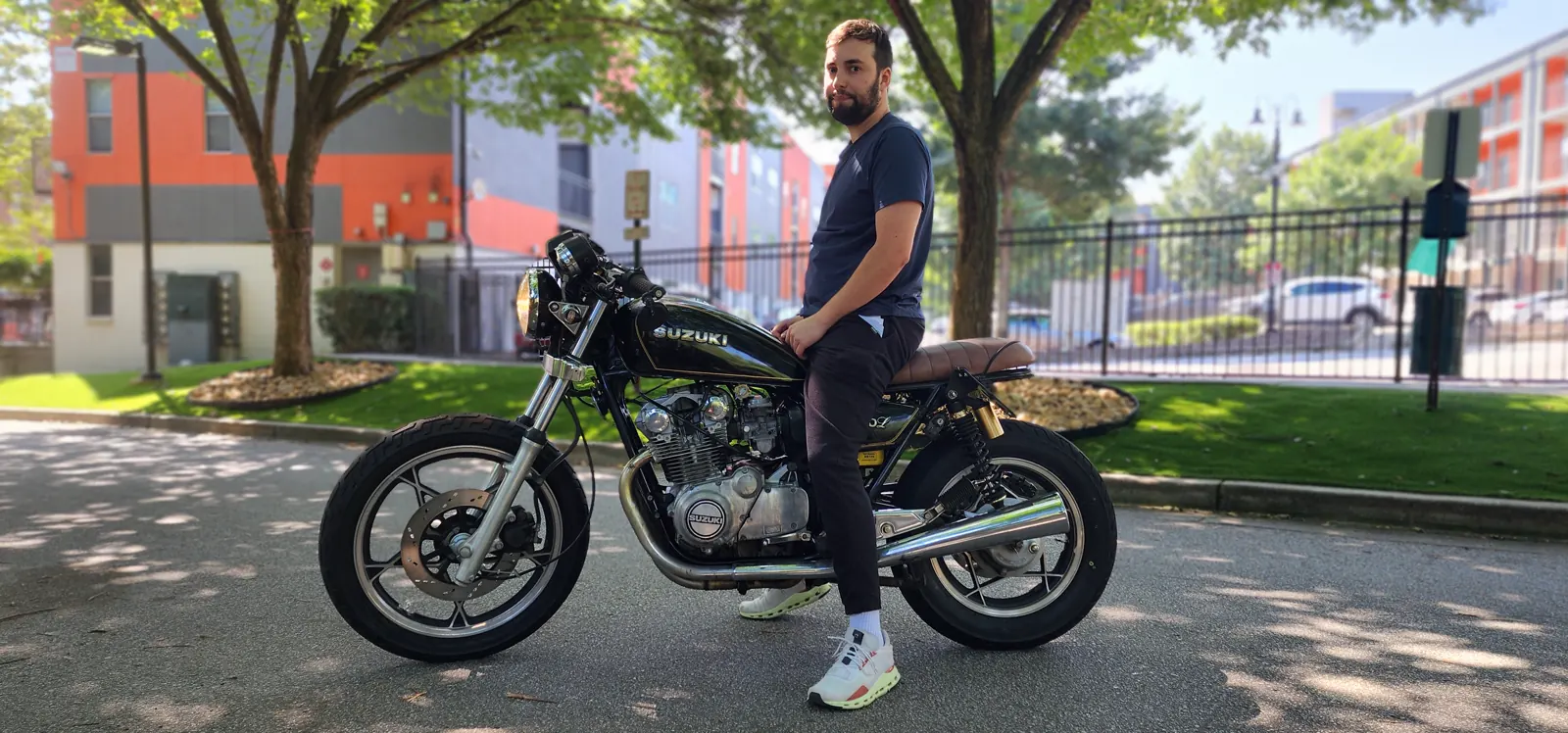
Here’s the one that overrides the spreadsheet, and it’s okay that it does. Is this grandpa’s bike? Your first bike, the one you learned on? The machine you always wanted and finally found? Sentimental value is real value, and there’s nothing foolish about restoring a bike because it matters to you even when the numbers say you could buy something newer for less. You can’t buy the history back once you sell it.
We’ve handed back plenty of bikes to owners who got quiet and a little misty when they heard the engine fire for the first time in a decade. That moment isn’t on any invoice, and it’s worth more to the right person than a showroom trade-in. So be honest with yourself: if this bike would hurt to sell, that’s not sentiment clouding your judgment — that’s the answer. Restore the thing you’d regret letting go.
BE HONEST
If the thought of someone else riding it away makes you flinch, you already know the answer.
The flinch test cuts through a lot of overthinking. If you’d genuinely feel relief watching it go, sell it and free the garage space. If you’d feel a pang of loss, that pang is data. A lot of riders talk themselves toward selling on pure logic, then feel worse the moment the buyer shows up with a trailer. Trust the flinch — it’s usually smarter than the spreadsheet on the bikes that actually matter.
Question three: how bad is it really?
Condition is where fear inflates the decision. Owners assume a bike that’s been sitting is a disaster, when most stored bikes are just neglected — gummed fuel, dead battery, dry tires, and stuck brakes. That’s a revival, not a rebuild, and it’s a lot cheaper than the horror story in your head. The bikes that are genuinely expensive are the ones with real rot: rusted-through frames, seized engines from running dry, or extensive missing parts on a rare model.
The trouble is you can’t tell which one you’ve got by staring at it in the garage and worrying. A bike that looks rough can be a clean revival, and a bike that looks okay can be hiding a rusted tank and a tired engine. This is exactly why an honest diagnosis is worth getting before you decide anything. Knowing the real condition turns a vague dread into a concrete number, and a concrete number is easy to decide on.
Question four: what does the restoration actually cost?
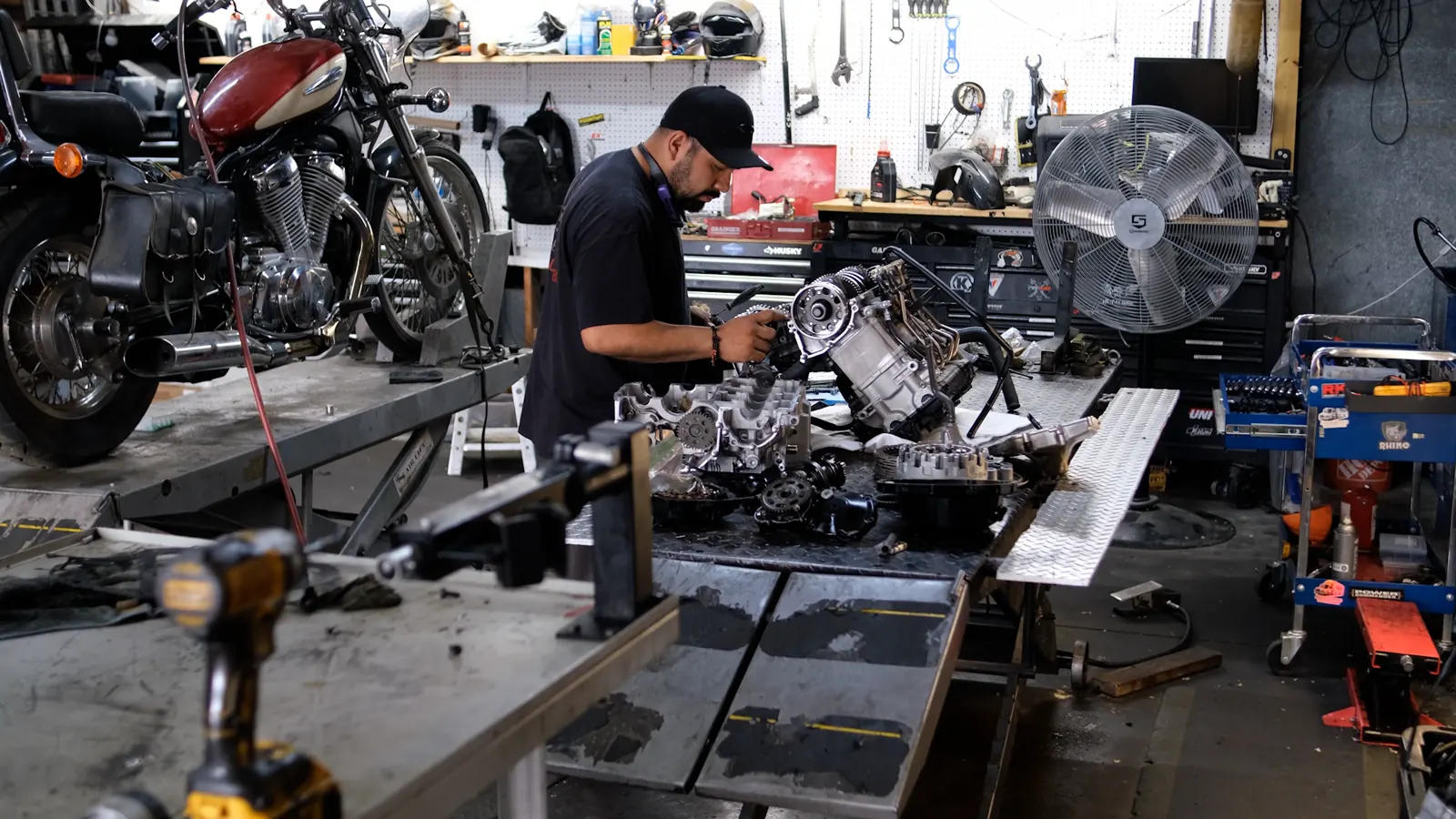
Now put a real cost against a real value. Once you know the bike’s condition, you know roughly which restoration tier it needs — a revival, a refresh, a cosmetic restoration, or a full build. Line that number up against what the bike is worth to you, both in dollars and in meaning. If the cost is small and the value or attachment is high, restore it. If the cost is huge and the bike is common and means nothing to you, that’s your clearest case to sell.
The gray zone is a common bike with modest value and real attachment, and that’s where most people get stuck. Our honest take: attachment wins more often than not, because you’ll spend more replacing a bike you loved than restoring it, and the replacement won’t have the history. But we’ll always give you the straight numbers first so you’re deciding with facts, not fear. You can see how the tiers price out in our cost breakdown.
Restore the bike you'd miss. Sell the bike you're only keeping out of guilt. The garage will thank you either way.
A two-minute gut check before you decide
If you want to shortcut all of this, run your bike through a quick checklist and count the yeses. It won’t make the decision for you, but it’ll show you which way you’re leaning faster than another year of staring at the tarp. Be honest with each one — the whole point is to cut through the wishful thinking in both directions.
- Would it genuinely hurt to watch someone trailer it away? (Leans restore.)
- Is it a family bike, a first bike, or the one you always wanted? (Leans restore.)
- Is it a common model you have zero attachment to? (Leans sell.)
- Does it need expensive rot repair — rusted frame, seized engine — not just a revival? (Leans sell.)
- Would restoring it cost far more than the finished bike is worth to you? (Leans sell.)
- Do you actually have the space and patience for a project right now? (Leans restore if yes.)
Count them up. If the restore column wins, stop second-guessing and get the bike diagnosed so you know the real number. If the sell column wins, list it and free the space with a clear conscience. And if it’s a genuine tie, remember that attachment usually outlasts logic — most riders who sell a bike they were fond of end up wishing they hadn’t.
QUICK RULE
When it’s a tie, the bike you feel something for is the one to keep. You can always buy another common runner.
When selling really is the smart move
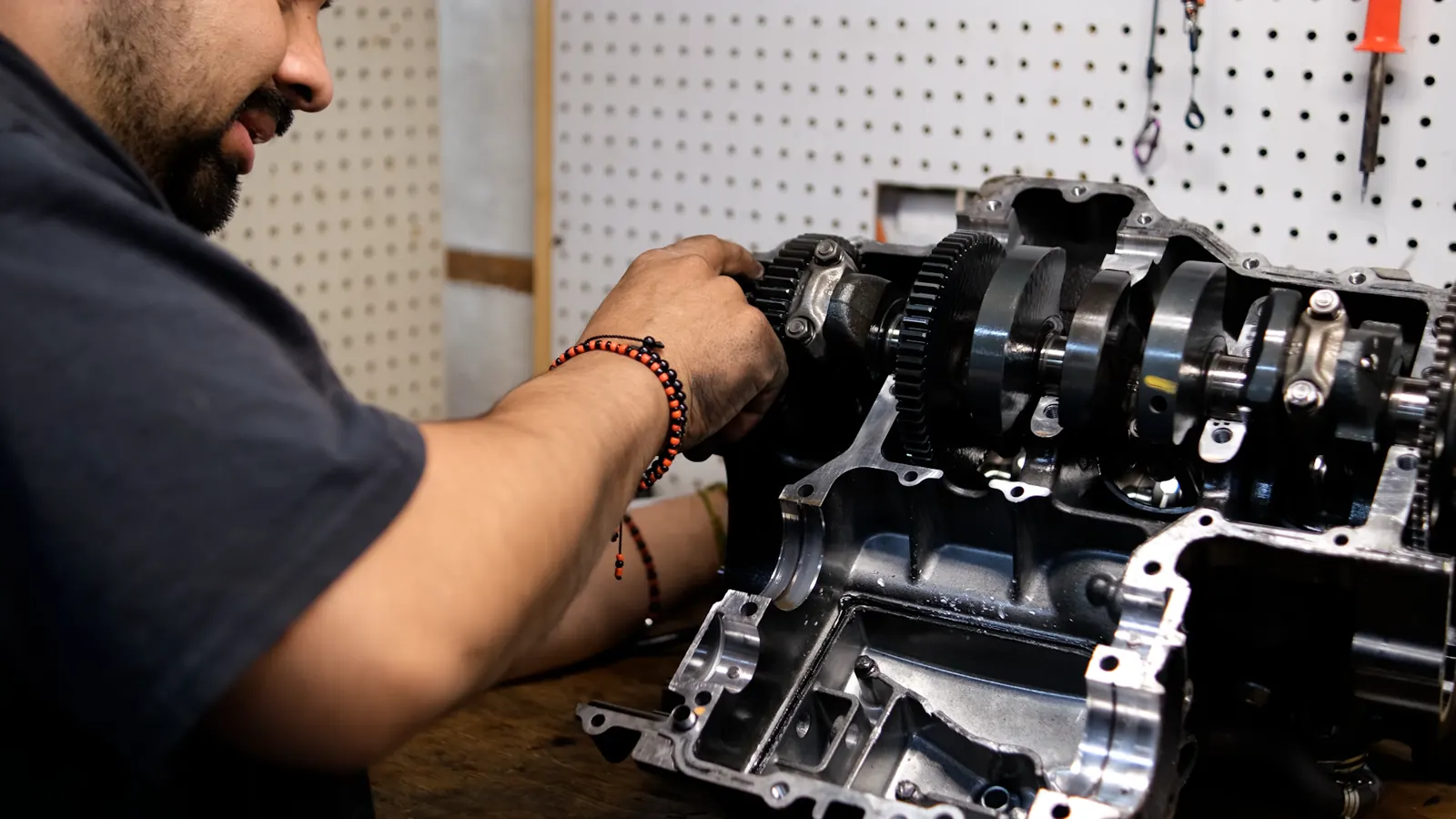
Let’s be fair to the other side, because we’re not here to talk you into work you shouldn’t do. Sometimes selling is exactly right. If the bike is a common model, has no personal meaning, needs extensive expensive work, and you’d honestly feel relief to see it gone, sell it. Free the space, put the money toward a bike you actually want to ride, and don’t look back. There’s no shame in it, and a shop that pretends otherwise is just chasing your wallet.
One tip if you do sell: a bike that at least runs and stops safely sells for more and easier than a dead lump, and a light mechanical revival can pay for itself in a higher sale price. So even the sell decision sometimes routes through a little shop time first. We’ll tell you honestly whether that’s worth it for your bike or whether you’re better off selling it exactly as it sits.
And here’s a quiet reality about the Canton market worth keeping in mind. Buyers up here are cautious about a bike that’s been sitting, because they’ve all heard the stories about varnished carbs and rusted tanks. A little documented shop work — a fresh battery, clean fuel system, and new tires with a receipt to prove it — turns your listing from a gamble into a confident sale. It often nets you more than it costs, which is why we never just wave everyone off toward a fire-sale price.
Get the facts before you decide
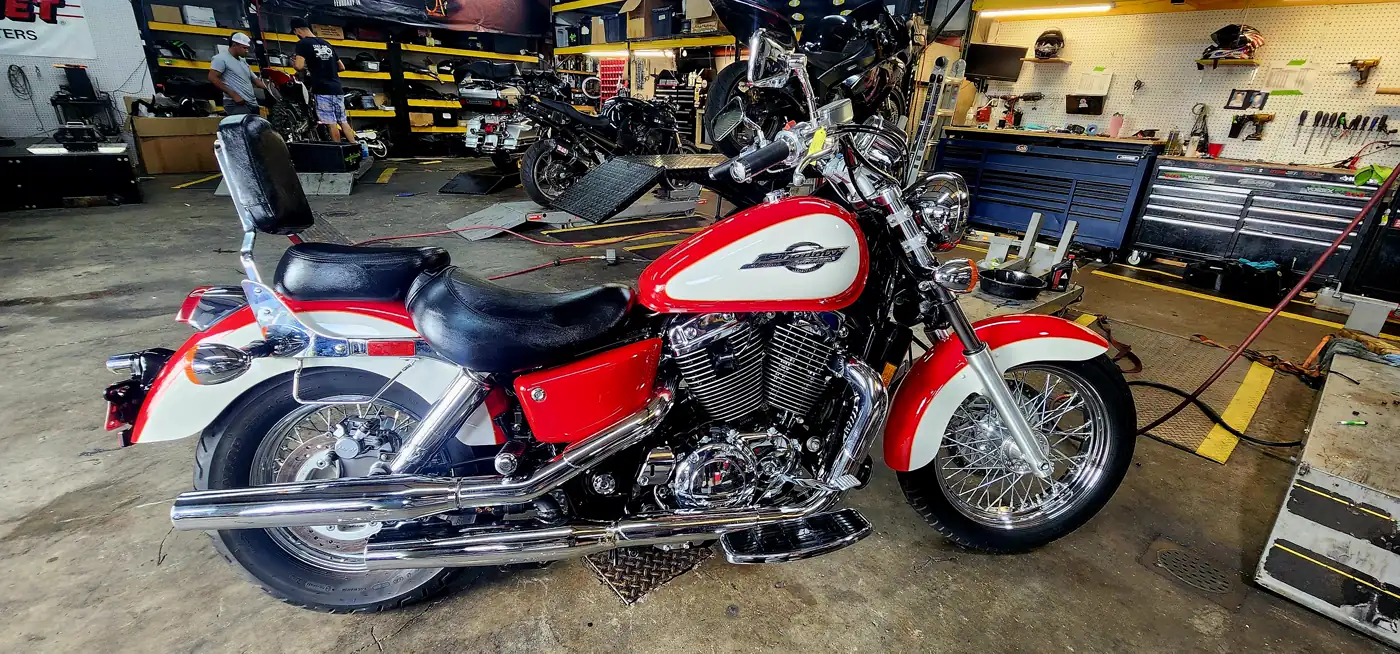
Canton produces a lot of these decisions because it’s garage country — big homes, mountain riders, and plenty of inherited and project bikes waiting on a verdict. The thing missing locally is a straight-shooting independent who’ll tell you honestly whether your bike is worth restoring, and won’t just push the job because they want it. That’s the read we give down in East Cobb, about 30 to 40 minutes down 575, a run most Canton folks make for work anyway.
So stop letting the bike sit in indecision. Text us a few photos and tell us the story — what it is, how long it sat, and what it means to you. We’ll give you an honest read on condition, a realistic restoration number, and our straight opinion on restore versus sell. Sometimes we’ll tell you to sell it. Either way you’ll finally have the facts to decide, and the tarp can come off the fence-sitting. If it’s a keeper, here’s what our restoration work covers.
Questions Canton riders ask us
How do I decide whether to restore or sell my old bike?
Run it through four questions: what’s the bike worth restored, does it mean anything to you, how bad is the condition really, and what would the restoration actually cost? If the cost is low and the value or attachment is high, restore it. If it’s a common bike with no meaning that needs expensive work and you’d feel relief to see it go, sell it. Numbers plus honesty settle almost every case.
Is it worth restoring a bike that isn't worth much money?
It can be, if the reason isn’t money. Sentimental value is real value — grandpa’s bike or your first bike is worth restoring even when the spreadsheet says otherwise, because you can’t buy the history back once you sell it. If the bike means nothing to you and the numbers don’t work, that’s a fair time to sell. Only you can weigh that, but we’ll give you honest numbers to weigh it with.
My bike's been sitting for years — is it too far gone to restore?
Probably not. Most stored bikes are just neglected — gummed fuel, dead battery, dry tires, stuck brakes — which is a revival, not a rebuild, and cheaper than most owners fear. The genuinely expensive cases are rusted-through frames, seized engines, or rare bikes missing lots of parts. You can’t tell which you’ve got by worrying about it, so get an honest look before you decide it’s hopeless.
Will you talk me into a restoration I shouldn't do?
No. Sometimes selling is the smart move, and we’ll say so. If your bike is common, means nothing to you, needs extensive expensive work, and you’d feel relief to see it gone, we’ll tell you to sell it. We’d rather give you an honest read and earn your trust than push a job you’ll regret. A shop that always says restore is just chasing your wallet.
Should I fix it up before selling, or sell it as-is?
It depends on the bike. A machine that at least runs and stops safely sells for more and easier than a dead one, so a light mechanical revival can pay for itself in a higher sale price. But on some bikes you’re better off selling exactly as it sits. Tell us what you’ve got and we’ll give you a straight opinion on whether pre-sale shop time is worth it.
Do you restore all makes and older bikes?
Yes. We’re an all-makes shop that enjoys older and vintage bikes — Japanese classics, old cruisers, project bikes, and inherited machines all welcome — with an in-house paint booth for the ones that need cosmetics. Whether you land on restore or sell-after-a-revival, we can handle the work and give you an honest read on the decision first.
Riders bring the restore-or-sell question from all over Cherokee County, not just downtown Canton. Bikes come from River Green, BridgeMill, and Harmony on the Lakes, and plenty trailer down from Waleska, Ball Ground, and Lake Arrowhead. Folks from Holly Springs, Hickory Flat, and the Sixes area near Riverstone Parkway make the run too. If you’re near The Mill on Etowah or the I-575 corridor, you’re an easy trip to our East Cobb shop.
TEXT US THE STORY OF YOUR BIKE
Stuck on restore versus sell? Text us a few photos and tell us what it is, how long it sat, and what it means to you. We’ll give you an honest read on condition, a realistic restoration number, and our straight opinion — even if that’s sell it. We’re about 30 to 40 minutes down 575 from Canton in East Cobb. Real facts, so you can finally decide.
470-460-9883Diaz Motorcycles and Service, LLC · 847 Barnes Mill Road, Marietta, GA 30062