Motorcycle Restoration Cost in Woodstock: A Real Price Guide
What actually drives the price of a restoration, how the tiers stack up, and how to read a quote so nothing surprises you.
Let’s talk money like adults. When you search motorcycle restoration cost Woodstock, you want a number, and every article gives you the same useless shrug: it depends. Well, it does depend, but that’s not an excuse to leave you in the dark. The price depends on specific, nameable things, and once you understand those, you can look at any quote and know whether it’s fair. So instead of a magic number, here’s the actual price map.
Woodstock is a research town. With Traxxion Dynamics headquartered right here on Rope Mill, this is a market that already understands that real technical work costs real money. Riders here don’t want the cheapest quote, they want to understand what they’re paying for. That’s exactly the right instinct, and it’s the whole reason this guide exists. Understand the drivers, and the number stops being scary.
Driver one: the condition of the bike
The single biggest thing that moves the price isn’t the make or the model. It’s condition. Two identical bikes can cost wildly different amounts to restore because one napped in a dry garage and the other rusted under a leaky cover. Condition decides how much has to be replaced versus merely cleaned, and replacement is where the money lives. This is why any honest shop looks before it quotes. A photo shows you paint. It doesn’t show you a seized piston or a rusted-through tank.
Here in Woodstock, condition skews better than most of the metro, and that helps your bill. The garage-heavy subdivisions mean many project bikes at least stayed dry, so you’re often paying to refresh rather than to rescue. But don’t assume. Even a garage-kept bike can hide internal rust, dried seals, and a fuel system full of varnish. The only way to know which job you have is to open it up, and the condition you actually find is the biggest single number in the whole guide.
Driver two: how far you want to go
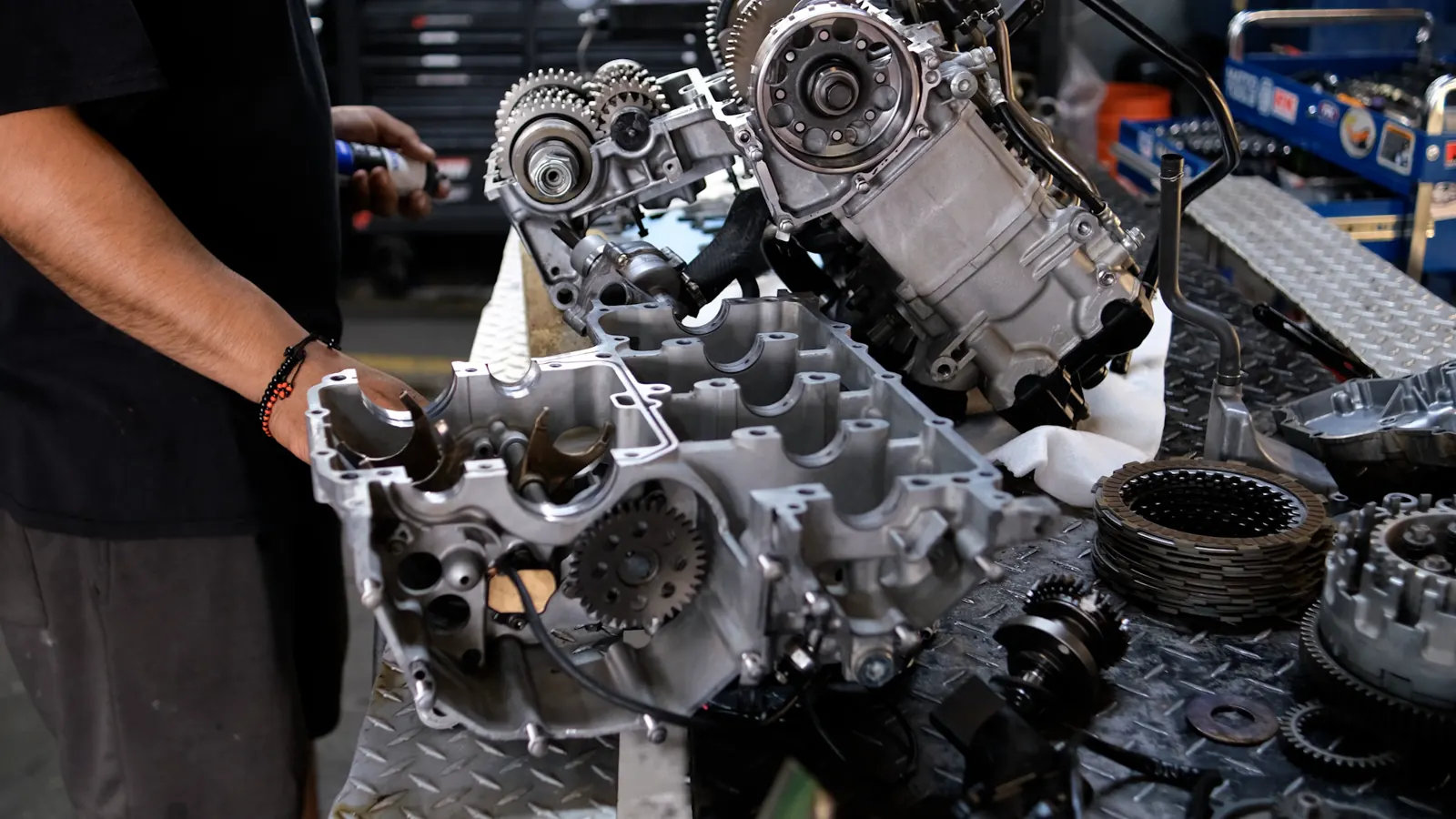
The second driver is you, specifically how deep you want the restoration to go. A mechanical revival, get it running and safe, sits at the bottom of the range. A driver-grade restoration, running plus good looks that can take real miles, sits in the middle. A full frame-off, everything apart to bare metal and rebuilt to inspection standard, sits at the top. Same bike, three very different numbers, and the difference is entirely about the goal, not the machine.
This is the part you actually control, which is good news. You get to decide how much bike you’re buying back. And you don’t have to pick the top tier to be happy. Most Woodstock riders land in the middle, driver-grade, because it gives a sharp bike that still eats a full day up 575 without the concours premium nobody notices at speed. Matching the tier to your honest plan is the smartest money move in the whole process.
Driver three: parts availability
Here’s a driver people forget until it bites: can we even get the parts? A common Japanese cruiser or a popular Harley has strong aftermarket and used-parts support, which keeps costs sane. A rare model, an odd import, or a bike where one specific piece hasn’t been made in decades can send the price up fast, because now we’re hunting, waiting, or fabricating. The bike itself might be simple. Feeding it can be the expensive part.
This is worth thinking about before you fall in love with an obscure project. It doesn’t mean rare bikes aren’t worth restoring, plenty are, but it does mean the parts hunt belongs in the budget conversation from day one. We’ll tell you honestly upfront if a bike is going to be a treasure hunt, so the timeline and the cost don’t surprise you three months in.
Driver four: chrome, paint, and plating
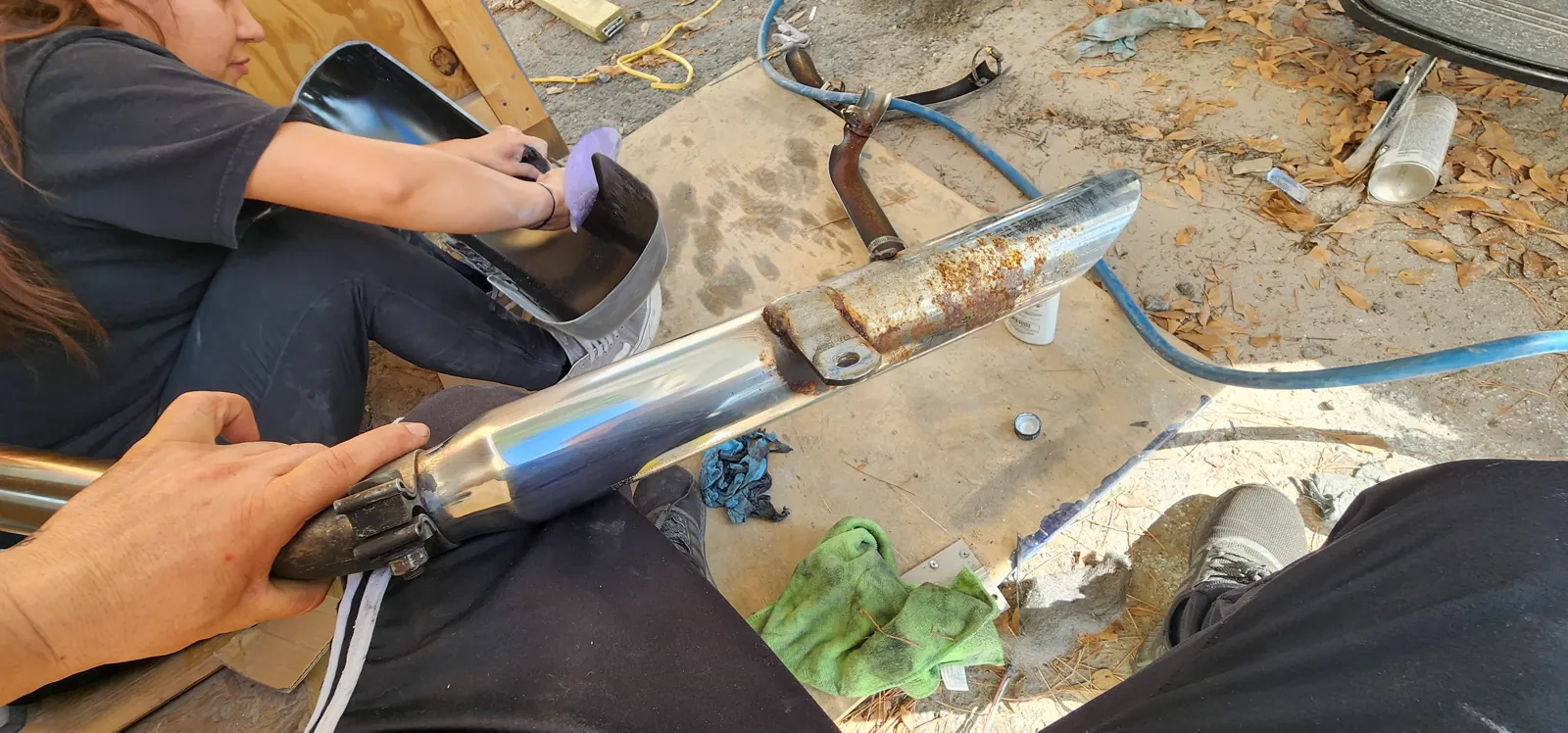
Cosmetics deserve their own line, because they’re a bigger slice of the bill than people expect. Chrome re-plating is slow, specialized outside work, and it isn’t cheap. Quality paint is mostly prep, and prep is hours, sanding, blocking, priming, and correcting before a drop of color goes down. So when you see a paint or chrome figure that looks high, it’s usually not markup. It’s labor you can’t see, hiding under a finish that looks effortless precisely because someone spent the time.
The flip side is that cosmetics are the most controllable part of your budget. You can keep original paint that’s still decent, polish chrome instead of re-plating it, and spend only where it shows. A rider who wants a clean, honest bike can save real money by not chasing showroom perfection on parts that face the ground. Cosmetics are where a smart plan saves the most, and where an unclear quote hides the most, which is why you read it carefully.
SPEND HERE
Put money where you’ll see it and where safety lives. Skip showroom chrome on parts that face the pavement.
That single idea saves Woodstock riders the most money of anything in this guide. Decide honestly how you’ll use the bike, then spend to match. A bike headed up 575 to ride hard all summer doesn’t need concours plating that road grit will chew up by August. A gentle Saturday cruiser to downtown Woodstock can justify the shine. Matching the finish to the plan, instead of gold-plating everything, is how a smart budget stays smart.
How to read a restoration quote
Now the practical skill: reading a quote so you can tell a fair one from a fishy one. A good restoration quote is specific, staged, and honest about the unknowns. A bad one is a single big number with no breakdown, or a suspiciously low number designed to win the job before the surprises show up. Here’s what a fair quote actually includes, so you know what you’re looking at when it lands in your texts.
- A clear tier — revival, driver-grade, or frame-off — so you know the goal in writing.
- Labor and parts broken out, not blended into one mystery figure.
- The known work priced, and the likely unknowns flagged honestly instead of buried.
- A staged plan, so you can approve big steps like engine or paint as they come up.
- A real diagnosis behind it — a quote that follows an inspection, not a phone guess.
- No sign-off on extra work without your okay first, ever.
If a quote skips these, be careful. The lowest number is rarely the cheapest job, because a lowball almost always grows once the real condition shows up. We’d rather give you a slightly higher honest range that holds than a rosy figure that balloons. That approach only works if we diagnose first, which is why we look before we price on every restoration we take. The inspection is what makes the number trustworthy.
READ THIS TWICE
The lowest quote is almost never the cheapest job. A lowball grows the moment the real condition shows up.
We say it because we’ve cleaned up after it. A rider takes the rock-bottom quote, then gets a call two weeks in about the engine, then another about the wiring, then another about the tank, and the final bill blows past the honest quote they turned down. A fair number that holds beats a cheap number that grows, every single time. Price certainty is worth paying a little more for, especially on a job with as many moving parts as a restoration.
Why the price is honest, not padded
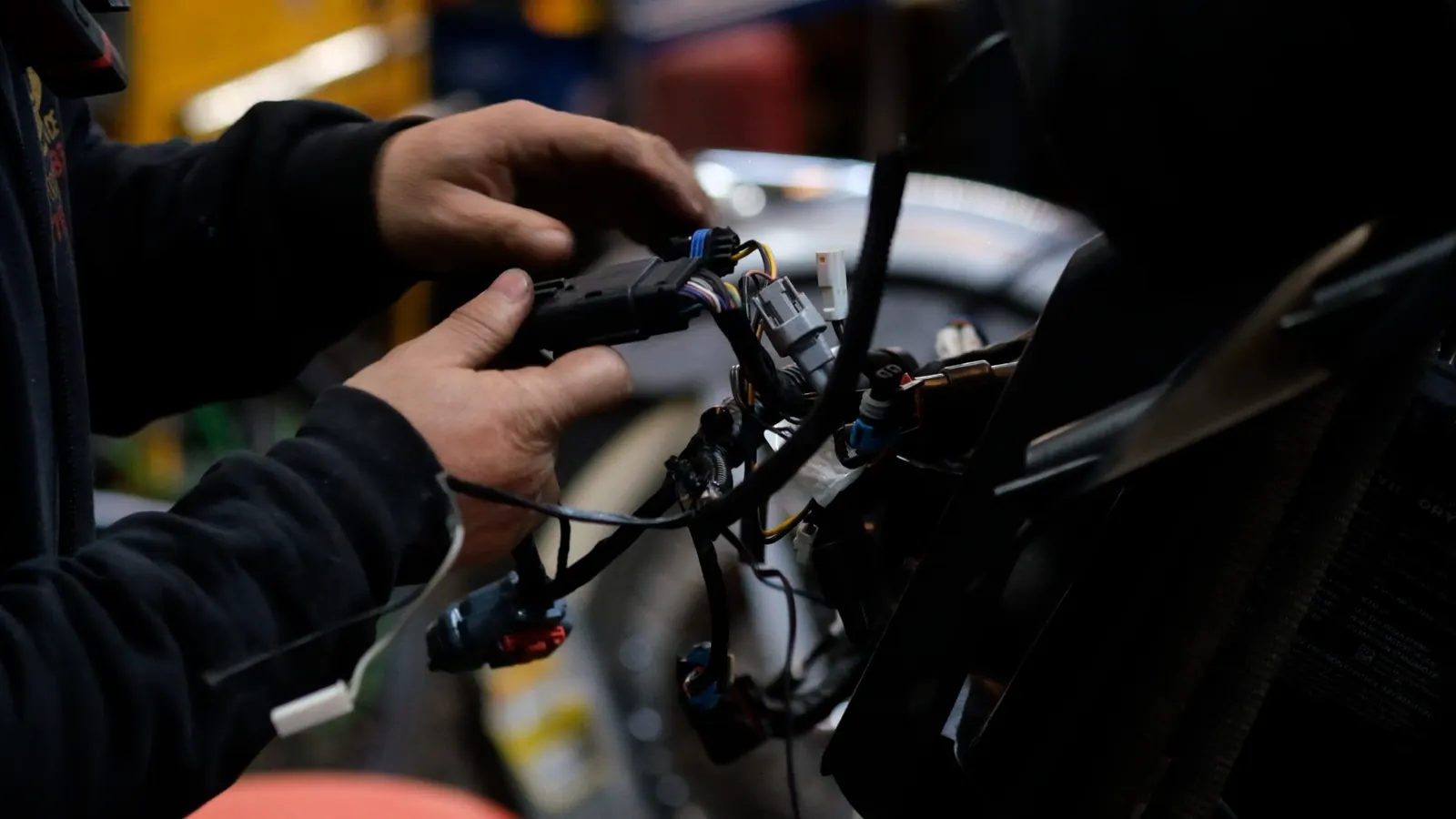
Woodstock riders benchmark against specialist pricing, not budget pricing, and that’s fair, because restoration is specialist work. Traxxion trained this market to understand that expert hands cost money, and restoration is the same story. You’re not paying for magic or markup. You’re paying for someone to do a thousand small jobs in exactly the right order, on your specific bike, with the patience to catch the problems before they become disasters. That labor is the product, and it’s most of the bill on every tier.
It’s also worth knowing there’s genuinely no restoration shop in Woodstock to compare against on price. The in-town shops are specialists, Traxxion for suspension, Atlanta Motorcycle Works for newer Japanese bikes, Kotic Kustoms for Harley and custom. None does all-makes, all-ages restoration. So the real comparison isn’t Woodstock versus Marietta. It’s an honest full-service restoration versus no local option at all, which makes a fair, transparent quote worth the short drive south.
You're not paying for parts and paint. You're paying for a thousand small jobs done in the right order.
Where you keep the bike shapes the number too. A garage-kept Towne Lake bike usually needs less rescue than one that lived outside, so Woodstock’s storage habits often work in your favor on the bill. But the only way to turn all this into your number, for your bike, is to look at it. Everything above is the map. The inspection is the territory. If you’re weighing the whole decision, it also helps to think through restore versus sell before you spend.
Get your real number
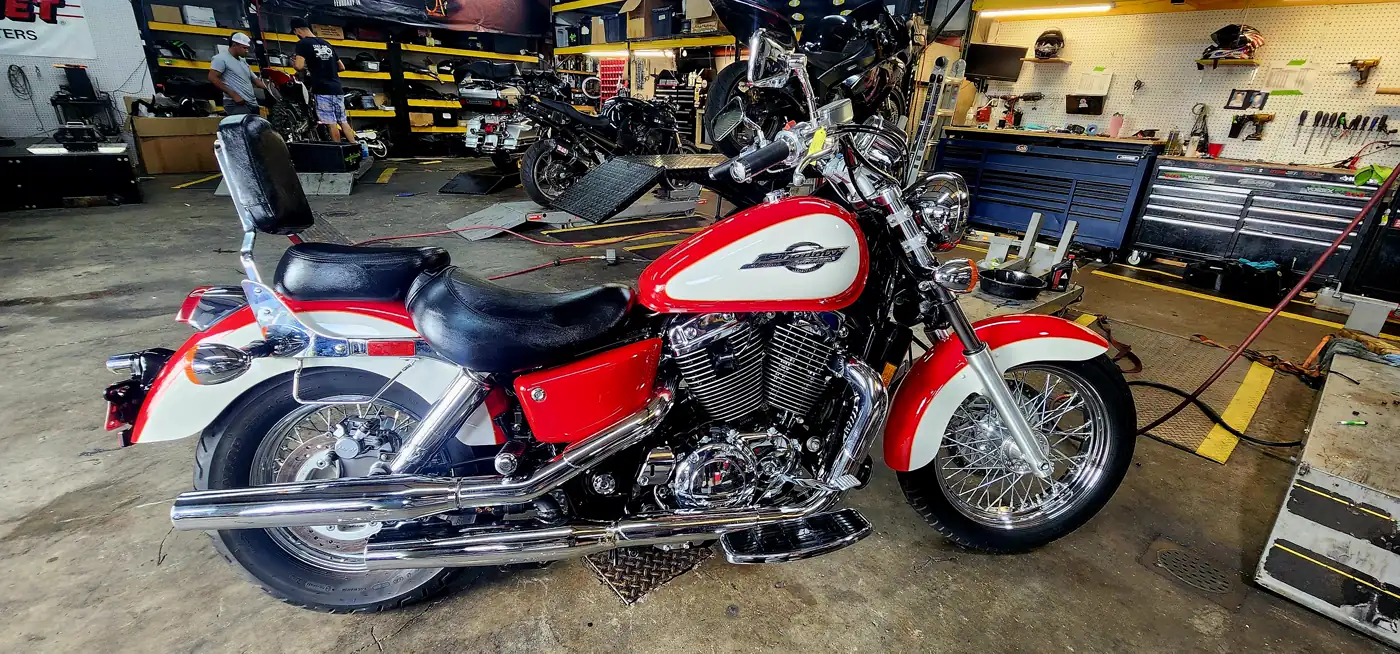
This guide gives you the map. Your actual price needs your actual bike, so let’s get you a real range. Text us photos of the tank, engine, chrome, and any trouble spots, tell us the tier you’re picturing and how the bike’s been stored, and we’ll come back with an honest breakdown, not a mystery figure. You’ll know what drives your number and roughly where it lands before you commit a dollar.
We’re an all-makes, all-ages shop about 25 to 35 minutes south of Woodstock, 575 to 75, right past the Big Chicken in Marietta. We offer pickup if the bike doesn’t run, and we stage the work so you approve the big steps as they come. No blended mystery numbers, no surprise add-ons, no sales script. Just a fair quote you can actually plan around.
Questions Woodstock riders ask us
Why won't anyone just tell me a flat restoration price?
Because condition is the biggest driver and it hides. Two identical bikes cost very different amounts depending on internal rust, a seized engine, or a varnished fuel system, none of which show in a photo. A flat number quoted blind is a guess that grows later. We look first so the number we give you is the real one.
What makes one restoration cost more than another?
Four things: the bike’s condition, how far you want to go, whether parts are easy to find, and how much chrome, paint, and plating you want. Condition and tier move the number the most. A rare bike with hard-to-find parts costs more to feed even if the work itself is simple.
Is the cheapest quote the best deal?
Rarely. The lowest number is often a lowball that balloons once the real condition shows up, ending higher than the honest quote you turned down. A fair number that holds beats a cheap one that grows. Look for a staged, itemized quote that names the unknowns instead of hiding them.
How do I know a quote is fair?
A fair quote states the tier, breaks out labor and parts, prices the known work, flags the likely unknowns, and follows a real inspection rather than a phone guess. It also promises no extra work without your okay first. If it’s one big blended number with no breakdown, ask questions before you sign.
Does keeping my bike in a garage lower the cost?
Often, yes. Garage-kept Woodstock bikes usually need less rescue than ones stored outside, so there’s less rust and corrosion to fix. But a garage isn’t climate-controlled, and Georgia humidity can still cause internal rust and dried seals. Storage improves your starting point, but we still confirm condition before pricing.
Can I spread the cost out over time?
Yes. Many riders get the bike running safe first, then stage paint and chrome over winter when they can’t ride anyway. We break restorations into steps you approve as we go, so it doesn’t land as one giant bill. Staging is one of the smartest ways to manage the total on a bigger build.
We price and restore bikes across Cherokee County, not just downtown Woodstock. Quotes go out to riders in Towne Lake, Deer Run, and Bradshaw Farm, plus the newer townhomes around Elm Street Event Green and the Reformation Brewery district. We handle projects pulled from garages near Olde Rope Mill Park and along Bells Ferry Road, Arnold Mill, and Trickum. If you’re near I-575 or The Outlet Shoppes, a short drive south is well within reach.
GET YOUR REAL NUMBER
Ready for an honest range instead of a shrug? Text us photos of the tank, engine, chrome, and any trouble spots, tell us the tier you’re picturing and how the bike’s stored, and we’ll break down what your restoration really runs. No blended mystery figures, no surprise add-ons. We’re an all-makes shop 25 to 35 minutes south of Woodstock, with pickup if the bike won’t run.
470-460-9883Diaz Motorcycles and Service, LLC · 847 Barnes Mill Road, Marietta, GA 30062