Motorcycle Restoration Woodstock: What It Costs and What You Get
Honest price tiers for a restoration, where every dollar of yours actually goes, and how to spend smart on the bike you love.
Here’s the first question every Woodstock rider asks, and the one most shops love to dodge: what does a restoration cost? The honest answer is that it depends on the bike, and that’s not a runaround. A motorcycle restoration Woodstock owners actually want can run anywhere from a light mechanical refresh to a full frame-off rebuild, and the price follows the work. So let’s skip the mystery, talk real tiers, and show you where every dollar goes.
First, a fair warning. Nobody can quote you an exact number off a phone photo and a hunch. A bike that napped two winters in a dry Towne Lake garage is a very different job than one that rusted under a cover behind a downtown townhome. We look before we quote, every time. But you still deserve a real range going in, so you know whether we’re talking coffee money or engine money before you ever load the trailer.
Tier one: the mechanical revival
The lightest tier is the revival, and it’s where a lot of Woodstock bikes land. This is the bike that ran fine three or four years ago, then got parked when life got busy and the kids’ schedules took over. It isn’t rusted to hard candy. It just went to sleep. On a revival we drain the stale ethanol fuel, clean or rebuild the carburetor, fit a fresh battery, flush the old fluids, sort the tires, and chase down whatever refuses to fire. The paint stays. The chrome stays. We’re buying back the running, not the shine.
This is the friendliest tier on your wallet, and honestly the most satisfying one to hand back. You get your bike breathing again without paying for cosmetics it doesn’t need. Plenty of riders stop right here, ride happy up 575 all fall, and never spend another dime. If your goal is just to get the thing rolling before the good mountain weather hits, this is your lane. No sense gold-plating a bike you mainly want to ride.
Tier two: the driver-grade restoration
The middle tier is what most people picture when they say restoration. Here we fix the mechanical side and bring back the looks, but we aim for a clean, honest, ridable bike rather than a museum piece. Think fresh paint or a good color-sanded original, re-plated or polished chrome where it matters, new cables and grips, a rebuilt seat, and a drivetrain you can trust on a real ride. It looks sharp in the Reformation Brewery lot and it can still eat a full day of Cherokee County backroads.
This tier is where the money starts to spread out, because now labor and parts both climb. But it’s also the sweet spot for value. You end up with a bike that turns heads and takes miles, without paying the premium for concours-level perfection that nobody sees at 55 miles an hour anyway. For most Woodstock garages, driver-grade is the smart buy.
Tier three: the full frame-off build
The top tier is the full frame-off, and it’s exactly what it sounds like. Everything comes apart down to the bare frame. The engine gets split and rebuilt, the frame gets stripped and refinished, every bearing and seal is new, the wiring is renewed, and the paint and plating are done to a standard you can lean in and inspect. This is the tier for a family heirloom, a rare model, or the one bike you plan to keep for the rest of your life.
It’s also the tier where honesty matters most, because a frame-off is a real investment of both money and time. We won’t pretend otherwise. What we will do is tell you the truth before you commit, break the build into stages you can approve as we go, and never surprise you with a bill you didn’t sign off on. A frame-off should feel like commissioning something, not like getting ambushed at the register.
Where the money actually goes
So what are you really paying for? Not magic, and not markup for the sake of it. A restoration bill is mostly hours and materials, and the split shifts with the tier. Here’s the honest breakdown of what eats the budget on a typical Woodstock restoration, roughly in order of how much they move the total.
- Labor hours — the biggest line on almost every job; skilled hands are the product.
- Engine internals — pistons, rings, bearings, gaskets, and seals when the motor comes apart.
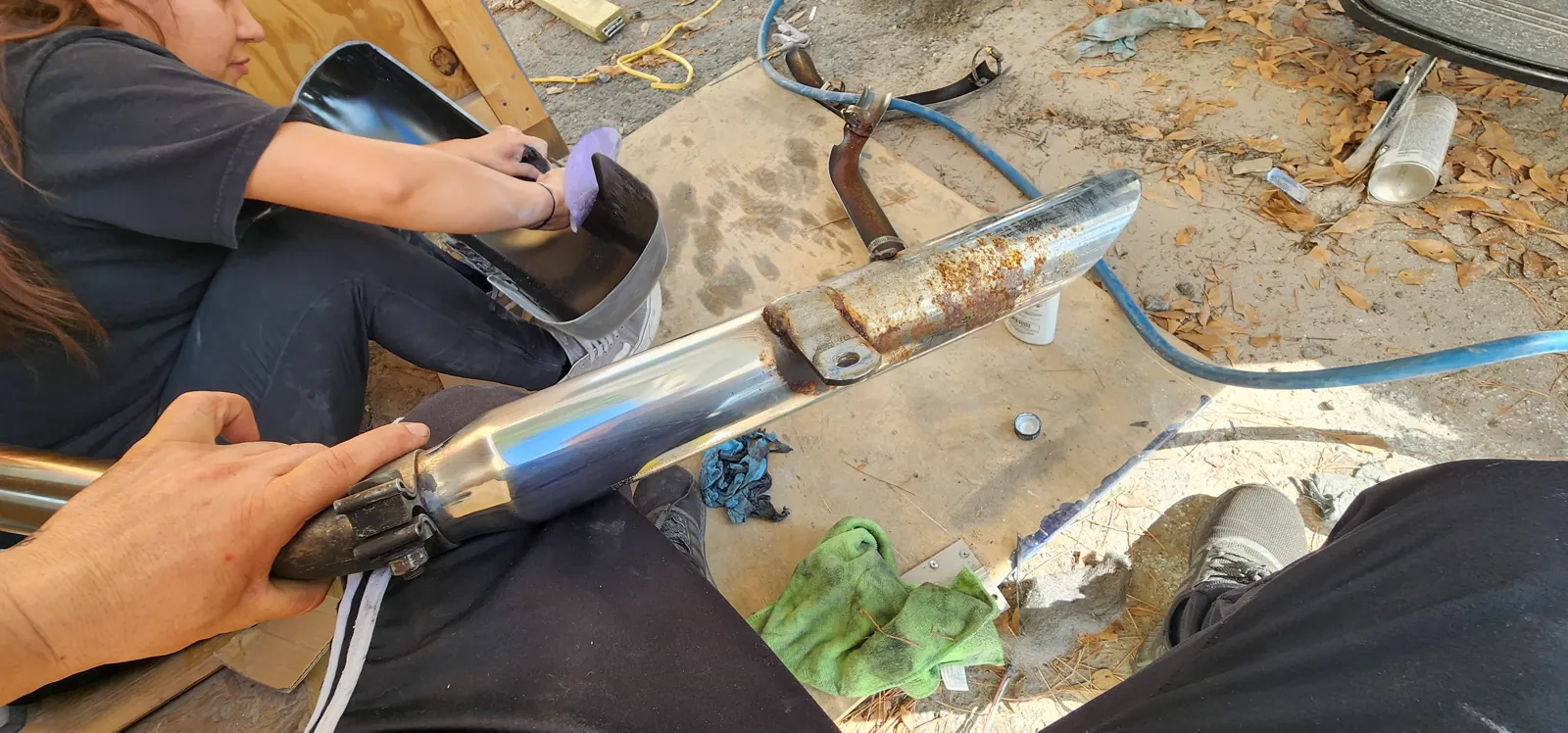
- Chrome and plating — re-plating rusted pieces is slow, specialized, and never cheap.
- Paint and bodywork — prep is most of the cost; the color is the easy part.
- Wiring, cables, and rubber — the small stuff that quietly adds up across the whole bike.
- Tires, brakes, and consumables — the safety items that are non-negotiable before you ride.
Notice that labor leads the list on every tier. That’s not a Woodstock thing, that’s a restoration thing. A bike is a thousand small jobs done in the right order, and the order is what you’re really hiring. This is a big part of what drives the price on any build, and it’s why two bikes that look identical in photos can cost very different amounts once we open them up.
HEADS UP
The photos never tell the whole story — the real number lives under the tank.
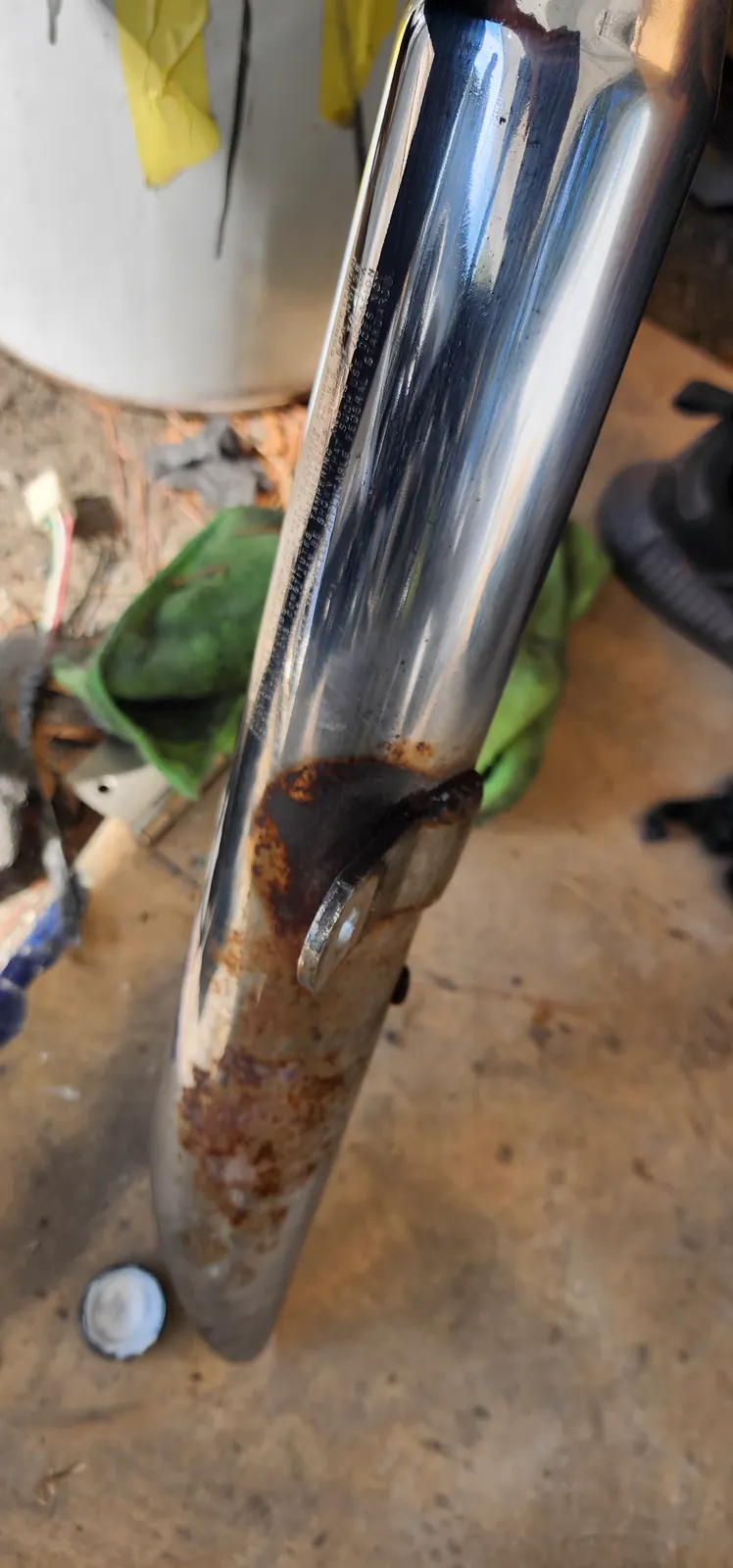
Here’s the trap. A bike can look 80 percent done in the driveway and still be a big job, because the expensive problems hide. Pitted chrome under a cover, a seized piston, crumbling wiring insulation, a cracked case weeping oil — none of that shows in a phone photo taken in good light. That’s exactly why we diagnose before we price. We’d rather tell you the real number after we look than guess low to win the job and then hand you a nasty surprise halfway through.
Why there's no restoration shop in Woodstock
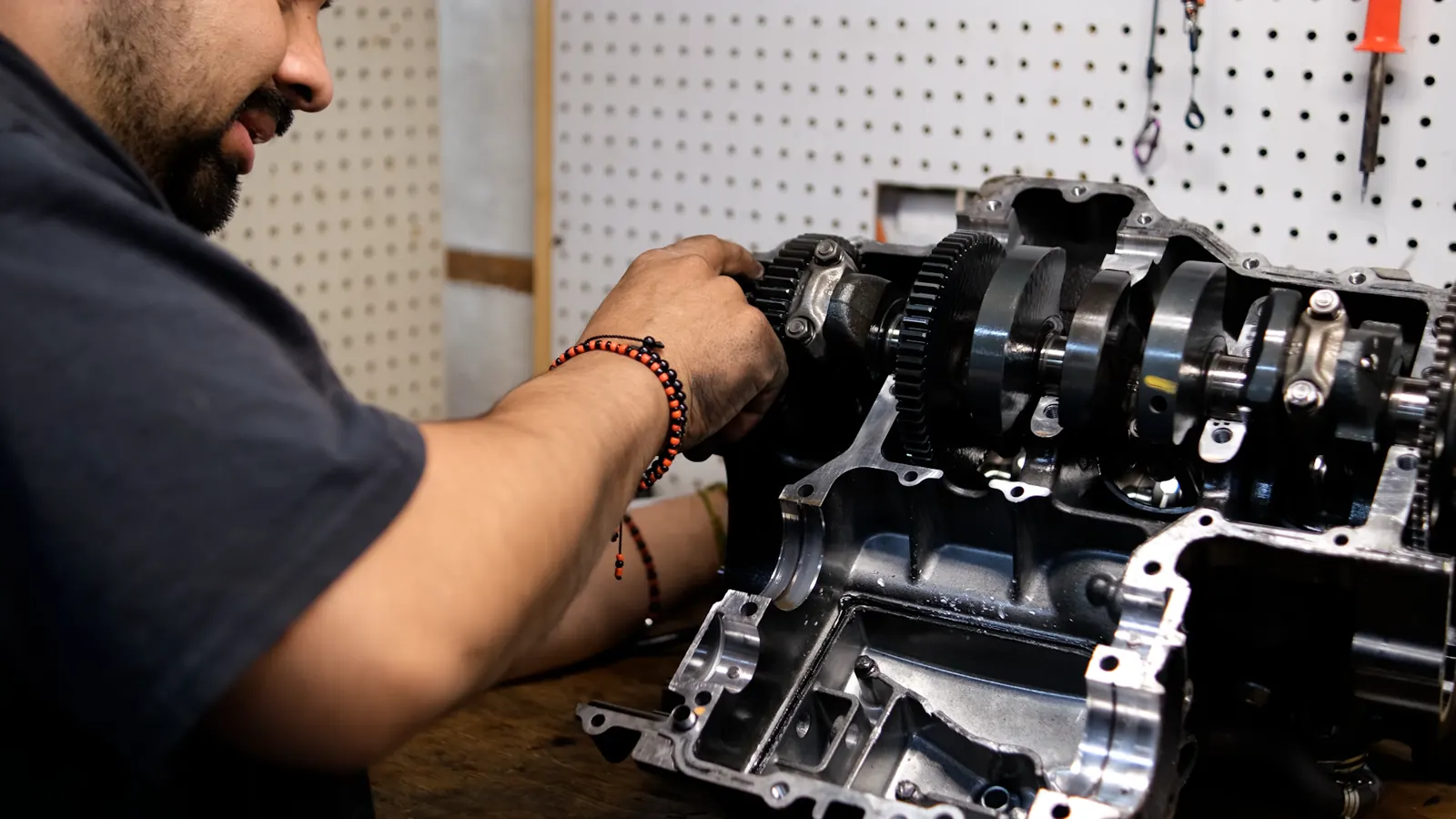
Here’s something a lot of Woodstock riders don’t realize until they go looking: nobody in town does this. Woodstock has real motorcycle businesses, and good ones. Traxxion Dynamics on Rope Mill is a national name in suspension. But suspension is their world, not full restoration. Atlanta Motorcycle Works only services Japanese bikes fifteen years old or newer, which counts out most restoration candidates by definition. Kotic Kustoms on Bells Ferry does Harley and custom builds. None of them is an all-brands, all-ages restoration shop.
- Traxxion Dynamics — world-class suspension, but suspension only, not full restoration.
- Atlanta Motorcycle Works — services Japanese bikes 15 years old or newer; older projects are out.
- Kotic Kustoms — Harley and custom focus, not vintage all-makes restoration.
- Dealerships up 575 — brand-locked service departments with spring backlogs, not restoration shops.
- Diaz — all makes, all ages, full restoration under one roof about 30 minutes south.
That gap is the whole reason Woodstock riders end up on our lift. If your bike is over fifteen years old and isn’t a Harley, there’s genuinely nowhere in Woodstock that will take it on. We’re about 25 to 35 minutes south down 575 to 75, and in a city where folks happily ride ninety minutes for fun, that drive is not the obstacle people expect it to be. It’s what we do all week, on every make and every era.
Spending smart, not just spending
Now the fun part: how to spend your money where it counts. The single smartest move is to match the tier to the bike and to your honest plan for it. If you want to ride it hard up to Suches all summer, don’t pay for show-chrome that’ll get pelted with road grit by August. If it’s grandpa’s bike and it’s going to live clean and get ridden gently to downtown Woodstock on Saturdays, then yes, spend on the cosmetics that make you smile every time you walk into the garage.
The second smart move is staging. You don’t have to do everything at once. Get it running safe first, ride it a season, then come back for paint and chrome over the winter when the mountain roads ice over anyway. Winter is the right window for the deep cosmetic work, and spreading it out keeps the whole thing from feeling like one giant bill. A restoration is a marathon, and there’s no prize for sprinting it.
WORTH KNOWING
Winter is restoration season here — the bike’s parked anyway, so that’s the time to hand it over.
One more thing worth saying out loud, because it changes the math. A restored bike holds value in a way a project pile never will, and a buyer reads a cared-for machine in about two seconds. If you ever sell, honest restoration work follows the bike. And if you’re wrestling with whether the bike is even worth it, that’s a real question we take seriously — it’s worth thinking through whether to restore or move on before you spend a dollar.
The easiest next step
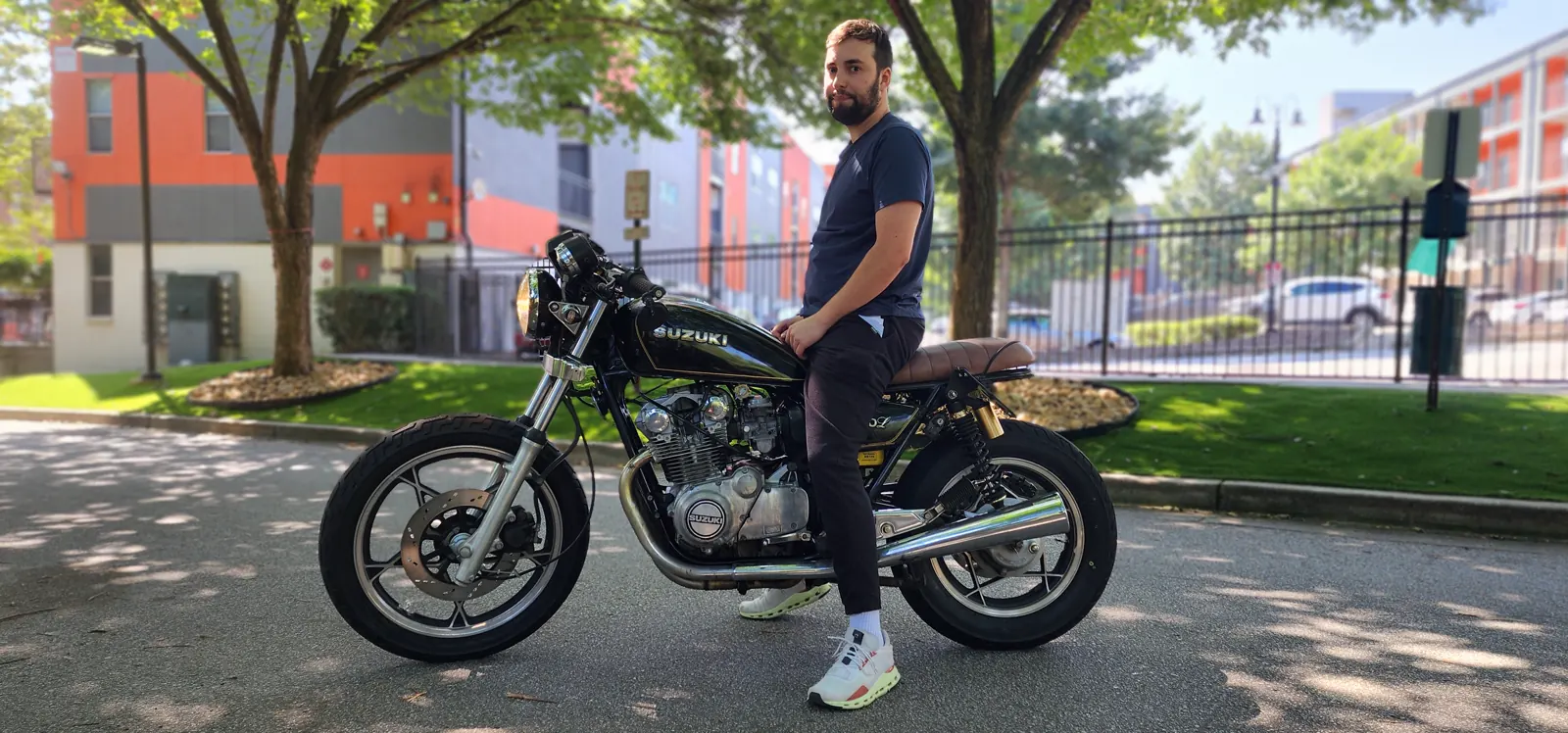
Making the first step painless is the whole point. You don’t have to load the bike or commit to anything to get a real read. Text us a few photos — the tank, the engine, the chrome, and any spot that worries you — and tell us the story of how it’s been stored. We’ll come back with an honest tier and an honest range, in plain words, before you spend a thing.
When you’re ready to bring it down, the drive is simple: 575 south to 75, and once you spot the Big Chicken in Marietta you’re basically here. We’re an all-makes, all-ages shop, which means your bike doesn’t need to be the right brand or the right year to get a fair shot. It just needs to be yours. Send the photos and let’s talk about what it’ll really take to bring it back.
A restoration isn't one big bill. It's a lot of small right decisions, made in the right order.
If you’ve been staring at that shape under the tarp every time you pull into the garage, this is your sign. It doesn’t have to happen all at once, and it doesn’t have to break the bank. Start with a text, get the honest number, and decide from there. The bike’s been patient. You’ve earned an answer you can actually plan around.
Questions Woodstock riders ask us
Can you give me a price over the phone?
We can give you a ballpark tier and a rough range from good photos, but not a firm number. The expensive problems on a restoration hide under the tank and inside the engine, so we diagnose before we quote. That way the number you get is the real one, not a hopeful guess that grows later.
What's the cheapest way to get my bike running again?
That’s the tier-one revival: stale fuel out, carburetor cleaned or rebuilt, fresh battery, fluids flushed, tires and brakes sorted, and whatever’s keeping it from firing chased down. The paint and chrome stay as-is. It’s the friendliest option on your wallet and gets plenty of Woodstock bikes back on the road before fall.
Do I have to do the whole restoration at once?
No, and often you shouldn’t. Many riders get the bike running safe first, ride a season, then come back over winter for paint and chrome. Staging the work spreads the cost out and keeps it from feeling like one giant bill. Winter’s the ideal window for the deep cosmetic work anyway, since the mountain roads are iced over.
Why can't I get a restoration done in Woodstock?
Woodstock’s motorcycle shops are specialists. Traxxion does suspension, Atlanta Motorcycle Works only takes Japanese bikes fifteen years or newer, and Kotic Kustoms focuses on Harley and custom. None is an all-brands, all-ages restoration shop. If your bike is older and isn’t a Harley, there’s genuinely no local home for it — which is why riders come to us.
Is a restoration worth the money?
It depends on the bike and what it means to you. A restored bike holds value far better than a project pile, and honest work follows the machine if you ever sell. But if it’s a common bike with no sentimental hold on you, sometimes selling makes more sense. We’ll give you a straight read either way before you commit a dollar.
How far are you from Woodstock?
About 15 to 19 miles, roughly 25 to 35 minutes down 575 to 75. Once you spot the Big Chicken in Marietta, you’re nearly here. We also offer pickup and delivery, so if the bike doesn’t run or you’d rather not trailer it, we can come get it. In a town where riders go ninety minutes for fun, the drive isn’t the obstacle folks expect.
We restore bikes for riders all over Cherokee County, not just downtown Woodstock. Projects roll in from Towne Lake, Deer Run, and Bradshaw Farm, plus the newer townhomes near Elm Street Event Green and the Reformation Brewery district. We see bikes from near Olde Rope Mill Park and along Bells Ferry Road, Arnold Mill, and Trickum. If you’re near I-575 or The Outlet Shoppes, you’re an easy run south to our lift.
TEXT US A PHOTO OF YOUR PROJECT
Want the honest tier and an honest range before you spend a thing? Text us a few photos of the tank, engine, and chrome, and tell us how the bike’s been stored. We’ll give you a straight read, in plain words, with no pressure. We’re 25 to 35 minutes south down 575 — an all-makes, all-ages restoration shop for the whole Woodstock and Cherokee County crowd.
470-460-9883Diaz Motorcycles and Service, LLC · 847 Barnes Mill Road, Marietta, GA 30062