Restore vs. Sell Your Motorcycle in Woodstock: How to Decide
An honest way to decide whether to bring the old bike back or let it go, without regret either way.
You’ve got a decision to make, and it’s been nagging at you every time you squeeze past that bike in the garage. Do you finally restore it, or do you sell it and move on? It’s a genuinely hard call, and anyone who says it’s obvious is selling you something. So let’s do this honestly. The restore vs sell motorcycle Woodstock question comes down to a few clear factors, and once you weigh them, the right answer usually gets loud.
First, a promise. We’re a restoration shop, so you’d expect us to tell you to restore everything. We won’t. Sometimes selling is the smarter move, and we’ll say so to your face. A good shop would rather send you off with honest advice than talk you into a project you’ll resent. So read this as a decision guide, not a sales pitch. The goal is that you don’t regret whichever way you go.
Factor one: does the bike mean something?
Start with the least logical factor, because it’s often the most important. Does this bike mean something to you? If it was your dad’s, or your first bike, or the one you rode across the country in your twenties, then normal math stops applying. You’re not restoring a machine, you’re keeping a piece of your life running. Nobody sells that and feels good about it later. If the bike has a hold on your heart, the decision is mostly already made, and the rest is just planning.
But be honest with yourself, too. Plenty of bikes are just bikes. If it’s a common model you bought used, rode for a couple years, and parked, with no real story attached, then sentiment isn’t in play and you can decide on cold numbers. There’s no shame in that. Not every bike is a family heirloom, and pretending one is just to justify a restoration is how people end up with a beautiful bike they don’t actually care about.
Factor two: what's it worth restored?
Now the cold math. What will the bike be worth once it’s done, and how does that compare to what the restoration costs? For some bikes the finished value comfortably clears the cost, and restoring is a solid financial move as well as an emotional one. For others, especially common models, you’ll spend more restoring than the bike will ever fetch. That doesn’t automatically kill the idea, plenty of people restore at a loss on purpose because they want the bike, but you should know the gap going in.
Here’s where it gets interesting for Woodstock specifically. This is an affluent, motorcycle-serious market. Riders here understand and pay for quality, and a well-restored bike finds an appreciative buyer more easily here than in most of the metro. So a quality restoration holds its value better in this area than the raw numbers might suggest. It’s not a guarantee, but the local market genuinely rewards doing it right, which shifts the math in favor of restoring when the bike is worth restoring at all.
Factor three: how bad is it, really?
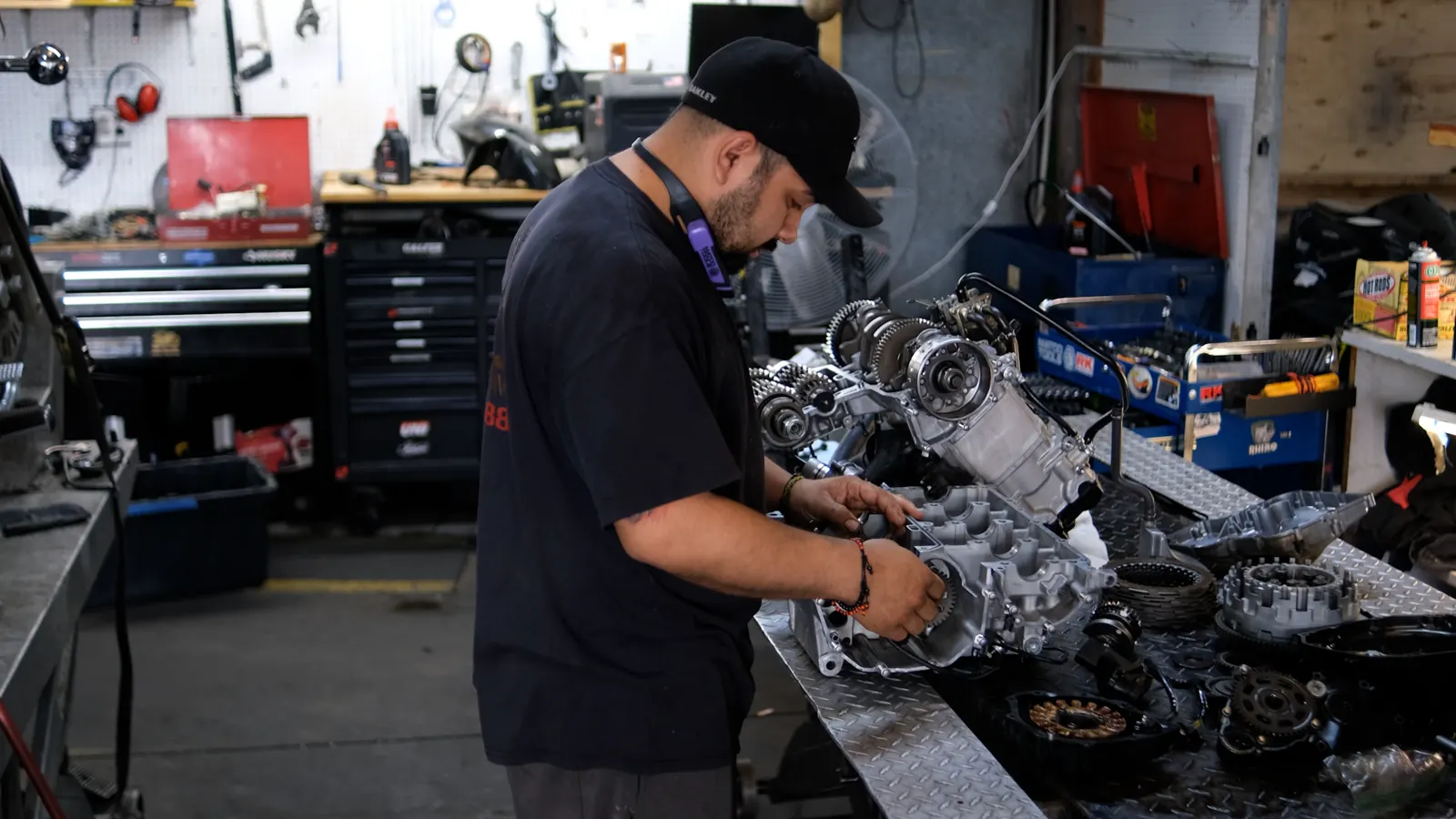
The condition of the bike is the factor that can flip the whole decision, and it’s the one you can’t judge from a lawn chair. A bike that simply sat, with gummed fuel, a dead battery, and dried seals, is a straightforward, affordable revival, which tilts hard toward keeping it. A bike with a cracked case, a rusted-through frame, or an engine somebody already cranked to death is a much bigger, riskier job, which can tilt toward selling it as a project to someone with more time than sense.
The trouble is that condition hides, and people guess wrong in both directions. Some folks sell a perfectly revivable bike for scrap money because they assumed the worst. Others sink a fortune into a bike that turned out to be structurally shot. This is exactly why an honest inspection before you decide is worth so much. Knowing what you actually have, not what you fear or hope, is what makes the restore vs sell call a real decision instead of a gamble.
Factor four: your time and your plan
The last factor is you, not the bike. A restoration takes time, even when a shop does the wrenching, because there are decisions to make and a project to stay engaged with. If you’re genuinely excited to see the bike come back, that time is part of the fun. If the very thought of it makes you tired, that’s honest data too. A bike you’ll love having but dread dealing with is a heavier lift than the money alone suggests.
Space matters as well, and Woodstock riders feel this one both ways. Many here have roomy garages in the Towne Lake subdivisions, so a project isn’t in the way. But the growing downtown townhome crowd often has no garage at all, and a long project has nowhere to live. If storage is tight, that pushes gently toward either a quick revival you’ll ride soon or a clean sale. Be honest about where the bike will actually sit while the work happens.
The good news is that a shop can carry most of the time and space burden for you. Pickup, staged work over the off-season, and clear updates mean the project doesn’t have to camp in your garage or eat your weekends. If time and space were the only things holding you back, they’re often the easiest factors to solve. Don’t let a logistics worry decide an emotional question it was never meant to answer.
BE HONEST
A bike you’ll love owning but dread dealing with is heavier than the money alone. Weigh your patience too.
When restoring is the clear winner
Let’s make it concrete. There are situations where restoring is almost always the right call, and if you see yourself here, you can stop agonizing. These are the cases where keeping the bike wins on both the heart side and, usually, the head side too. If a few of these ring true, your decision is probably already made and you just needed permission to admit it.
- The bike has real sentimental value — a family bike, your first, or a lifetime keeper.
- It’s a rare or desirable model where the finished value clears the cost of the work.
- It mostly just sat, so it needs a revival rather than a rescue.
- You want this exact bike and can’t simply buy another one like it.
- You plan to keep and ride it for years, so the cost spreads across a long, good life.
That last point matters more than people realize. A restoration cost feels huge as a single number, but spread across ten years of riding your favorite bike up 575 into the mountains, it’s small money for a lot of joy. If you’re going to keep it and ride it, the math almost always works in restoring’s favor. The people who regret restorations are usually the ones who did it and then didn’t ride, not the ones who kept and used the bike they loved.
GUT CHECK
Picture the bike sold and gone next month. Relief means sell. A pang means restore.
That gut check is more reliable than any spreadsheet. Sit with the image of the bike gone, someone else riding it, the garage spot empty. If what you feel is clean relief, one less project, then sell it and don’t look back. But if you feel a real pang, a little grief, that’s your answer, and no amount of cold math will talk you out of it for long. The heart usually knows before the calculator does, so let it vote.
When selling is the honest answer
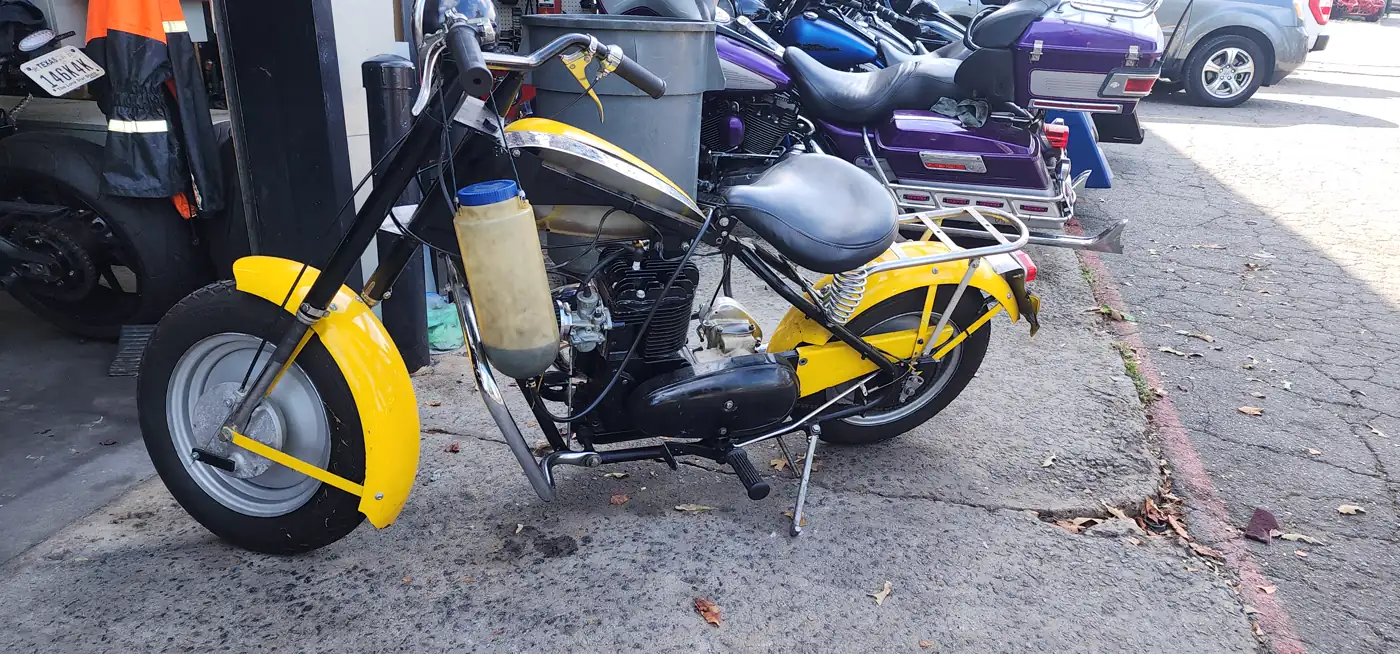
Now the other side, because sometimes selling really is smarter, and we’ll never pretend otherwise. If the bike is a common model with no story, if the finished value won’t come close to the cost, if you already know deep down you won’t ride it, or if the condition is genuinely grim, then selling frees up your garage, your weekends, and your wallet for a bike you’ll actually enjoy. There’s real dignity in letting a bike go to someone who’ll finish what you won’t. It’s not failure. It’s honesty.
And selling doesn’t have to mean giving it away. Even a non-running project bike has value to the right buyer, and knowing the true condition helps you price it fairly instead of dumping it for scrap out of frustration. Sometimes the best move is a small amount of work to get it running, which can multiply what a buyer will pay. Either way, an honest read on the bike protects you whether you keep it or sell it, because you’re deciding on facts instead of on the fog of a project you’ve been avoiding.
The only real mistake is deciding in the dark. Know what you've got, then choose without regret.
Notice that every factor above depends on one thing: actually knowing the bike’s condition. Sentiment you already know. Restored value you can research. But condition is the wild card, and it’s the one that flips decisions. That’s why the smartest first move, before you list it or commit to the project, is a real inspection. Once you know the true state of the bike, the restore vs sell call almost makes itself, and it usually lines up with what the restoration would actually cost.
Let's help you decide
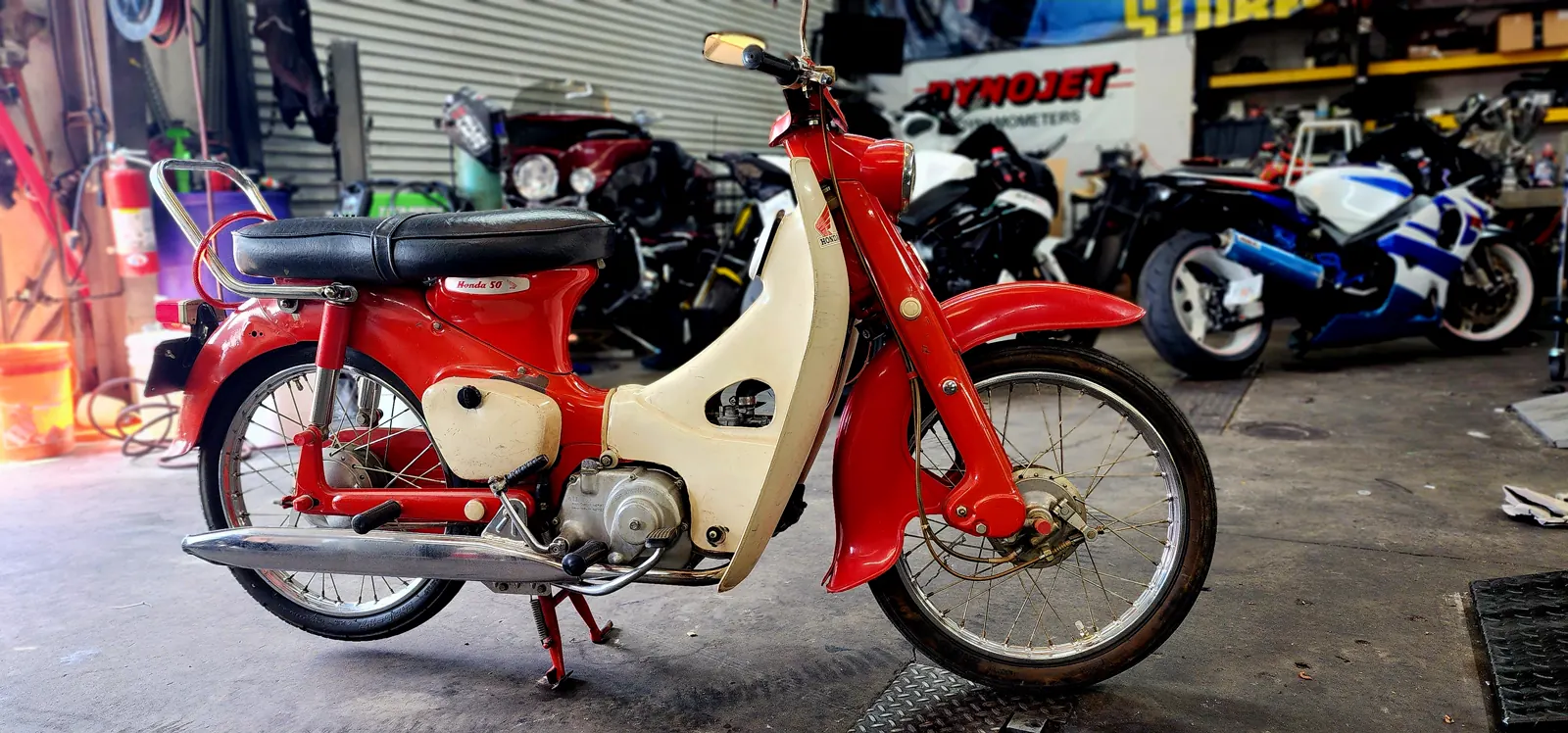
You don’t have to make this call alone or in the dark. Text us a few photos of the bike and its trouble spots, tell us the story, whether it’s a keeper or just a bike, and roughly how long it sat, and we’ll give you an honest read on condition and on what a restoration would run. If restoring is smart, we’ll tell you. If selling is smarter, we’ll tell you that too, and we’ll mean it. That’s the whole job of an honest shop.
There’s no all-makes restoration shop in Woodstock, so riders here often have nobody local to even ask this question. We’re 25 to 35 minutes south, 575 to 75, past the Big Chicken, and we offer pickup if the bike won’t run. Whether you end up restoring it with us or selling it to the right buyer, you’ll be deciding on facts instead of a guess. And that’s how you make this call without regret, whichever way it goes.
Questions Woodstock riders ask us
Will you honestly tell me to sell instead of restore?
Yes. We’re a restoration shop, but if selling is the smarter move for your bike, we’ll say so to your face. A good shop would rather give you honest advice than talk you into a project you’ll resent. Sometimes a common bike with no story just isn’t worth restoring, and you deserve to hear that plainly.
How do I know if my bike is worth restoring?
Weigh three things: whether it means something to you, what it’ll be worth restored versus the cost, and its true condition. Sentiment and researched value you can judge yourself. Condition is the wild card and hides, so an honest inspection before you decide is what turns the call into a real decision instead of a gamble.
Does a restored bike hold its value in Woodstock?
Better than most of the metro. Woodstock is affluent and motorcycle-serious, so a quality restoration finds an appreciative buyer here more easily than elsewhere. It’s not a guarantee, but the local market genuinely rewards doing it right, which shifts the math toward restoring when the bike is worth restoring at all.
Can I sell a bike that doesn't run?
Yes, and it doesn’t have to mean giving it away. Even a non-running project has value to the right buyer, and knowing the true condition lets you price it fairly instead of dumping it for scrap. Sometimes a little work to get it running multiplies what a buyer will pay. We can tell you which move makes sense.
What's the biggest mistake people make with this decision?
Deciding in the dark. Some sell a perfectly revivable bike for scrap money assuming the worst, others sink a fortune into one that turned out structurally shot. Both come from guessing at condition instead of knowing it. An honest inspection first protects you whether you keep the bike or sell it.
Can you look at the bike before I decide?
Absolutely, that’s the smart first step. Text us photos and the story, or bring it in, and we’ll give you an honest read on condition and what a restoration would cost. We offer pickup if it won’t run. We’re 25 to 35 minutes south of Woodstock down 575, and there’s no all-makes restoration shop in town to ask.
We help riders across Cherokee County make this call, not just in downtown Woodstock. Folks reach out from Towne Lake, Deer Run, and Bradshaw Farm, plus the newer townhomes near Elm Street Event Green and the Reformation Brewery district. We see project bikes from near Olde Rope Mill Park and along Bells Ferry Road, Arnold Mill, and Trickum. If you’re near I-575 or The Outlet Shoppes, an honest read is close by.
NOT SURE? LET'S FIGURE IT OUT
Torn between restoring and selling? Text us a few photos and the story, whether it’s a keeper or just a bike, and roughly how long it sat. We’ll give you an honest read on condition and what a restoration would run. If restoring’s smart, we’ll say so. If selling’s smarter, we’ll say that too. We’re 25 to 35 minutes south of Woodstock, with pickup if it won’t run.
470-460-9883Diaz Motorcycles and Service, LLC · 847 Barnes Mill Road, Marietta, GA 30062