Restore vs Sell Your Motorcycle in Atlanta: How to Decide
A clear, honest way to figure out whether that old bike is worth bringing back or worth letting go, with no pressure either way.
You’re stuck on the fence. The old bike’s been sitting behind the condo for years, and you keep going back and forth: should I fix it up, or just sell it and move on? It’s a genuinely hard call, and the wrong shop will always tell you to restore because that’s how they get paid. So here’s our promise up front, when it comes to restore vs sell motorcycle Atlanta riders deserve a straight answer, and sometimes that answer is sell. Let’s figure out which one fits your bike.
The good news is this decision isn’t really a coin flip. There are a handful of clear questions that point you one way or the other almost every time. Once you run your bike through them, the fog usually lifts. So instead of agonizing, let’s just walk the checklist together.
Question one: are the bones good?
This is the big one. A bike’s “bones” are the frame and the engine core, the stuff that’s hard or expensive to replace. If the frame is straight and the engine turns over freely by hand, you’ve got a strong candidate for restoration, because everything else, fuel system, battery, tires, paint, is basically bolt-on and fixable. Good bones tilt you toward restore.
If the frame is bent, the engine is seized solid, or the bike was parked because of a deep mechanical problem that’s still there, the math gets harder. It can still be worth it for a rare or beloved bike, but for an ordinary machine, that’s often a lean-toward-sell situation. We’ll always tell you honestly which camp your bike is in, because that first look decides most of the decision.
Question two: does the bike mean something to you?
Here’s where the spreadsheet stops being the whole story. Some bikes aren’t a math problem. It was your dad’s. It was your first. It’s the one you swore you’d never let go and then life got busy. There’s no blue-book value on that, and honestly, those are the restorations we love most, the ones that never made financial sense and made every other kind of sense.
If the bike carries real meaning, that weighs heavily toward restore, even if a calculator would say otherwise. You’re not buying transportation, you’re buying the feeling of hearing it fire up again. But if it’s just a bike you happen to own, with no story attached, then it’s fair to treat it like any other asset and ask what makes financial sense. Both answers are valid. Only you know which bike you’ve got.
BE HONEST WITH YOURSELF
If you’d feel a genuine pang watching someone else ride it away, that’s your answer leaning toward restore, no matter what the numbers say.
We ask that question a lot, because people talk themselves into selling a bike they’ll quietly regret, or into restoring a bike they never really cared about. A minute of honesty here saves you from both. There’s no wrong feeling, there’s just knowing what you actually want before you spend or sell.
Question three: what does the money say?
Now the numbers. Compare the cost to bring the bike back against two things: what a comparable used bike would run you today, and what your bike would fetch as-is right now. A tired, non-running bike sells for very little, so “just selling it” often means walking away with pocket change and someone else’s mystery on the buyer’s end.
Meanwhile, a restored bike holds real value, and you get a machine whose history you actually know. If a light revival costs less than a comparable used bike and leaves you with something worth more than you put in, restore is winning on pure math. If a full rebuild costs way more than the bike will ever be worth and it means nothing to you, that’s a sell signal. We break the full breakdown down in what a restoration actually costs.
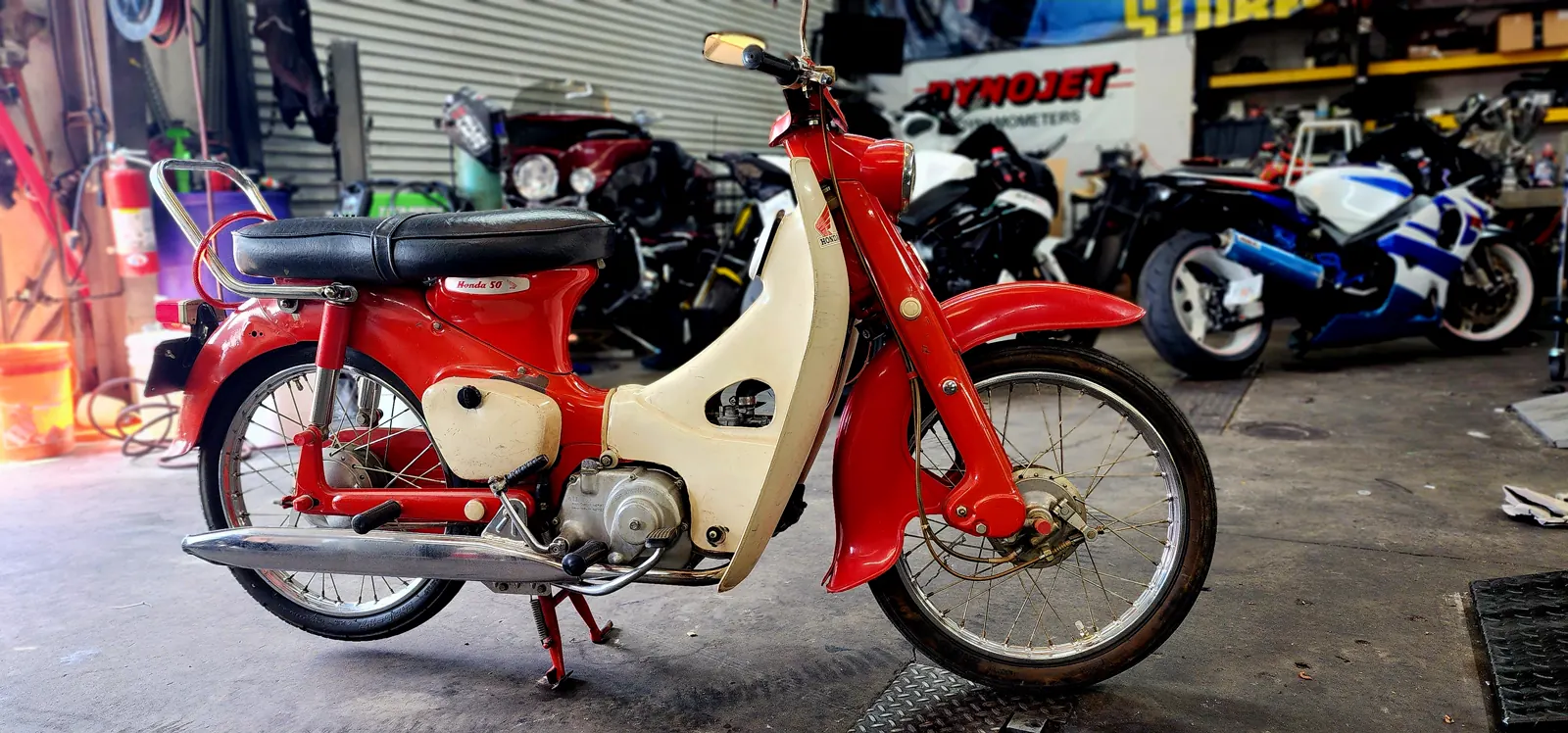
A quick way to score your own bike
Run your bike through this fast checklist. More yes answers means lean toward restore. More no answers means lean toward sell, or at least think harder about it:
- Is the frame straight and the engine free to turn by hand? Yes leans restore.
- Does the bike carry real meaning for you? Yes leans restore.
- Would a comparable running bike cost more than a revival of yours? Yes leans restore.
- Are parts for it reasonably findable? Yes leans restore.
- Would you regret watching someone ride it away? Yes leans restore.
- Is the core truly gone and the bike just an ordinary model with no story? That leans sell.
Most people find the answer jumps out at them by question three. If you’re still torn after running the list, that usually means the bike is close to the line either way, and that’s exactly the case where a real look from a shop settles it. You don’t have to decide alone or in the dark.
The right call isn't always restore. It's whatever leaves you glad a year from now.
The Atlanta angle nobody mentions
Here’s a local twist that quietly pushes a lot of in-town riders toward selling when they shouldn’t. Nearly half of Atlanta rents, and a huge share of those pre-1950 homes in Kirkwood, Reynoldstown, and Grant Park have a detached garage or none at all. Condo riders in Midtown and Buckhead store bikes in shared decks. So the bike sits outside, gets a little worse each season, and starts to look like a lost cause, when really it’s just been neglected by circumstance, not doomed.
That matters because a bike that looks rough from years of exposure often has perfectly good bones underneath. Don’t let a tired paint job and a dead battery talk you into selling a solid machine for scraps. The stuff that goes bad from sitting, fuel, rubber, battery, chrome, is exactly the stuff a revival fixes, which is the whole story behind a bike that’s been sitting for years. Judge the bones, not the dust.
DON'T UNDERSELL IT
A dirty, non-running bike sells for almost nothing. If the core is good, a revival often turns pocket change into a bike worth keeping or worth real money.
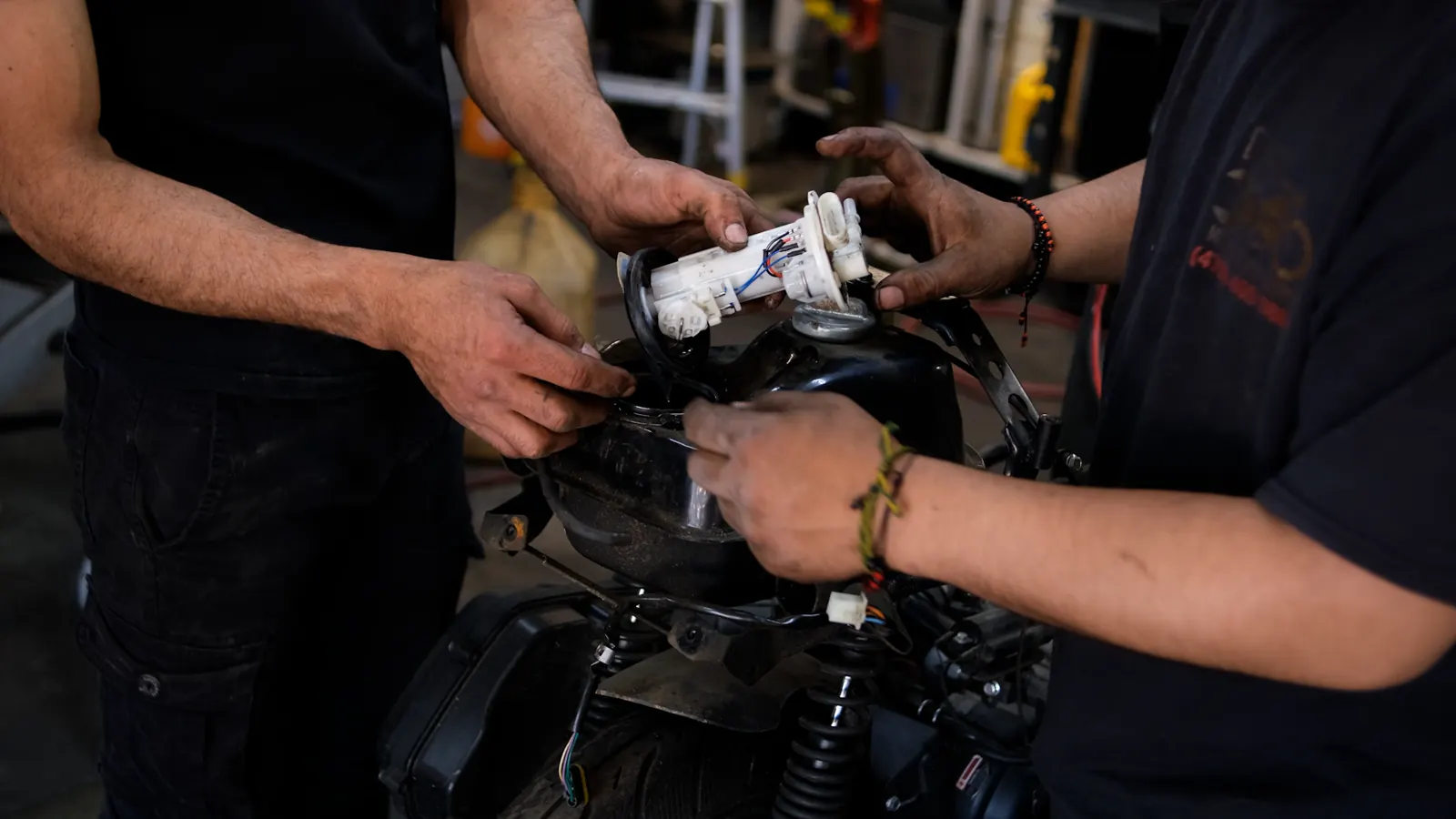
How we help you decide without a sales pitch
This is the part that makes the whole decision easy: get a real look before you choose. We diagnose the bike first, check the bones, and tell you honestly which way it leans, restore or sell. If it’s not worth restoring, we’ll say so plainly. We’d rather keep your trust and earn your next bike than talk you into a job that leaves you sore about it later.
And if you can’t get the bike to us, that’s no obstacle. A dead bike in a Buckhead deck or an East Atlanta shed is just a pickup. We come get bikes across the metro, so you can get a straight, in-person read even if the thing hasn’t moved in years. Once you’ve seen your bike honestly assessed, the restore-or-sell call practically makes itself.
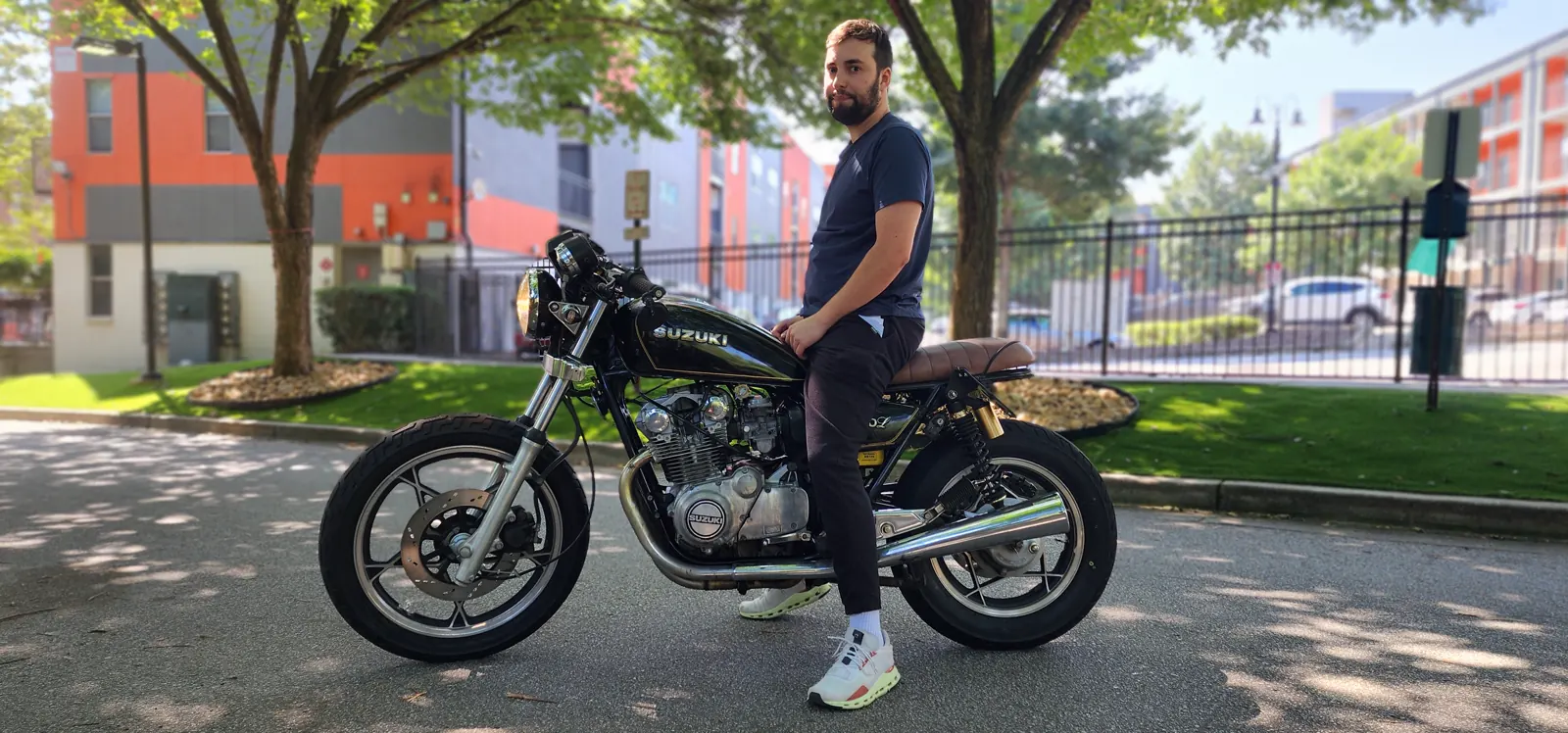
We won’t pretend that feeling shows up on a spreadsheet, because it doesn’t. Plenty of riders who ran the numbers cold still chose to restore, and a year later they’re grinning about it, not adding up receipts. The reverse is true too, folks who sold an ordinary bike with no story and never looked back. Both can be the right call. The point is to choose on purpose, not out of doubt or guilt.
That’s really all this checklist is for: helping you choose on purpose. Bones, meaning, money, and an honest look. Line those up and the fog clears fast. And because a dead bike is never the barrier, you can get that honest look no matter where the bike is stuck or whether it runs.
Your next move
Don’t sell a good bike cheap in a moment of doubt, and don’t sink real money into a bike you never loved. Run the checklist, be honest about the bones and the meaning, and get a real look if you’re still on the fence. That’s how you land on the choice you’ll be glad about a year from now.
So text us a few photos, tell us the bike’s story and how it’s been stored, and we’ll give you a straight read on whether to restore it or let it go. We’re in East Cobb, an easy reverse-commute up I-75, and if it won’t move we’ll come get it. No pressure to do anything, no sales script, just an honest answer so you can finally get off the fence.
Questions Atlanta riders ask us
How do I decide whether to restore or sell my motorcycle?
Run three questions: are the bones (frame and engine core) good, does the bike mean something to you, and does the money favor restoring over buying a comparable used bike? More yes answers lean toward restore. If the core is gone and the bike has no story, selling is fair. We’ll give you a straight read either way.
Will you tell me honestly if I should just sell it?
Yes. Not every bike should be restored, and we’ll say so plainly when that’s the case. We’d rather keep your trust and earn your next bike than push a job that leaves you regretful. An honest no now is worth more than a yes you resent later.
My bike looks rough after sitting outside. Is it a lost cause?
Usually not. Most of what makes a parked bike look dead, tired paint, a flat battery, gummed fuel, dead-looking chrome, is exactly what a revival fixes. Judge the bones, not the dust. Don’t undersell a solid machine just because it’s dusty and won’t start.
How much can I get selling a non-running bike as-is?
Usually very little. Buyers heavily discount a bike that won’t run and comes with unknown problems. If the core is good, a revival often turns that pocket change into a bike worth keeping or worth real resale money. That’s why it’s worth checking the bones first.
What if I'm still torn after thinking it through?
That usually means your bike is right on the line, and a real look settles it. We diagnose first, check the frame and engine, and tell you which way it honestly leans. You don’t have to make the call alone or in the dark.
I can't move the bike to get it looked at. Can you still help me decide?
Absolutely. We pick up bikes across the metro, from Midtown decks to East Atlanta sheds, so you can get an in-person assessment even if it hasn’t run in years. Once the bike’s been honestly looked over, the restore-or-sell decision gets a lot easier.
We help riders across the metro make the restore-or-sell call, and the approach never changes: an honest look, then a straight answer. We hear from Buckhead and Midtown condos near Piedmont Park, West Midtown folks by Atlantic Station, and Old Fourth Ward projects near Ponce City Market and the BeltLine. East Atlanta, Grant Park, and Inman Park send fence-sitters too. We’re up I-75 in East Cobb, and we pick up bikes that won’t move.
TEXT US AND WE'LL HELP YOU DECIDE
On the fence about restoring or selling? Text us a few photos, tell us the bike’s story and how it’s been stored, and we’ll give you an honest read, even if the answer is sell. We’re in East Cobb, an easy reverse-commute up I-75, and if it won’t move we’ll come get it for a look. No pressure, no sales script, just a straight answer.
470-460-9883Diaz Motorcycles and Service, LLC · 847 Barnes Mill Road, Marietta, GA 30062